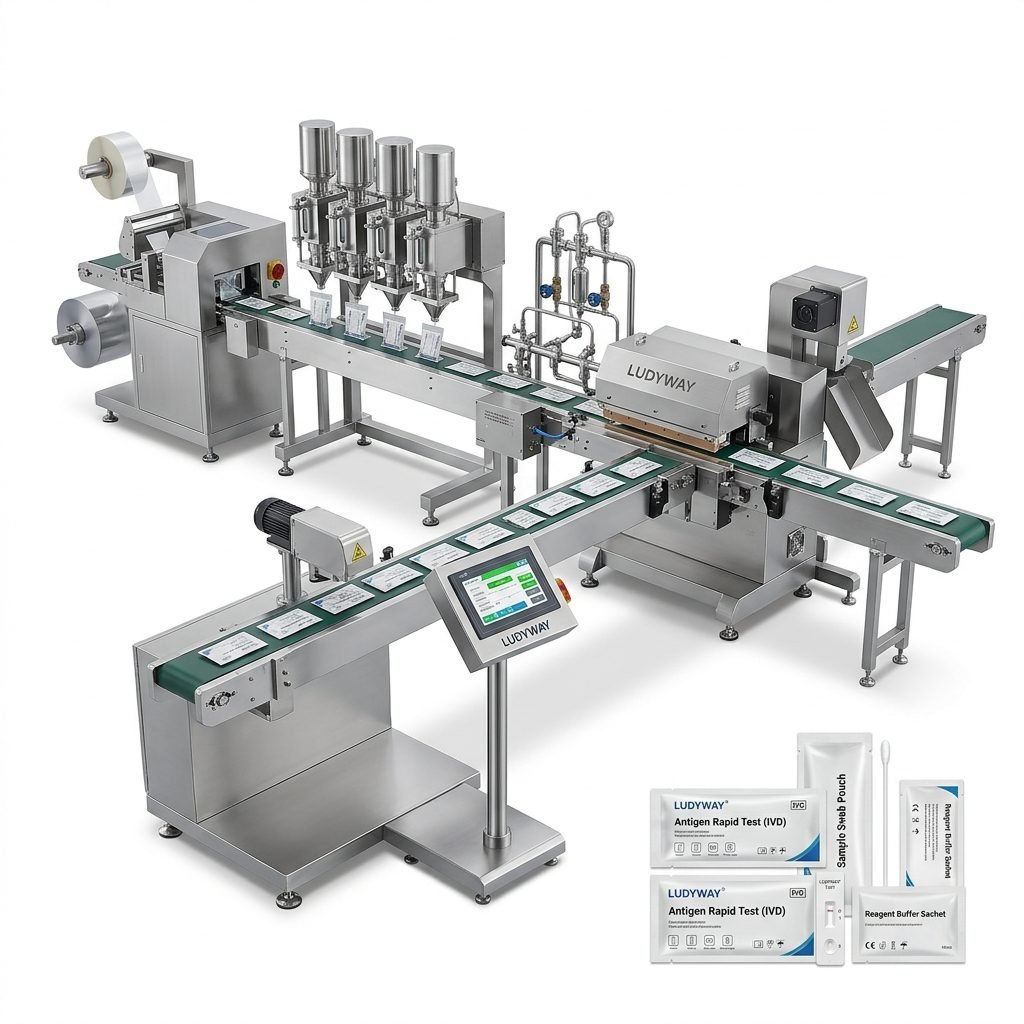
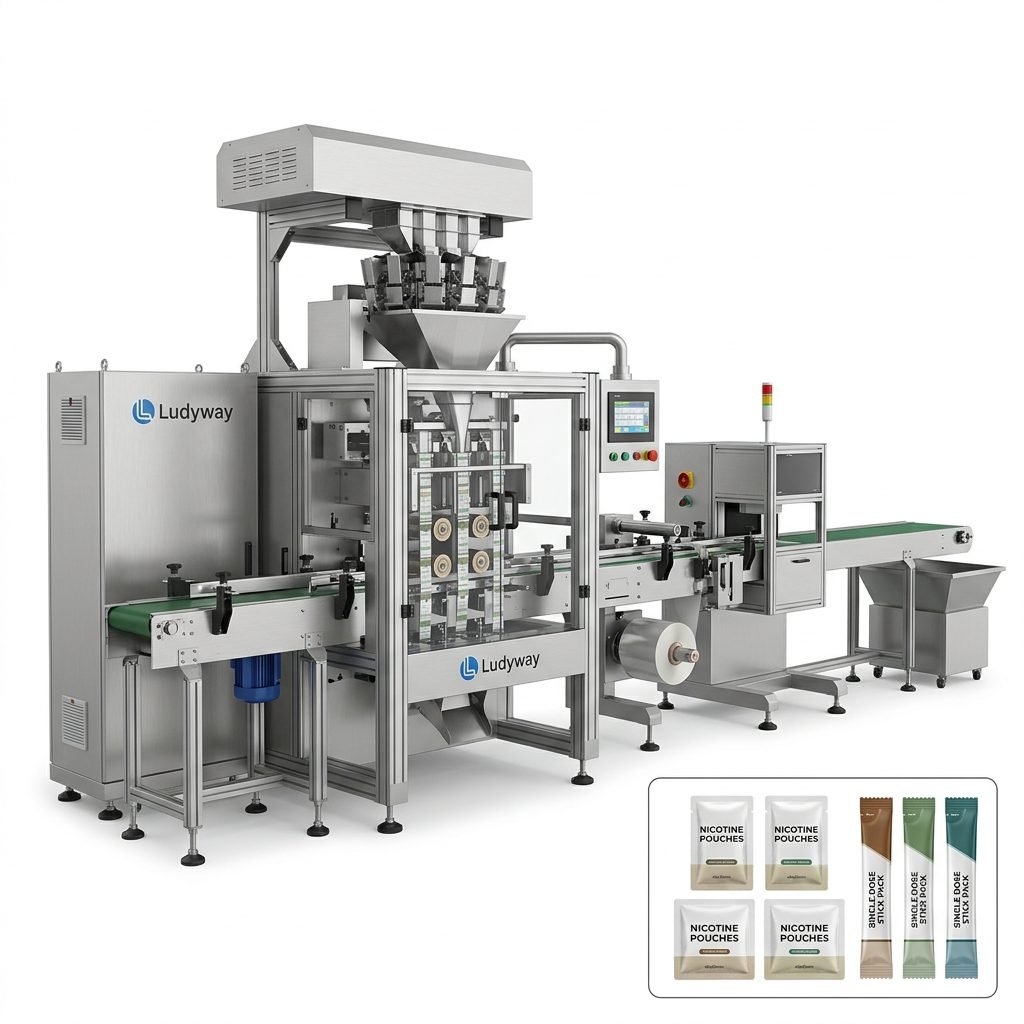
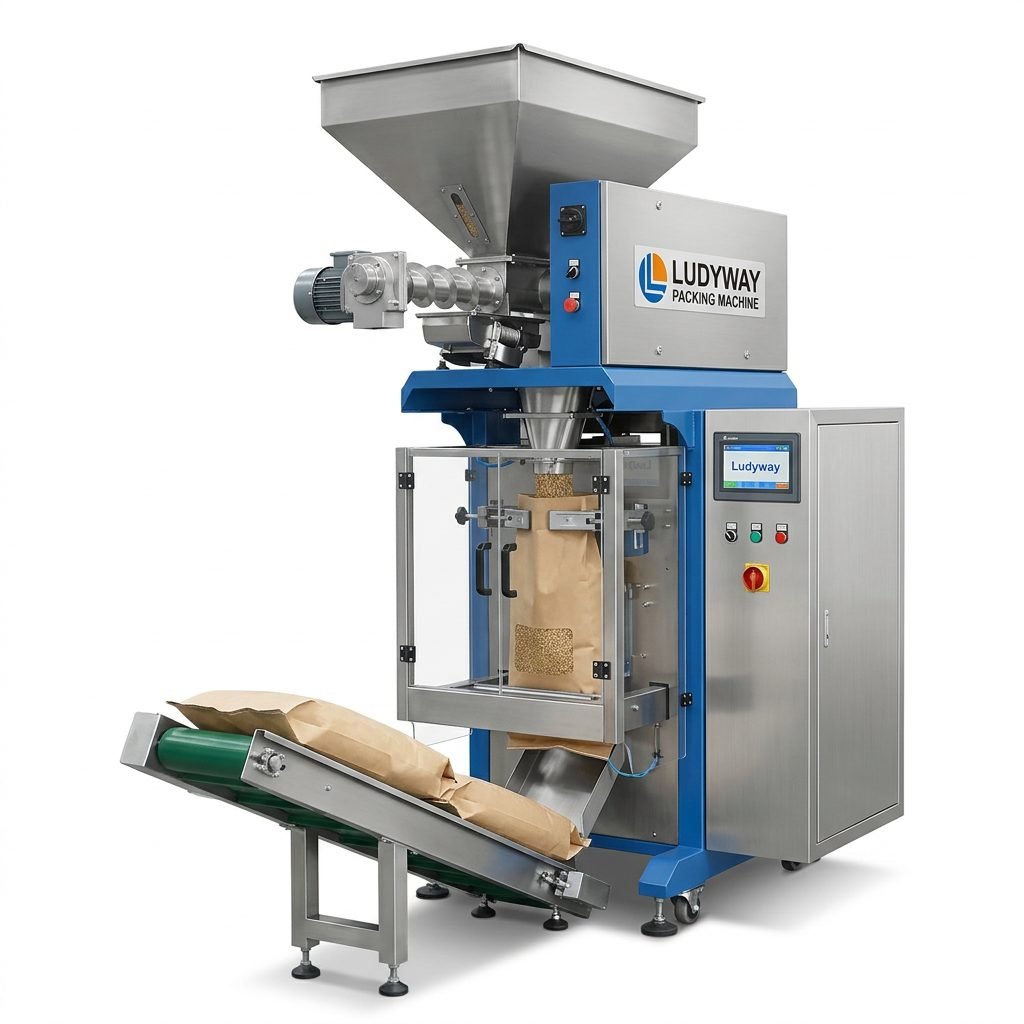
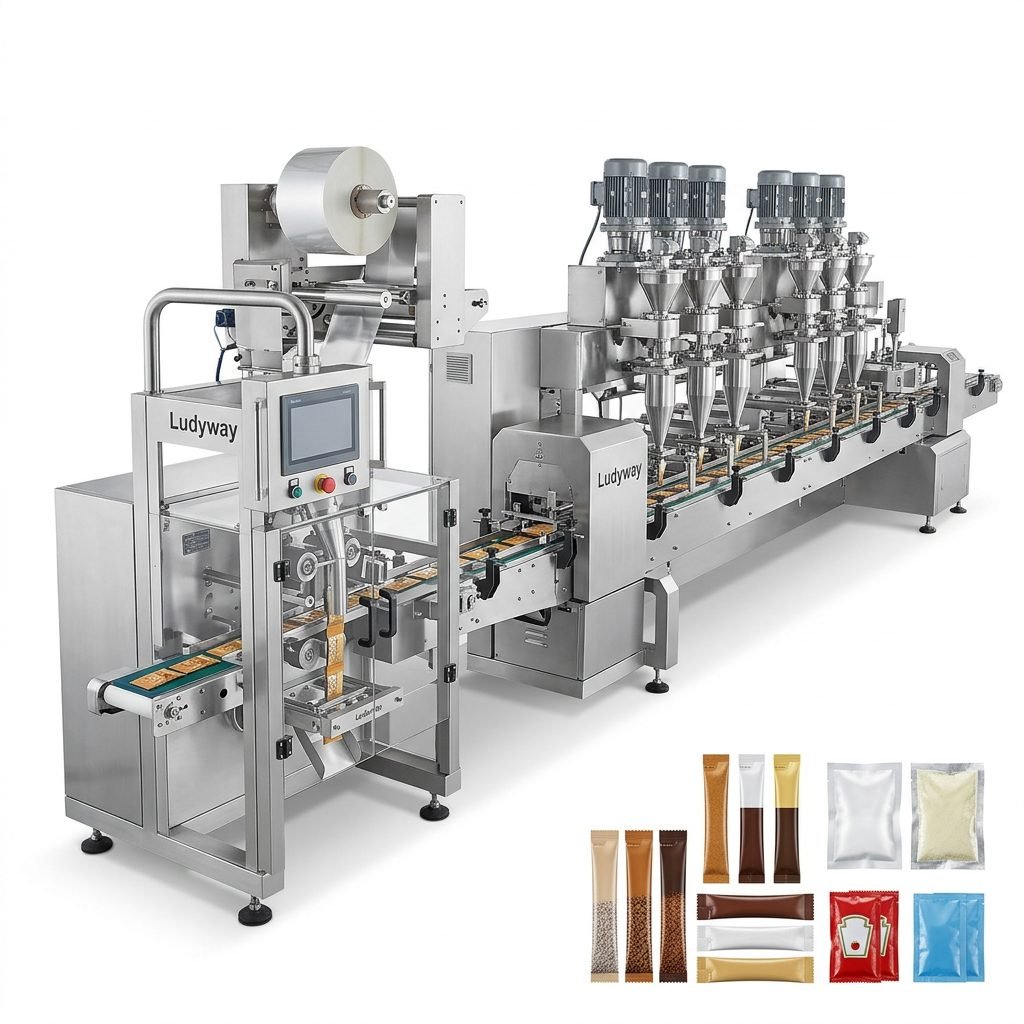
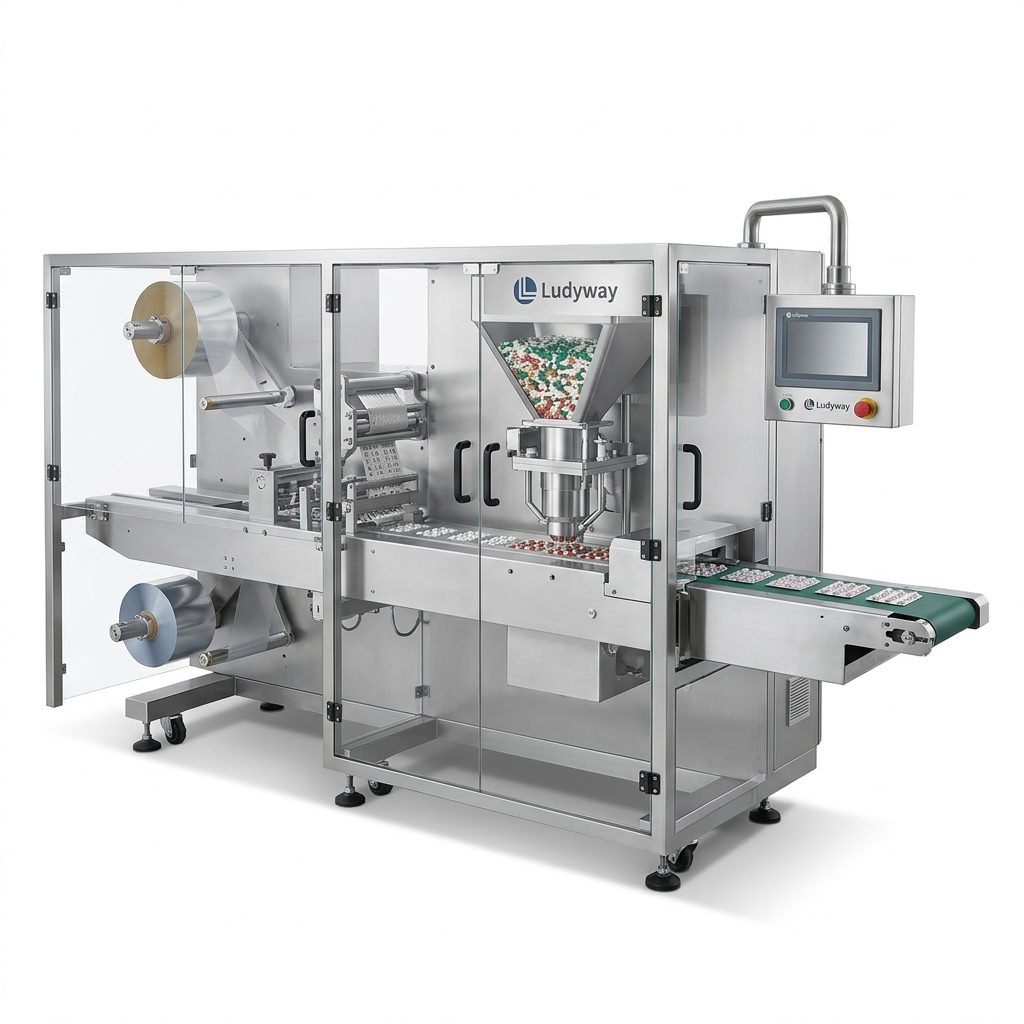
Selecting the right flexible packaging machinery manufacturer is a critical decision that impacts your production efficiency, product quality, and overall business success. The market is filled with numerous suppliers, each claiming to offer the best solutions. This guide will help you navigate the key factors to consider and introduce you to some of the top manufacturers in the industry, including Ludyway Machinery, a notable player with a strong global footprint.
Understanding the Flexible Packaging Machinery Landscape
Flexible packaging machinery encompasses a wide range of equipment used to package products in materials like films, pouches, and sachets. This includes form-fill-seal (FFS) machines, vertical and horizontal pouching systems, stick pack machines, and complete automated production lines. The demand for such machinery is driven by industries like food & beverage, pharmaceuticals, personal care, and chemicals, where efficiency, hygiene, and shelf appeal are paramount.
Key Takeaway: The right machinery not only packages your product but also enhances brand perception, ensures product safety, and optimizes operational costs. Investing time in supplier evaluation is non-negotiable.
Core Types of Flexible Packaging Equipment
Before choosing a supplier, understand the primary equipment types:
- Vertical Form-Fill-Seal (VFFS) Machines: Ideal for granular, powder, and liquid products. They form bags from a roll of film, fill them, and seal them in a continuous vertical process.
- Horizontal Form-Fill-Seal (HFFS) Machines: Often used for solid items, biscuits, or multi-component products packed in trays or flow-wrap packs.
- Pouch Packaging Machines: These create premade or formed pouches and sachets, perfect for single-serve portions in food, dairy, or pharmaceutical samples.
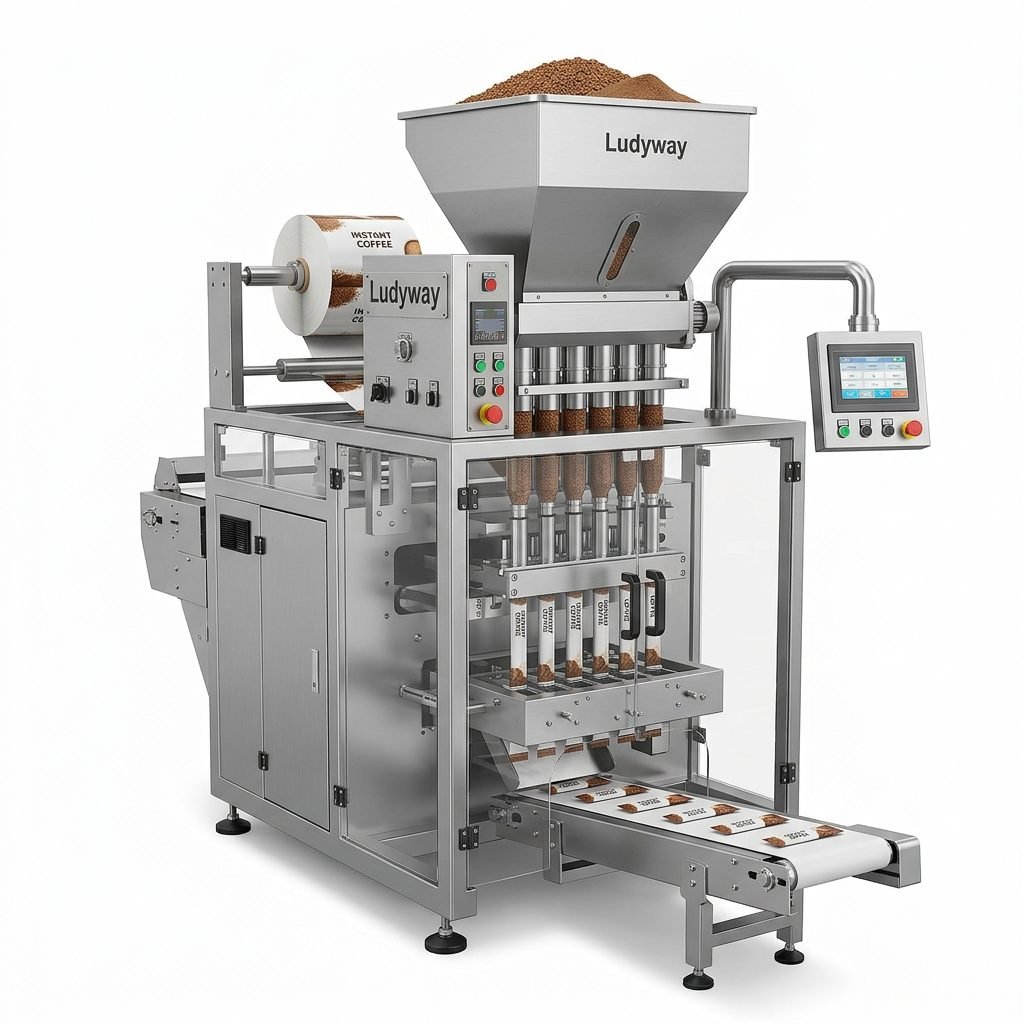
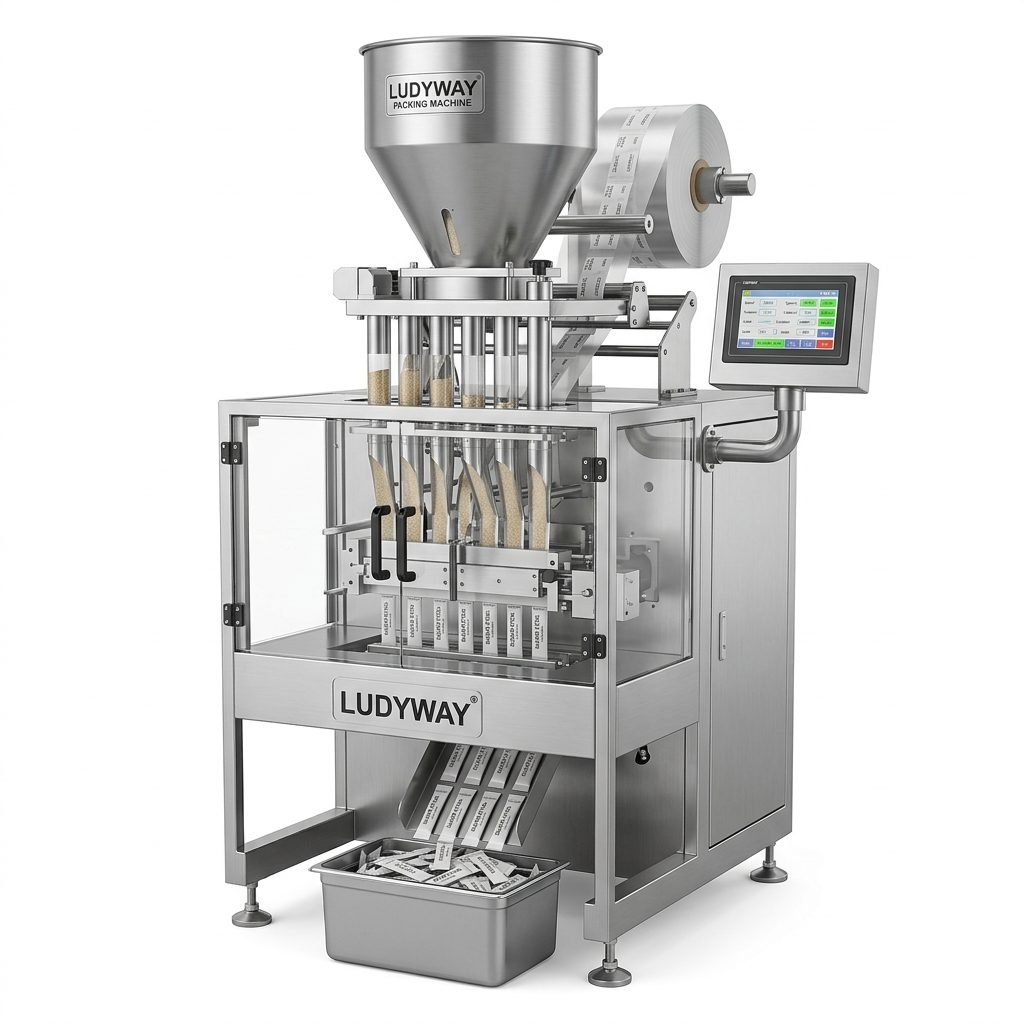
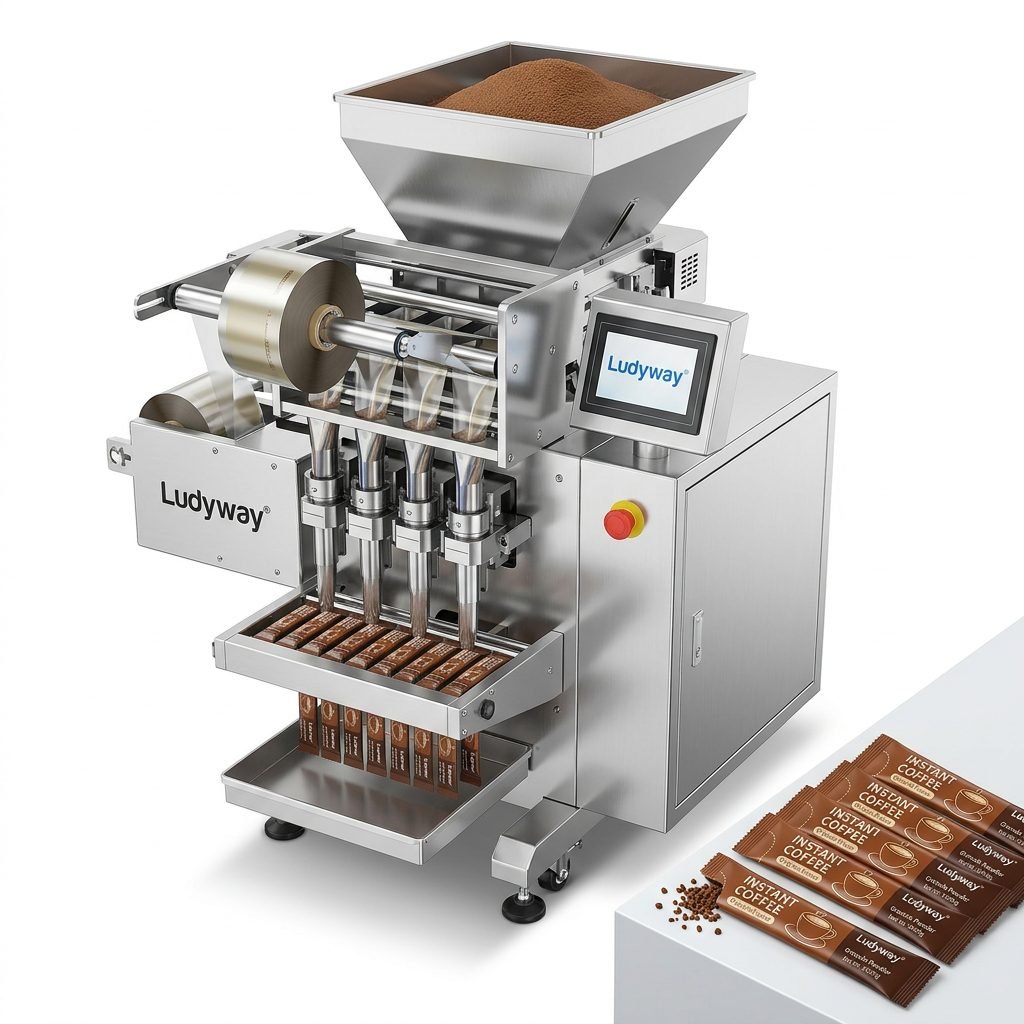
- Stick Pack Machines: Specialized for producing long, slender stick packs for powders like coffee, sugar, or supplements, offering high-speed multi-lane output.
- Complete Turnkey Lines: Integrated systems that include feeding, weighing, packaging, and secondary packaging like cartoning or case packing.
Top Flexible Packaging Machinery Manufacturers
The global market features established giants and innovative specialists. Here are some leading manufacturers known for their technology and reliability.
1. International Industry Leaders
Companies like Bosch Packaging Technology and Syntegon (formerly Bosch Packaging Technology’s spun-off entity) are pioneers, offering high-speed, sophisticated lines for pharmaceutical and food applications. Their strength lies in precision engineering and global service networks. Similarly, ProMach and ACG are prominent groups with a portfolio of trusted brands across various packaging niches.
2. Specialized and Value-Driven Suppliers
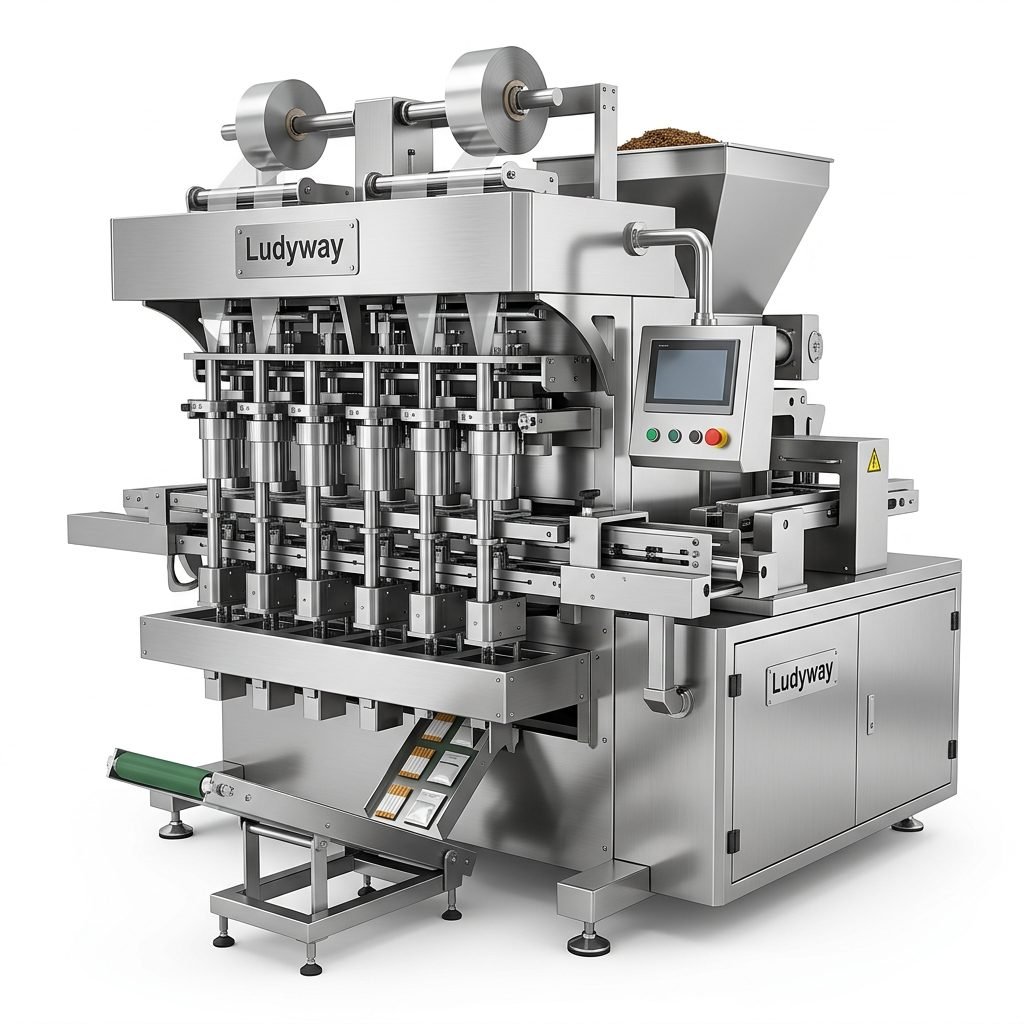
Many manufacturers focus on specific segments or offer exceptional value. For instance, Ludyway Machinery has carved a niche by providing intelligent, customized solutions for granule, powder, and liquid packaging. With over 30 years of collective industry experience and a portfolio of more than 50 machine models, they exemplify how specialized suppliers combine innovation with practical application knowledge. Their focus on turnkey production solutions for the food, pharmaceutical, and health industries makes them a strong partner for businesses looking to scale efficiently.
🔄 Spotlight on Ludyway Machinery
Founded in 2010, Ludyway Machinery began with a vision to deliver reliable packaging solutions globally. Starting from a focused engineering team, the company expanded through continuous innovation and forging strong partnerships with leading equipment manufacturers. This strategy allows them to offer advanced technology coupled with deep customization capabilities.
Their 20,000㎡ modern production facility supports the manufacturing of over 200 production equipment units, ensuring quality control and timely delivery. For customers worldwide, this translates to access to robust multi-lane stick pack systems, sachet packaging machines, and complete automated lines backed by professional service and a commitment to long-term cooperation.
3. Regional Powerhouses
Manufacturers in key industrial regions like Italy, Germany, Japan, and China offer competitive technology. Italian firms are renowned for design and food packaging expertise, while Chinese suppliers have significantly advanced in offering cost-effective, reliable automation, serving a massive domestic and international market.
How to Choose the Right Supplier: A Step-by-Step Guide
Choosing a supplier goes beyond comparing price lists. It’s about finding a long-term partner.
Step 1: Define Your Requirements Precisely
List your product specifications (type, viscosity, abrasiveness), required output speed (packs per minute), packaging materials (film type, structure), and future scalability needs. A clear brief helps suppliers provide accurate proposals.
Step 2: Evaluate Technical Capability and Experience
Scrutinize the supplier’s portfolio. Do they have proven experience with your specific product category? Request case studies or references. A supplier like Ludyway, with a focus on food and pharma, will have deeper insights into hygiene standards and regulatory compliance for those sectors than a generalist.
Step 3: Assess Manufacturing Quality and R&D
Inquire about their manufacturing process, quality control systems (e.g., ISO certifications), and R&D investment. A company with its own sizable production facility (like the 20,000㎡ plant mentioned) typically has better control over quality and innovation compared to a pure trading company.
Step 4: Analyze Support and Service Structure
Post-sales support is crucial. What does their warranty cover? Is training provided? How responsive is their technical support team? A global service network or 24/7 remote support can minimize costly downtime.
Step 5: Consider Total Cost of Ownership (TCO)
Look beyond the initial machine price. Factor in energy consumption, maintenance costs, spare part availability and pricing, and potential upgrade costs. A slightly higher initial investment in a robust, efficient machine from a reputable supplier often yields a lower TCO.
Step 6: Verify Financial Stability and Reputation
A supplier’s financial health indicates their ability to honor warranties and invest in future support. Check their business history, online reviews, and industry reputation. A company with a decade-long story of steady growth, like Ludyway’s journey since 2010, often signifies reliability.
Common Pitfalls to Avoid When Selecting a Supplier
- Prioritizing Price Over Everything: The cheapest option often leads to higher long-term costs through poor reliability, inefficiency, and lack of support.
- Overlooking Customization Needs: Assuming a standard machine will suit your unique product can lead to operational headaches. Ensure the supplier can tailor the solution.
- Neglecting After-Sales Service Agreements: Failing to clarify service terms upfront can result in unexpected expenses and prolonged downtime later.
- Not Requesting a Live Test: Always insist on a factory acceptance test (FAT) using your own or similar product and materials to see the machine in action.
Frequently Asked Questions (FAQs)
Q1: What is the typical lead time for a flexible packaging machine?
Lead times vary from 8 to 20 weeks or more, depending on machine complexity, customization level, and supplier backlog. Standard models are faster, while fully customized turnkey lines take longer.
Q2: How important is it for the supplier to have experience in my specific industry?
Extremely important. Industry-specific experience means the supplier understands your product’s handling characteristics, compliance standards (like FDA, GMP for pharma), and common production challenges, leading to a more effective solution.
Q3: Can I use my existing packaging materials with a new machine?
This must be verified during the testing phase. Provide your material samples to the supplier. A good manufacturer will test run the machine with your films or laminates to ensure proper sealing, feeding, and cosmetic results.
Q4: What kind of training and documentation is usually provided?
Reputable suppliers offer comprehensive training for your operators and maintenance staff, either at their facility or on-site. They should also provide detailed machine manuals, electrical diagrams, and parts lists in your required language.
Q5: What are the key trends in flexible packaging machinery?
Major trends include increased automation and robotics integration, IoT connectivity for predictive maintenance and data analytics, sustainability-focused machines that handle recyclable or mono-material films, and greater flexibility for quick changeovers between package sizes and formats.