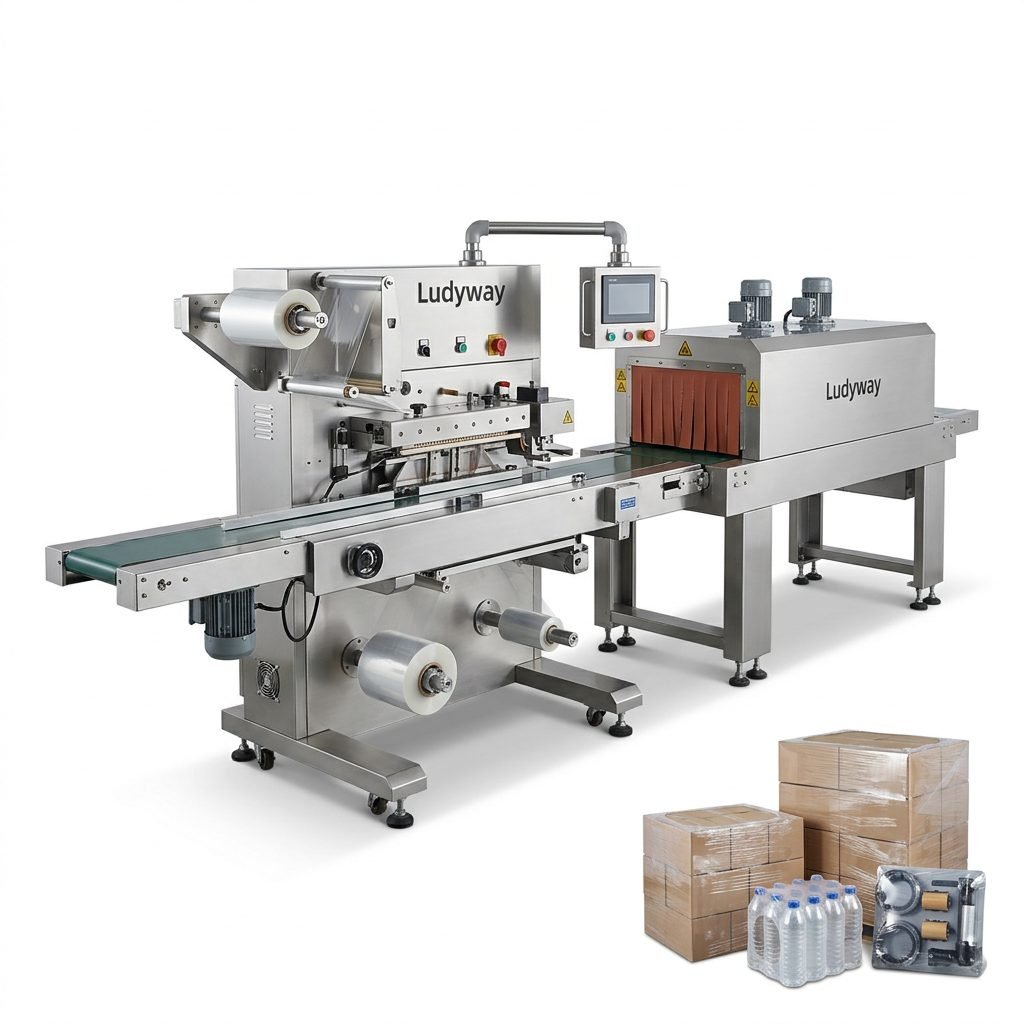
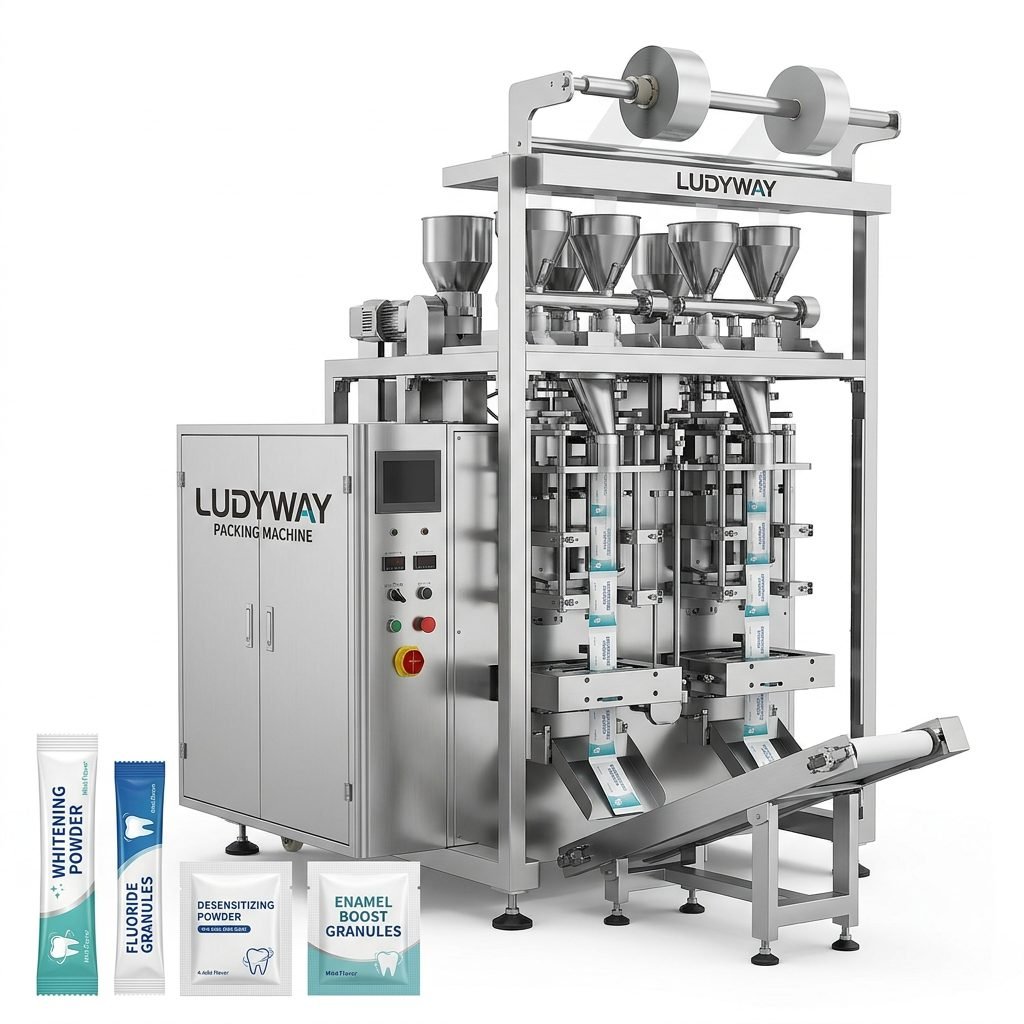
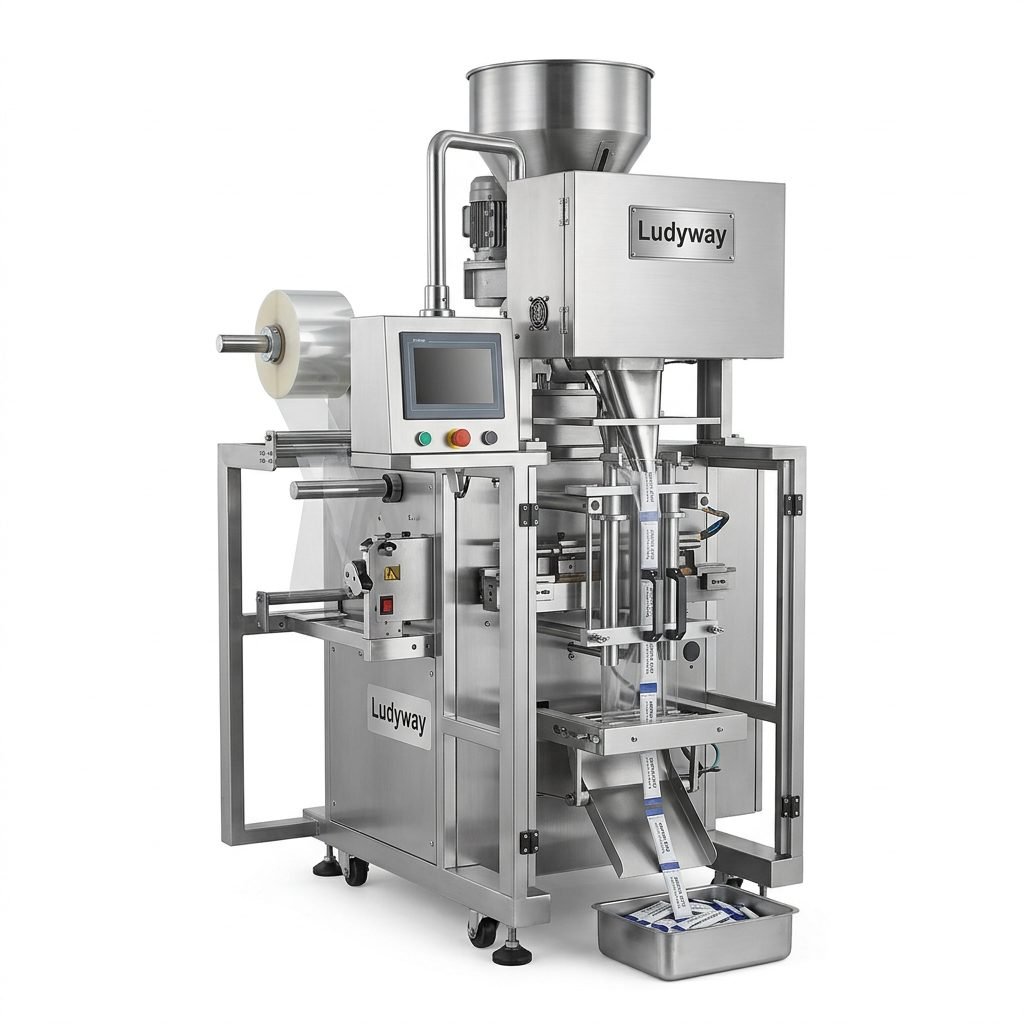
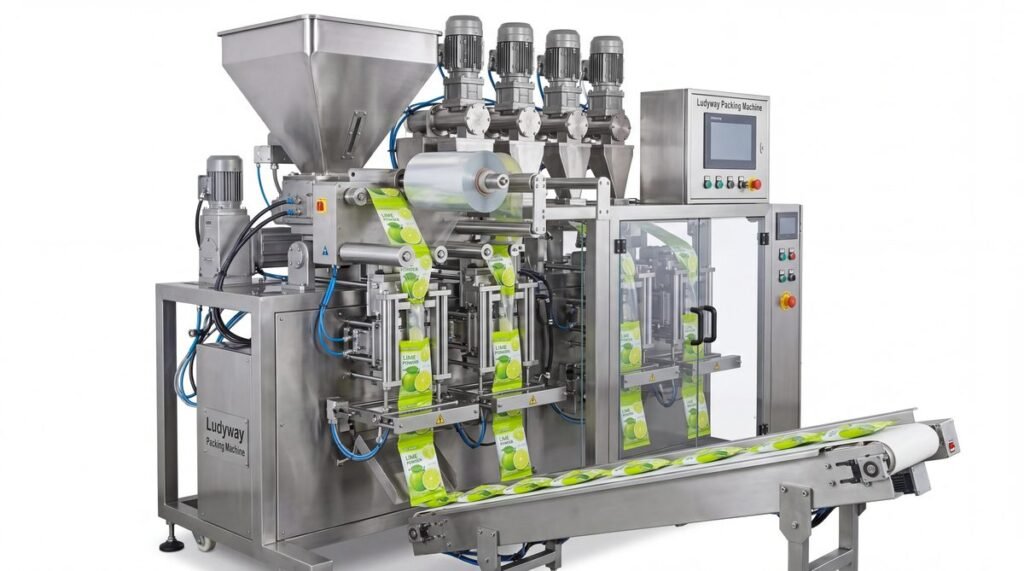
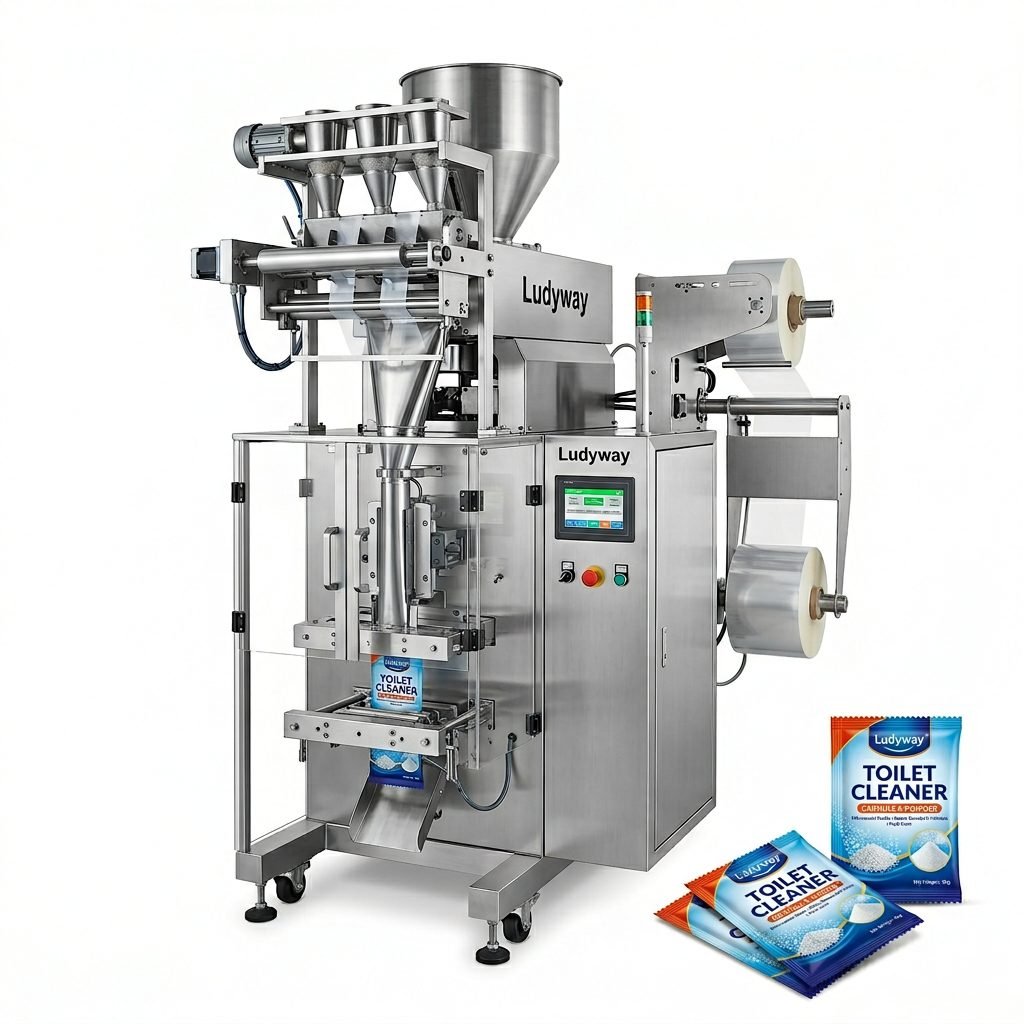
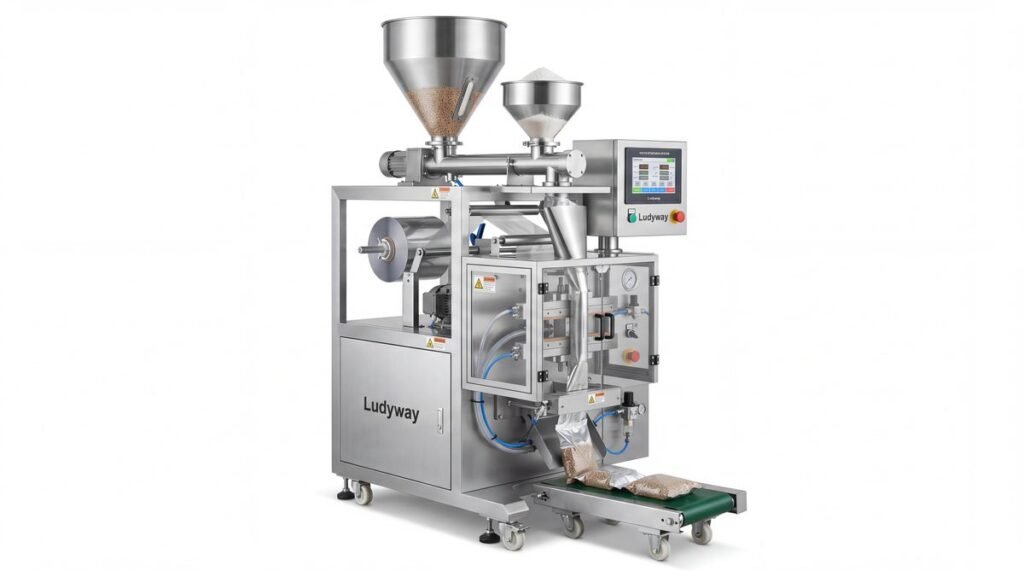
In modern manufacturing and product distribution, packaging machinery stands as a critical component of the production line. From food and pharmaceuticals to consumer goods and industrial products, the right packaging equipment ensures product integrity, enhances efficiency, and meets market demands. This comprehensive guide explores the various types of packaging machinery, their fundamental working principles, and provides actionable insights on how to select the optimal solution for your specific operational needs.
Understanding the Core Categories of Packaging Machinery
The world of packaging machinery is diverse, with equipment designed for specific functions and materials. Understanding these categories is the first step toward making an informed investment.
Primary Packaging Equipment
This category involves machines that handle the direct contact between the product and its immediate container. Key types include:
• Filling Machines: Precisely dispense measured amounts of product—be it liquid, powder, or granules—into bottles, pouches, or other containers. Volumetric, auger, and piston fillers are common variants.
• Sealing Machines: Apply closures like caps, lids, or heat seals to securely contain the product. This includes cappers, induction sealers, and pouch sealers.
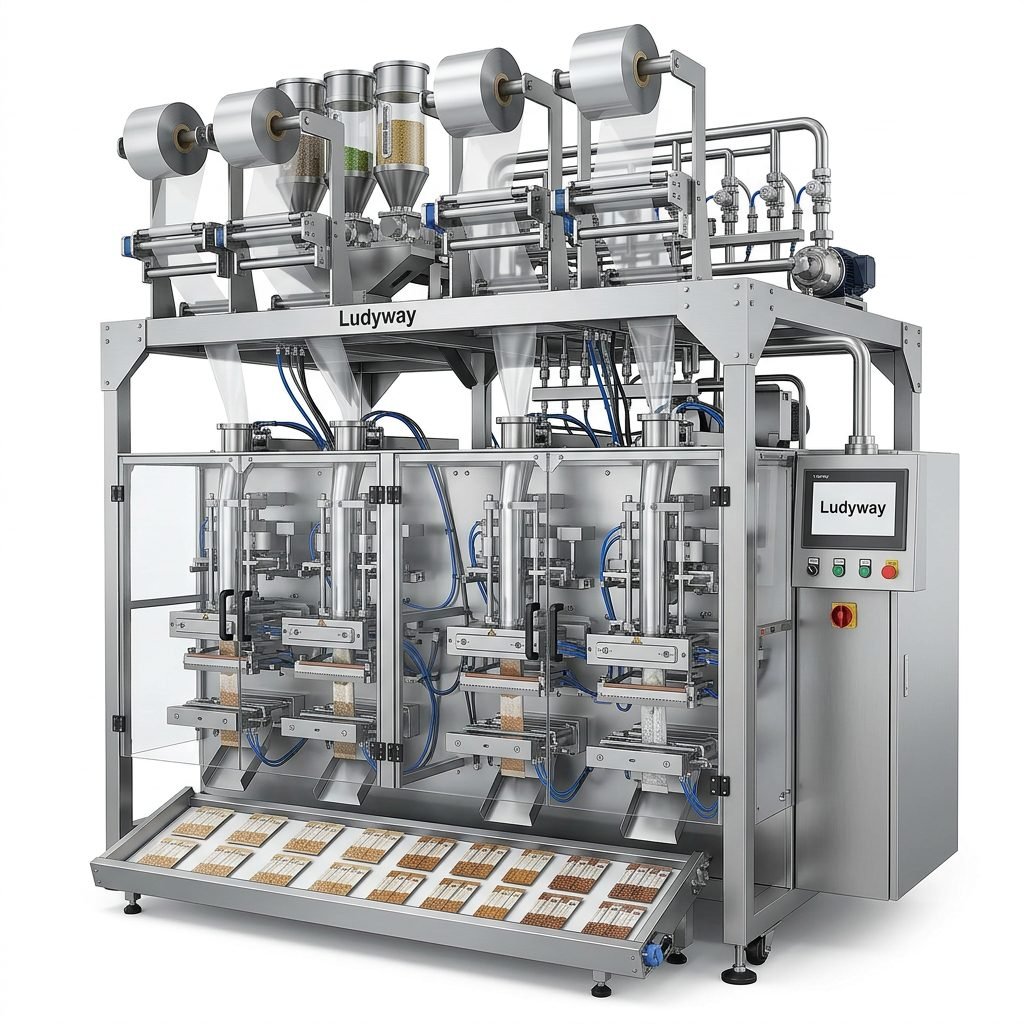
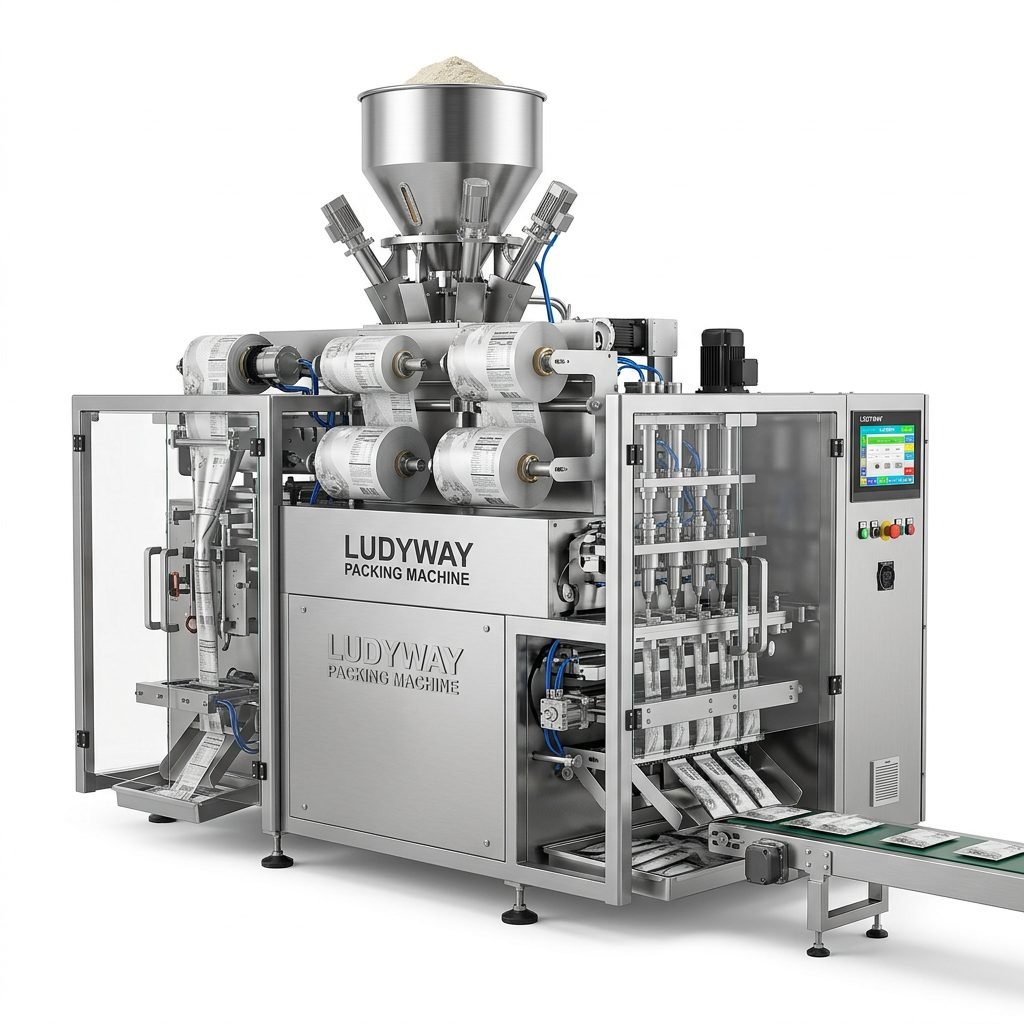
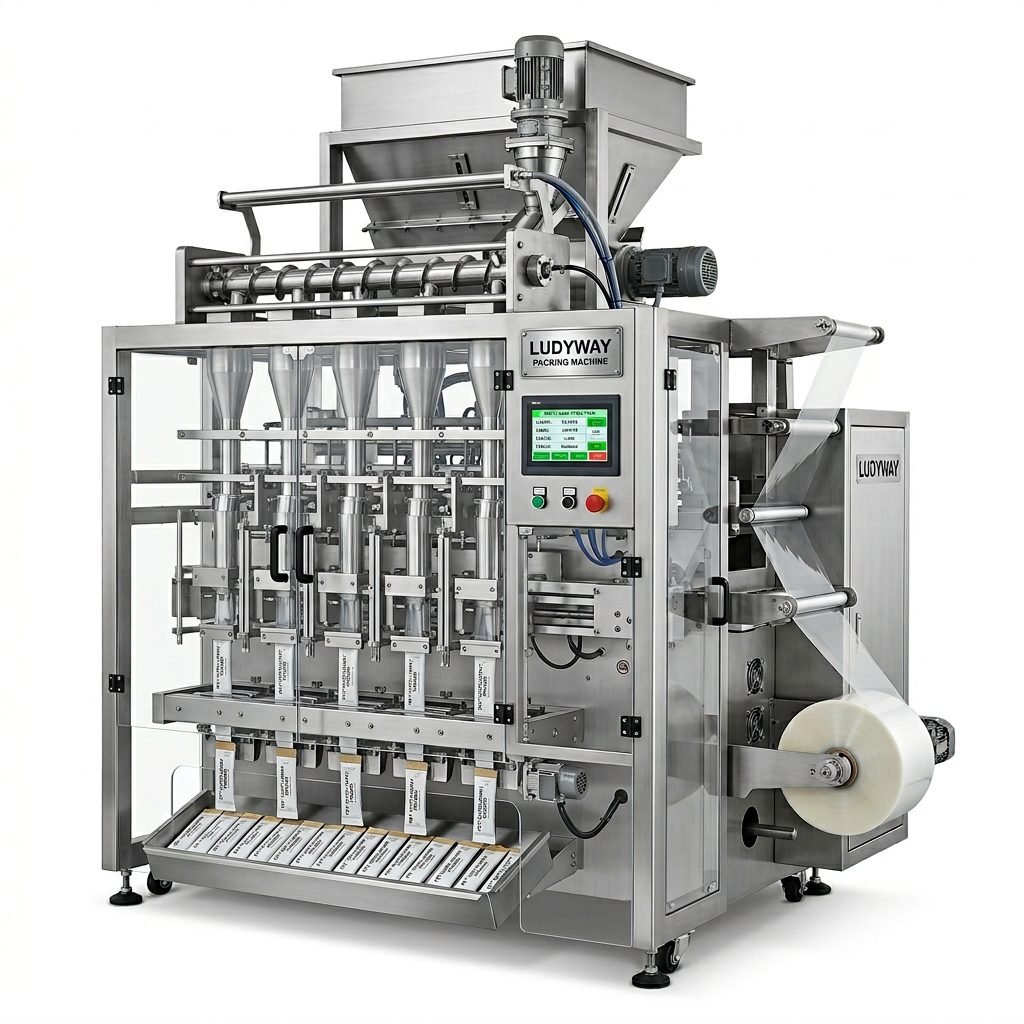
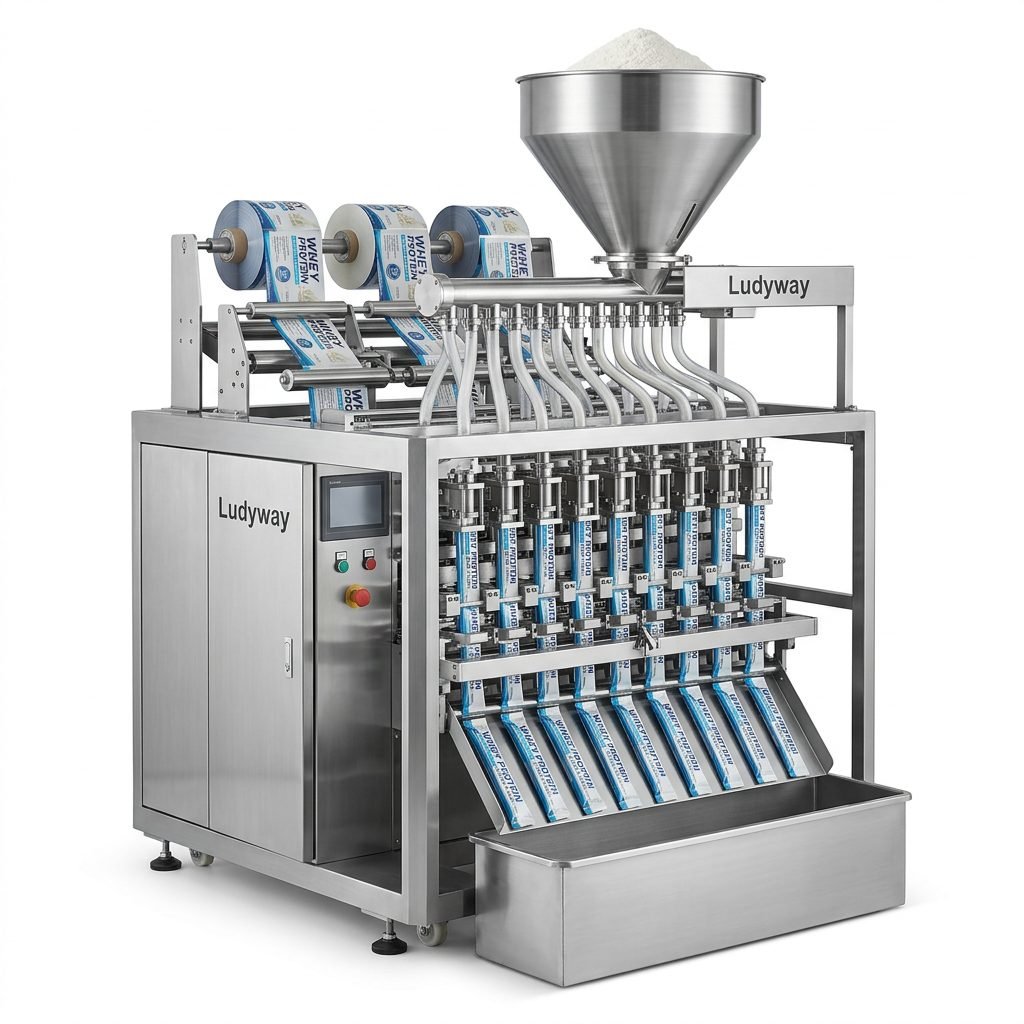
• Form-Fill-Seal (FFS) Machines: A highly efficient, integrated system. It forms packaging from a roll of film, fills it with product, and seals it in one continuous operation. Common for producing stick packs and sachets.
Secondary & Tertiary Packaging Equipment
These machines handle the bundling and preparation of primary packages for shipping and retail.
• Cartoning Machines: Automatically erect, load, and close cartons or boxes. They are essential for creating retail-ready packages.
• Case Packers & Palletizers: Case packers place multiple primary packages into shipping cases, while palletizers arrange and stack these cases onto pallets for stable transport.
• Labeling & Coding Machines: Apply product labels, barcodes, expiration dates, and batch codes with precision and speed.
Key Working Principles Behind Modern Packaging Machines
While designs vary, most automated packaging machinery operates on a combination of mechanical, pneumatic, and electronic principles to achieve consistent, high-speed output.
The Automation & Control System
At the heart of modern equipment is a Programmable Logic Controller (PLC) or industrial computer. This “brain” coordinates all machine functions—from initiating the feed of packaging material and triggering the filling cycle to controlling the sealing temperature and ejecting the finished package. Sensors continuously monitor the process, ensuring accuracy and immediately halting operations if an error is detected.
Material Handling and Product Feeding
Reliable feeding is paramount. For powders and granules, auger screw systems are common, using a rotating screw within a tube to dispense a precise volume. For liquids, piston fillers draw a set volume into a cylinder before discharging it. Vibratory bowls, conveyor belts, and robotic arms are used to orient and transport containers and primary packages between stations.
The Sealing Process
Sealing methods depend on the packaging material. Heat sealing is ubiquitous for plastic films and laminates, where heated jaws or bars melt the inner layer to form a bond. For bottles, capping heads use torque-controlled spindles to apply screw caps consistently. Induction sealing creates a tamper-evident foil seal inside a container’s cap by applying an electromagnetic field.
A Strategic Guide to Choosing the Right Packaging Solution
Selecting machinery is a significant capital decision. A methodical approach ensures you invest in a system that delivers long-term value and meets your production goals.
1. Define Your Core Requirements
Start with a clear analysis of your own needs. What is your primary product type (liquid, powder, solid)? What are your required output speeds (packages per minute/hour)? What packaging materials do you plan to use (film type, container shape)? Also, consider future needs—will you require flexibility for multiple products or package sizes?
2. Evaluate Machine Capabilities & Technology
Match your requirements against machine specifications. Look for key features like changeover ease (how quickly you can switch between products), accuracy (fill weight consistency), and hygienic design (critical for food and pharmaceuticals). Modern machines with touch-screen HMIs (Human-Machine Interfaces) and data logging capabilities offer better control and traceability. For businesses seeking comprehensive solutions, exploring professional packaging experts who offer turnkey lines can be highly beneficial.
3. Assess Reliability and Support
The machine’s build quality and the supplier’s support network are crucial. Investigate the manufacturer’s reputation, the availability of spare parts, and the quality of technical support and training. A reliable partner with a strong track record, like those with decades of industry experience, minimizes downtime risks. Consider the supplier’s ability to provide customized automation solutions tailored to your specific challenges.
4. Analyze Total Cost of Ownership (TCO)
Look beyond the initial purchase price. Calculate the TCO by factoring in energy consumption, required labor, maintenance costs, and material waste rates. A slightly more expensive machine that is highly efficient, durable, and easy to maintain often proves more economical over its lifespan.
Conclusion: Investing in Packaging Efficiency
The right packaging machinery is a strategic asset that drives productivity, ensures quality, and enhances brand reputation. By thoroughly understanding the different equipment types, the engineering principles that power them, and following a disciplined selection process focused on your specific requirements and long-term operational costs, you can make a confident investment. Partnering with an experienced and reliable supplier is often the key to unlocking seamless integration and ongoing production success.
Frequently Asked Questions (FAQs)
What is the main difference between a vertical and a horizontal form-fill-seal machine?
Vertical Form-Fill-Seal (VFFS) machines are typically used for granular, powdered, or liquid products where the bag is formed vertically around a filling tube. Horizontal Form-Fill-Seal (HFFS) machines are often used for solid items or count-based products, where the film travels horizontally and items are placed into pre-formed pockets before sealing.
How do I determine the right speed (packages per minute) for my needs?
Calculate your current and projected daily/weekly production volume. Factor in planned shifts and allow for reasonable efficiency (typically 80-85%). The required machine speed (PPM) = (Total Required Output) / (Operating Minutes per Shift x Efficiency Rate). Always choose a machine with a 15-20% higher maximum speed than your calculated need to accommodate future growth and peak demand.
What are the most important maintenance routines for packaging machinery?
Daily cleaning to prevent product buildup, regular lubrication of moving parts as per the manual, inspection and replacement of wear items (like sealing jaws, gaskets, and feed augers), and periodic calibration of weighing and filling systems are essential. Consistent preventive maintenance is the most effective way to prevent unplanned downtime.
Can one machine handle multiple different products or package sizes?
Many modern machines are designed with changeover flexibility. Look for features like tool-less change parts, digital recipe storage (where settings for different products are saved), and quick-adjust mechanisms. However, the complexity and time required for changeover vary greatly between models, so this is a key point to discuss with the supplier during evaluation.
What should I look for in a packaging machinery supplier?
Prioritize suppliers with a proven industry reputation, strong technical support and training offerings, readily available spare parts, and a portfolio of successful installations similar to your application. A supplier that acts as a partner, offering comprehensive after-sales service and willing to provide customized solutions, will add significant long-term value to your investment.