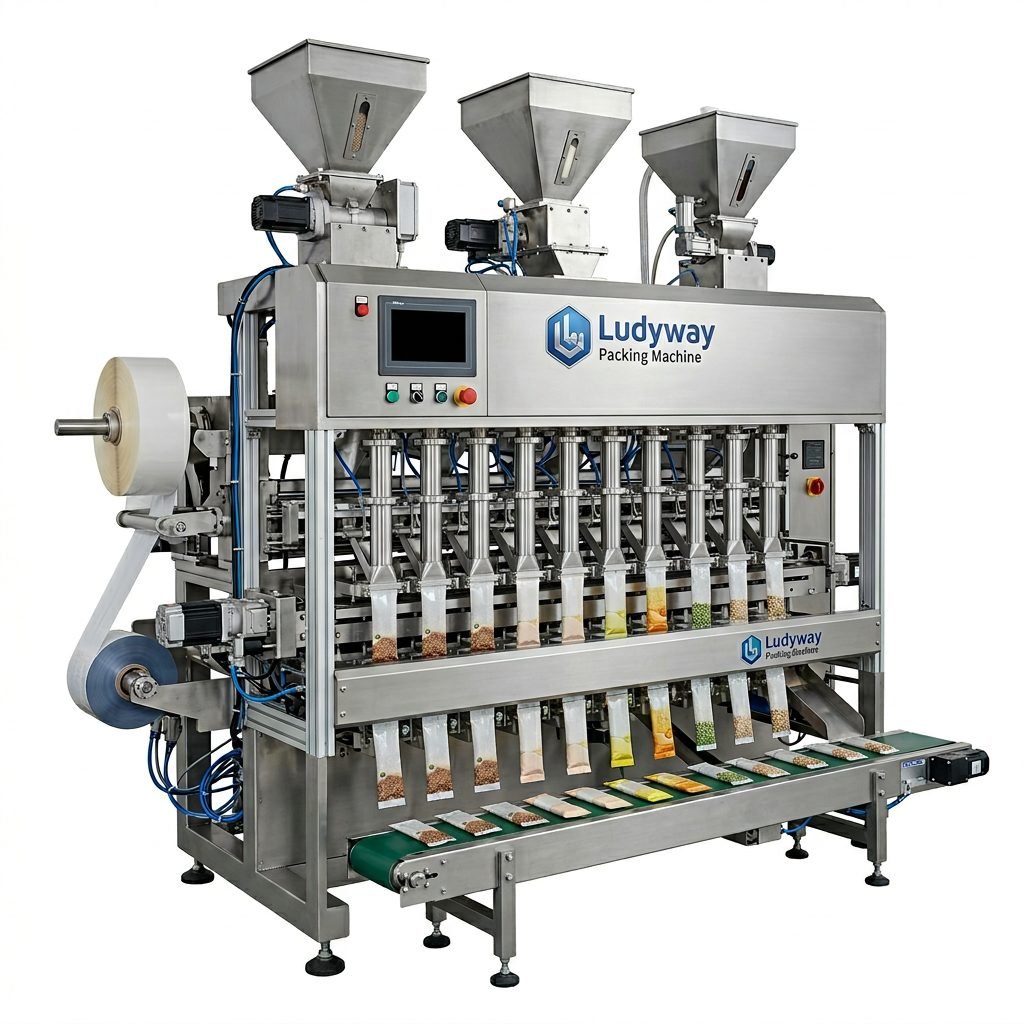
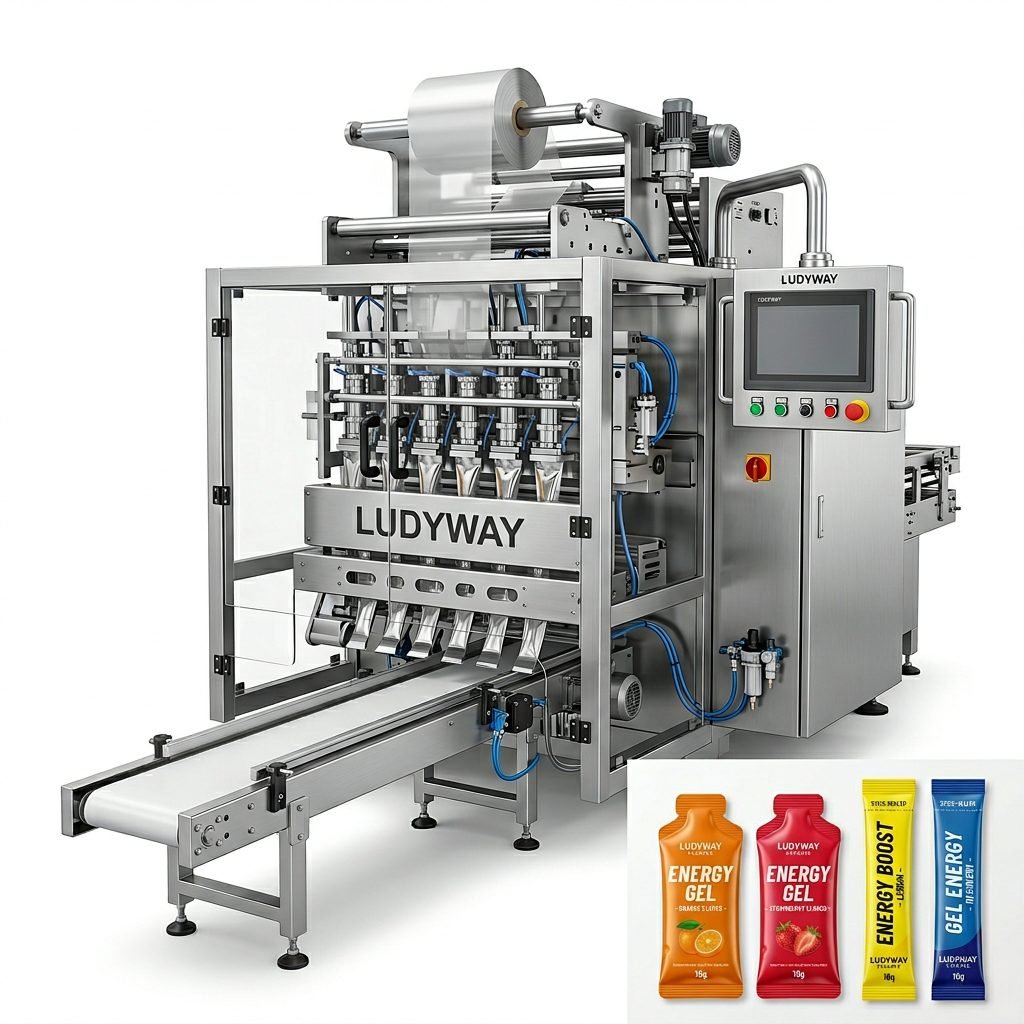
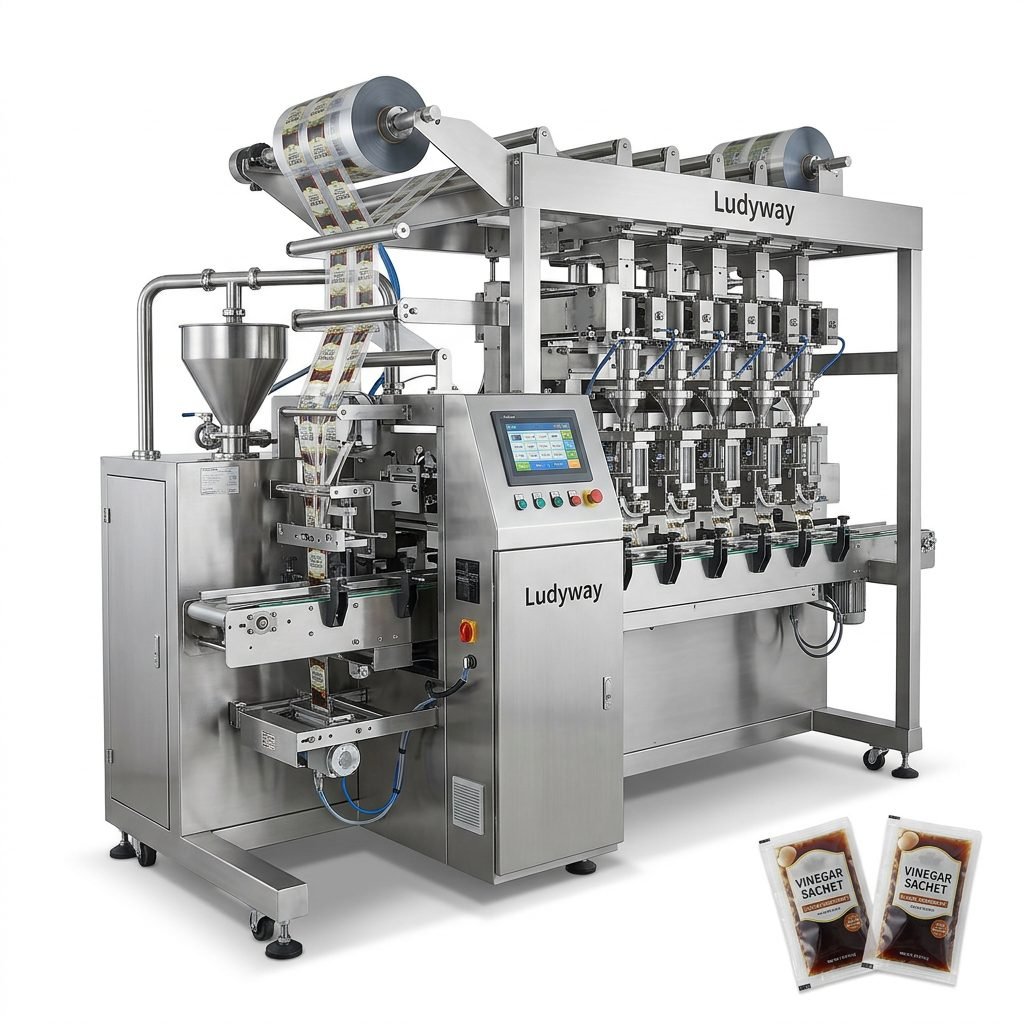
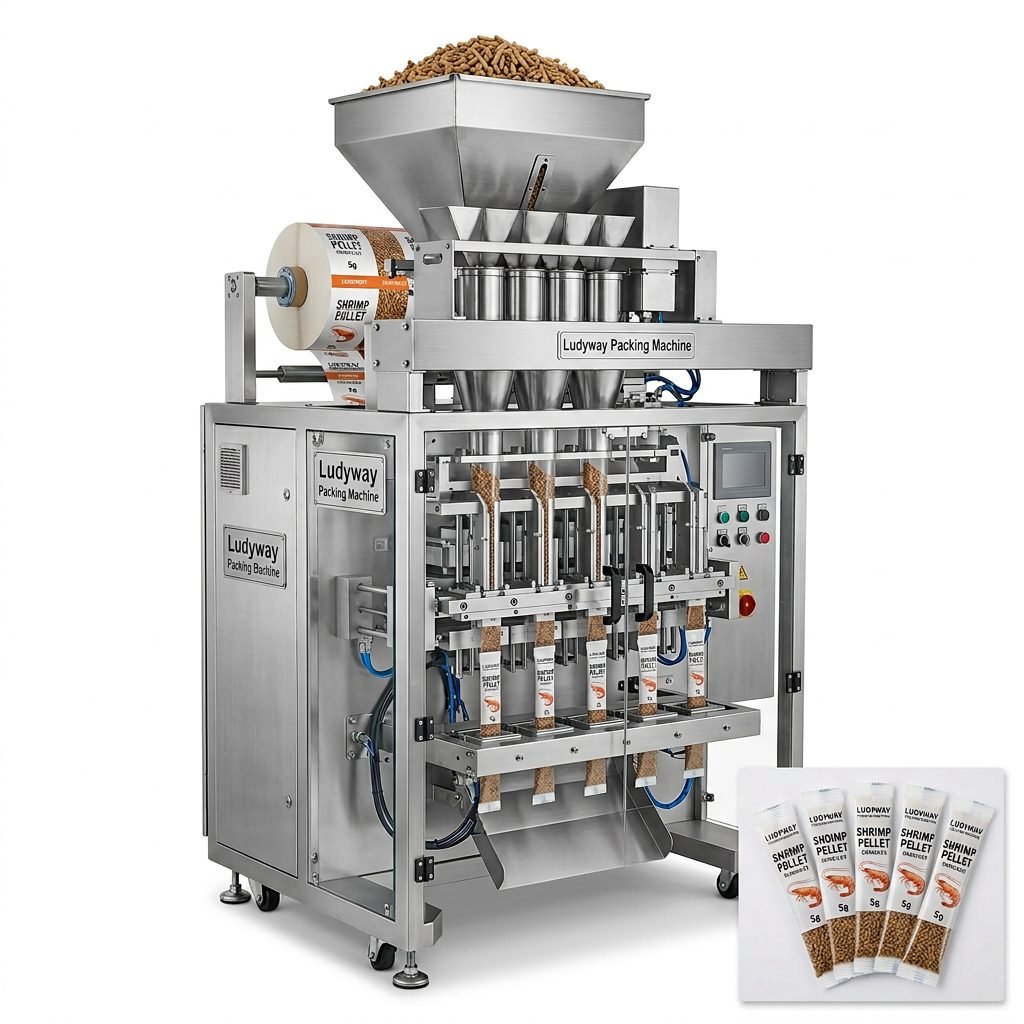
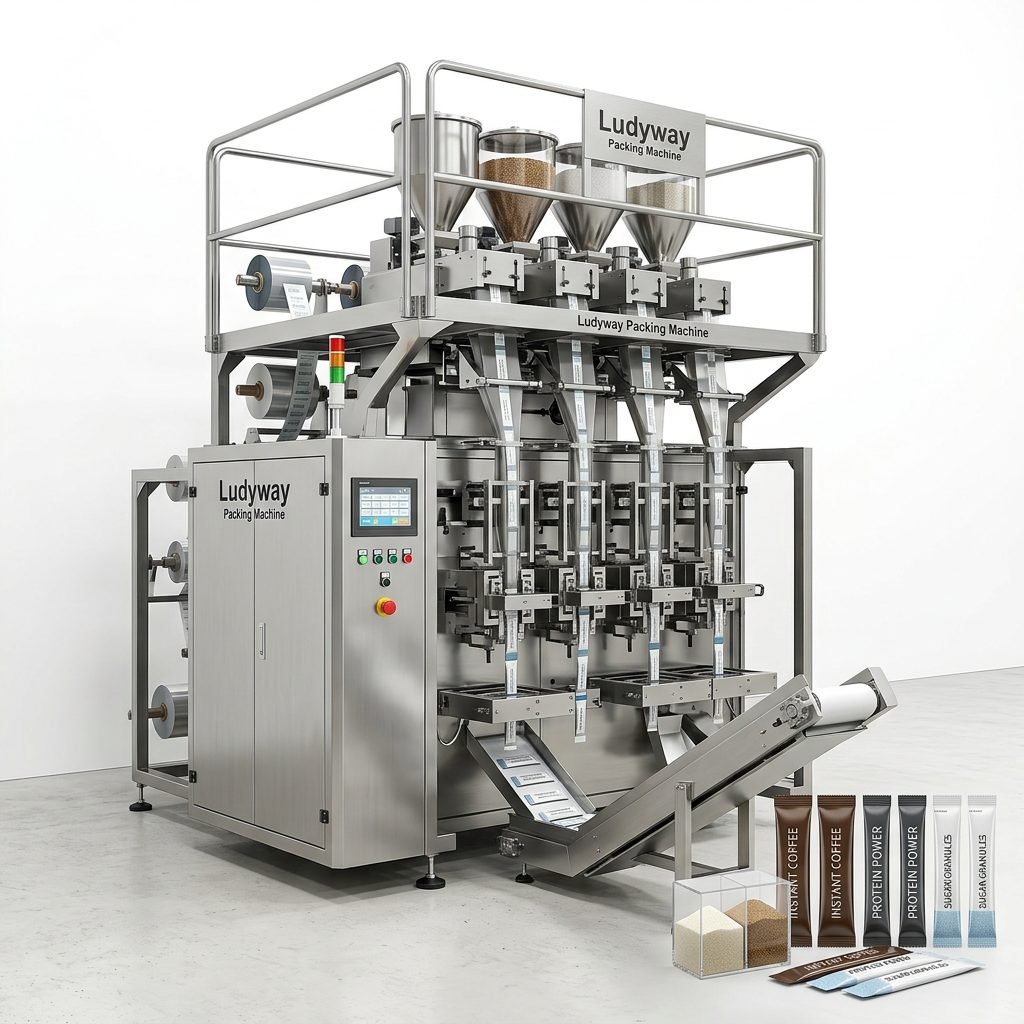
Investing in a powder packaging machine is a critical decision for manufacturers in the food, pharmaceutical, chemical, and nutraceutical industries. The right equipment can significantly boost production efficiency, ensure product consistency, and reduce long-term operational costs. However, with so many configurations, technologies, and suppliers available, the selection process can feel overwhelming. This comprehensive buyer’s guide breaks down the essential factors to consider, helping you make an informed investment that aligns with your production goals.
1. Understanding Your Powder Characteristics
Not all powders behave the same way during the packaging process. The physical properties of your product directly influence the type of powder filling and sealing equipment you need. Before evaluating machine specifications, analyze these critical product variables:
- Flowability: Free-flowing powders like granulated sugar behave differently than cohesive powders like cocoa or protein blends. Poor flowability may require mechanical agitation or specialized hopper designs.
- Particle Size and Distribution: Fine powders (such as flour or talc) are prone to dusting and may need dust extraction systems integrated into the packaging line.
- Bulk Density: Variations in density affect filling volume and weight accuracy. Machines with advanced weighing systems can compensate for density fluctuations.
- Moisture Content and Hygroscopy: Powders that absorb moisture may require humidity-controlled environments or immediate sealing after filling.
- Temperature Sensitivity: Heat-sensitive powders need gentle handling to prevent degradation during the packaging process.
2. Defining Your Production Requirements
Your current and future production demands will determine the speed, automation level, and configuration of the machine you need. Answering the following questions will help narrow down your options:
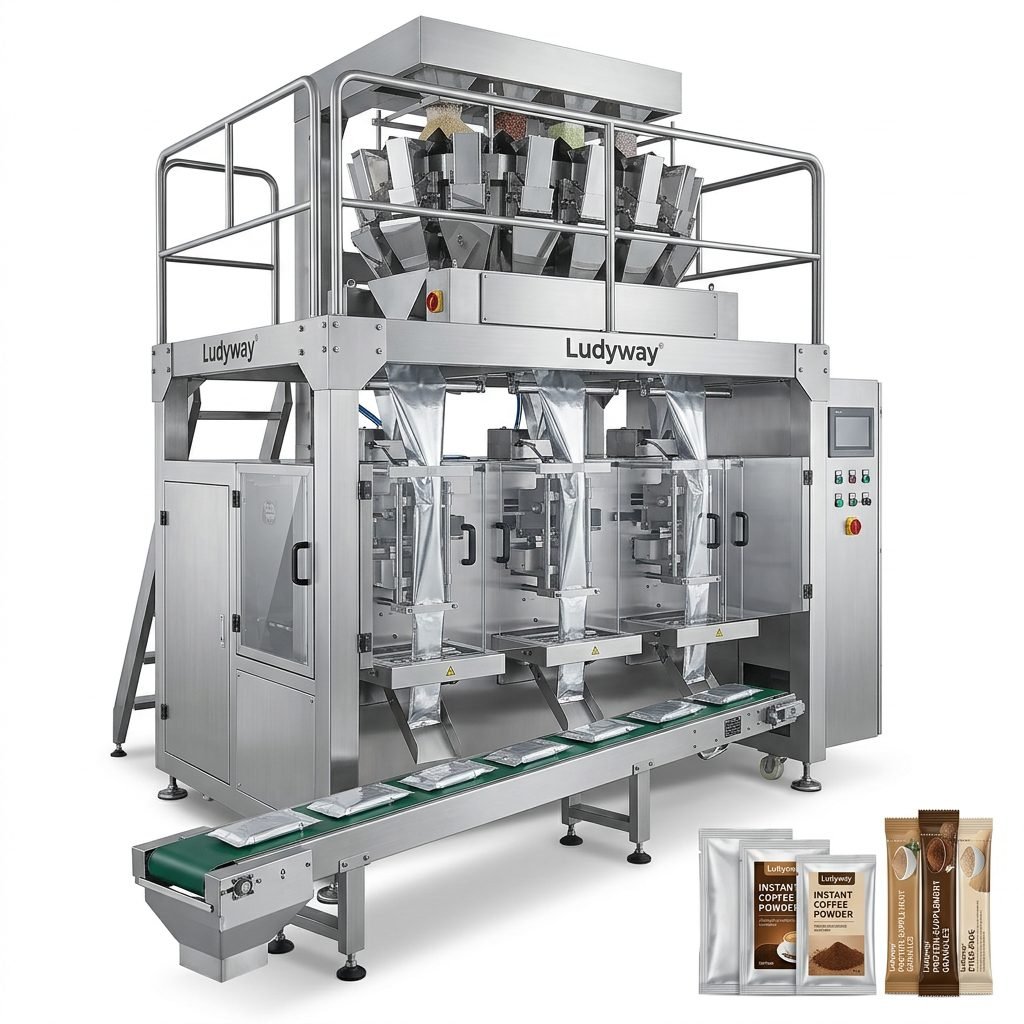
- What is your target output in pouches or sachets per minute? High-speed multi-lane machines can produce hundreds of packs per minute, while single-lane models suit smaller operations.
- What packaging formats do you require? Stick packs, sachets, flat pouches, stand-up pouches, or bulk bags each require different forming and sealing mechanisms.
- What are your fill weight ranges? Precision differs between micro-dosing (1-5g) and bulk filling (1-25kg).
- Will you run multiple products on the same line? Quick-changeover features become essential if you switch between different powder formulations.
- What is your available floor space? Vertical form-fill-seal machines have a compact footprint, while horizontal systems often require more room.
Common Powder Packaging Formats
| Packaging Format | Typical Applications | Key Consideration |
|---|---|---|
| Stick Packs | Instant coffee, sugar, supplements | High-speed, multi-lane capability |
| Sachets (3-side/4-side seal) | Shampoo, condiments, pharmaceutical powders | Excellent barrier properties available |
| Stand-Up Pouches | Protein powders, milk powder, bulk supplements | Zipper and resealable options |
| Bulk Bags (10-50kg) | Industrial chemicals, feed, raw materials | Heavy-duty construction required |
3. Key Machine Features to Evaluate
Modern powder packaging machines come equipped with a range of features that impact performance, reliability, and ease of use. Prioritize the following capabilities based on your operational needs:
3.1 Filling and Dosing Technology
The dosing system is the heart of any powder packaging machine. Common technologies include auger fillers (ideal for free-flowing and non-free-flowing powders), volumetric cup fillers (for granular products), and multi-head weighers (for high-accuracy, high-speed applications). For industries requiring stringent accuracy, such as pharmaceuticals, gravimetric or net-weight filling systems offer superior precision and are often integrated with ISO-compliant quality control checkpoints.
3.2 Automation and Control Systems
Look for machines with PLC (Programmable Logic Controller) interfaces and HMI touch screens that allow operators to store product recipes, adjust parameters, and monitor production data in real time. Higher automation levels reduce labor dependency and minimize human error. Features like automatic film splicing, servo-driven motors, and remote diagnostic capabilities can dramatically improve Overall Equipment Effectiveness (OEE).
3.3 Material Compatibility and Construction
For food-grade and pharmaceutical applications, stainless steel construction (typically SUS 304 or 316L) is mandatory to meet hygiene standards. Machines should be designed for easy cleaning and tool-free disassembly. If you handle abrasive or corrosive powders, confirm that contact parts are made from wear-resistant materials.
3.4 Seal Integrity and Packaging Materials
The quality of the seal directly impacts product shelf life and protection against contamination. Evaluate the machine’s ability to handle your chosen packaging film—whether it’s laminated aluminum foil, polyethylene, or biodegradable materials. Consistent temperature control, pressure, and dwell time are essential for creating hermetic seals. For products requiring extended shelf life, consider machines that support modified atmosphere packaging (MAP) or nitrogen flushing.
4. Machine Types: Vertical vs. Horizontal Form-Fill-Seal
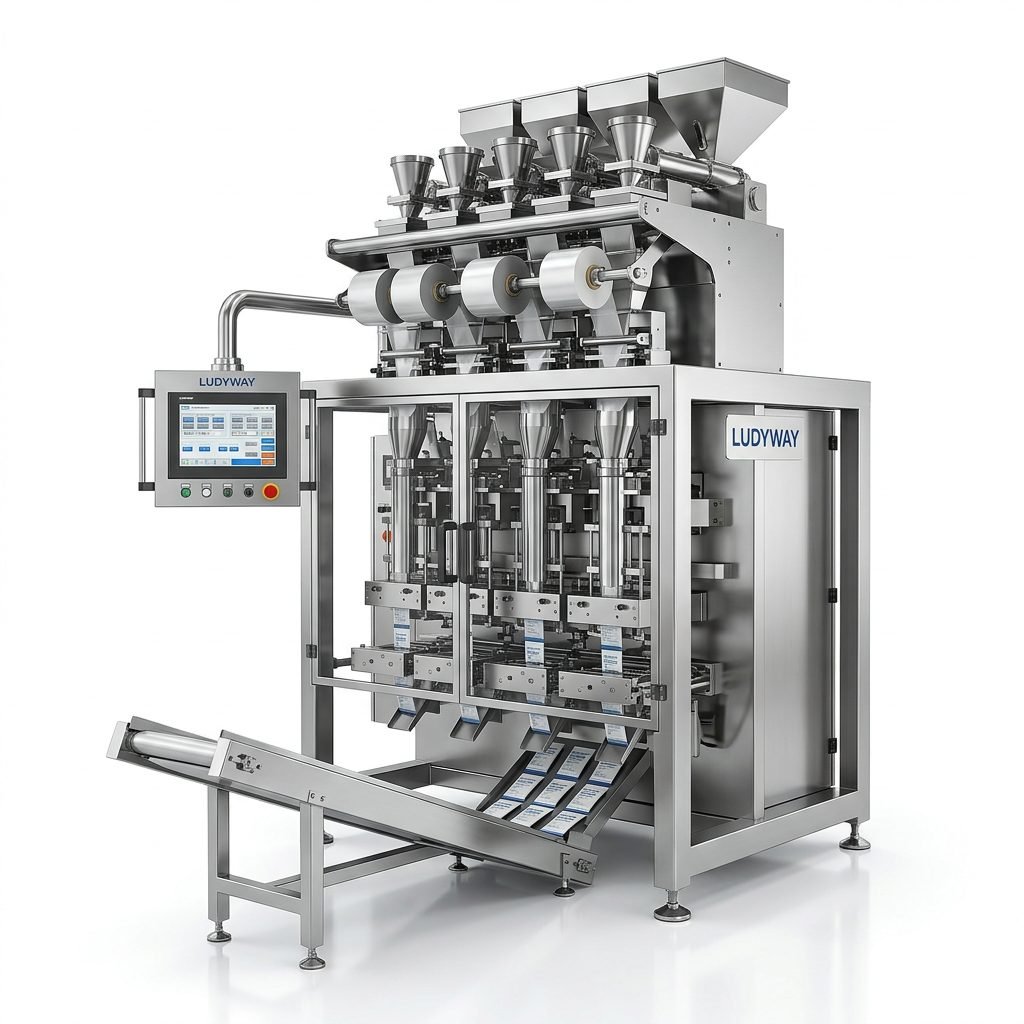
Most powder packaging operations use either vertical form-fill-seal (VFFS) or horizontal form-fill-seal (HFFS) technology. Each has distinct advantages:
Vertical Form-Fill-Seal (VFFS)
- Best for: Free-flowing and non-free-flowing powders, stick packs, sachets
- Advantages: Compact footprint, high-speed output, gravity-assisted filling
- Ideal industries: Food, coffee, spices, powdered beverages, detergents
Horizontal Form-Fill-Seal (HFFS)
- Best for: Pre-made pouches, larger bag formats, delicate products
- Advantages: Gentle product handling, supports zipper closures and spouts
- Ideal industries: Nutraceuticals, bulk chemicals, pet food supplements
5. Budget and Total Cost of Ownership
While the initial purchase price is important, a thorough evaluation of Total Cost of Ownership (TCO) reveals the true investment. A cheaper machine that requires frequent maintenance, consumes excessive energy, or produces high waste rates will cost significantly more over its lifespan. Consider these cost factors:
- Energy efficiency: Servo-driven machines typically consume less power than pneumatic or mechanically driven alternatives.
- Spare parts availability: Confirm that critical components are readily available from the manufacturer. A supplier with a global service network, such as Ludyway Machinery, can minimize production downtime.
- Film waste: Machines with precise film registration and tension control reduce material consumption.
- Labor requirements: Fully automated lines reduce the number of operators needed per shift.
- Scalability: Can the machine be upgraded with additional lanes or modules as your production grows?
6. Turnkey Solutions and System Integration
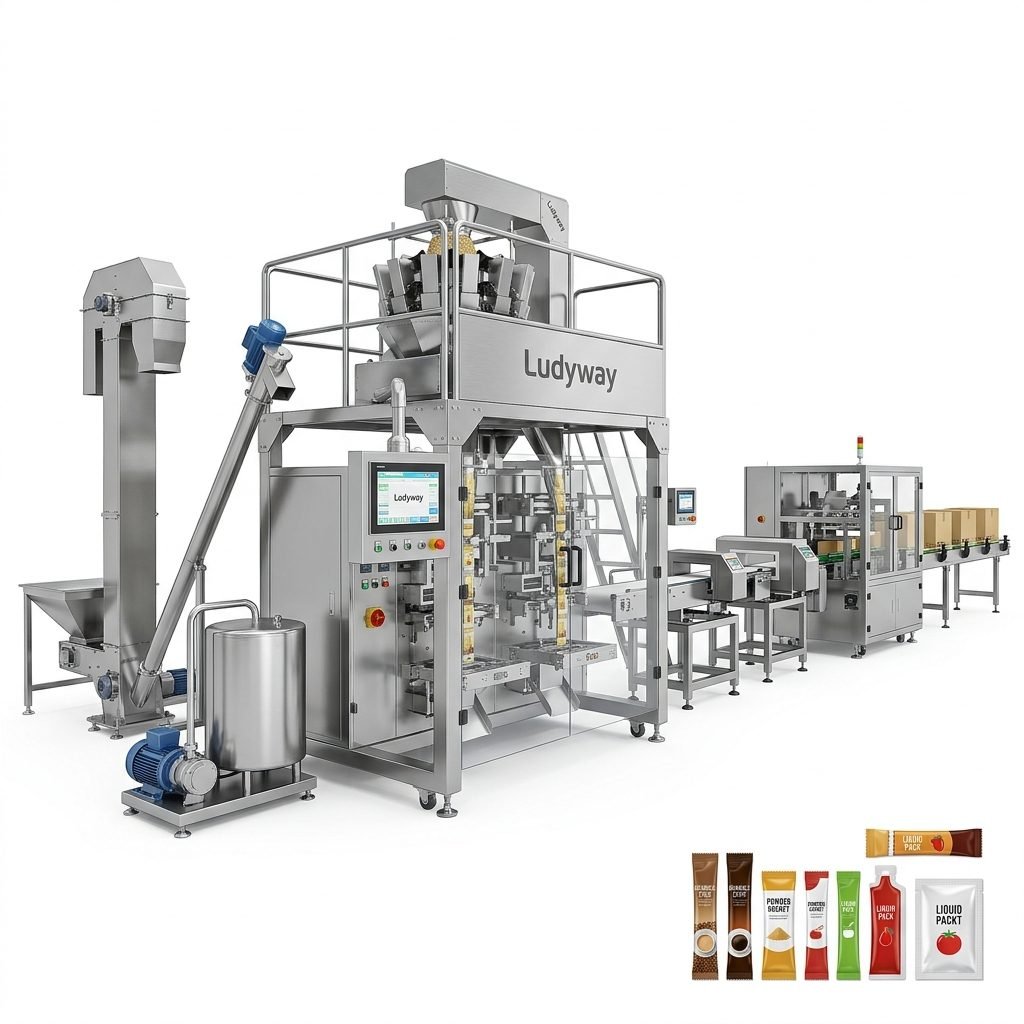
For manufacturers looking to streamline their entire packaging process, turnkey packaging solutions offer significant advantages. An integrated system can connect powder feeding, dosing, filling, sealing, coding, inspection, cartoning, and palletizing into one seamless operation. Working with a single supplier for the complete line simplifies project management, ensures component compatibility, and provides a single point of accountability for service and support. Many manufacturers benefit from partnering with experienced flexible packaging industry experts who can design custom configurations.
7. Compliance and Industry Standards
Depending on your industry and target markets, your packaging machinery must comply with relevant regulations and standards. Key considerations include:
| Industry | Relevant Standards | Key Requirements |
|---|---|---|
| Food & Beverage | FDA, EU Regulations, HACCP | Food-grade materials, easy sanitation, traceability |
| Pharmaceuticals | GMP, ISO 11607, FDA 21 CFR Part 11 | Validated processes, cleanroom compatibility, audit trails |
| Chemicals | REACH, GHS, local safety regulations | Corrosion resistance, explosion-proof options, containment |
Verify with potential suppliers that their equipment can be configured to meet applicable standards, and request documentation for relevant certifications. The PMMI packaging industry resources provide valuable guidance on current regulatory requirements and best practices.
8. After-Sales Support and Service
Reliable after-sales support is crucial for minimizing downtime and maintaining production efficiency over the machine’s lifespan. Before committing to a supplier, assess their service capabilities:
- Installation and commissioning: Does the supplier provide on-site technicians to set up and calibrate the machine?
- Operator training: Comprehensive training ensures your team can operate and maintain the equipment effectively.
- Technical support: Is remote assistance available? What is the typical response time for on-site service?
- Spare parts: Can commonly replaced parts be shipped quickly from local inventory?
- Warranty: Understand the coverage period and what components are included.
Partnering with a manufacturer that has a proven track record and a presence in your region can significantly reduce operational risks.
Frequently Asked Questions
What is the typical lead time for a custom powder packaging machine?
Lead times vary based on machine complexity and customization level, typically ranging from 8 to 16 weeks. Standard models may ship faster, while highly customized turnkey lines require more engineering and assembly time.
Can one machine handle both powders and granules?
Many modern machines are designed for multi-product compatibility. With interchangeable dosing systems and adjustable parameters, a single machine can often process powders, granules, and even some liquid products. Discuss your specific product range with the manufacturer to confirm feasibility.
How do I ensure accurate filling weights?
Accuracy depends on the dosing technology and feedback systems. Multi-head weighers and auger fillers with electronic feedback loops provide the highest precision. Regular calibration and environmental controls (temperature, humidity) also contribute to consistent fill weights.
What maintenance does a powder packaging machine require?
Routine maintenance includes daily cleaning of product contact surfaces, periodic inspection of seals, belts, and sensors, and lubrication of mechanical components. Preventive maintenance schedules recommended by the manufacturer should be followed to extend machine life and avoid unplanned downtime.
Is it possible to test my product on a machine before purchase?
Most reputable manufacturers offer product testing or trial runs in their facility. This allows you to observe how your specific powder behaves, verify fill accuracy, and evaluate seal quality before making a final decision. Factory acceptance testing (FAT) is a standard practice in the industry.
For more information on selecting the right packaging machinery for your application, explore the PACK EXPO International resources or review the latest 2026 Packaging State of the Industry report from PMMI.