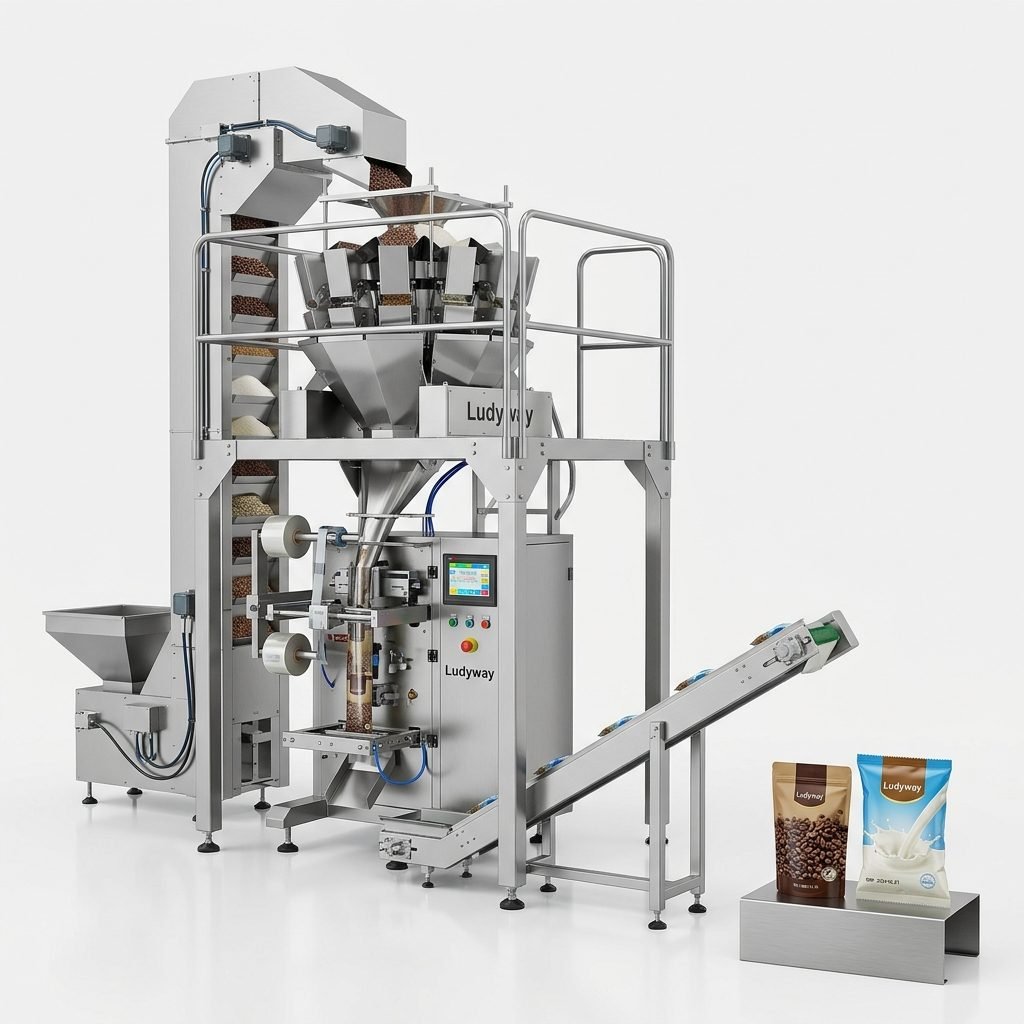
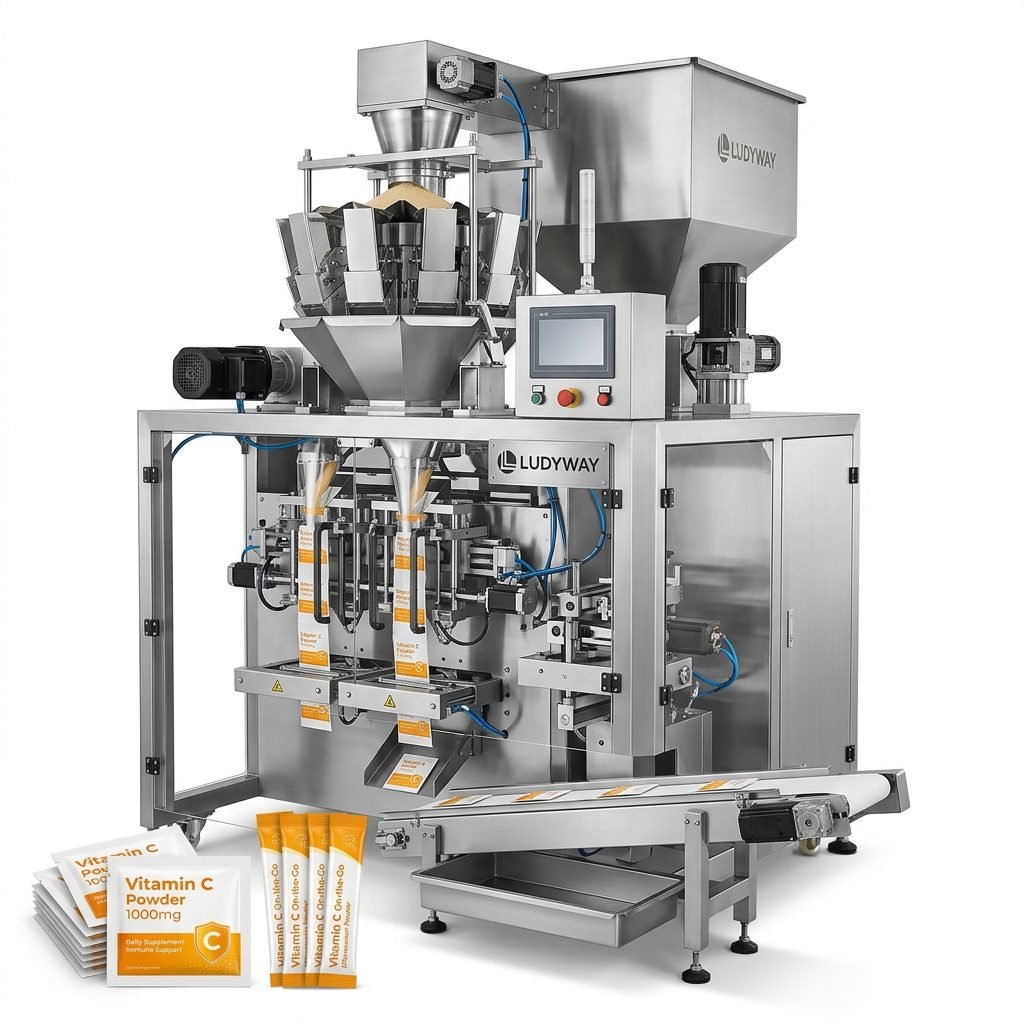
Packaging equipment refers to the machinery and systems used to enclose, protect, and prepare products for distribution, storage, sale, and use. It is a critical component of modern manufacturing and supply chains, automating tasks that were once manual to achieve remarkable gains in speed, consistency, hygiene, and cost-efficiency. From the food on supermarket shelves to the pharmaceuticals in your cabinet, nearly every consumer and industrial product relies on some form of automated packaging process.
The Core Functions of Packaging Equipment
Understanding the fundamental roles of packaging machinery helps clarify its importance. The primary functions are:
Product Protection & Preservation: This is the most vital function. Equipment creates a secure barrier against environmental factors like moisture, oxygen, light, and contaminants. For instance, vacuum sealers remove air to prevent spoilage, while form-fill-seal machines create hermetic pouches that lock in freshness.
Efficiency & Speed: Automation drastically increases output. Machines can fill, seal, and label hundreds or even thousands of units per minute, a rate impossible to achieve manually, directly impacting production capacity and profitability.
Consistency & Accuracy: Every package is identical in weight, fill volume, and seal integrity. This ensures regulatory compliance, minimizes product giveaway, and builds brand trust through a uniform, professional appearance.
Hygiene & Safety: In industries like food and pharmaceuticals, minimizing human contact is paramount. Automated packaging systems operate in controlled environments, significantly reducing the risk of contamination.
Branding & Information: Packaging is a key marketing touchpoint. Equipment such as labelers and coders accurately apply crucial information—brand logos, ingredients, barcodes, and expiry dates—ensuring compliance and consumer engagement.
Major Types of Packaging Equipment
The packaging machinery landscape is diverse, with systems designed for specific tasks, materials, and products. Here’s a breakdown of key categories:
1. Filling Machines
These machines dispense a precise amount of product into containers. The technology varies by product form:
- Volumetric Fillers: Use cups, augers, or pistons to measure by volume. Ideal for granules, powders, and pastes.
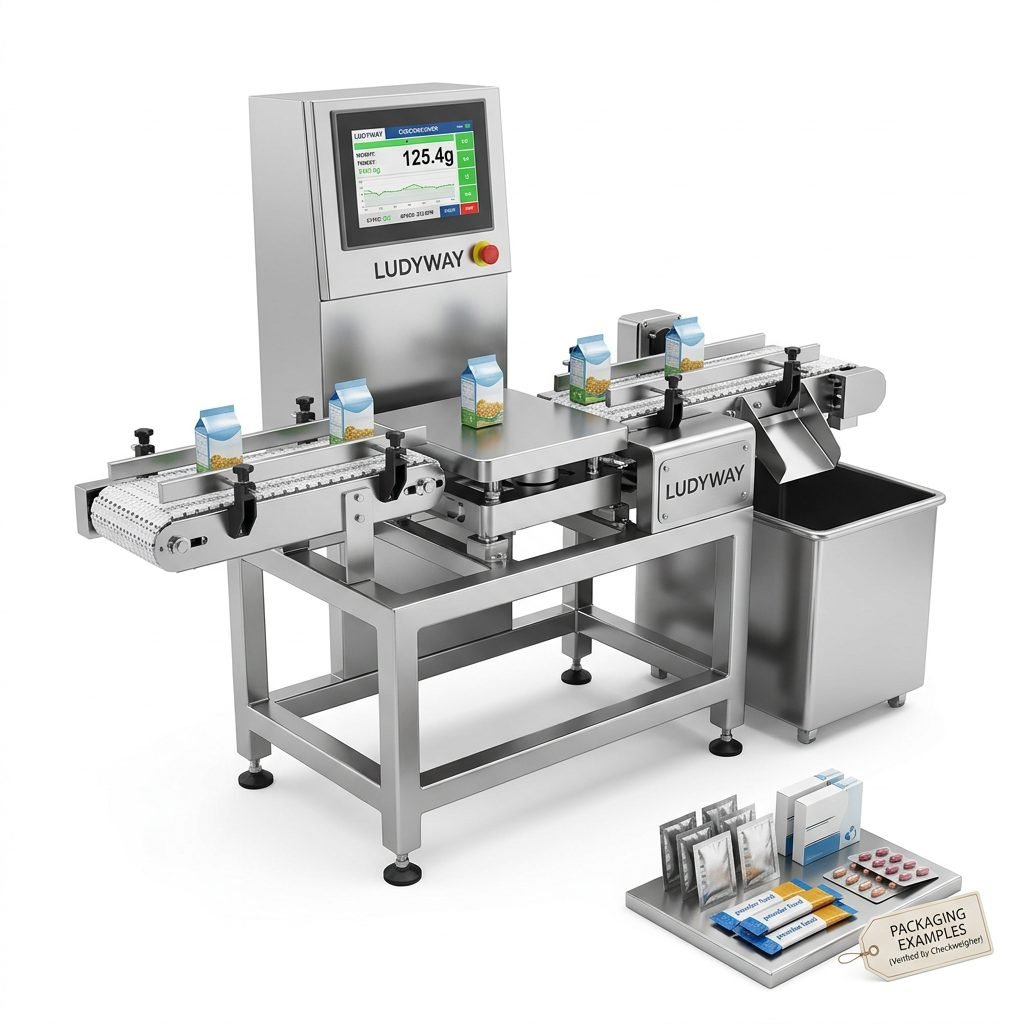
- Gravimetric Fillers (Net Weighers): Highly accurate scales that fill by weight, essential for high-value products.
- Liquid Fillers: Include piston, overflow, and gravity fillers for beverages, oils, and chemicals.
2. Form-Fill-Seal (FFS) Machines
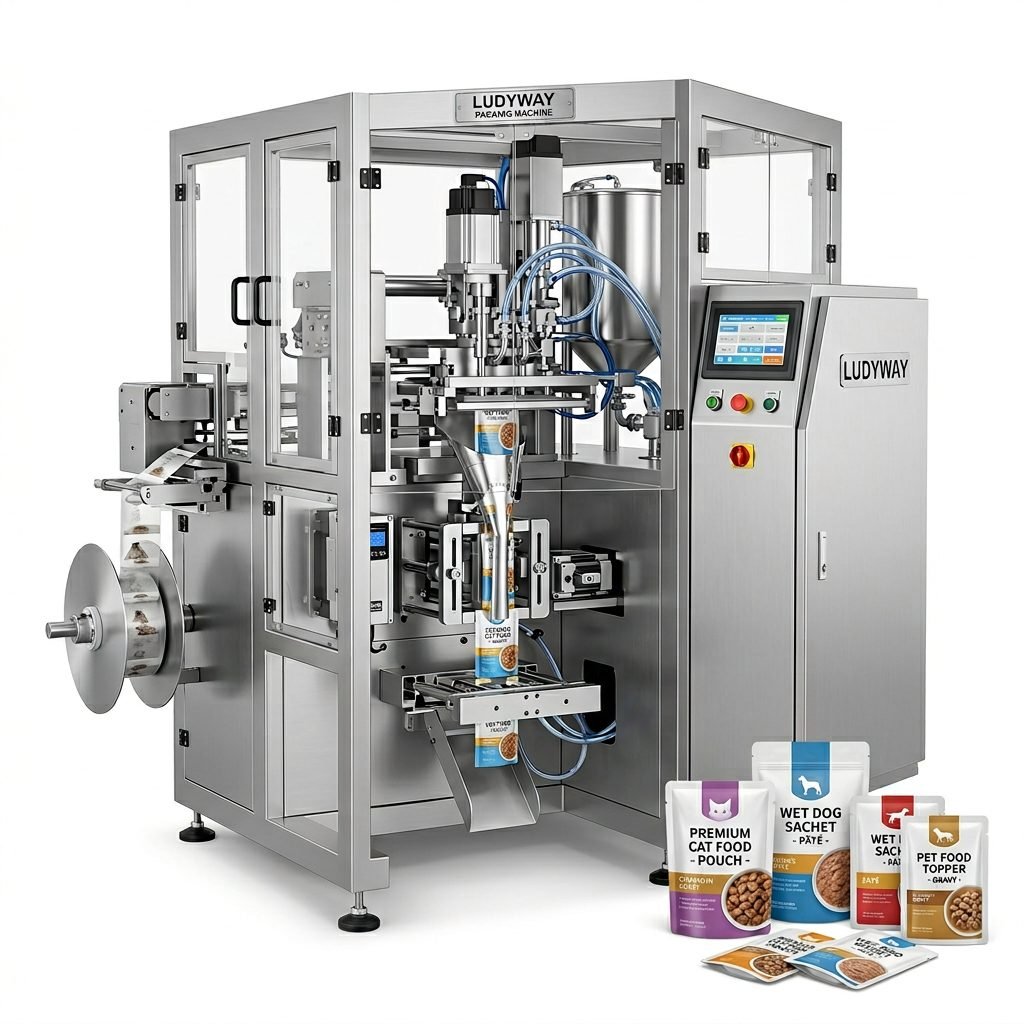
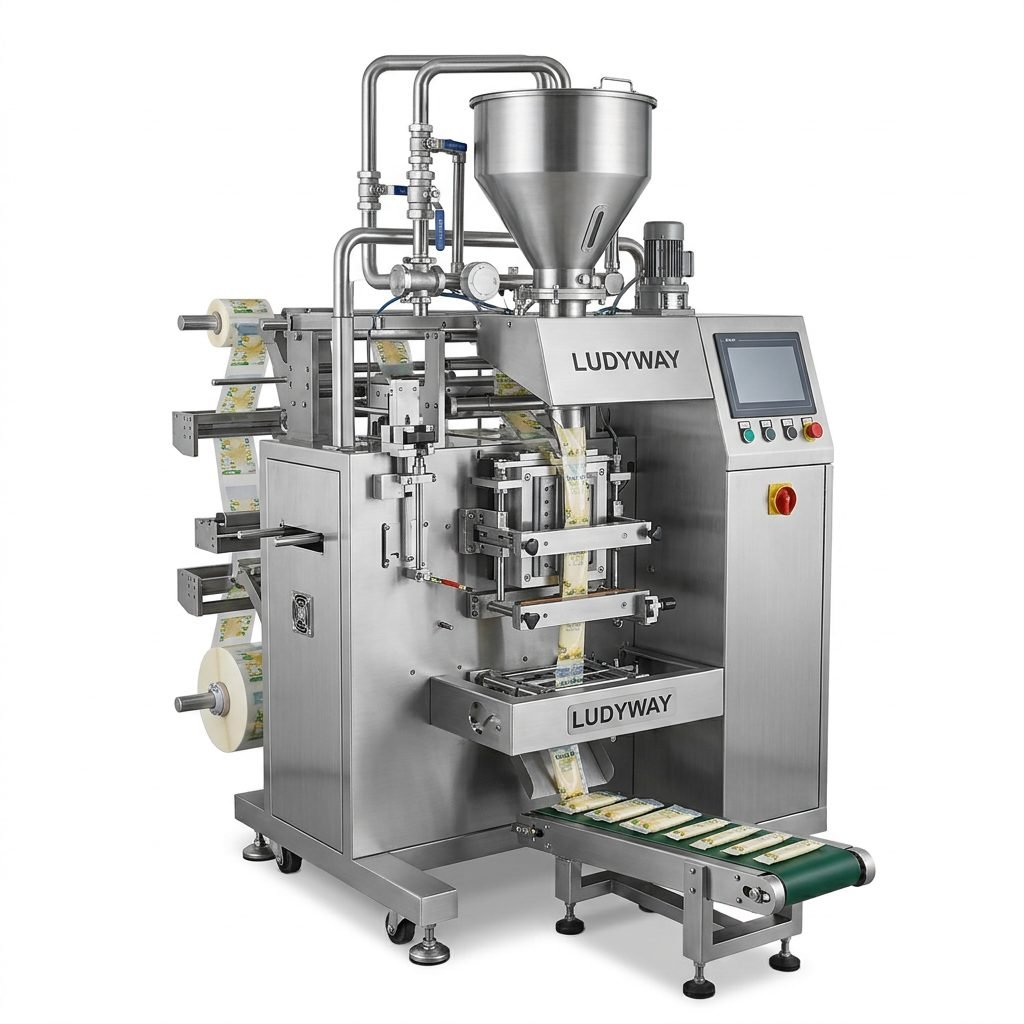
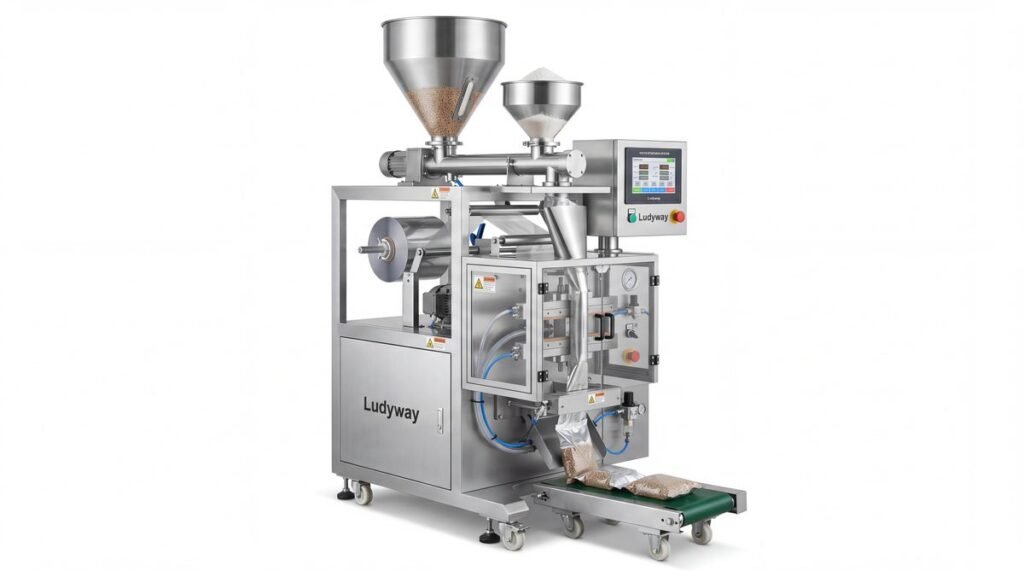
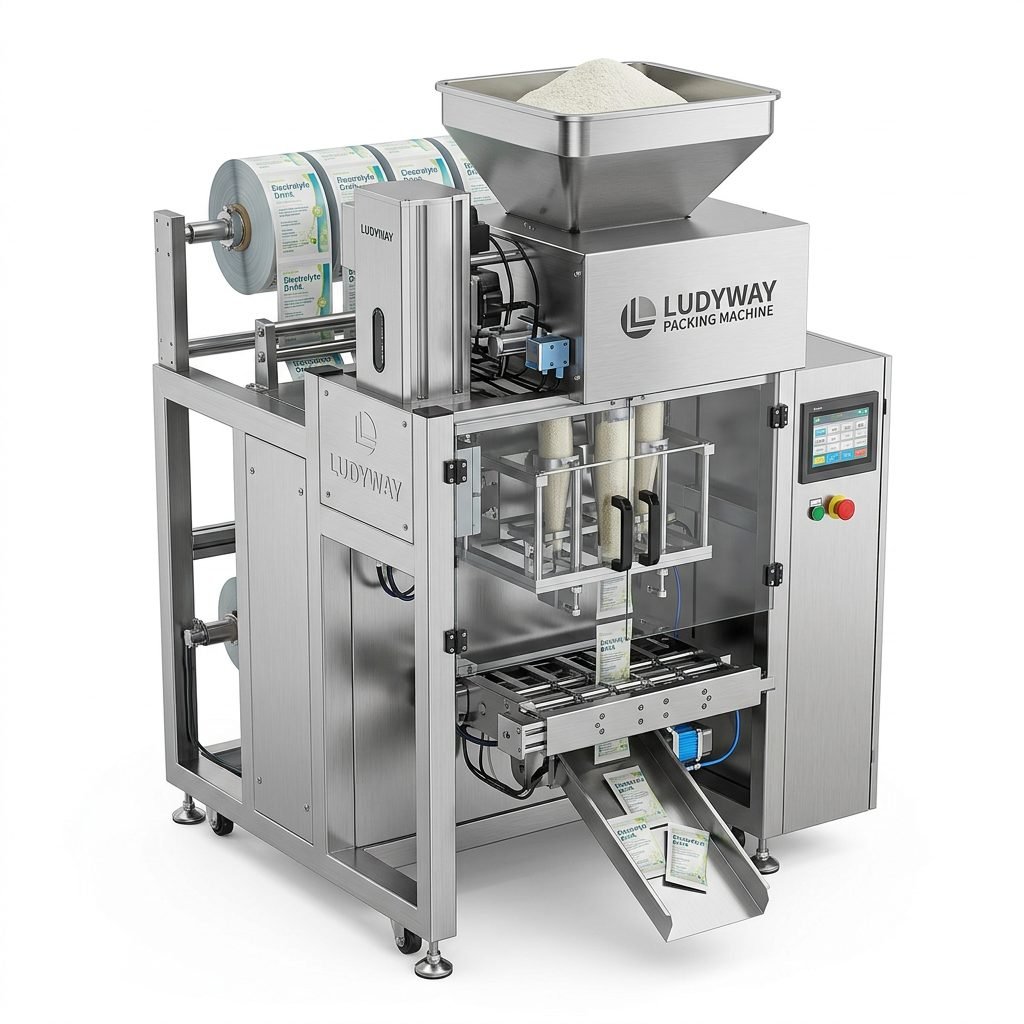
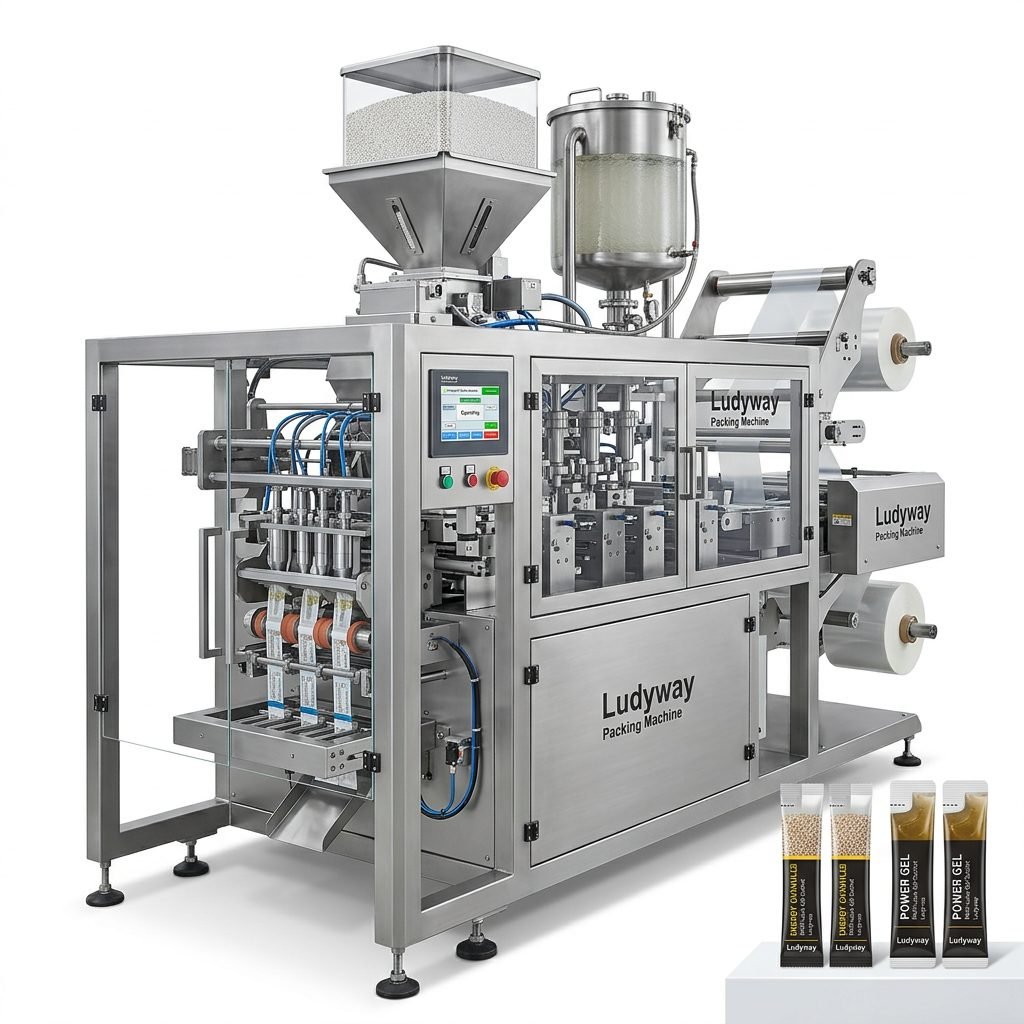
These are highly integrated systems that form packaging from a roll of film, fill it with product, and seal it—all in one continuous operation. They are incredibly efficient and reduce material waste.
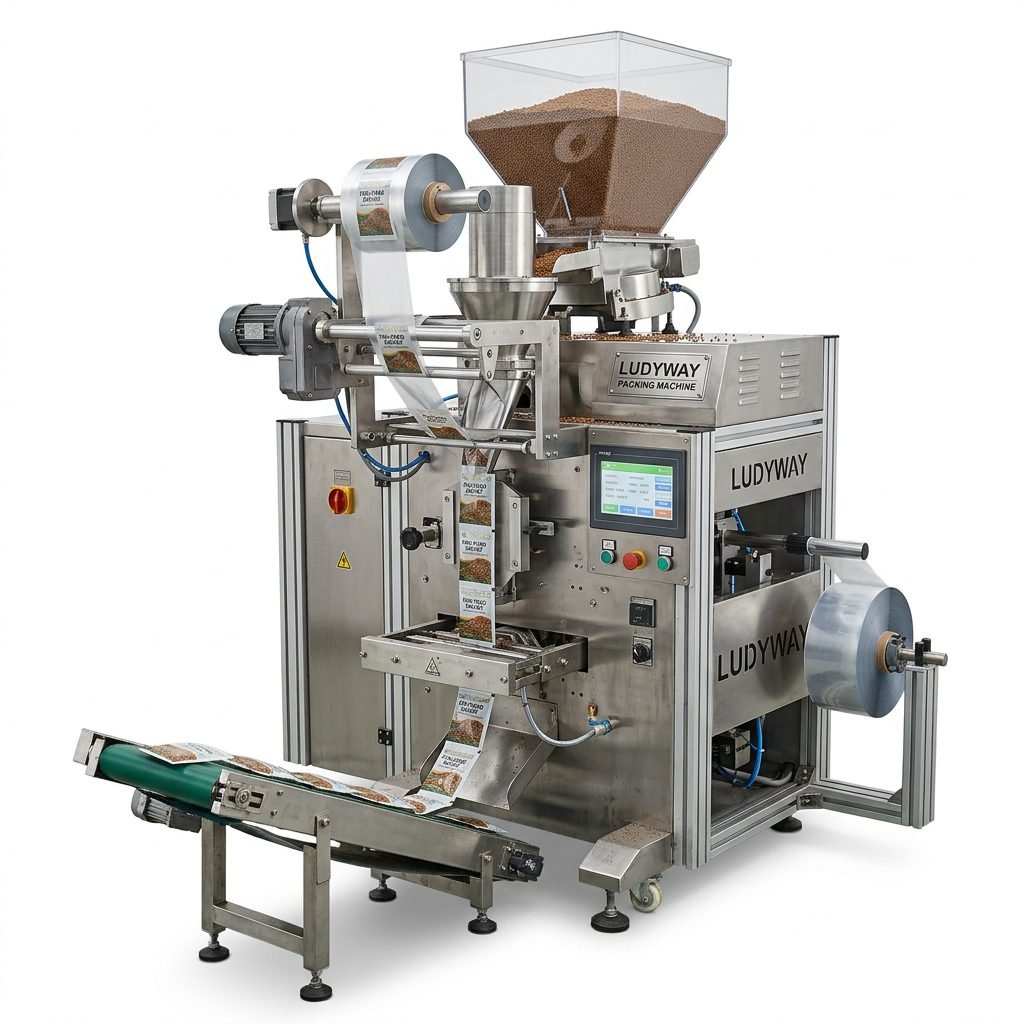
🔴 Vertical Form-Fill-Seal (VFFS): The film moves vertically. Perfect for packaging snacks, coffee, granules, and powders into bags or pouches.
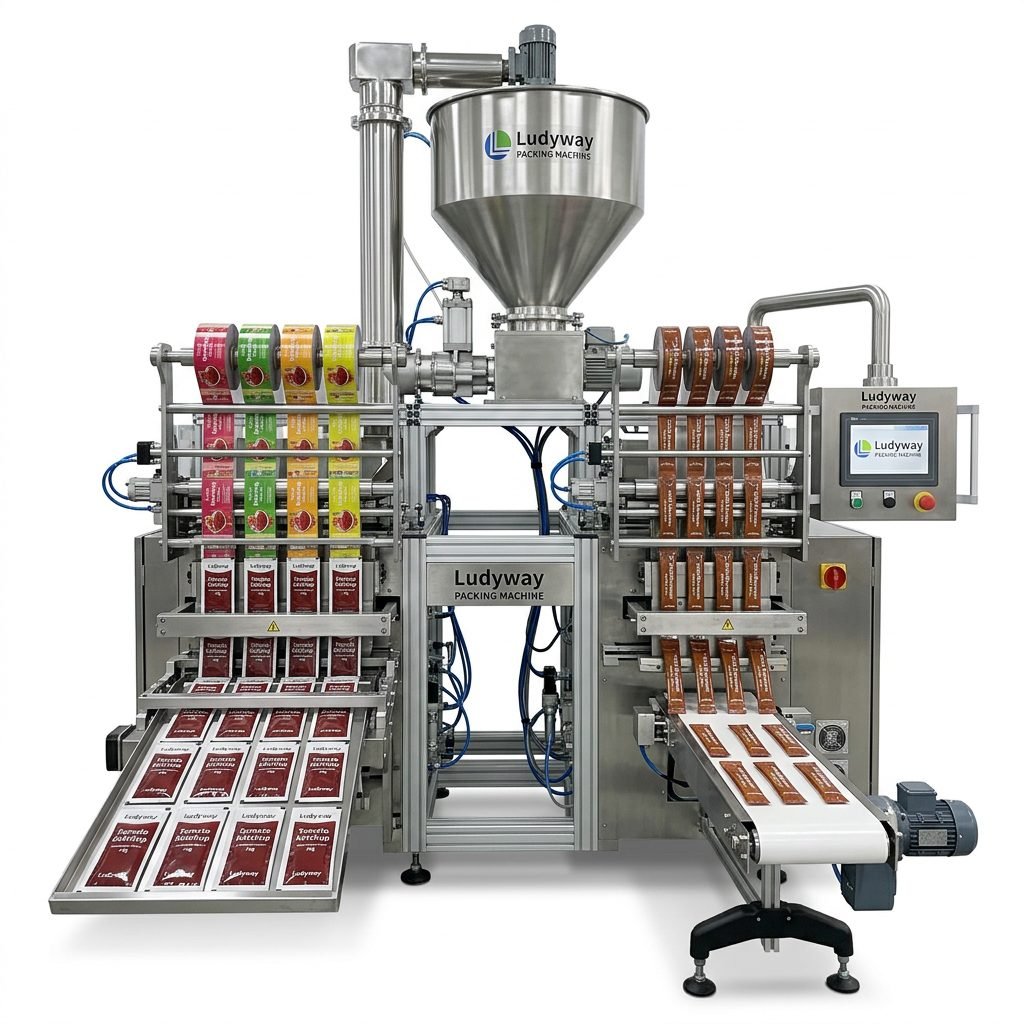
🔴 Horizontal Form-Fill-Seal (HFFS): The film moves horizontally. Often used for stick packs (for single-serve powders), sachets (for sauces, creams), and blister packs.
3. Sealing & Closing Equipment
This equipment creates the final closure on a package.
- Heat Sealers: Use heat to melt and fuse thermoplastic layers in pouches or lidding films.
- Induction Sealers: Create tamper-evident seals on bottles by bonding a foil liner to the container lip.
- Cappers & Cappluggers: Automatically screw or press caps, lids, or plugs onto bottles and containers.
4. Labeling, Coding, and Marking Systems
These apply vital information and branding.
- Pressure-Sensitive Labelers: Apply pre-printed adhesive labels.
- Print-and-Apply Systems: Print variable data (like batch codes) on demand and apply the label.
- Inkjet & Laser Coders: Directly print dates, lot codes, and barcodes onto packaging surfaces.
5. Wrapping & Bundling Machines
Used for secondary packaging to group primary packages together.
- Shrink Wrappers: Encase products or multipacks in a loose film, then apply heat to shrink it tightly.
- Case Packers & Tray Formers: Automatically load bottles, cans, or pouches into cartons or trays.
- Stretch Wrappers: Secure pallet loads with stretch film for transport.
How to Choose the Right Packaging System
Selecting the optimal equipment is a strategic decision. Follow this framework to guide your investment:
Step 1: Analyze Your Product & Package
This is the foundation. Define your product’s physical state (solid, powder, liquid, viscous), its characteristics (abrasive, hygroscopic, fragile), and its required shelf life. Simultaneously, finalize your primary packaging format—whether it’s a pouch, bottle, stick pack, or sachet. The machine must be compatible with both.
Step 2: Define Your Production Requirements
Quantify your needs:
- Speed (Units/Minute): Calculate required output based on demand forecasts, not just current orders.
- Accuracy & Waste Tolerance: High-value products demand high-accuracy fillers (like net weighers) to minimize giveaway.
- Flexibility: Will you run multiple products or package sizes? If so, prioritize machines with quick changeover features.
Step 3: Evaluate Machine Features & Technology
Look beyond the basic function:
- Construction & Hygiene: For food/pharma, stainless steel (SS304/SS316) and easy-clean designs are non-negotiable.
- Control System: A user-friendly PLC-based HMI (Human-Machine Interface) simplifies operation, recipe management, and diagnostics.
- Integration Capability: Can the machine connect with upstream (mixers) and downstream (labelers, cartoners) equipment for a seamless line?
Step 4: Assess Supplier Credentials
The machine is only as good as the company behind it. Partner with a supplier known for reliability and innovation. For example, Ludyway Machinery brings over a decade of specialized expertise in providing turnkey packaging solutions for food and pharmaceutical industries. Evaluate their after-sales support, availability of spare parts, and technical training. A supplier with a strong global service network is invaluable.
Step 5: Consider Total Cost of Ownership (TCO)
Look beyond the initial purchase price. Factor in installation, maintenance costs, energy consumption, expected lifespan, and potential for future upgrades. A slightly higher initial investment in a robust, efficient machine often leads to far lower long-term costs.
Conclusion
Investing in the right packaging equipment is a direct investment in your operation’s productivity, quality, and scalability. By systematically understanding your product needs, production goals, and the capabilities of different machinery types—from versatile form-fill-seal systems to precise filling machines—you can make an informed choice. Partnering with an experienced and reliable supplier ensures you get not just a machine, but a sustainable packaging solution that grows with your business, safeguarding your product and your brand reputation in the marketplace.
Frequently Asked Questions (FAQs)
Q1: What is the main benefit of using automated packaging equipment over manual packaging?
The primary benefits are massive increases in speed and output, along with superior consistency, accuracy, and hygiene. Automation reduces labor costs, minimizes product waste from overfilling, and ensures every package meets quality and safety standards.
Q2: What type of packaging machine is best for powdered supplements or single-serve coffee?
Vertical Form-Fill-Seal (VFFS) machines are excellent for granular and powdered products into stand-up pouches. For precise single-serve portions like stick packs, a horizontal form-fill-seal machine is specifically designed for this format and offers high-speed, accurate filling.
Q3: How important is machine flexibility for a growing business?
Crucial. Choosing equipment with quick-change parts and programmable settings for different package sizes or products allows you to adapt to new market opportunities without major capital reinvestment. It future-proofs your operation.
Q4: What should I look for in a packaging machine supplier?
Prioritize suppliers with proven industry experience, a strong portfolio of successful installations, and comprehensive after-sales support. Look for providers offering training, readily available spare parts, and responsive technical service to minimize downtime.
Q5: Can one machine handle both packaging and labeling?
While integrated systems exist, it’s common to have separate but synchronized machines. A dedicated labeling system (print-and-apply or pressure-sensitive) often provides greater flexibility, higher speed, and easier maintenance for complex labeling requirements than a single all-in-one unit.