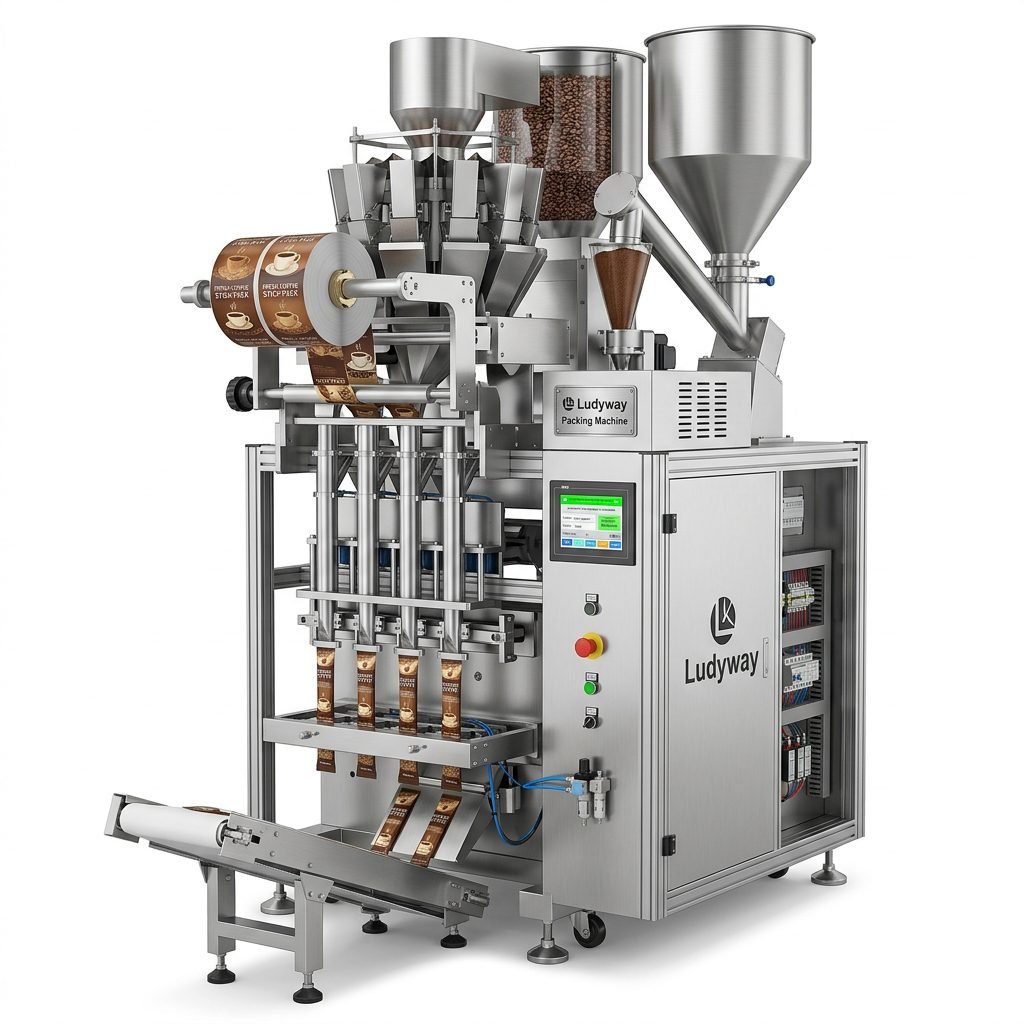
Selecting the right pill packaging machine is one of the most critical decisions a pharmaceutical manufacturer, contract packager, or nutraceutical company will make. The wrong choice can lead to production bottlenecks, regulatory compliance issues, excessive downtime, and ultimately lost revenue. This comprehensive buyer’s guide walks you through every essential factor — from packaging formats and production speed to FDA packaging regulations and total cost of ownership — so you can make an informed investment.
Understanding Your Pharmaceutical Packaging Requirements
Before evaluating specific machines, you must clearly define your operational needs. Pill packaging equipment varies significantly in terms of speed, format, automation level, and regulatory certifications. Start by answering these foundational questions:
- What type of pills are you packaging? (tablets, capsules, softgels, effervescent tablets)
- What packaging format do you require? (blister packs, stick packs, sachets, bottles, or pouches)
- What is your target production output? (units per minute, shifts per day)
- What regulatory standards must your packaging process meet? (FDA 21 CFR Part 11, cGMP, EU GMP Annex 11)
- What is your budget range for both initial investment and ongoing maintenance?
According to industry data from PMMI – The Association for Packaging and Processing Technologies, the global pharmaceutical packaging machinery market continues to expand as manufacturers seek higher levels of automation, serialization compliance, and operational efficiency. Understanding where your operation fits within this evolving landscape is the essential first step.
Key Factors to Evaluate Before Purchase
1. Production Volume and Speed Requirements
Matching machine speed to your production demands is non-negotiable. Low-speed machines (30-60 blisters per minute) suit small-batch or R&D applications. Medium-speed equipment (60-200 blisters per minute) fits most mid-sized manufacturers. High-speed lines (200-600+ blisters per minute) serve large-scale pharmaceutical producers operating multiple shifts. Be realistic about both current needs and projected growth over the next 3-5 years.
2. Packaging Format Compatibility
Different markets and products demand different packaging formats. Consider which of the following aligns with your product portfolio:
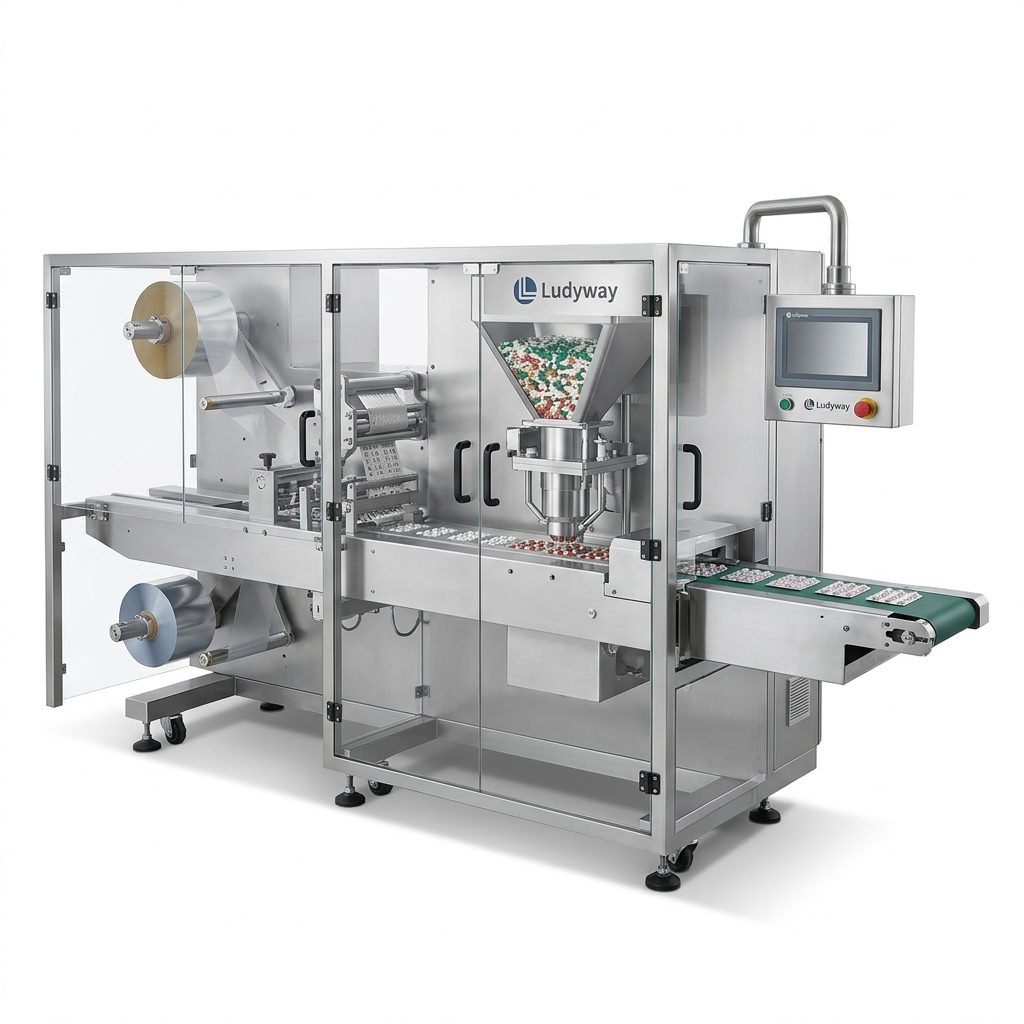
- Blister packaging — the most common format for solid-dose pharmaceuticals, offering excellent product protection and patient compliance features
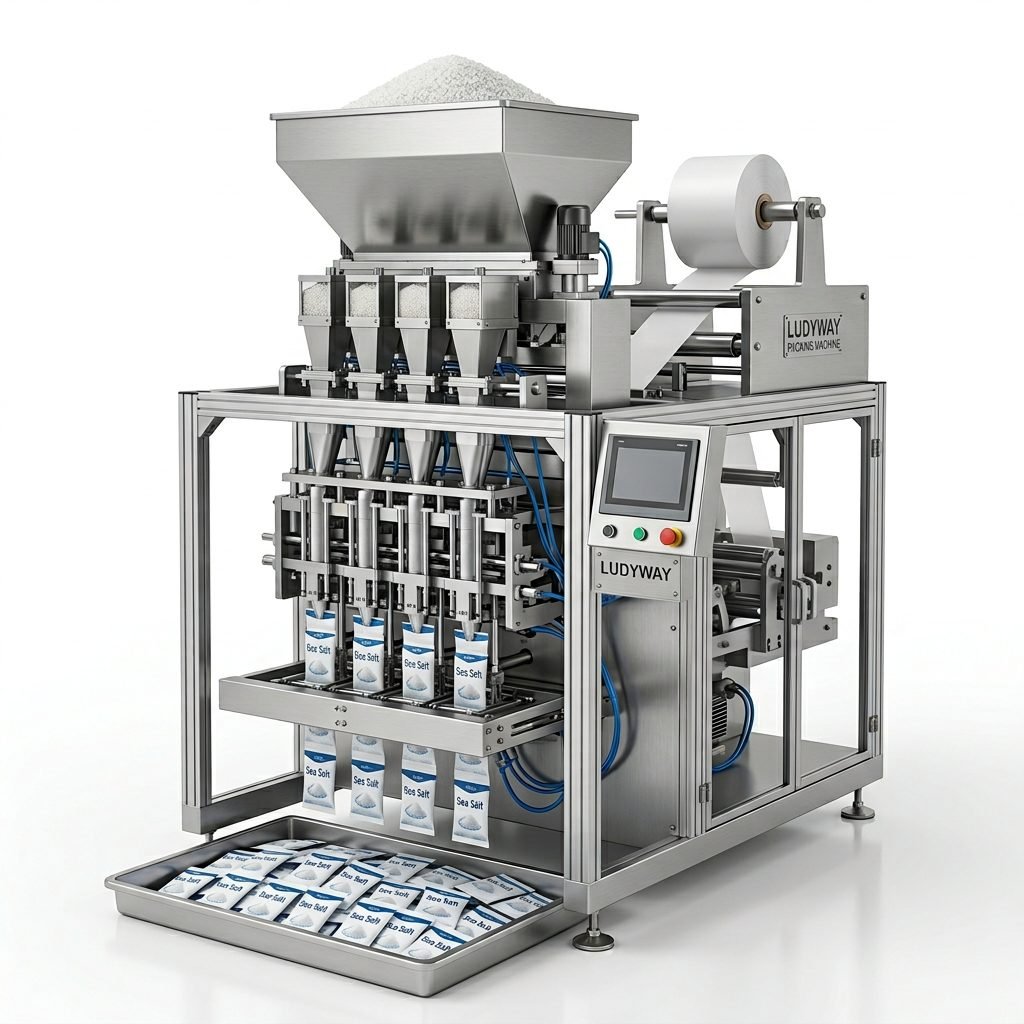
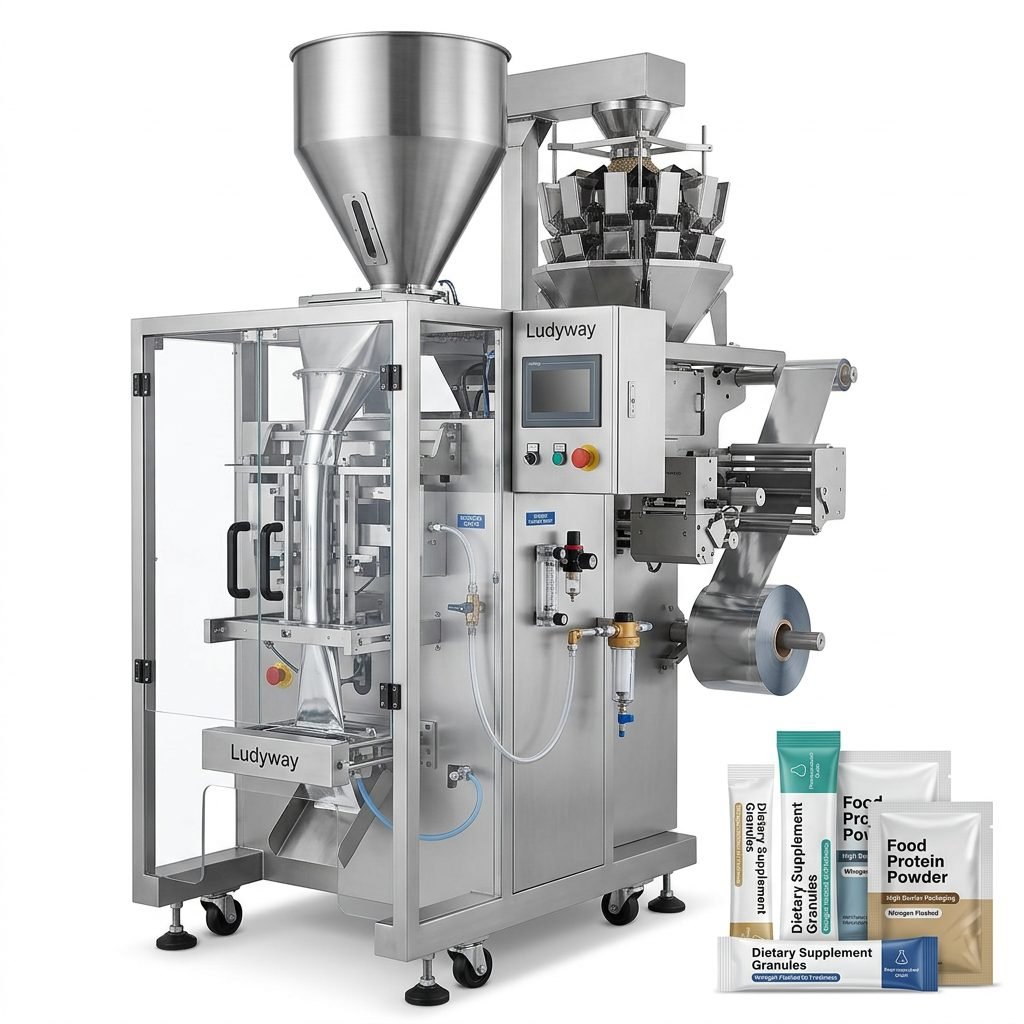
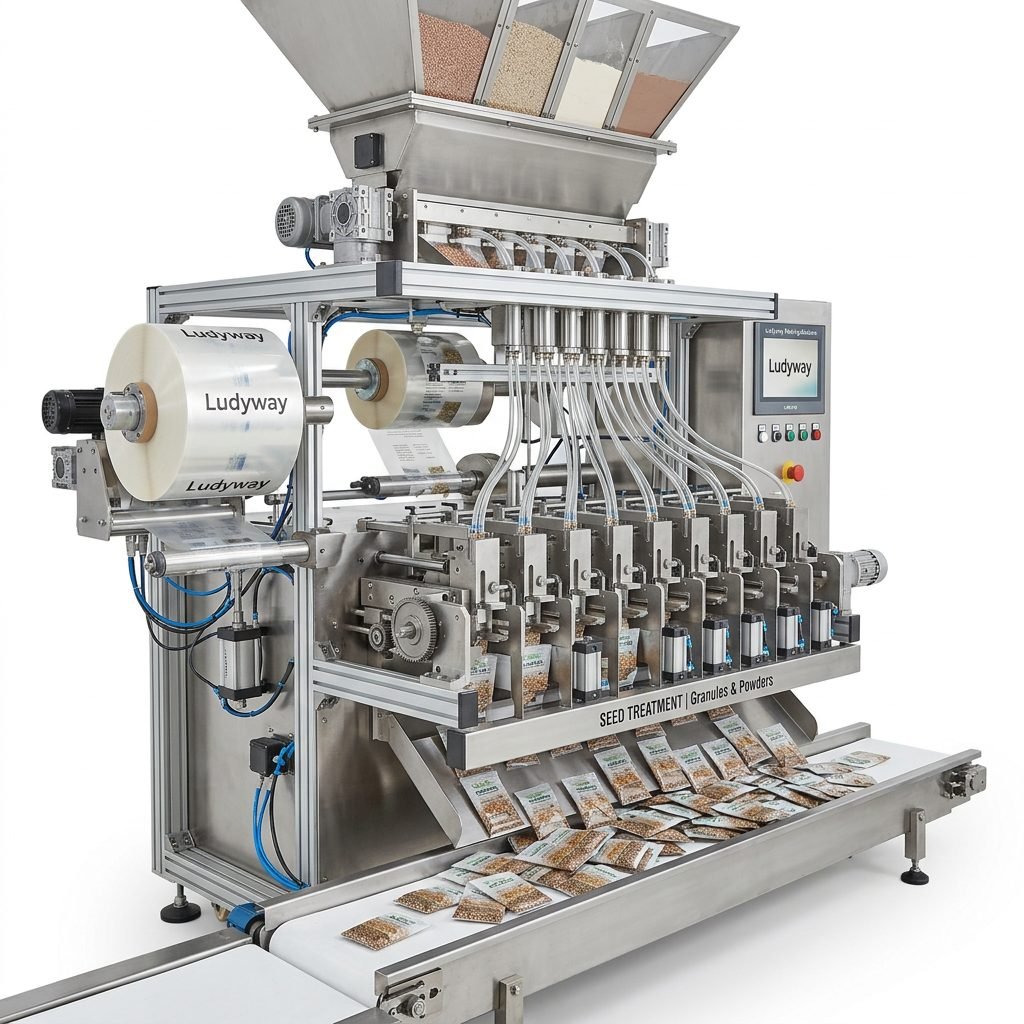
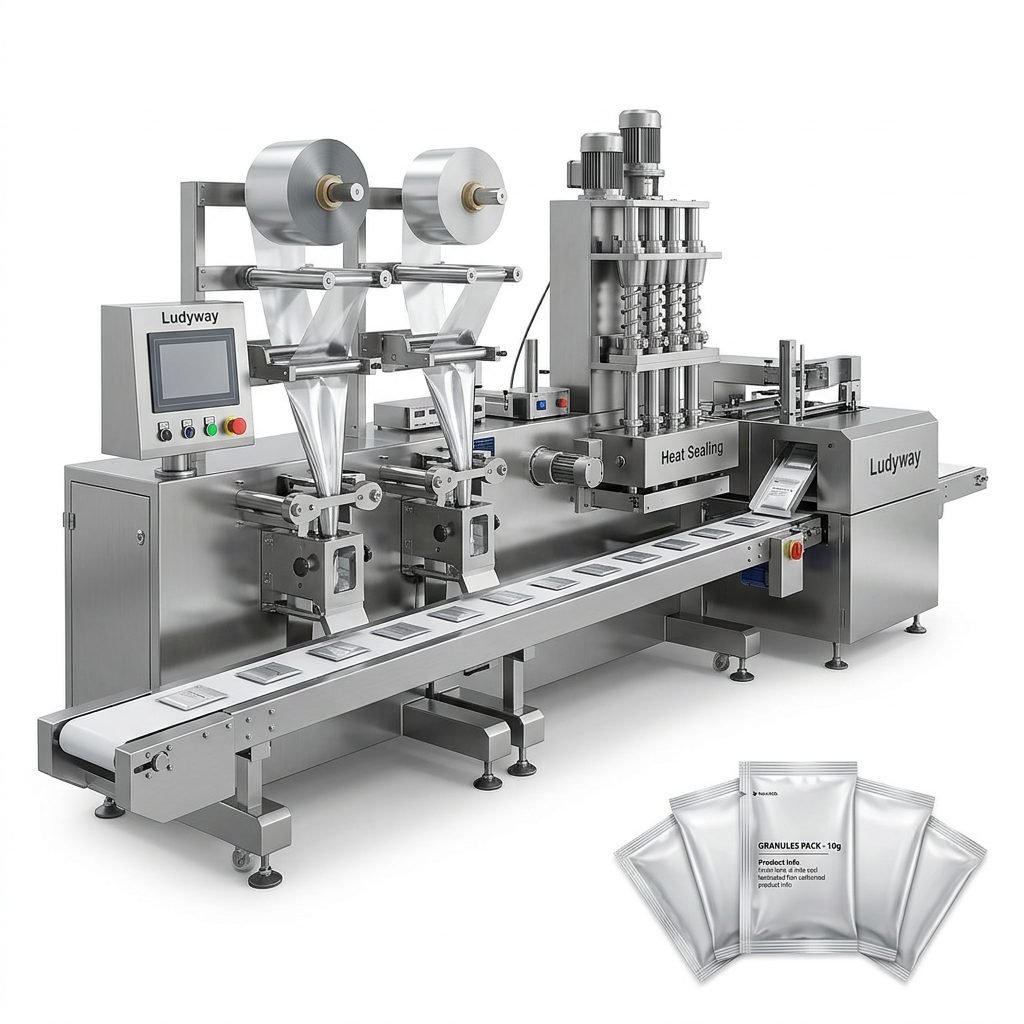
- Stick pack and sachet packaging — ideal for powder-based medications, granule formulations, and single-dose applications
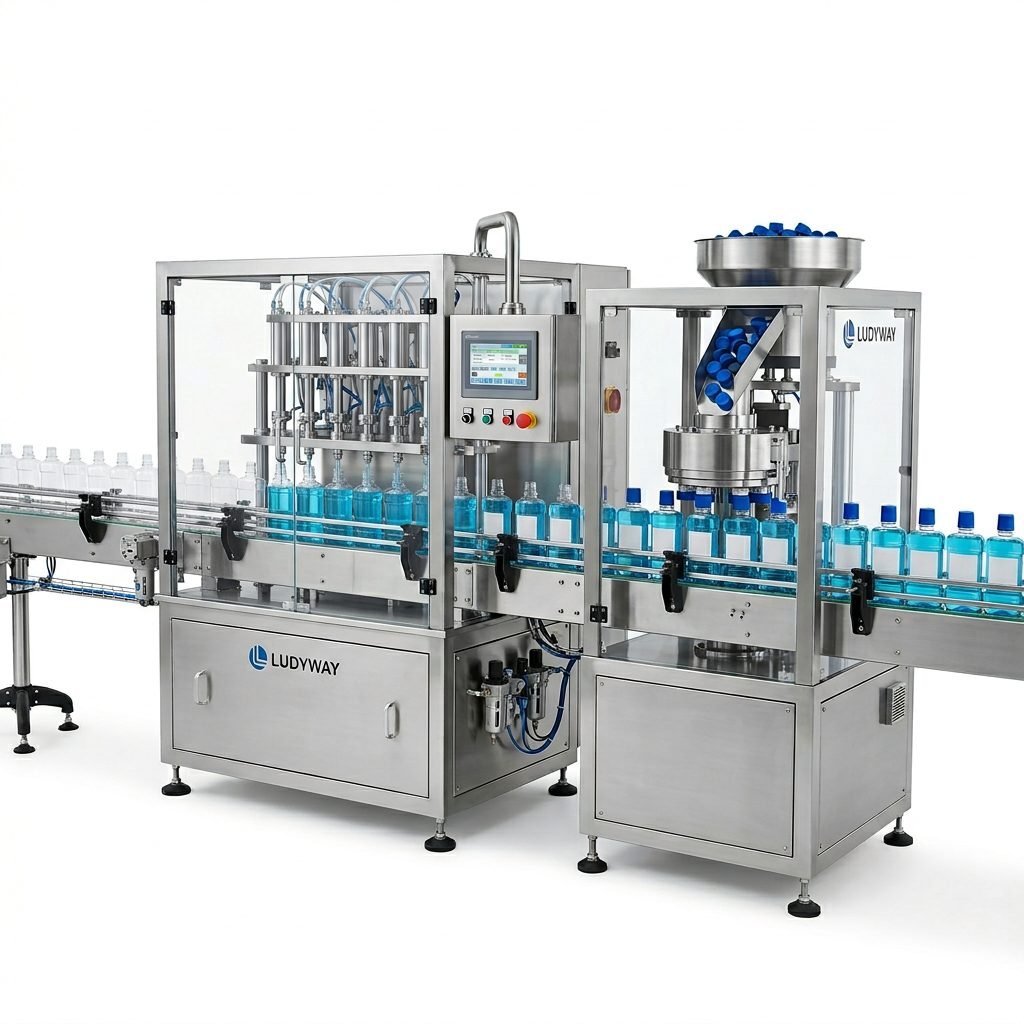
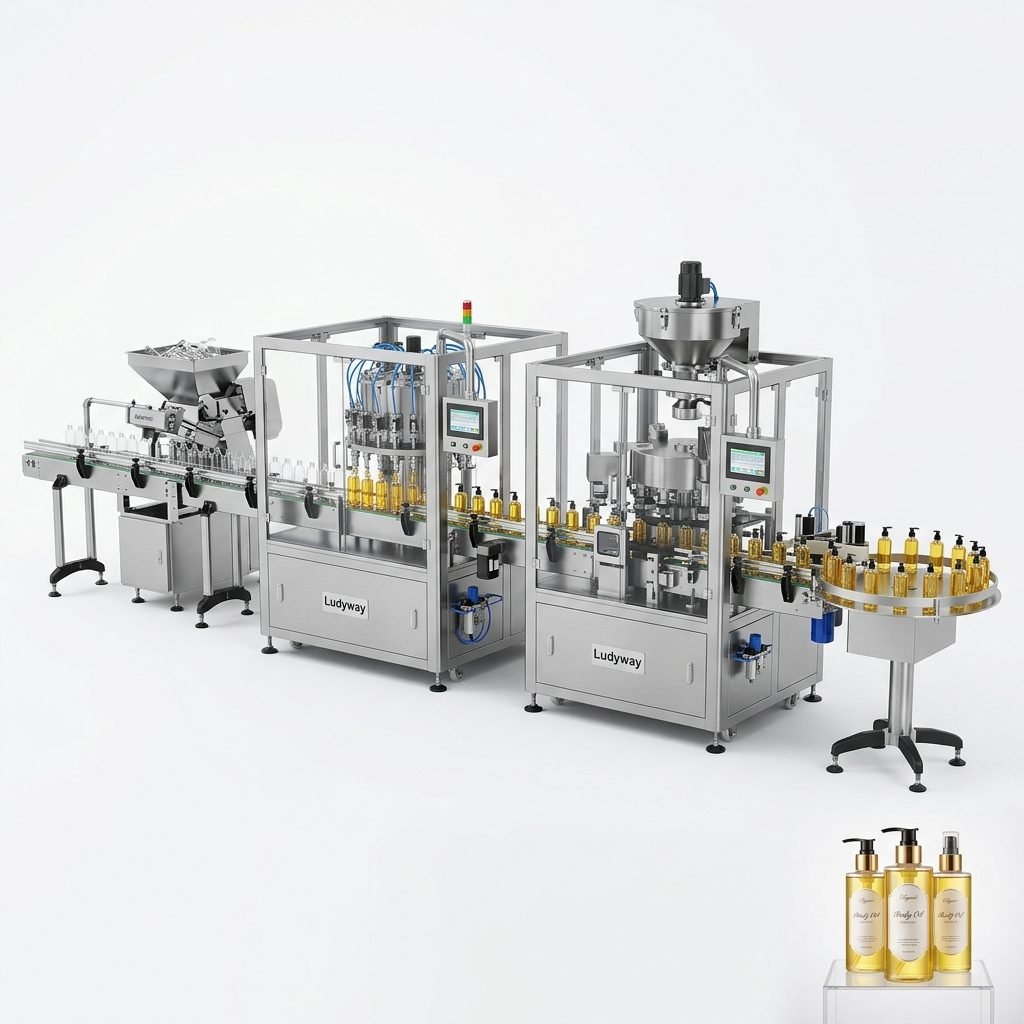
- Bottle filling lines — suited for high-volume tablet and capsule packaging in plastic or glass containers
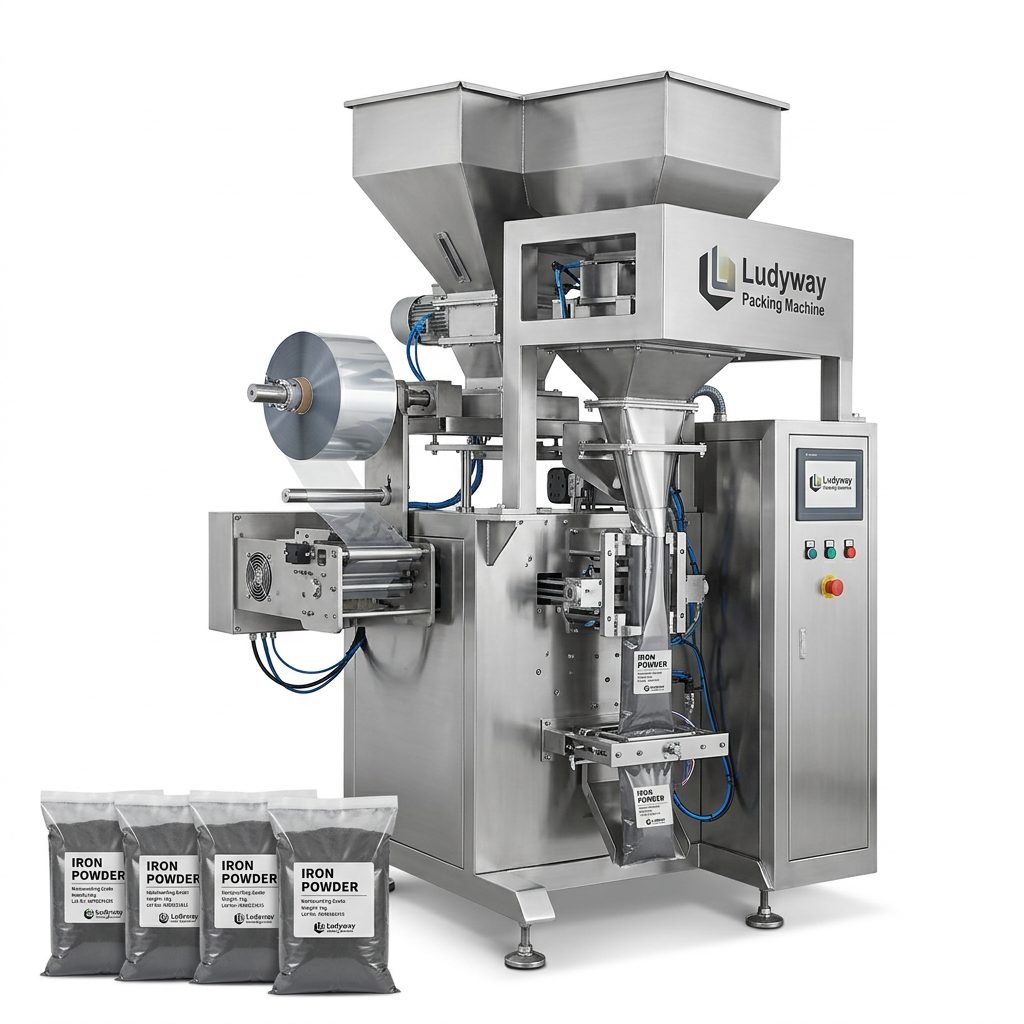
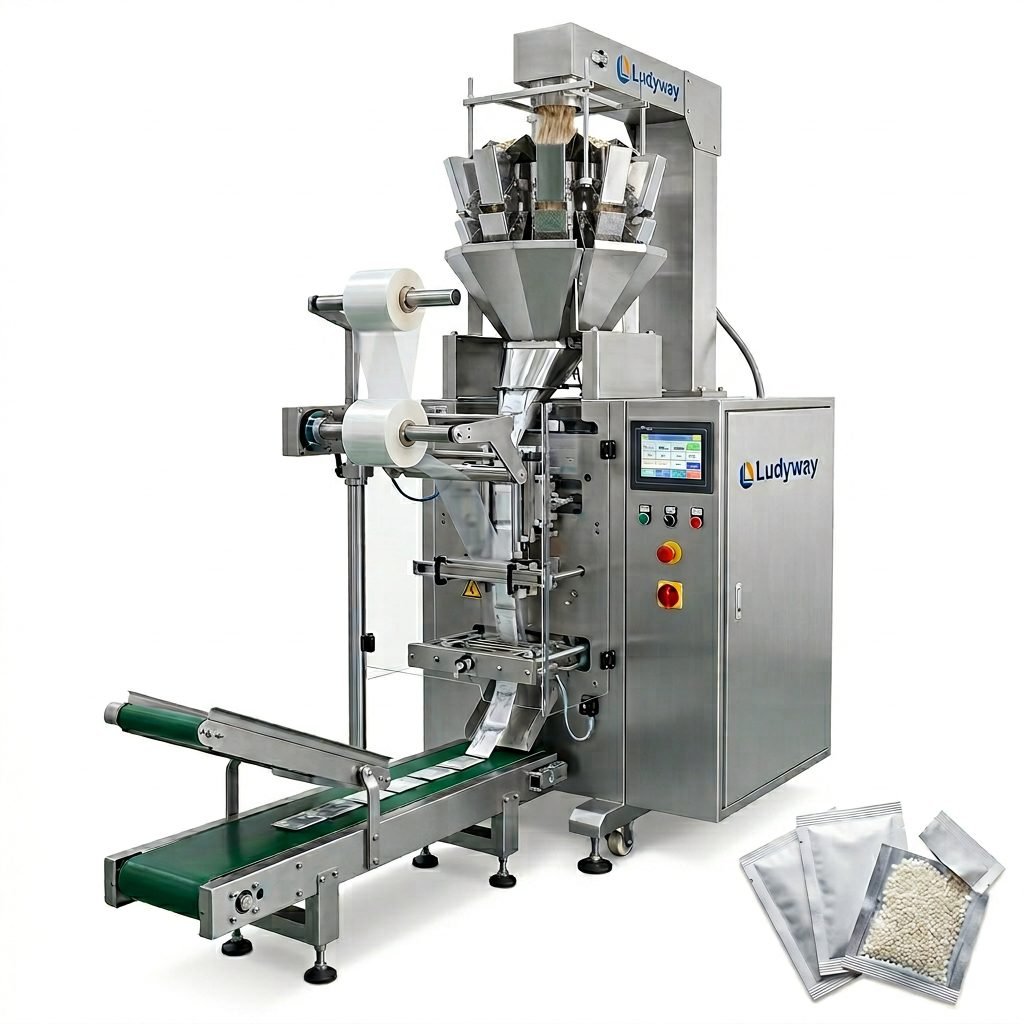
- Pouch packaging — increasingly popular for nutraceuticals and OTC products requiring flexible packaging formats
3. Automation Level and Integration Capabilities
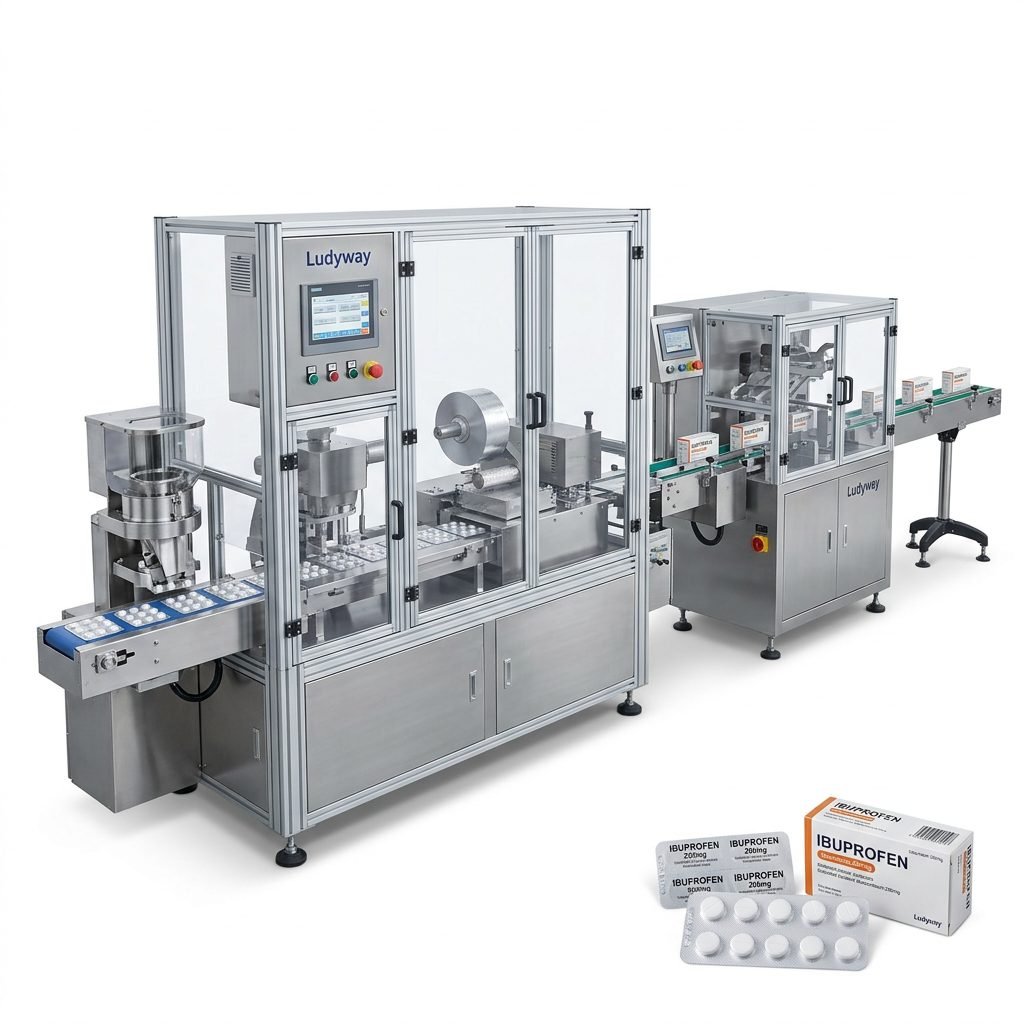
Modern pharmaceutical packaging lines range from semi-automatic workstations requiring significant operator involvement to fully automated turnkey systems that integrate feeding, filling, sealing, coding, inspection, and cartoning into one seamless operation. When evaluating automation options, consider labor availability in your region, the complexity of your packaging process, and whether the machine needs to integrate with existing upstream or downstream equipment.
4. Regulatory Compliance and Validation Support
Pharmaceutical packaging equipment must comply with stringent regulatory requirements. Look for machines designed to meet cGMP guidelines, featuring stainless steel construction, validated cleaning procedures, and full documentation packages including IQ/OQ/PQ protocols. Machines should also support serialization and track-and-trace requirements where applicable. For international markets, verify compliance with ISO packaging standards relevant to your target regions.
Comparing Pill Packaging Machine Types
The following table provides a comparative overview of the main pill packaging machine categories, helping you narrow down the most suitable technology for your application:
| Machine Type | Best For | Typical Speed Range | Key Advantage |
|---|---|---|---|
| Blister Packaging Machine | Tablets, capsules, softgels | 30–600 blisters/min | Excellent product protection; patient compliance |
| Stick Pack / Sachet Machine | Powders, granules, single-dose | 40–400 packs/min | Flexible dosing; multi-lane high output |
| Bottle Filling Line | High-volume tablets/capsules | 50–200 bottles/min | Familiar format; easy integration |
| Pouch Packaging Machine | Nutraceuticals, OTC products | 30–150 pouches/min | Lightweight; cost-effective material |
Evaluating Build Quality and Manufacturer Credentials
The quality of a pill packaging machine directly impacts production reliability, maintenance frequency, and overall equipment lifespan. When assessing potential suppliers, examine these critical areas:
- Manufacturing facility and engineering capabilities — Does the supplier have in-house manufacturing, or do they outsource production?
- Material quality — Pharmaceutical-grade machines should use 304 or 316 stainless steel for product-contact parts, with robust frame construction for vibration resistance
- Control systems — Look for PLC-based controls with HMI touchscreen interfaces from established industrial automation brands
- Documentation and validation support — Comprehensive manuals, electrical schematics, spare parts lists, and validation protocol assistance are hallmarks of a quality supplier
- After-sales service network — Evaluate warranty terms, technical support availability, spare parts logistics, and whether the supplier offers remote diagnostic capabilities
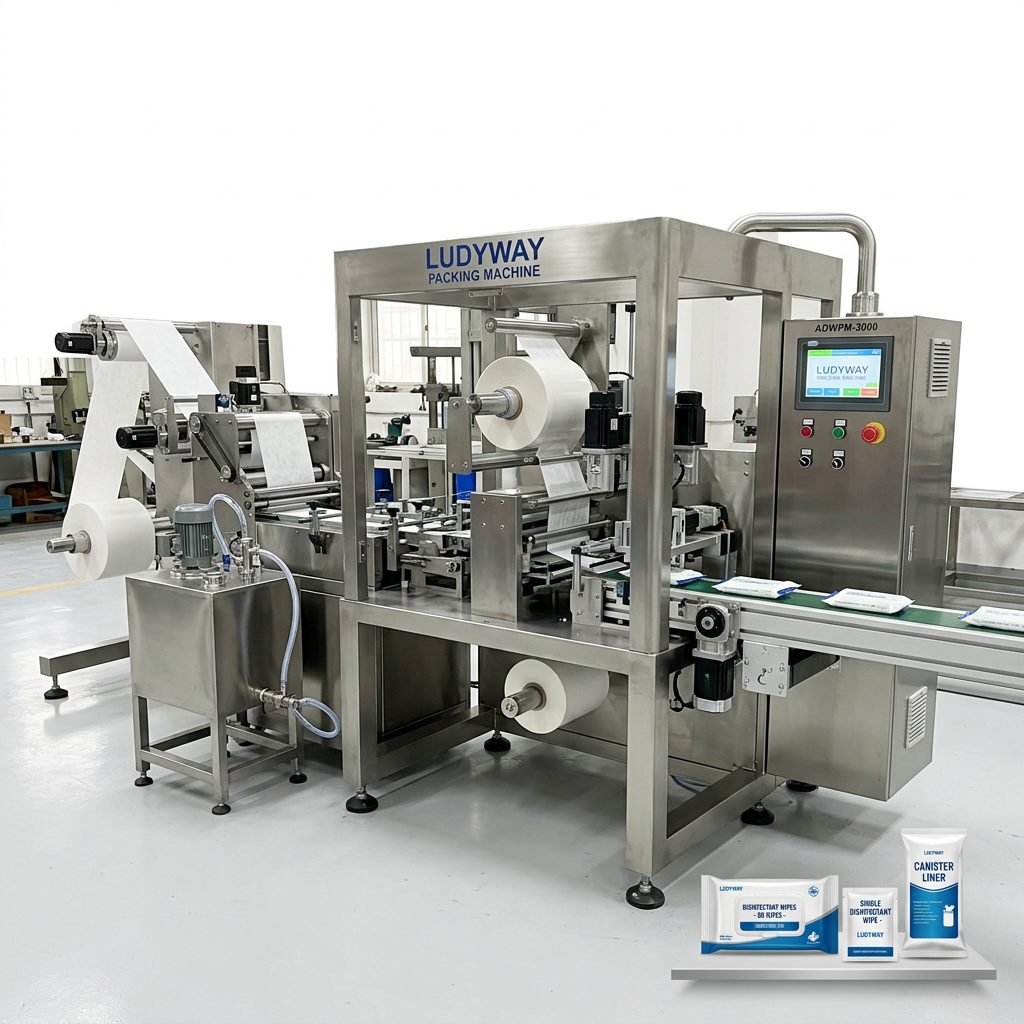
For manufacturers seeking a partner with demonstrated expertise, Ludyway Machinery offers more than 30 years of packaging machinery experience, a 20,000-square-meter manufacturing facility, and a portfolio of over 50 packaging machine models serving customers in more than 100 countries. Their engineering team provides customized configurations for pharmaceutical applications ranging from single machines to complete turnkey packaging lines.
Total Cost of Ownership: Beyond the Purchase Price
Focusing solely on the upfront equipment cost is a common and costly mistake. A thorough total cost of ownership (TCO) analysis should account for:
- Initial purchase price including any custom configuration or tooling charges
- Installation and commissioning costs, including any facility modifications required
- Operator training expenses and the learning curve impact on early production efficiency
- Ongoing maintenance — both scheduled preventive maintenance and anticipated wear-part replacement
- Energy consumption and utility costs over the machine’s expected service life
- Downtime risk — cheaper machines with frequent breakdowns can cost far more in lost production than the premium paid for a reliable system
- Spare parts availability and associated logistics costs over the equipment lifecycle
A well-built machine with strong after-sales support may have a higher initial price tag but frequently delivers lower total cost per packaged unit over a 5-10 year operational horizon.
Future-Proofing Your Investment
The pharmaceutical packaging landscape is evolving rapidly, driven by serialization mandates, sustainability requirements, and advances in automation technology. When selecting a pill packaging machine, consider whether the equipment can accommodate:
- Serialization and aggregation capabilities for compliance with DSCSA and FMD requirements
- Flexible format changeovers to support multiple product SKUs with minimal downtime
- Integration with MES and ERP systems for real-time production monitoring and data collection
- Sustainable packaging material compatibility as the industry shifts toward recyclable and biodegradable options
- Modular design that allows for future upgrades or the addition of complementary modules such as cartoning, case packing, or palletizing

Final Pre-Purchase Checklist
Before signing a purchase agreement, use this checklist to confirm you have thoroughly evaluated your options:
- Defined your required packaging format, speed, and automation level with documented specifications
- Verified regulatory compliance for all target markets including necessary certifications and documentation
- Inspected the manufacturer’s facility or conducted a virtual tour to assess build quality and engineering capabilities
- Requested and reviewed a complete TCO analysis covering purchase, installation, training, maintenance, and spare parts
- Checked references from customers with similar applications and production volumes
- Confirmed after-sales support arrangements including warranty terms, remote assistance capabilities, and spare parts delivery timelines
- Evaluated future expansion options to ensure the machine can grow with your business needs
Choosing the right pill packaging machine is a strategic investment that affects product quality, regulatory compliance, and operational profitability for years to come. By systematically evaluating your requirements against the criteria outlined in this guide, you can select equipment that delivers reliable performance, regulatory confidence, and a strong return on investment. For additional guidance on packaging machinery standards, refer to the resources available at PMMI’s packaging industry resource library and stay informed about evolving FDA food contact substance regulations that may affect your packaging material choices.