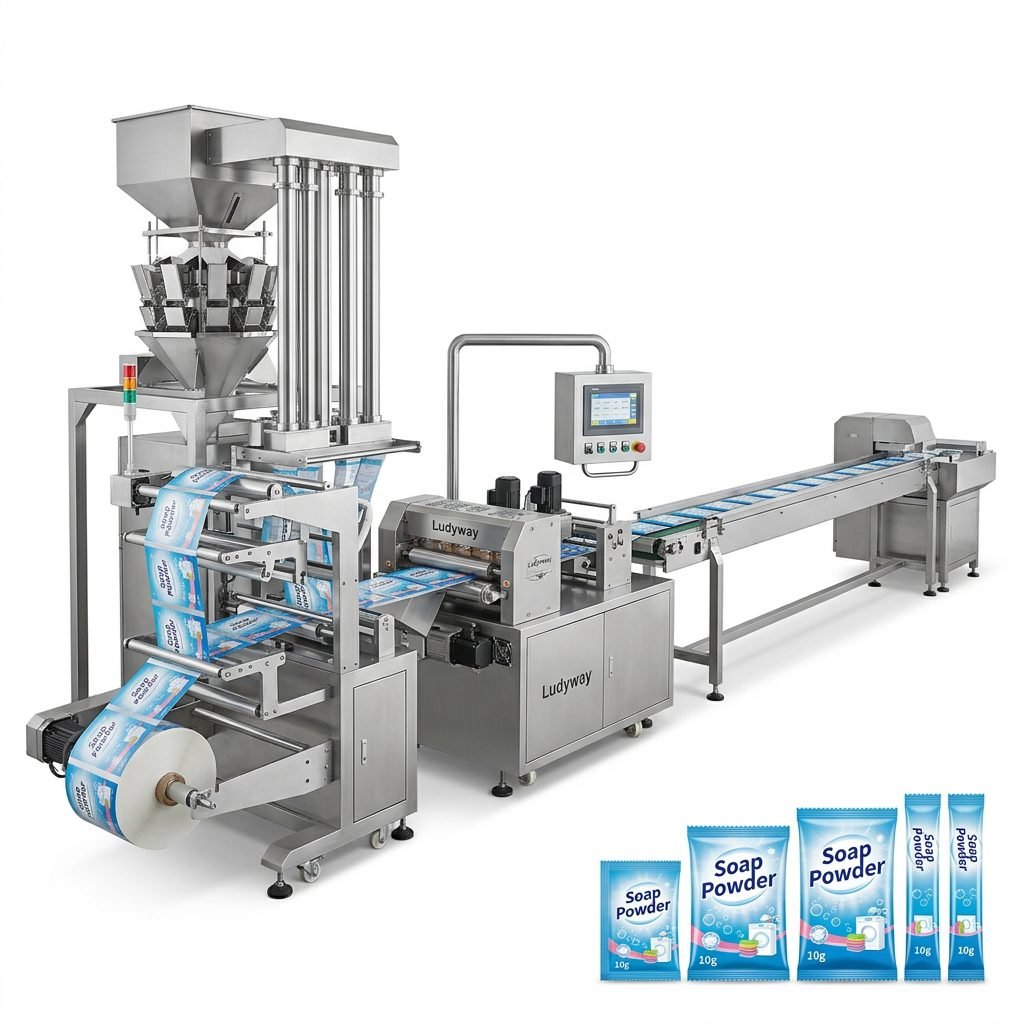
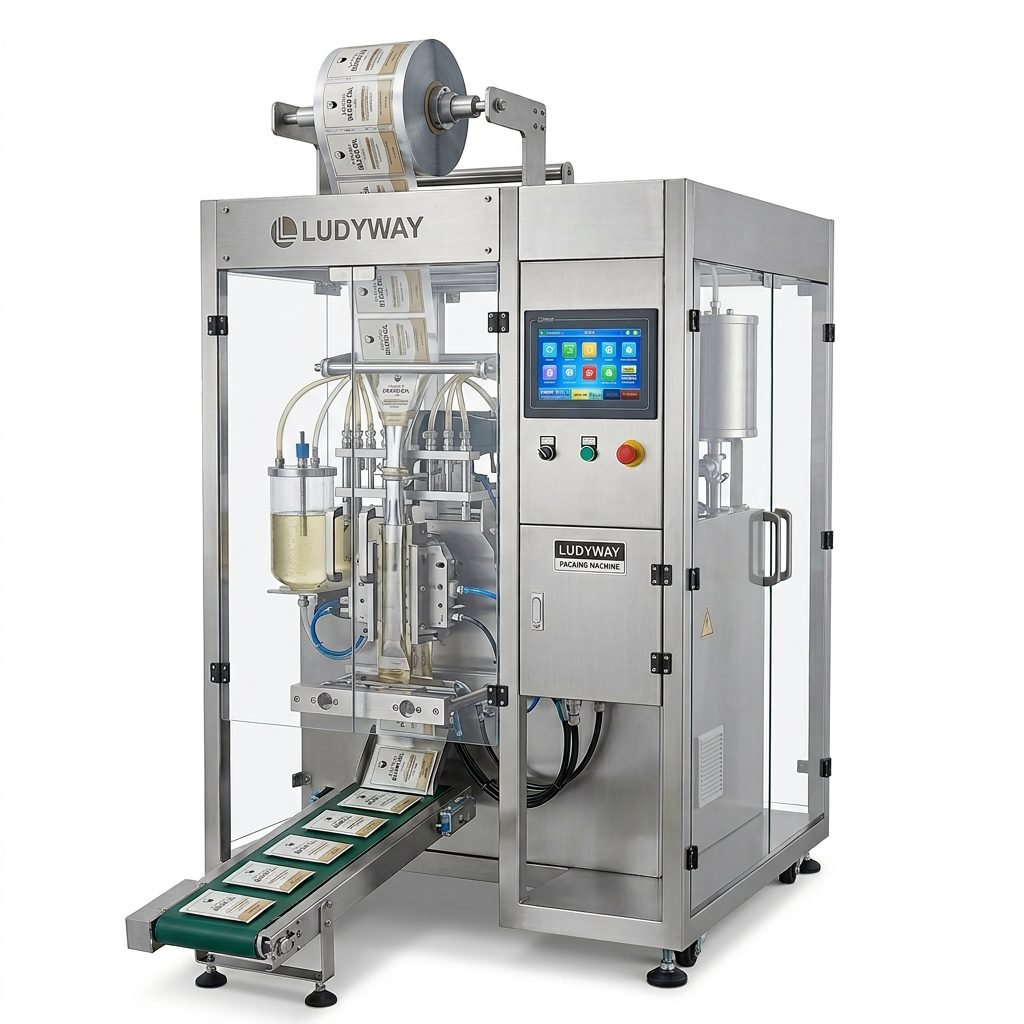
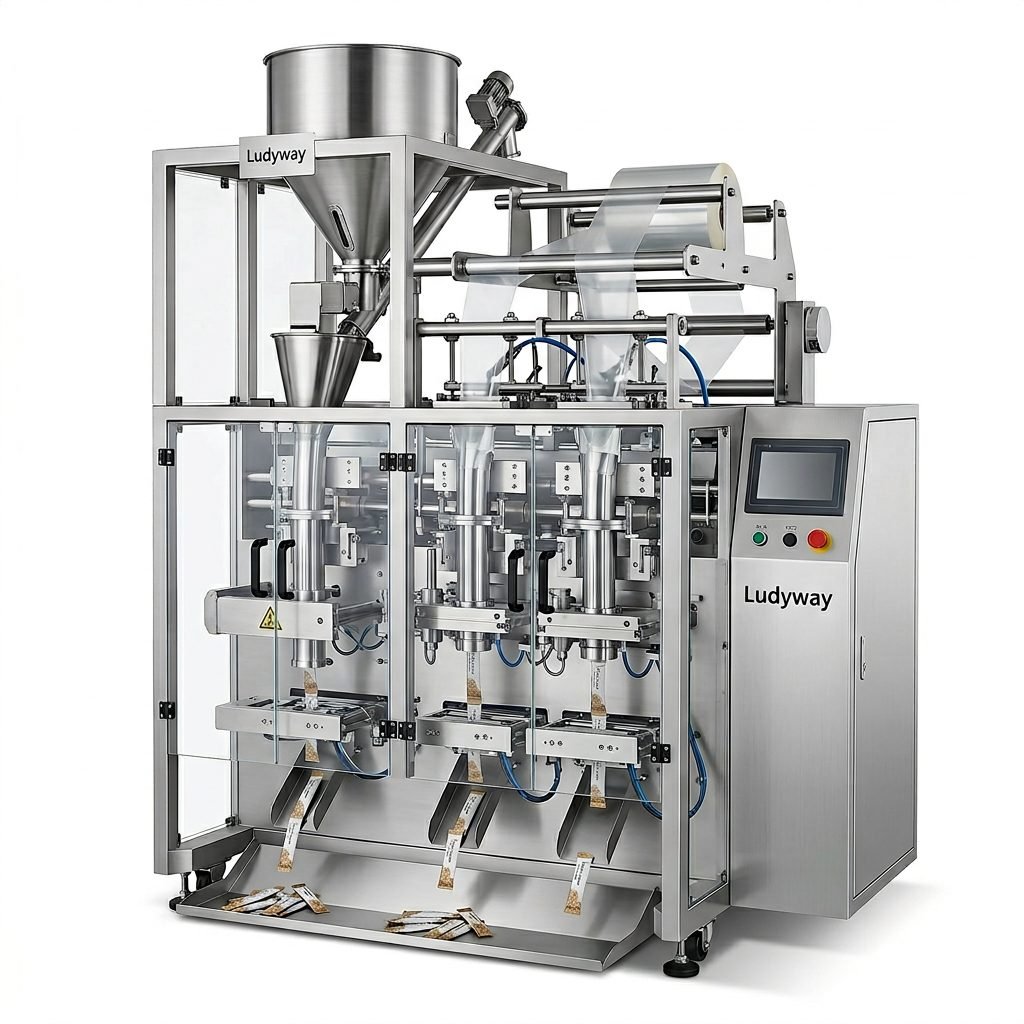
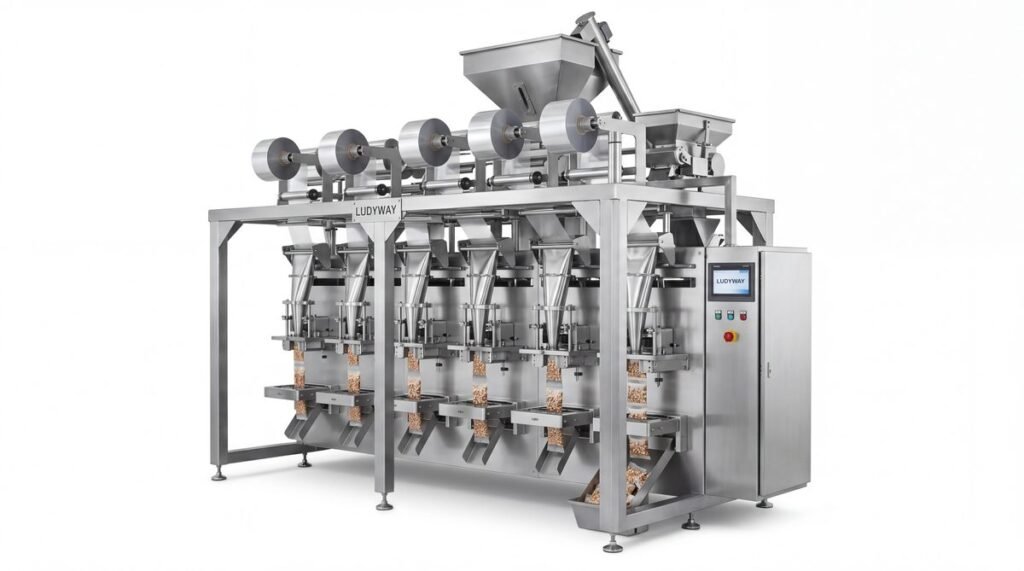
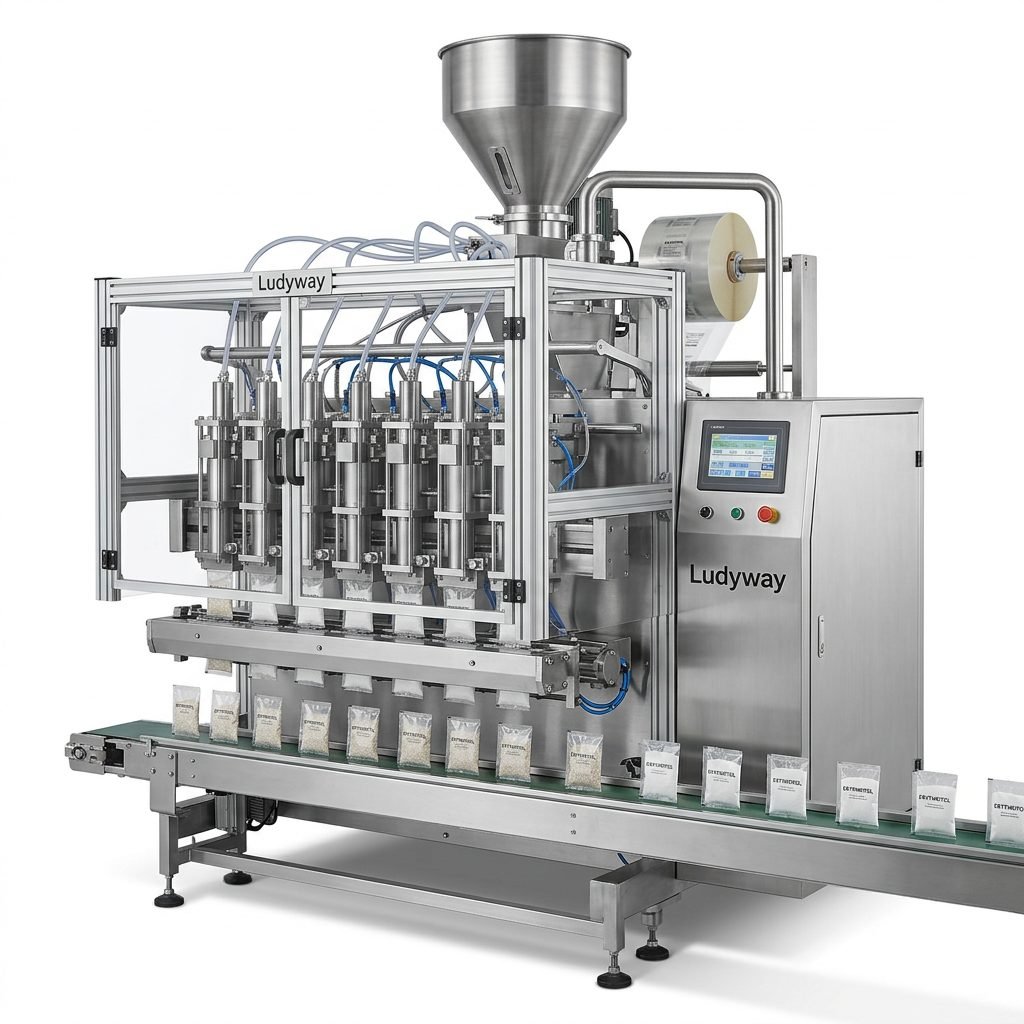
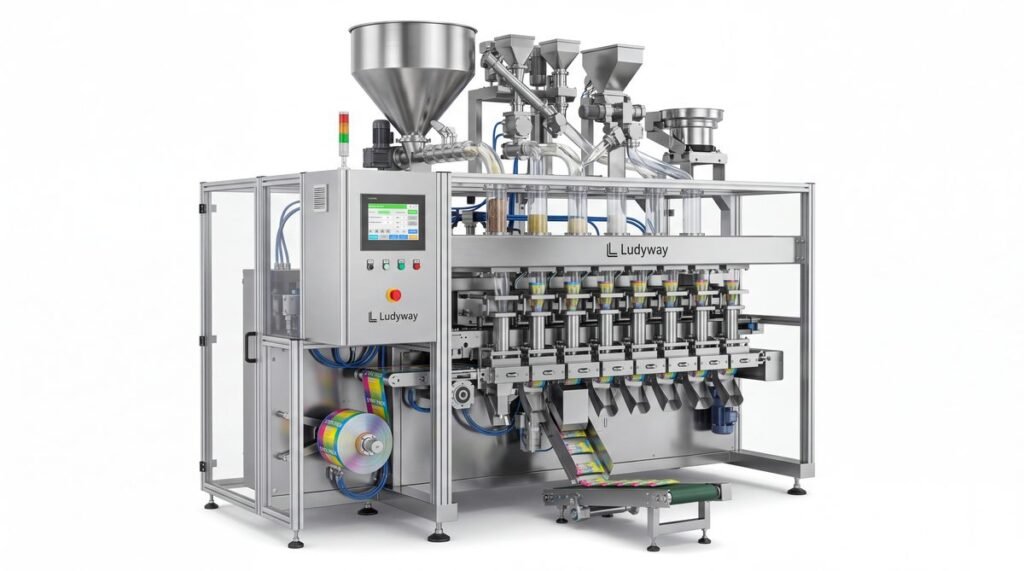
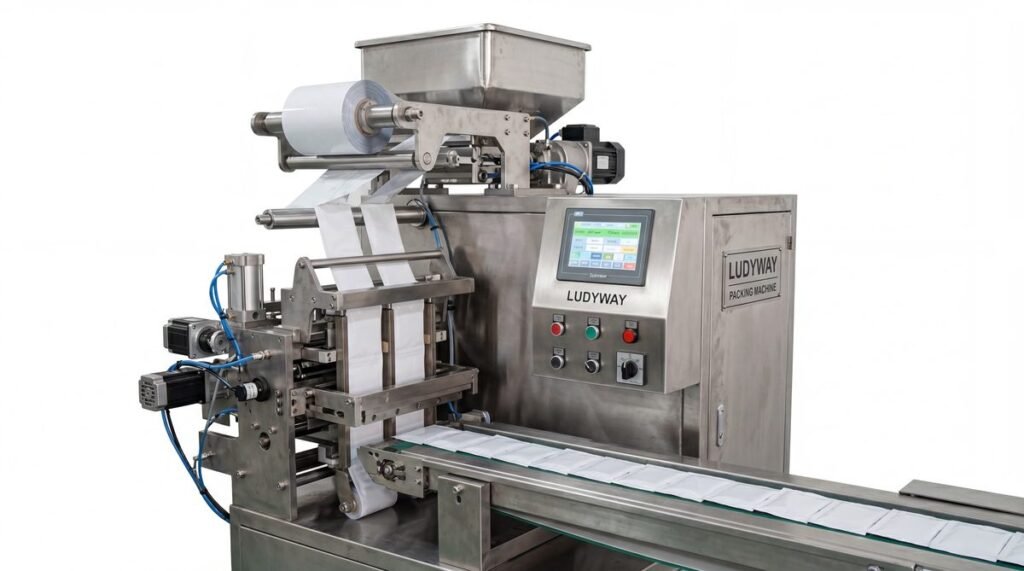
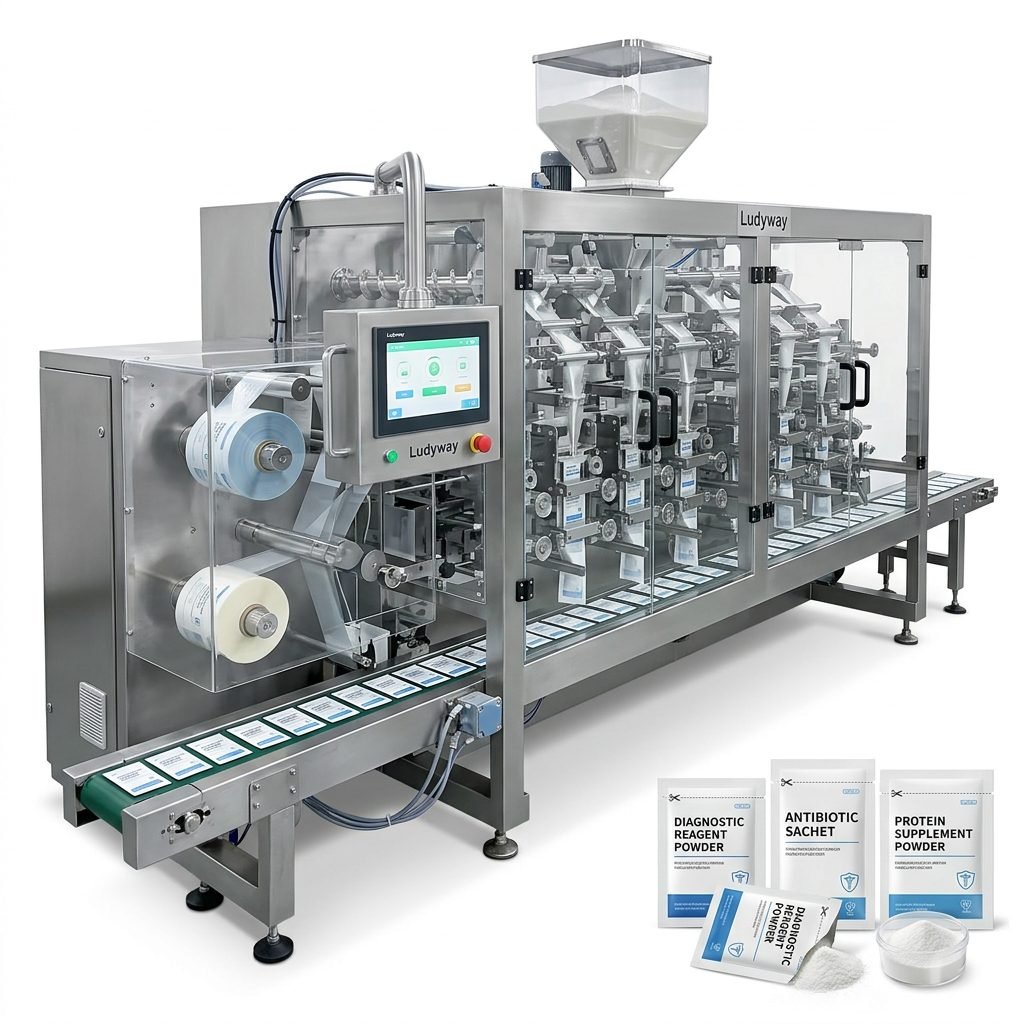
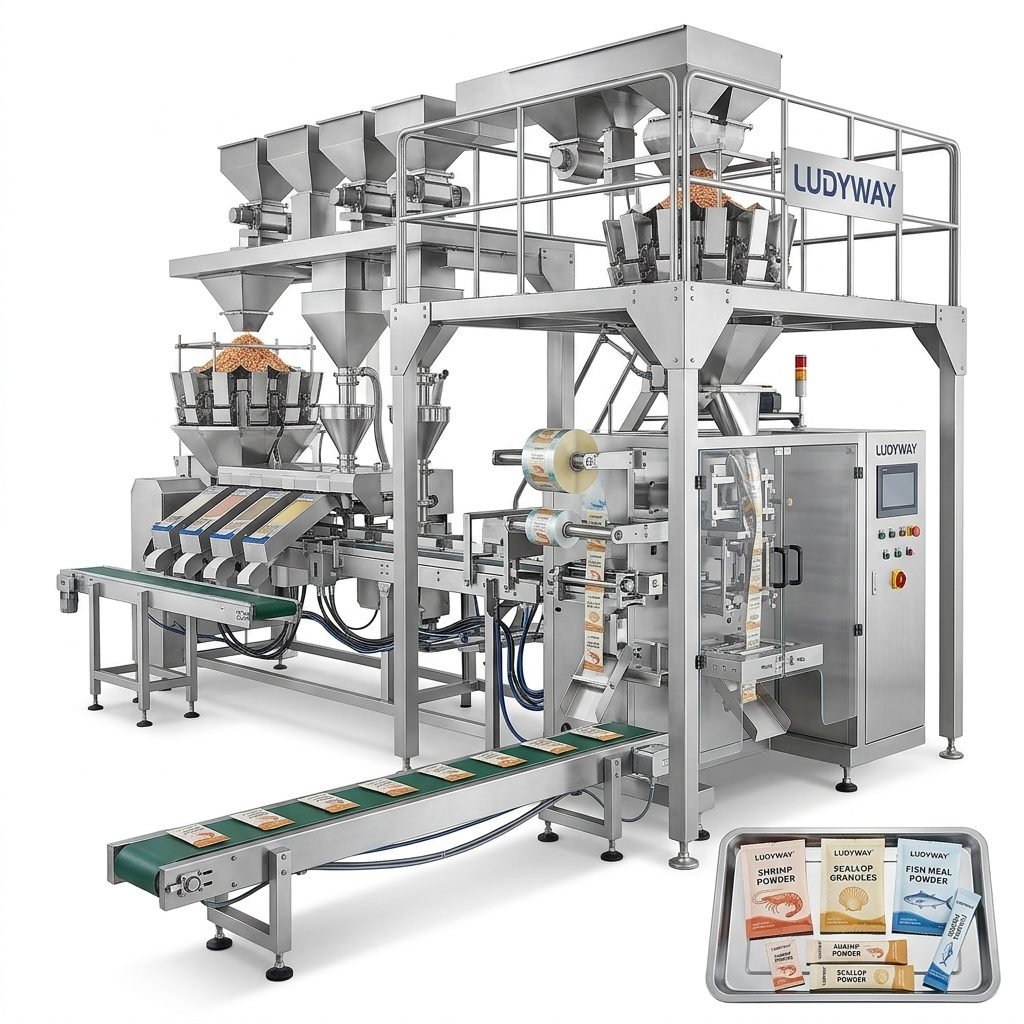
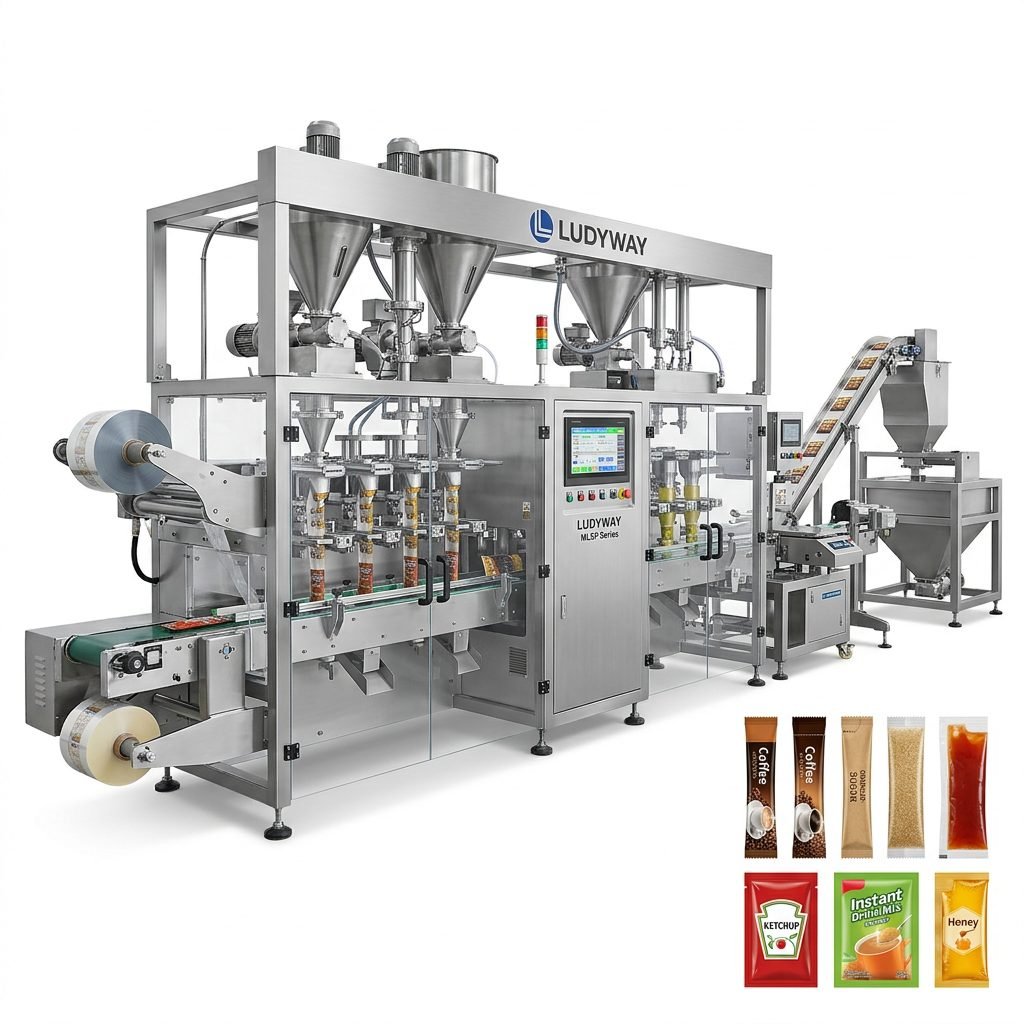
A nitrogen flush packaging machine is designed to replace oxygen inside a package with nitrogen before sealing. This simple but highly effective process helps protect products from oxidation, moisture-related quality loss, flavor degradation, discoloration, and texture changes. It is widely used in food, pharmaceutical, health supplement, and specialty product packaging where freshness and shelf life matter.
For manufacturers handling powders, granules, snacks, coffee, capsules, or sensitive medical and nutraceutical products, nitrogen flushing has become an important part of modern automated packaging. It supports better product stability while improving the appearance and consistency of finished packs.
What Is Nitrogen Flush Packaging?
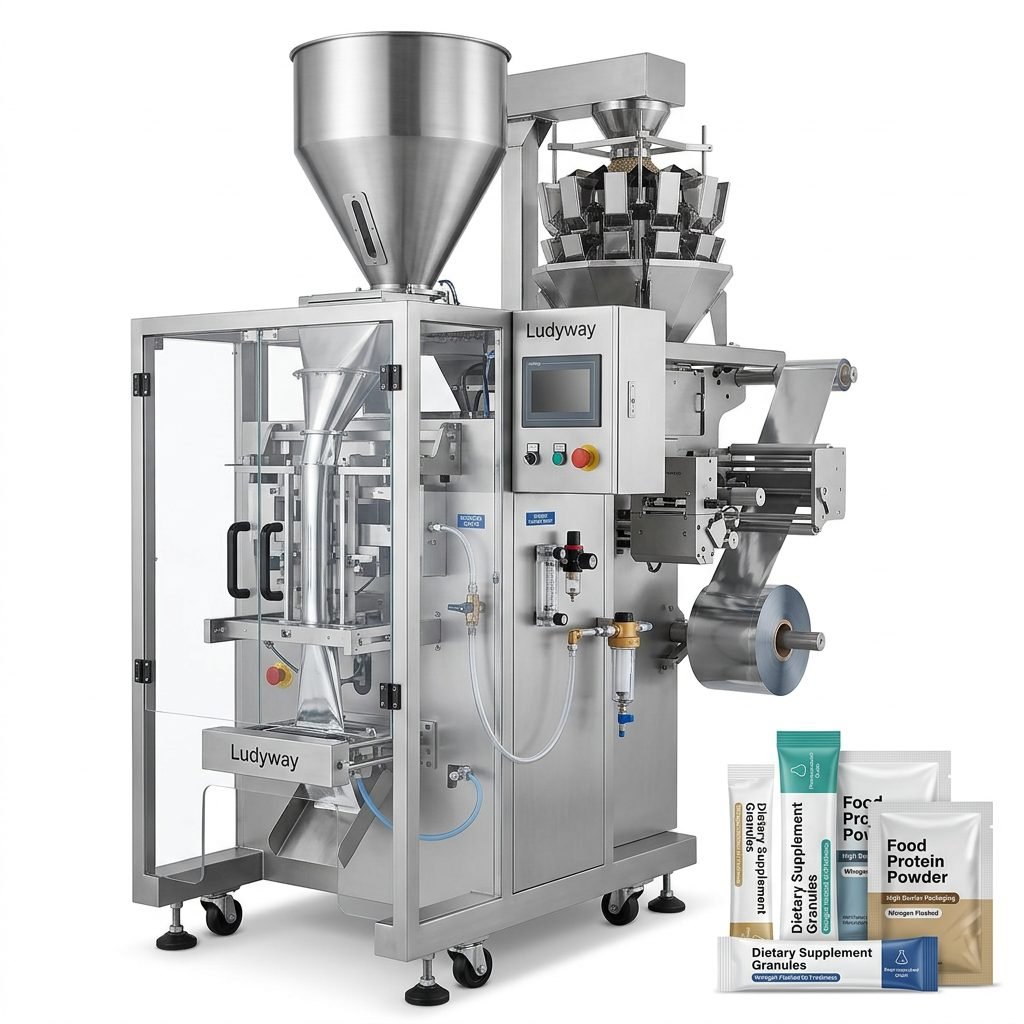
Nitrogen flush packaging is a protective packaging method in which food-grade nitrogen gas is introduced into a package to displace oxygen before the final seal is made. Nitrogen is an inert gas, which means it does not easily react with the product. Because of this, it is ideal for preserving product quality.
This technology is commonly applied in:
- Snack foods such as chips, nuts, and puffed products
- Coffee, tea, and beverage powders
- Milk powder and nutritional supplements
- Pharmaceutical powders, granules, and tablets
- Health products sensitive to air and humidity
- Chemical and specialty powder products requiring low oxidation exposure
How a Nitrogen Flush Packaging Machine Works
Although machine structures vary by package type, the basic working principle is straightforward. The machine forms or positions the package, fills the product, injects nitrogen gas, and then seals the package while maintaining a low oxygen environment.
- Product feeding – The product is delivered to the filling system by auger filler, weigher, volumetric cup, pump, or other dosing device.
- Package forming or pouch presentation – Depending on the system, film is formed into bags or preformed pouches are fed into place.
- Filling – The measured product is placed into the pack.
- Nitrogen injection – Nitrogen is flushed into the package headspace to reduce oxygen concentration.
- Sealing – The package is sealed immediately to retain the protective atmosphere.
- Discharge and inspection – Finished packs move to downstream inspection, coding, cartoning, or case packing.
Core machine components
- Nitrogen gas supply and pressure control system
- Filling unit matched to the product type
- Bagging or pouch handling mechanism
- Heat sealing system
- PLC and touchscreen control interface
- Optional oxygen analyzer for validation
Why Nitrogen Is Used Instead of Air
Air contains oxygen, and oxygen is one of the main causes of product deterioration. It can trigger rancidity in fats, fade colors, reduce aroma, and shorten shelf life. Nitrogen, on the other hand, is stable and dry, making it useful for preserving product condition inside sealed packaging.
| Factor | Regular Air Packaging | Nitrogen Flush Packaging |
|---|---|---|
| Oxygen level | High | Low |
| Oxidation risk | Higher | Lower |
| Flavor retention | Less stable | More stable |
| Shelf life | Shorter | Longer |
| Package protection | Basic | Better for fragile products |
Key Benefits of a Nitrogen Flush Packaging Machine
1. Extended shelf life
By reducing oxygen in the package, nitrogen flushing slows down oxidation and helps products stay fresher for longer during storage, transport, and retail display.
2. Better product freshness
Aroma, crispness, flavor, and color can be preserved more effectively, especially for coffee, snack foods, and nutraceutical powders.
3. Improved package appearance
In some applications, nitrogen also creates a cushioning effect inside the pack. This helps protect fragile products such as chips, crackers, and delicate granules from breakage.
4. Lower risk of spoilage
Products with oils, active ingredients, or oxygen-sensitive compounds benefit from a reduced exposure environment, lowering quality complaints and waste.
5. Stronger market competitiveness
Consistent packaging quality supports brand reputation. Buyers and consumers often associate well-preserved, visually stable packaging with higher product standards.
Best Uses for Nitrogen Flush Packaging Machines
Nitrogen flushing is not necessary for every product, but it is highly effective for products that are sensitive to oxygen, humidity, flavor loss, or physical damage.
| Industry | Typical Products | Why Nitrogen Flush Helps |
|---|---|---|
| Food | Chips, nuts, coffee, spices, milk powder, instant drink mixes | Protects flavor, aroma, crispness, and appearance |
| Pharmaceutical | Powders, granules, tablets, medical consumables | Helps maintain stability and reduce oxidation exposure |
| Health supplements | Protein powder, collagen, probiotics, electrolyte sachets | Supports potency and shelf-life consistency |
| Chemical | Specialty powders and reactive granular products | Reduces unwanted air contact in selected applications |
Especially suitable for these packaging formats
- Sachets
- Stick packs
- Pillow bags
- Premade pouches
- Jar or bottle headspace flushing
Products That Commonly Use Nitrogen Flushing
Some of the most common product categories include:
- Coffee and tea – preserves aroma and reduces oxidation
- Snack foods – protects crunch and reduces breakage
- Protein and nutrition powders – helps maintain quality in sachets and stick packs
- Spices and seasoning blends – supports flavor retention
- Pharmaceutical granules and powders – improves package protection for sensitive formulas
- Nuts and dried foods – slows rancidity caused by oxygen exposure
Types of Nitrogen Flush Packaging Machines
Vertical form fill seal machines
These systems form bags from roll film, fill the product, flush nitrogen, and seal in one continuous process. They are common for powders, granules, and snack products.
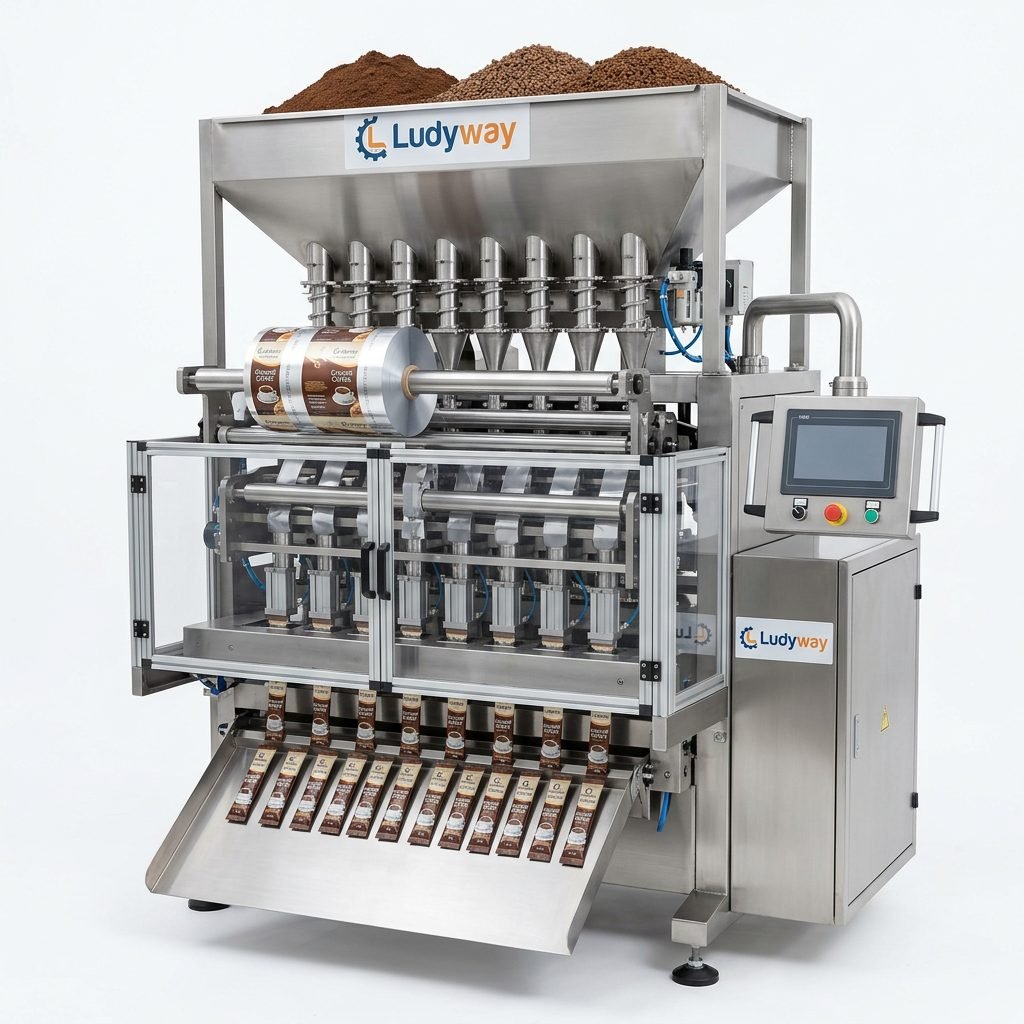
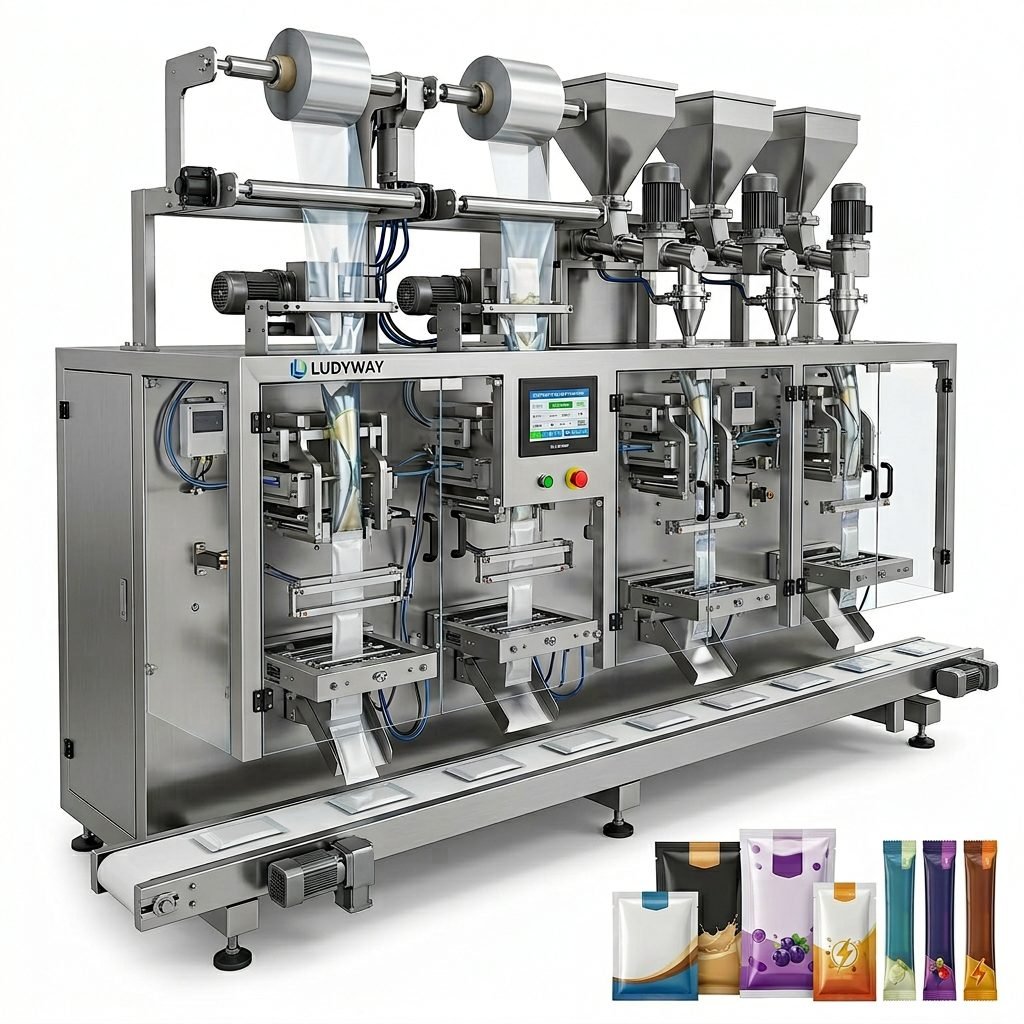
Sachet and stick pack machines
Ideal for single-dose or multi-lane packaging of powdered beverages, supplements, pharmaceutical granules, and seasonings. Nitrogen flushing can be integrated for higher protection.
Premade pouch packaging machines
These machines work with ready-made pouches and are widely used for premium food, nutraceutical, and specialty product packaging.
Bottle and jar filling lines with gas flushing
Suitable for capsules, tablets, powders, and granules where oxygen control in the headspace is important before capping.
How to Know If You Need Nitrogen Flush Packaging
A nitrogen flush packaging solution is worth considering if your product has one or more of the following characteristics:
- It loses flavor or aroma quickly after packing
- It contains oils or fats that may oxidize
- It must stay crisp, dry, or visually appealing
- It is sold through longer distribution channels
- It requires a longer shelf life for export or retail
- It is a high-value product where quality consistency matters
Important Factors When Choosing a Machine
Not all nitrogen flush systems are the same. The right machine should match your product characteristics, production target, and packaging format.
- Product type: powder, granule, liquid, tablet, or mixed product
- Pack style: sachet, stick pack, pillow bag, pouch, or bottle
- Output speed: low, medium, or high-speed production
- Residual oxygen requirement: stricter products may need more controlled flushing
- Film and sealing compatibility: packaging material must support barrier performance
- Integration needs: coding, checkweighing, cartoning, and end-of-line systems
- Cleaning and compliance: especially important for food and pharmaceutical applications
Common Mistakes to Avoid
- Assuming nitrogen alone can fix poor barrier packaging film
- Using unstable seals that allow oxygen to re-enter
- Ignoring gas purity and pressure consistency
- Choosing a machine without validating actual oxygen reduction results
- Overlooking product-specific filling accuracy and dust control needs
Nitrogen Flush vs Vacuum Packaging
These two technologies are often compared, but they serve different purposes. Vacuum packaging removes air by suction, while nitrogen flushing replaces oxygen with inert gas. For delicate products, nitrogen flushing is often preferred because it can maintain pack shape and reduce crushing.
| Feature | Nitrogen Flush | Vacuum Packaging |
|---|---|---|
| Main function | Replaces oxygen with nitrogen | Removes air from the package |
| Best for fragile products | Yes | Not always |
| Pack shape retention | Better | May collapse |
| Typical use | Snacks, powders, coffee, pharma | Meat, cheese, certain solid foods |
Maintenance and Performance Tips
To keep a nitrogen flush packaging machine running efficiently, manufacturers should focus on both packaging quality and gas delivery stability.
- Check gas lines, regulators, and connections regularly
- Monitor sealing temperature and seal integrity
- Verify filling accuracy to avoid inconsistent headspace
- Use suitable barrier films or pouches
- Test residual oxygen levels when quality requirements are strict
- Follow scheduled preventive maintenance for valves, sensors, and sealing parts
Choosing a Reliable Packaging Machine Supplier
When investing in nitrogen flush equipment, the supplier should provide more than just the machine itself. Buyers should look for application knowledge, customization ability, line integration experience, after-sales support, and long-term technical service.
For companies looking for advanced automated solutions, Ludyway nitrogen flush packaging machine solutions are backed by more than 30 years of manufacturing experience in food, pharmaceutical, health supplement, and turnkey packaging line applications.
Final Thoughts
A nitrogen flush packaging machine is an excellent choice for brands that need better product protection, longer shelf life, and more consistent package quality. Whether you are packing coffee, snacks, supplements, pharmaceutical granules, or specialty powders, nitrogen flushing can deliver measurable benefits when paired with the right machine design and packaging materials.
The best results come from selecting a system that matches your product, desired output, and packaging format while ensuring strong seals and stable gas control. For many modern production lines, nitrogen flushing is no longer optional—it is a practical upgrade for maintaining freshness, reducing waste, and meeting higher market expectations.