Investing in a modified atmosphere packaging (MAP) machine is a strategic decision that directly impacts product shelf life, food safety, and operational efficiency. Whether you are packaging fresh produce, baked goods, meat, dairy, or ready-to-eat meals, selecting the right MAP packaging equipment requires a careful evaluation of your product characteristics, production environment, and long-term business goals. This guide walks you through every critical factor to consider before making a purchase.
1. Understand Your Product and Packaging Goals
Before comparing machine specifications, define what you are packaging and what you want to achieve. Different products demand different gas mixtures, sealing temperatures, and film structures. Ask yourself these questions:
- What is the product category? Fresh meat, processed cheese, leafy greens, snack foods, and pharmaceutical items each have distinct respiration rates and spoilage mechanisms.
- What shelf-life extension are you targeting? A few extra days for bakery items versus several weeks for modified-atmosphere meat packaging requires different machine capabilities.
- What is your daily production volume? Small-batch artisan producers have different needs than high-speed industrial operations running multiple shifts.
- What packaging format do you use? Trays, pouches, flow wraps, and thermoformed packs all influence machine selection.
Clearly answering these questions helps you narrow down machine categories and avoid overpaying for capabilities you do not need or underinvesting in a system that cannot scale.
2. Key Technical Specifications to Evaluate
Once you understand your product requirements, examine the core technical specifications of any MAP machine under consideration. The following table summarizes the most critical parameters:
| Specification | Why It Matters |
|---|---|
| Gas Flushing System | Determines the accuracy and consistency of oxygen, carbon dioxide, and nitrogen mixtures; residual oxygen levels directly affect shelf life. |
| Sealing Technology | Heat seal, ultrasonic seal, or impulse seal—each suits different film materials and production speeds; seal integrity is critical for MAP success. |
| Vacuum Pump Capacity | Affects cycle time and the ability to achieve low residual oxygen; larger chambers or faster lines need higher-capacity pumps. |
| Chamber Size & Configuration | Must accommodate your tray or pouch dimensions; multi-lane configurations increase throughput for high-volume applications. |
| Control System | PLC-based controls with recipe storage enable quick changeovers; data logging supports traceability and quality audits. |
| Machine Speed | Measured in packs per minute; must align with upstream and downstream equipment to avoid bottlenecks. |
3. Types of MAP Packaging Technologies
Not all modified atmosphere packaging works the same way. Understanding the different MAP methods helps you match the machine to your specific application:
- Gas Flushing: Injects a controlled gas mixture into the package before sealing, displacing ambient air. Common for flow-wrapped bakery and snack products. This is the most widely used method in automatic packaging lines.
- Compensated Vacuum: Evacuates air first, then backfills with the desired gas mixture. Ideal for products requiring very low residual oxygen, such as fresh pasta or processed meats.
- Thermoform-Fill-Seal (TFS) MAP: Forms the packaging tray from rollstock film, fills the product, and seals under modified atmosphere—all in one continuous operation. Suited for high-volume meat, cheese, and ready-meal production.
According to industry data from the PMMI Business Intelligence Library, TFS systems account for a growing share of the MAP equipment market due to their efficiency and reduced material waste.

4. Film and Material Compatibility
Your choice of packaging film directly affects the performance of a MAP machine. The machine must be capable of sealing the specific material structure you select. Key considerations include:
- Barrier Properties: High-barrier films prevent gas permeation, maintaining the modified atmosphere inside the package. EVOH, PVDC, and metallized films offer different levels of oxygen and moisture barrier.
- Seal Layer Compatibility: The sealant layer must match the machine’s heat-seal temperature range and dwell time. Incompatibility leads to weak seals and gas leakage.
- Anti-Fog and Clarity Requirements: For retail display, anti-fog coatings and high-clarity films improve product visibility. Make sure the machine can handle these films without wrinkling or distortion.
- Sustainability Goals: Many manufacturers now consider recyclable or compostable films. Verify that the MAP machine supports these newer material structures, which often have different sealing windows than traditional multi-layer laminates.
The Flexible Packaging Association offers extensive resources on film technologies and regulatory compliance for food contact materials.
5. Integration with Existing Production Lines
A MAP machine rarely operates in isolation. Consider how the equipment will connect to upstream and downstream processes:
- Filling and Dosing Systems: The MAP machine must synchronize with filling equipment to maintain consistent throughput without product spillage or misalignment.
- Checkweighing and Inspection: Inline checkweighers and metal detectors ensure quality control; verify that the MAP machine has adequate space and interface capability for these modules.
- Labeling and Coding: Date coding, batch numbering, and barcode labeling should integrate smoothly after the sealing station.
- Cartoning and Palletizing: For fully automated operations, the output of the MAP machine must feed directly into cartoning or case packing systems.
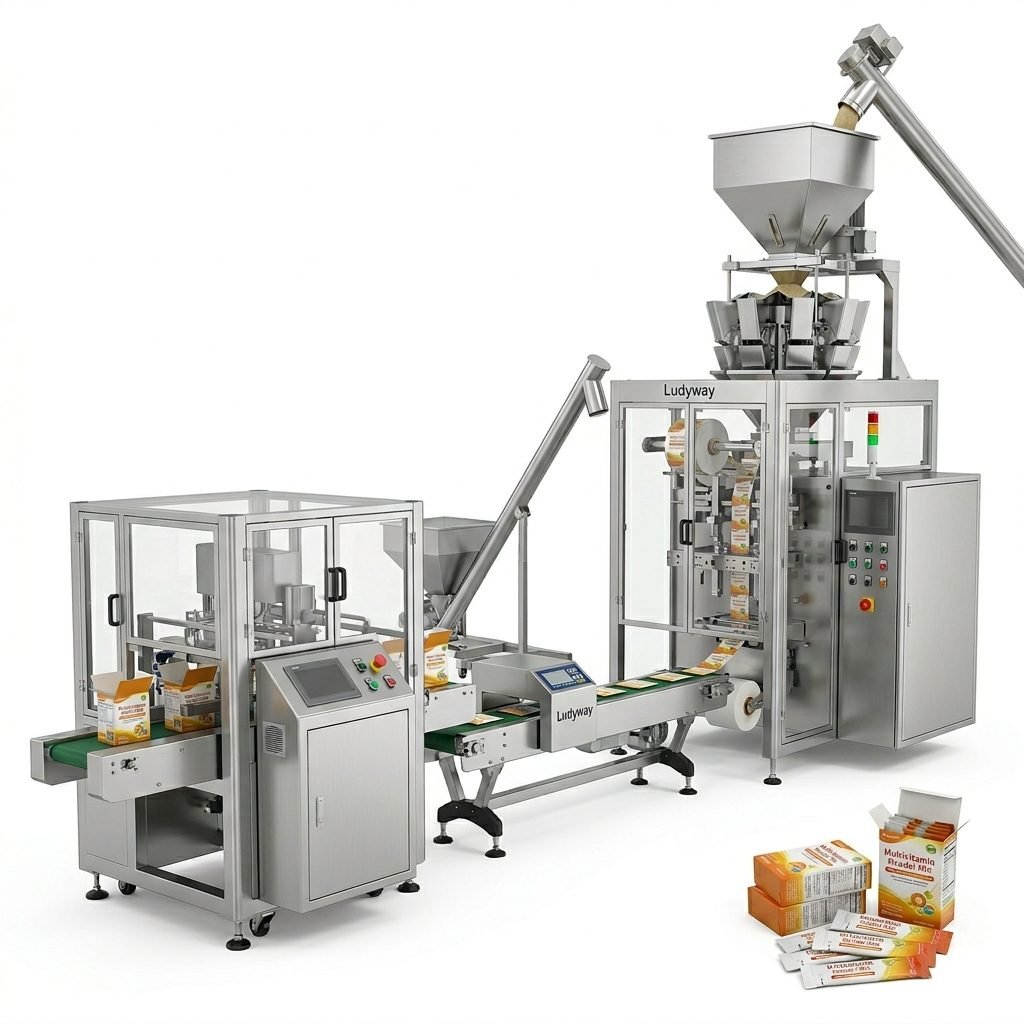
For manufacturers seeking a complete turnkey packaging line, working with a single supplier who can provide integrated MAP packaging, filling, inspection, and end-of-line equipment simplifies project management and ensures system compatibility.
6. Regulatory Compliance and Food Safety Standards
Packaging machines used for food and pharmaceutical products must meet stringent hygiene and safety regulations. Before purchasing, confirm the following:
- FDA Compliance: For products sold in the U.S., food contact surfaces and materials must comply with FDA packaging and food contact substance regulations.
- ISO Standards: ISO 11607 governs packaging for terminally sterilized medical devices; relevant for pharmaceutical and medical product applications. Refer to the ISO packaging standards directory for applicable guidelines.
- Washdown and Sanitary Design: Machines used in meat, dairy, and ready-to-eat environments should feature stainless steel construction, sloped surfaces, and easy-access cleaning points.
- European Packaging Regulations: For products exported to the EU, the European Packaging and Packaging Waste Regulation sets requirements for packaging design and material usage.
7. Evaluating Machine Build Quality and Supplier Capability
Beyond technical specifications, the build quality of the machine and the reliability of the supplier are equally important. Assess these factors during your evaluation:
- Frame and Component Materials: Heavy-duty stainless steel frames, branded pneumatic components, and industrial-grade electrical systems indicate a machine built for continuous operation.
- Automation and Controls: Machines using established PLC brands and industrial automation components from suppliers like Siemens, Omron, or Mitsubishi tend to offer better long-term reliability and spare parts availability.
- Customization Capability: Can the supplier adapt the machine to your specific tray size, film type, gas mixture, and speed requirements? Off-the-shelf solutions may not fit every production environment.
- After-Sales Support: Technical assistance, operator training, spare parts availability, and remote troubleshooting support are critical for minimizing downtime over the machine’s lifecycle.
- Global Experience: A supplier with international project experience understands different voltage requirements, safety standards, and logistical considerations.
8. Total Cost of Ownership vs. Initial Purchase Price
Focusing solely on the upfront machine cost can be misleading. A total cost of ownership (TCO) analysis provides a more accurate picture:
| Cost Factor | What to Consider |
|---|---|
| Gas Consumption | Efficient gas flushing systems reduce nitrogen and CO₂ usage; a major ongoing operational expense. |
| Film Waste | Machines with precise film indexing and minimal trim waste lower material costs over time. |
| Maintenance Requirements | Accessible components, modular design, and clear maintenance schedules reduce service time and costs. |
| Spare Parts Availability | Readily available spare parts from the manufacturer or local distributors prevent extended downtime. |
| Energy Efficiency | Modern servo-driven machines often consume less energy than older pneumatic-heavy designs. |
9. Making the Final Decision
After evaluating all factors, create a shortlist of potential suppliers and request detailed proposals. If possible, arrange factory acceptance testing (FAT) or visit the manufacturer’s facility to see the machine in operation before finalizing your order. Request references from customers in similar industries who have been operating the equipment for at least one to two years.
Look for a packaging machinery partner who offers not just equipment, but comprehensive engineering support—from initial consultation and machine configuration to installation, commissioning, and ongoing technical service. Ludyway Machinery, with more than 30 years of experience and a 20,000-square-meter manufacturing facility, provides customized MAP and automated packaging solutions for manufacturers across food, pharmaceutical, chemical, and consumer product industries worldwide.

Key Takeaways
- Product-first approach: Define your product characteristics, shelf-life targets, and production volume before evaluating machine options.
- Match technology to application: Gas flushing, compensated vacuum, and thermoform-fill-seal systems each suit different product categories and throughput requirements.
- Verify material compatibility: The MAP machine must seal your chosen film structure reliably at production speed.
- Plan for integration: Ensure the machine fits into your existing or planned production line with adequate upstream and downstream connectivity.
- Prioritize compliance: Confirm that the equipment meets FDA, ISO, and regional packaging regulations applicable to your market.
- Evaluate total cost: Consider gas consumption, film waste, maintenance, and energy efficiency—not just the purchase price.
For additional industry data on packaging machinery trends and market forecasts, consult the PMMI State of the Industry reports and resources from the U.S. EPA Sustainable Materials Management program.