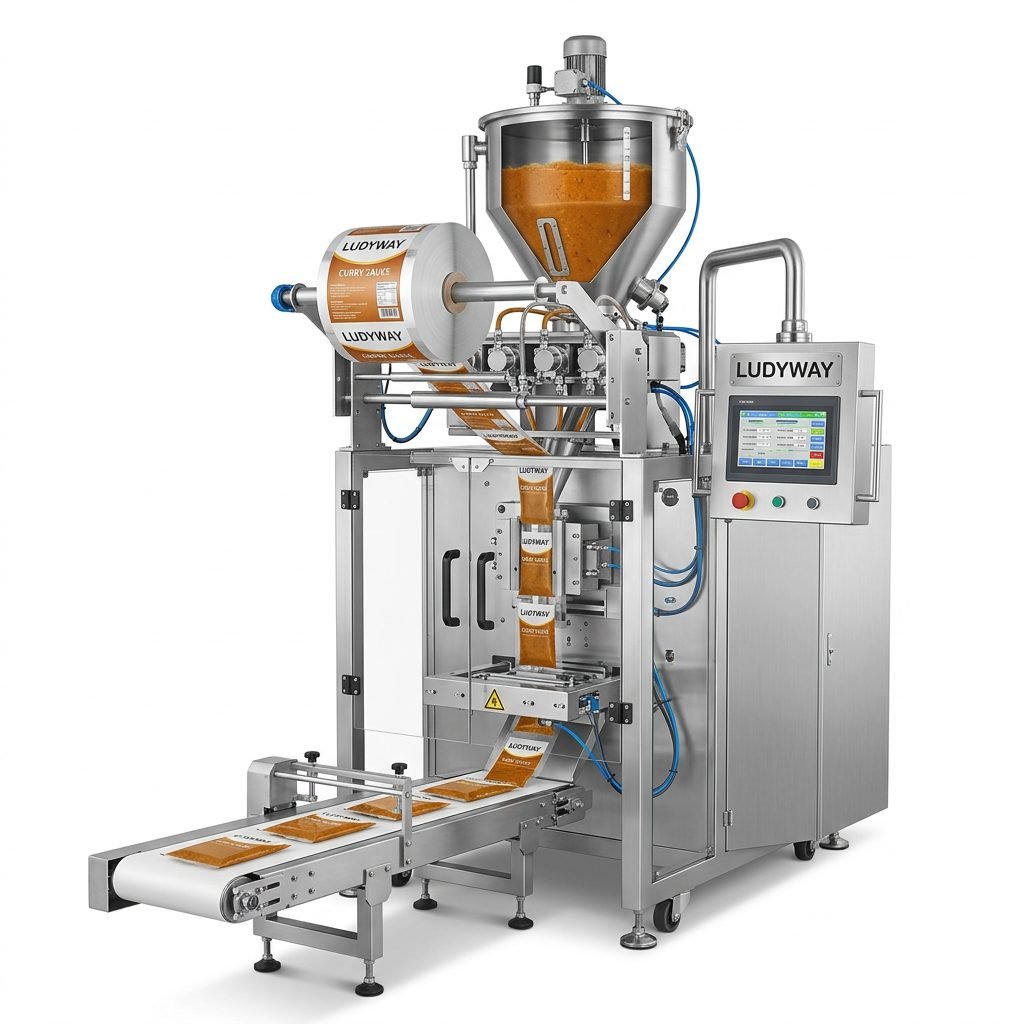
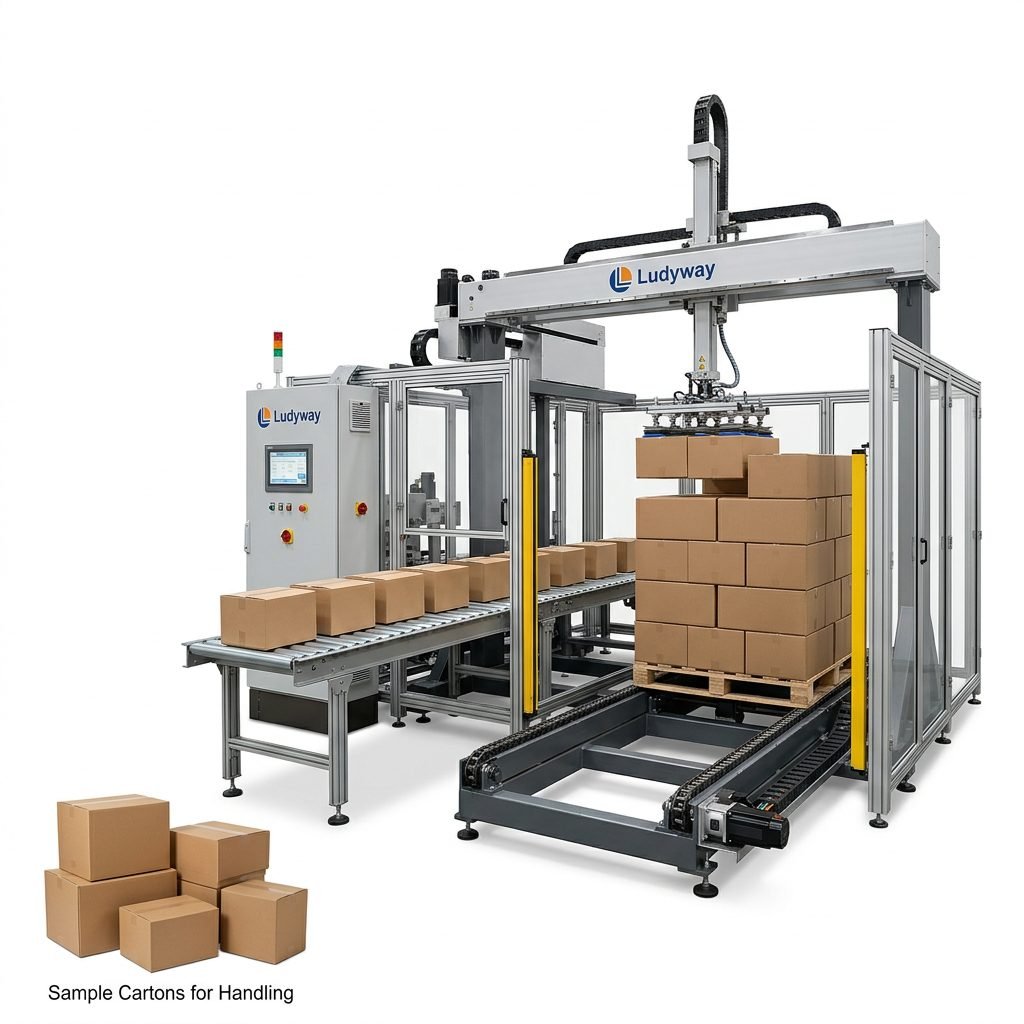
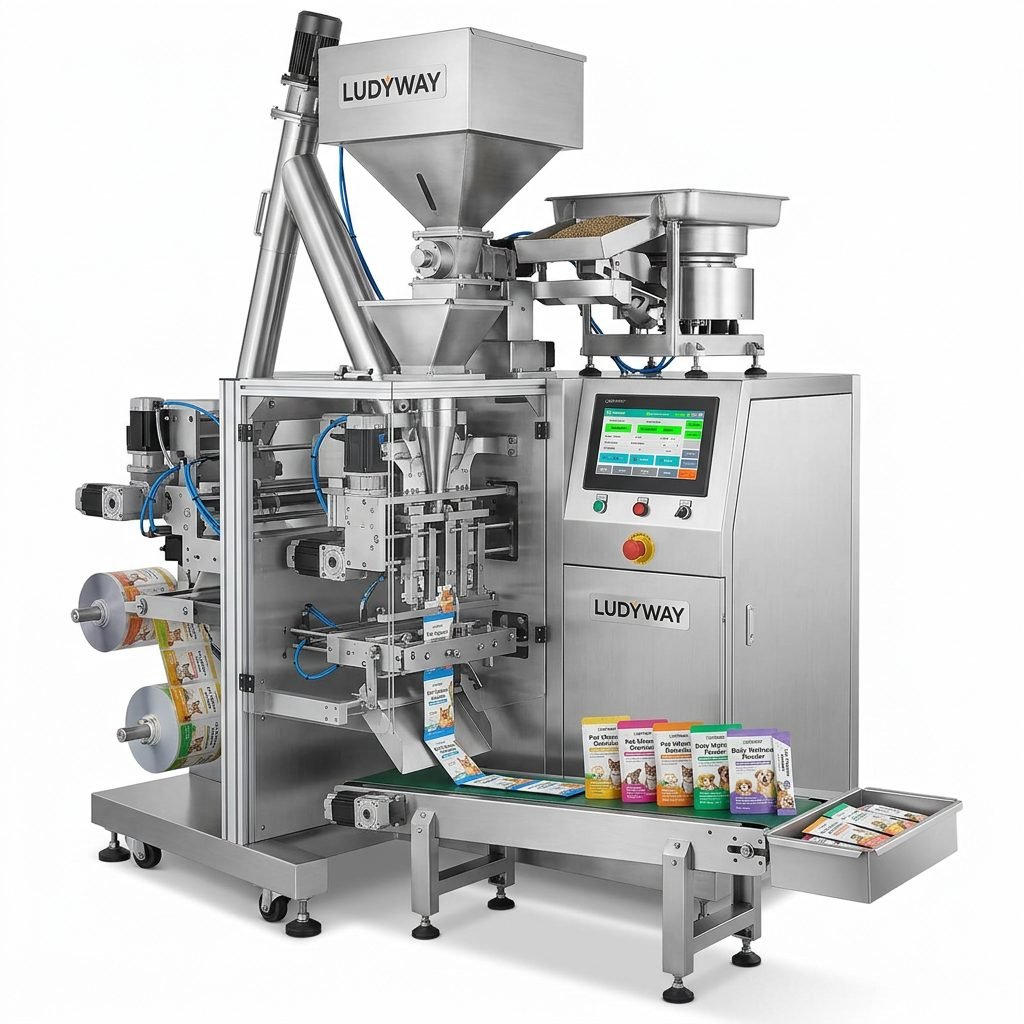
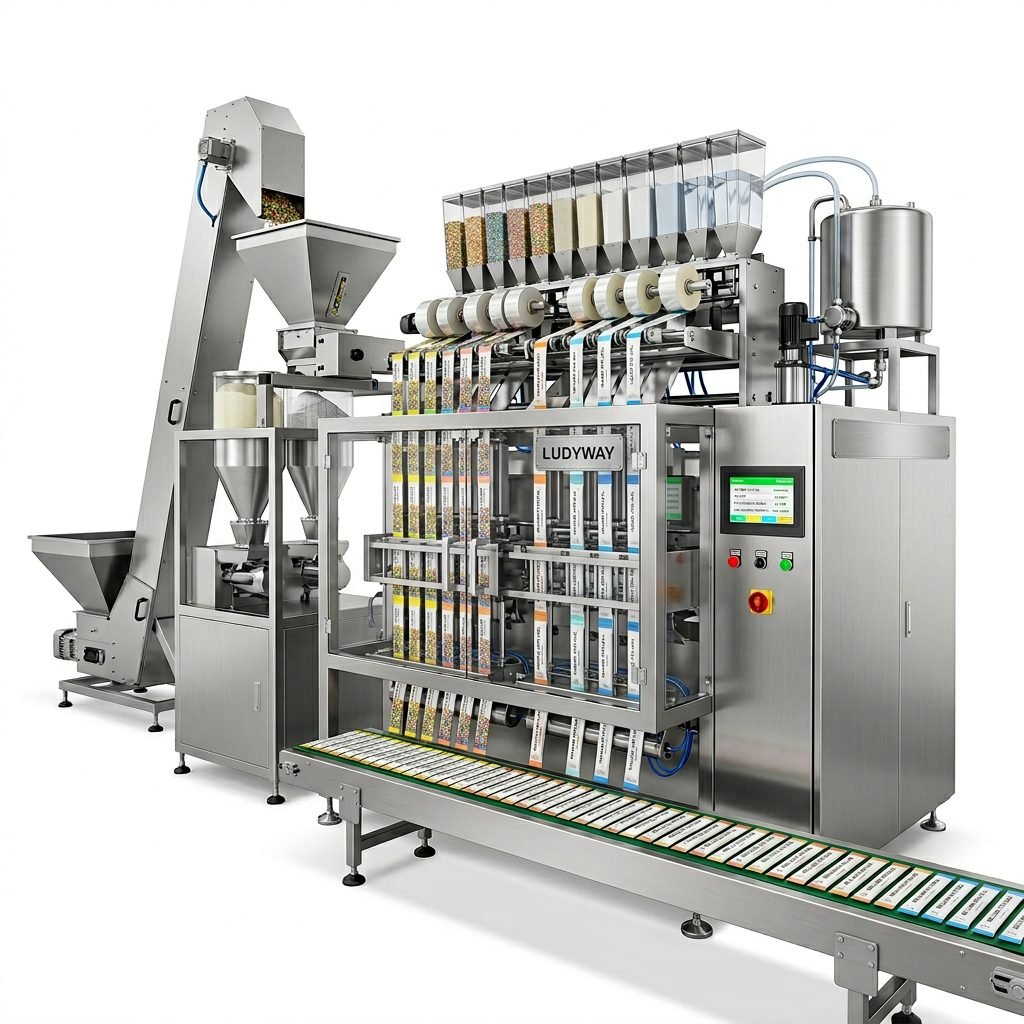
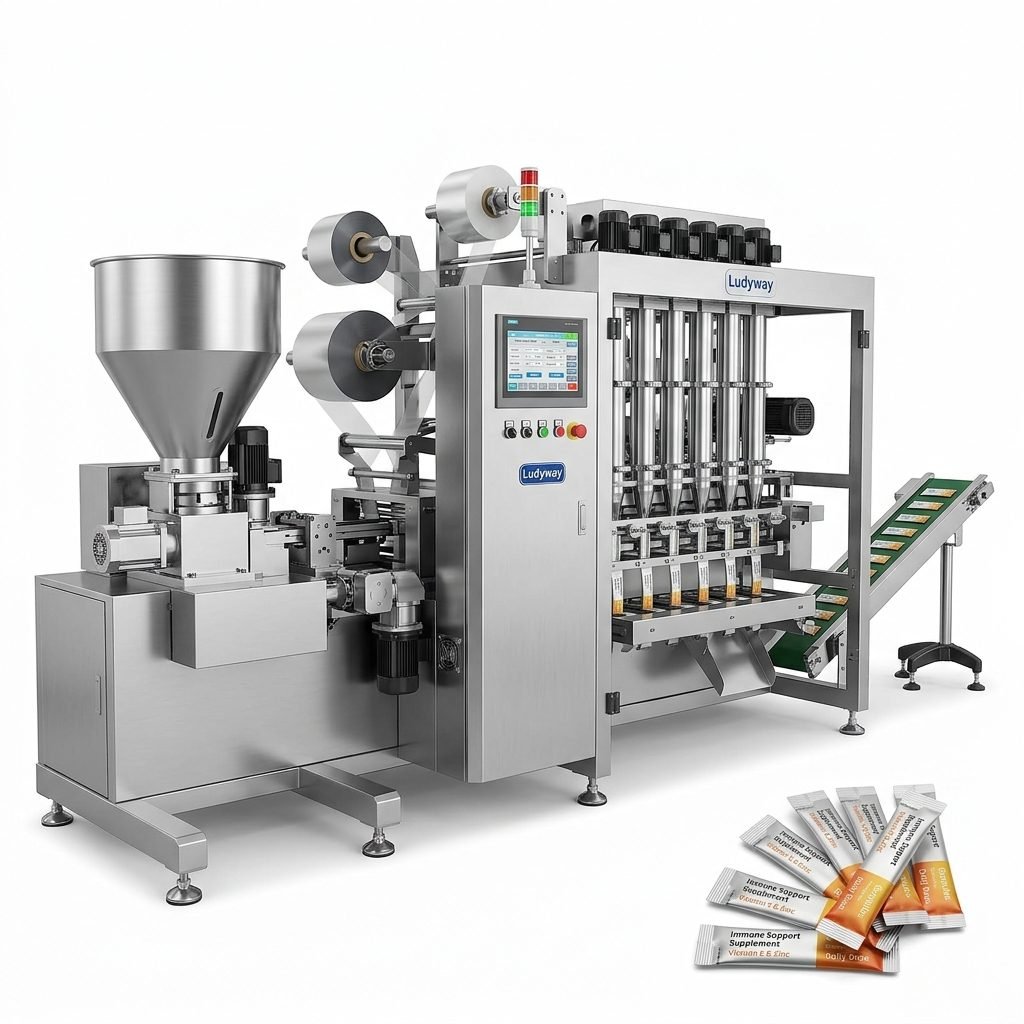
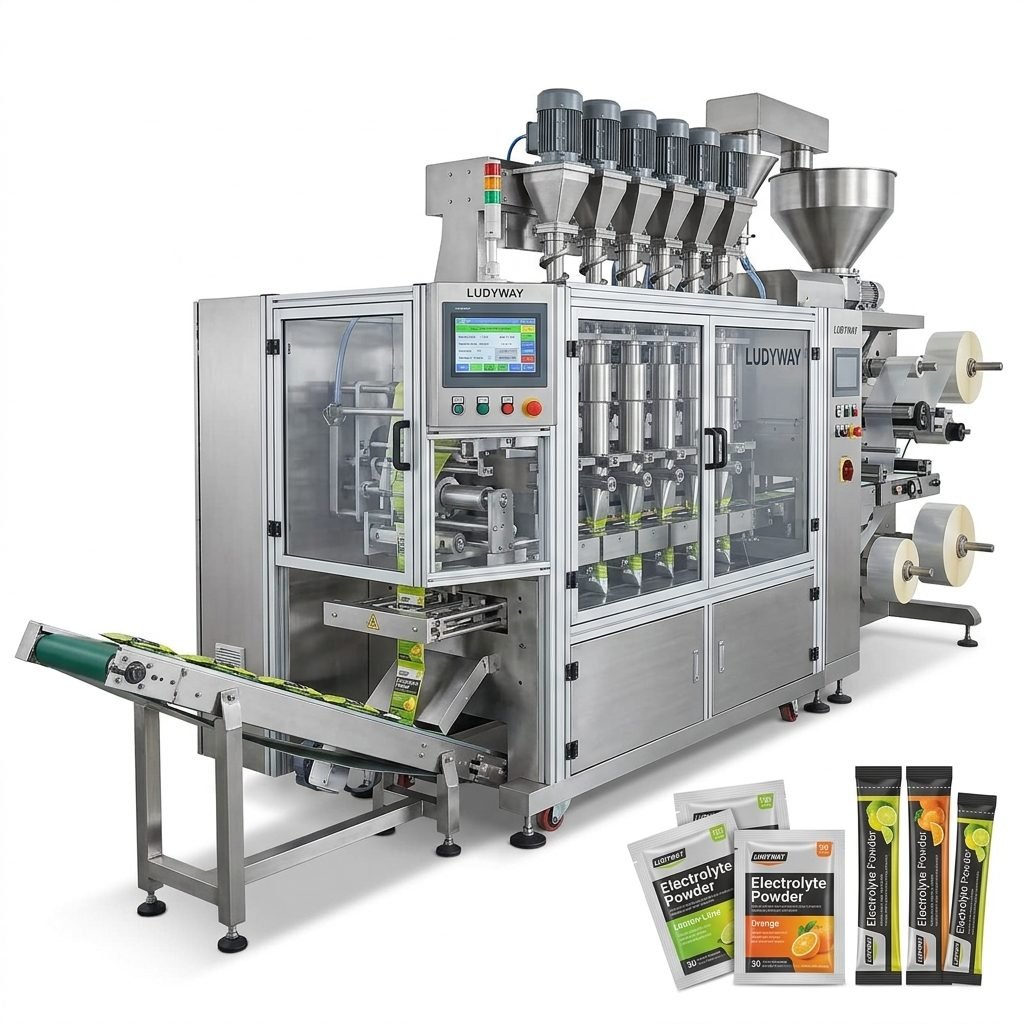
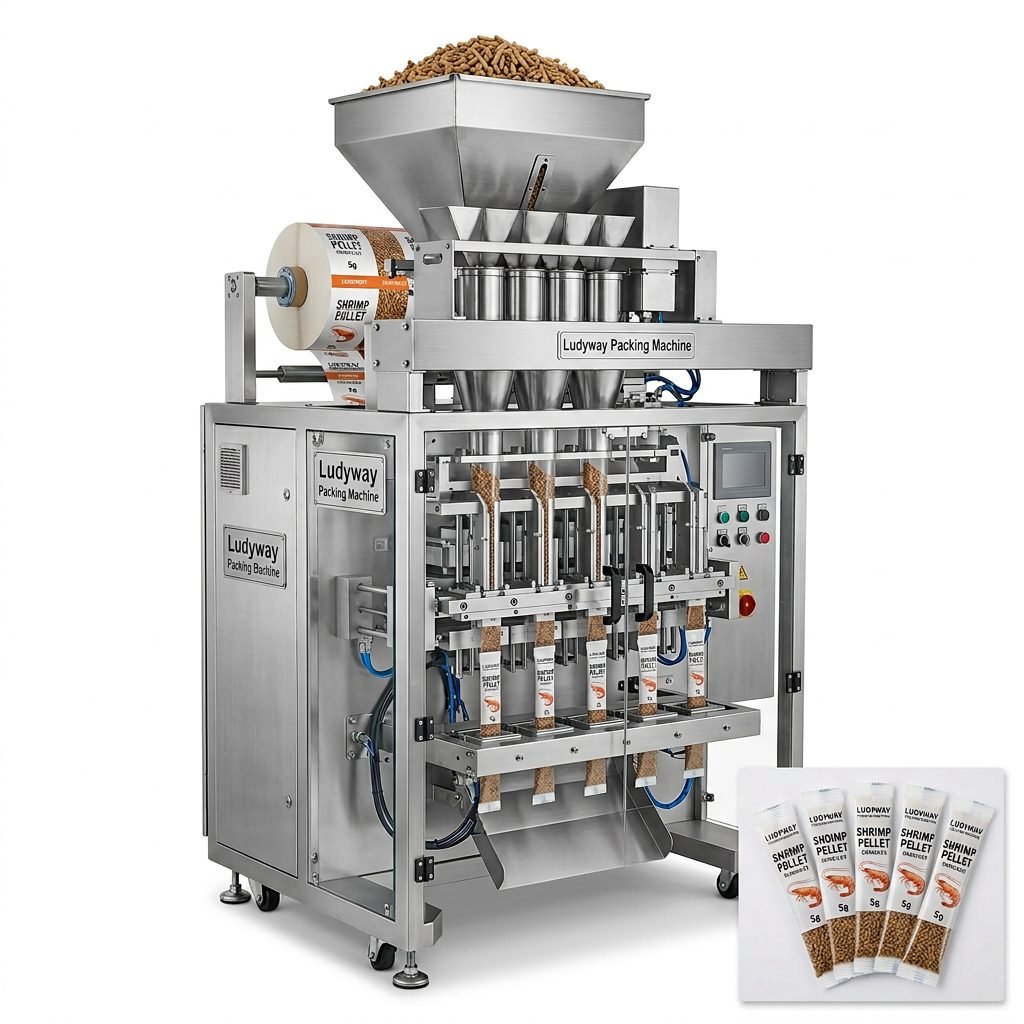
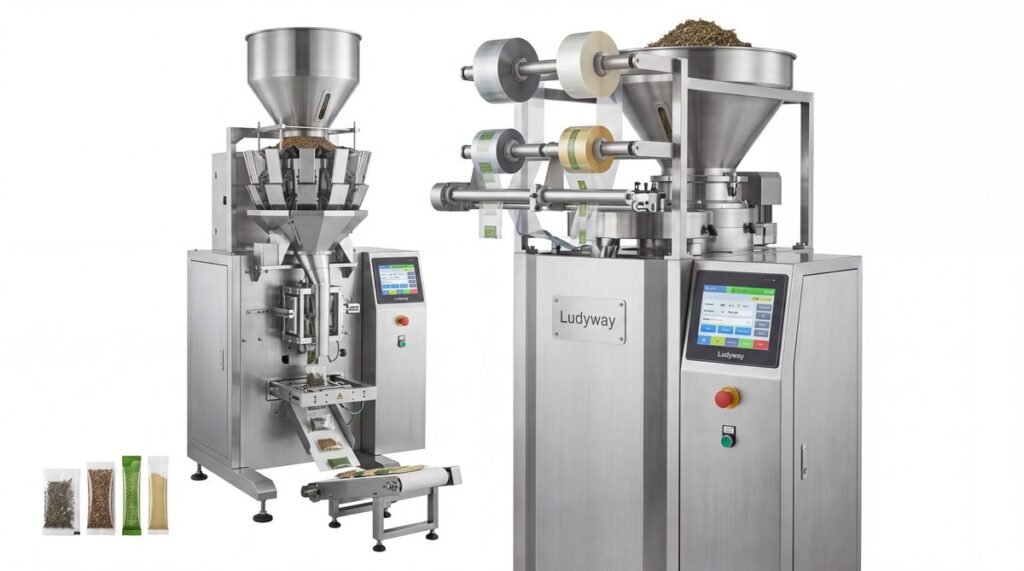
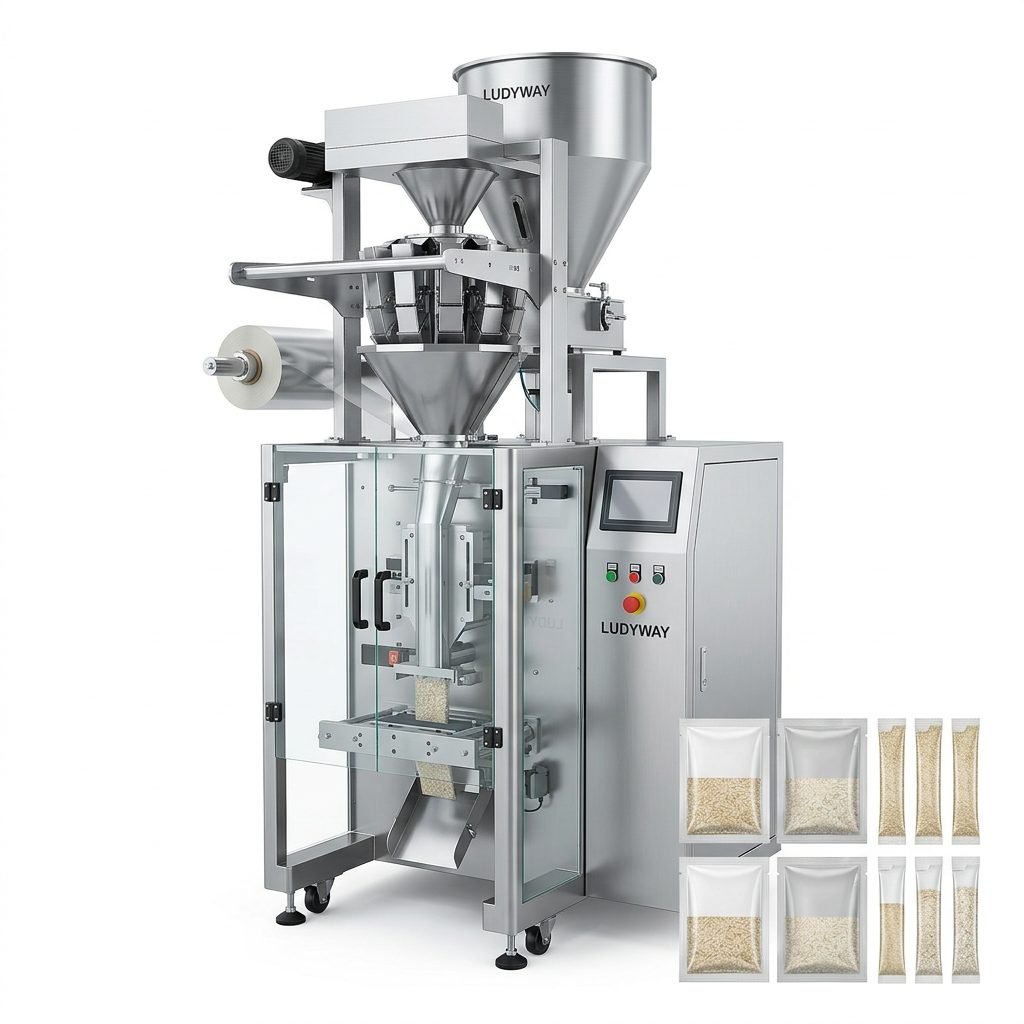
Infeed packaging equipment conveyors are the critical link between upstream production and primary packaging machinery. They ensure a consistent, controlled, and oriented flow of products—be they pouches, bottles, cartons, or blister packs—into the packaging system. Selecting the right infeed conveyor is not merely a logistical decision; it is a strategic investment that directly impacts line efficiency, product integrity, and overall operational throughput.
Core Types of Infeed Packaging Conveyors
The design of an infeed conveyor is dictated by the product characteristics and the required handling action. Here are the primary systems used across industries.
Belt Conveyors
The most ubiquitous type, belt conveyors use a continuous loop of material (often fabric-reinforced rubber, PVC, or modular plastic) driven over pulleys. They are ideal for transporting a wide variety of items across flat or slightly inclined paths. Their simplicity, reliability, and low cost make them a default choice for many general infeed applications.
Chain Conveyors
Utilizing interconnected chains that travel along a track, these conveyors excel in handling heavy loads, pallets, or products requiring precise positioning. They are highly durable and capable of withstanding harsh environments, making them suitable for industries like beverage or heavy manufacturing.
Vibratory Conveyors
These systems move products through controlled vibrations or oscillations. They are exceptionally useful for sorting, screening, and gently orienting bulk materials, small parts, or delicate items like confectionery or pharmaceuticals. The vibration can be tuned to separate products or align them singularly.
Screw or Auger Conveyors
Featuring a rotating helical screw blade inside a tube, screw conveyors are designed for moving bulk powders, granules, or flakes. They provide a sealed, controlled transfer, minimizing dust and contamination, which is crucial in food and pharmaceutical infeed applications.
Pneumatic Conveyors
These systems use air pressure or vacuum to transport powdered or granular materials through enclosed pipes. They offer high-speed transfer over long distances and are excellent for maintaining a sterile or dust-free environment, though they can be more complex and energy-intensive.
Key Applications Across Industries
The choice of infeed system is intrinsically linked to the sector’s specific demands for hygiene, precision, and speed.
Food & Beverage
Hygiene and gentle handling are paramount. Stainless steel belt or vibratory conveyors are common, often featuring washdown capabilities. They feed products like snack bags, bottles, cans, and prepared meals into cartoners, wrappers, and case packers. For powders like flour or sugar, screw conveyors are frequently employed.
Pharmaceutical & Healthcare
Precision and contamination control are non-negotiable. Vibratory feeders are used to singulate and orient pills, capsules, and vials with extreme accuracy. Clean-in-Place (CIP) and sterilizable designs are standard. Conveyors often integrate vision systems to check for defects before packaging.
Cosmetics & Personal Care
Aesthetics and gentle product handling are critical. Low-friction, non-marking belt conveyors transport bottles, tubes, and compacts. Systems are designed to prevent scuffing or damaging premium packaging as products are fed into secondary packaging equipment.
E-commerce & Logistics
Speed and flexibility rule. A mix of belt and roller conveyors forms complex sortation systems that intake diverse product sizes from picking stations and feed them into automated box formers, baggers, and labeling systems for shipment.
How to Choose the Right Infeed Conveyor System
Selecting the optimal system requires a methodical evaluation of your product, process, and facility.
1. Analyze Product Characteristics
This is the foundational step. Consider:
↳ Size, Weight & Shape: Is the product uniform? Fragile? Heavy?
↳ Surface Texture: Is it sticky, slippery, or abrasive?
↳ Material State: Is it solid, granular, powdered, or liquid?
2. Define Process Requirements
What must the conveyor *do*?
↳ Function: Simple transport, accumulation, sorting, orientation, or inspection?
↳ Speed & Throughput: Required units per minute (UPM) to match downstream equipment.
↳ Control & Integration: Does it need PLC control, sensors, or robotic interfaces?
3. Evaluate Operational Environment
The workspace dictates construction.
↳ Hygiene: Food-grade (USDA, FDA) or pharmaceutical-grade (cGMP) materials? Washdown needs?
↳ Conditions: Exposure to heat, moisture, chemicals, or dust?
↳ Space & Layout: Available footprint, required incline, or transfer points?
4. Consider Lifecycle Costs
Look beyond the initial purchase price.
↳ Maintenance: Ease of cleaning, belt replacement, and part availability.
↳ Energy Consumption: Pneumatic systems use more energy than mechanical ones.
↳ Scalability & Flexibility: Can the system adapt to future product changes or increased speed?
5. Partner with an Expert
Consulting with a seasoned packaging machinery provider like Ludyway Machinery is invaluable. With over 30 years of industry experience, they can assess your entire line, recommend the optimal infeed solution, and ensure it integrates seamlessly with your primary packaging equipment, whether it’s a stick pack machine or a liquid filler. Their expertise in turnkey solutions helps avoid costly mismatches and downtime.
Frequently Asked Questions (FAQs)
What is the main purpose of an infeed conveyor in packaging?
The primary purpose is to create a stable, controlled, and correctly oriented stream of products to feed into the primary packaging machine (like a cartoner, wrapper, or filler). It acts as a buffer and regulator, synchronizing the often-irregular output from upstream processes with the precise intake requirements of the downstream equipment, thereby maximizing line efficiency and minimizing jams.
How do I choose between a belt conveyor and a vibratory conveyor?
Choose a belt conveyor for simple, reliable transport of stable, non-fragile items over distances. Opt for a vibratory conveyor when you need to perform an additional function like sorting by size, gently spreading out bulk product, aligning items in a specific orientation, or feeding very small or delicate parts that might stick on a belt. Vibratory systems are more specialized for product handling beyond mere transportation.
What are the critical hygiene considerations for food and pharmaceutical applications?
Key considerations include using materials like stainless steel (grade 304 or 316) that are corrosion-resistant and easy to clean. The design should have smooth, crevice-free surfaces, be capable of withstanding high-pressure washdowns (IP ratings), and often incorporate Clean-in-Place (CIP) systems. All components must comply with relevant standards (e.g., FDA, USDA, cGMP) and should not harbor bacteria or contaminate the product.
Can one infeed system handle products of vastly different sizes and shapes?
It is challenging and often inefficient. While some flexible systems like adjustable width belt conveyors or smart vision-guided robots can handle a degree of variety, significant differences usually require a changeover or dedicated tooling. For highly variable product lines, consider modular conveyors or systems with quick-change features to minimize downtime during product switchovers.
Why is partner expertise so important when selecting an infeed system?
An experienced partner like Ludyway provides more than just equipment. They conduct a holistic analysis of your production line, foresee integration challenges, and recommend a system based on total cost of ownership and long-term reliability. Their support in installation, commissioning, and maintenance ensures the conveyor delivers its promised ROI and adapts to your evolving needs, preventing costly operational bottlenecks.