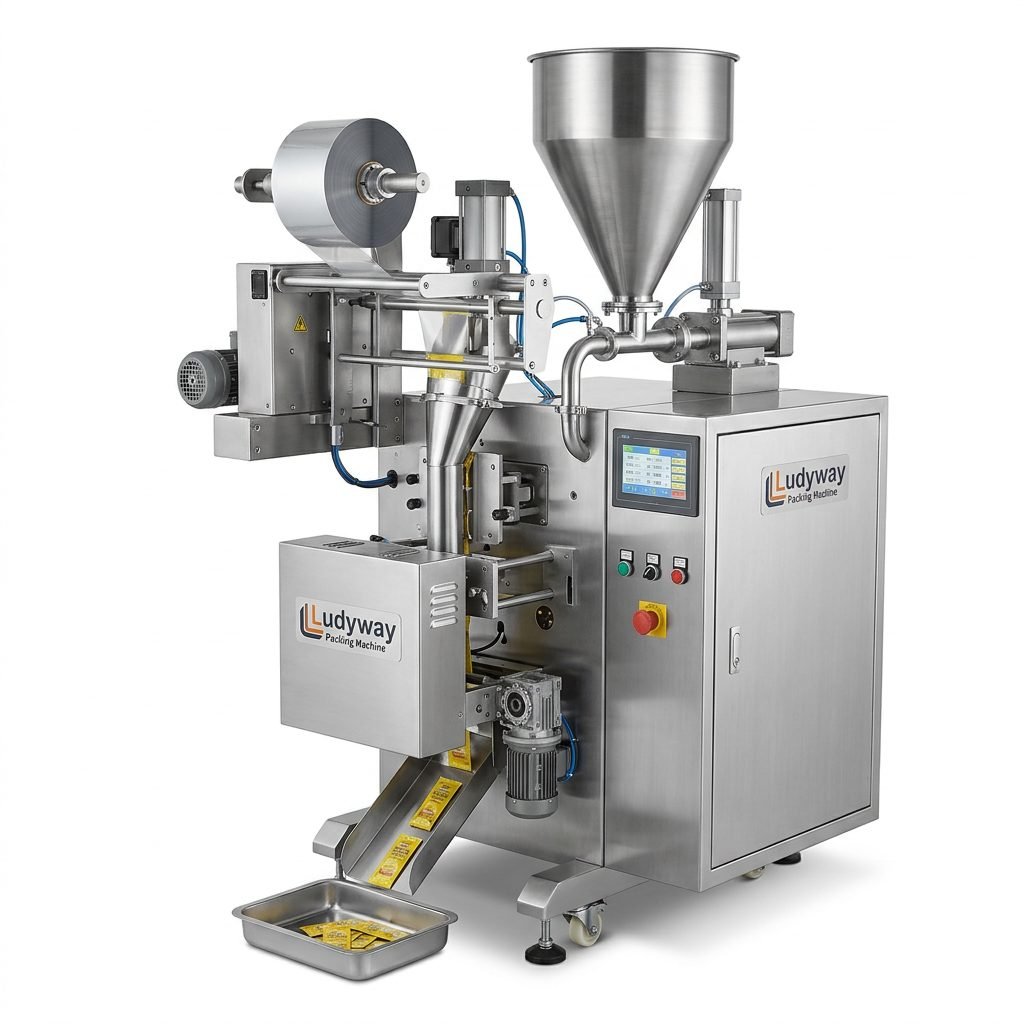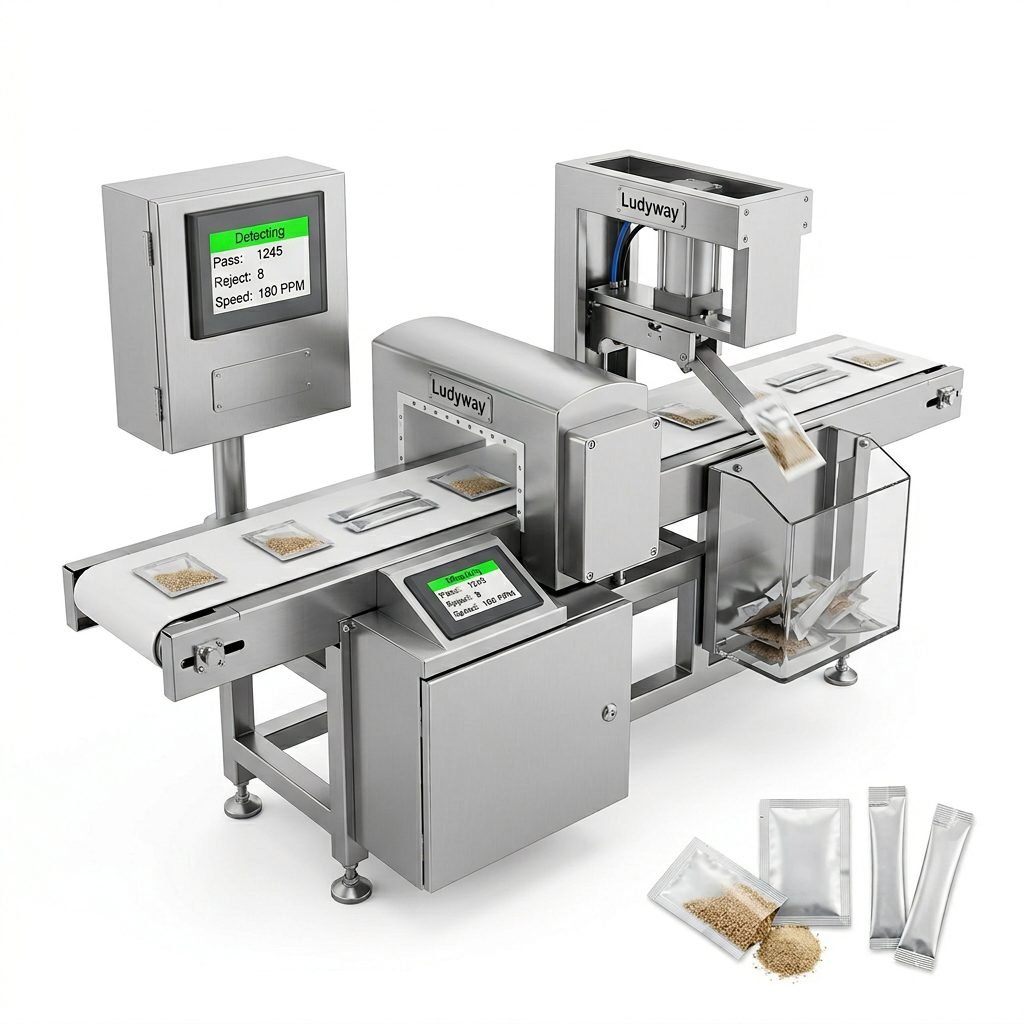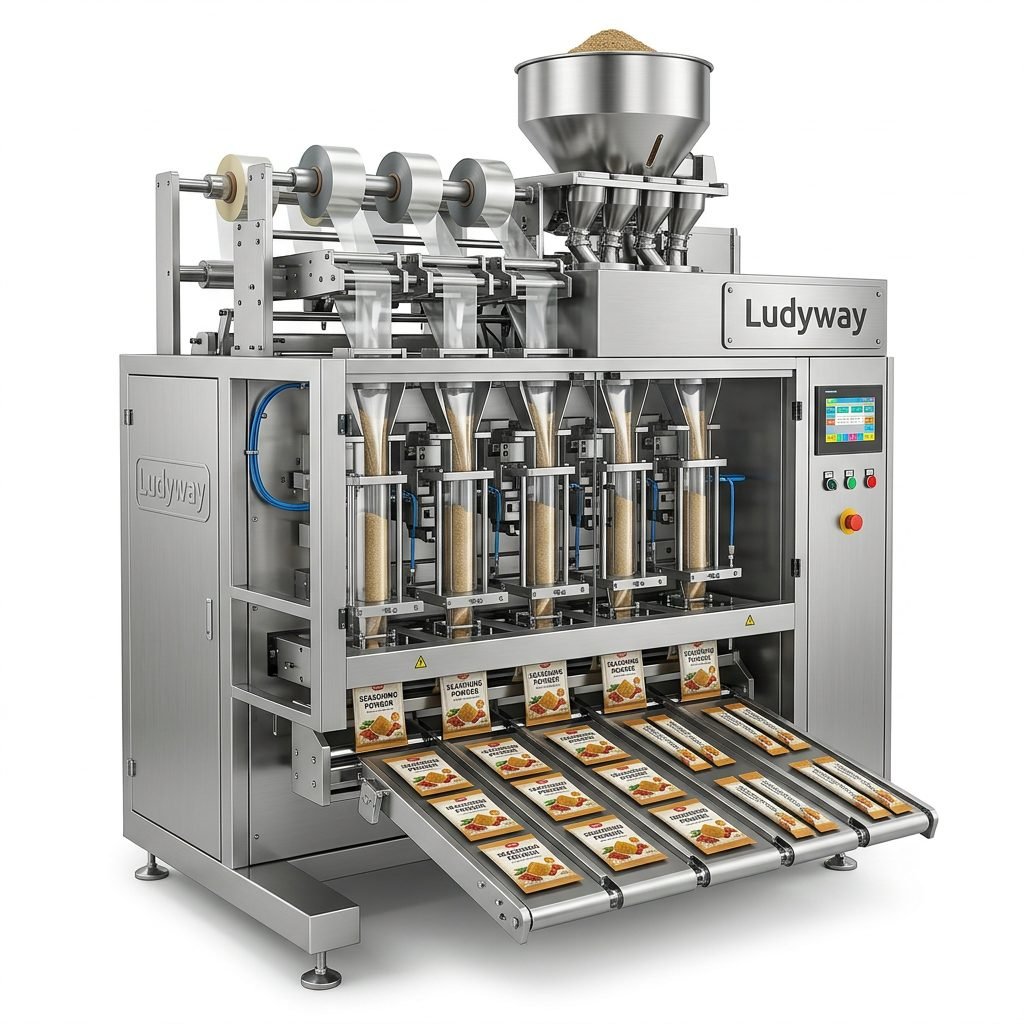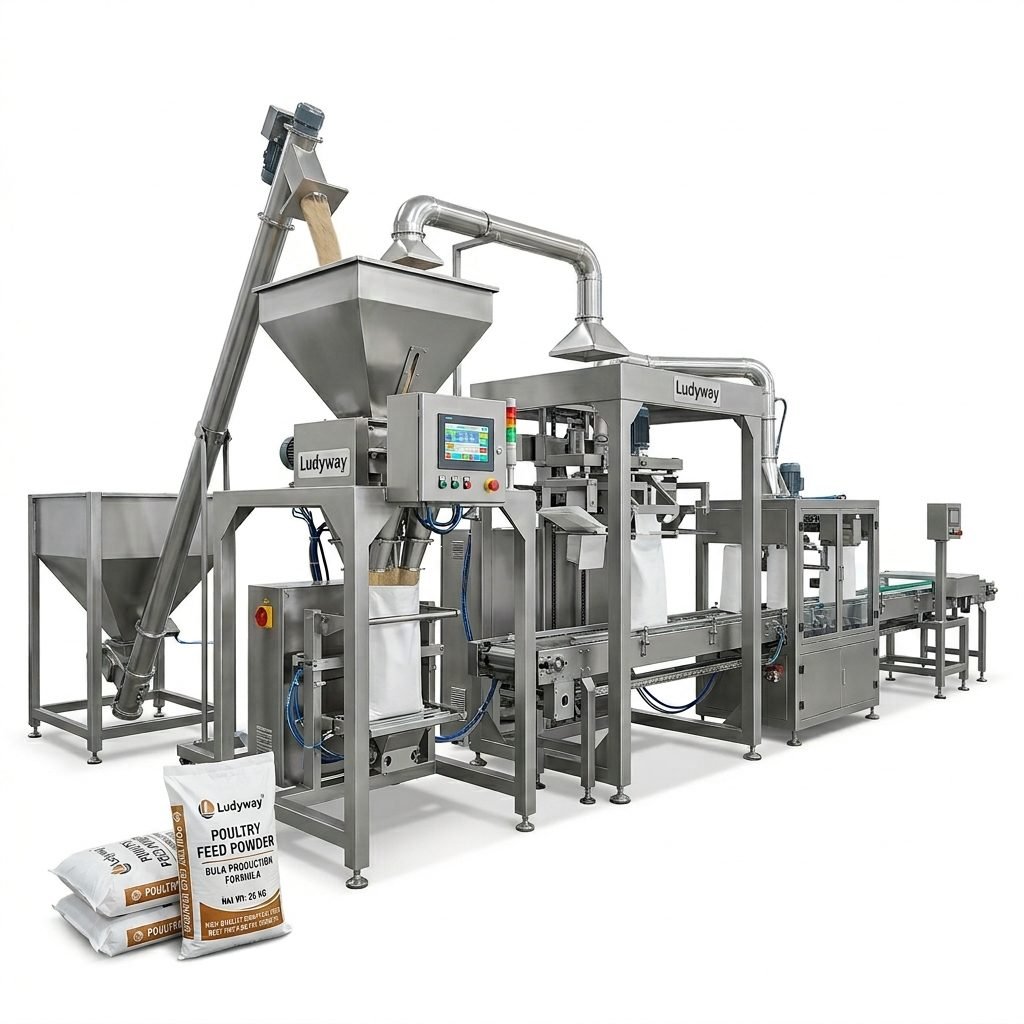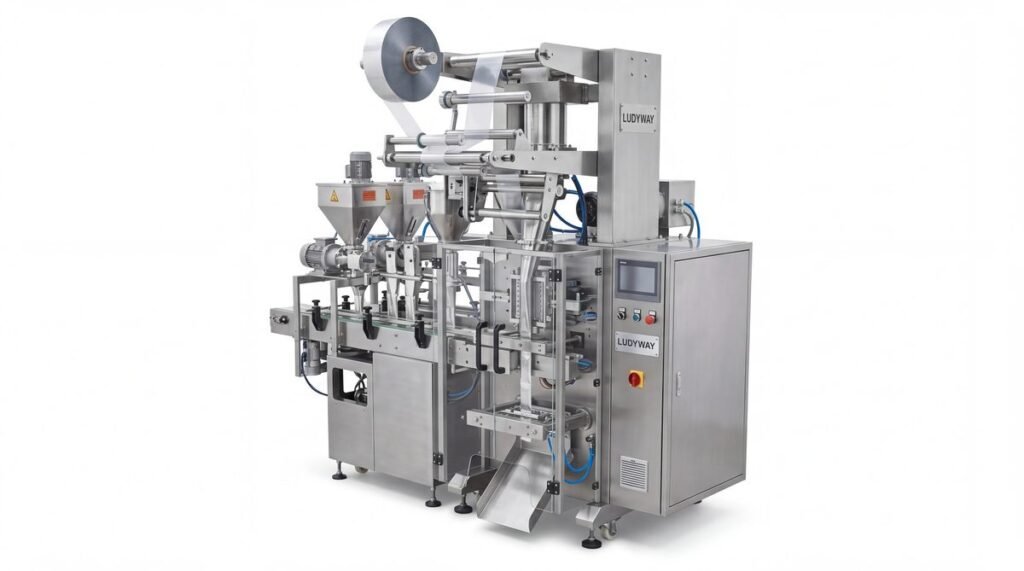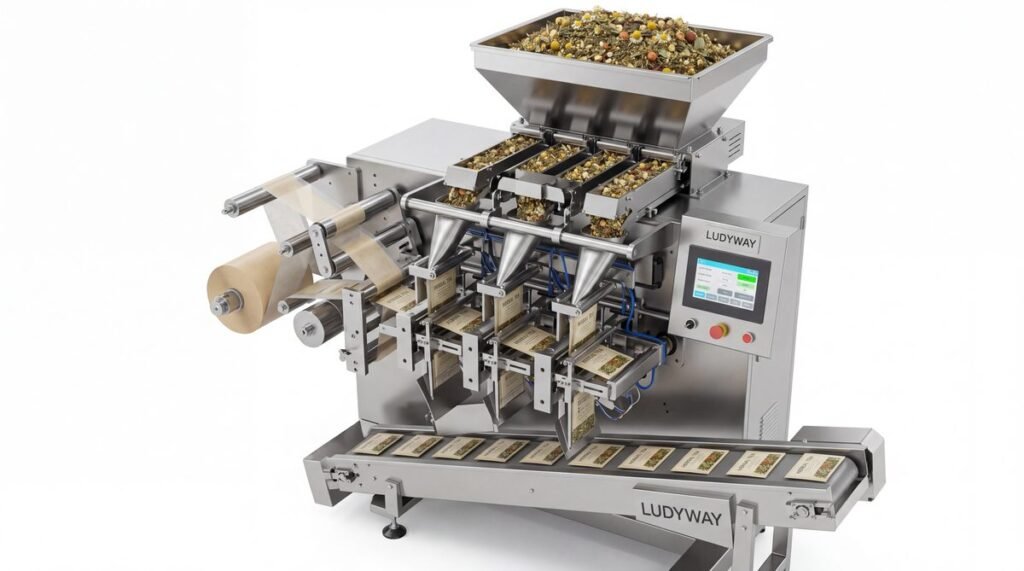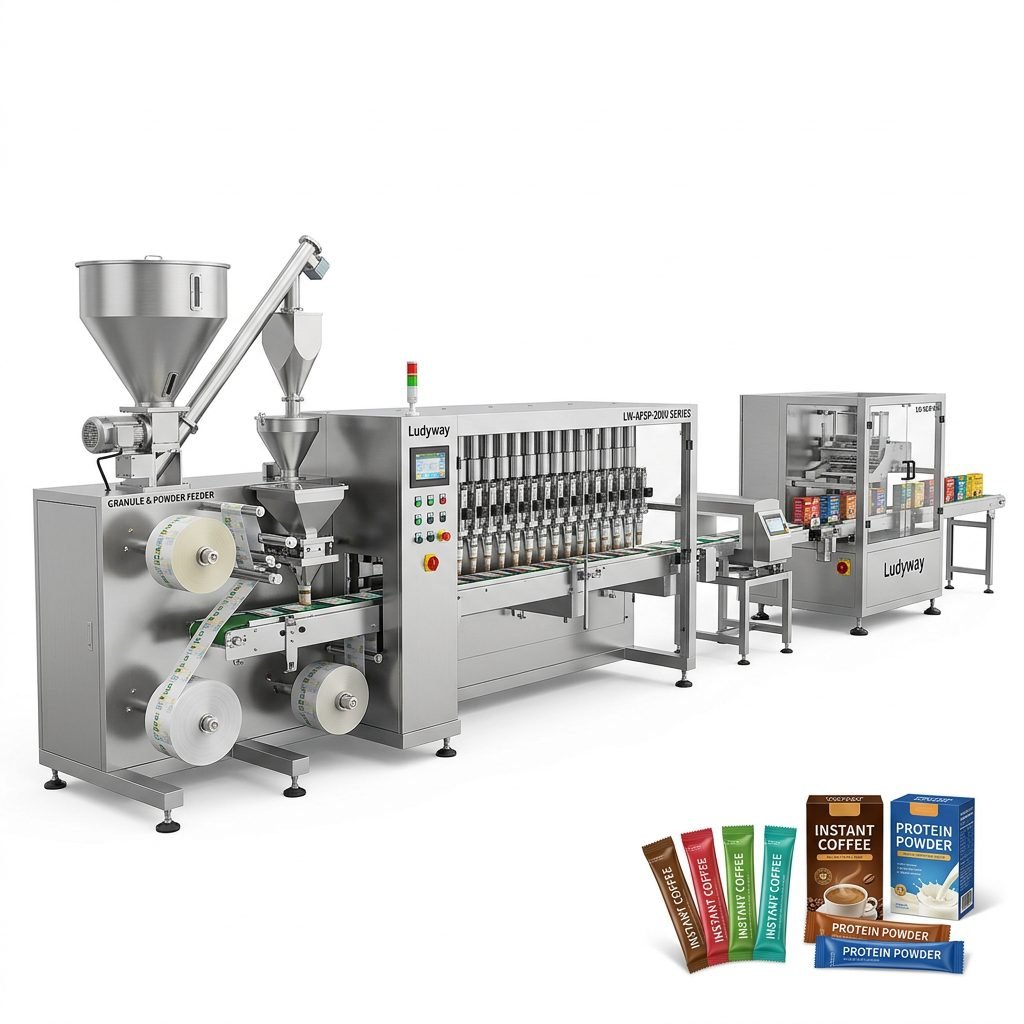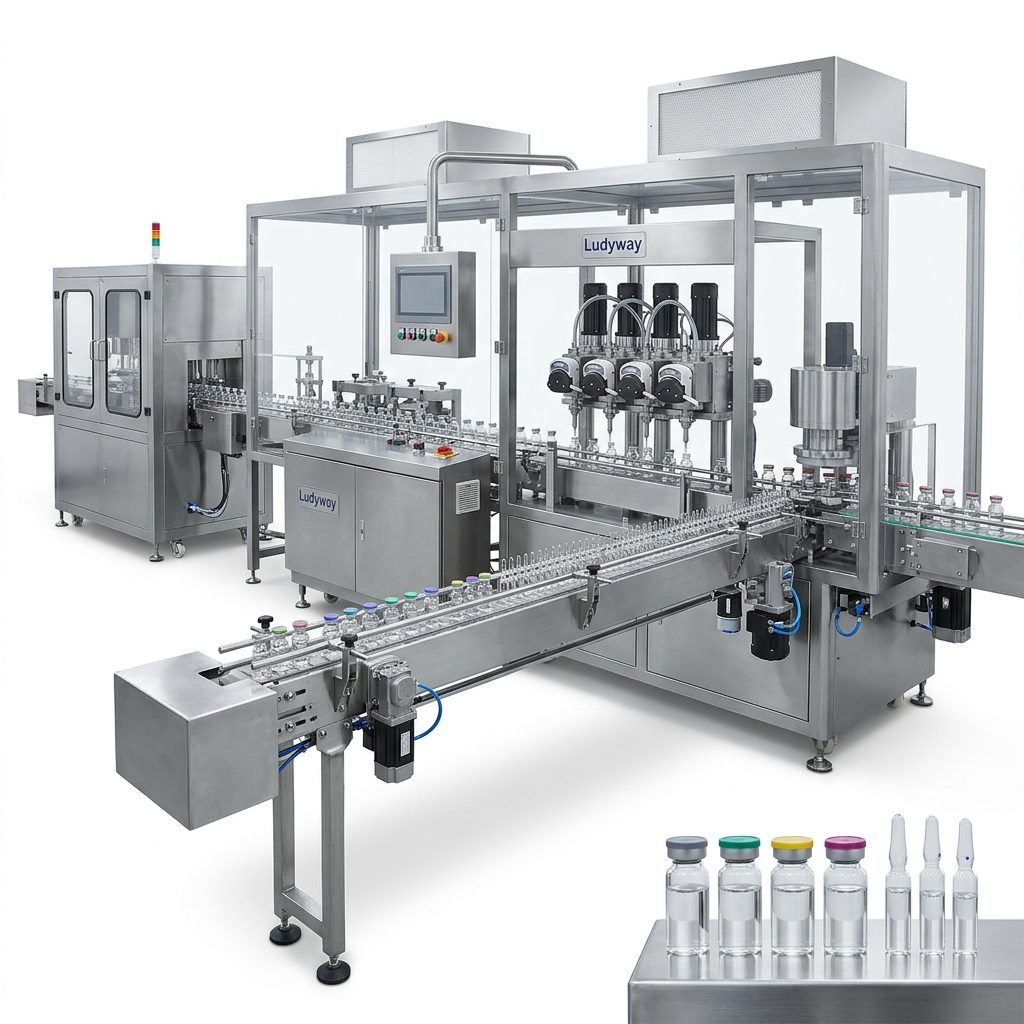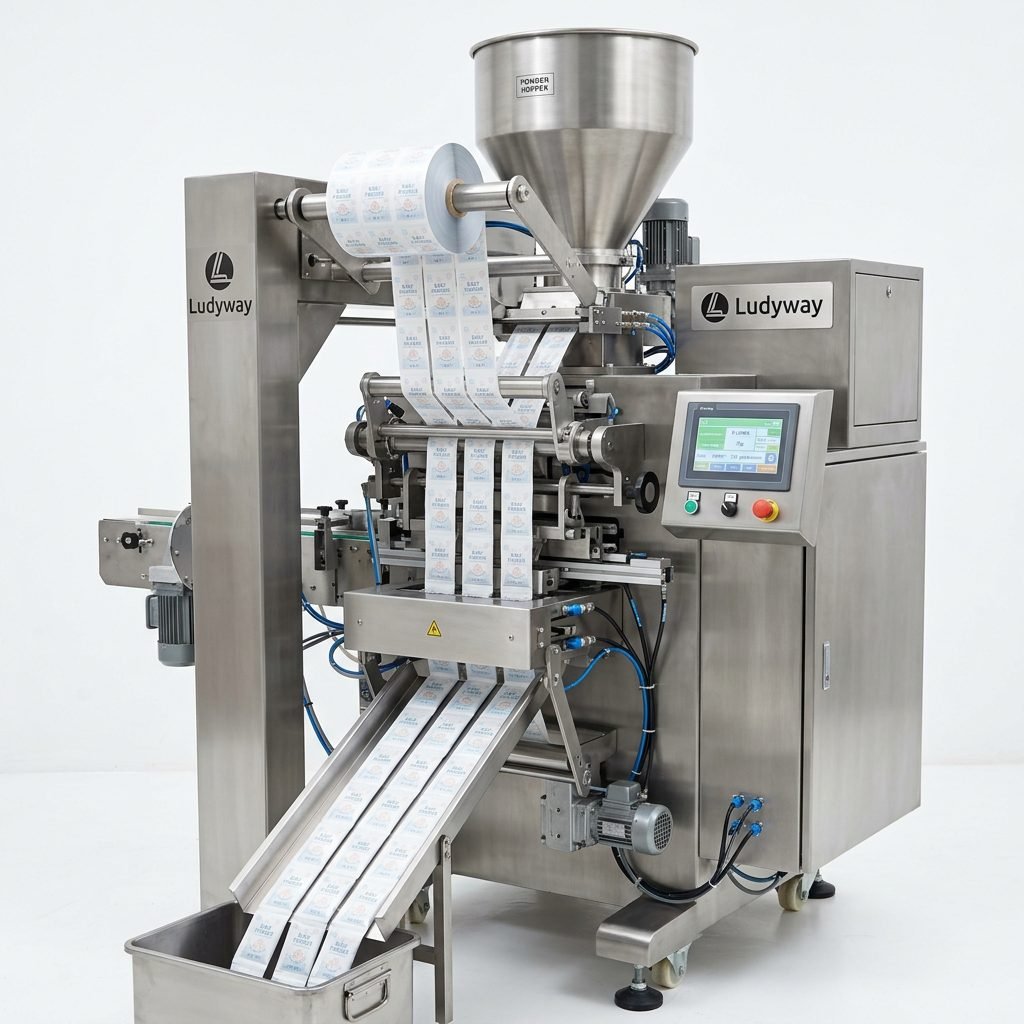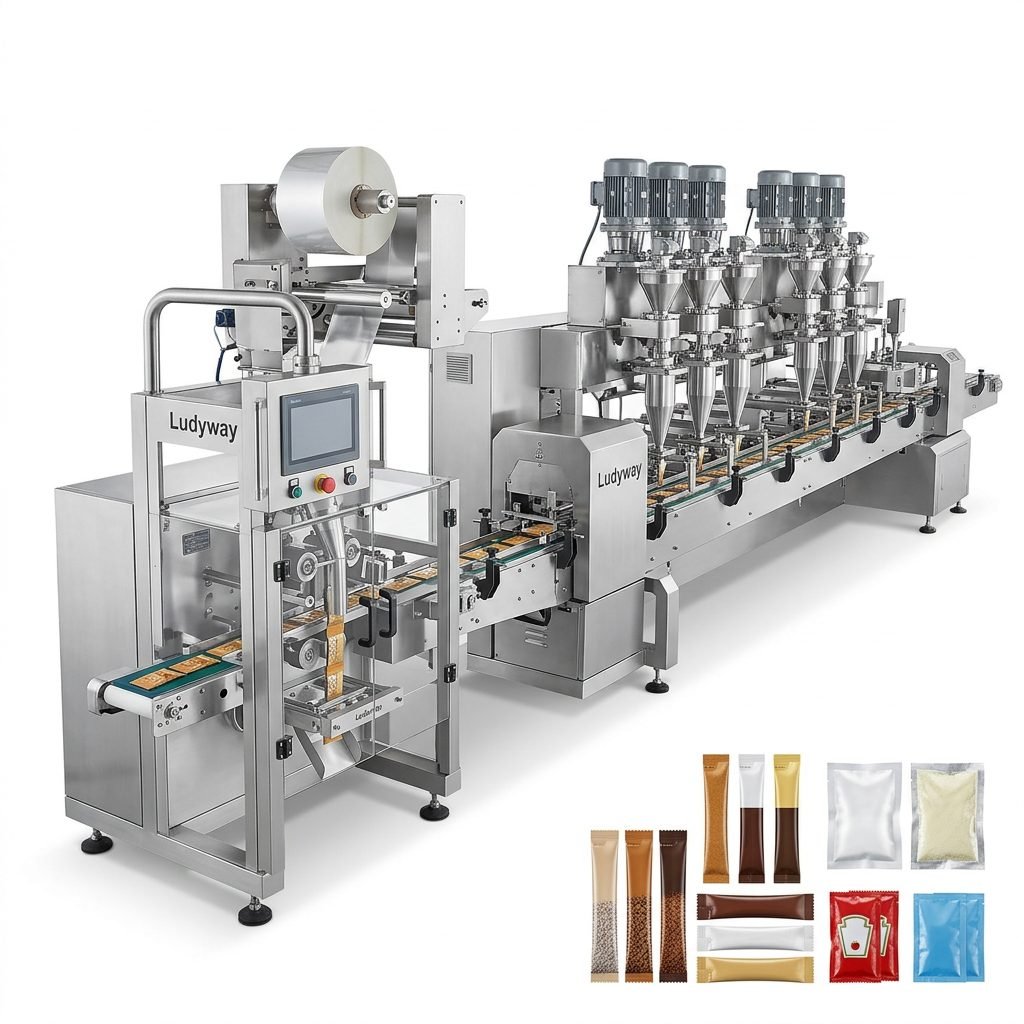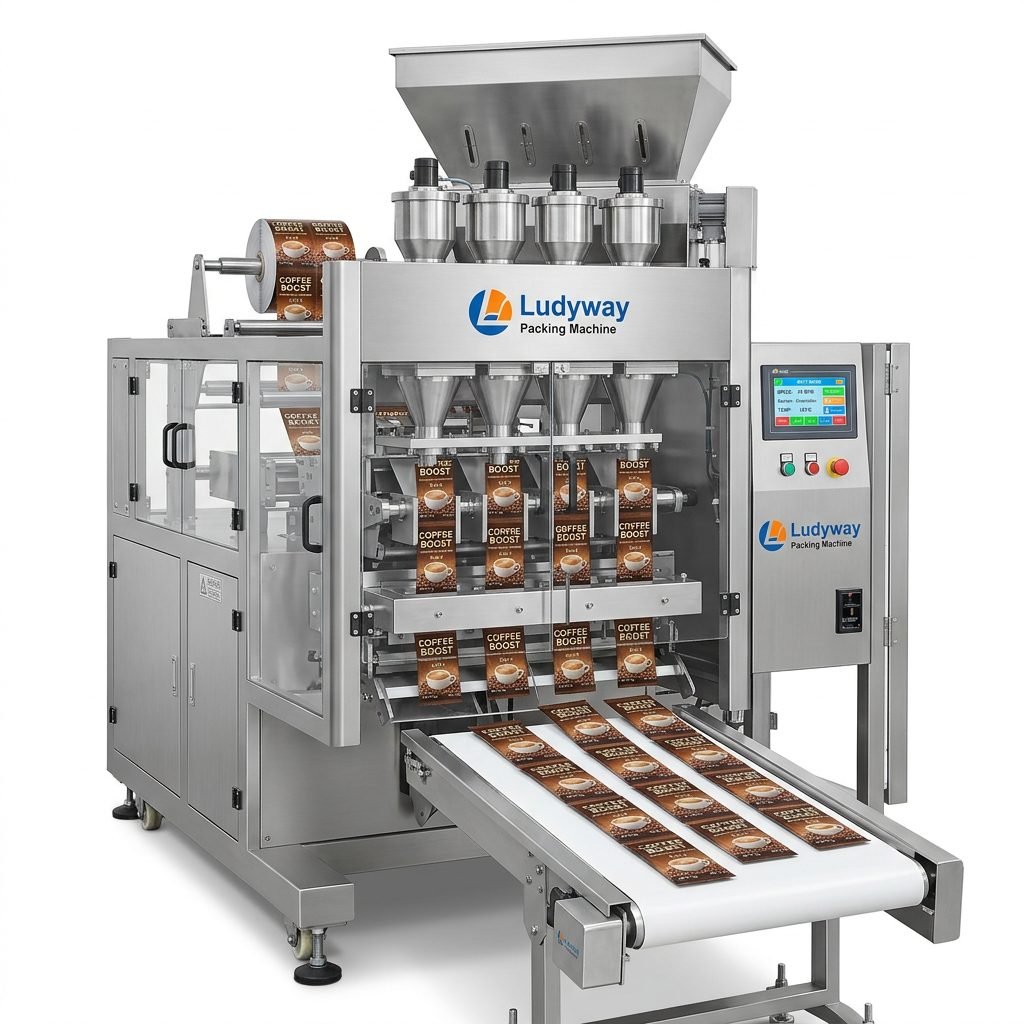
Maintaining a 1 kg automatic packing machine is crucial for ensuring consistent output, minimizing downtime, and extending the lifespan of your equipment. Whether you are packaging granules, powders, or liquids, a structured maintenance routine protects your investment and guarantees product quality. Neglecting regular checks often leads to inaccurate fills, seal failures, and costly emergency repairs. This guide provides practical, step-by-step maintenance tips designed to keep your vertical form fill seal machine operating at peak efficiency.
Why Preventive Maintenance Matters for Your Automatic Packing Machine
A 1 kg packaging system typically operates at high speeds. Without proper care, wear and tear accelerate rapidly. A proactive maintenance schedule reduces unplanned downtime, ensures precision weighing accuracy, and prevents cross-contamination between batches. It is the most effective way to manage total cost of ownership for powder packaging equipment.
- Operational Efficiency: Clean, lubricated parts move smoothly, reducing motor strain.
- Product Integrity: Regular seal checks prevent air leaks that could spoil hygroscopic powders.
- Safety: Well-maintained electrical systems prevent short circuits and operator injuries.
Daily Cleaning Protocols for the Weighing and Filling Unit
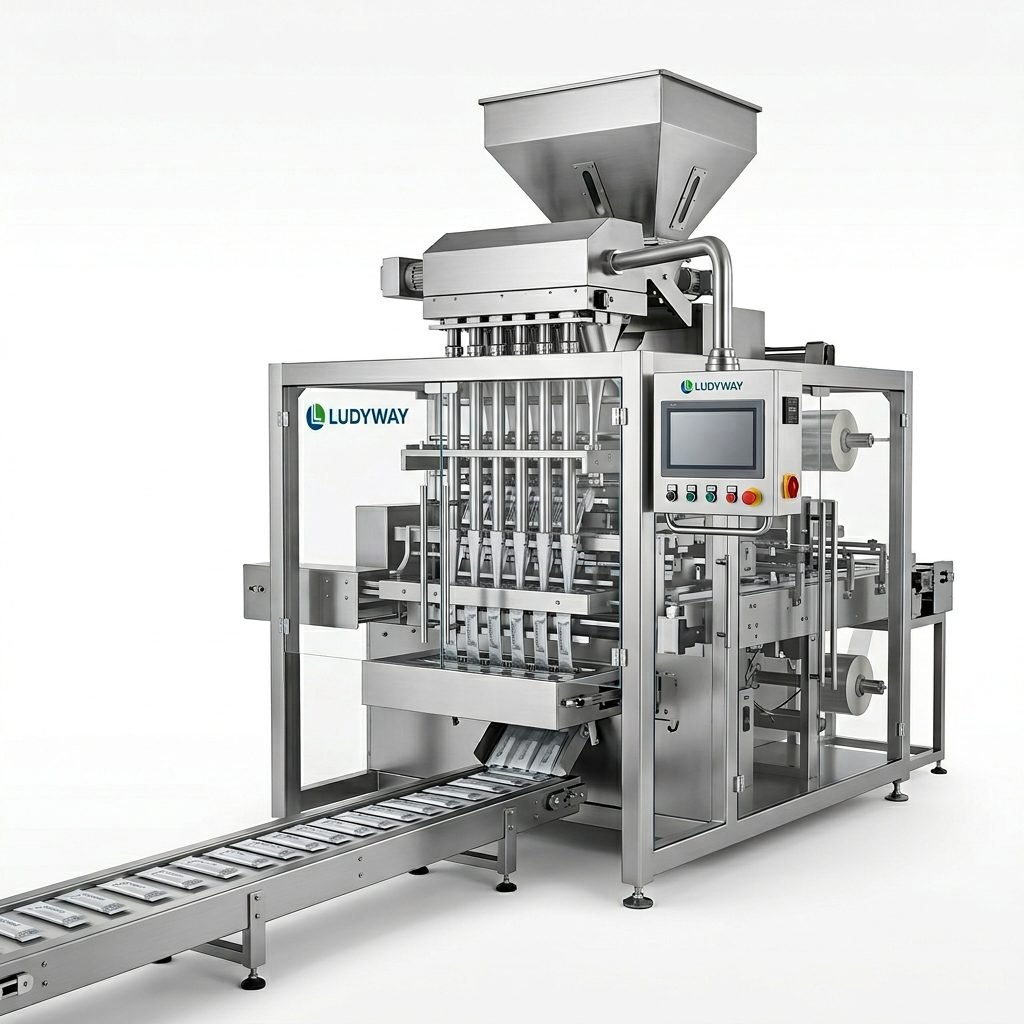
The filling zone of a 1 kg automatic packing machine is prone to dust accumulation. Strict hygiene is non-negotiable, especially in food and pharmaceutical applications.
Step-by-Step Cleaning Guide
| Component | Action | Frequency |
|---|---|---|
| Hopper & Auger | Wipe with food-grade wipes; remove residue. | Every Shift |
| Forming Tube | Use compressed air to clear static dust. | Every 4 Hours |
| Sealing Jaws | Brush off melted residue using a brass brush (while cool). | End of Day |
Inspecting Critical Components for a 1 kg Packaging System
Visual inspections catch minor issues before they escalate. Focus on components directly interacting with the 1 kg bag weight and sealing process.
- Load Cell and Weighing Bucket: Zero the scale daily. Verify calibration with a certified 1 kg test weight. Any deviation beyond ±2 grams requires recalibration.
- Heat Sealing Elements: Check for flat spots or carbon deposits. Uneven heating often causes leaking sachets or stick packs.
- Film Pulling Belts: Look for cracks or slippage. Improper tracking leads to crooked seals and waste.
Lubrication Schedule for Moving Parts
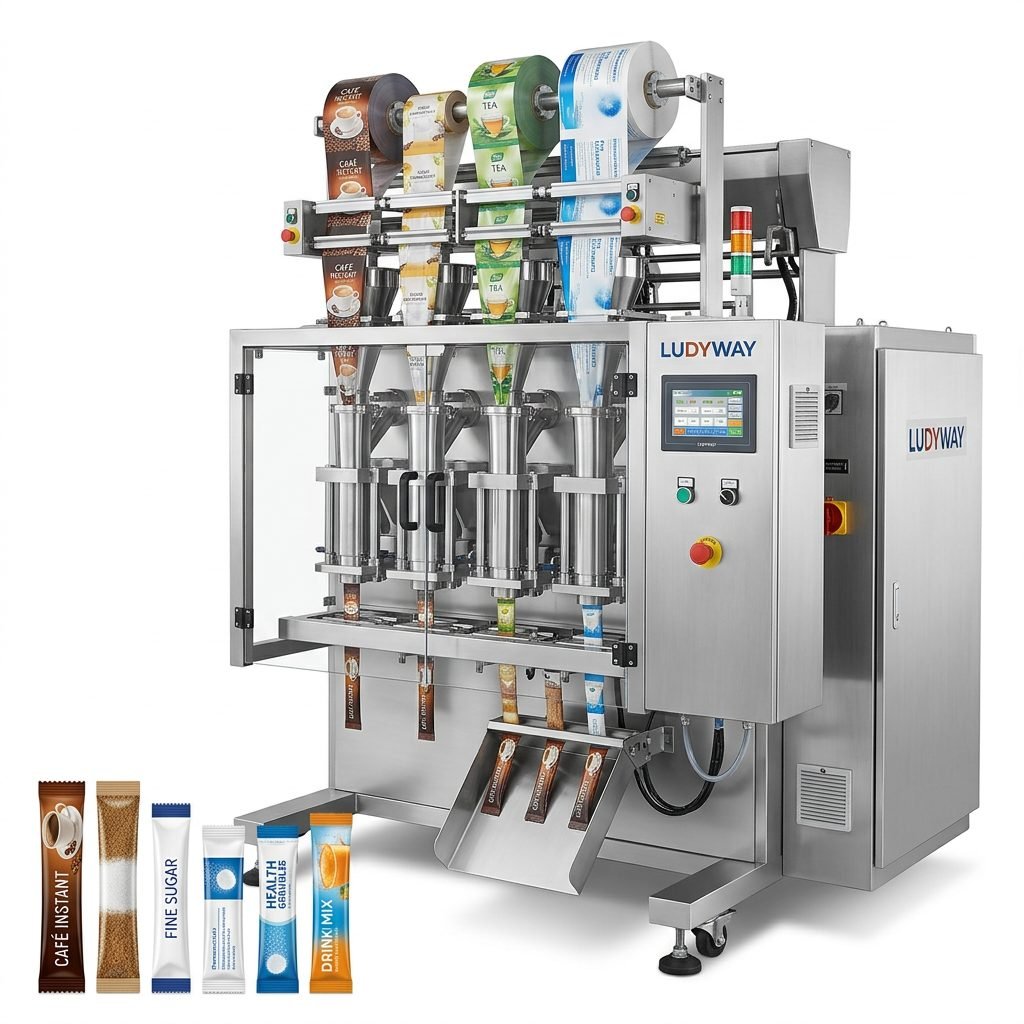
Friction is the enemy of high-speed packaging. However, over-lubrication can attract dust. Use only food-grade lubricants for machines handling consumables.
| Lubrication Point | Type | Interval |
|---|---|---|
| Cam Followers | Multi-purpose Grease | Weekly |
| Linear Guides | Light Machine Oil | Bi-weekly |
| Chain Drives | Chain Spray | Monthly |
Mastering the Calibration of a 1 Kg Target Weight
Inaccurate fills can lead to significant product giveaway. A 1 kg automatic packing machine requires dynamic calibration to compensate for vibration and settling.
- Access the weighing controller settings and enable “Calibration Mode”.
- Run an empty cycle to establish the tare weight of the bag material.
- Place a master 1 kg weight in the bucket and lock in the span.
- Perform 20 test fills and calculate the standard deviation. It should be below 1.5 grams for premium performance.
If you notice drift over time, inspect the load cell for mechanical binding or cable damage.
Electrical Safety and Control System Checks
Modern liquid packaging machines and powder fillers rely on sensitive PLCs. Power surges and loose connections are common failure points.
- Check E-stop buttons for responsive action weekly.
- Inspect cable carriers for frayed wires or pinch points.
- Ensure the control cabinet cooling fans are operational to prevent overheating.
- Backup machine parameters monthly to an external USB drive.
Replacing Wear Parts on a 1 Kg Automatic Packing Machine

Some parts are designed to degrade gracefully. Procrastinating on replacements risks damaging the main drive system.
| Wear Component | Sign of Failure | Expected Lifespan |
|---|---|---|
| Teflon Tape (Sealers) | Browning or tearing | 300-500 hours |
| V-Belts | Squealing or glazed sides | 6 months |
| Rubber Vacuum Cups | Bag dropping or misplacement | 3-4 months |
Training Operators for Daily Machine Care
Even the best maintenance plan fails without trained personnel. Operators should understand not just how to run the 1 kg packing machine, but how to listen to it. Ludyway, a leading packaging machine manufacturer, emphasizes that operator feedback is the first line of defense.
- Teach operators to recognize the normal sound profile of the motor and drive.
- Empower them to stop the line immediately if they hear grinding or clicking.
- Maintain a visual board showing proper film threading paths to avoid misalignment.
Record Keeping: The Key to Long-Term Machine Health
Log every intervention. This data transforms maintenance from reactive to predictive. Record the part numbers, hours logged, and batch numbers processed.
By analyzing logs, you can predict that a specific sealing thermocouple will fail roughly every 1,000 cycles. This allows you to swap it during planned downtime rather than at 3 AM during a rush order. Such predictive approaches are standard in high-performance environments managing multi-lane sachet machines and stick pack lines.

Explore more about smart maintenance: PMMI Business Intelligence | FPA Resources