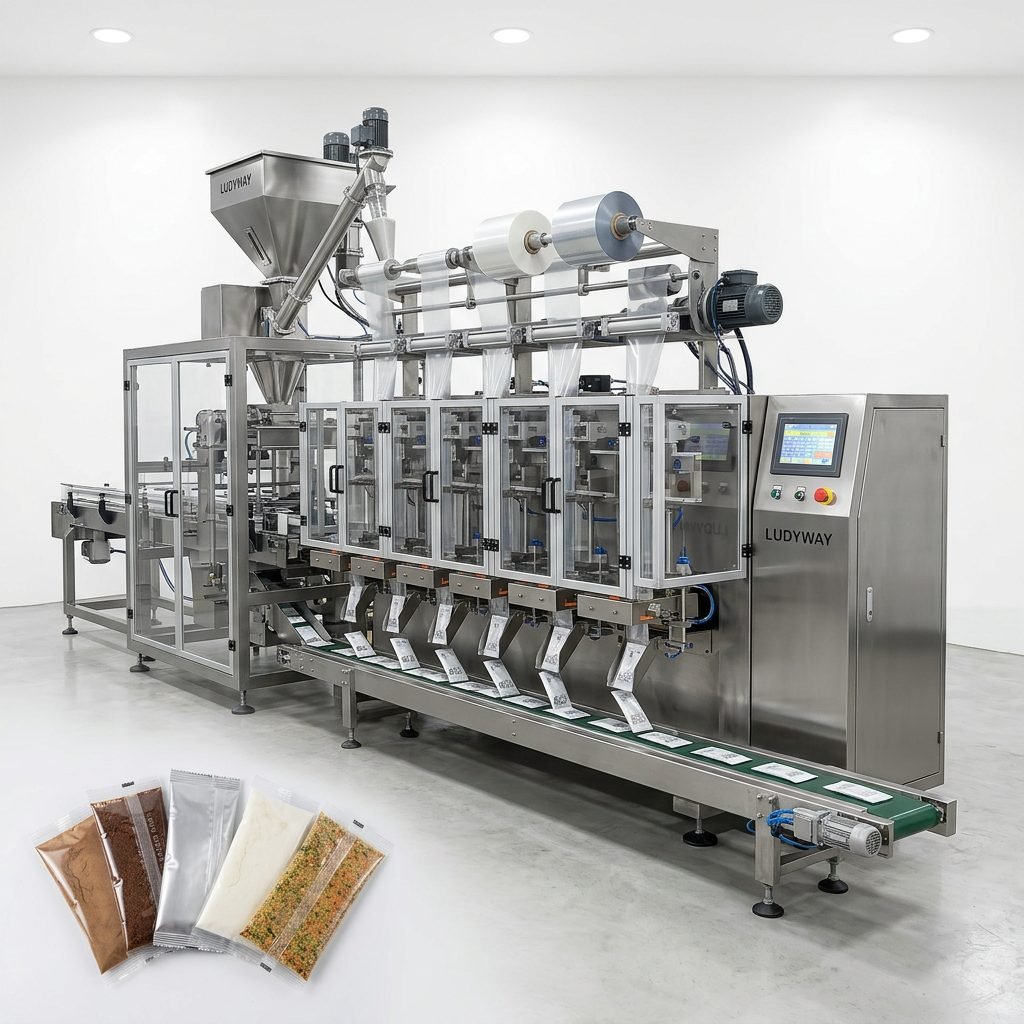
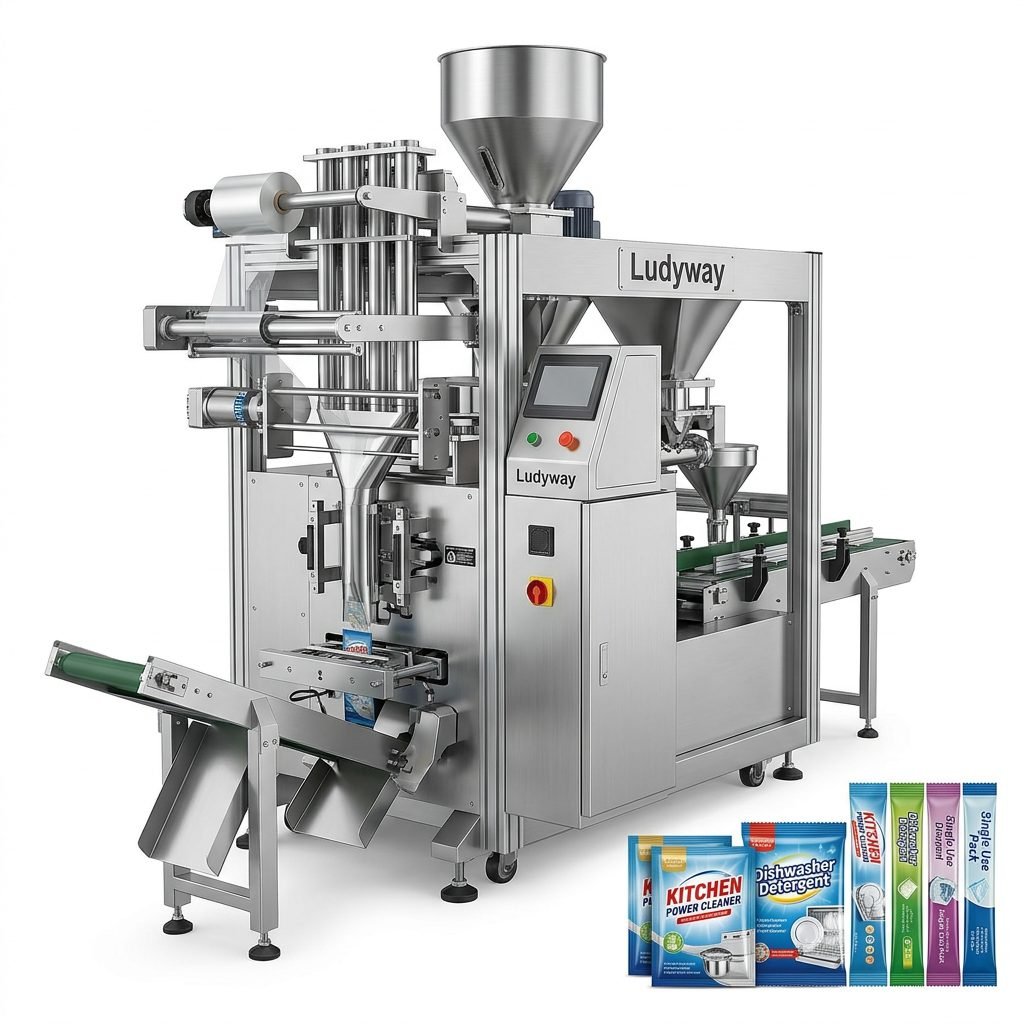
Selecting the right oil packing machine is one of the most critical investment decisions for cooking oil producers, lubricant manufacturers, and essential oil brands. The wrong choice can lead to costly downtime, inaccurate fills, and packaging material waste. This guide breaks down the key factors you need to evaluate before purchasing an oil filling and packaging system.
1. Understand Your Oil Product Characteristics
Not all oils behave the same way on a production line. The physical properties of your oil directly determine the filling technology and machine configuration you need.
| Oil Type | Key Characteristics | Recommended Filling System |
|---|---|---|
| Edible Cooking Oil | Low to medium viscosity, temperature-sensitive | Piston filler or flow meter |
| Lubricant / Motor Oil | High viscosity, may contain additives | Positive displacement pump or gear pump |
| Essential / Aroma Oil | Volatile, high-value, small volumes | Peristaltic pump or precision piston filler |
| Industrial / Heavy Oil | Very high viscosity, may require heating | Heated hopper with gear pump system |
2. Determine Your Target Packaging Format
Oil products are packaged in a wide variety of formats. Your packaging machine must match the exact format you plan to offer. Multi-format flexibility is valuable if you plan to expand your product line.
Common Oil Packaging Formats
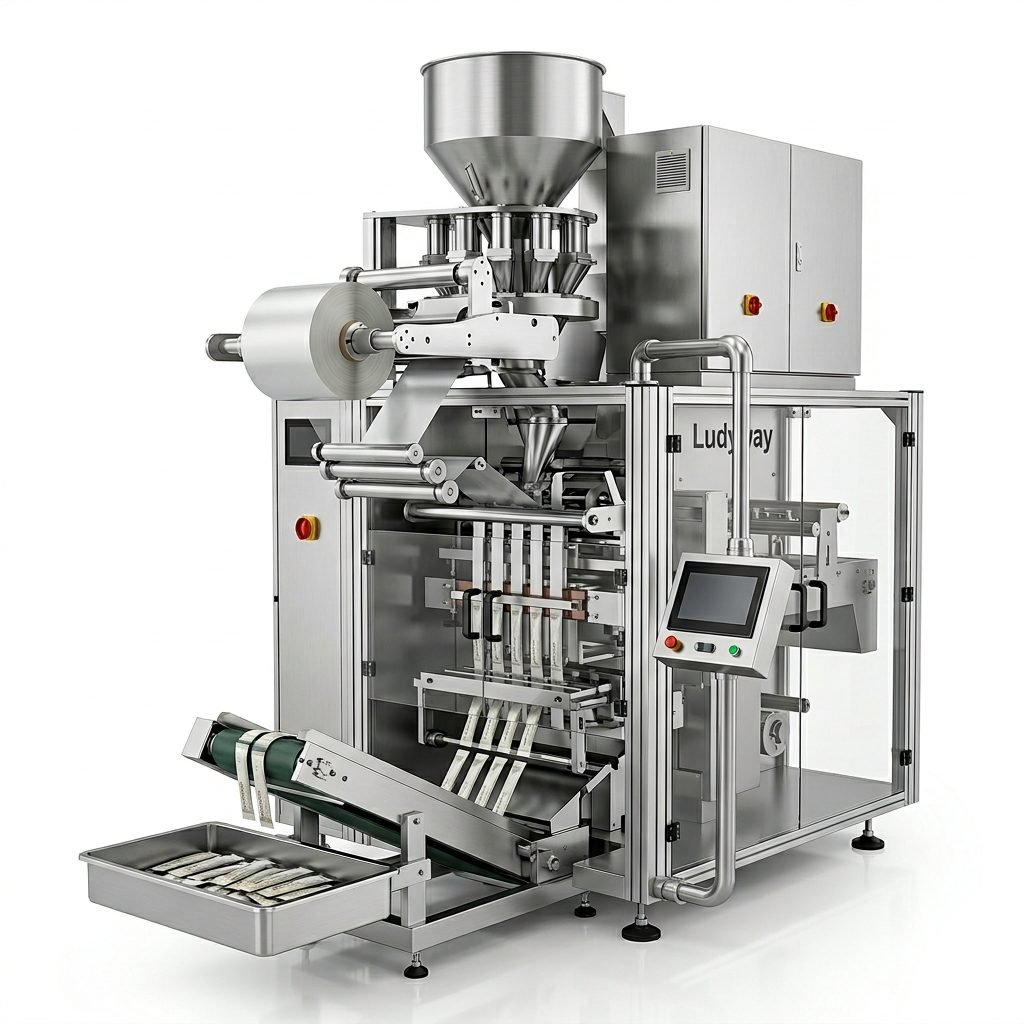
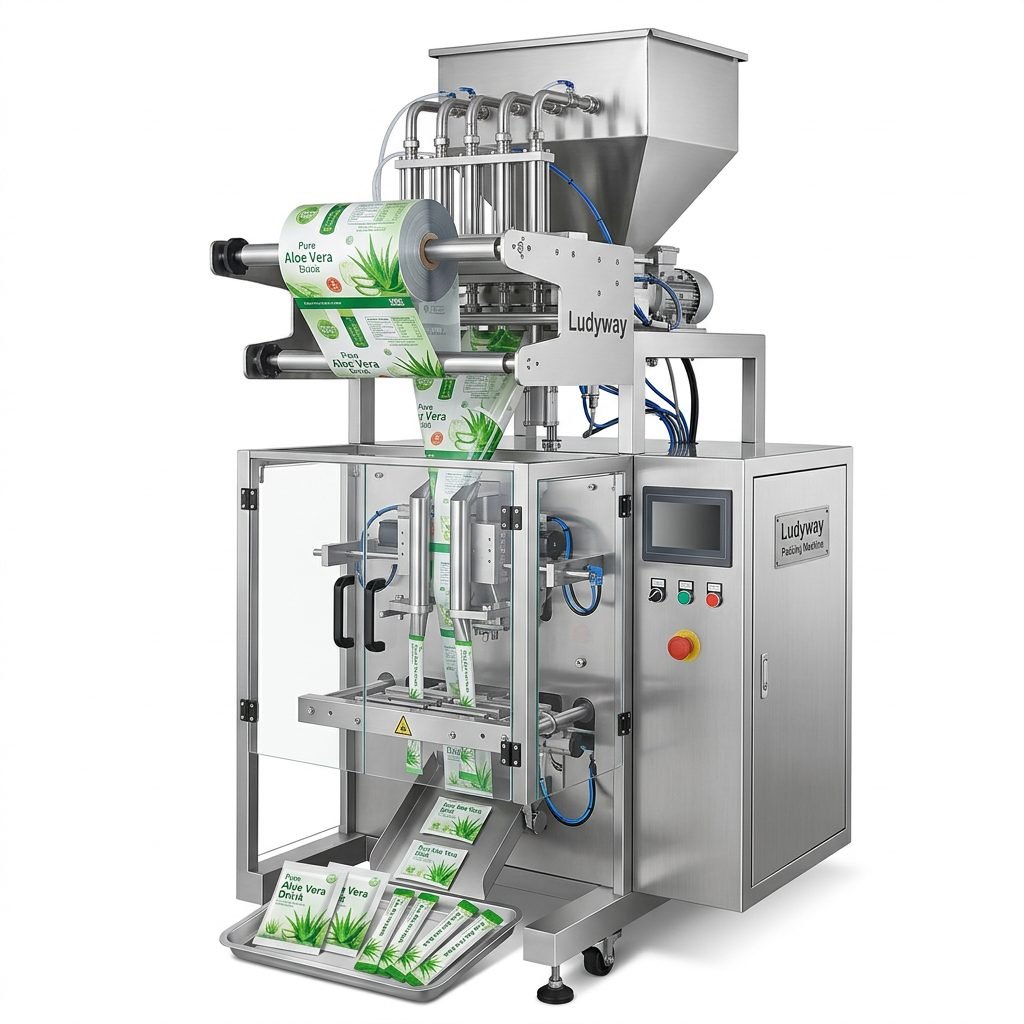
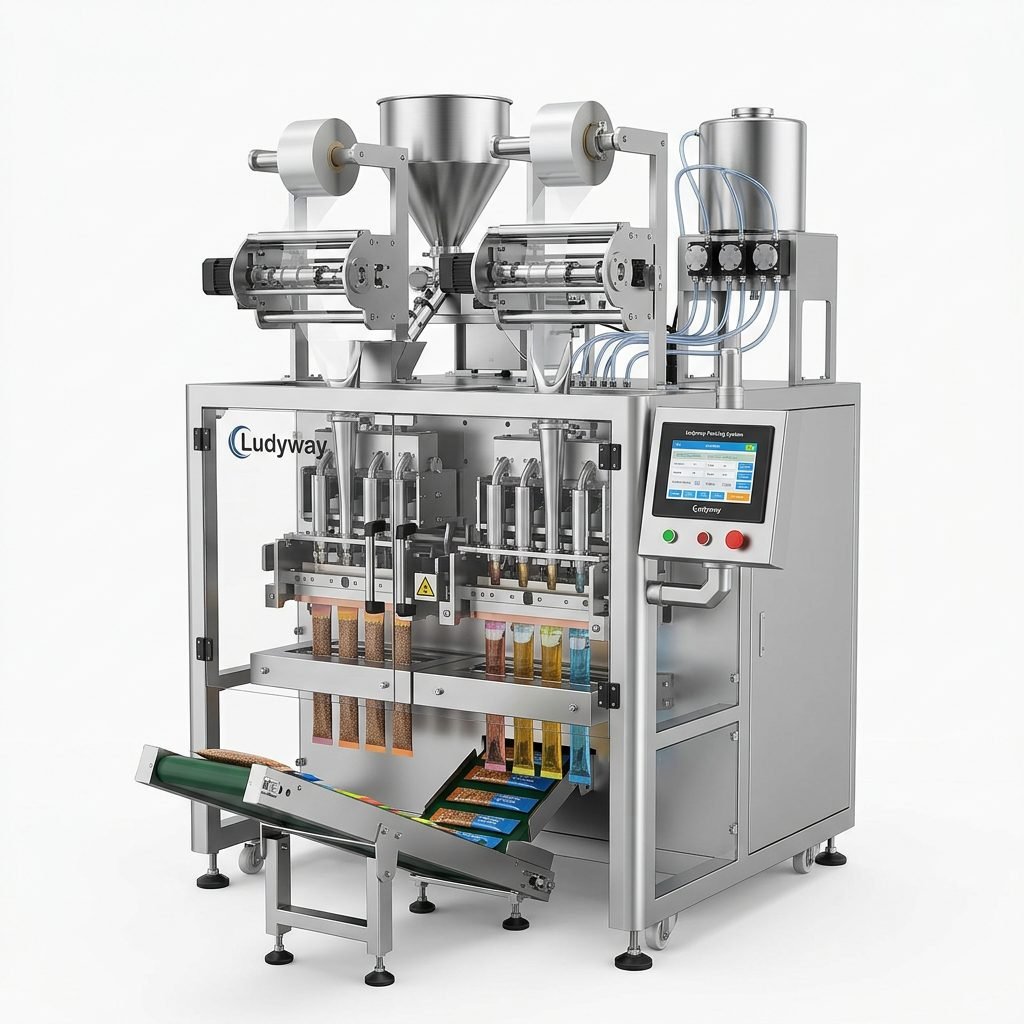
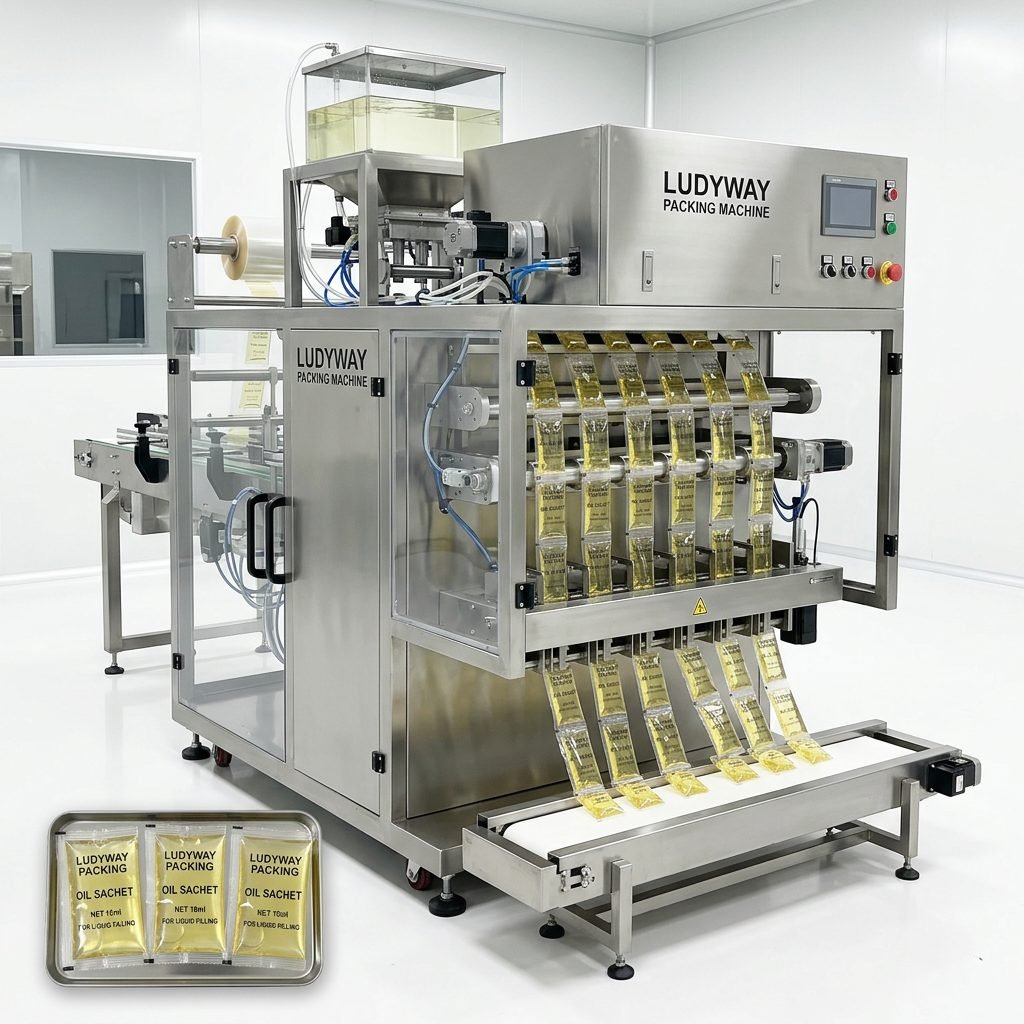
- Sachet & Stick Pack: Ideal for single-use edible oil, hair oil, or massage oil samples. Multi-lane machines can produce hundreds of sachets per minute.
- Pouches with Spout: Popular for cooking oil refill packs and automotive lubricants. Requires specialized spout insertion and sealing stations.
- Bottles & Jerry Cans: From 100ml glass bottles to 5L plastic jerry cans. Needs different capping, labeling, and conveying systems.
- Drums & Bulk Containers: For industrial lubricants and wholesale edible oil. Requires heavy-duty filling stations with weight-based filling.
3. Match Machine Speed to Production Demand
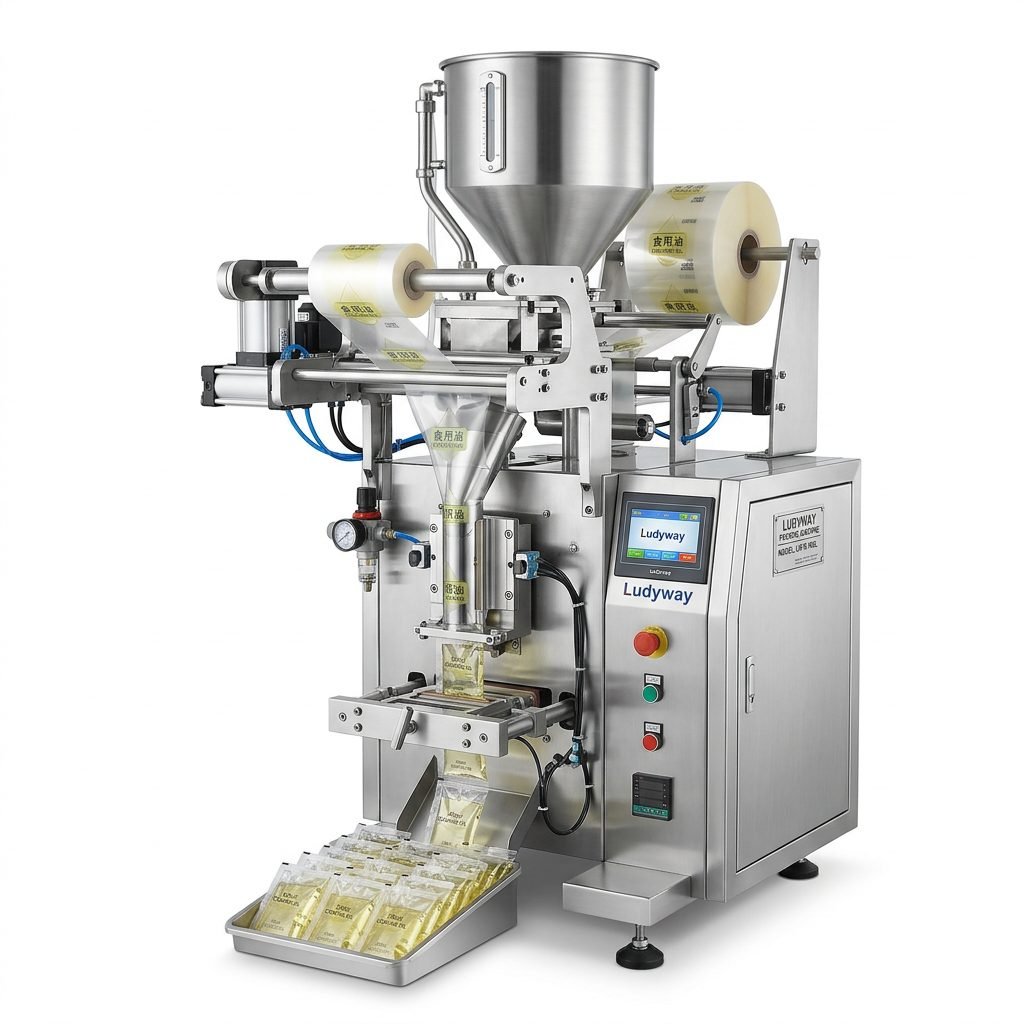
Production speed is measured in packs or bottles per minute (PPM or BPM). Overestimating your speed requirement can lead to unnecessary capital expenditure, while underestimating it creates bottlenecks. Consider the following benchmarks when evaluating an oil packing machine:
| Production Scale | Typical Speed Range | Suitable Machine Configuration |
|---|---|---|
| Small / Startup | 10 – 30 packs/min | Single-lane, semi-automatic or entry-level automatic |
| Medium Production | 40 – 80 packs/min | Multi-lane (4-6 lanes) automatic machine |
| High-Volume Industrial | 100 – 300+ packs/min | Multi-lane (10-16 lanes) with servo-driven control |
| Bottle Filling Lines | 20 – 200+ bottles/min | Multi-head rotary or inline filling with capping |
For manufacturers planning rapid growth, selecting a modular machine platform that allows adding more lanes or upgrading components later can be a strategic choice. Resources from PMMI’s Business Intelligence Library provide valuable industry data on packaging machinery productivity benchmarks.
4. Evaluate Filling Accuracy and Precision
For edible oil and high-value essential oil producers, fill accuracy directly impacts profitability. Overfilling by even 1-2ml per pack across millions of units results in significant product giveaway. Key filling technologies to consider include:
- Piston Fillers: Excellent accuracy (±0.5%) for low to medium viscosity oils. Easy to clean and maintain.
- Flow Meters: Ideal for high-speed edible oil lines. Can achieve ±0.2% accuracy with mass flow meters.
- Peristaltic Pumps: Best for small-volume, high-value essential oils where cross-contamination must be avoided.
- Weighing-based systems: For bulk drum and jerry can filling, net weight filling ensures maximum accuracy regardless of oil density variations.
The FDA’s guidance on food contact substances is essential reading for edible oil packaging, as filling equipment materials must comply with food safety regulations.
5. Check Material Compatibility and Build Quality
Oils—especially essential oils and some industrial lubricants—can be corrosive or reactive with certain materials. Always confirm the machine’s wetted parts are compatible with your specific oil formulation.
Critical material specifications to verify:
- Wetted parts: Should be 304 or 316L stainless steel for food-grade oils. PTFE and Viton seals for essential oils.
- Frame and external structure: Stainless steel or powder-coated steel depending on washdown requirements.
- Tank and hopper: Jacketed and heated tanks if you handle palm oil, coconut oil, or heavy lubricants that solidify at room temperature.
- Gaskets and seals: Must resist swelling or degradation from oil contact over long production runs.
6. Automation Level and Line Integration
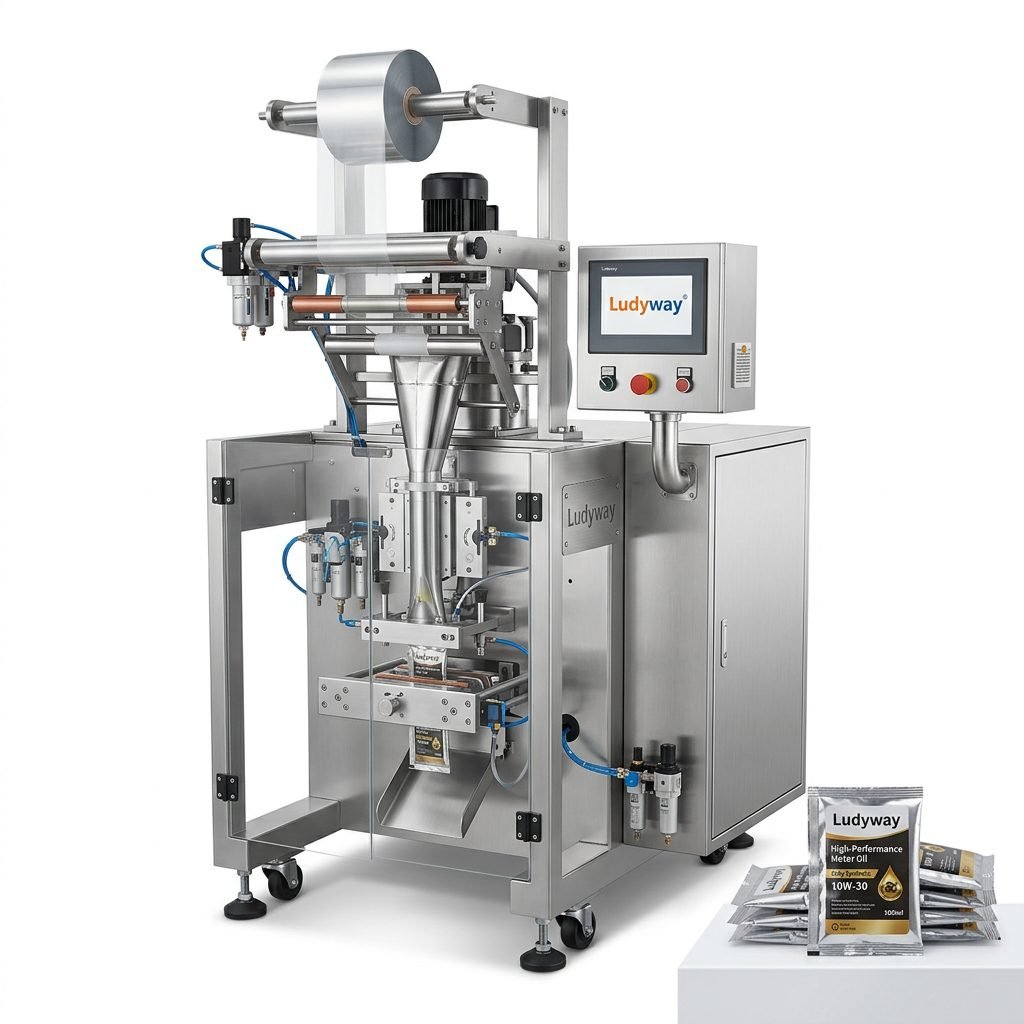
Your oil packaging machine can range from a standalone filler to a fully automated line integrating filling, capping, labeling, coding, cartoning, and palletizing. Consider the following when deciding on automation level:
Automation Options
- Semi-Automatic: Operator manually places containers. Suitable for low-volume artisanal oil brands.
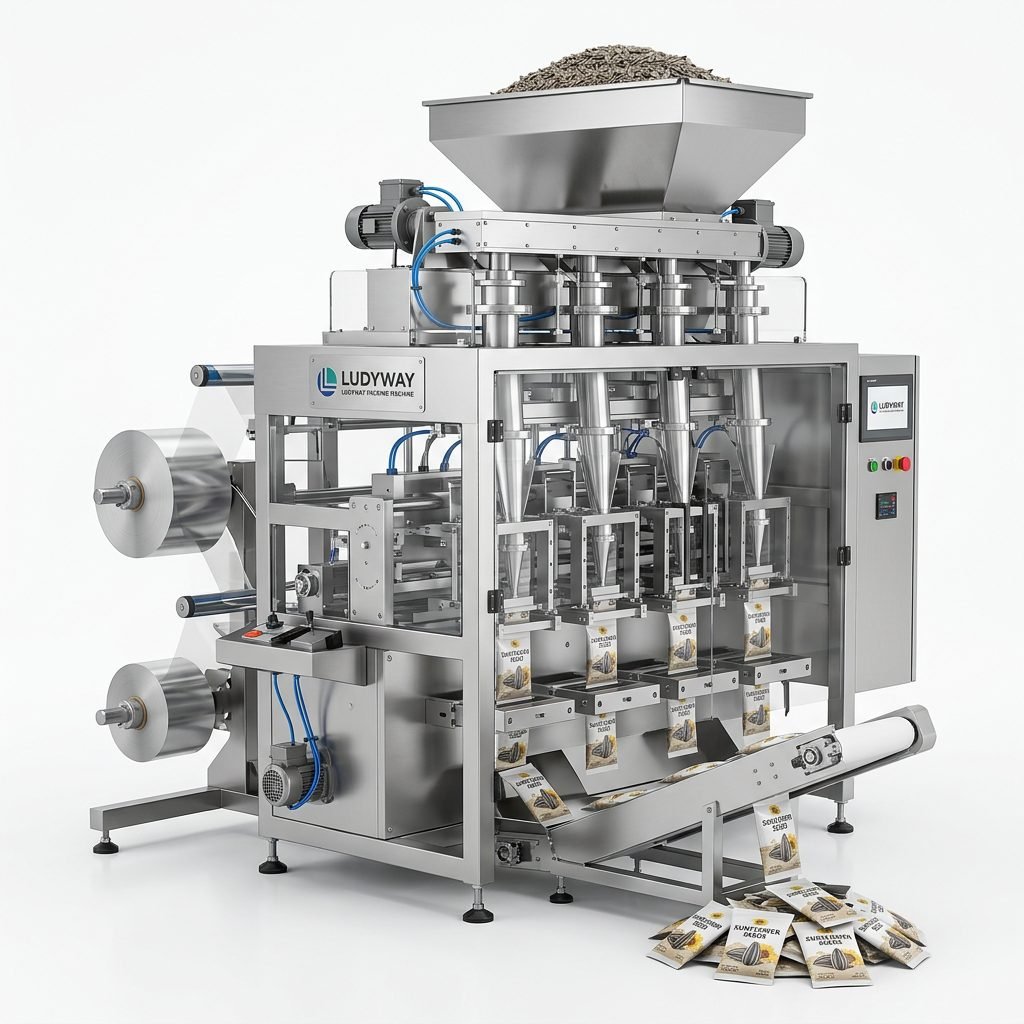
- Fully Automatic Inline: Containers automatically indexed. Includes filling, capping, and labeling in one system.
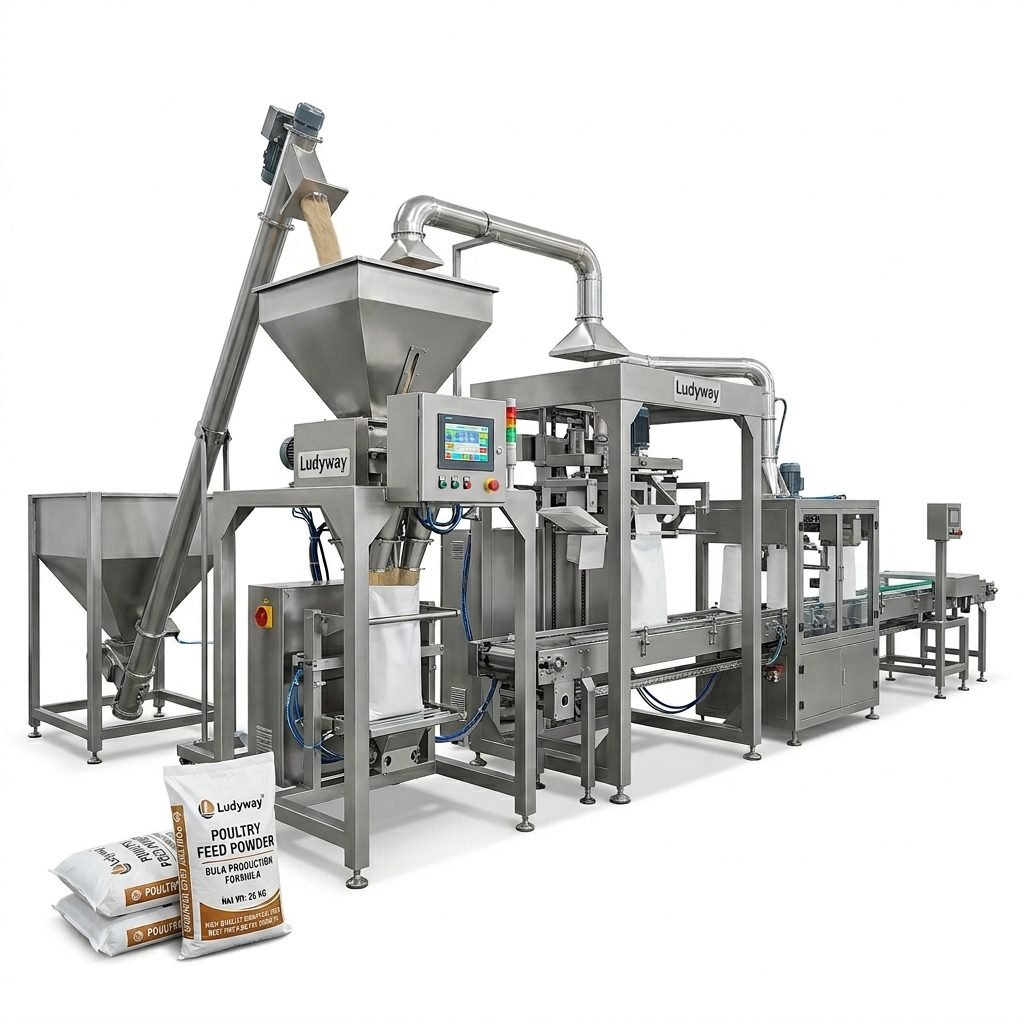
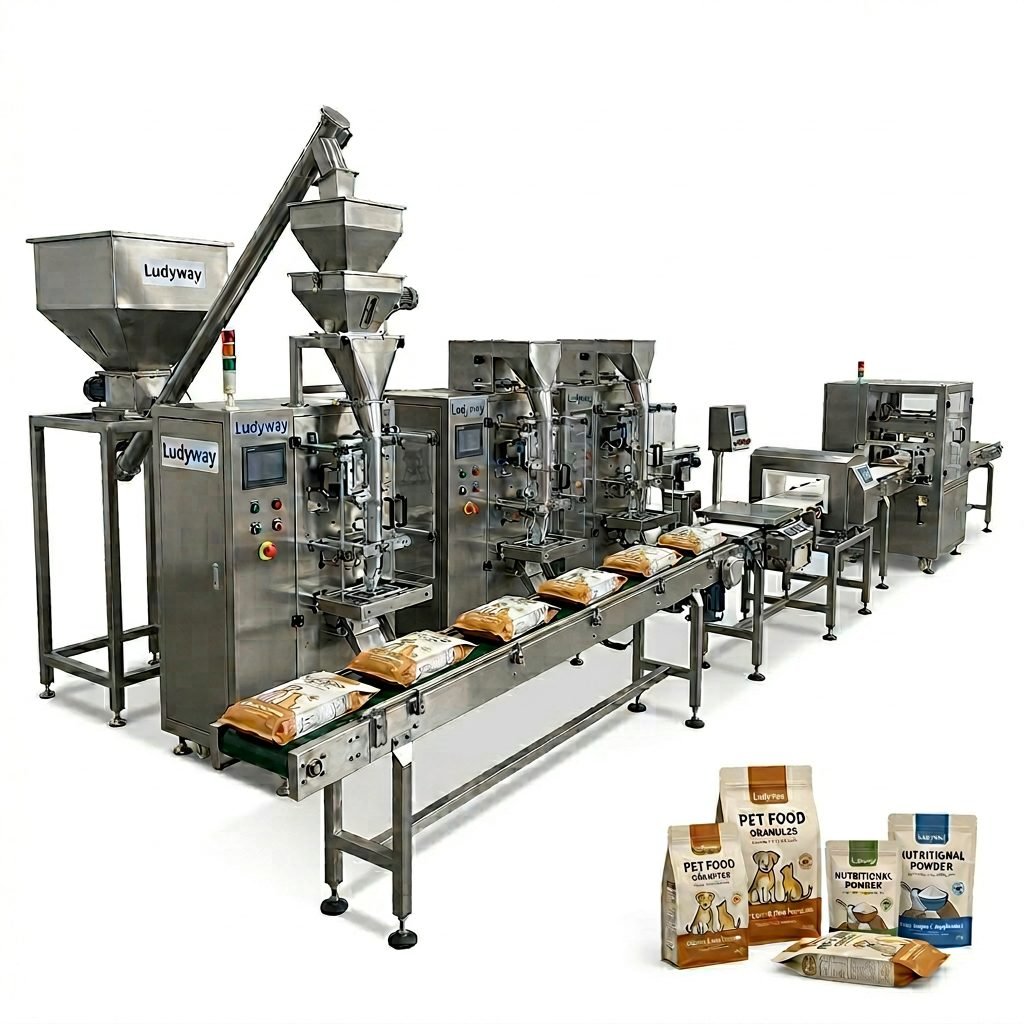
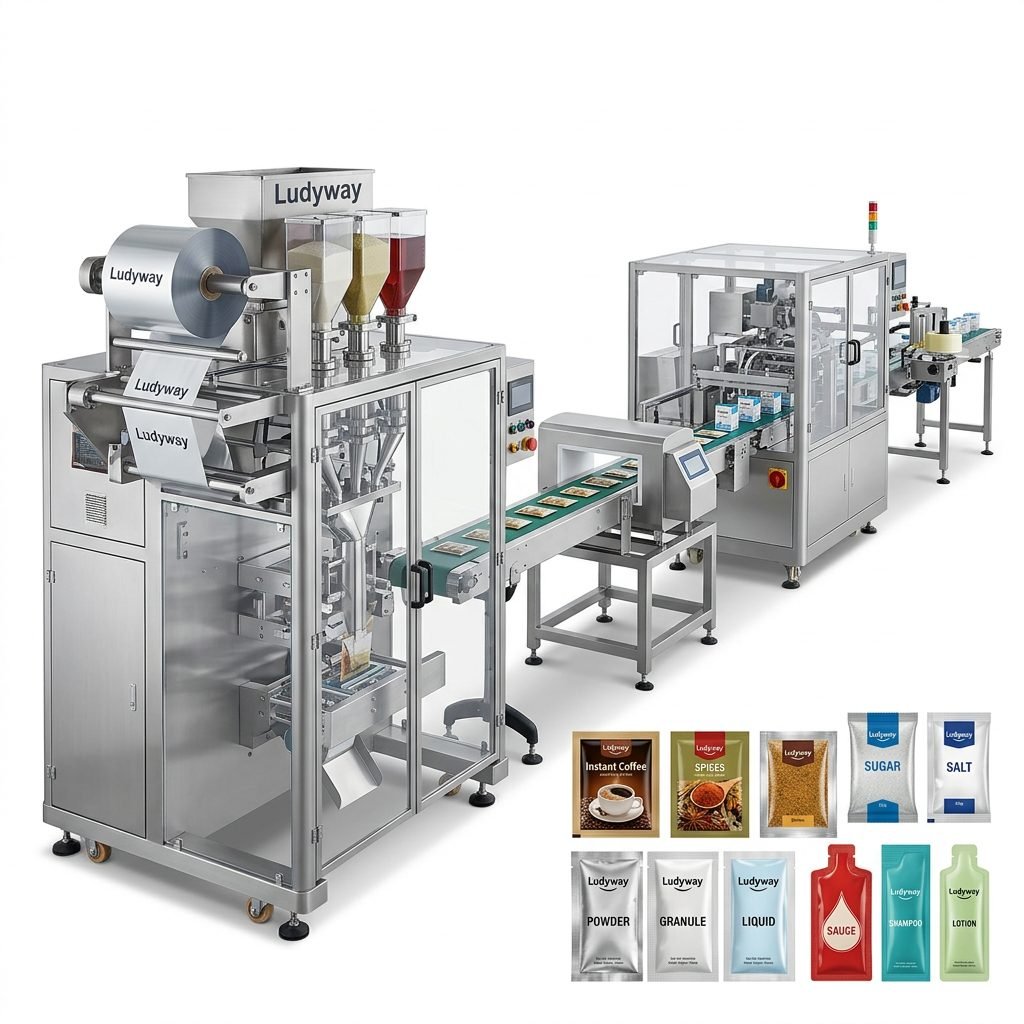
- Turnkey Packaging Line: Complete end-to-end solution from bottle unscrambling to pallet wrapping. Recommended for producers scaling to international markets.
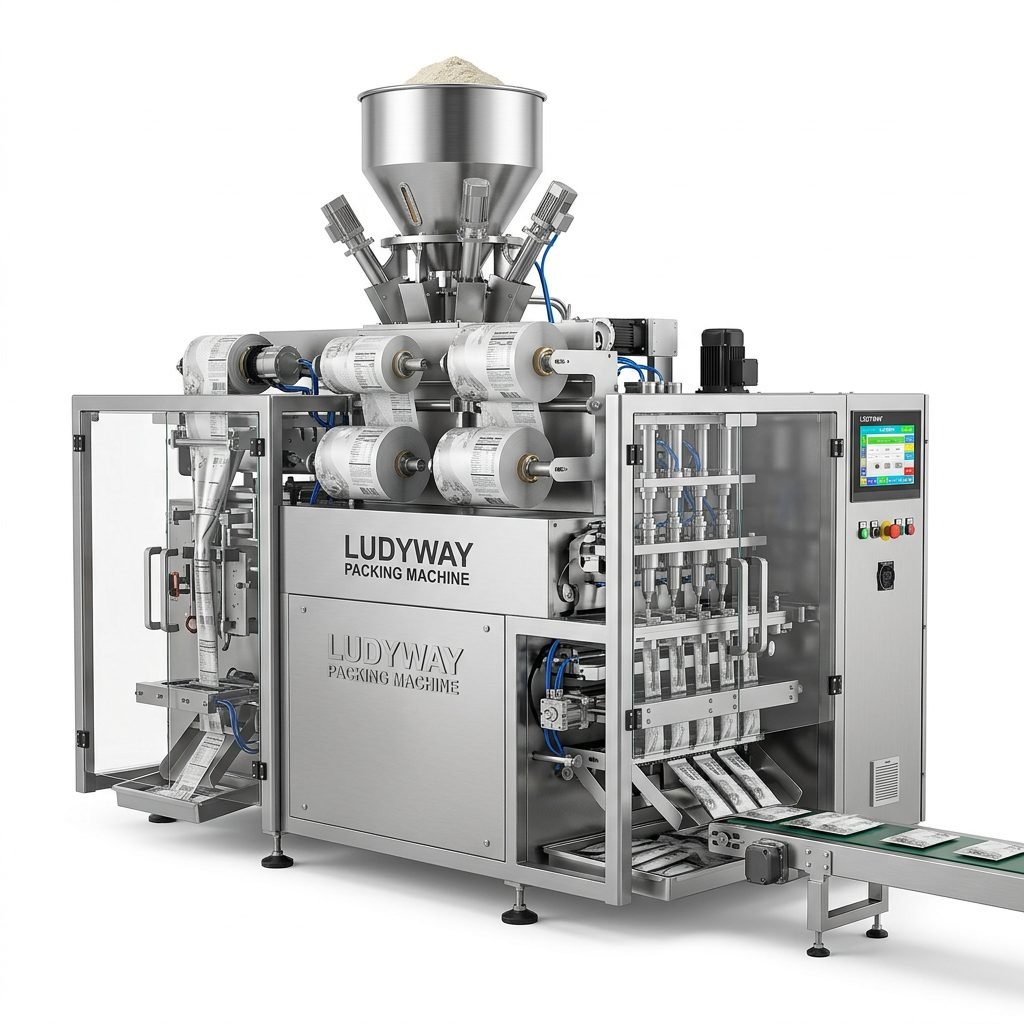
- Multi-Lane Sachet Systems: High-speed configuration producing multiple sachets simultaneously from a single film roll.
According to the PMMI 2025 State of the Industry report, demand for integrated packaging lines with automation features continues to grow as manufacturers seek to reduce labor dependency and improve consistency.
7. Verify Quality Standards and Certifications
If you export oil products to international markets, your packaging machinery must support compliance with relevant standards. Key certifications and standards to look for include:
- CE Marking: Required for machinery sold in the European Economic Area.
- FDA Compliance: For food-grade oil packaging, machines should be designed for sanitary operation and cleanability.
- ISO 9001: Indicates the manufacturer follows quality management best practices.
- GAMP / cGMP: Important for pharmaceutical-grade oils and nutraceutical oil products.
The ISO packaging standards directory provides comprehensive information on international packaging requirements that may apply to your oil packing machine selection.
8. Consider After-Sales Support and Local Service
A packaging machine is a long-term investment. Access to spare parts, technical support, and local service engineers can significantly impact your production uptime. Before selecting a supplier, evaluate:
- Availability of spare parts in your region and typical lead times
- Whether remote diagnostic support is available via video or AR tools
- If the supplier offers installation, commissioning, and operator training
- Warranty terms and coverage for critical components like servo motors and PLCs
- Presence of local distributors or service partners in your country
Experienced manufacturers like Ludyway Machinery, which serves customers in more than 100 countries with a comprehensive global service network, demonstrate the importance of choosing a partner that can support your operations throughout the equipment lifecycle.
9. Total Cost of Ownership vs. Initial Price
While the purchase price of an oil packing machine is a significant factor, smart buyers evaluate total cost of ownership (TCO) over the machine’s expected lifespan of 10-15 years. Consider the following TCO elements:
| Cost Category | Considerations |
|---|---|
| Initial Equipment Cost | Base machine, tooling, shipping, import duties |
| Installation & Commissioning | On-site setup, calibration, integration with existing lines |
| Consumables & Wear Parts | Seals, gaskets, filling nozzles, filters, lubricants |
| Packaging Material Waste | Poorly calibrated machines waste film and cause product giveaway |
| Energy & Utility Costs | Electricity, compressed air, heating for viscous oils |
| Maintenance & Downtime | Lost production during breakdowns, preventive maintenance costs |
The global packaging machinery market continues to grow, driven by increasing automation adoption and demand for flexible packaging formats across food, chemical, and personal care industries.
10. Key Questions to Ask Before You Buy
Before finalizing your oil packing machine purchase, ask potential suppliers these critical evaluation questions:
- Can you provide a video of the machine running with oil similar to mine—not just water?
- What is the changeover time between different bottle sizes or sachet formats?
- Which international standards or certifications does this machine comply with?
- What is your spare parts availability policy and typical courier delivery time to my country?
- Do you offer factory acceptance testing (FAT) before shipment?
- Can the machine be expanded or upgraded if my production volume doubles in two years?
- What level of operator training and documentation is included?
For additional guidance on packaging machinery validation and standards, the Flexible Packaging Association’s industry resources offer helpful reference materials for oil packaging applications.
Making the Right Investment Decision
Choosing the right oil packing machine requires balancing product requirements, production volume, packaging format, regulatory compliance, and total cost of ownership. Don’t rush the evaluation process—request machine demonstrations, speak with existing customers, and clearly define your current and future needs before committing.
Take time to review machine specifications against your product characteristics, visit supplier facilities when possible, and prioritize build quality and after-sales support over the lowest initial price. The PACK EXPO International and similar trade shows also provide valuable opportunities to see multiple oil packaging machines in operation and compare different manufacturers side by side.
A well-chosen oil packaging machine will serve your production line reliably for 10-15 years, while a poorly matched machine can become a constant source of operational headaches. Invest the time upfront to make the right choice.