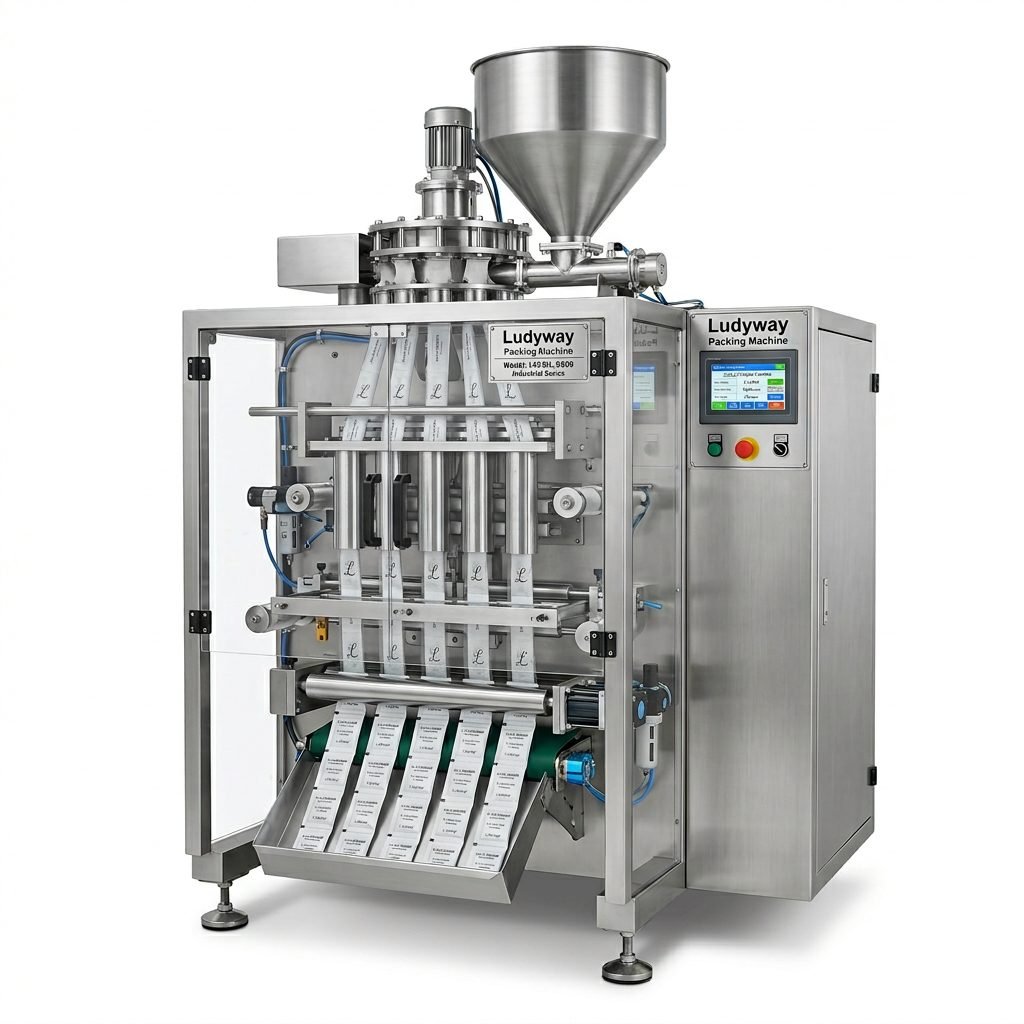
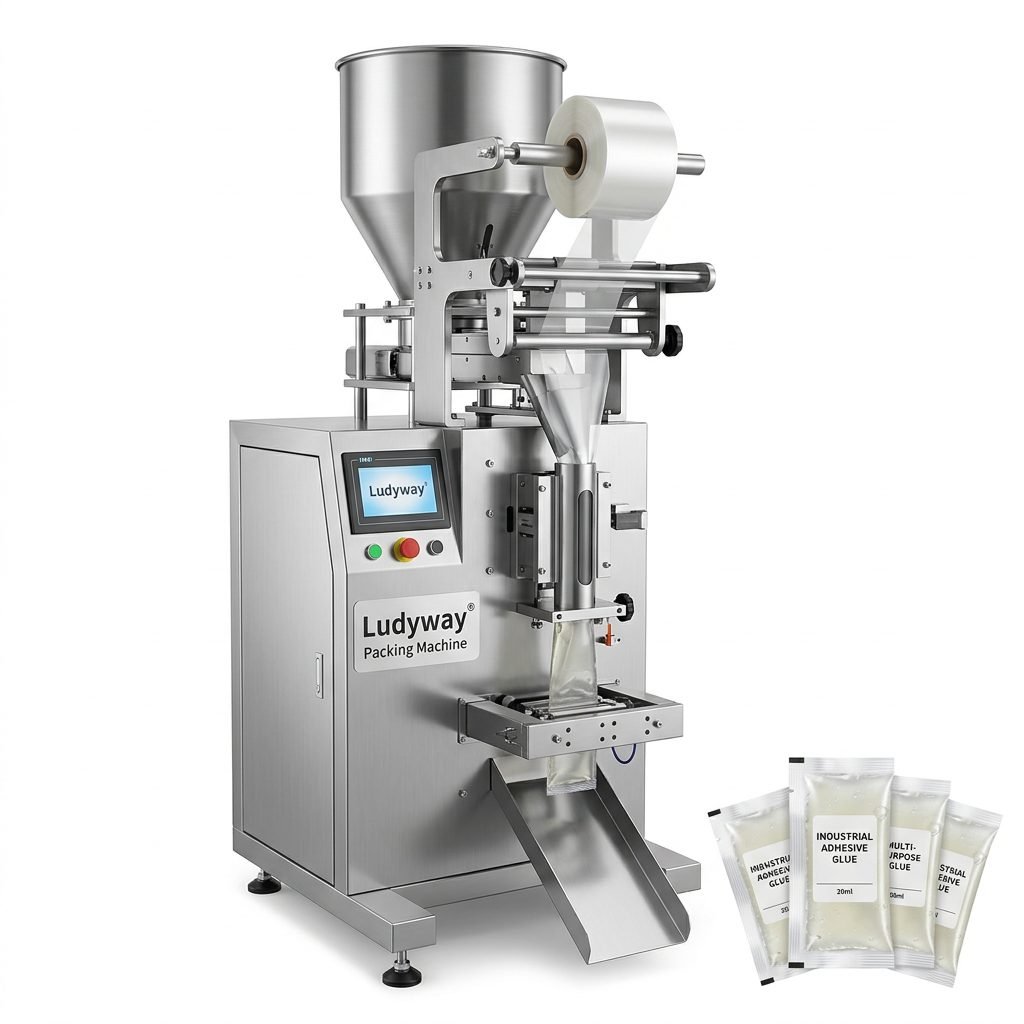
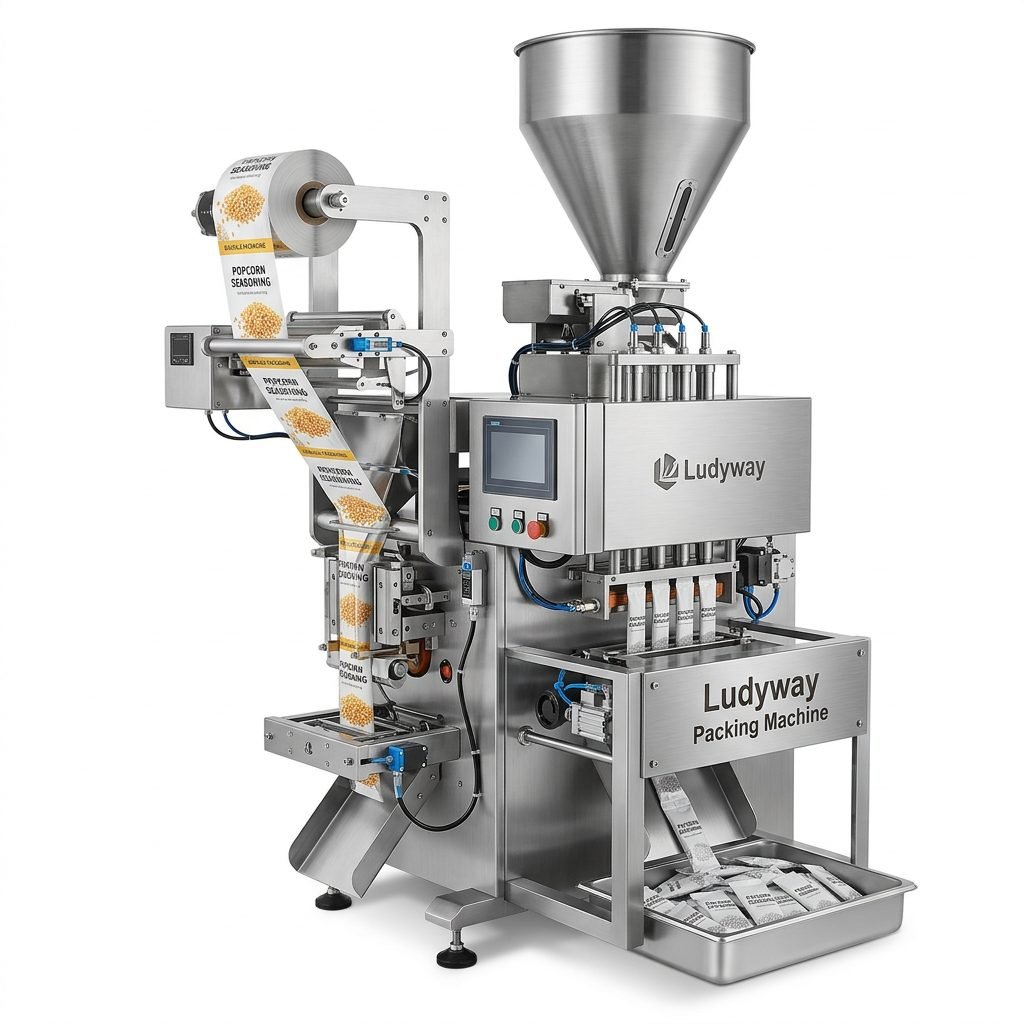
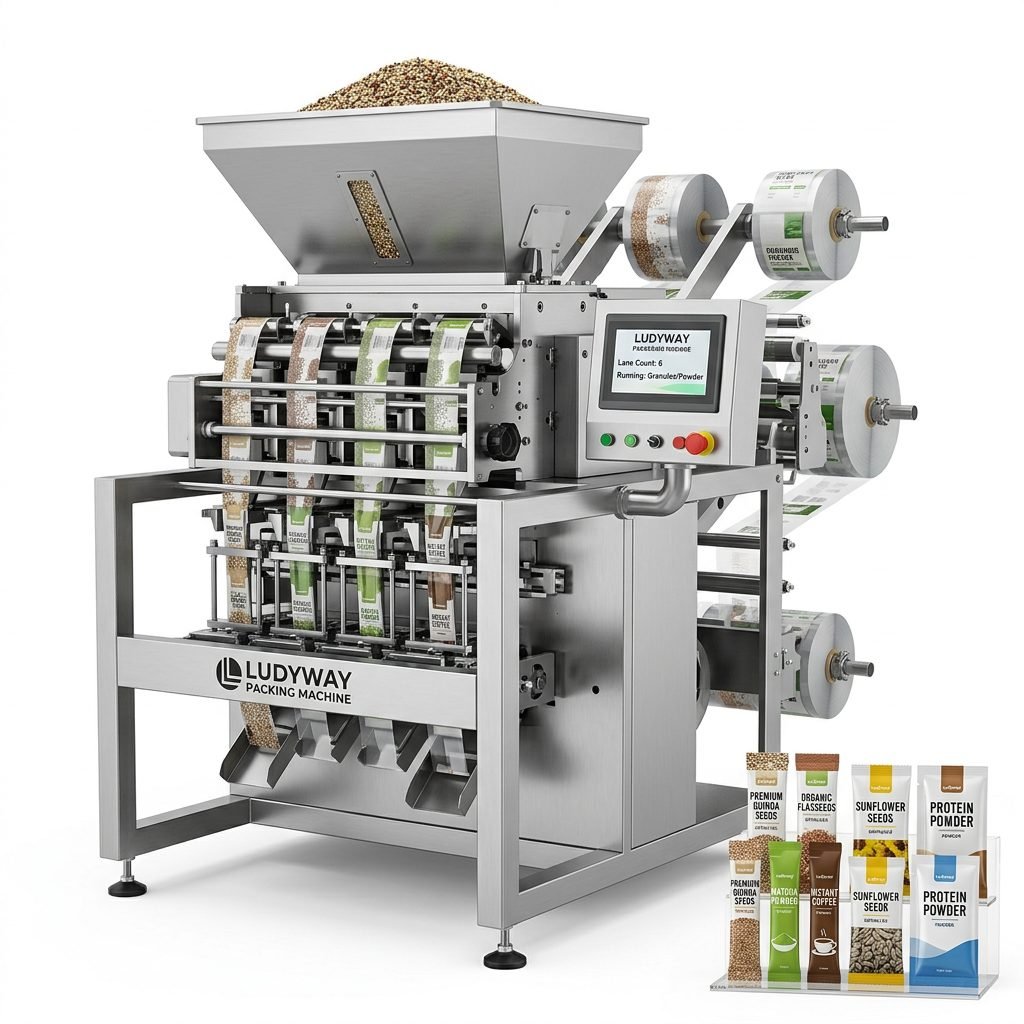
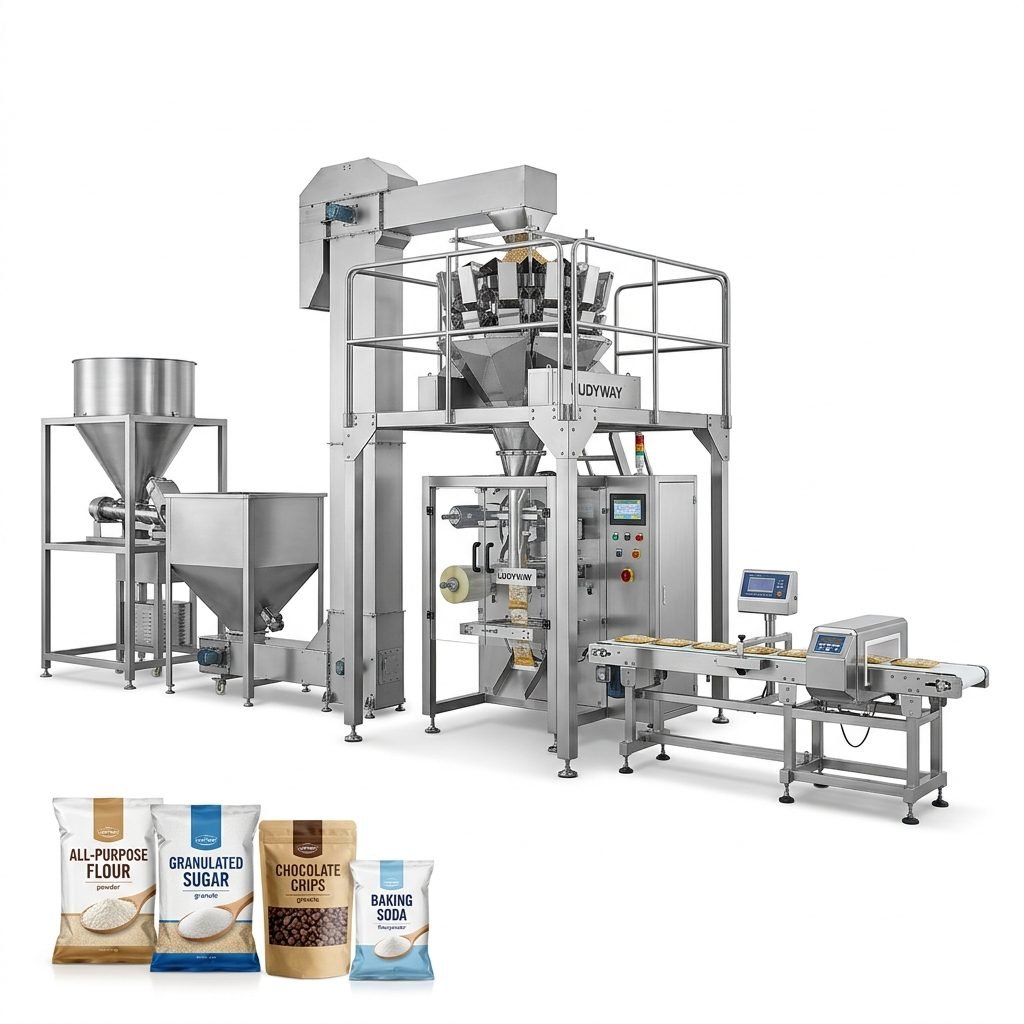
Selecting the right Milk Powder Packaging Machine is a critical decision for dairy businesses aiming to optimize production efficiency and maintain product integrity. Whether you are expanding a local facility or setting up a global export line, understanding the core technologies and industry standards is essential. This guide covers the key factors—from powder characteristics to automation levels—ensuring you invest in a system that meets your specific needs.
Understanding Milk Powder Characteristics
Milk powder presents unique challenges compared to granules or liquids. It is highly hygroscopic, has varying bulk densities (agglomerated vs. non-agglomerated), and creates significant dust during filling. A suitable machine must handle these properties without compromising speed or hygiene. Key considerations include:
- Dust Control: Essential to prevent cross-contamination and maintain a clean working environment.
- Flow Characteristics: Non-free-flowing powders often require mechanical agitation or auger fillers to ensure consistent dosing.
- Hygroscopicity: The machine must be able to seal packages quickly and effectively to prevent moisture ingress.
Packaging Formats: Stick Packs, Sachets, or Cans?
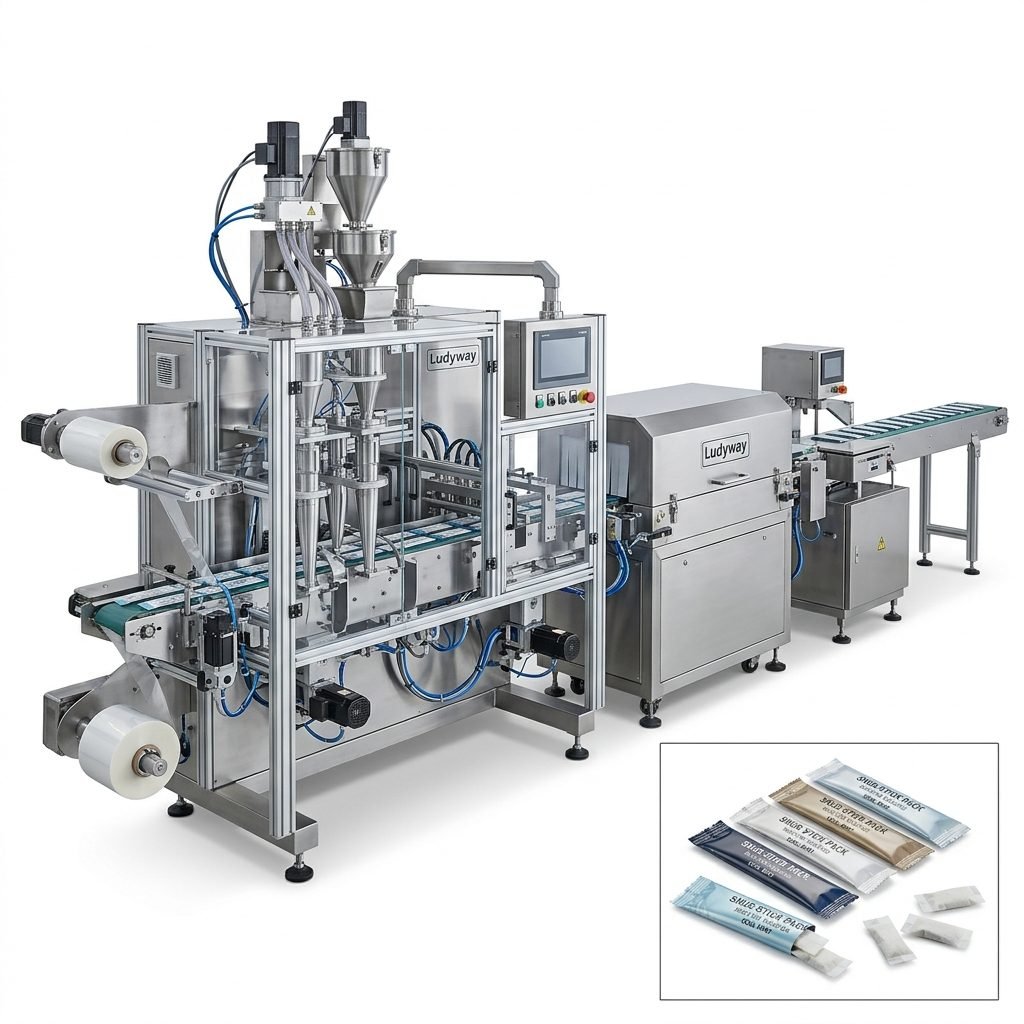
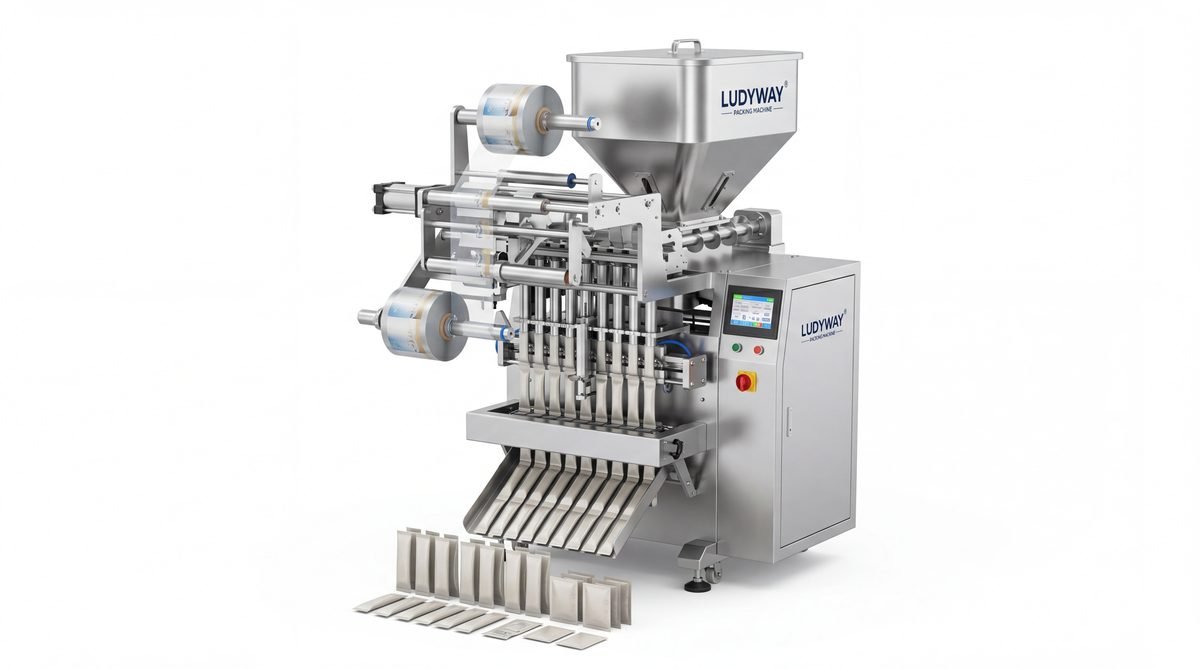
Global markets demand different packaging formats. Choosing the right configuration for your multi-lane stick pack machine or sachet system depends on your target consumers and product volume. Below is a quick comparison:
| Feature | Stick Pack | Flat Sachet | Can/Tin Filling |
|---|---|---|---|
| Best For | Single-serve, on-the-go | Multi-serve, sample packs | Bulk family consumption |
| Speed | Very High (Multi-Lane) | High | Moderate |
| Barrier Protection | Excellent | Very Good | Maximum |
Crucial Technical Specifications
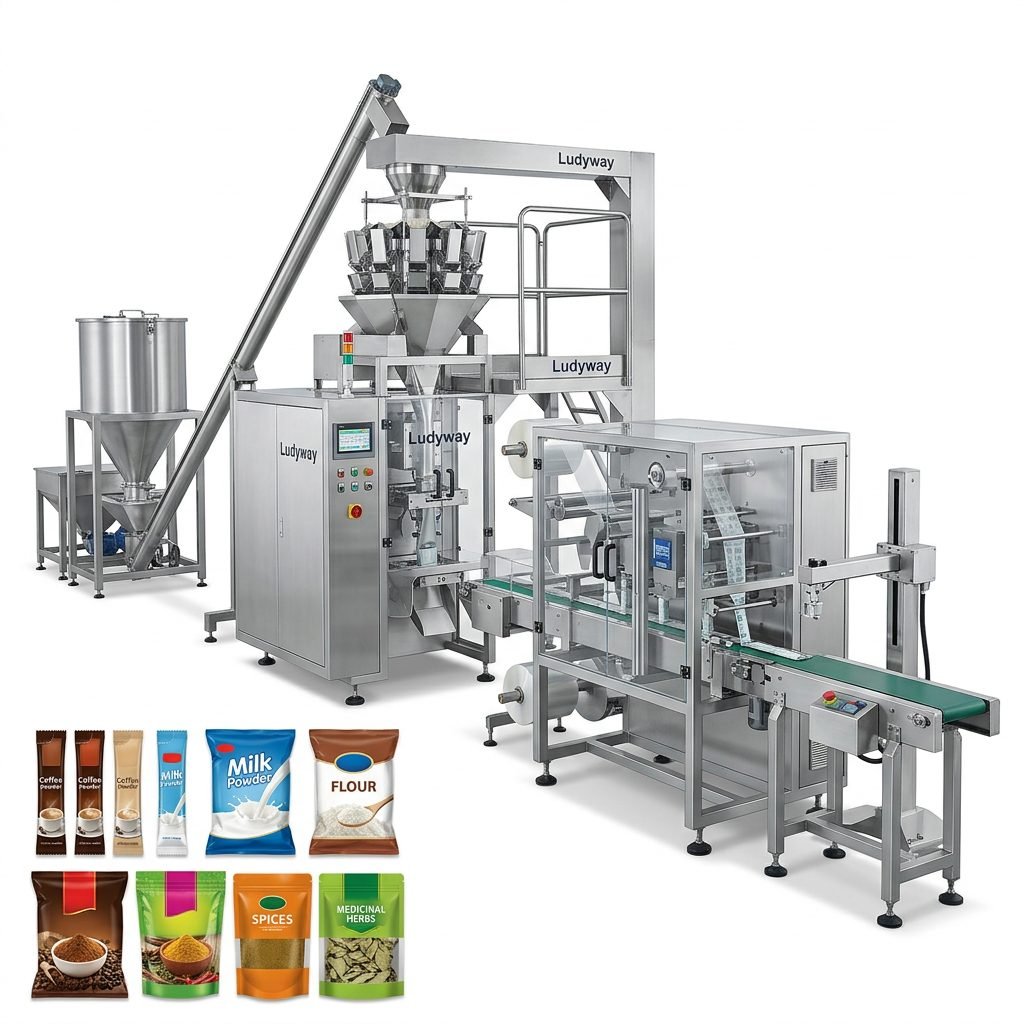
When evaluating machinery, don’t just look at the production speed. The precision and build quality define your long-term profitability. Pay close attention to these technical elements:
- Servo-Driven Systems: Ensures precise film tension, indexing, and filling accuracy, particularly vital for expensive milk powder ingredients.
- Filling Method: Auger fillers are standard for powder, but advanced volumetric or net-weighing systems greatly enhance accuracy.
- Construction: Opt for stainless steel (SS304 or higher) with washdown capabilities to meet strict food safety regulations easily.
- Gas Flushing: Inert gas flushing (Nitrogen) extends shelf life, crucial for export markets requiring long shipping times.
Global Compliance and Industry Standards
If you are exporting to regulated markets like North America or Europe, compliance is non-negotiable. Your packaging hardware should support your overall certification goals. Review these critical resources and standards:
- Understand the latest PMMI State of the Industry Reports to benchmark automation trends.
- Ensure machines facilitate FDA compliance for Food Packaging and Food Contact Substances.
- Refer to Flexible Packaging Association Industry Resources for material compatibility insights.
- Machines should support ISO standards for packaging, ensuring global interoperability.
Evaluating the Supplier: Long-Term Partnership Value
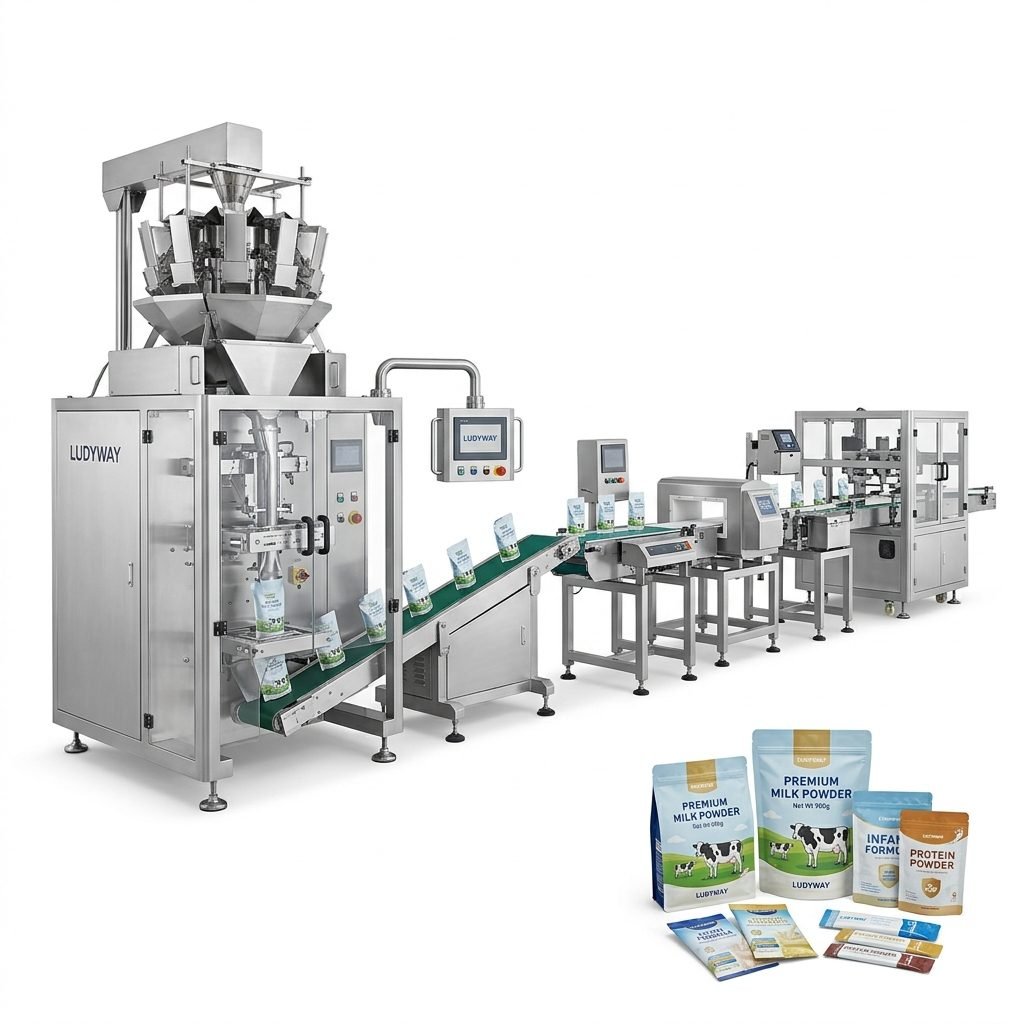
Choosing the right manufacturer impacts your success far beyond the initial installation. A reliable partner provides turnkey solutions, not just a standalone unit. Look for a supplier with a robust track record and global service capability. Ludyway, one of the largest packaging machine manufacturers in China, exemplifies this by specializing in advanced packaging equipment and turnkey production solutions. With over 30 years of experience, a 20,000㎡ manufacturing facility, and a portfolio of over 50 intelligent models serving 100+ countries, a partner like Ludyway ensures your sachet packaging machine or multi-lane line is built for the challenges of high-volume dairy production.
Cost Analysis: Calculating Total Cost of Ownership
Don’t be swayed by the upfront price tag alone. A cheaper machine that lacks precision can waste thousands of dollars in product giveaway and downtime. Use the table below to analyze the total cost of ownership (TCO) between different machine categories:
| Cost Factor | Standard Machine | High-End Automated Line |
|---|---|---|
| Initial Investment | Lower | Higher |
| Fill Accuracy | ±2-3% | ±0.5-1% |
| Material Waste | High | Very Low |
| Labor Requirements | 3-4 operators | 1 operator |
Key Features Checklist Before You Buy
Before finalizing your purchase, download or cross-reference this checklist to ensure your chosen machine meets the modern packaging landscape’s demands:
- Automatic Registration & Tension Control: To maintain perfect seal alignment without manual adjustments.
- Easy No-Tool Changeover: Critical if you run multiple SKUs or bag sizes.
- Integrated Date Coding: Ensures traceability and regulatory compliance.
- Remote Diagnostics: Solves 90% of software issues without waiting for an on-site engineer.
Choosing a packaging machine requires balancing technical specs, global compliance, and supplier reliability. By focusing on the specific needs of milk powder—such as dust control, filling precision, and format flexibility—and referencing vital industry data from organizations like PMMI and the Flexible Packaging Association, you can make an informed decision that drives growth for years to come.