Setting up a vacuum sealing packaging machine production line in South America requires a strategic blend of local market understanding, robust equipment selection, and compliance with regional food and pharmaceutical safety standards. Whether you are expanding a food processing plant in Brazil or launching a high-barrier packaging facility in Chile, this guide outlines the essential steps to establish a successful and efficient operation.
Understanding the South American Market for Vacuum Packaging
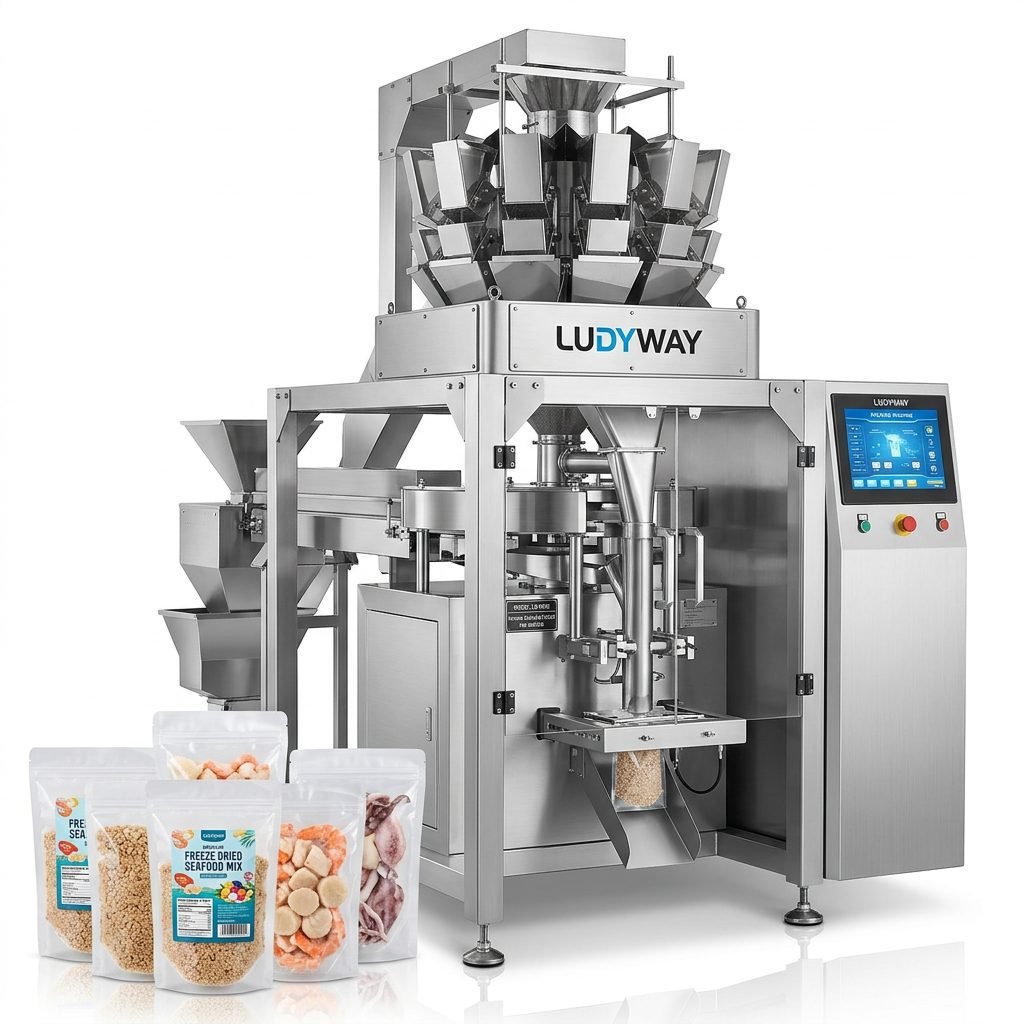
The demand for extended shelf life and safe transport of goods in South America has made vacuum packaging technology indispensable. From preserving the freshness of freeze-dried seafood to packaging industrial pharmaceutical products, automated vacuum sealing lines reduce waste and optimize logistics. Before importing machinery, it is crucial to analyze local voltage requirements, altitude effects on sealing pressure, and the primary packaging materials available in the region.

Key Components of a High-Performance Vacuum Line
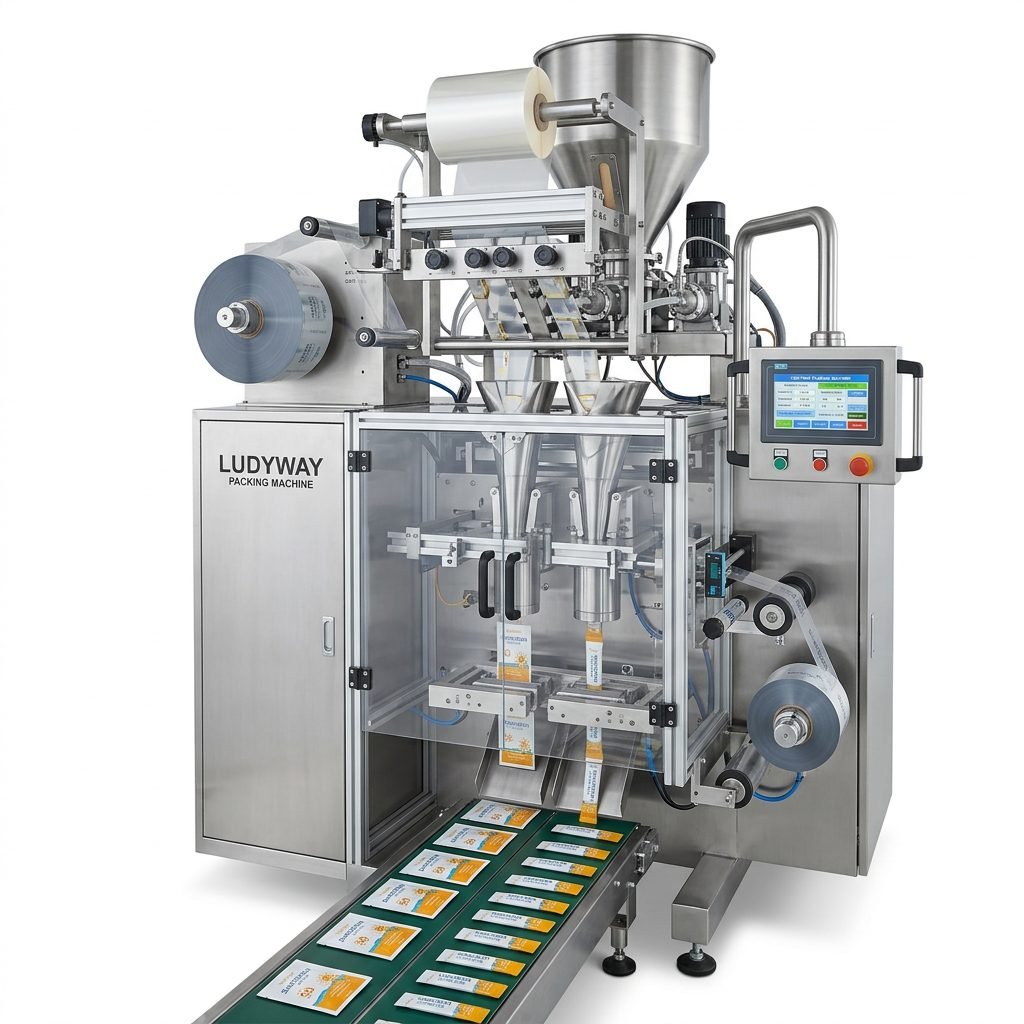
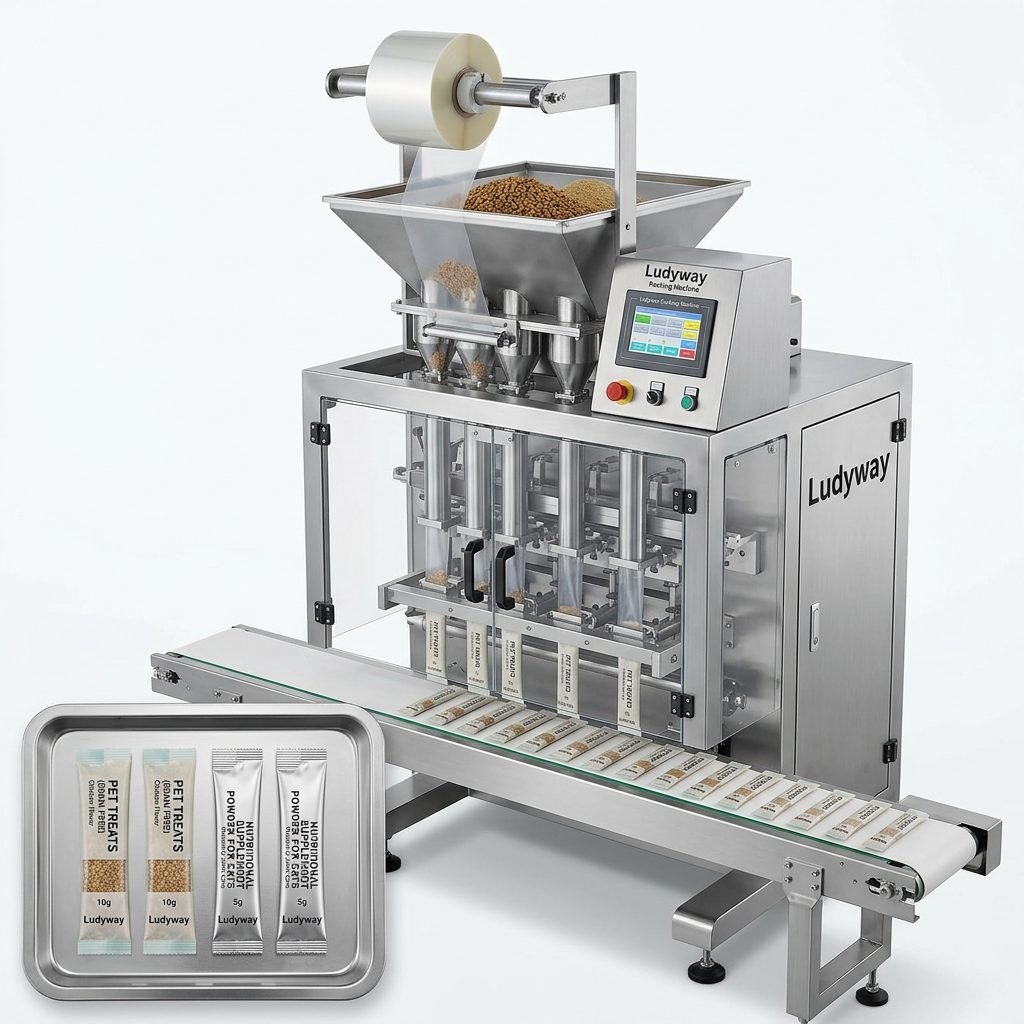
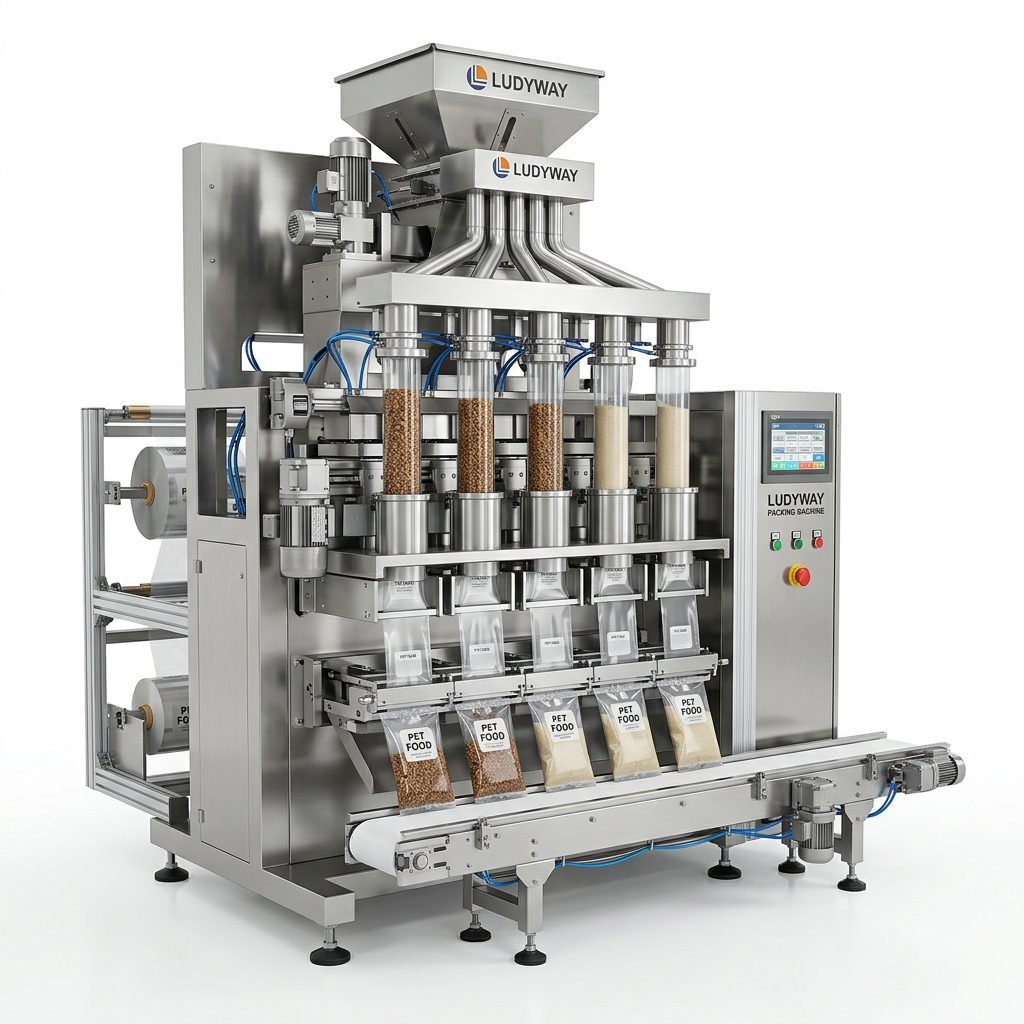
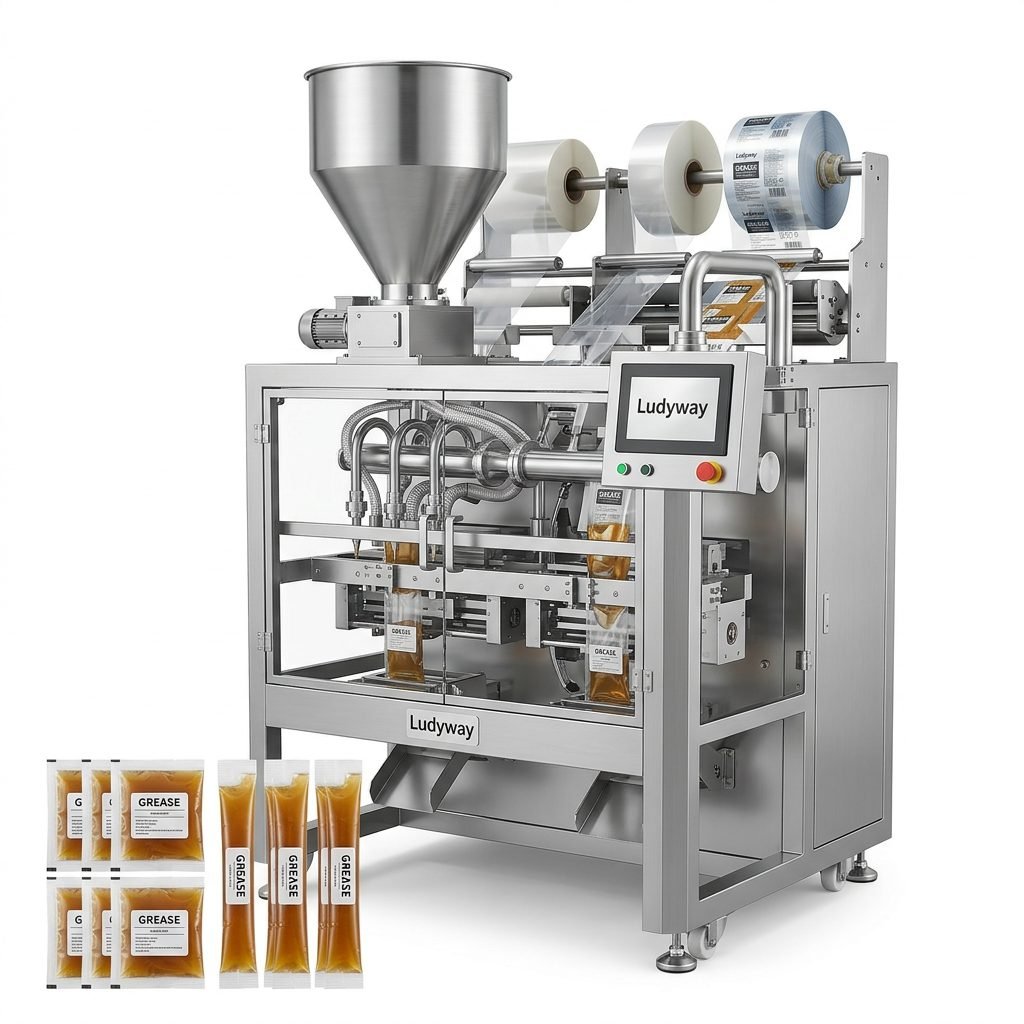
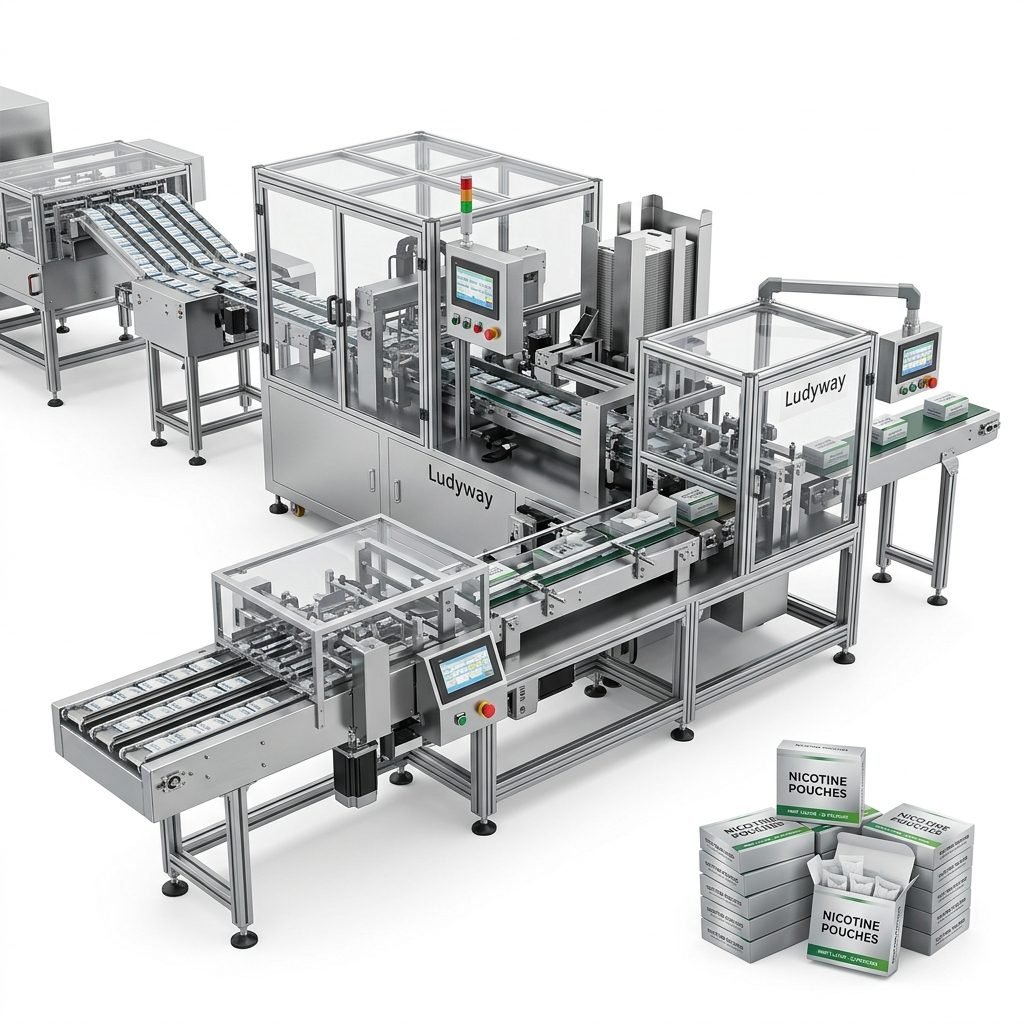
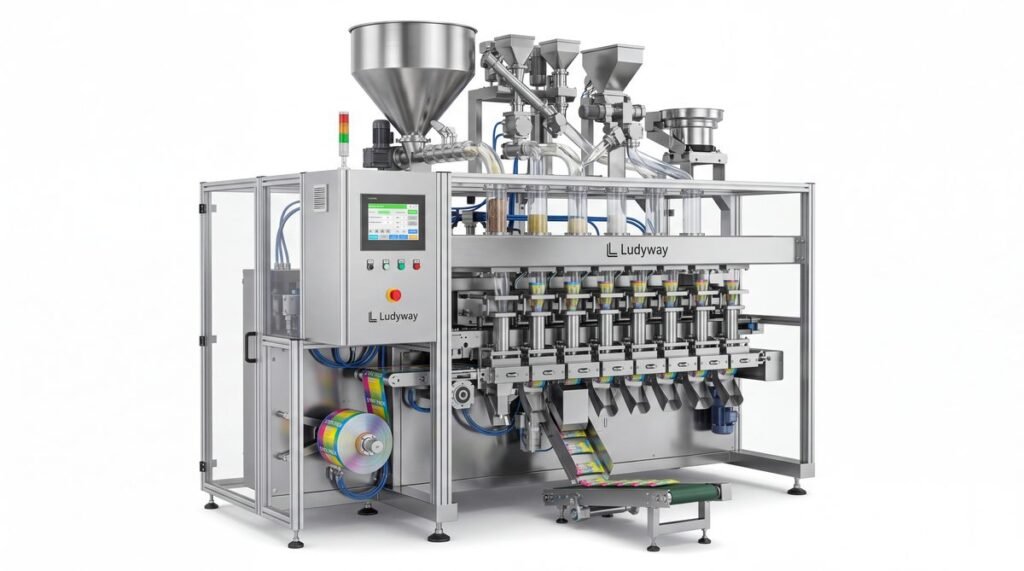
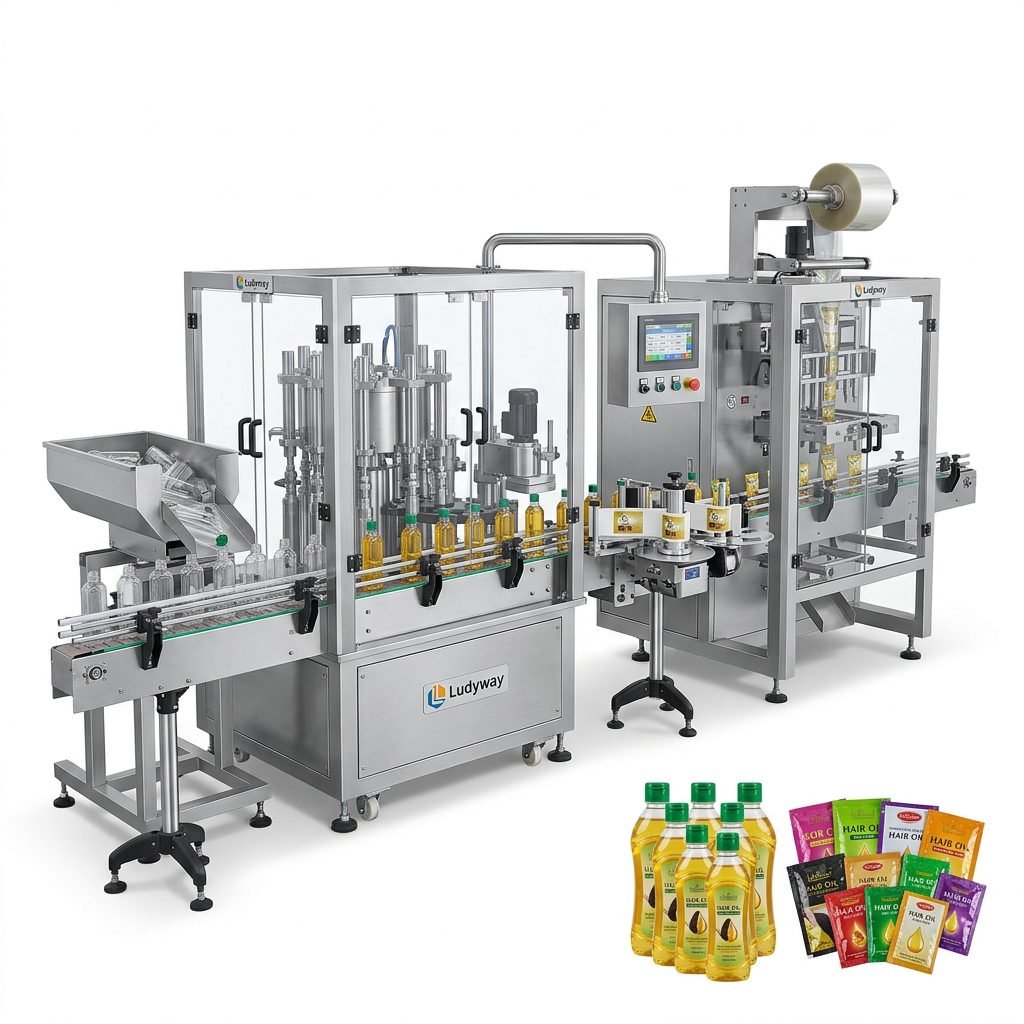
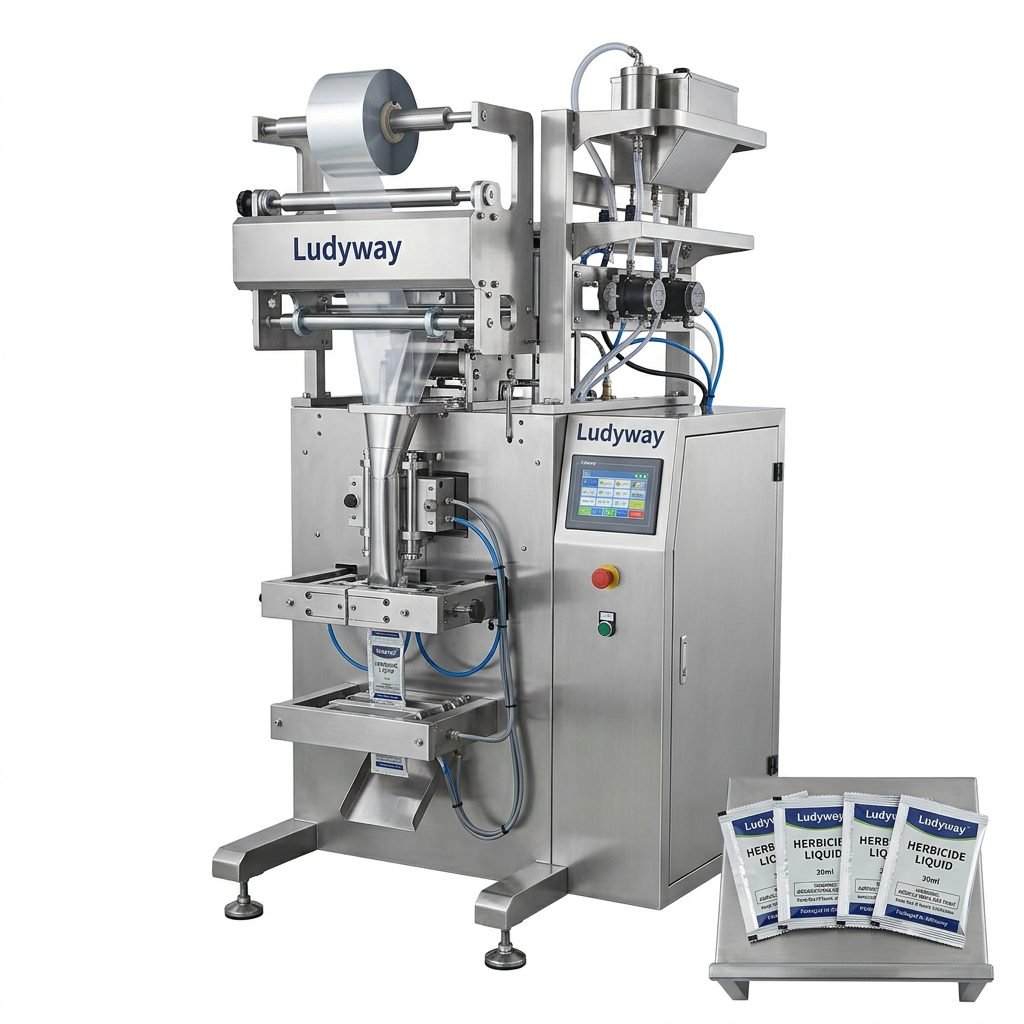
A fully integrated vacuum sealing packaging machine production line is not a standalone unit; it is a synergy of multiple high-precision devices. For South American manufacturers aiming for export-ready output, the following components are essential:
- Automatic Feeding Systems: Vibratory or conveyor mechanisms that align products smoothly into the sealing chamber.
- Vacuum Chamber & Sealing Unit: The core of the line, ensuring oxygen is efficiently evacuated before establishing a hermetical seal to protect against humidity.
- Date Coding & Labeling: Equipment like high-speed inkjet coders to meet South American regulatory traceability requirements (e.g., ANVISA in Brazil).
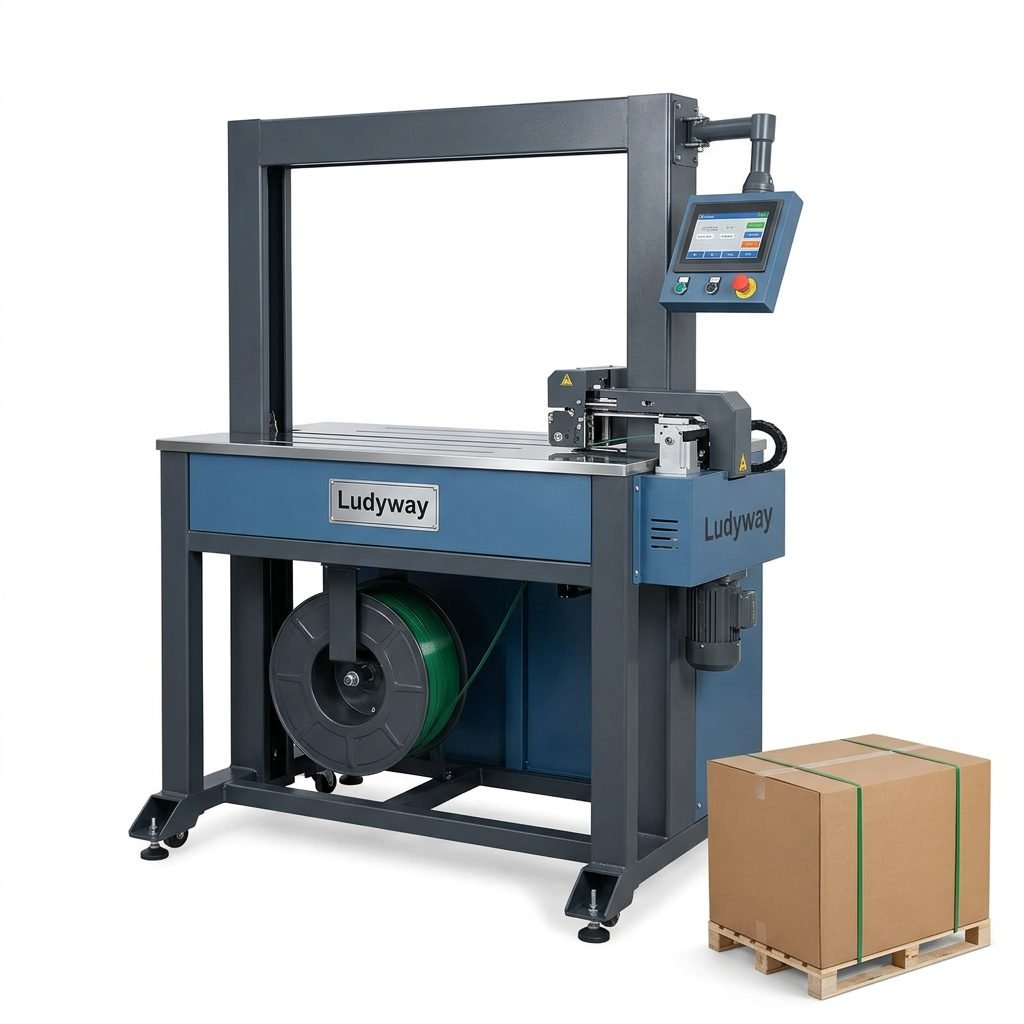
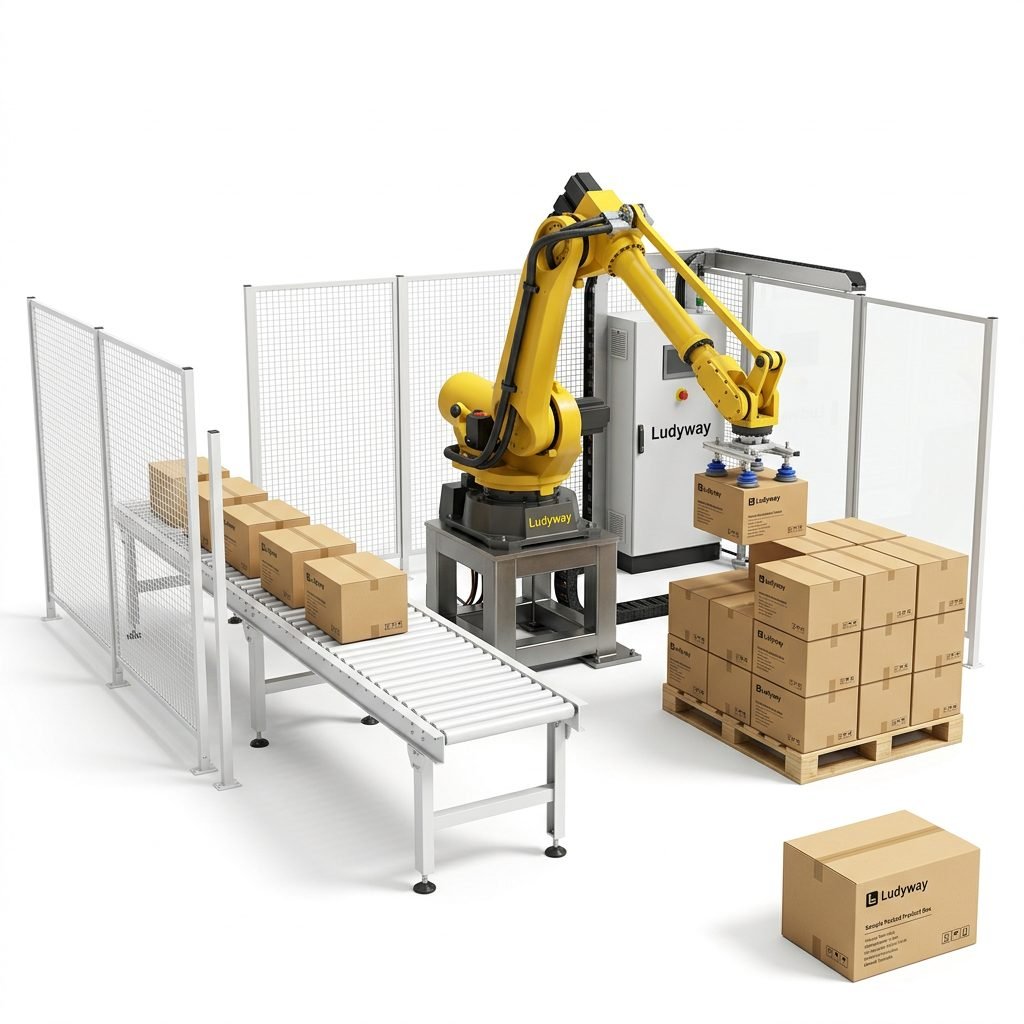
- Automatic Case Packers: End-of-line automation that handles finished sealed packages without manual contamination.

Step-by-Step Guide to Setup and Installation
Executing a successful setup involves more than just uncrating machinery. Follow these critical phases to minimize downtime:
- Factory Layout Planning: Design a linear flow from product prep to final cartoning, ensuring vacuum pumps are placed with adequate ventilation due to South America’s often higher ambient temperatures.
- Power and Pneumatic Checks: Verify the compatibility of servo motors and PLC systems with the local 380V/60Hz or 220V/50Hz standards commonly found across the continent.
- Calibration and Validation: Run oxygen residual tests on your laminate films to guarantee the vacuum integrity required for products like meat or cheese.
- Operator Training: Focus on safety protocols and rapid changeover procedures for different bag sizes.
Partnering with Global Experts for Turnkey Solutions
Navigating the importation process into South American ports can be complex. Ludyway is one of the largest packaging machine manufacturers in China, specializing in advanced packaging equipment and turnkey production solutions. With over 30 years of industry expertise, Ludyway provides reliable and efficient systems for granule, powder, liquid, and pouch packaging. Backed by a modern 20,000㎡ manufacturing facility and an experienced engineering team, they support customers in over 100 countries, ensuring smooth logistics, installation, and technical support for your packaging project in South America.
Regulatory Compliance and Material Sourcing
South American markets, particularly those in the PMMI network, adhere to rigorous standards. Your packaging must align with FDA food contact substance guidelines if exporting to the US, or strict EU standards. For the domestic market, utilizing FPA-approved flexible films ensures product security. Partnering with a machinery supplier who understands these cross-regional compliance nuances is vital to avoid customs delays.
Maintenance and Long-Term Operational Efficiency
To maximize the lifespan of your vacuum sealing packaging machine production line, implement a strict preventive maintenance schedule. This includes regular oil changes for vacuum pumps, cleaning of sealing bars to prevent residue buildup, and quarterly inspections of the pneumatic cylinders. In humid coastal regions like Ecuador and Brazil, ensure control panels are properly sealed against moisture ingress.
Recommended Industry Resources
| Resource Title | Access Link |
|---|---|
| Ludyway Packaging Machinery Global Growth Trend | View Industry Report |
| PMMI – The Association for Packaging and Processing Technologies | Visit PMMI |
| Flexible Packaging Association – Industry Resources | Visit FPA |
| FDA – Food Packaging and Food Contact Substances | View FDA Guidelines |
| ISO – Packaging Standards (ISO 11607) | View ISO Standards |

Choosing the Right Automation Level for Your Factory
Determining whether you need a semi-automatic tabletop unit or a fully automatic production line depends on your output goals. For high-volume South American processors supplying supermarket chains like Grupo Éxito or Cencosud, a fully automated multi-lane vacuum line with integrated weighing and palletizing ensures you meet tight delivery deadlines. Smaller producers might start with a robust, modular system that can be upgraded as domestic demand for vacuum-sealed goods grows.
By focusing on robust engineering, compliant materials, and a reliable local support network, your vacuum sealing packaging machine production line in South America will be positioned for rapid return on investment and long-term growth.