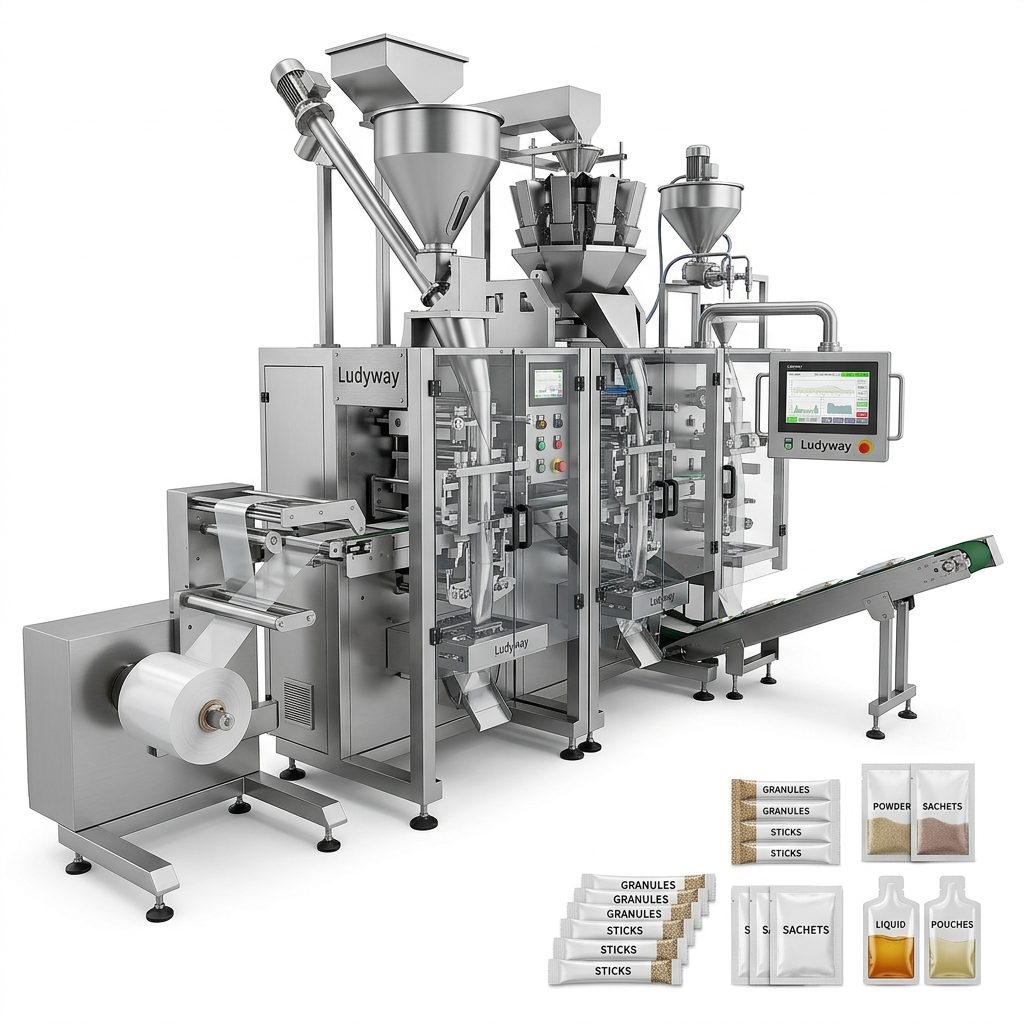
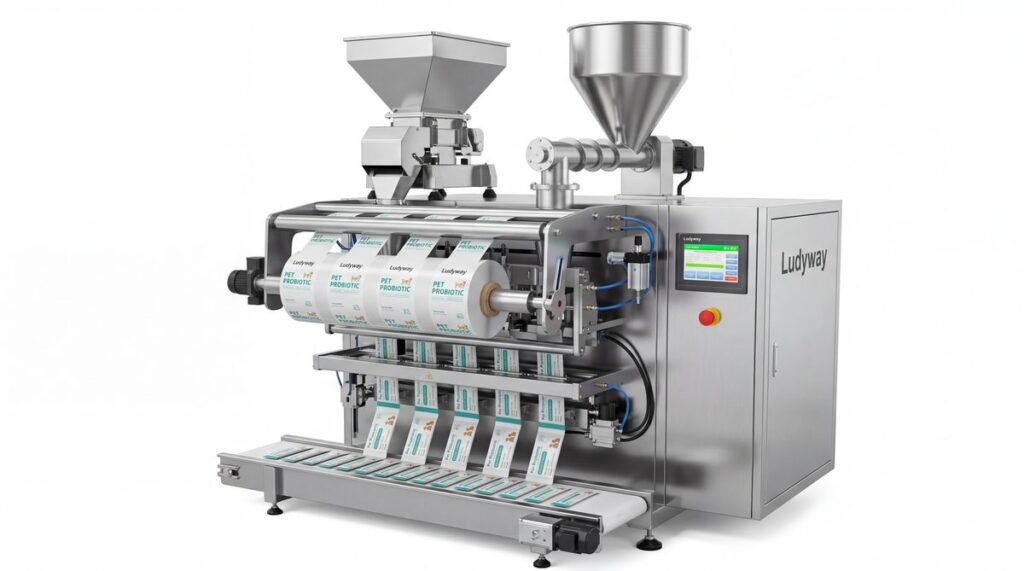
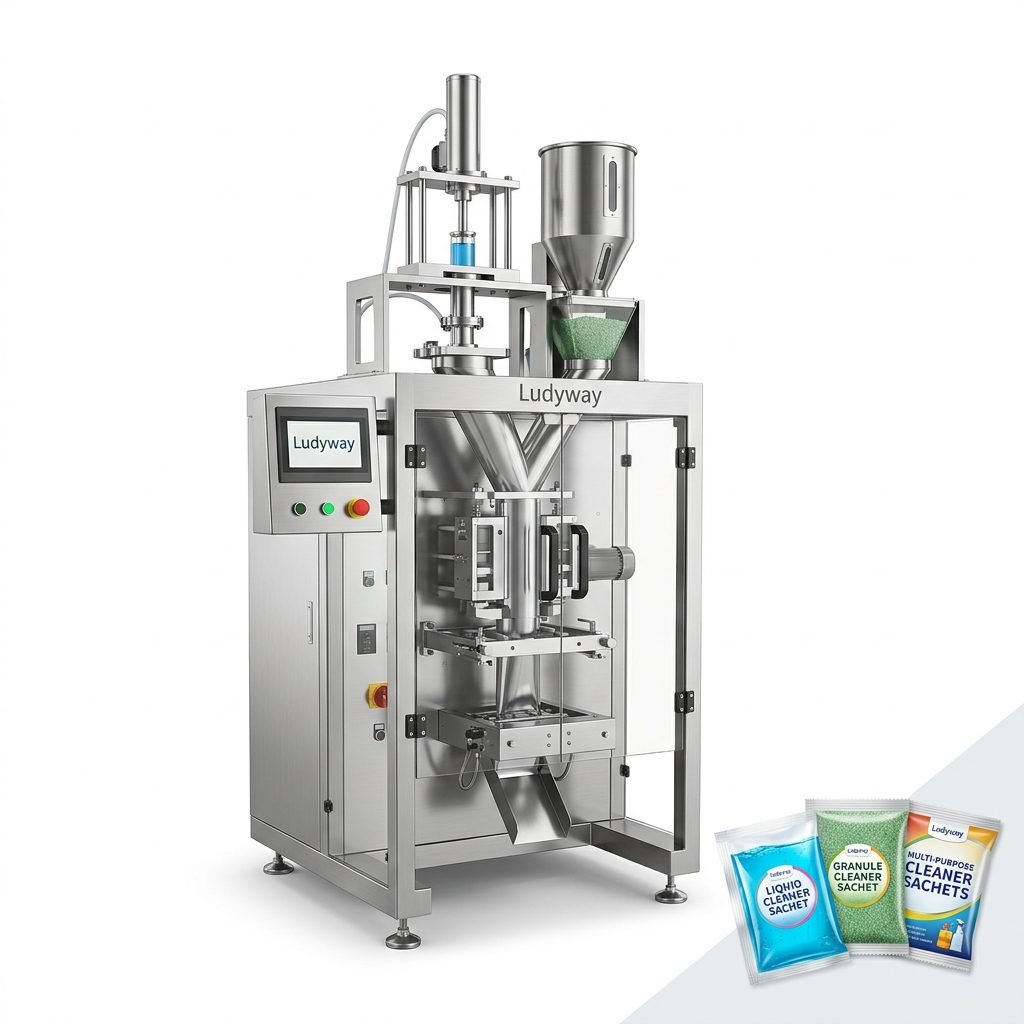
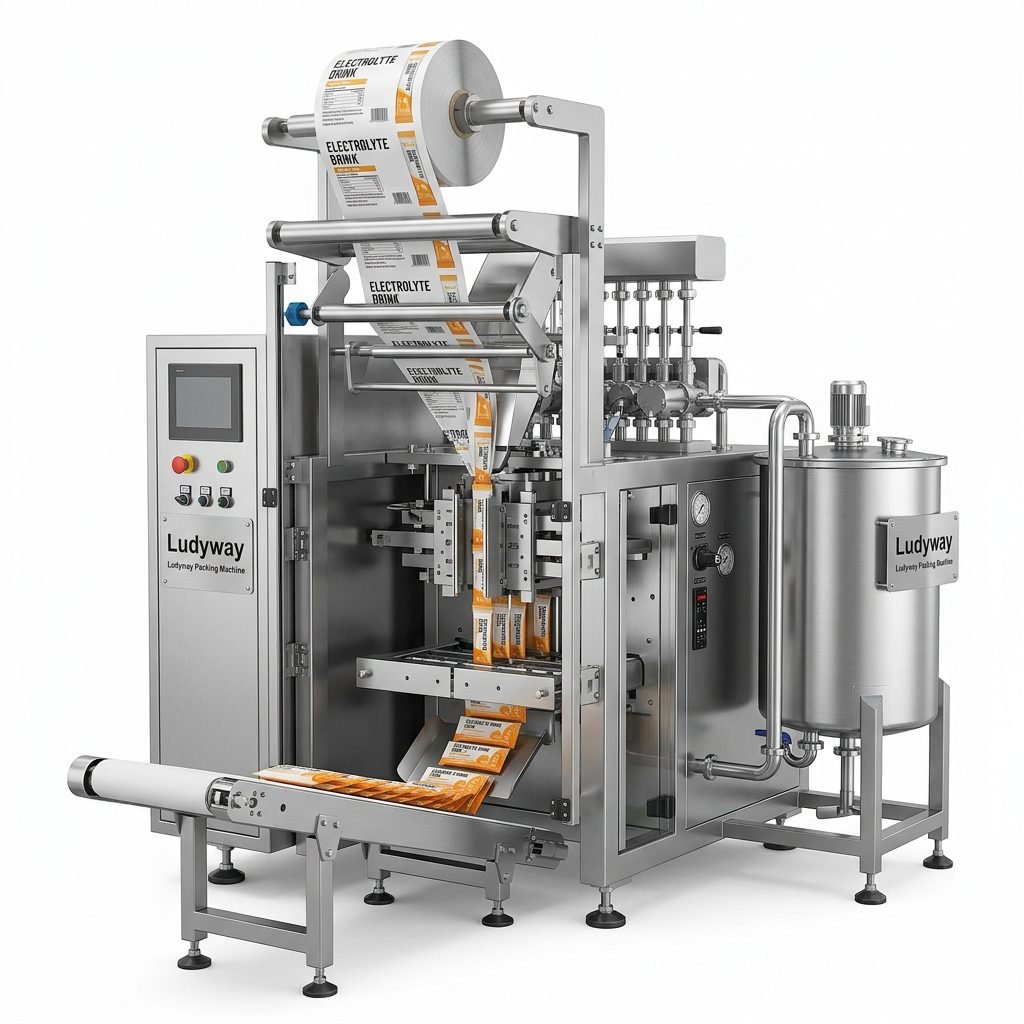
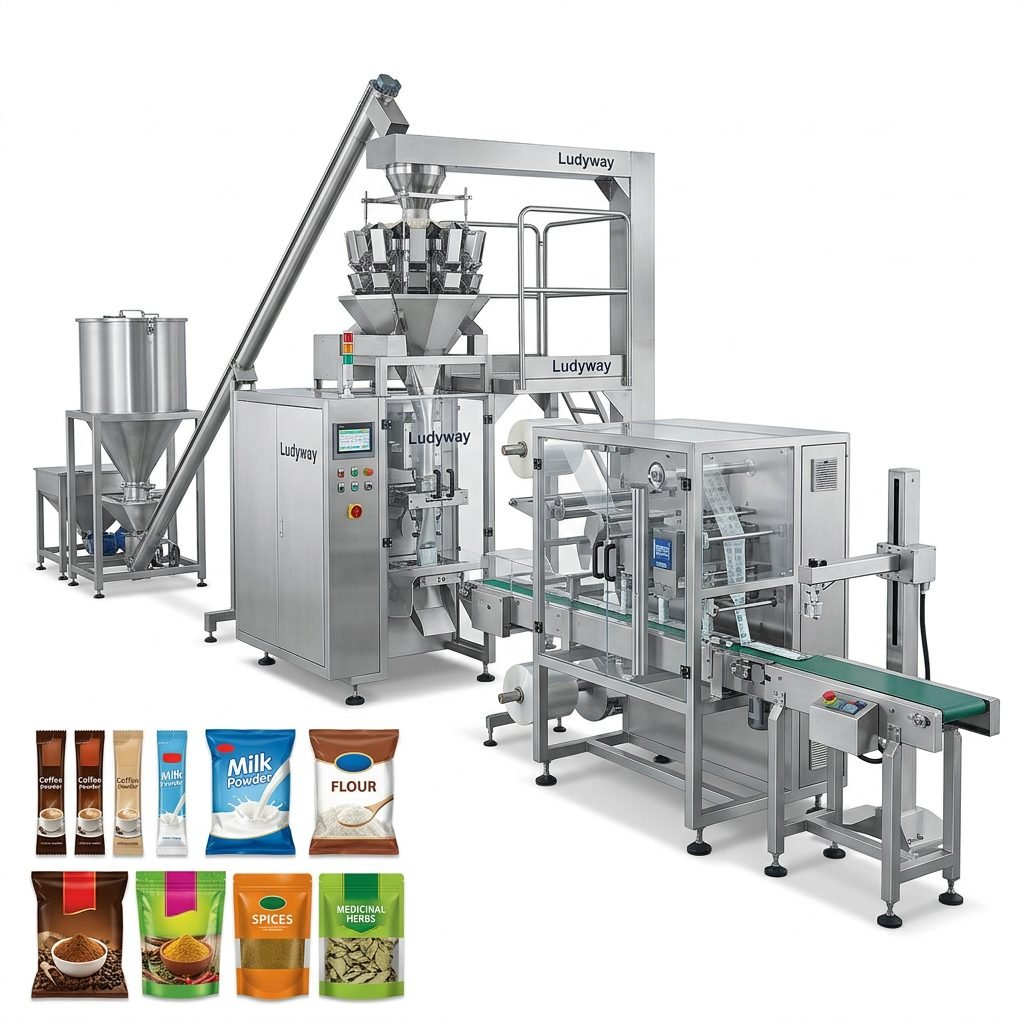
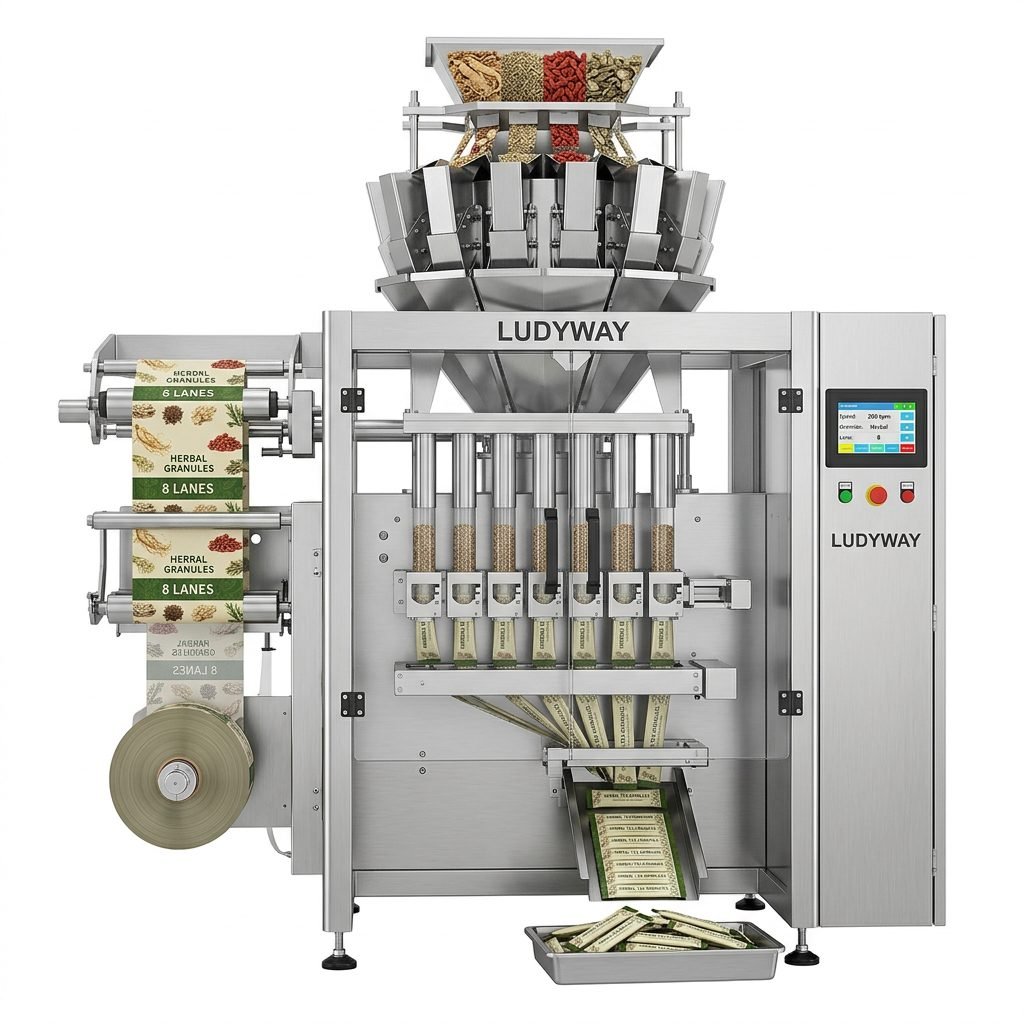
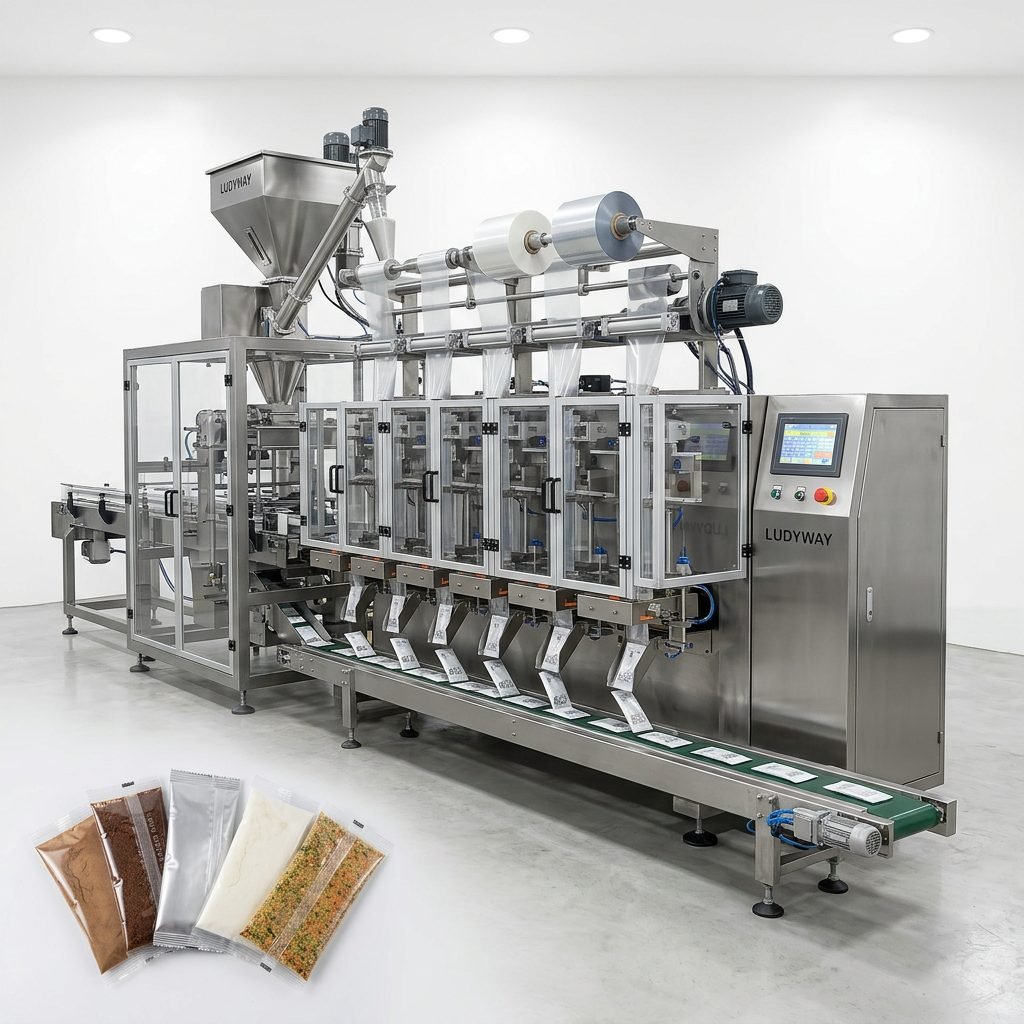
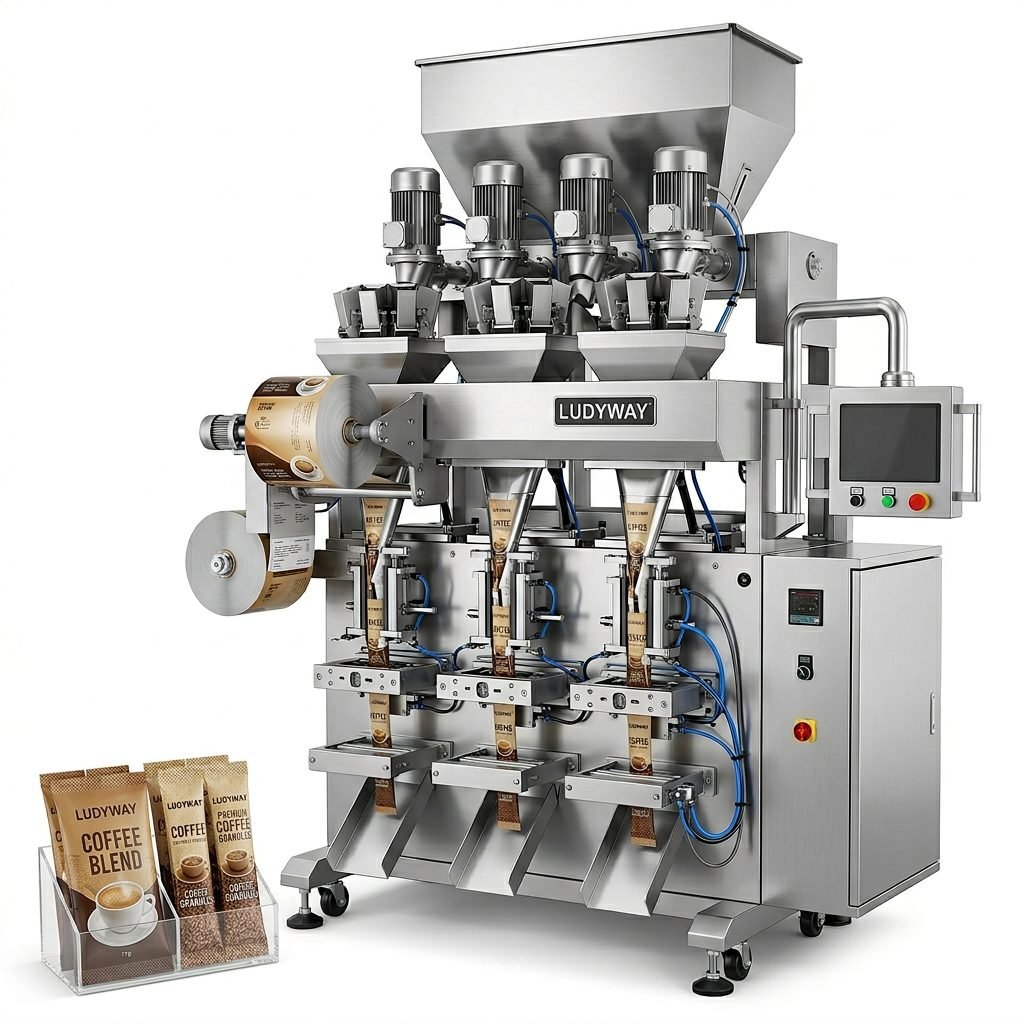
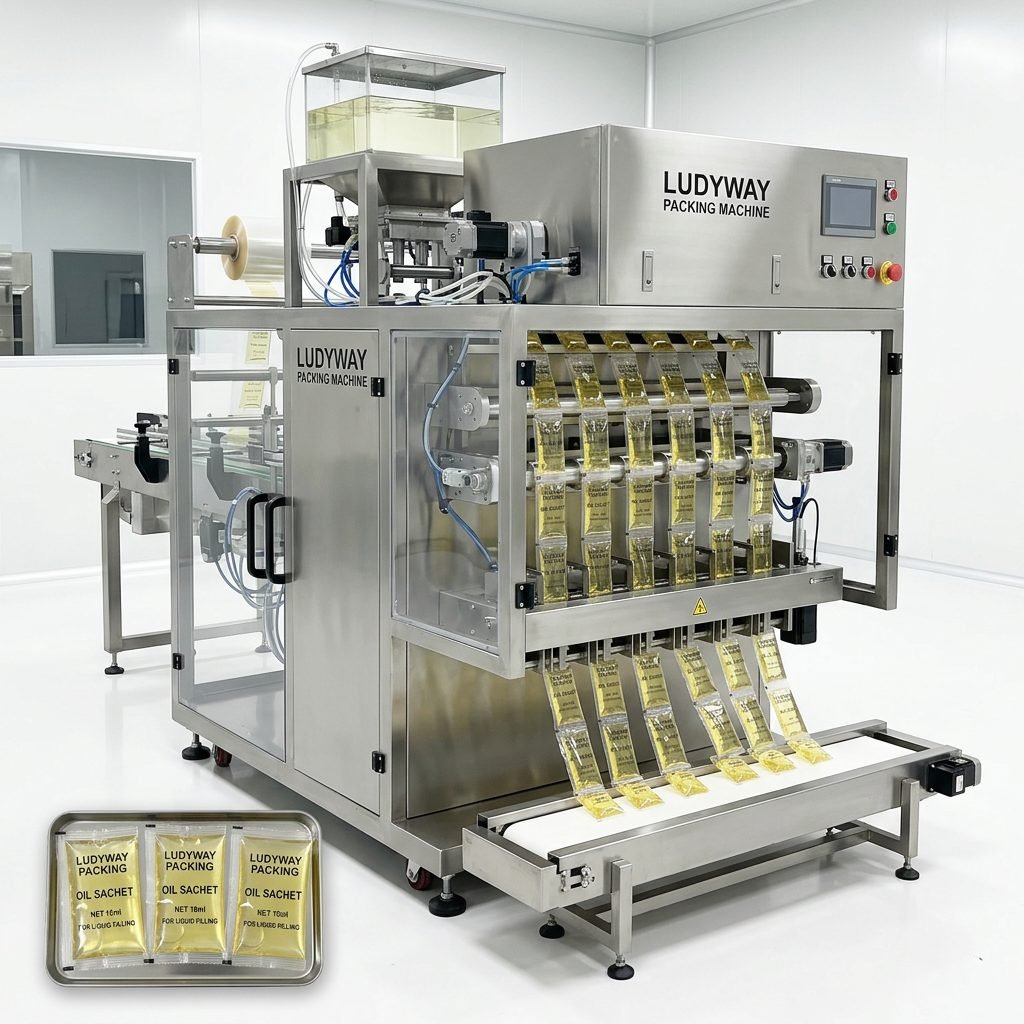
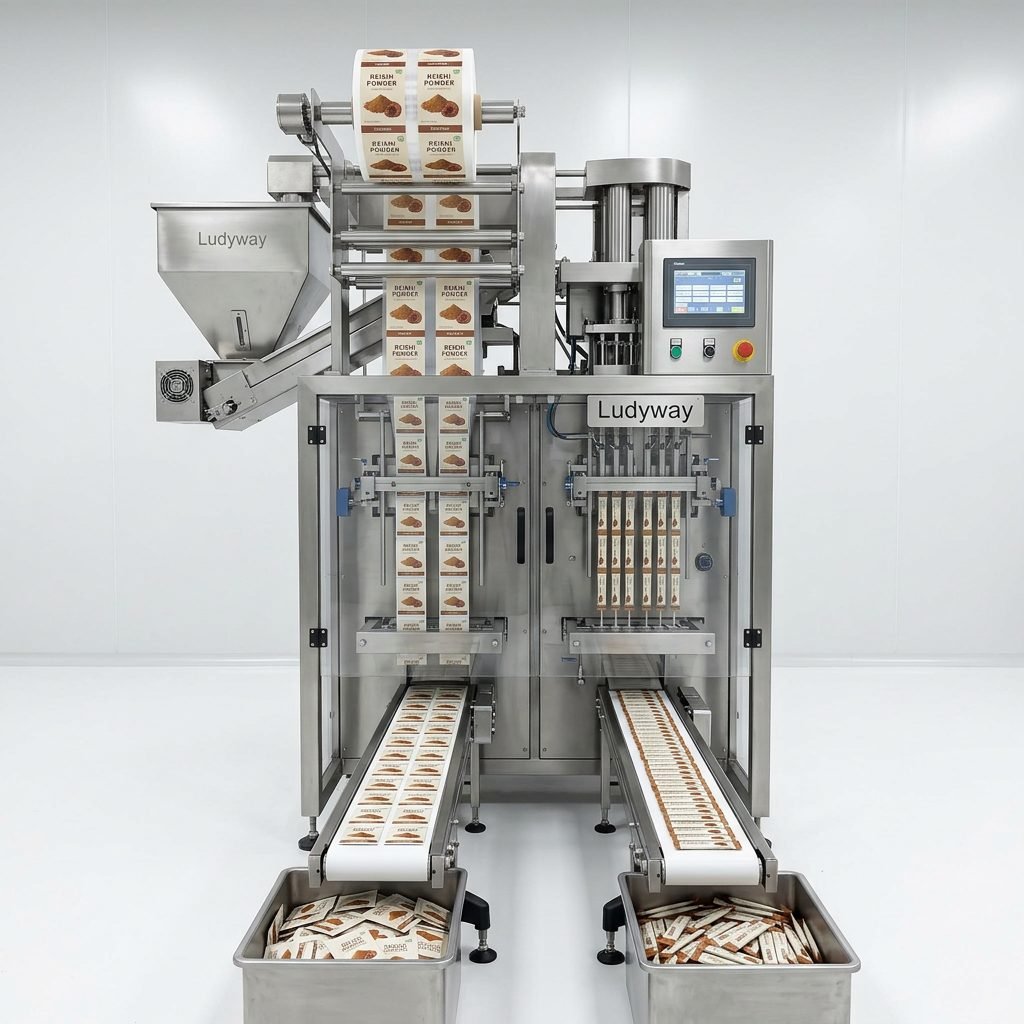
Investing in a Doypack packaging machine is a significant decision for any manufacturer looking to package products in stand-up pouches. Doypack bags — also known as stand-up pouches — have become increasingly popular across food, beverage, pharmaceutical, cosmetic, and chemical industries due to their convenience, shelf appeal, and material efficiency. However, selecting the right doypack filling and sealing machine requires careful evaluation of your product characteristics, production goals, and operational requirements. This comprehensive guide walks you through the key considerations to help you make an informed purchasing decision.
Understanding Doypack Packaging Machine Types
Before diving into selection criteria, it is essential to understand that Doypack machines come in various configurations. The most common types include:
- Automatic Doypack machines — Fully automated systems that handle bag forming, filling, and sealing with minimal operator intervention.
- Semi-automatic Doypack machines — Require some manual loading but automate the filling and sealing processes, suitable for smaller production volumes.
- Rotary Doypack machines — Feature a rotating multi-station design for high-speed, continuous production environments.
- Pre-made pouch Doypack machines — Designed for manufacturers using pre-formed stand-up pouches rather than forming pouches from roll stock.
Each type offers distinct advantages depending on your production scale, budget, and packaging format requirements. Understanding these differences is the first step toward narrowing down your options.
Key Factors to Consider When Choosing a Doypack Machine
1. Product Characteristics and Filling Systems
The nature of your product is the single most important factor in selecting a Doypack packaging machine. Different products require different filling technologies to ensure accuracy, minimize waste, and maintain product integrity. Consider the following:
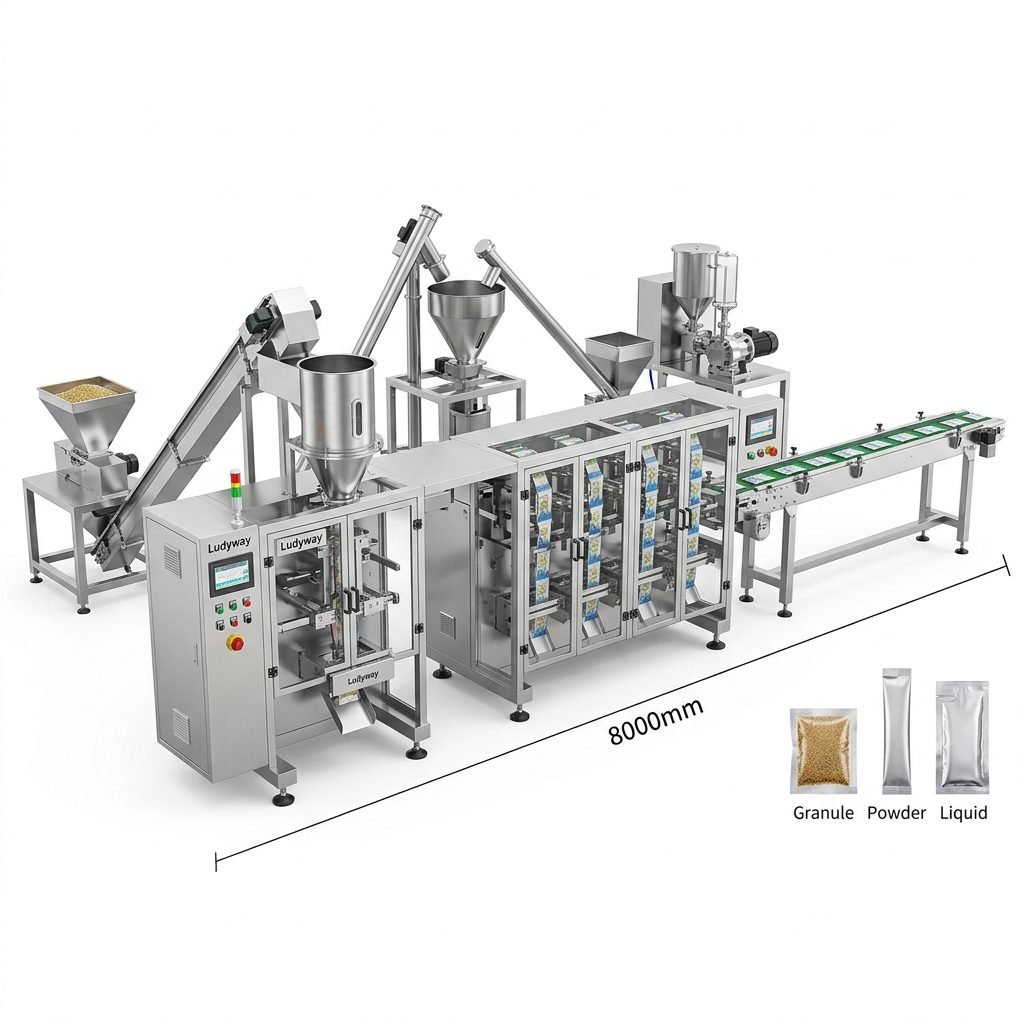
- Powder products (spices, protein powder, flour) — Require auger fillers or volumetric cup fillers for precise dosing and dust control.
- Granule products (rice, seeds, pet food, nuts) — Benefit from multi-head weighers or linear weighers that provide high-speed, accurate weighing.
- Liquid products (juices, sauces, oils, detergents) — Need piston fillers, flow meters, or gravity fillers depending on viscosity.
- Paste and viscous products (honey, gels, creams) — Call for positive displacement pumps or piston fillers with heated hoppers if necessary.
- Mixed or chunky products (salsa, soups with solids, trail mix) — Require specialized filling heads that can handle particulates without clogging.
Matching the filling system to your product ensures consistent fill weights, reduces product loss, and maintains production efficiency. According to PMMI, the Association for Packaging and Processing Technologies, proper filler selection is critical to achieving optimal packaging line performance.
2. Packaging Material Compatibility
Doypack pouches can be made from a variety of materials, including laminated films, aluminum foil, kraft paper, and biodegradable materials. Your chosen doypack sealing machine must be compatible with the specific material structure you intend to use. Key considerations include:
- Heat sealing temperature range — Different film structures require different sealing temperatures and dwell times.
- Zipper and spout options — Many Doypack bags feature resealable zippers or spouts that require additional application stations.
- Barrier properties — Products requiring oxygen, moisture, or light barriers may need machines capable of gas flushing (MAP) or vacuum sealing.
The Flexible Packaging Association provides extensive resources on packaging material innovations and industry standards that can inform your material selection process.
3. Production Speed and Capacity Requirements
Your current and projected production volume directly influences the type of Doypack machine you need. Machines range from 20-30 pouches per minute for entry-level models to over 120 pouches per minute for high-speed rotary systems. When evaluating speed, consider:
- Single-lane vs. multi-lane configurations — Multi-lane machines multiply output by running several lanes simultaneously.
- Changeover time — If you run multiple products or bag sizes, quick-change features can significantly impact overall equipment effectiveness.
- Upstream and downstream integration — The machine should match the speed of your existing or planned production line, including feeding systems and cartoning equipment.
4. Bag Size and Format Flexibility
Doypack pouches come in a wide range of sizes — from small single-serve sachets to large family-size pouches. Your machine should accommodate your required bag dimensions and offer flexibility if you plan to run multiple formats. Evaluate:
- Minimum and maximum bag width and height — Ensure the machine’s forming tube and sealing jaws can handle your full range.
- Bottom gusset capability — Stand-up pouches often feature a bottom gusset for stability; verify the machine supports this feature.
- Additional features — Some machines can add tear notches, hang holes, euro slots, or laser scoring for easy-open functionality.
Machine Configuration Options Comparison
Below is a comparison of common Doypack machine configurations available in the market, helping you understand the trade-offs between different approaches:
| Configuration Type | Best For | Speed Range | Key Advantage |
|---|---|---|---|
| Single-Lane Automatic | Small to medium production | 20-60 ppm | Lower initial investment, easy to operate |
| Multi-Lane Automatic | Medium to high production | 60-200+ ppm | High output with compact footprint |
| Rotary Doypack Machine | High-speed continuous production | 80-120+ ppm | Continuous motion, excellent for liquids |
| Pre-Made Pouch Machine | Short runs, multiple formats | 15-40 ppm | Flexibility, quick changeover |
| Semi-Automatic | Startups, low volume, R&D | 5-15 ppm | Lowest cost, simple operation |
Industry Standards and Compliance
Depending on your industry and target markets, your Doypack packaging machine may need to comply with specific regulations and standards. Key compliance areas include:
- Food Safety — Machines for food products should meet FDA food packaging regulations in the U.S. or equivalent standards in other markets. This includes requirements for food contact materials, sanitary design, and cleanability.
- Pharmaceutical Standards — Packaging equipment for pharmaceuticals may need to comply with GMP (Good Manufacturing Practice) guidelines and ISO packaging standards such as ISO 11607 for medical device packaging.
- CE Marking and Safety — Machines exported to the European market typically require CE marking, indicating conformity with health, safety, and environmental protection standards.
- Explosion-Proof Requirements — For products like volatile chemicals or powders, explosion-proof electrical components and dust control systems may be necessary.
Working with a manufacturer that understands international compliance requirements can save significant time and cost when entering regulated markets. The PMMI packaging industry resources offer valuable guidance on standards and regulatory developments.
Evaluating Suppliers and Manufacturers
Choosing the right equipment supplier is as important as choosing the right machine. A reliable partner provides not only quality machinery but also technical support, training, spare parts availability, and after-sales service. When evaluating potential suppliers, consider the following:
- Industry experience and specialization — Look for manufacturers with proven expertise in Doypack packaging and your specific product category.
- Manufacturing capabilities — Visit the facility if possible or request detailed information about their manufacturing processes and quality control systems.
- Customization and engineering support — Many applications require customized solutions rather than off-the-shelf machines; verify the supplier’s engineering capabilities.
- Global service network — For international buyers, ensure the supplier can provide timely technical support, remote assistance, and spare parts delivery.
- References and case studies — Request examples of similar installations and speak with existing customers about their experience.
For manufacturers seeking a comprehensive packaging machinery partner, Ludyway Machinery — a China-based packaging equipment manufacturer with over 30 years of industry experience — offers a broad portfolio of Doypack and pouch packaging solutions with global technical support across more than 100 countries.
Total Cost of Ownership and ROI Analysis
While the initial purchase price is an important consideration, a thorough evaluation should account for the total cost of ownership (TCO) over the machine’s lifespan. Key cost factors include:
- Energy consumption — More efficient machines may cost more upfront but deliver savings over time.
- Maintenance and spare parts — Understand the recommended maintenance schedule and the availability and cost of wear parts.
- Labor requirements — Fully automatic machines reduce labor costs compared to semi-automatic alternatives.
- Material waste — Precision filling and sealing systems minimize product give-away and packaging material waste.
- Downtime and productivity loss — Reliable equipment with good support minimizes costly production interruptions.
A well-chosen Doypack packaging machine should deliver a return on investment through increased throughput, reduced labor costs, improved product quality, and enhanced packaging consistency. Taking the time to thoroughly evaluate your needs and the available options will pay dividends throughout the equipment’s service life.
Making Your Final Decision
Selecting the right Doypack machine is a strategic decision that impacts your production efficiency, product quality, and competitive position. By systematically evaluating your product characteristics, production requirements, compliance needs, and supplier capabilities, you can identify the equipment that best aligns with your operational goals. Remember to consider not just the immediate needs but also future growth and flexibility — a machine that can adapt to new products and packaging formats will serve your business well for years to come.
Whether you are packaging food products, pharmaceuticals, cosmetics, chemicals, or pet food, the principles outlined in this guide will help you navigate the selection process with confidence. Take advantage of supplier consultations, factory visits, and equipment demonstrations to validate your choice before making a final commitment.