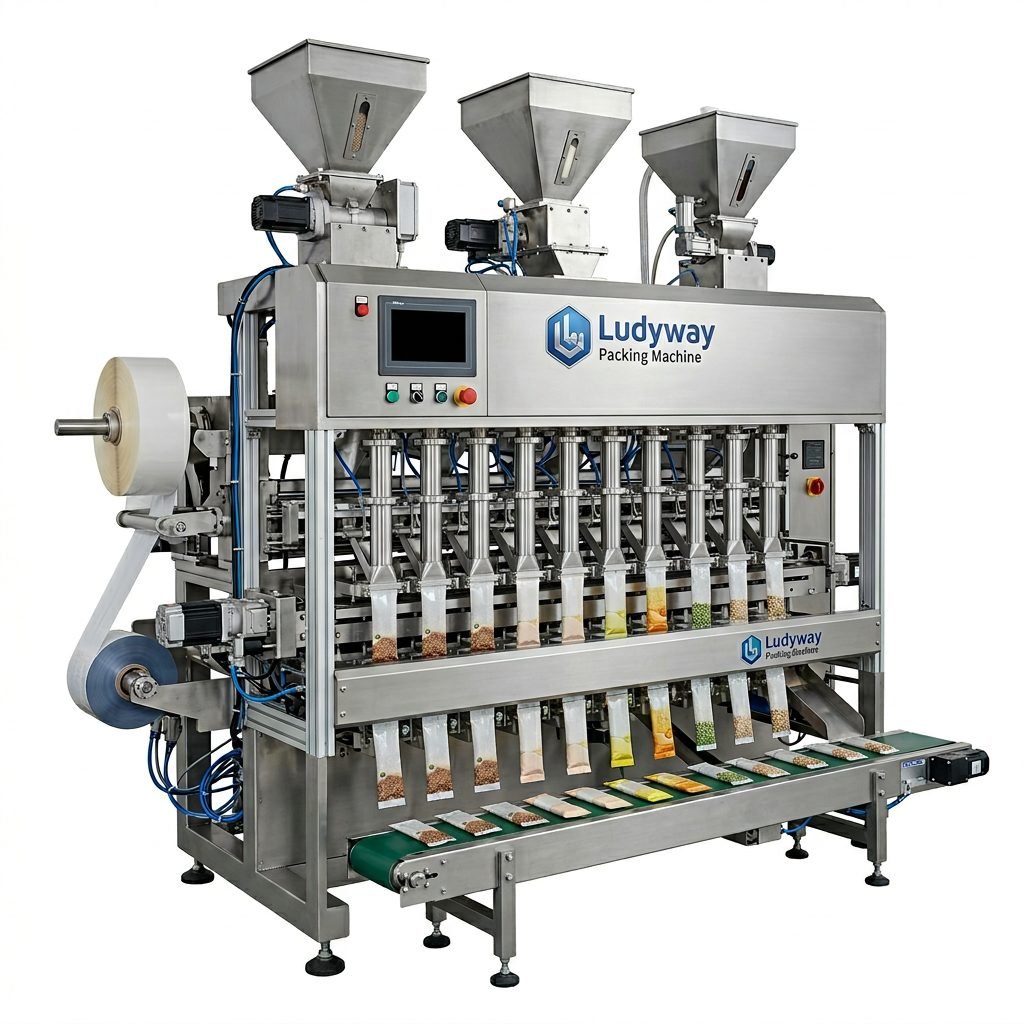
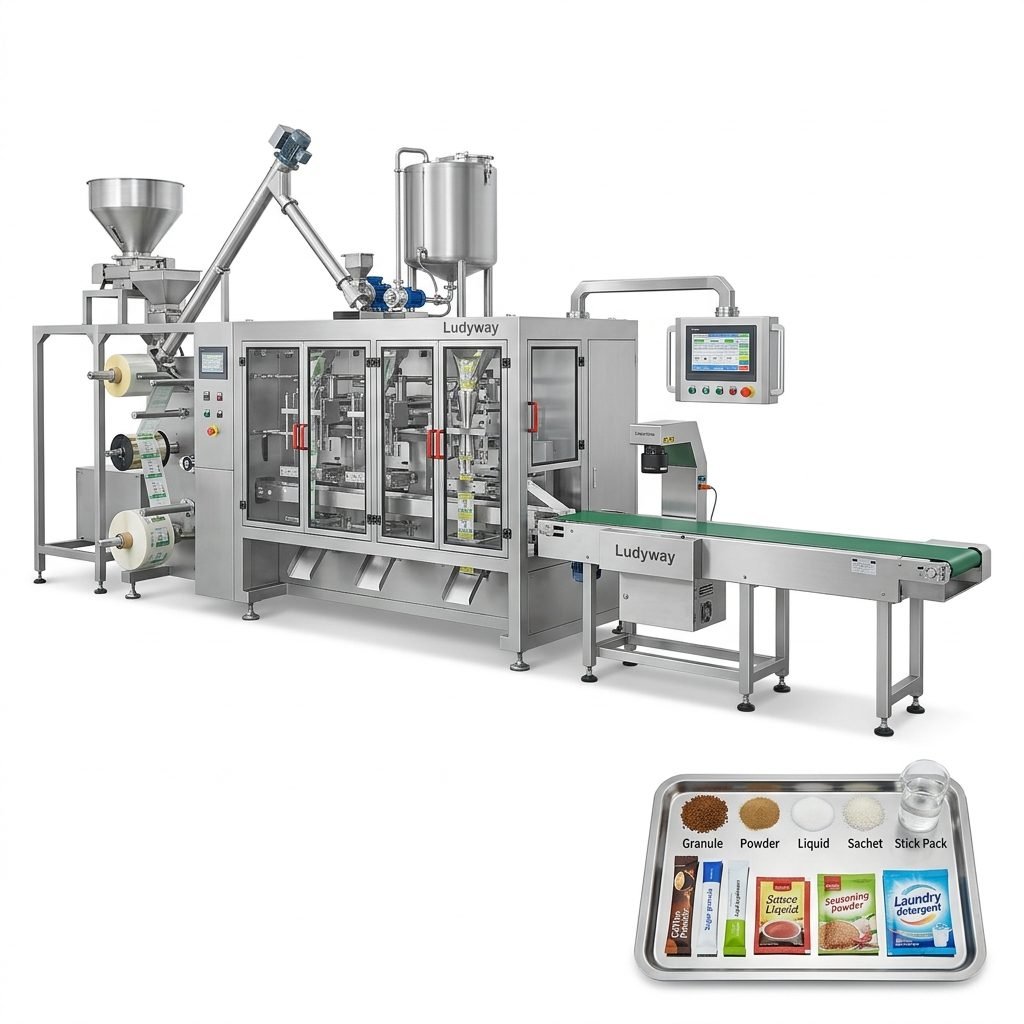
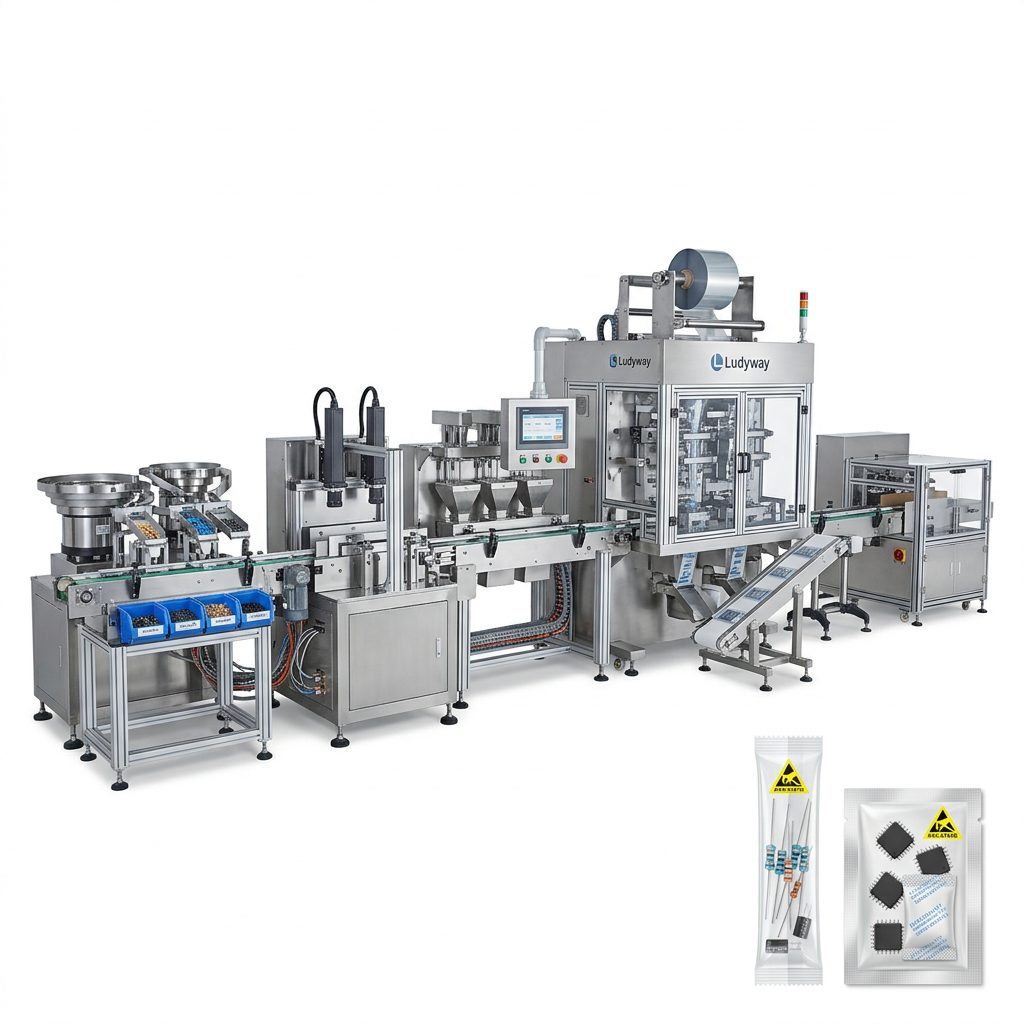
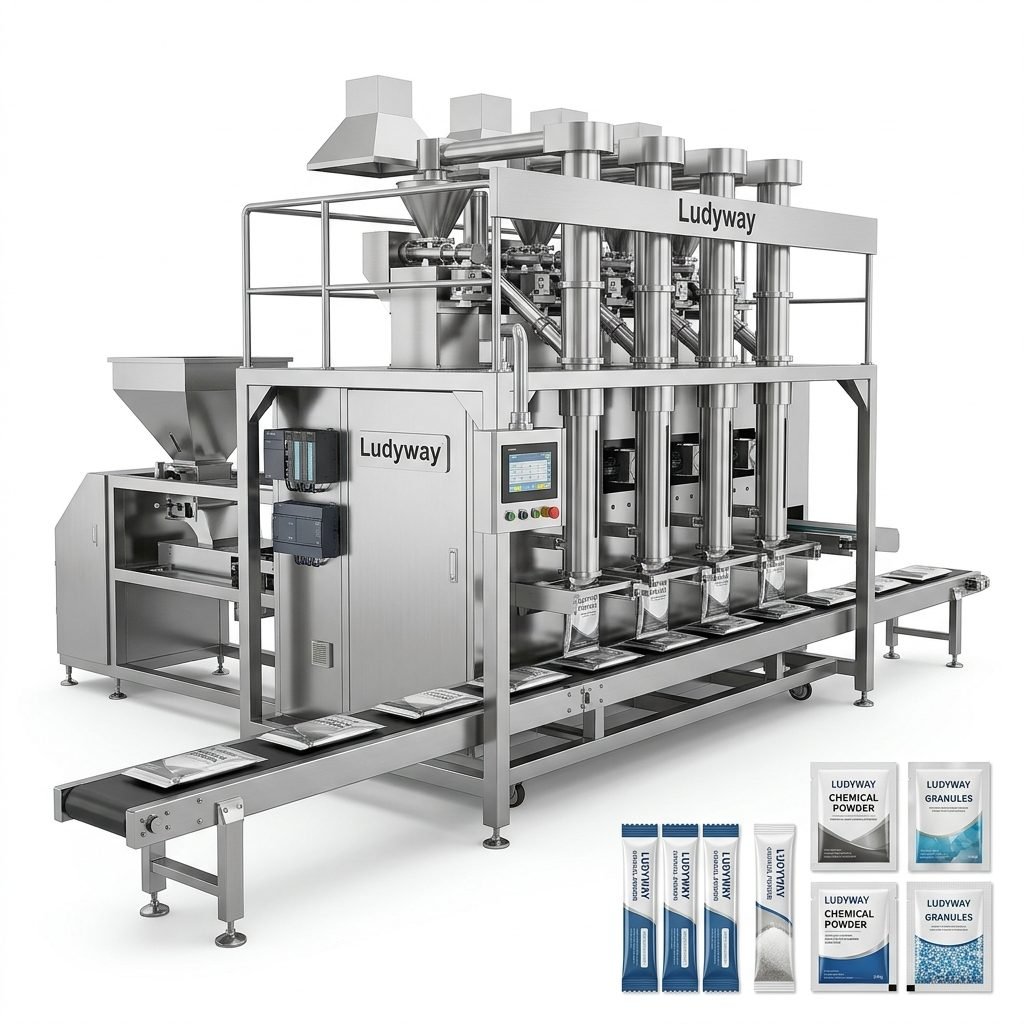
Choosing the best packaging machine for an export business is not only about speed or price. It is about finding a solution that protects products during long-distance transportation, meets international compliance requirements, supports different packaging formats, and keeps your production efficient as global orders grow.
For exporters, the right machine can reduce waste, improve shelf appeal, lower labor dependence, and help maintain consistent quality across every shipment. The wrong one can create sealing failures, delivery delays, product damage, and unnecessary maintenance costs.
Why Packaging Machine Selection Matters for Export Businesses
Export supply chains are more demanding than domestic distribution. Products may pass through warehouses, ports, customs inspections, trucks, ships, and varying climate conditions before reaching distributors or end users. That means packaging must do more than simply look good on the shelf.
- Stronger package integrity to prevent leakage, contamination, or breakage during transport
- Consistent seal quality for long-distance shipping and storage
- Flexible packaging formats to meet different market preferences
- Accurate filling to reduce product giveaway and compliance risks
- Coding and traceability for customs, retail, and regulatory needs
- Scalable automation for growing export volumes
If your business exports food, pharmaceuticals, health supplements, cosmetics, chemicals, or animal nutrition products, your packaging machinery must be matched to both the product itself and the conditions of the destination market.
Start with Your Product Type
The first step is to identify exactly what you are packaging. Different materials flow, settle, foam, or react differently inside a machine. A powder machine is not always suitable for granules, and a liquid system may not handle thick paste efficiently.
Common product categories
| Product Type | Typical Packaging Machine | Key Consideration |
|---|---|---|
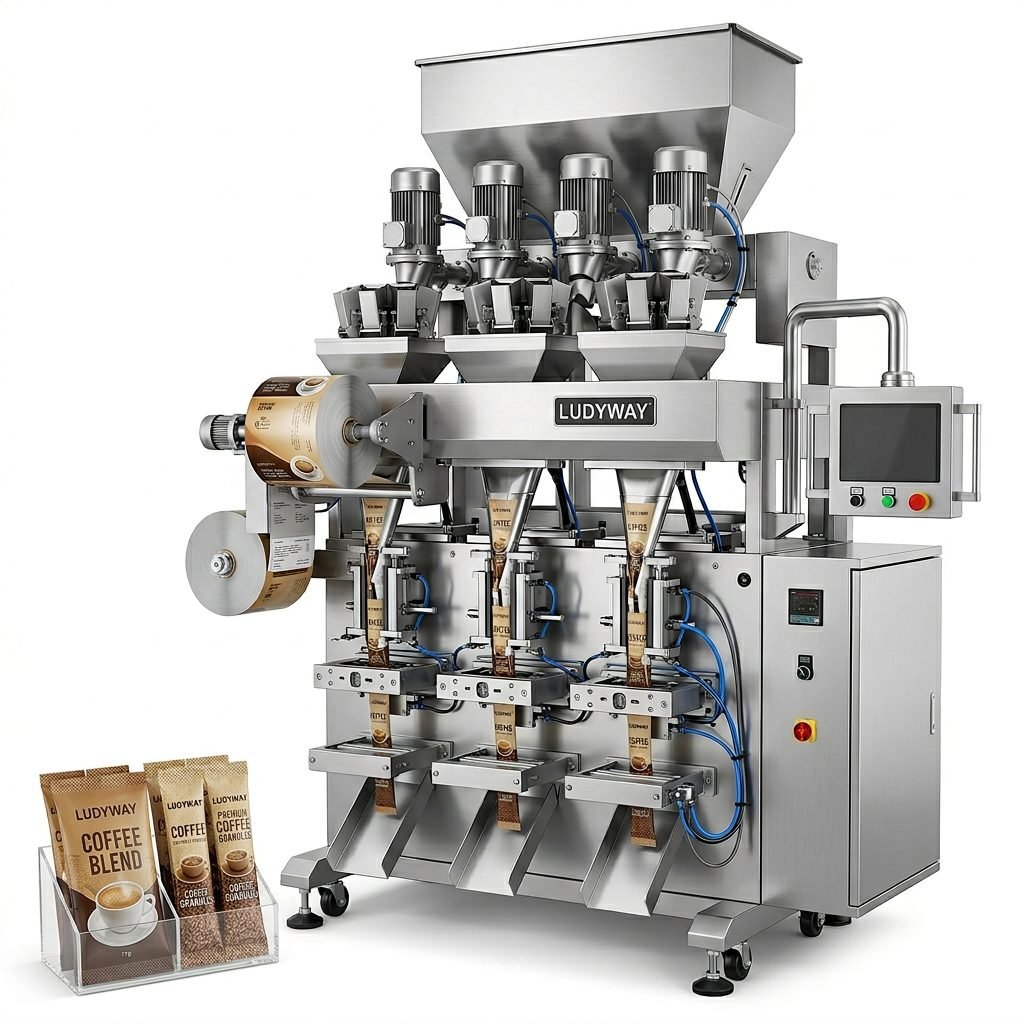
| Powders | Auger filler, stick pack machine, sachet machine | Dust control, filling accuracy, anti-bridging design |
| Granules | Volumetric cup filler, multi-head weigher, VFFS | Flowability, particle size, weighing stability |
| Liquids | Liquid sachet machine, bottle filling line | Leak-proof sealing, viscosity, sanitation |
| Pastes / gels | Piston filling machine, sachet filling line | Nozzle design, clean cut-off, residue control |
| Pouches / premade bags | Premade pouch packing machine | Bag compatibility, zipper function, sealing strength |
For example, instant beverage powder, collagen powder, coffee mix, spice blends, and supplement sachets often need high-precision powder filling systems. In contrast, shampoo, lotion, sauce, and syrup require liquid or paste filling systems with dependable sealing performance.
Match the Machine to Your Packaging Format
Export businesses often serve multiple markets at once, and each market may prefer a different package style. This is why format flexibility is a major purchasing factor.
Popular export packaging formats
- Sachets for single-use products
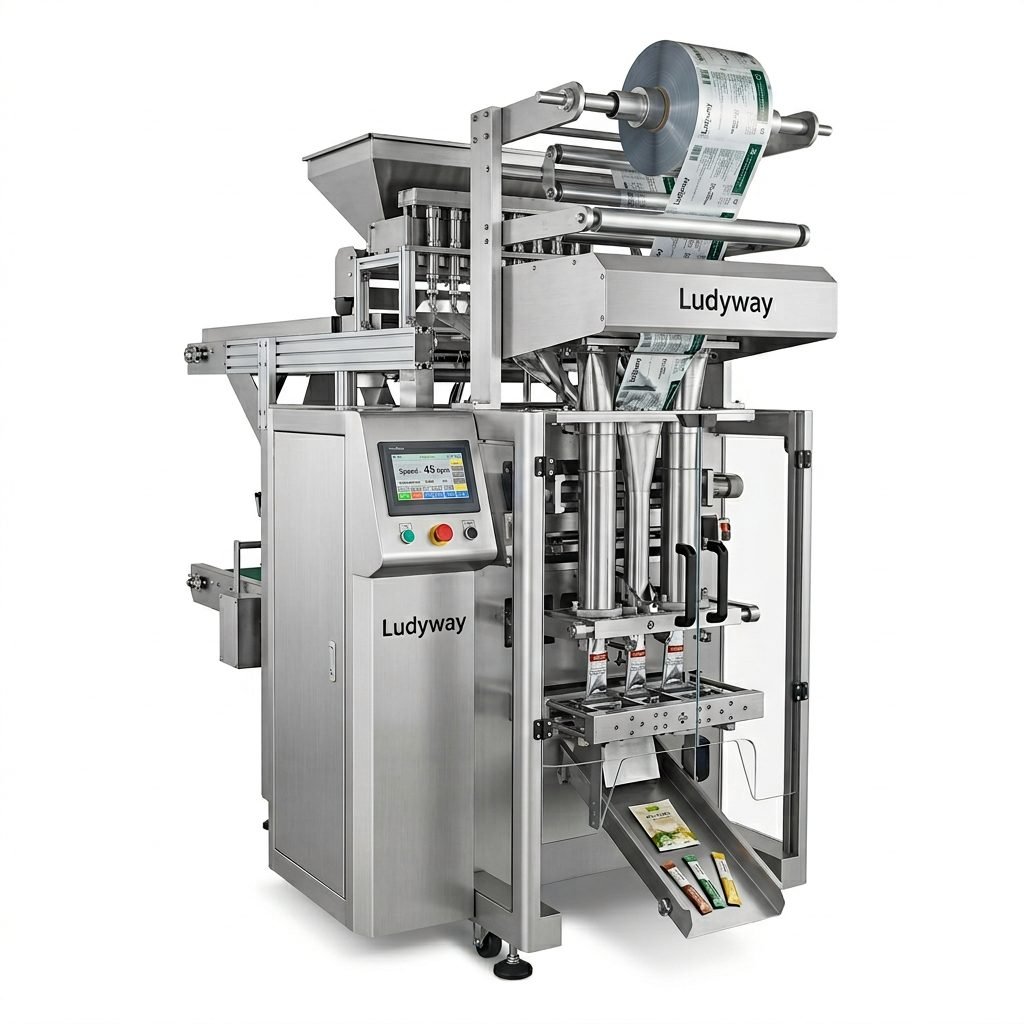
- Stick packs for nutritional powders, coffee, and pharmaceuticals
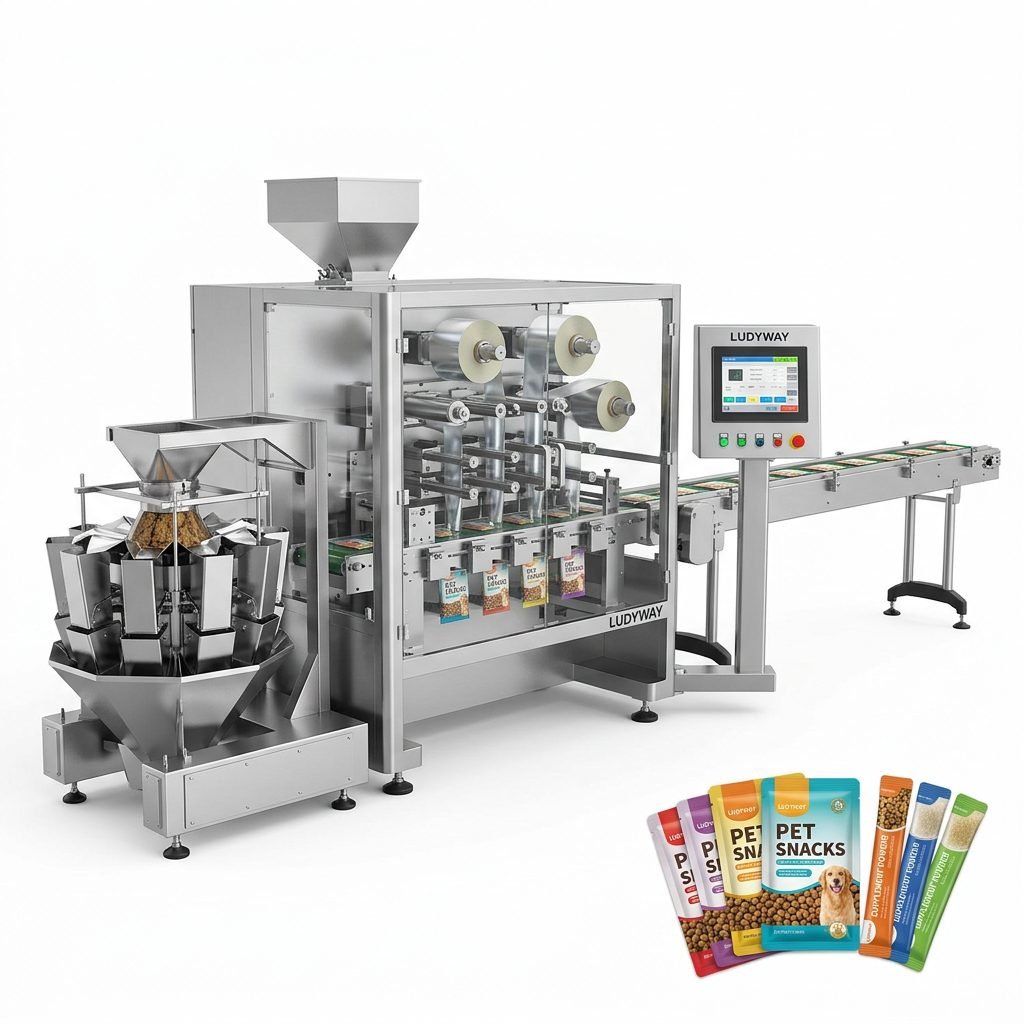
- Pouches for snacks, pet food, and premium consumer goods
- Bottles for liquids, capsules, and personal care items
- Bulk bags for industrial and agricultural materials
If your product line is expanding, choose equipment that can handle more than one bag size or dosing range. A flexible machine helps you respond faster to new distributor requests and seasonal packaging changes.
Tip: If you export to supermarkets, e-commerce distributors, and wholesale channels at the same time, ask whether the machine supports quick changeover between different formats, film widths, and pack sizes.
Evaluate Speed Against Real Production Needs
Many buyers focus first on maximum speed, but the best packaging machine is the one that fits your real operating target. Extremely high-speed equipment may be unnecessary for low-volume exporters, while undersized equipment can slow down order fulfillment during peak season.
Questions to ask
- What is your average daily and monthly export volume?
- What output do you need during peak orders?
- How many shifts will the machine run?
- Do you need room for 2x or 3x future growth?
- Will one standalone machine be enough, or do you need an integrated line?
When comparing machines, look beyond packs per minute. Consider uptime, operator efficiency, changeover speed, and maintenance frequency. A slightly slower but more stable machine can often outperform a faster machine in total daily output.
Check Export Compliance and Industry Standards
For export businesses, regulatory readiness is essential. Your machine should support packaging that complies with the destination market’s safety, hygiene, and labeling requirements.
Compliance factors to review
- Food-grade or pharmaceutical-grade contact parts
- Stainless steel structure where required
- GMP-oriented design for health and pharma applications
- Batch coding, date printing, and traceability options
- Stable sealing for tamper resistance
- Compatibility with inspection devices such as checkweighers or metal detectors
If you export to highly regulated sectors, especially food supplements, medical consumables, or pharmaceutical products, machine design quality and documentation support become even more important.
Consider Packaging Material Compatibility
A machine may perform well with one film or pouch material but poorly with another. Exporters often need different barrier levels depending on shipping distance, temperature, humidity, and shelf life requirements.
Material compatibility affects
- Seal appearance and strength
- Barrier protection against moisture and oxygen
- Product freshness during transit
- Machine running stability
- Waste rate and film tracking accuracy
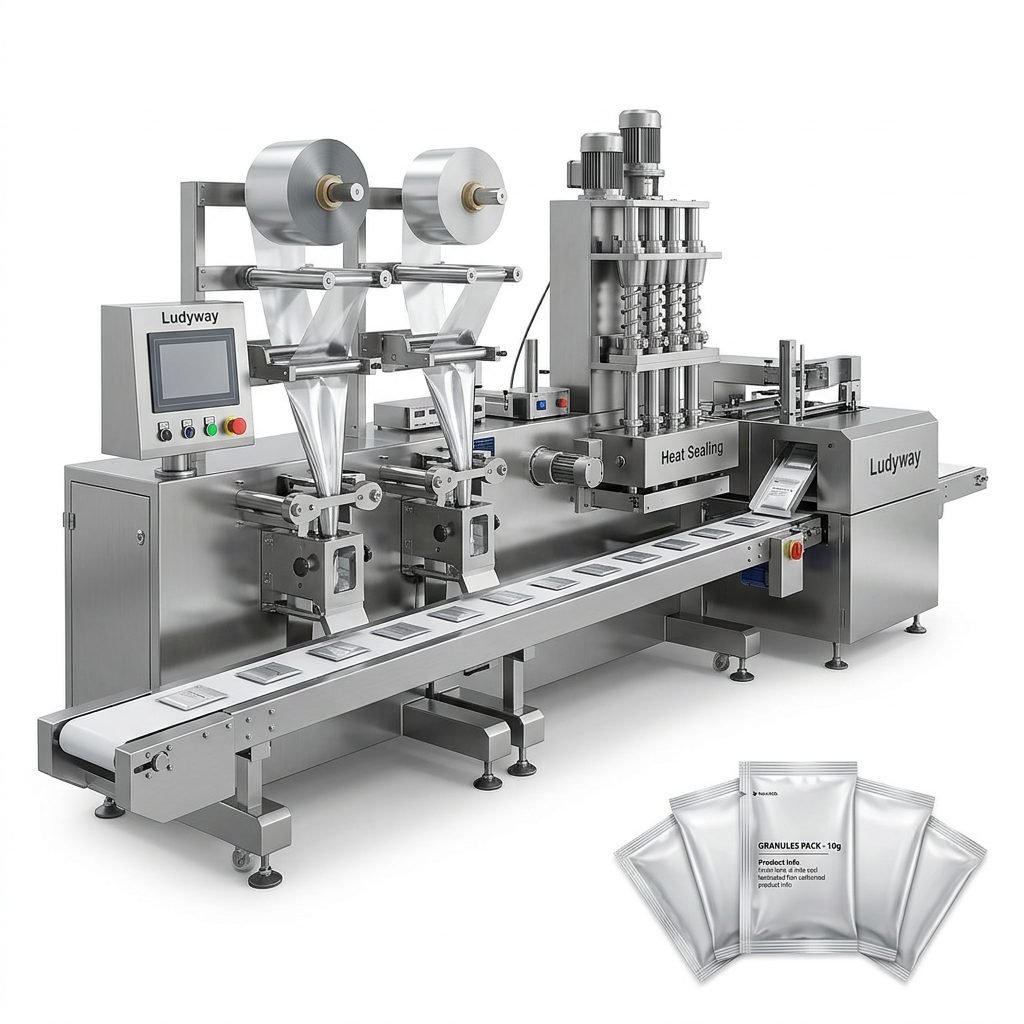
Before buying, request sample testing with your actual packaging material. This is especially important for multilayer laminated films, recyclable materials, aluminum foil structures, or special high-barrier films used in overseas transport.
Look at Automation Level and Labor Savings
Export businesses often face pressure to improve consistency while controlling labor costs. Automation can help reduce human error, improve output, and support cleaner production environments.
Automation may include
- Automatic feeding and conveying
- Automatic weighing or dosing
- Filling and sealing integration
- Coding and label application
- Cartoning, case packing, and palletizing
- Inspection and rejection systems
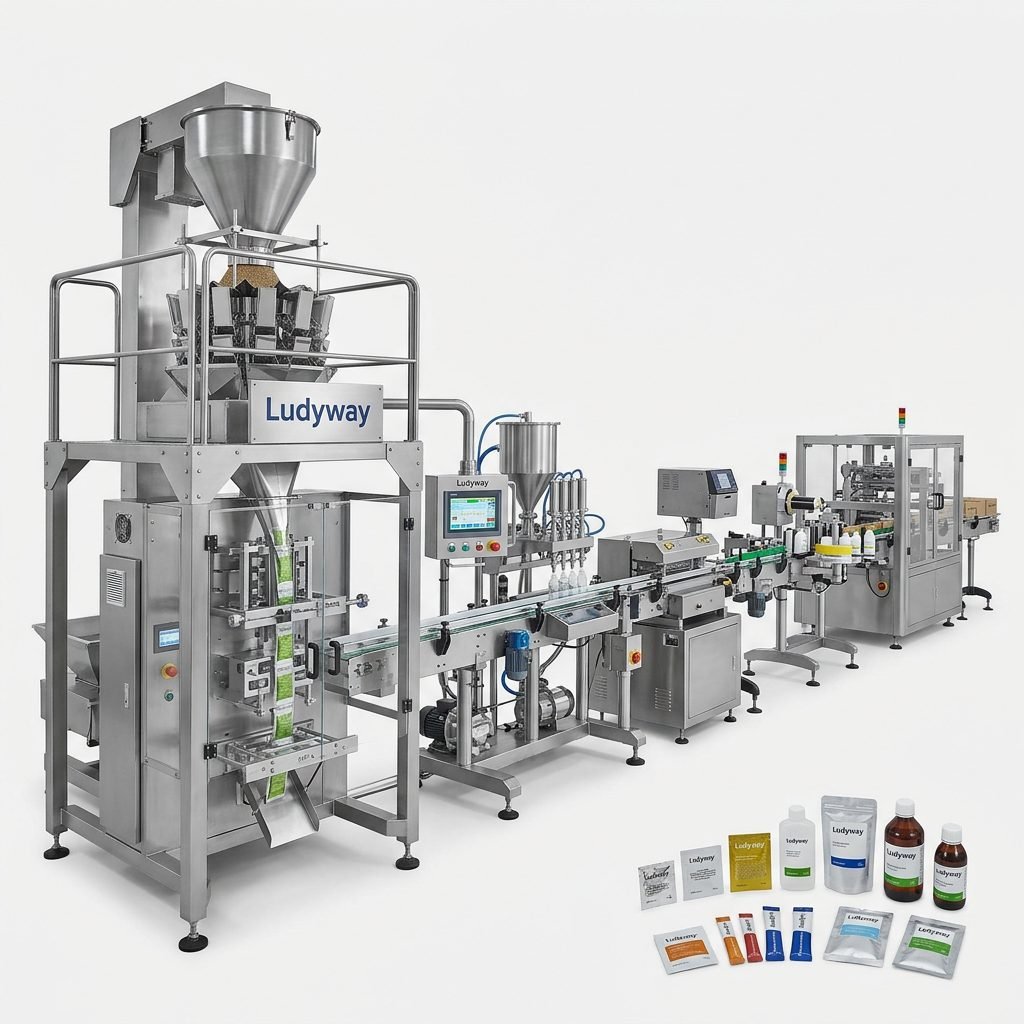
If your export business is scaling, a turnkey packaging line can be more efficient than purchasing isolated standalone machines. Integrated lines help synchronize upstream and downstream processes, reducing bottlenecks.
Do Not Ignore Maintenance and Technical Support
A machine that is affordable upfront can become expensive if spare parts are difficult to source or support is slow. For export-focused manufacturers, downtime can delay container loading, disrupt distributor schedules, and lead to contract penalties.
Ask the supplier about
| Support Area | Why It Matters |
|---|---|
| Installation guidance | Faster commissioning and fewer setup errors |
| Operator training | Improves safety, output, and consistency |
| Spare parts availability | Reduces downtime and protects delivery schedules |
| Remote troubleshooting | Speeds up issue resolution for overseas users |
| Customization ability | Helps fit machine design to your actual product and market |
Reliable after-sales support is often one of the biggest differences between a good equipment purchase and a costly mistake.
Choose a Supplier with Proven Export Experience
Export buyers usually benefit from working with manufacturers that understand international packaging applications, compliance expectations, shipment coordination, and machine customization for different countries.
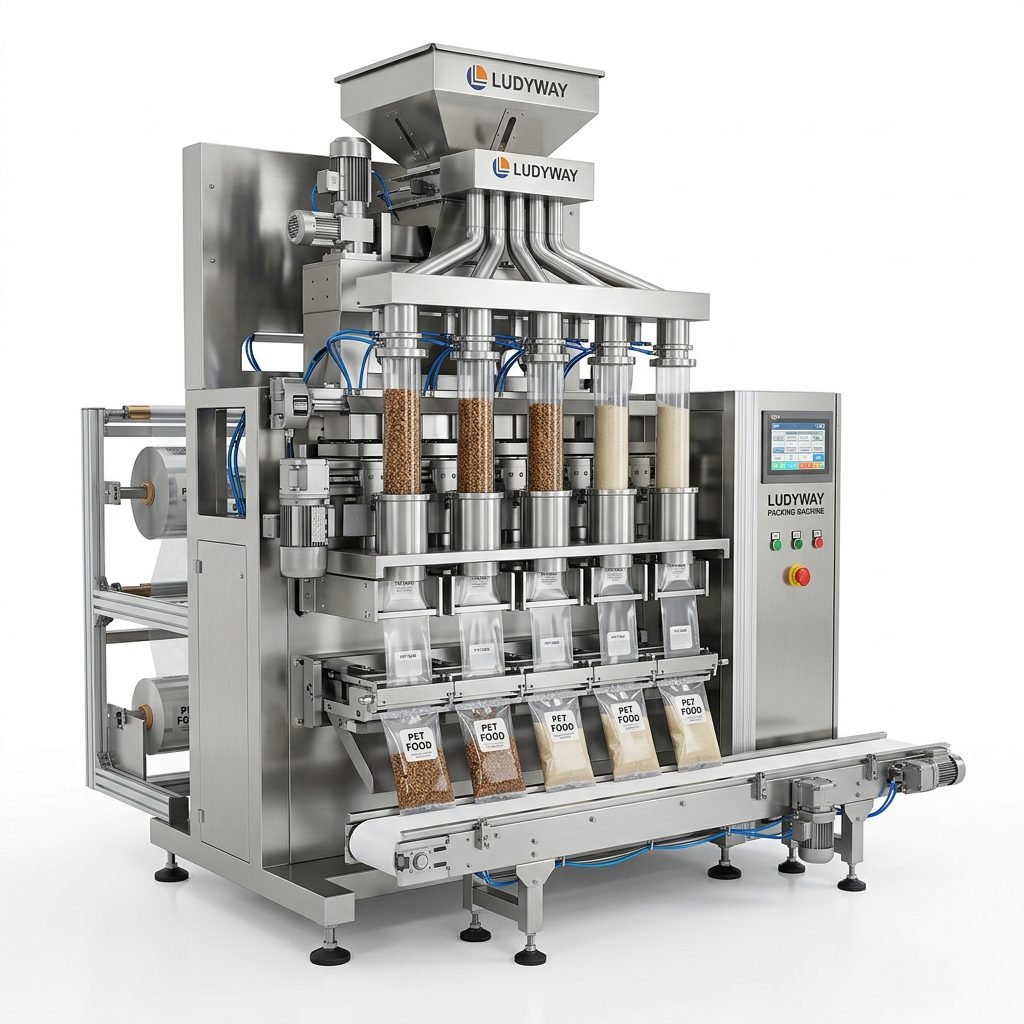
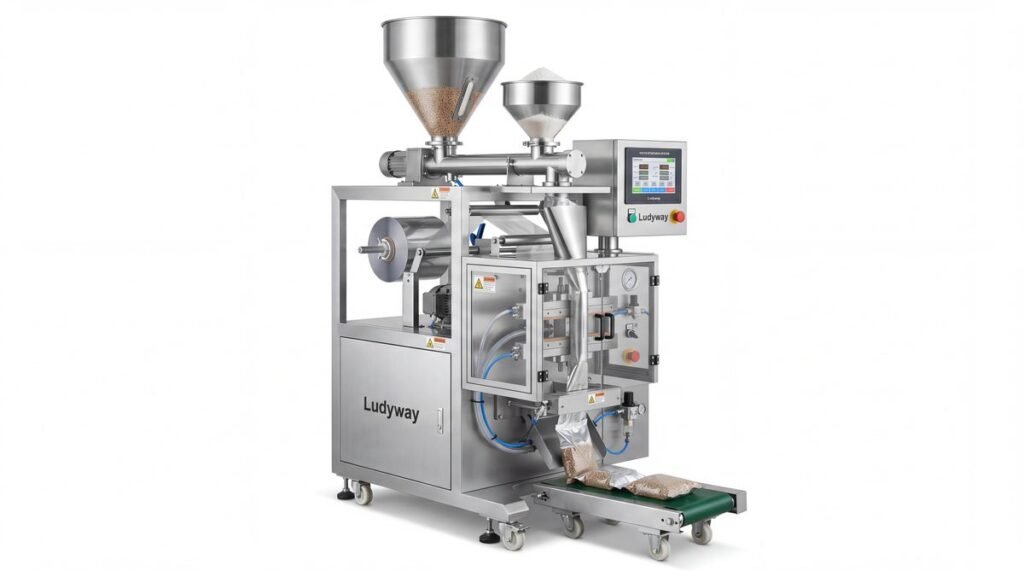
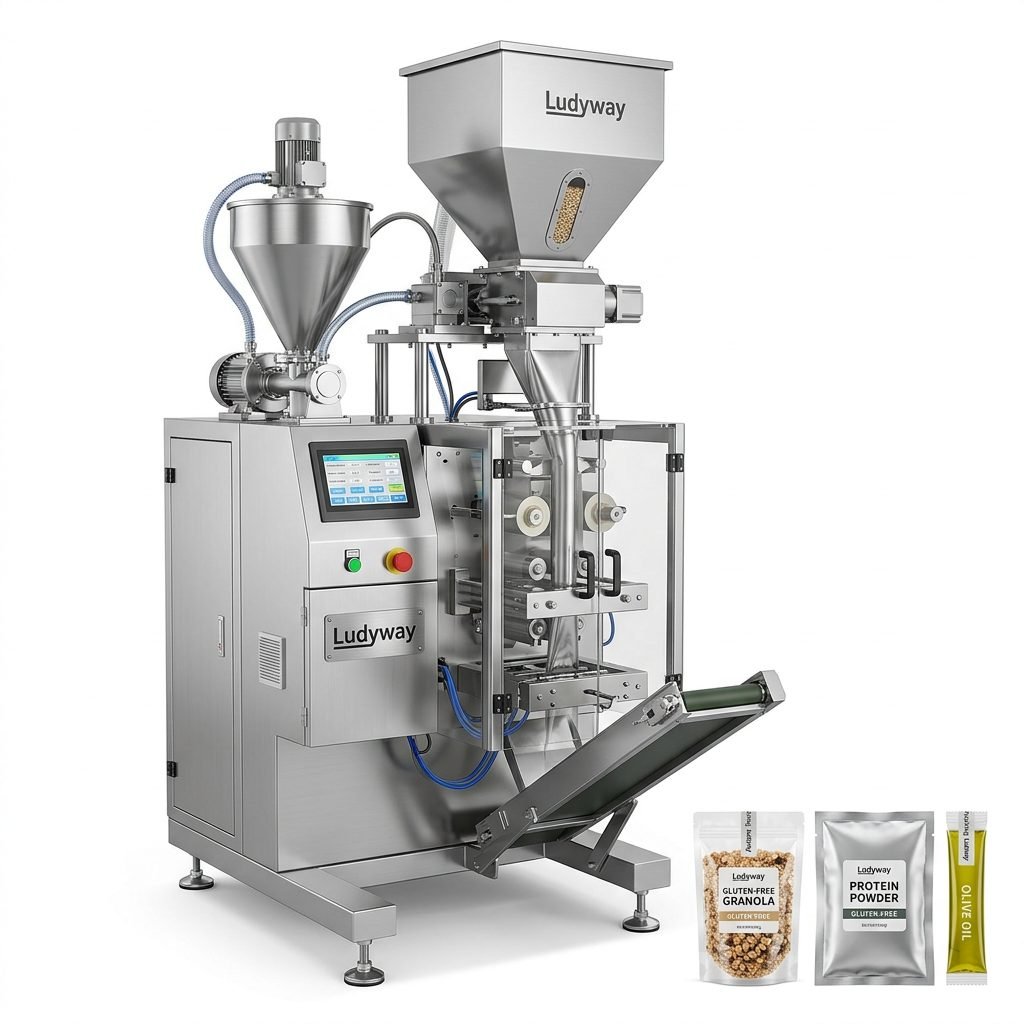
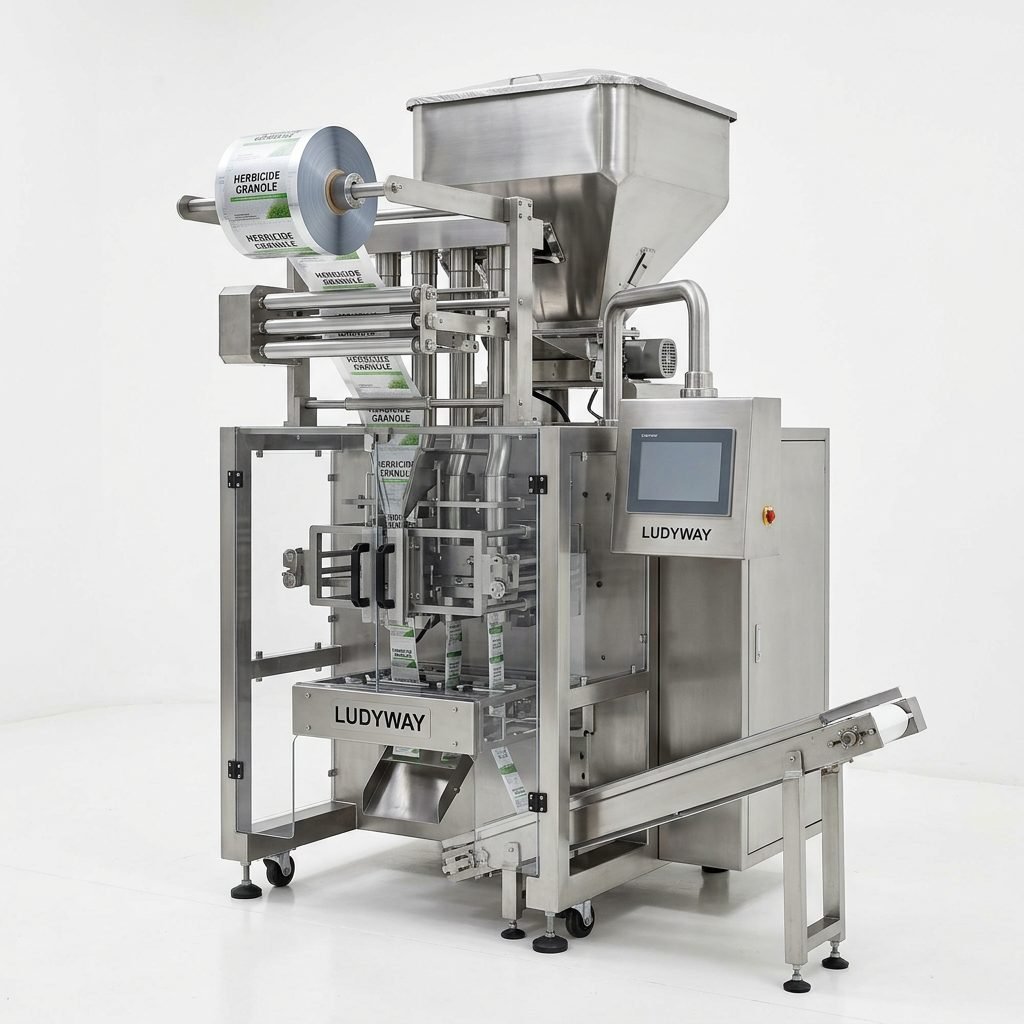
One example is Ludyway packaging machine manufacturer, a China-based company founded in 1993 with more than 30 years of industry experience. With over 20,000 square meters of factory space, customers in more than 100 countries and regions, and strong capabilities in standalone machinery as well as turnkey packaging lines, the company is widely recognized in food, pharmaceutical, health supplement, cosmetic, chemical, and pouch packaging applications.
A strong export supplier should offer
- Experience across multiple international markets
- Application-based machine recommendations
- Flexible customization options
- Stable quality control processes
- Clear communication during pre-sale and post-sale stages
Standalone Machine or Turnkey Packaging Line?
This depends on your production stage and long-term growth plan.
Standalone machine is best if you need
- Lower initial investment
- A single packaging process upgrade
- Limited production volume
- Simple product structure
Turnkey line is best if you need
- Higher overall automation
- Integrated feeding, filling, sealing, coding, and cartoning
- Better line efficiency and synchronization
- Easier future scaling for export growth
For companies shipping high-volume products overseas, a turnkey line can improve consistency and reduce total operational complexity.
Key Questions Before You Buy
- What exact product will be packed, and how does it behave during filling?
- Which package format is preferred in your destination markets?
- What output do you need now and in the next 3 to 5 years?
- Does the machine support your packaging film or pouch material?
- Can it meet hygiene, safety, and traceability requirements?
- How easy is it to clean, maintain, and change over?
- What support does the supplier provide after installation?
- Will the equipment integrate with future automation upgrades?
Final Buying Priorities for Exporters
The best packaging machine for export businesses is not simply the fastest or cheapest option. It is the machine that gives you the right balance of product protection, packaging consistency, compliance readiness, operational efficiency, and future scalability.
When evaluating options, prioritize real application fit, supplier credibility, support capability, and long-term production performance. A carefully selected machine can strengthen your export competitiveness, improve customer satisfaction, and support sustainable global growth.
Quick checklist
- ✔ Suitable for your product type
- ✔ Compatible with your packaging format
- ✔ Built for your output target
- ✔ Ready for export compliance needs
- ✔ Supported by reliable service and spare parts
- ✔ Capable of scaling with your business