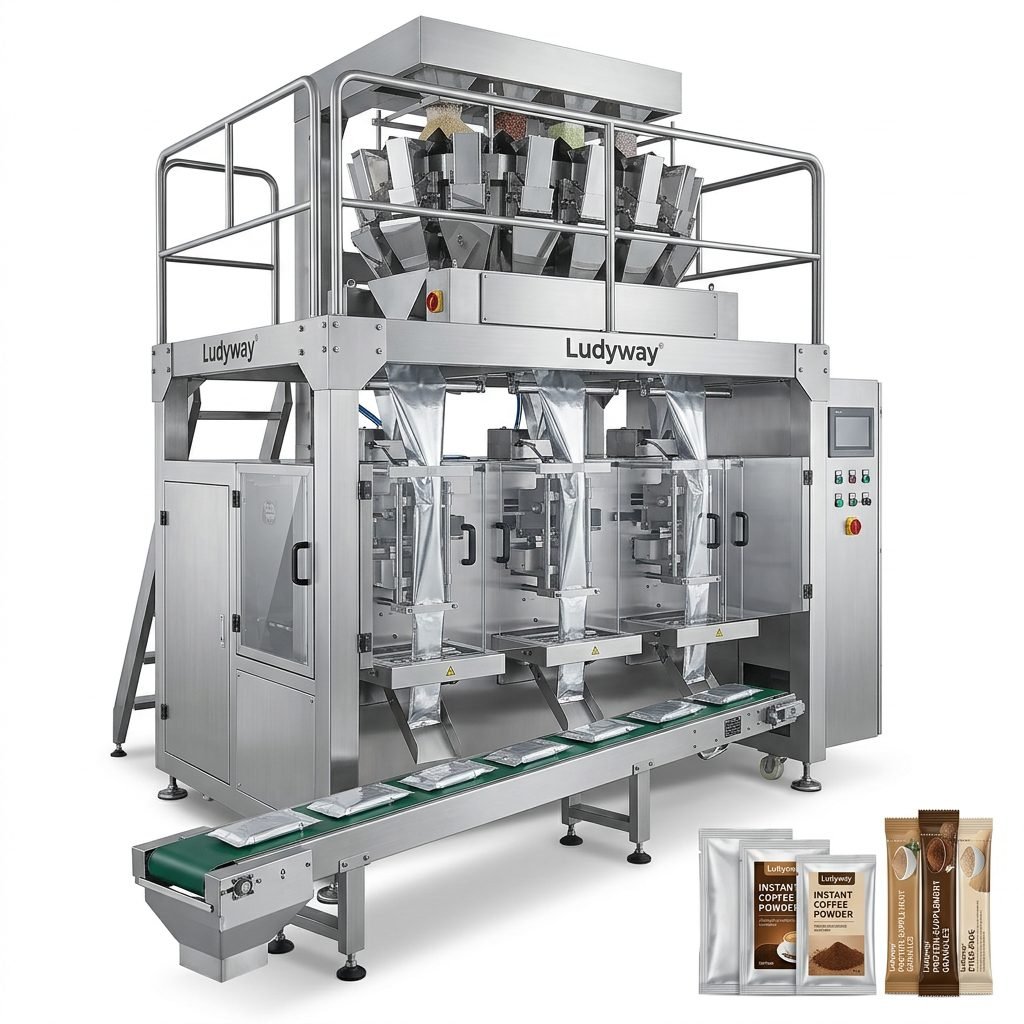
Selecting the right juice packing machine is one of the most critical decisions for any beverage manufacturer. Whether you are launching a new juice product line, scaling up production, or transitioning from manual to automated packaging, the equipment you choose directly affects production efficiency, product quality, and long-term profitability. This comprehensive buyer’s guide walks you through the essential factors to evaluate before making your investment.
Understanding Your Juice Product Characteristics
Before comparing machine specifications, you must thoroughly analyze your juice product. Different juice formulations place different demands on packaging equipment. Consider these key product variables:
- Viscosity and pulp content – Fresh juices with high pulp content require different filling mechanisms than clarified or concentrated juices
- Acidity levels – Citrus juices and blends with high acidity demand corrosion-resistant machine components, typically stainless steel
- Temperature during filling – Hot-fill, cold-fill, and aseptic filling each require distinct machine configurations
- Carbonation – Sparkling juice drinks need specialized filling systems that maintain carbonation pressure
- Particulate matter – Juices containing fruit pieces, seeds, or pulp particulates require compatible dosing and sealing systems
According to industry data from PMMI’s Business Intelligence, product characteristics remain the single most important factor in determining the appropriate packaging machinery configuration.
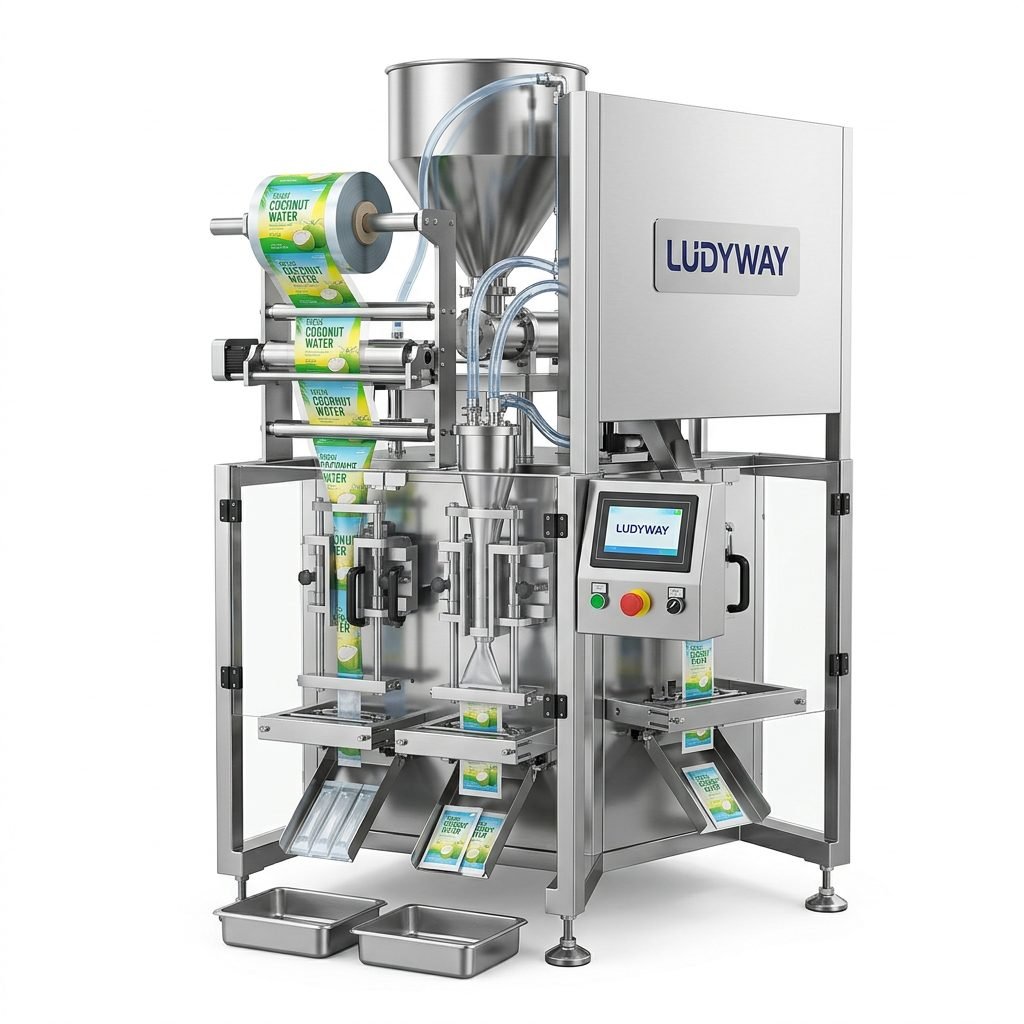
Types of Juice Packing Machines by Packaging Format
The packaging format you choose determines the category of machine required. Each format serves different market segments and distribution channels:
Sachet and Stick Pack Machines
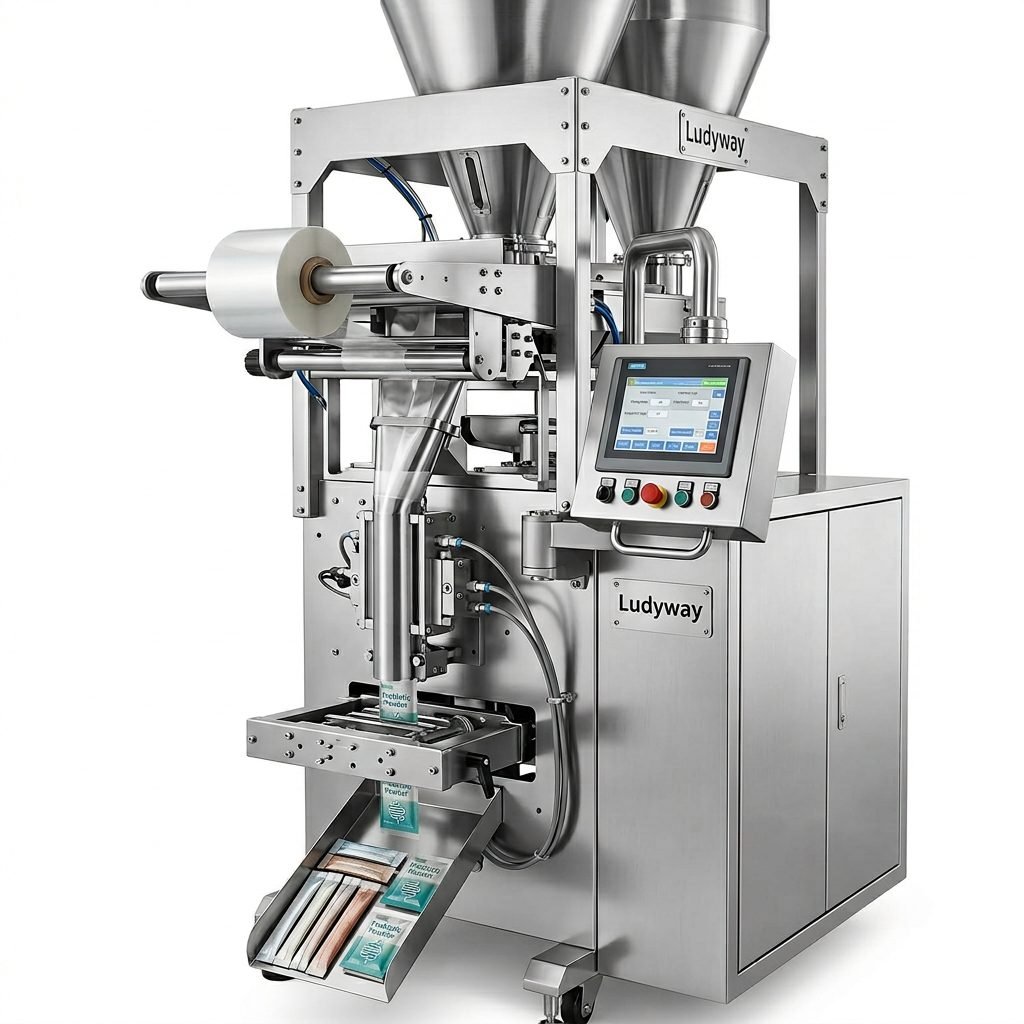
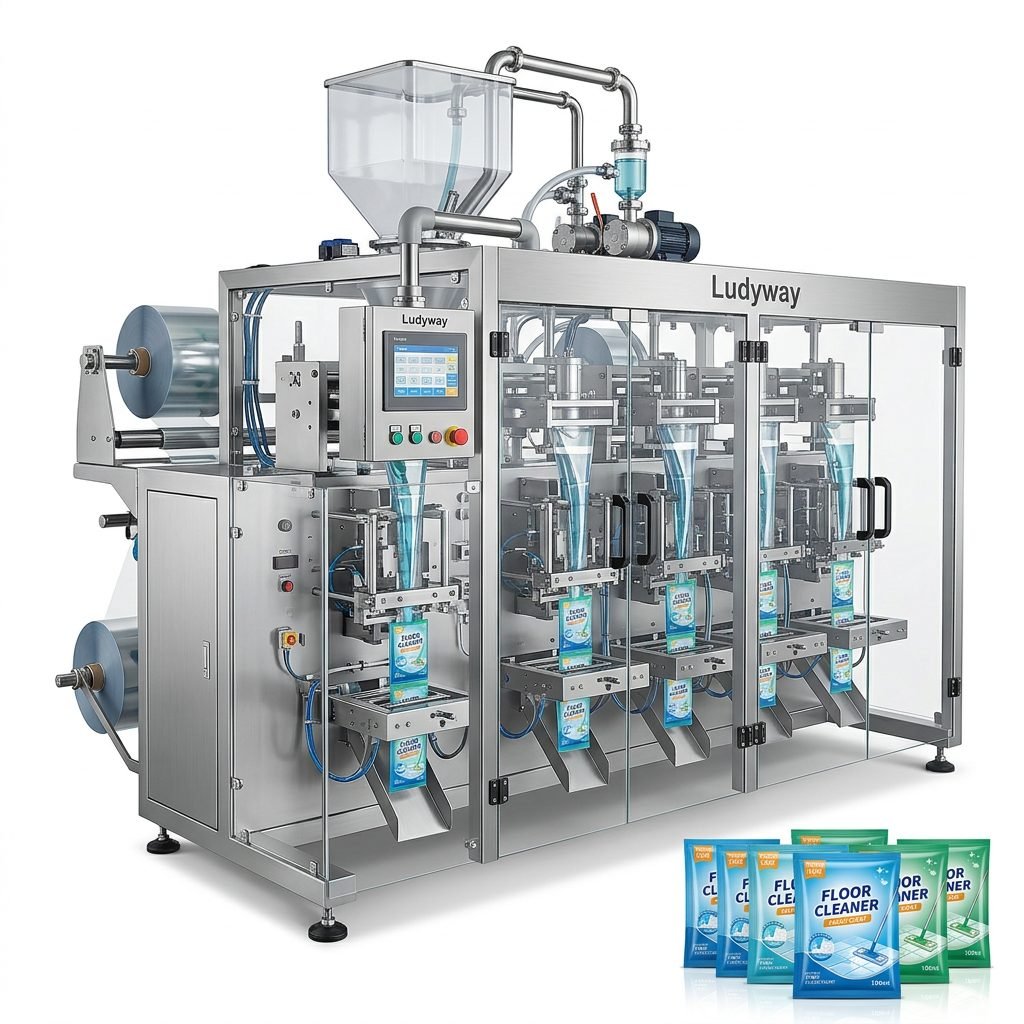
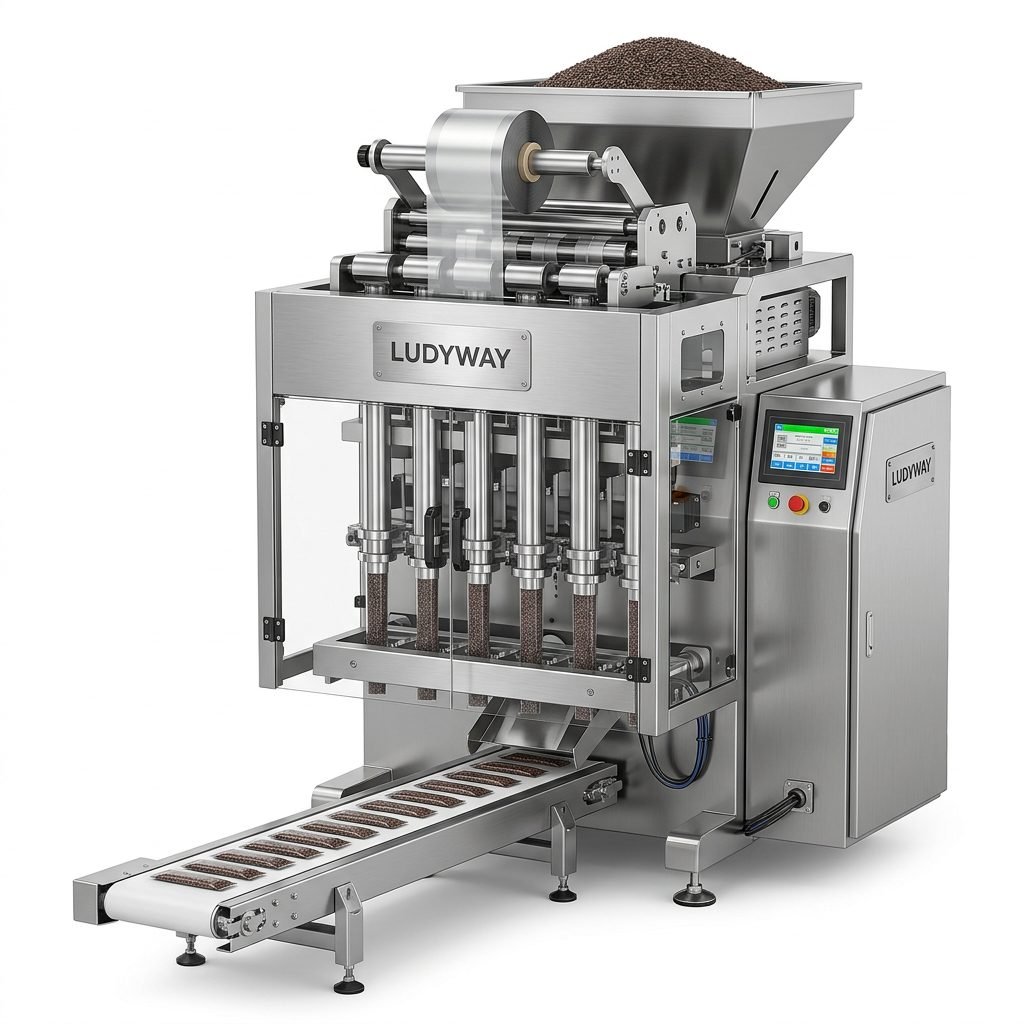
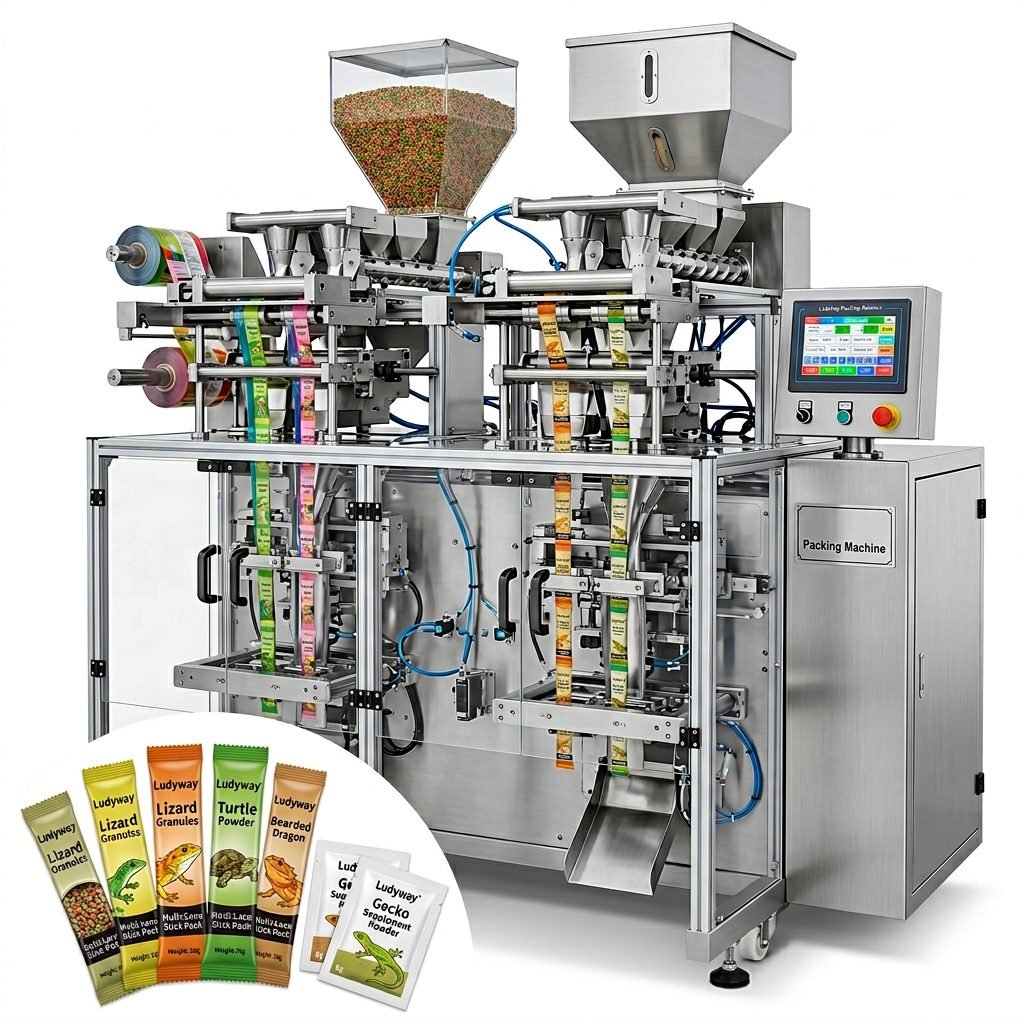
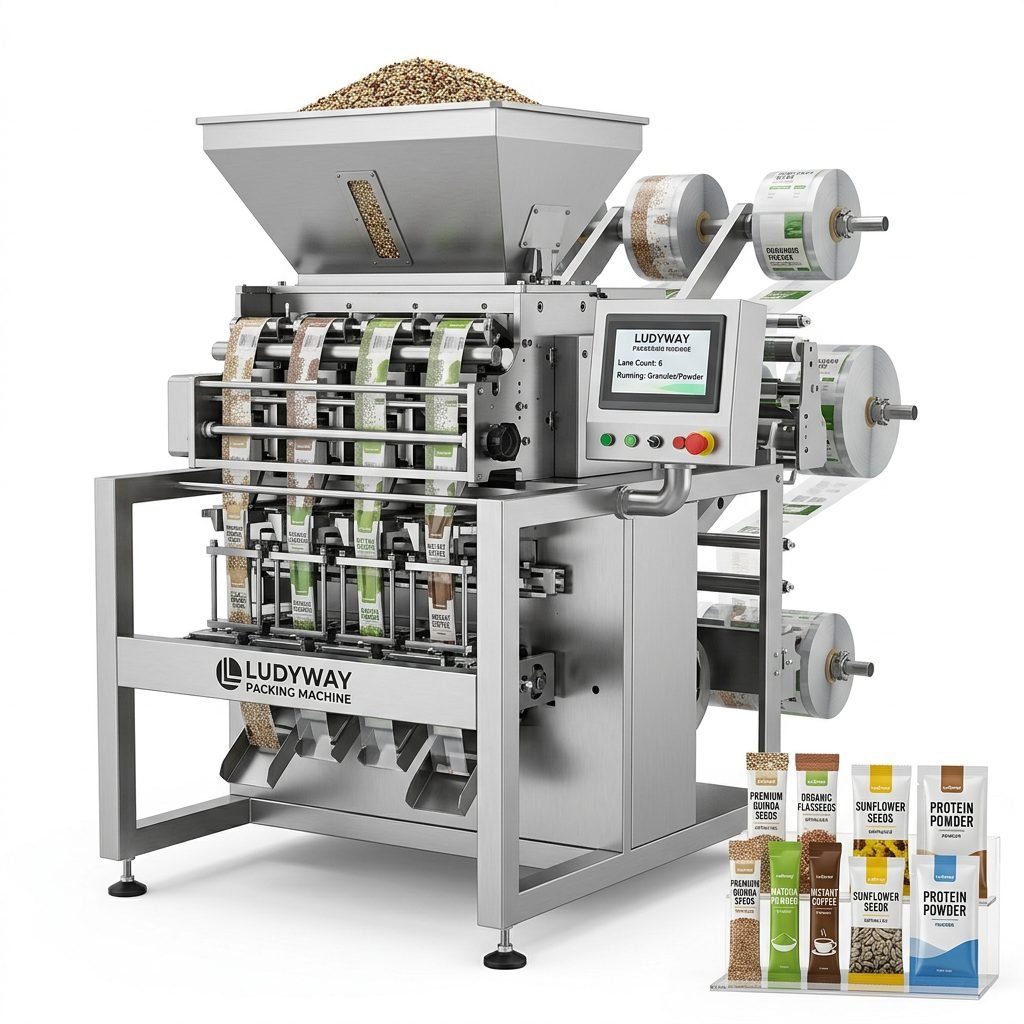
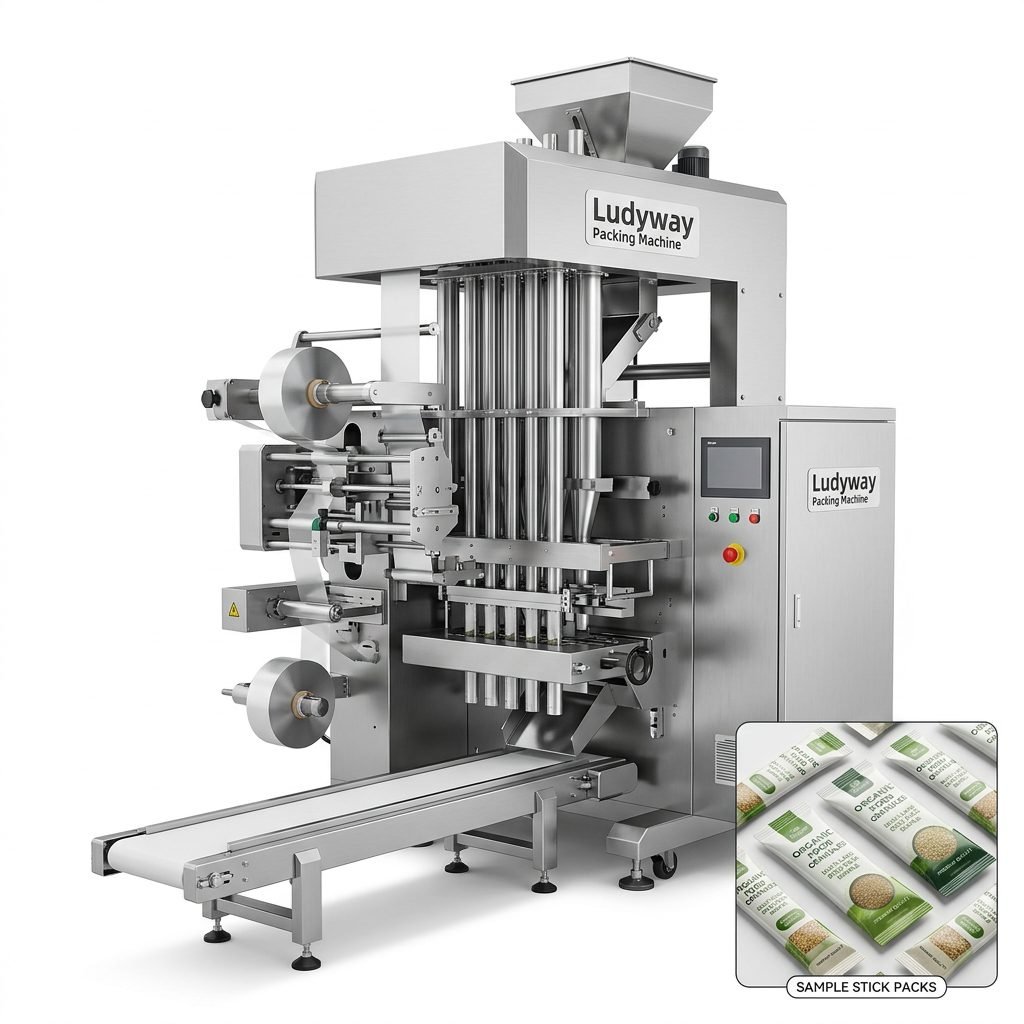
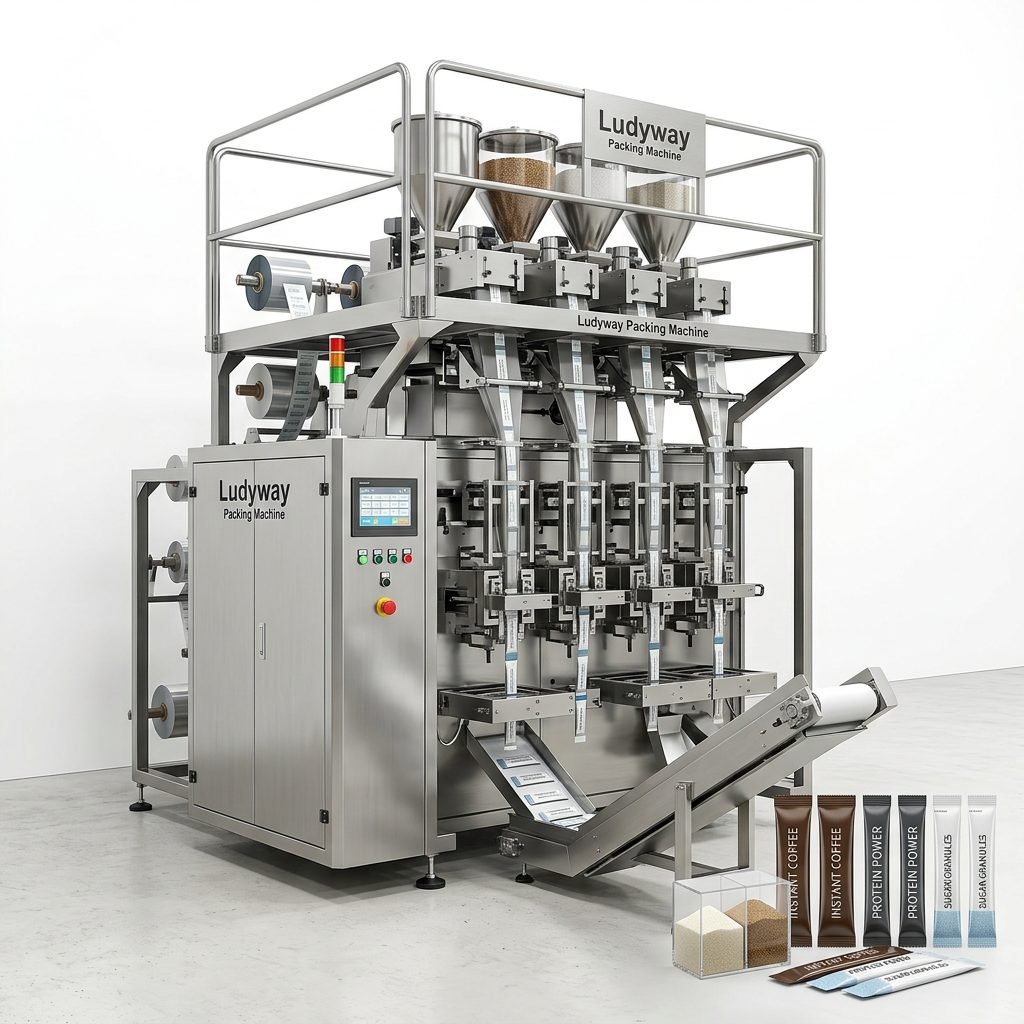
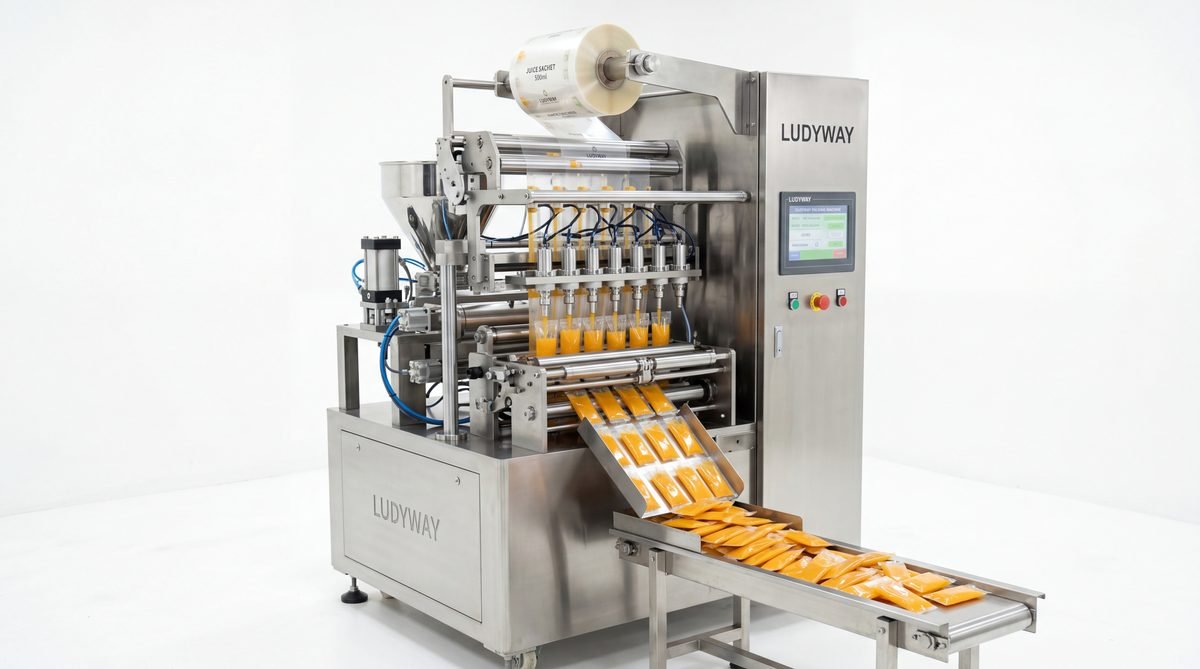
Sachet and stick pack formats are ideal for single-serve juice powders, instant drink mixes, and concentrated liquid portions. Multi-lane sachet machines can produce hundreds of units per minute, making them cost-effective for high-volume operations. These systems typically feature vertical form-fill-seal (VFFS) technology with precise liquid or powder dosing capabilities. The Flexible Packaging Association reports continued growth in single-serve formats across beverage categories.
Bottle Filling Lines
For ready-to-drink juices in PET, glass, or HDPE bottles, automated bottle filling lines integrate filling, capping, labeling, and coding functions. These lines can be configured for hot-fill, cold-fill, or aseptic applications depending on your preservation method. High-speed rotary fillers dominate large-scale juice production, while inline fillers suit mid-volume operations.
Pouch Packaging Systems
Stand-up pouches and spouted pouches have gained significant market share in the juice category. Premade pouch filling and sealing machines offer flexibility for different pouch sizes and styles, making them popular for premium and specialty juice brands seeking shelf differentiation.
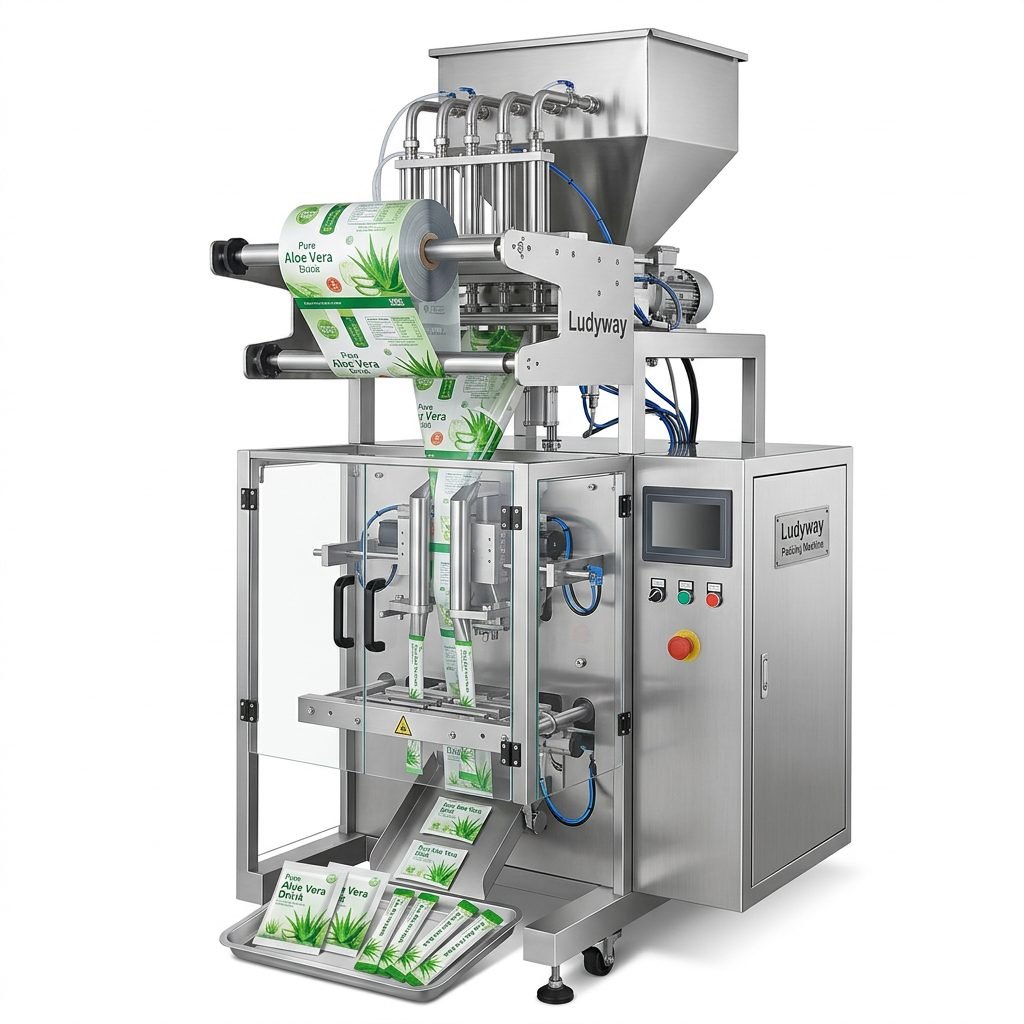
Key Technical Specifications to Evaluate
When comparing different juice packing machines, the following technical parameters deserve careful attention. Use this comparison framework to assess machines from different suppliers:
| Specification | Why It Matters | Key Questions to Ask |
|---|---|---|
| Filling Accuracy | Directly impacts product give-away costs and regulatory compliance | What is the fill accuracy tolerance? ±1% or better? |
| Production Speed | Determines throughput and ability to meet demand peaks | What is the rated output in units per minute at different fill volumes? |
| Changeover Time | Affects operational flexibility for multi-SKU production | How long does it take to switch between formats or products? |
| Material Compatibility | Ensures reliable sealing with your chosen packaging film | What film types, thicknesses, and laminates are supported? |
| CIP/SIP Capability | Essential for food safety and hygiene compliance | Does the machine support clean-in-place or sterilize-in-place? |
| Automation Level | Impacts labor requirements and production consistency | Is it semi-automatic, fully automatic, or integrable into a turnkey line? |
Production Capacity and Speed Requirements
Your current and projected production volumes should guide machine selection. Underestimating capacity needs can create bottlenecks as your brand grows, while overestimating leads to unnecessary capital expenditure. Calculate your required throughput by considering:
- Current daily or shift-based production targets
- Seasonal demand fluctuations typical in the juice industry
- Planned market expansion over the next 3-5 years
- Desired buffer capacity for peak periods and machine downtime
Multi-lane configurations can significantly increase output without proportionally increasing floor space. The 2025 State of the Industry report from PMMI highlights that beverage manufacturers increasingly prioritize scalable equipment that can grow with their business.
Packaging Material and Seal Integrity
The interaction between your juice product and packaging material is critical for shelf life and product safety. Your juice packing machine must deliver consistent, hermetic seals across different film structures. Consider these material-related factors:
- Barrier properties – Oxygen and moisture barrier requirements vary by juice type and target shelf life
- Seal temperature range – Different laminates require precise heat sealing control to avoid leaks or damage
- Film gauge compatibility – Thicker films provide durability but may require different sealing parameters
- Sustainability considerations – Recyclable and bio-based films may behave differently during filling and sealing
Testing your actual packaging material on the machine before purchase is strongly recommended. Seal integrity directly affects product quality, customer satisfaction, and brand reputation.
Automation, Integration, and Smart Features
Modern juice packaging operations benefit from automation beyond basic filling and sealing. When evaluating machines, assess the potential for integration with upstream and downstream equipment:
- Automated feeding systems – Consistent product delivery to the filling station
- Inline quality inspection – Checkweighers, metal detectors, and vision systems
- Date coding and labeling – Integrated printing for traceability and compliance
- Cartoning and case packing – End-of-line automation for finished product handling
- Data connectivity – IIoT capabilities for production monitoring and predictive maintenance
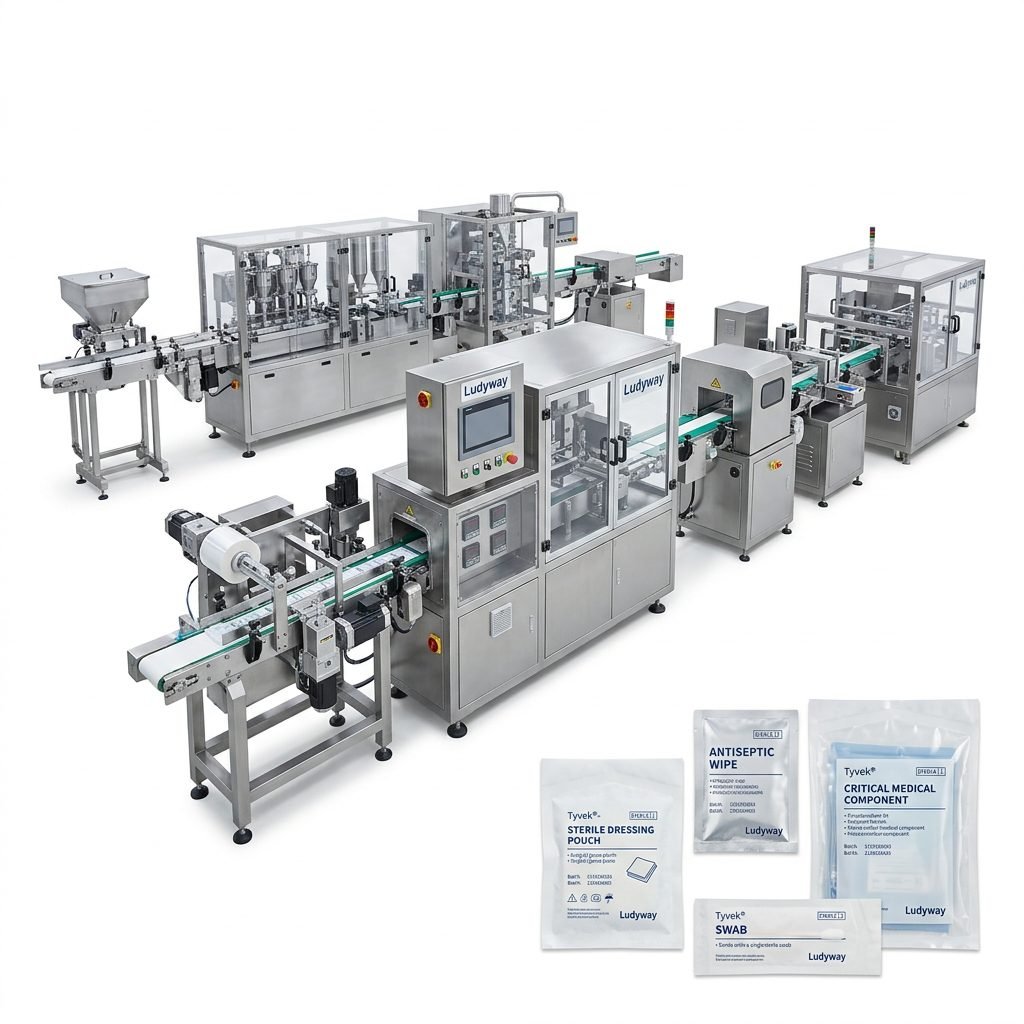
Turnkey packaging solutions that combine multiple stages into a cohesive line reduce integration complexity and provide single-source accountability. This is particularly valuable for manufacturers looking to streamline operations with a unified system.
Hygiene, Cleanability, and Regulatory Compliance
Juice packaging falls under strict food safety regulations in most markets. The FDA’s food packaging requirements and similar international standards mandate that equipment be designed for effective cleaning and sanitation. Look for these hygiene-focused features:
- Stainless steel construction – Food-grade 304 or 316L stainless steel for all product-contact surfaces
- Sanitary design principles – Sloped surfaces, minimal crevices, and easy disassembly for cleaning
- Washdown capability – IP65 or higher protection rating for wet cleaning environments
- CIP systems – Automated cleaning cycles that reduce downtime and ensure repeatable sanitation
- Compliance documentation – Certifications and documentation for your target markets
Cost Considerations Beyond the Purchase Price
The initial machine cost is only one component of the total cost of ownership. A comprehensive cost analysis should account for:
| Cost Category | Considerations |
|---|---|
| Capital expenditure | Machine purchase, shipping, import duties, installation |
| Operational costs | Energy consumption, compressed air, consumables, labor |
| Maintenance and spares | Preventive maintenance schedules, spare parts availability, service contracts |
| Downtime cost | Production losses during breakdowns or changeovers |
| Training and support | Operator training, technical documentation, remote support access |
A machine with a lower purchase price but higher operational costs may prove more expensive over its service life. Request detailed lifecycle cost projections from potential suppliers.
Supplier Selection and After-Sales Support
Your relationship with the machine supplier extends well beyond the initial purchase. Evaluate potential suppliers on these criteria:
- Industry experience – Proven track record in juice and beverage packaging applications
- Technical support responsiveness – Availability of remote and on-site assistance
- Spare parts logistics – Global parts availability and delivery timelines
- Installation and commissioning – Turnkey support from delivery to production start
- Customization capability – Engineering expertise to adapt machines to your specific needs
For manufacturers seeking a comprehensive packaging machinery partner, companies like Ludyway Machinery — a China-based packaging equipment manufacturer with over 30 years of industry experience and a 20,000-square-meter manufacturing facility — provide integrated solutions spanning machine selection, system integration, customization, installation, commissioning, and ongoing technical support across more than 100 countries. Working with a single partner for equipment and engineering can simplify project management and ensure cohesive system performance.
Making the Final Decision
Choosing the right juice packing machine requires balancing technical requirements, production goals, budget constraints, and supplier capabilities. Before finalizing your decision, take these practical steps:
- Define a detailed specification document covering your product parameters, packaging format, target speed, and facility constraints
- Request factory acceptance testing (FAT) with your actual product and packaging materials whenever possible
- Visit existing installations to observe machines in production and speak with current users about their experience
- Compare total cost of ownership rather than focusing solely on the purchase price
- Verify after-sales infrastructure including technical support availability in your region and spare parts distribution
A methodical evaluation process helps ensure your selected machine delivers reliable performance, meets food safety requirements, and supports your business growth objectives over the long term. For additional guidance on packaging machinery standards and market trends, resources from PMMI’s packaging industry resources and the Flexible Packaging Association’s knowledge hub offer valuable reference points for informed decision-making.

Frequently Asked Questions About Juice Packing Machines
What is the typical lifespan of a juice packing machine?
With proper maintenance and using quality components, a well-built juice packing machine can operate reliably for 10-15 years or more. Machines constructed with stainless steel and equipped with industrial-grade automation components tend to have longer service lives. Regular preventive maintenance significantly extends equipment longevity.
Can one machine handle multiple juice products and formats?
Many modern machines offer flexible configurations that accommodate different fill volumes, pouch sizes, and packaging formats. However, changeover complexity varies by machine design. If you produce multiple SKUs with frequent changeovers, prioritize machines with tool-less adjustments, recipe management systems, and quick-change filling modules.
What certifications should a juice packing machine have?
Depending on your target markets, relevant certifications may include CE marking for European markets, UL certification for North America, and compliance with ISO, FDA, and GMP standards. Verify that the supplier can provide documentation supporting your specific regulatory requirements before purchase.