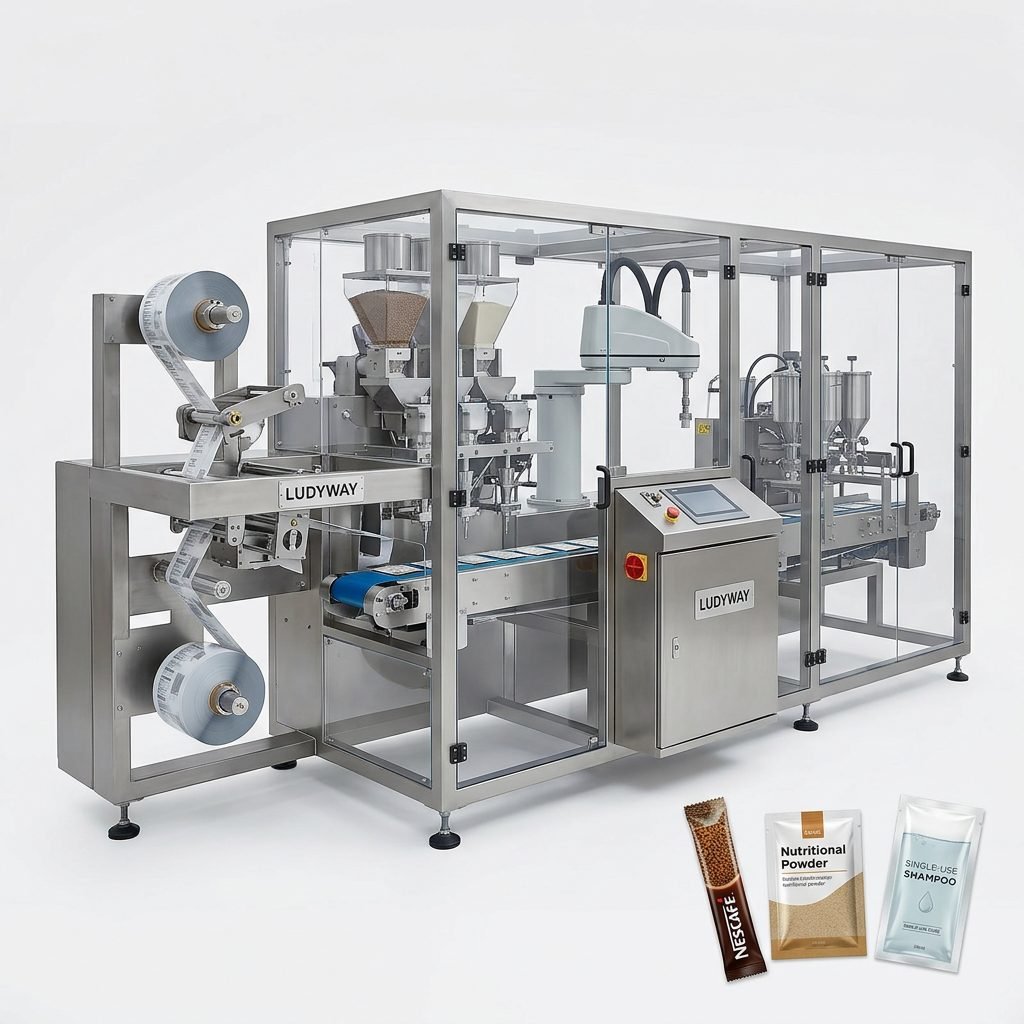
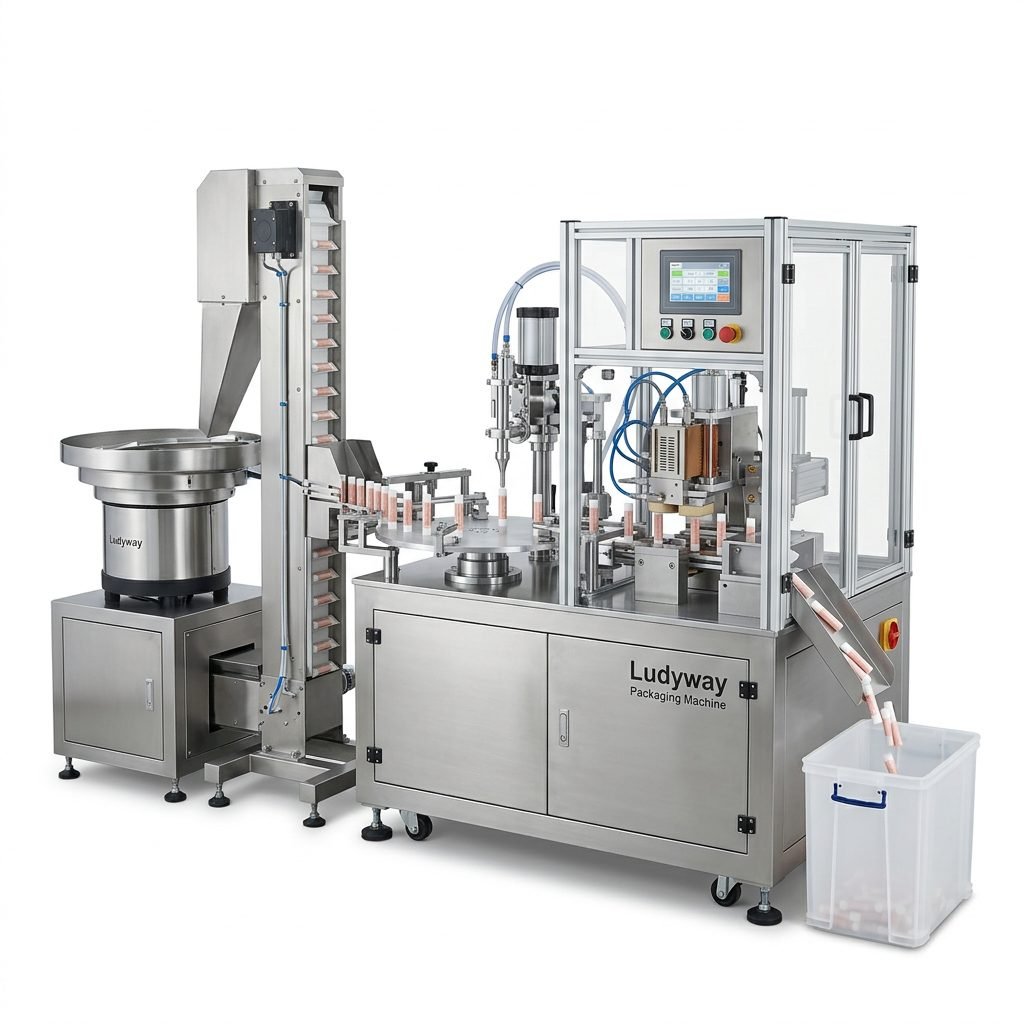
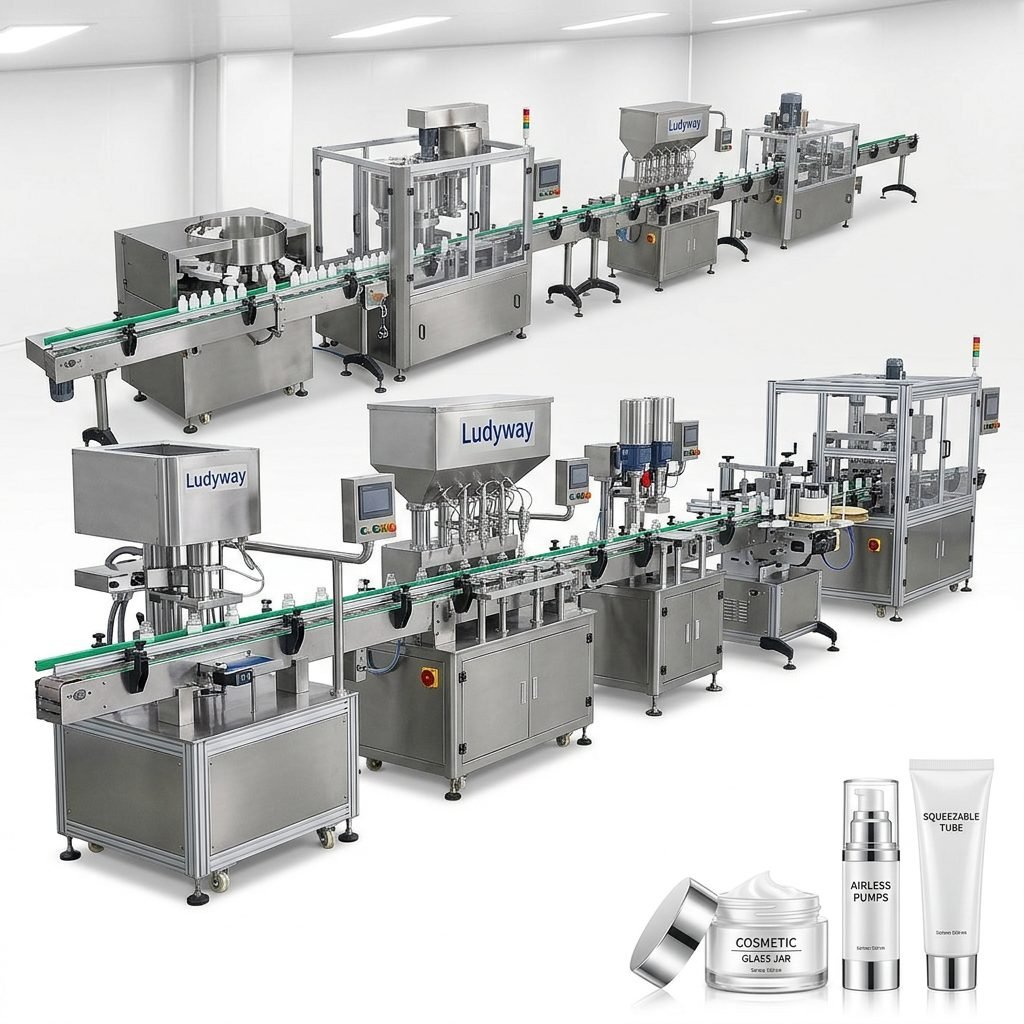
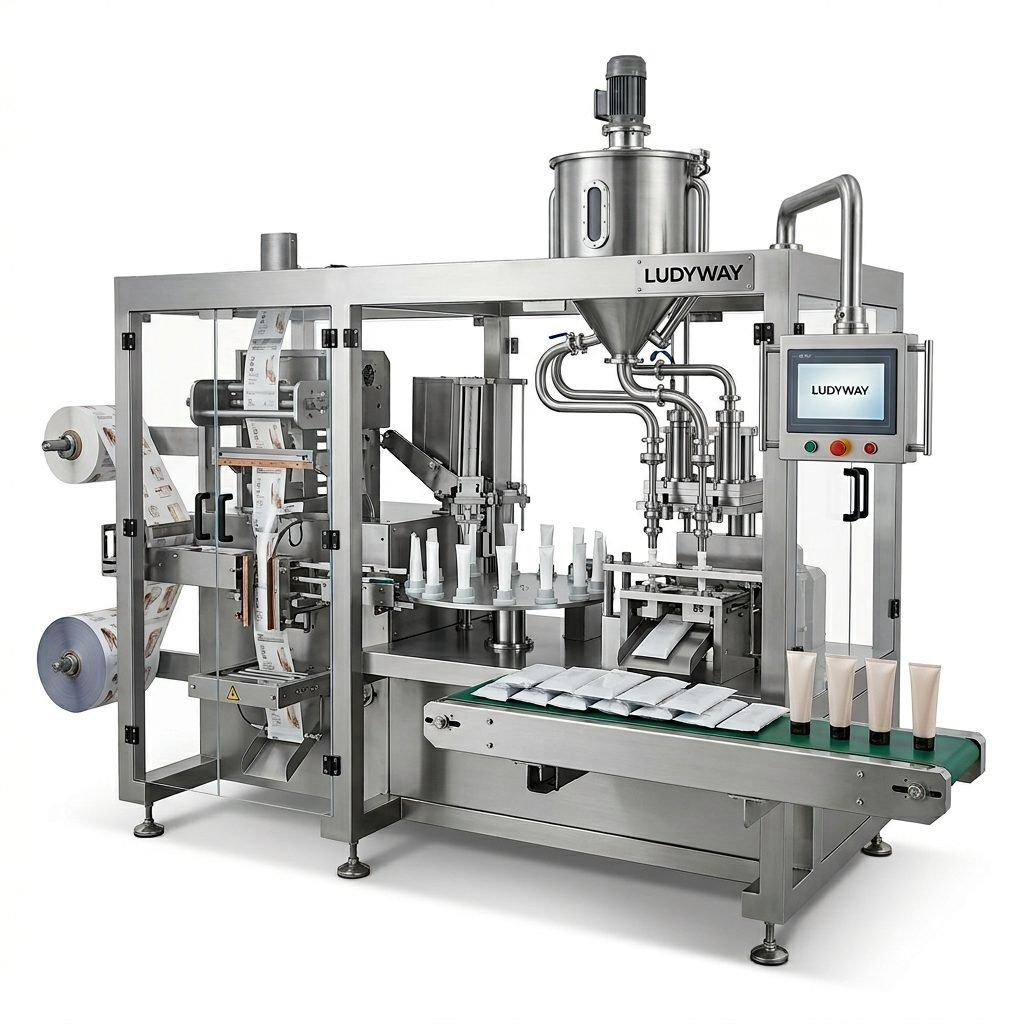
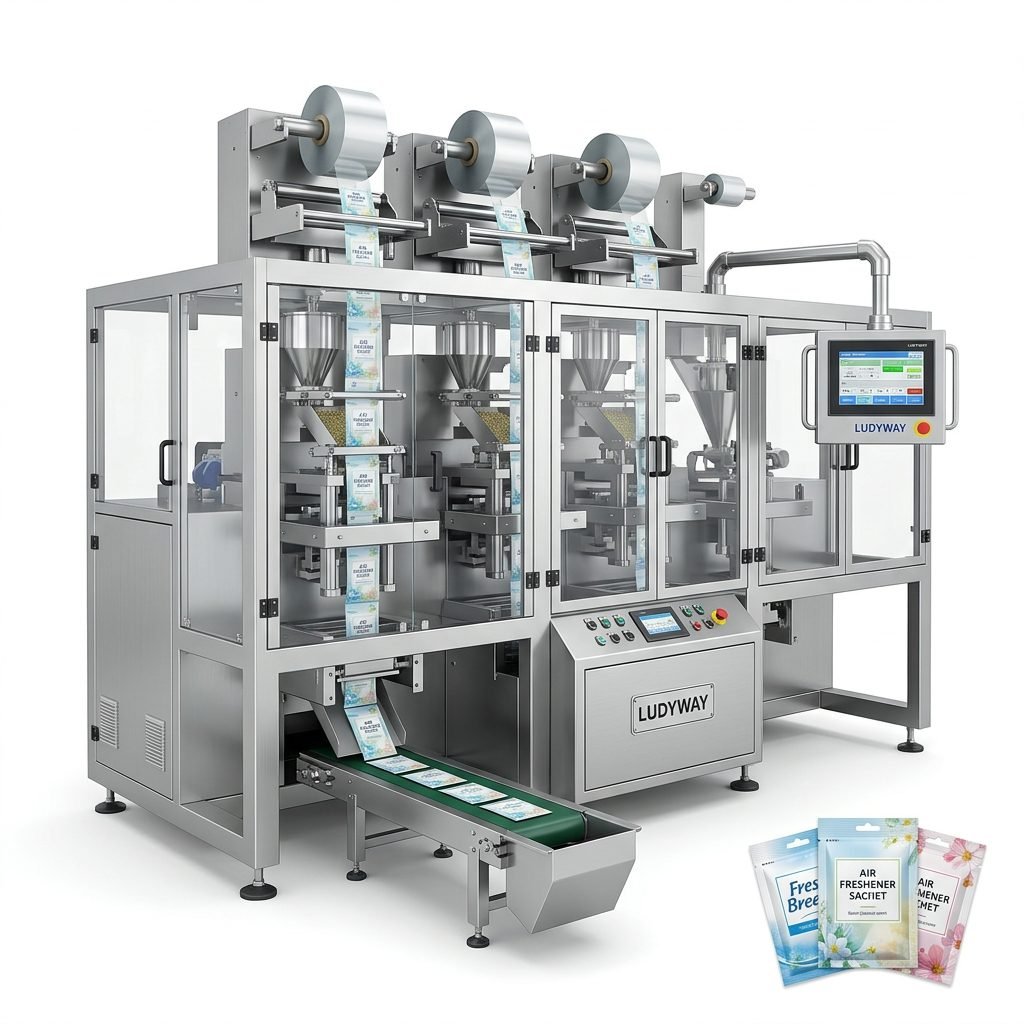
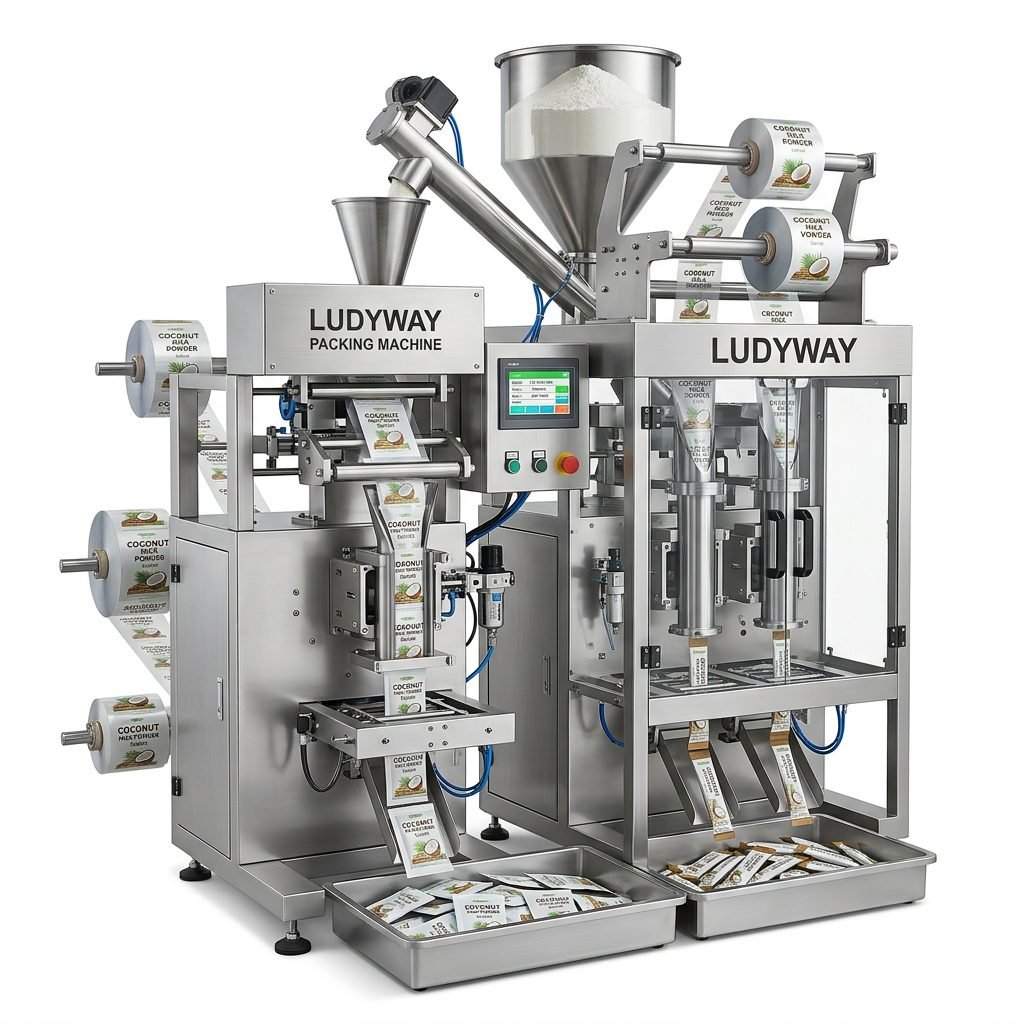
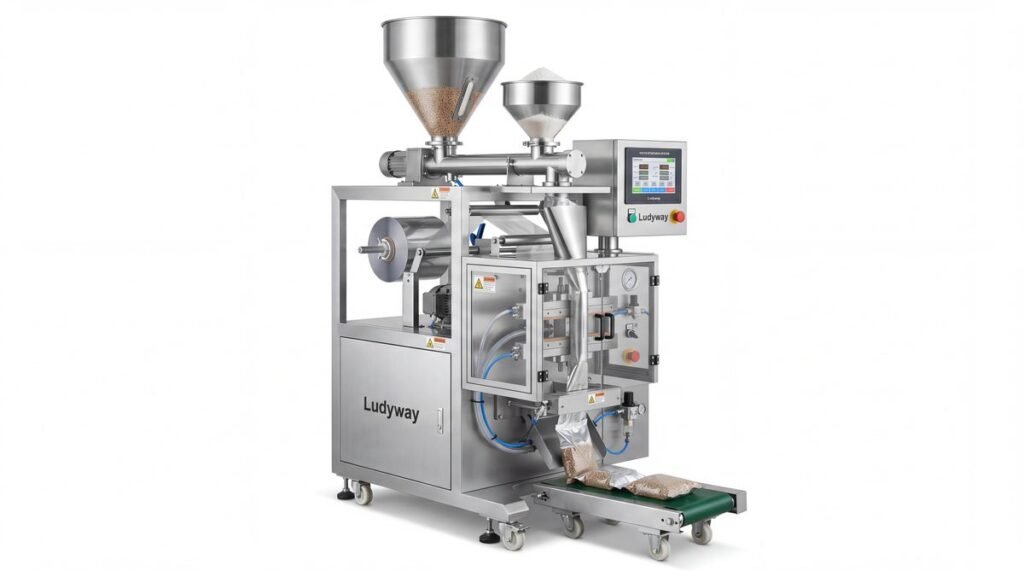
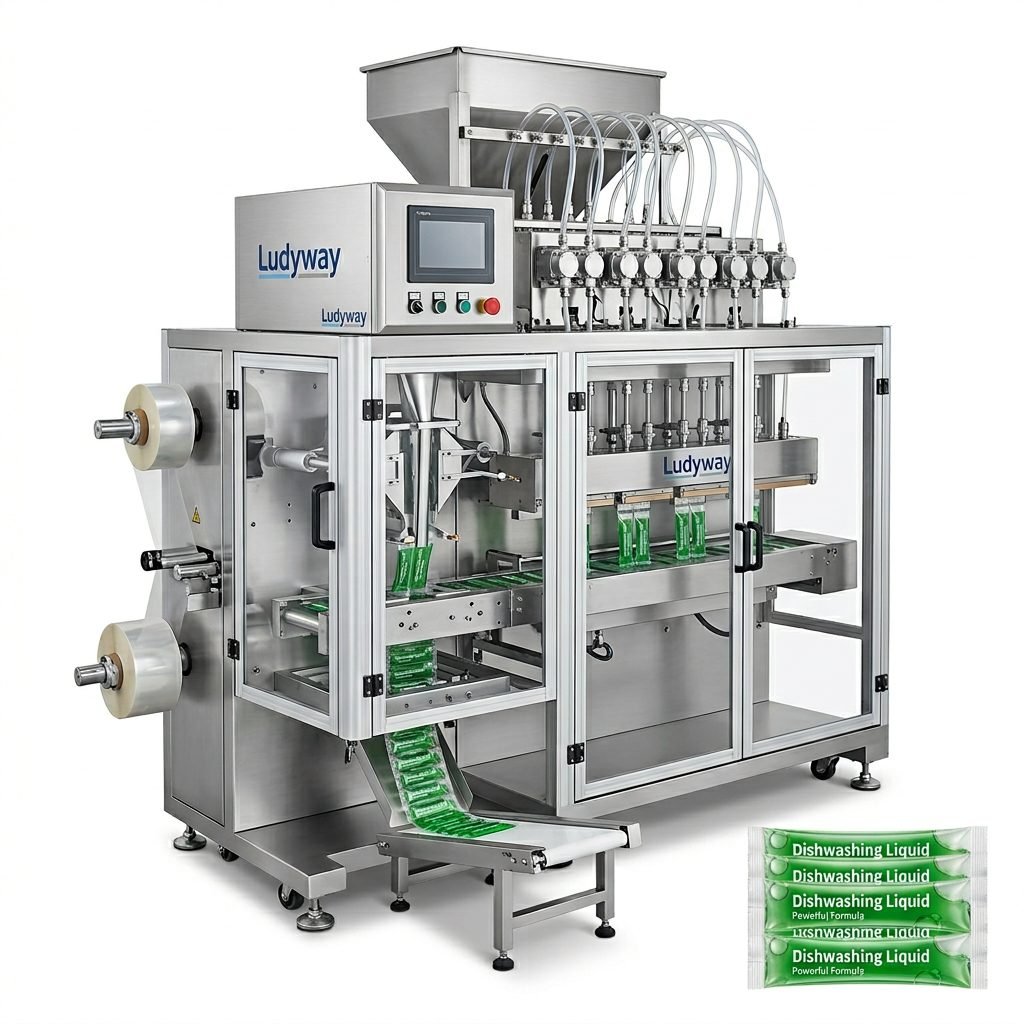
Selecting the right powder packaging machinery is a critical decision for manufacturers in industries ranging from food and pharmaceuticals to chemicals and health supplements. The ideal machine must balance speed, precision, adaptability, and reliability to ensure product integrity and maximize production efficiency. With a myriad of options available, understanding key selection criteria is essential for making an informed investment that aligns with your specific operational goals.
Understanding Your Powder Product Characteristics
The first and most crucial step in choosing a machine is a deep analysis of your powder product. Not all powders behave the same way, and their physical properties directly dictate the type of filling technology required.
Key Powder Properties to Assess:
• Flowability: Does the powder flow freely like salt, or is it cohesive and prone to bridging, like milk powder or flour?
• Bulk Density: The mass per unit volume. This is vital for volumetric filling accuracy.
• Hygroscopicity: Does the powder absorb moisture from the air, potentially causing clumping and affecting flow?
• Abrasiveness: Some powders (e.g., certain spices, minerals) can wear down machine parts quickly.
• Particle Size and Distribution: Fine, uniform powders behave differently than coarse, granular ones or blends with varying particle sizes.
Primary Filling Technologies for Powders
Once you understand your product, you can evaluate the main filling technologies. Each has its strengths and ideal applications.
Auger Filling Systems
This is the most common and versatile method for powder packaging. A rotating screw (auger) inside a hopper moves a precise volume of powder into the container. Accuracy is achieved by controlling the number of screw revolutions.
✓ Best For: A wide range of free-flowing to semi-cohesive powders. Ideal for spices, protein powders, drink mixes, and pharmaceutical ingredients.
✓ Key Advantage: Excellent versatility and good accuracy (±0.5-1% typical) when set up correctly for the specific powder.
Gravimetric (Net Weight) Filling Systems
These systems provide the highest level of accuracy. They use an in-motion scale to weigh each dose of powder as it is dispensed, cutting off the feed at the exact target weight.
✓ Best For: High-value products, applications requiring extreme precision (e.g., pharmaceuticals, active ingredients, expensive supplements), and powders with inconsistent bulk density.
✓ Key Advantage: Unmatched weight accuracy, often within ±0.1% or better, ensuring compliance and cost control.
Volumetric Cup Filling Systems
A simple and cost-effective method where rotating cups of a fixed volume scoop powder from a hopper and deposit it into containers.
✓ Best For: Very free-flowing, non-aerating powders with consistent density, such as salt, granulated sugar, or certain seeds.
✓ Key Advantage: High speed and mechanical simplicity, making it a robust option for high-volume, low-cost products.
Evaluating Machine Specifications and Features
Beyond the core filling technology, several other specifications determine if a machine will integrate seamlessly into your production line.
Speed and Production Output
Machines are rated in bags, pouches, or containers per minute (CPM). Match the machine’s maximum speed to your current and near-future production targets. Consider if you need a single-head machine for lower volumes or a multi-lane system for high-output requirements.
Accuracy and Consistency
Request accuracy data specific to a powder similar to yours. Look for features that enhance consistency, such as servo-driven augers for precise control, automatic weight check systems, and vibration or tamping devices to settle powder in the measuring chamber for more consistent volumes.
Flexibility and Changeover
If you run multiple products or package sizes, quick changeover is vital. Look for machines with tool-less adjustments, easy-to-switch parts (like augers and funnels), and digital recipe storage that recalls settings for different products at the touch of a button.
Hygiene and Construction
For food, pharmaceutical, or nutraceutical applications, sanitary design is non-negotiable. Features to look for include:
- Stainless steel (304 or 316) contact surfaces.
- Easy access for cleaning without tools (quick-release clamps, hinged panels).
- Sealed motors and washdown capability if required.
Companies like Ludyway Machinery, with deep experience in these sectors, design equipment with these critical hygiene standards in mind.
Integration and Support: The Complete Solution
The machine itself is only one part of the equation. Consider how it will fit into your broader operation.
Packaging Material Compatibility
Ensure the machine is compatible with your chosen packaging film—whether it’s premade pouches, roll stock for form-fill-seal (FFS) machines, bottles, or cans. The sealing system (heat, ultrasonic) must be appropriate for the material.
Automation and Upstream/Downstream Integration
Can the filler be integrated with other line equipment? Look for machines with standard communication protocols (PLC, Ethernet/IP) that can connect to automated conveying systems, upstream feeders, downstream cartoners, or checkweighers.
Supplier Expertise and After-Sales Support
Partner with a supplier that offers more than just a machine. Comprehensive support includes:
1. Application Testing: A reputable supplier should offer to test your actual product in their facility to recommend the optimal configuration.
2. Training & Installation: Proper training for your operators and maintenance staff is crucial for long-term success.
3. Parts Availability & Service: Ensure quick access to genuine spare parts and responsive technical support to minimize downtime.
Making the Final Decision
Create a weighted checklist based on your priorities: Is accuracy paramount over speed? Is flexibility more important than the lowest initial cost? A thorough evaluation against your specific product needs, production volume, budget, and future growth plans will lead you to the right machine.
Frequently Asked Questions (FAQs)
1. What is the most accurate type of powder filler?
Answer: Gravimetric (net weight) fillers are the most accurate, as they weigh each dose during the filling process. They are the standard for high-value or regulated products where precise weight control is critical for compliance and cost savings.
2. Can one machine handle different types of powders?
Answer: Yes, but with considerations. A versatile auger filler can handle a range of powders, but it may require adjustments or component changes (like different auger types or hoppers) when switching between products with vastly different flow characteristics. Quick-change features are key for multi-product facilities.
3. How important is product testing before purchase?
Answer: It is highly recommended and often essential. Sending a sample of your powder to the machine supplier for a live test run is the best way to verify achievable speed, accuracy, and overall performance. It can reveal potential issues like aeration, clumping, or wear that need to be addressed in the machine design.
4. What maintenance does a powder packaging machine require?
Answer: Regular maintenance includes daily cleaning to prevent cross-contamination and powder buildup, lubrication of moving parts as per the manual, and periodic inspection/wear part replacement (e.g., augers, seals, filter bags). A good supplier will provide a clear maintenance schedule and training.
5. How do I choose between a single-head and multi-head machine?
Answer: The choice depends on your required output. Single-head machines are suitable for lower to medium production speeds and are often more affordable and easier to maintain. Multi-head machines (with 2, 4, 8, or more filling heads) operate in parallel to achieve very high speeds and are ideal for large-scale, high-volume production lines.