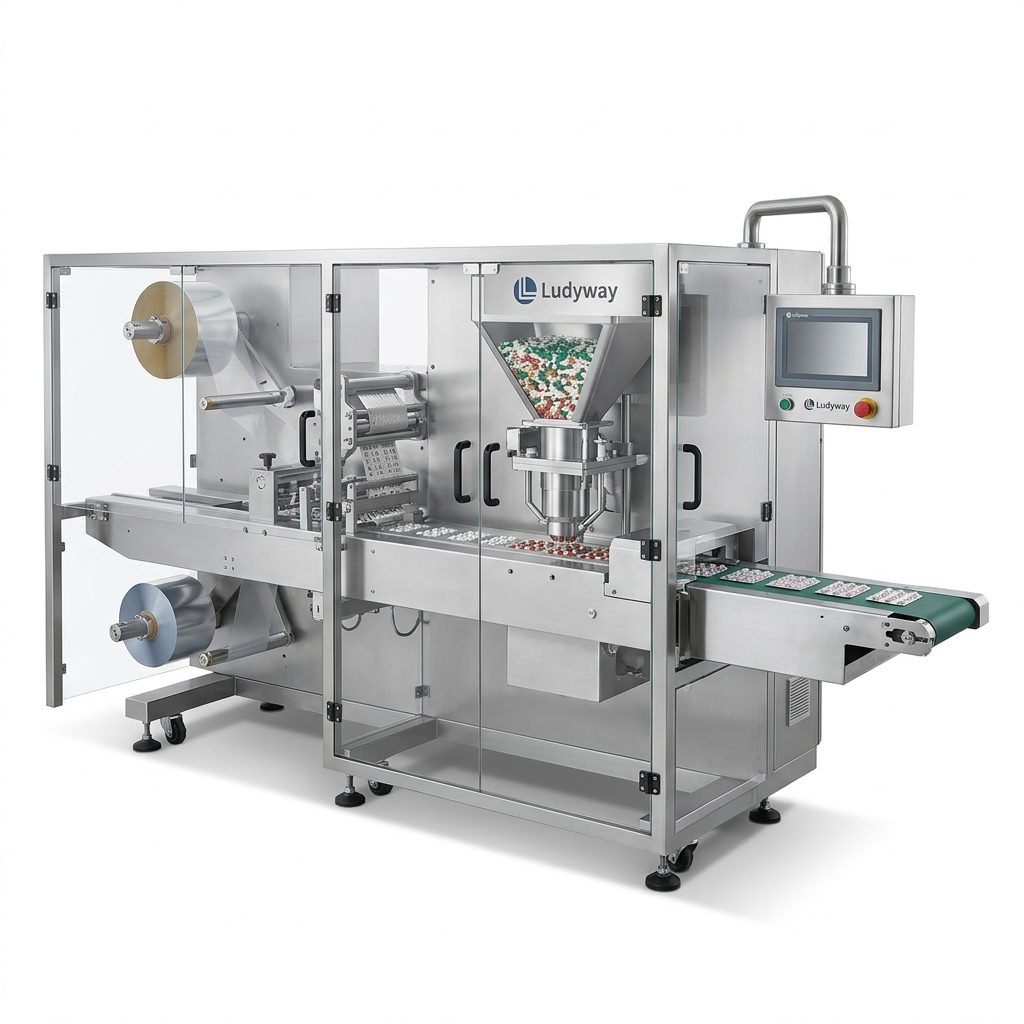
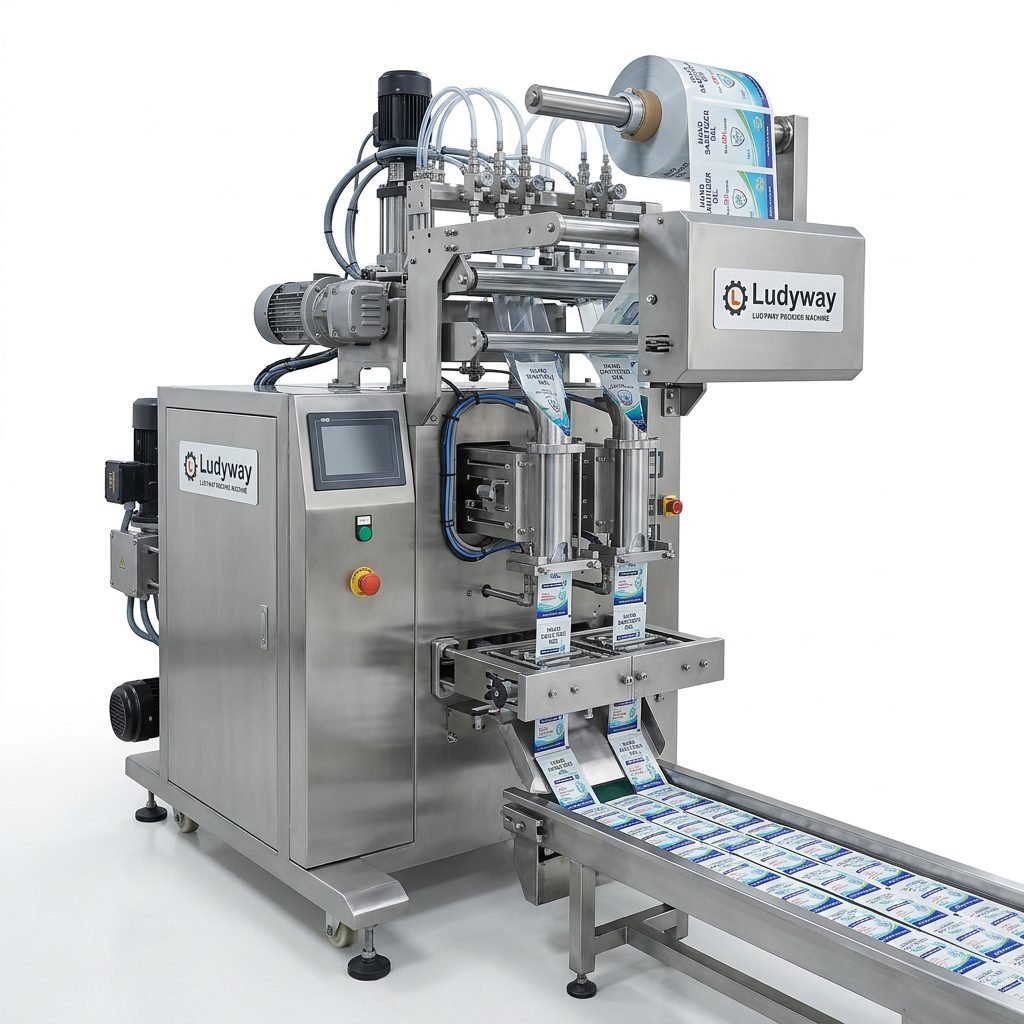
Investing in a shrink packing machine is a significant decision for any manufacturer looking to protect products, improve presentation, and streamline end-of-line packaging operations. With a wide range of machine types, configurations, and automation levels available, selecting the right equipment requires a clear understanding of your production requirements, packaging materials, and long-term operational goals.
Understanding Shrink Packaging Fundamentals
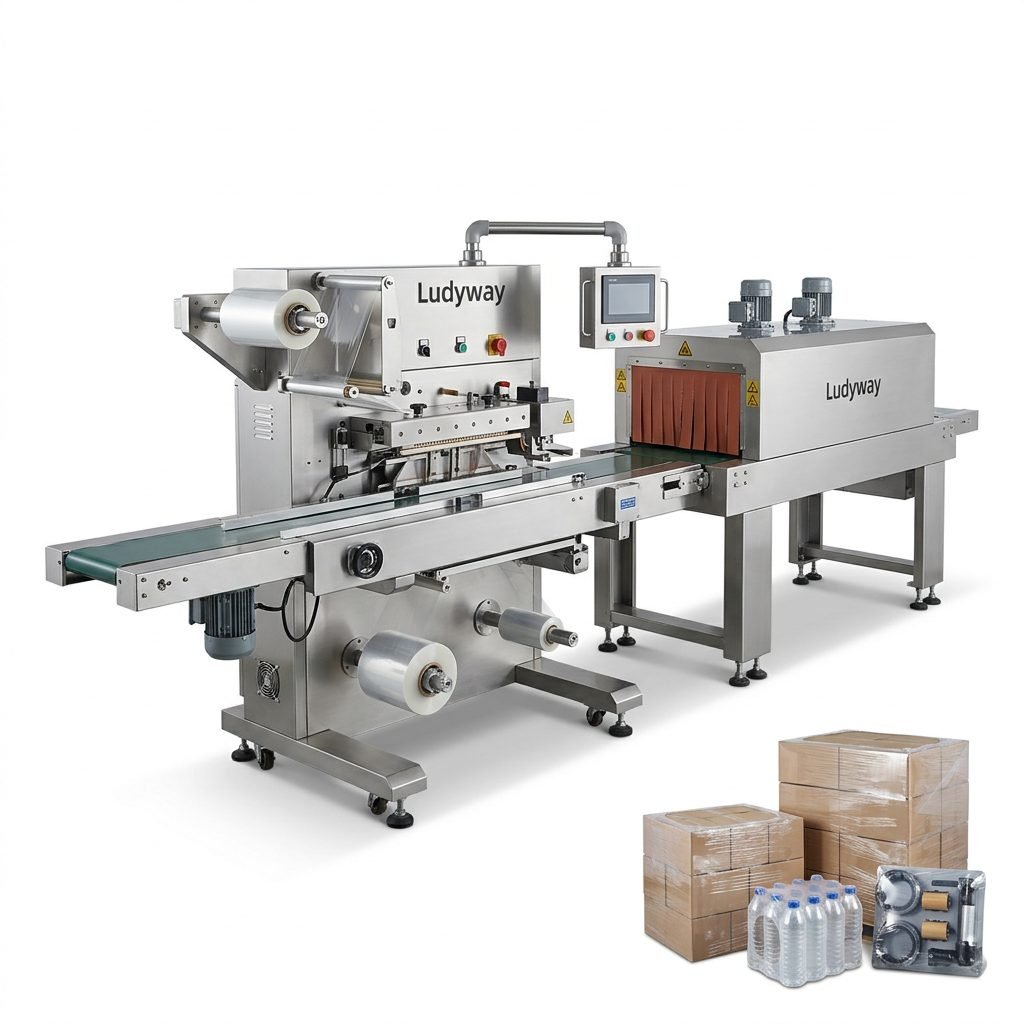
Shrink packaging involves wrapping a product or group of products in a loose film sleeve or bag, then applying heat to cause the film to shrink tightly around the item. This process creates a secure, tamper-evident, and visually appealing package. The choice of machinery depends on several interconnected factors, including film type, production speed, product dimensions, and the level of automation required.
Before diving into specific machine features, it is essential to understand the two primary heat sources used in shrink systems: heat guns for low-volume or manual operations, and heat tunnels or shrink tunnels for automated, high-speed production lines. Your throughput requirements will heavily influence which approach makes sense for your operation.
Key Factors to Evaluate Before Purchasing
1. Production Volume and Speed Requirements
One of the first questions to answer is how many units you need to package per hour or per shift. Low-volume operations may be well-served by semi-automatic L-bar sealers with a basic heat tunnel, while high-speed production lines demand fully automatic continuous-motion wrappers capable of keeping pace with upstream equipment. Matching machine speed to your actual production rate helps avoid bottlenecks and ensures a smooth packaging workflow.
2. Product Size, Shape, and Weight
The physical characteristics of your product directly determine the machine chamber size, seal bar dimensions, and tunnel configuration you need. Machines are typically rated for a maximum product height, width, and film roll width. Irregularly shaped products, tall items, or products with sharp edges may require specialized handling or thicker shrink film to prevent punctures during the shrinking process.
3. Film Type and Material Compatibility
Common shrink films include polyethylene (PE), polyolefin (POF), and polyvinyl chloride (PVC). Each material has distinct shrink characteristics, clarity, strength, and cost profiles. Your machine must be compatible with your preferred film type, as different films require different sealing temperatures and shrink tunnel heat distribution. POF film, for instance, is widely used in food and consumer goods due to its excellent clarity and versatility across a broad range of machine types.
Types of Shrink Packing Machines
Understanding the different categories of equipment available on the market will help you narrow down your options. Below is a comparison of the most common machine configurations.
| Machine Type | Best Suited For | Automation Level | Typical Speed Range |
|---|---|---|---|
| Manual L-Bar Sealer | Small workshops, low-volume packaging | Manual | Up to 5-10 packs/min |
| Semi-Automatic L-Bar Sealer | Medium production, varied product sizes | Semi-automatic | 10-20 packs/min |
| Automatic L-Bar Sealer | Consistent product sizes, higher volume | Fully automatic | 20-35 packs/min |
| Side-Seal Shrink Wrapper | High-speed lines, varied product lengths | Fully automatic | 30-100+ packs/min |
| Shrink Sleeve Applicator | Bottles, containers, tamper-evident seals | Semi to fully automatic | 50-400 bottles/min |
Critical Machine Specifications to Review
When comparing different models and manufacturers, pay close attention to the following technical specifications that directly impact performance and reliability:
- Sealing Bar Length and Width: Determines the maximum product dimensions the machine can accommodate. Always allow for some margin beyond your current largest product size.
- Film Roll Diameter and Width Capacity: Larger rolls mean fewer changeovers and less downtime. Check the maximum roll diameter the machine supports.
- Tunnel Temperature Control: Precise, adjustable temperature zones with PID controllers provide consistent shrink quality and reduce film waste.
- Conveyor Type and Speed: Mesh belt, Teflon-coated, or roller conveyors each suit different product types. Variable speed control is essential for matching tunnel residency time to film requirements.
- Electrical Requirements: Confirm voltage, phase, and power consumption align with your facility’s electrical infrastructure.
- Cooling System: Adequate cooling at the tunnel exit ensures the film sets properly and maintains package integrity during downstream handling.
Automation and Integration Capabilities
For manufacturers seeking to build or upgrade a complete packaging line, the ability to integrate the shrink wrapping system with upstream and downstream equipment is crucial. Look for machines that support PLC-based controls, standard communication protocols, and physical interfaces compatible with existing conveyors, labeling machines, coding systems, and case packers. A well-integrated line reduces manual handling, minimizes errors, and improves overall equipment effectiveness (OEE).
Evaluating Build Quality and Compliance
Machine construction materials and manufacturing standards significantly influence durability, hygiene, and regulatory compliance. Stainless steel frames and food-grade components are essential for food, pharmaceutical, and personal care applications. Machines destined for regulated industries should be designed to meet relevant standards, and manufacturers should be able to provide appropriate documentation and certifications. For guidance on packaging machinery standards, industry organizations such as PMMI – The Association for Packaging and Processing Technologies offer extensive resources and business intelligence to help buyers make informed decisions.
Total Cost of Ownership Considerations
The purchase price of a shrink packing machine is only one component of its total cost of ownership. A comprehensive evaluation should account for:
- Energy consumption: Heat tunnels can be energy-intensive; efficient insulation and intelligent temperature management reduce operating costs.
- Film consumption and waste: Precise film feeding and sealing minimize trim waste and material costs over time.
- Maintenance requirements: Easy access to sealing elements, tunnels, and conveyors simplifies routine cleaning and part replacement.
- Spare parts availability: Confirm that critical wear parts are readily available from the manufacturer or through local distributors.
- Operator training: Intuitive controls and clear documentation reduce the learning curve and minimize operator errors.
Flexible Packaging Considerations
Shrink packaging often intersects with broader flexible packaging strategies. Understanding film properties, sustainability trends, and material innovations can help future-proof your investment. Organizations like the Flexible Packaging Association provide valuable industry data and resources on film technologies and sustainability practices that may influence your shrink packaging choices.
Selecting the Right Supplier
Choosing a reliable equipment partner is as important as selecting the right machine specifications. Consider the following when evaluating potential suppliers:
- Industry experience: A supplier with a proven track record in your specific industry understands the unique challenges and standards you face.
- Customization capabilities: The ability to tailor machine configurations to your product range and production environment adds significant long-term value.
- After-sales support: Responsive technical assistance, operator training programs, and spare parts availability minimize downtime.
- References and case studies: Ask for examples of similar installations and speak with existing customers about their experiences.
- Global presence: If your operations span multiple regions, a supplier with international service capabilities simplifies ongoing support.
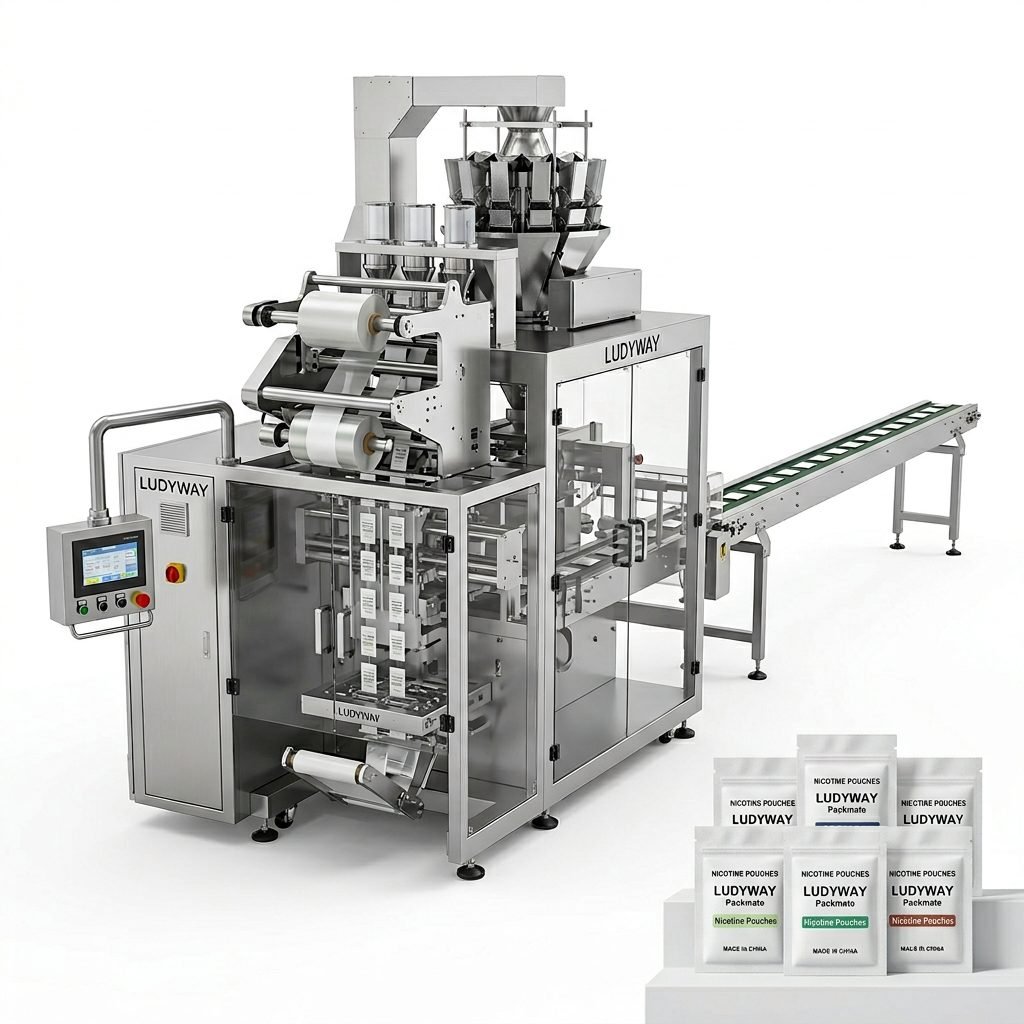
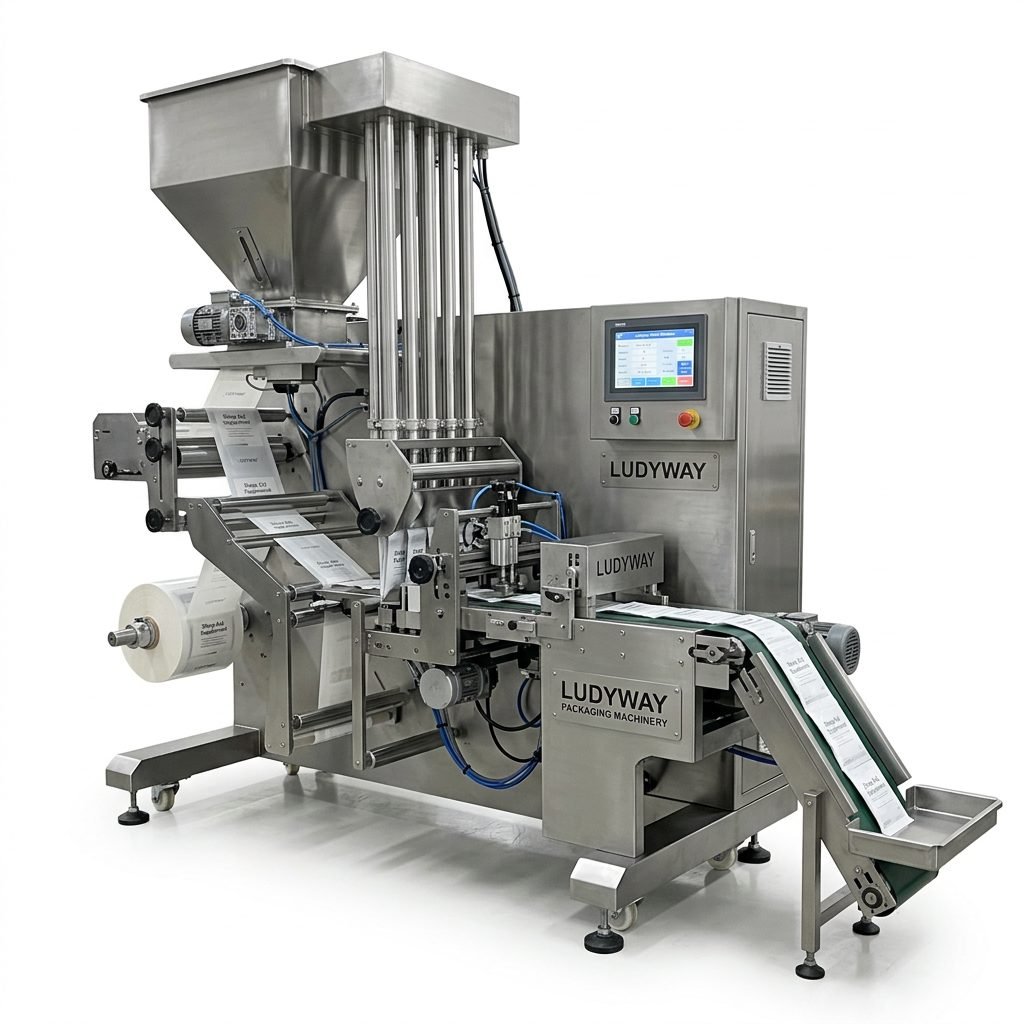
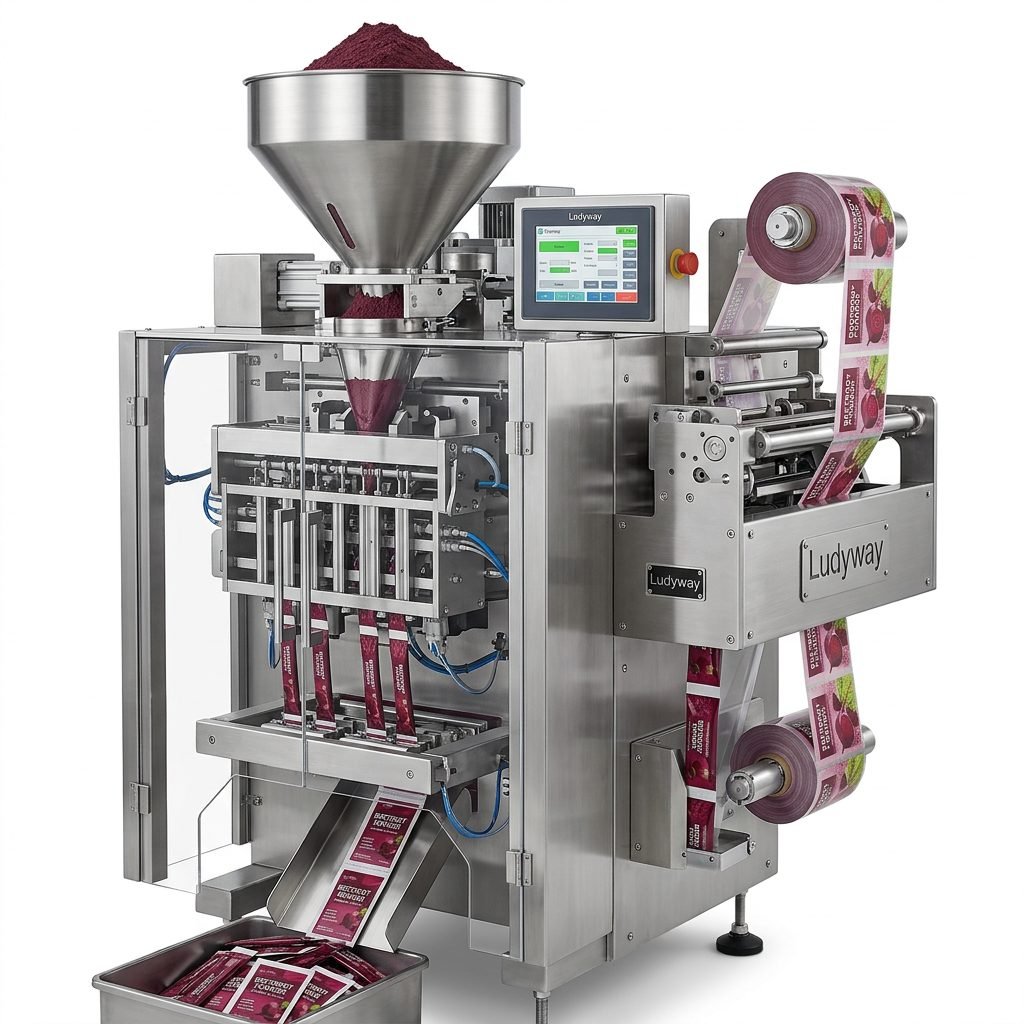
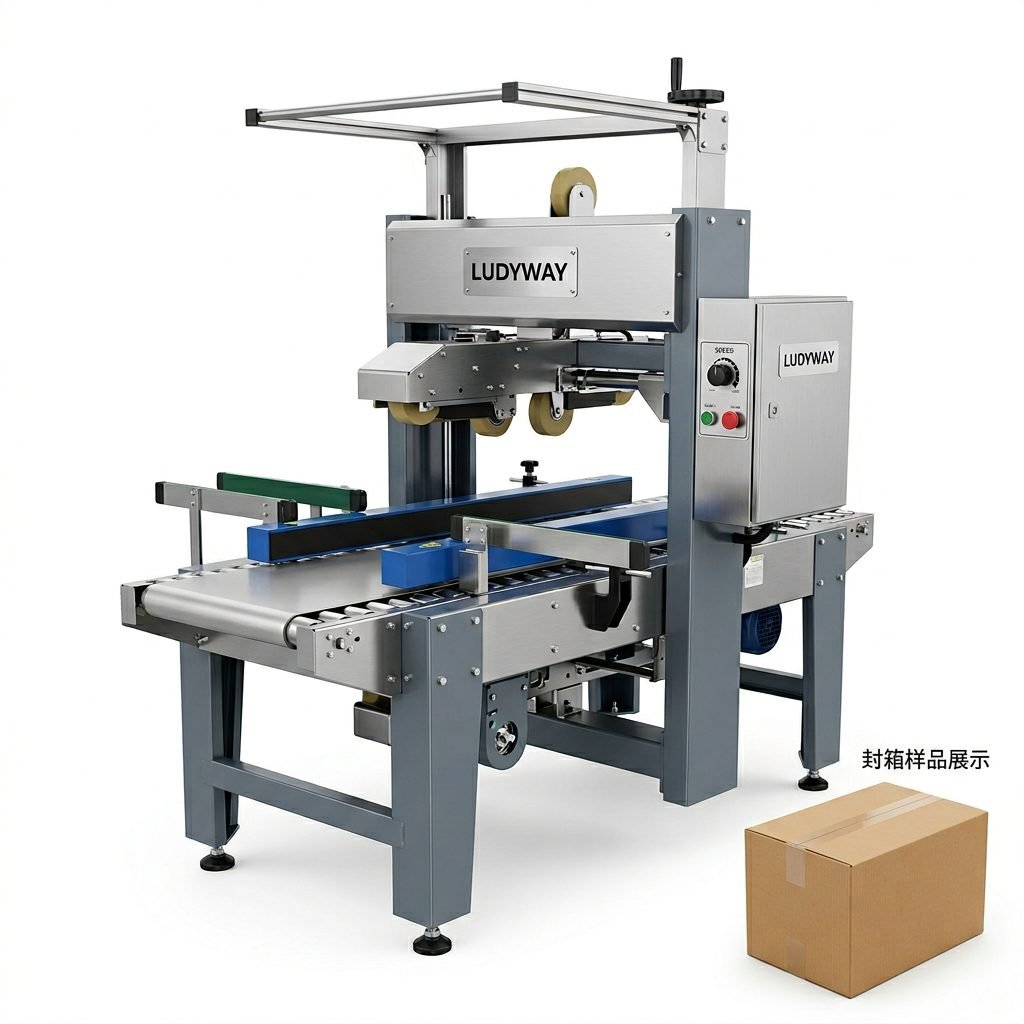
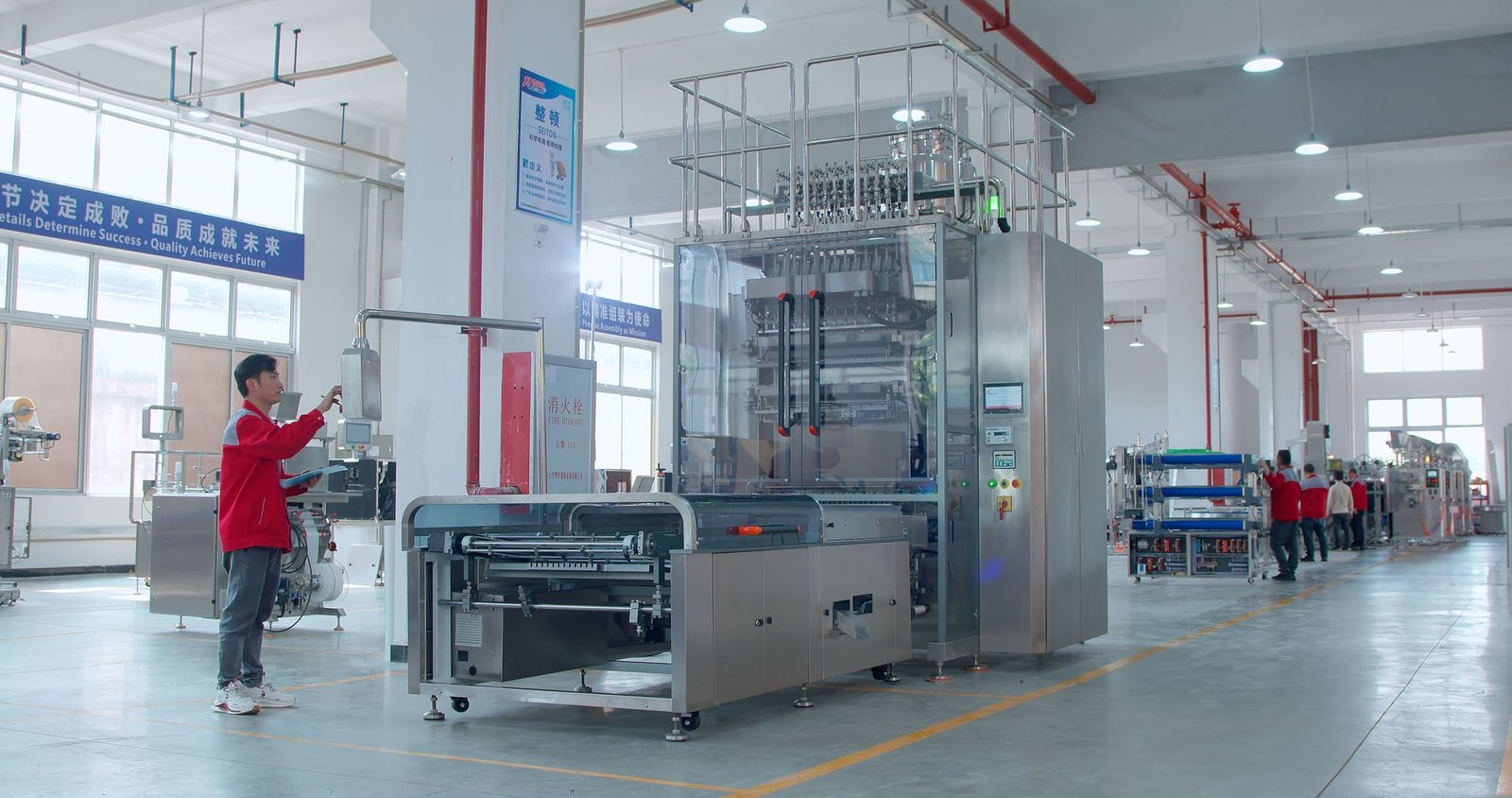
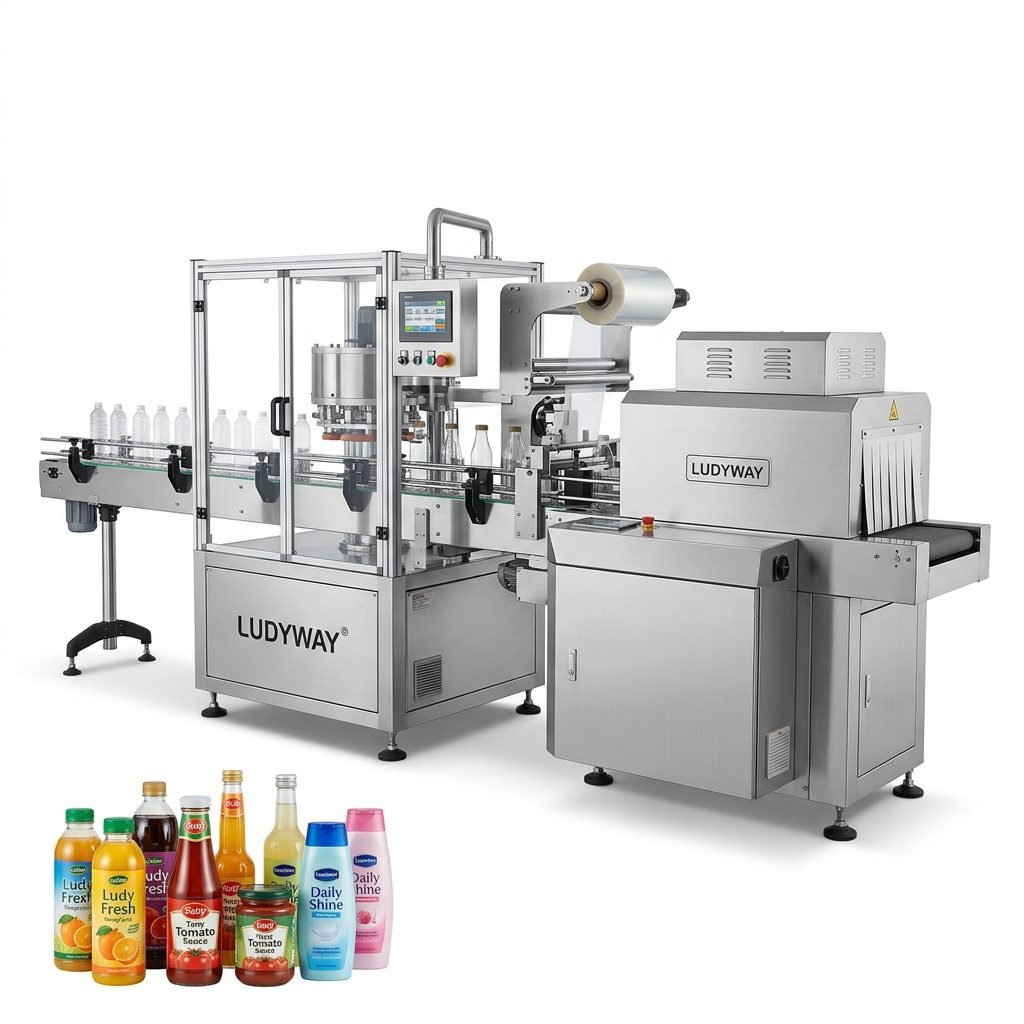
For manufacturers requiring customized shrink packaging solutions and integrated production lines, working with an experienced packaging machinery provider can significantly streamline equipment selection, system integration, and commissioning. Ludyway Machinery, for instance, has been developing automated packaging equipment for over 30 years, serving customers across more than 100 countries with tailored solutions spanning powder, granule, liquid, and flexible packaging applications.
Making the Final Decision
After narrowing down your options based on technical specifications, build quality, supplier reputation, and total cost of ownership, the final step involves validating your choice through factory acceptance testing (FAT) or by running sample products on the target machine. This practical verification ensures that the equipment performs as expected with your specific products, film materials, and operating conditions before finalizing the purchase.
A shrink packing machine is a long-term capital investment. Taking the time to thoroughly evaluate your requirements, research available technologies, and partner with a reputable supplier will pay dividends in packaging quality, production efficiency, and operational reliability for years to come.