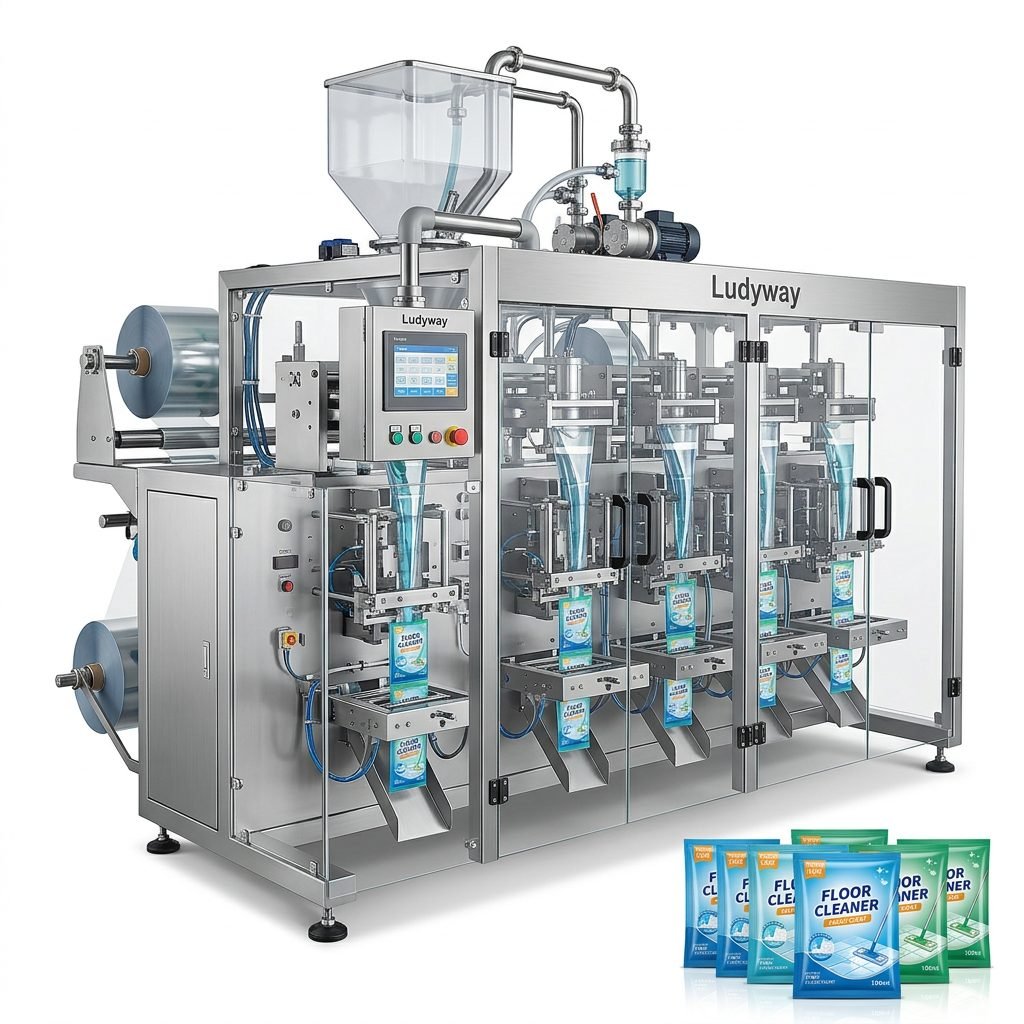
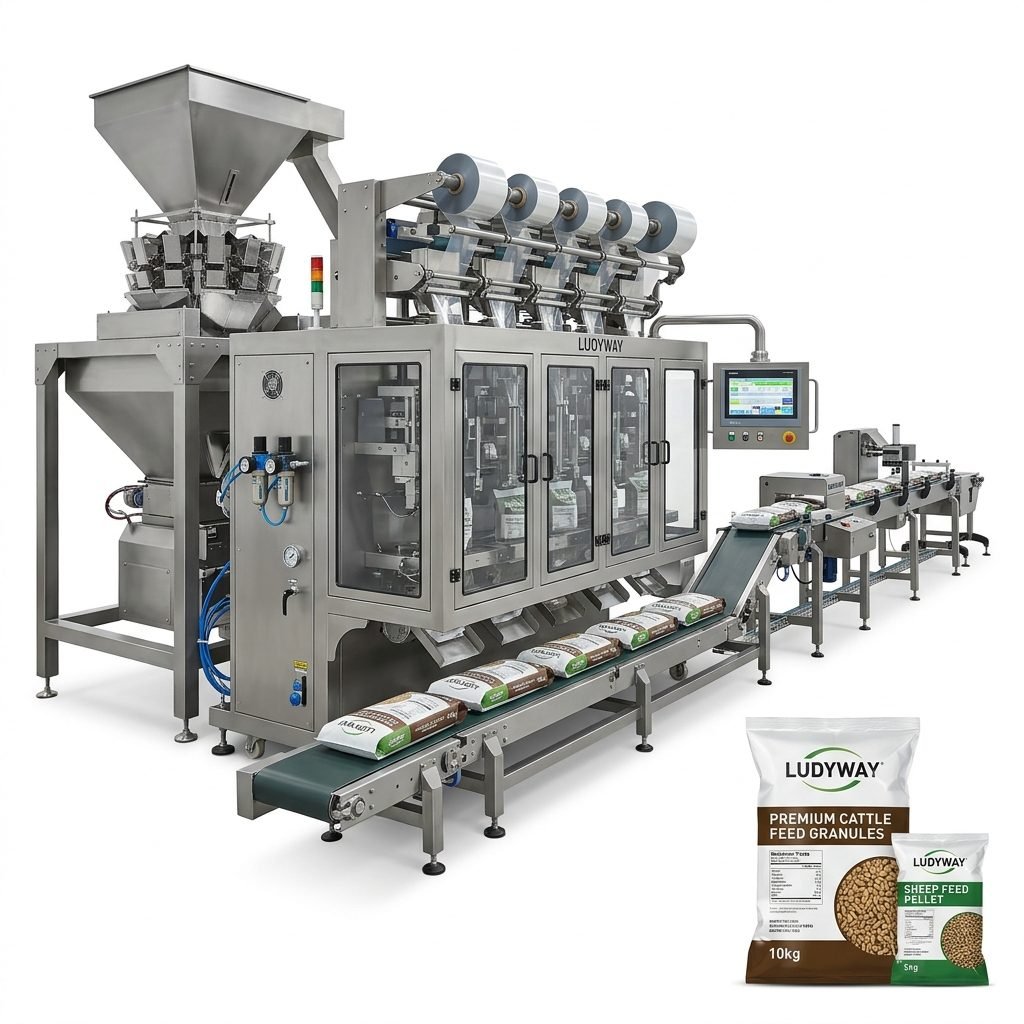
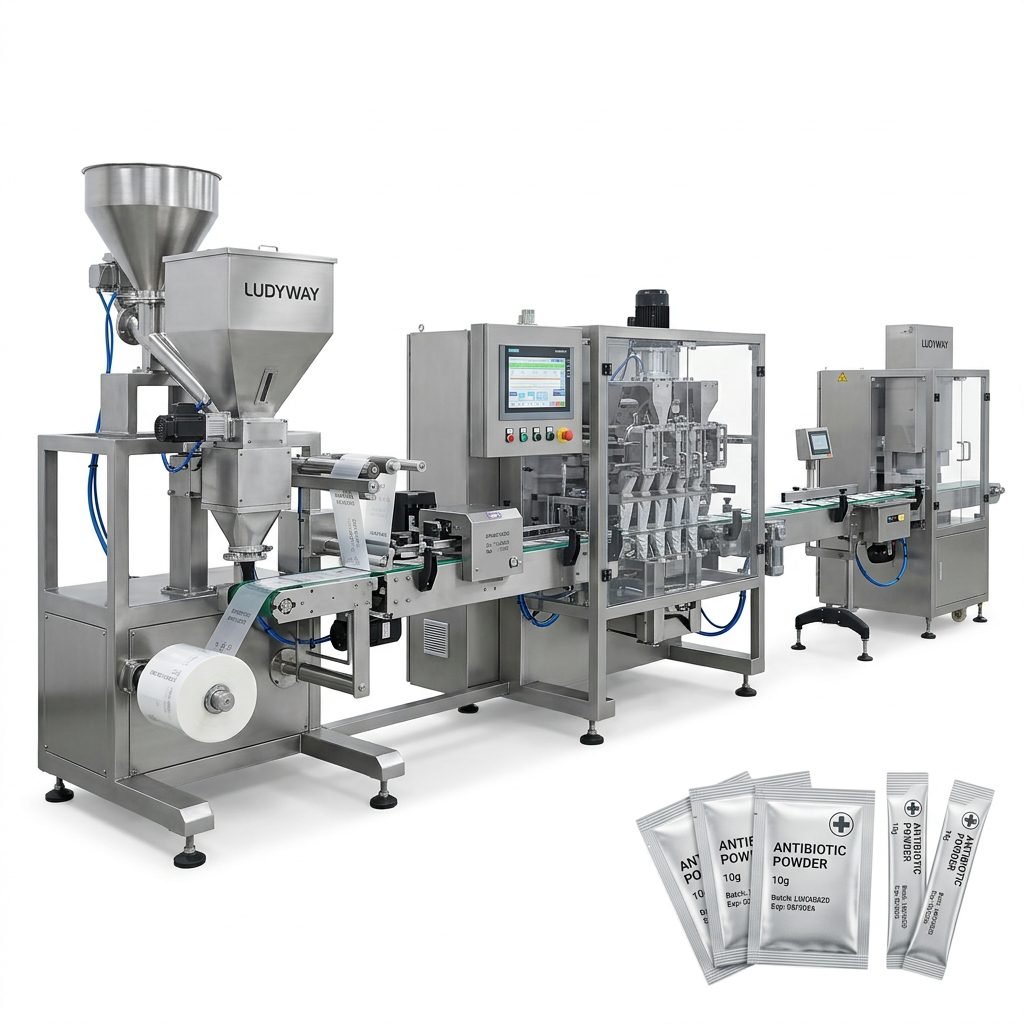
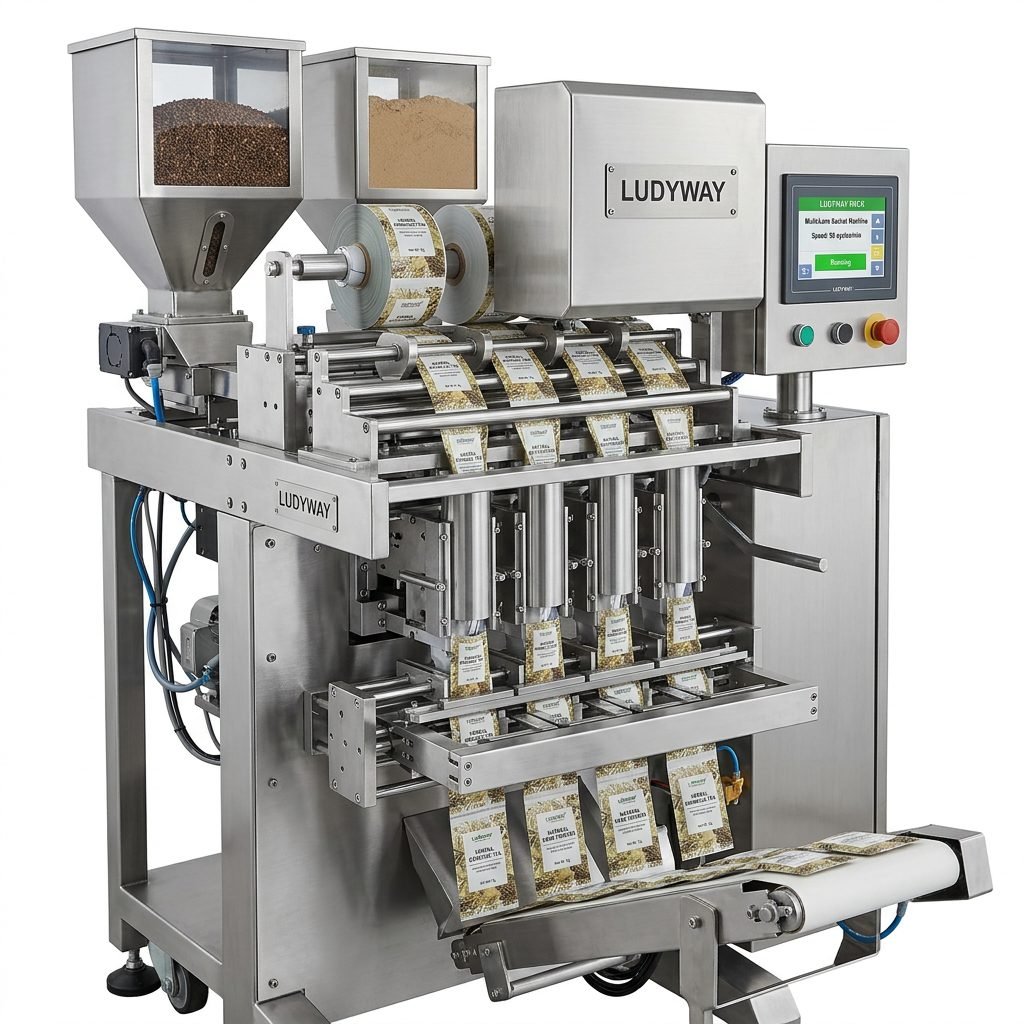
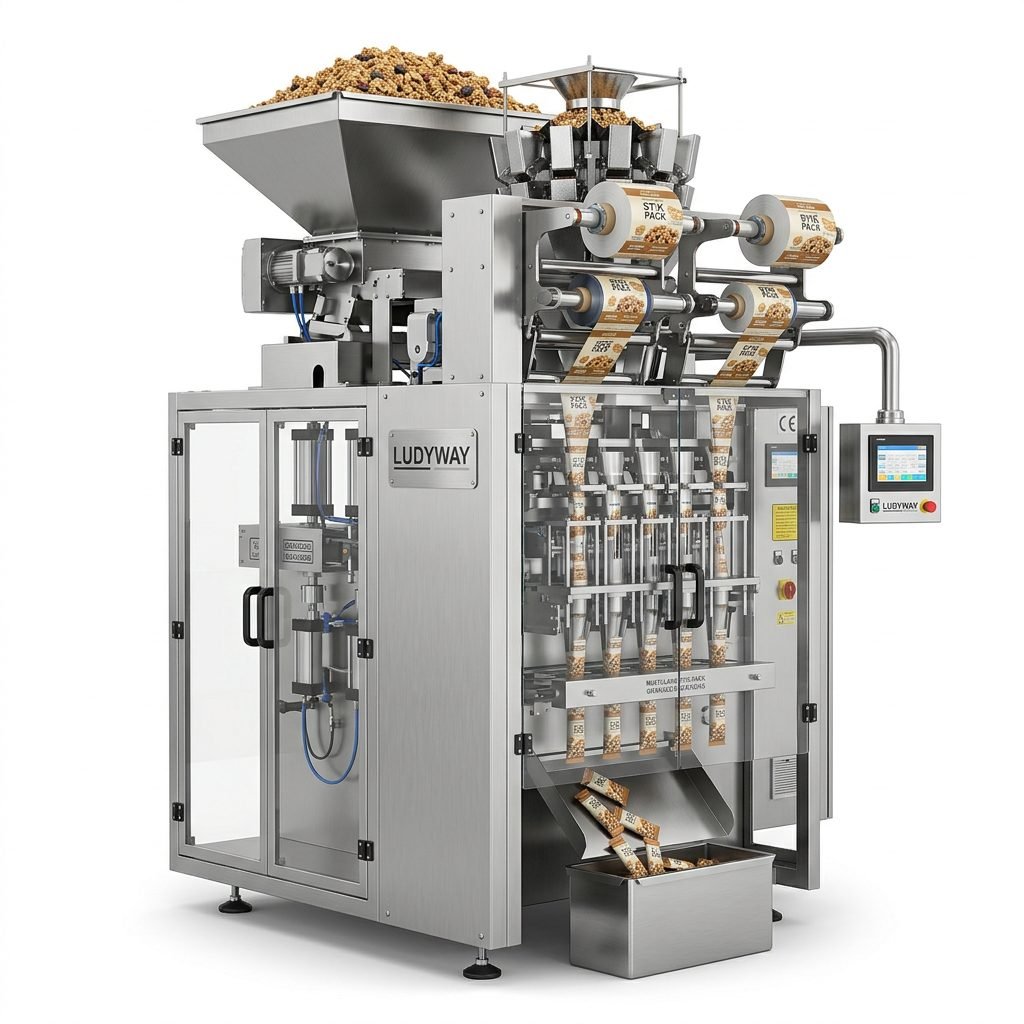
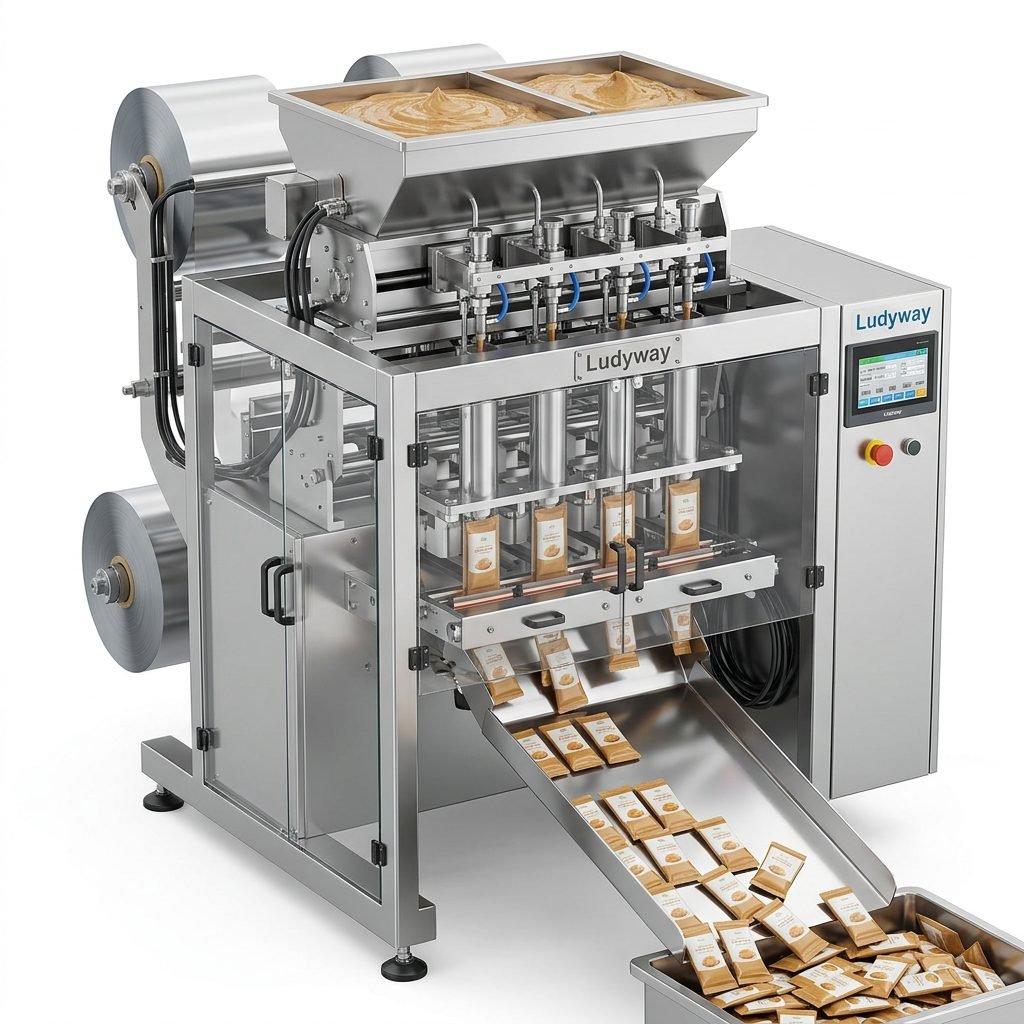
Investing in an automatic weighing and packing machine is a strategic decision that directly impacts your production efficiency, product quality, and bottom line. With countless configurations, technologies, and suppliers available, navigating the selection process can feel overwhelming. Whether you are packaging powders, granules, liquids, or solid products, the right equipment must align perfectly with your operational goals, regulatory environment, and growth projections. This guide walks you through the critical factors to evaluate before making your purchase.
1. Define Your Product Characteristics First
Every successful packaging project starts with a thorough understanding of the product itself. The physical and chemical properties of your material will dictate which packaging machinery technologies are compatible and which are not.
- Flowability: Free-flowing granules like sugar behave very differently from cohesive powders like flour or sticky liquids like honey.
- Bulk Density: Light, fluffy powders require different filling mechanisms and larger bag dimensions compared to dense granular products.
- Particle Size and Distribution: Products with a wide particle size range or fragile particles may demand specialized dosing systems to prevent segregation or breakage.
- Moisture Sensitivity and Hygroscopy: Hygroscopic products that absorb moisture from the air require sealed dosing systems and humidity-controlled environments.
- Temperature Sensitivity: Heat-sensitive products may need cooling systems or special sealing technologies to prevent product degradation during the sealing process.
Conducting a detailed product analysis with your packaging machine manufacturer during the initial consultation phase helps eliminate unsuitable technologies and focuses the search on equipment designed for your specific material handling challenges.
2. Determine Your Required Packaging Format
The type of package you want to produce is a primary driver of machine selection. Modern automatic weighing and packing machines can produce a wide variety of flexible packaging formats, each suited for different markets and consumer preferences.
| Packaging Format | Typical Applications | Key Considerations |
|---|---|---|
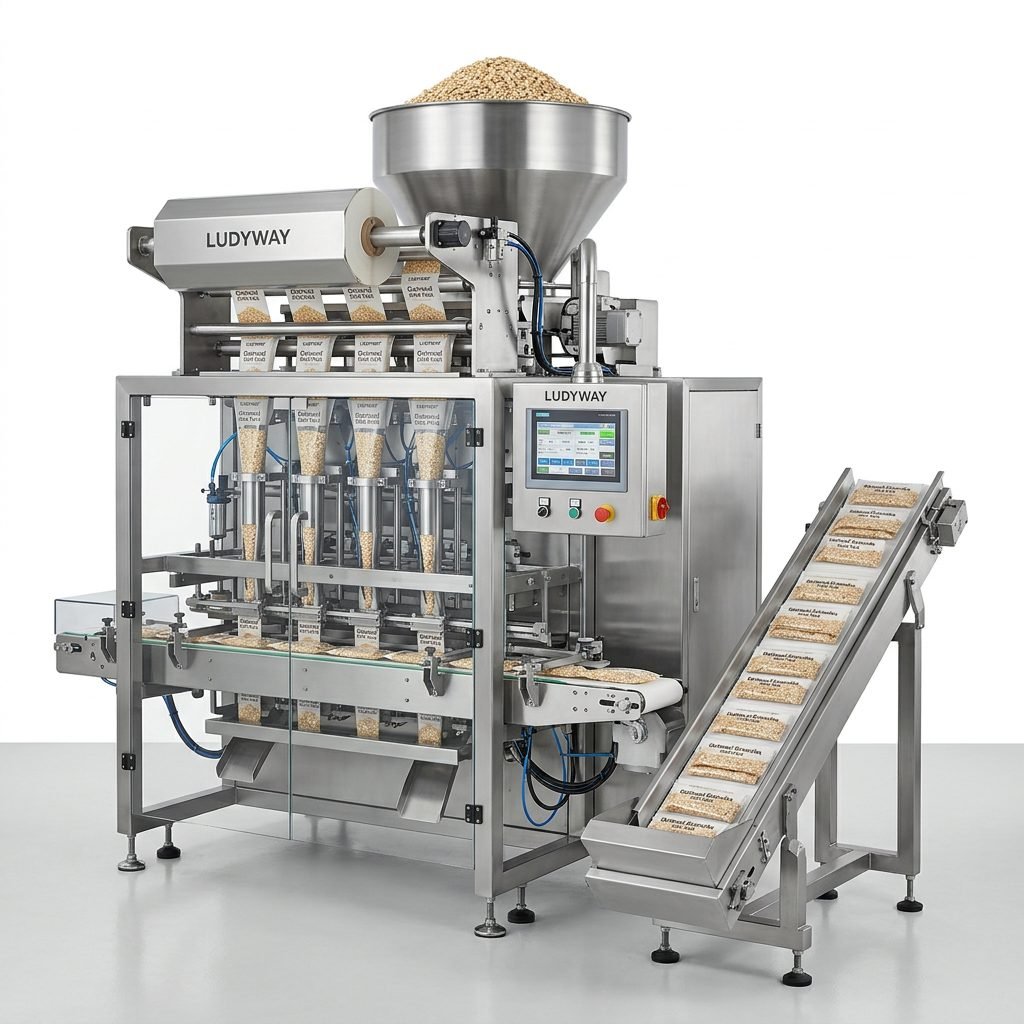
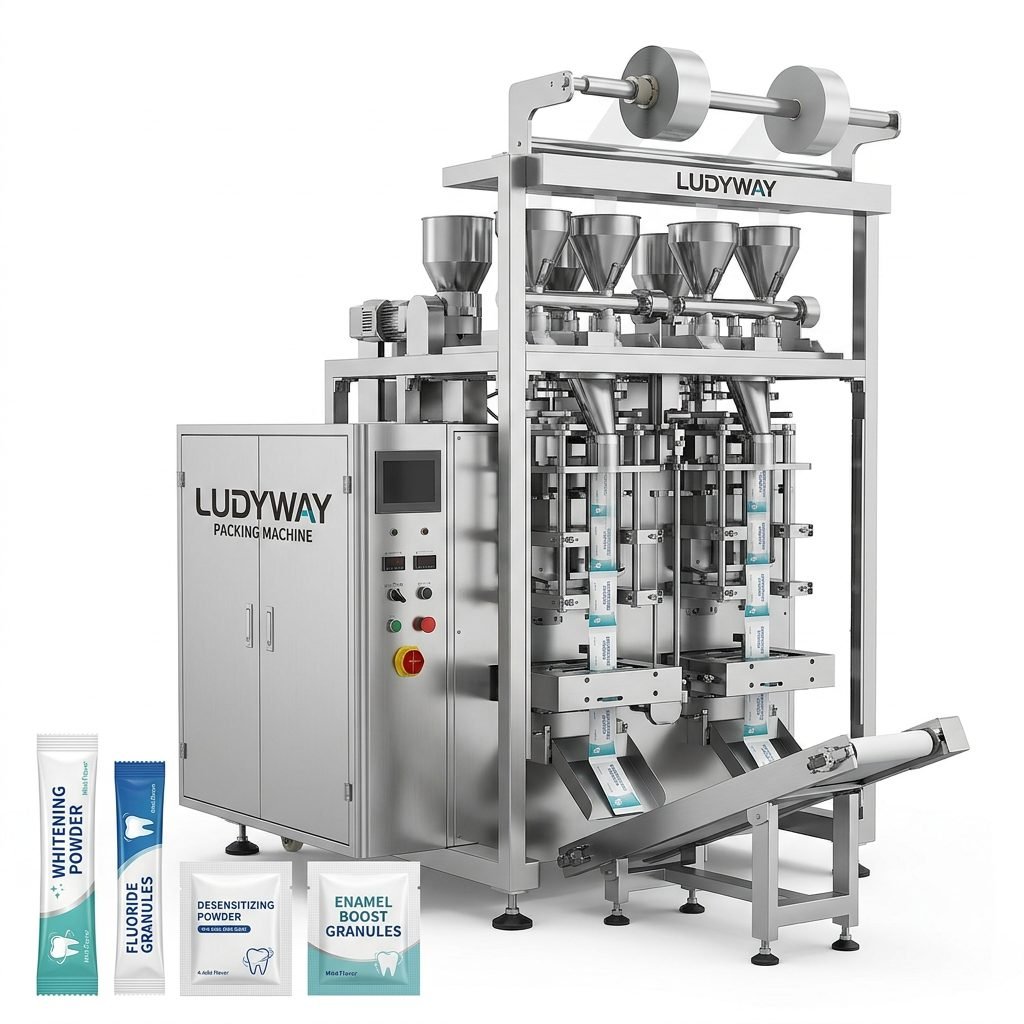
| Stick Packs | Instant coffee, sugar, supplement powders, pharmaceutical granules | Narrow, elongated shape; ideal for single-serve portions; high-speed multi-lane capability |
| Sachets | Shampoo samples, condiments, spice blends, cosmetic creams | 3-side or 4-side seal options; excellent for small to medium fill volumes; cost-effective |
| Pillow Pouches | Snack foods, frozen vegetables, hardware components | Back-seal or lap-seal options; high production speeds; suitable for flow-wrapping |
| Stand-Up Pouches | Pet food, protein powders, laundry detergent, dried fruit | Superior shelf presence; often requires zipper or resealable closure; premade pouch or form-fill-seal options |
| Gusseted Bags | Bulk coffee beans, cereal, frozen seafood, industrial chemicals | Increased volume capacity; flat-bottom or side-gusset designs; robust seal integrity required |

3. Evaluate Weighing and Filling Accuracy
The dosing system is the heart of any automatic weighing and packing line. Accuracy directly affects product giveaway, regulatory compliance, and customer satisfaction. Different weighing technologies offer distinct advantages depending on your product type and throughput requirements.
Common Weighing Technologies
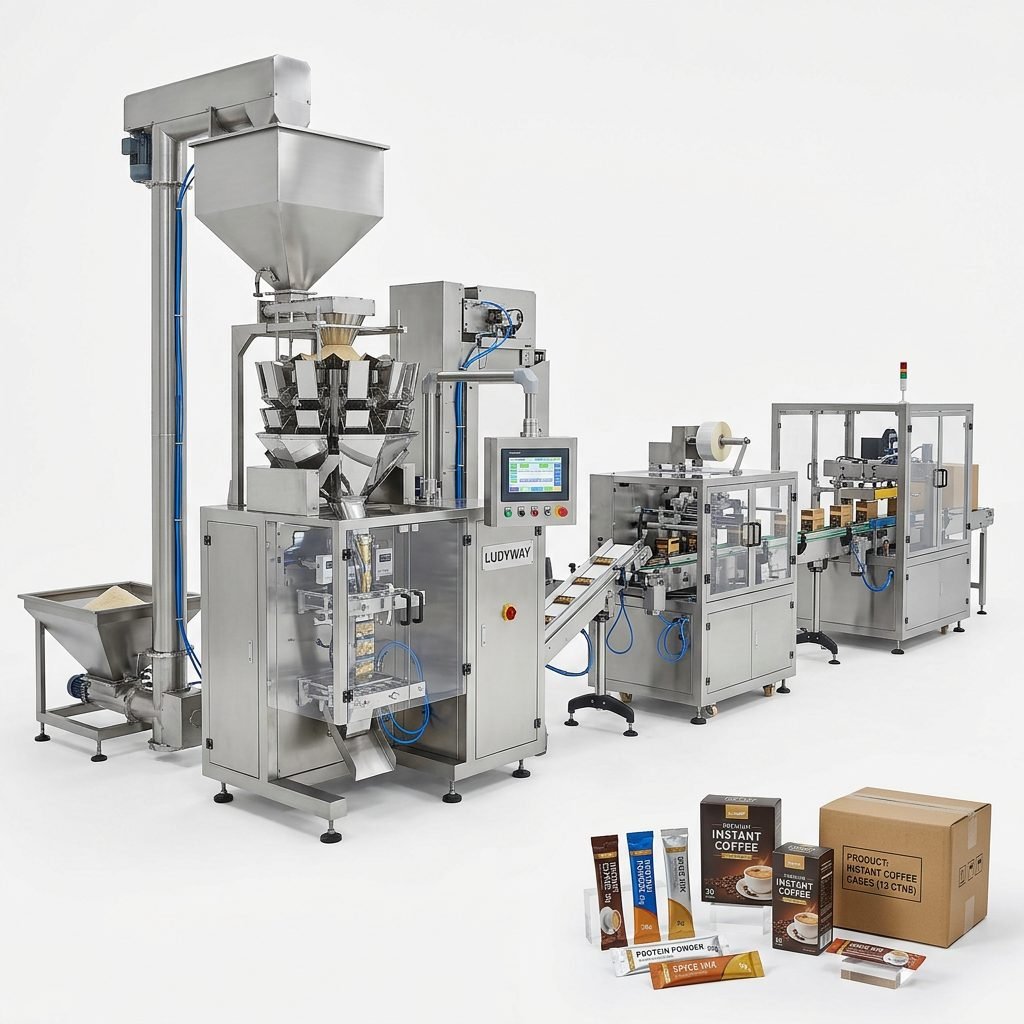
- Multi-Head Weighers: Ideal for snacks, frozen foods, hardware, and irregular solid products. These systems use multiple weigh heads to calculate the optimal combination of partial weights, achieving high speed and excellent accuracy. They are particularly effective for high-speed packaging applications where throughput and precision are both critical.
- Auger Fillers: Designed for powders and fine granules, auger fillers use a rotating screw to dispense product by volume. They are commonly used for flour, spice, pharmaceutical powder, and protein powder packaging. Accuracy depends on consistent bulk density.
- Volumetric Cup Fillers: Simple, cost-effective systems for free-flowing granular products. A fixed-volume cup measures each dose. While fast and reliable, volumetric filling is less precise for products with inconsistent density.
- Linear Weighing Systems: Suitable for larger fill weights and bulk packaging, linear weighers offer a balance of speed and accuracy for products like pet food, fertilizer, and cereal.
- Net Weigh and Gross Weigh Systems: For applications requiring very high accuracy, such as pharmaceutical or high-value ingredient packaging, net weighing directly measures the product weight in a weigh bucket before filling.
4. Match Machine Speed to Production Requirements
Throughput requirements must be clearly defined before evaluating equipment. The speed of an automatic weighing and packing machine is typically measured in packs per minute, but this number is influenced by several variables.
- Fill Weight: Larger fill weights generally require more time per cycle, reducing overall speed.
- Product Flow Characteristics: Sticky, cohesive, or aerated products may slow down the feeding and settling process.
- Bag Dimensions and Material: Larger bags or thicker film materials may require longer sealing and cooling times.
- Additional Features: In-line printing, labeling, gas flushing, or zipper application can add time to each packaging cycle.
When discussing speed with equipment suppliers, always request real-world production rates based on your specific product and packaging configuration rather than theoretical maximum speeds. Consider future growth targets and select a machine that accommodates upward scalability.
5. Assess Automation and Integration Capabilities
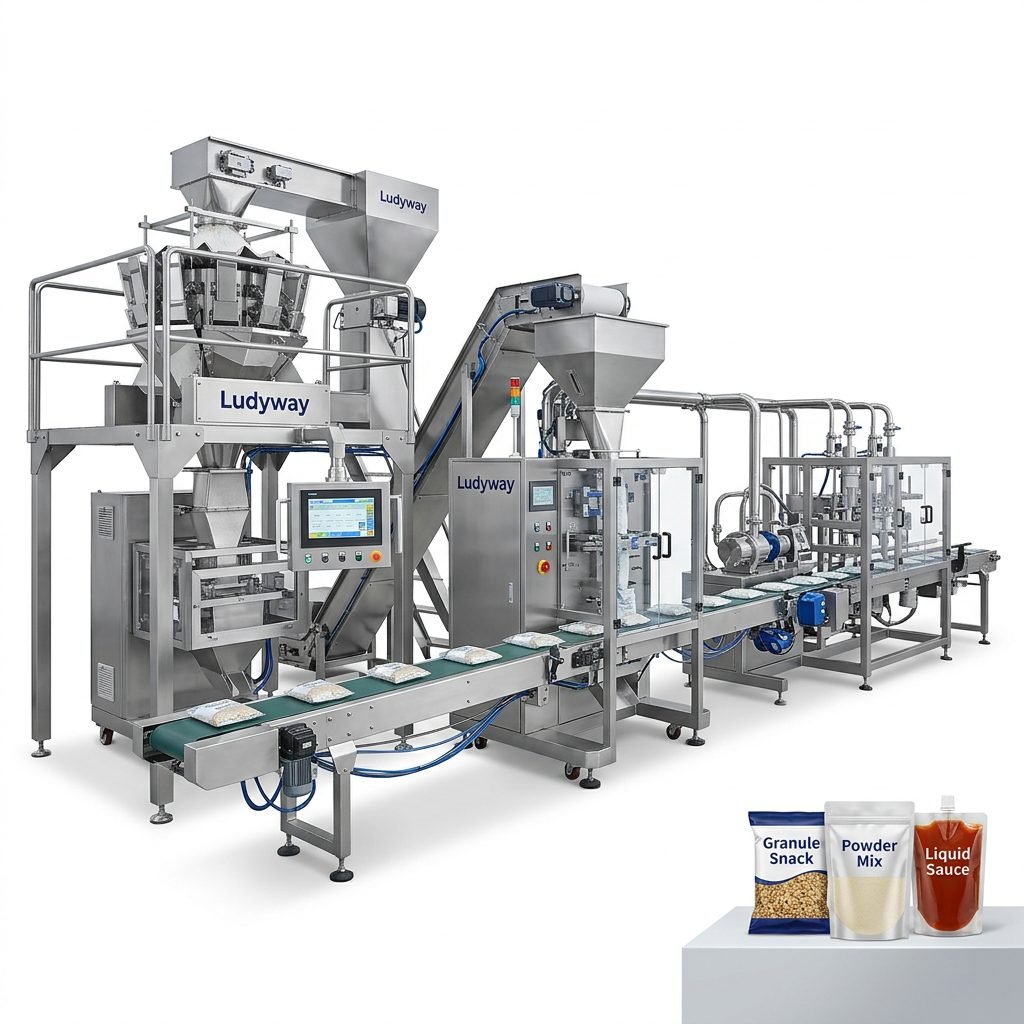
Modern packaging lines rarely operate in isolation. An automatic weighing and packing machine should integrate seamlessly with upstream and downstream equipment to create a complete, efficient production ecosystem.
- Upstream Integration: Product feeding systems, bucket elevators, screw conveyors, and vibratory feeders must be matched to the filling machine’s input requirements.
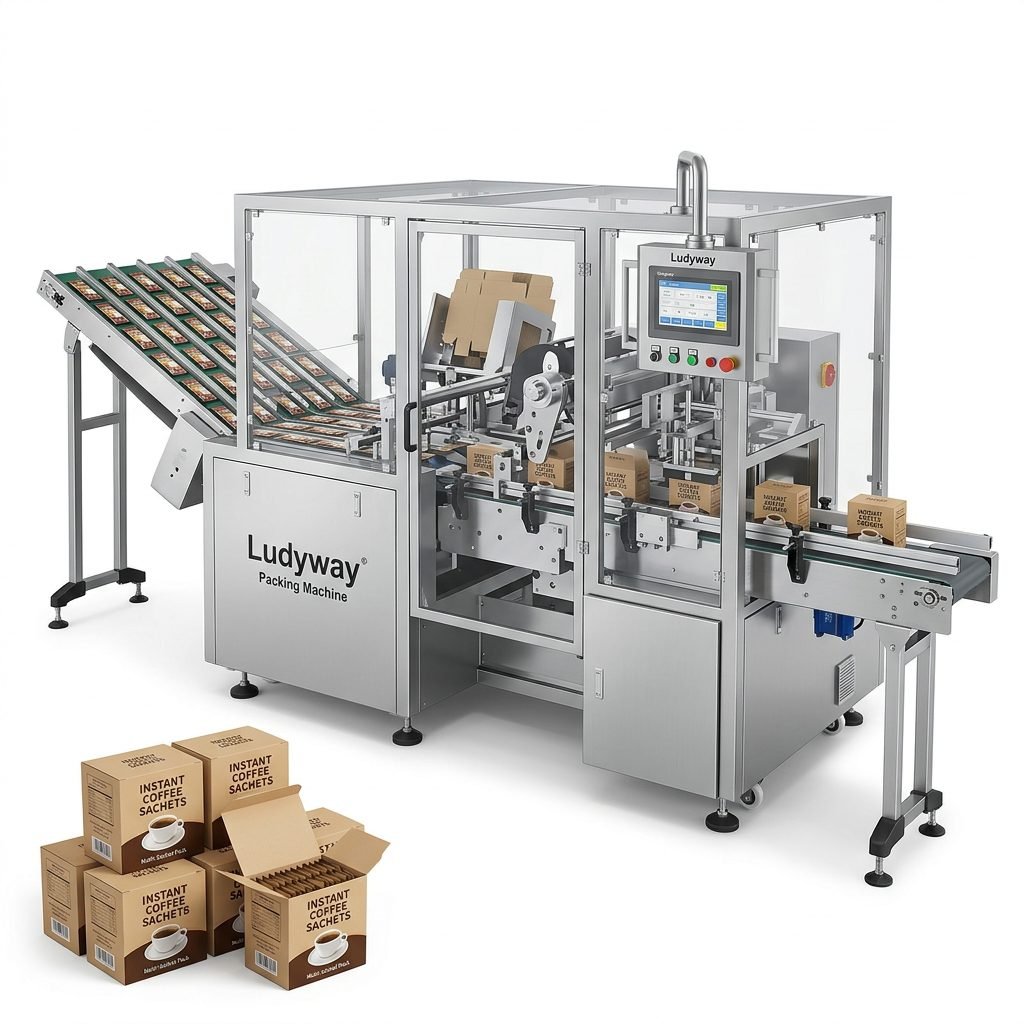
- Downstream Integration: Checkweighers, metal detectors, X-ray inspection systems, cartoners, case packers, and palletizers form a complete packaging line when properly connected.
- Control System Compatibility: PLC-based control systems should support communication protocols that allow centralized line monitoring and data exchange.
- Remote Access and Diagnostics: Many modern machines offer remote troubleshooting capabilities, reducing downtime and service response times.
Some manufacturers offer turnkey packaging solutions that handle the entire integration process, from equipment selection through installation and commissioning. This single-source approach can reduce project complexity and streamline accountability.

6. Verify Material Compatibility and Seal Integrity
Packaging film selection is closely tied to flexible packaging industry standards and your product’s barrier requirements. The sealing system on your chosen machine must be compatible with the film structures you plan to use.
- Heat Sealing: The most common sealing method, using heated jaws or bars to fuse thermoplastic layers. Different films require specific temperature ranges and dwell times.
- Ultrasonic Sealing: Uses high-frequency vibrations to create a bond without external heat. Suitable for heat-sensitive products or films with contamination in the seal area.
- Impulse Sealing: A wire element heats rapidly and cools under pressure, producing strong seals on polyethylene and similar films.
Seal integrity testing should be part of your machine acceptance criteria. Poor seals lead to leaks, product spoilage, and costly recalls. Request seal strength data and perform trials with your actual packaging materials before finalizing your equipment selection.
7. Consider Hygiene, Cleanability, and Regulatory Compliance
Industries such as pharmaceuticals, food, and nutraceuticals operate under stringent hygiene and safety regulations. Your automatic weighing and packing machine design should facilitate effective cleaning and sanitization while meeting applicable standards.
- Stainless Steel Construction: Product contact surfaces should be 304 or 316 stainless steel, especially for food and pharmaceutical applications.
- Tool-Free Disassembly: Quick-release components reduce cleaning time and encourage thorough sanitation practices.
- Sloped Surfaces and Sealed Bearings: Prevent product accumulation and contamination risks.
- GMP Compliance: For pharmaceutical applications, equipment should be designed to meet Good Manufacturing Practice requirements.
- FDA Compliance: For food contact applications in the U.S. market, materials and lubricants must meet FDA 21 CFR requirements.
- ISO Standards: International standards such as ISO 11607 for medical device packaging may apply depending on your industry.
8. Evaluate Manufacturer Experience and Support Infrastructure
The relationship with your packaging machinery supplier extends far beyond the initial equipment purchase. A reliable partner provides ongoing technical support, spare parts availability, and application expertise throughout the machine’s lifecycle.
Ludyway Machinery, with over 30 years of experience in the packaging industry and a 20,000-square-meter manufacturing facility, exemplifies the type of established manufacturer that combines engineering capabilities with global service support. When evaluating suppliers, consider their track record in your specific industry, their installed base in your region, and their ability to provide references for similar applications.
- Technical Support: Is remote diagnostics available? What are the response times for on-site service?
- Spare Parts: Are critical spare parts stocked locally or available on short lead times?
- Application Engineering: Can the supplier conduct product trials and provide documented performance guarantees?
- Training Programs: Comprehensive operator and maintenance training reduces downtime and extends machine life.
- Global Presence: Manufacturers serving more than 100 countries demonstrate the capability to support international operations.

9. Calculate Total Cost of Ownership
The purchase price of an automatic weighing and packing machine is only one component of its total cost. A comprehensive financial analysis should account for all costs over the expected service life of the equipment.
| Cost Category | Description | Impact |
|---|---|---|
| Initial Purchase | Machine cost, freight, import duties, installation, commissioning | One-time capital expenditure |
| Operational Costs | Labor, electricity, compressed air, packaging materials | Recurring; optimized by machine efficiency and automation level |
| Maintenance and Spare Parts | Preventive maintenance, wear parts replacement, unexpected repairs | Lower for well-engineered machines with accessible parts |
| Product Giveaway | Excess product dispensed due to weighing inaccuracy | Can be significant over high production volumes; minimized by precision weighing |
| Downtime | Lost production due to breakdowns, changeovers, or cleaning | Reduced by reliable design and quick-change features |
10. Request Product Trials and Site Visits
Before finalizing your purchase, arrange to run your actual product on the equipment you are considering. Product trials provide invaluable data on machine performance, filling accuracy, seal quality, and output speed under realistic conditions.
Whenever possible, visit a reference site to see similar equipment operating in a production environment. Speaking directly with current users provides insights into long-term reliability, service responsiveness, and practical operational considerations that specifications alone cannot reveal.
According to recent industry analysis from packaging machinery global growth trends, demand for automated packaging systems continues to accelerate as manufacturers seek greater efficiency and consistency. Selecting a machine that can adapt to evolving market demands positions your operation for sustained success.
Making the Final Decision
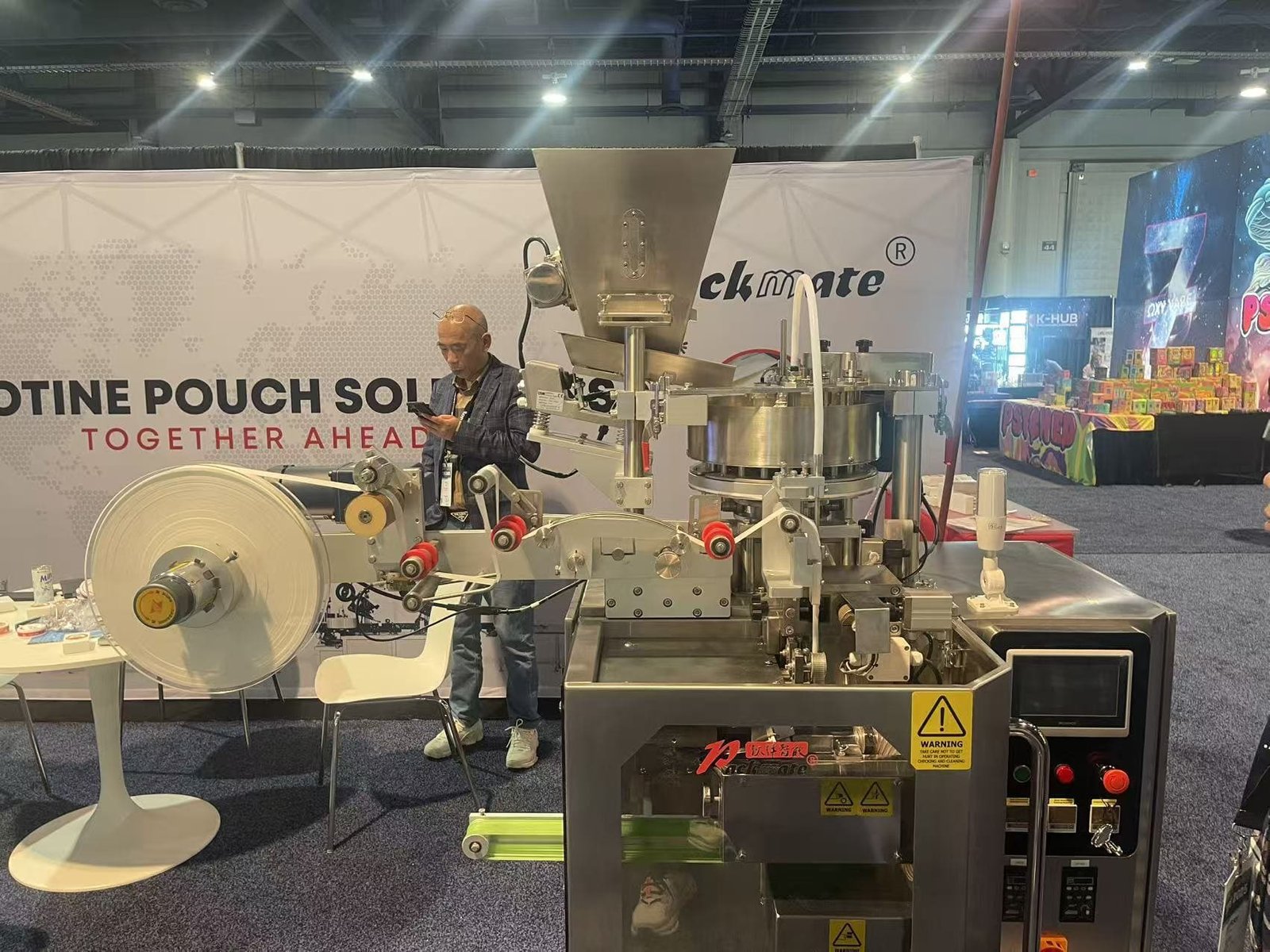
Choosing the right automatic weighing and packing machine requires balancing technical specifications, commercial considerations, and long-term partnership potential. By systematically evaluating your product requirements, packaging format, weighing technology, speed needs, integration demands, and supplier capabilities, you can confidently select equipment that delivers consistent performance and supports your business growth for years to come.
For manufacturers seeking customized packaging solutions backed by engineering expertise and global service infrastructure, working with an established packaging machinery manufacturer that offers comprehensive application support, product trials, and turnkey integration services can significantly reduce project risk and accelerate time to production.