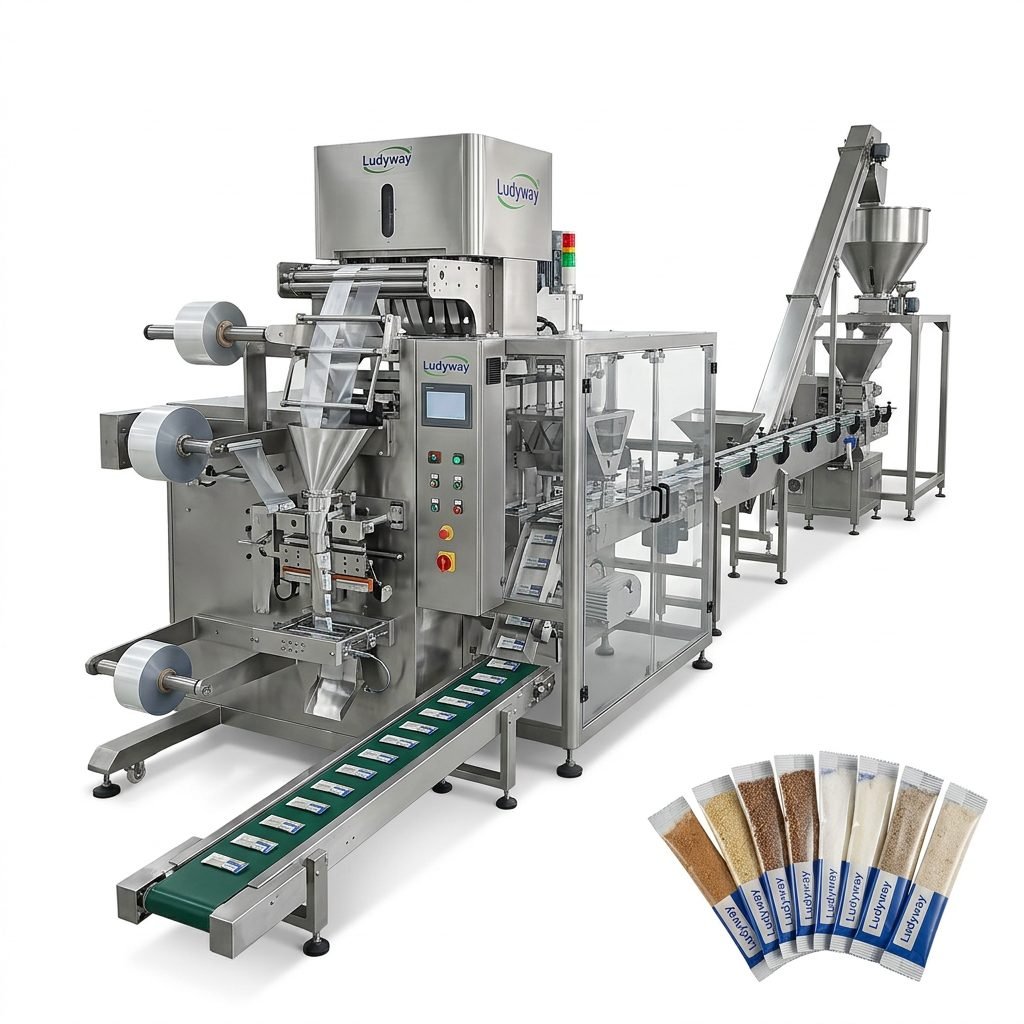
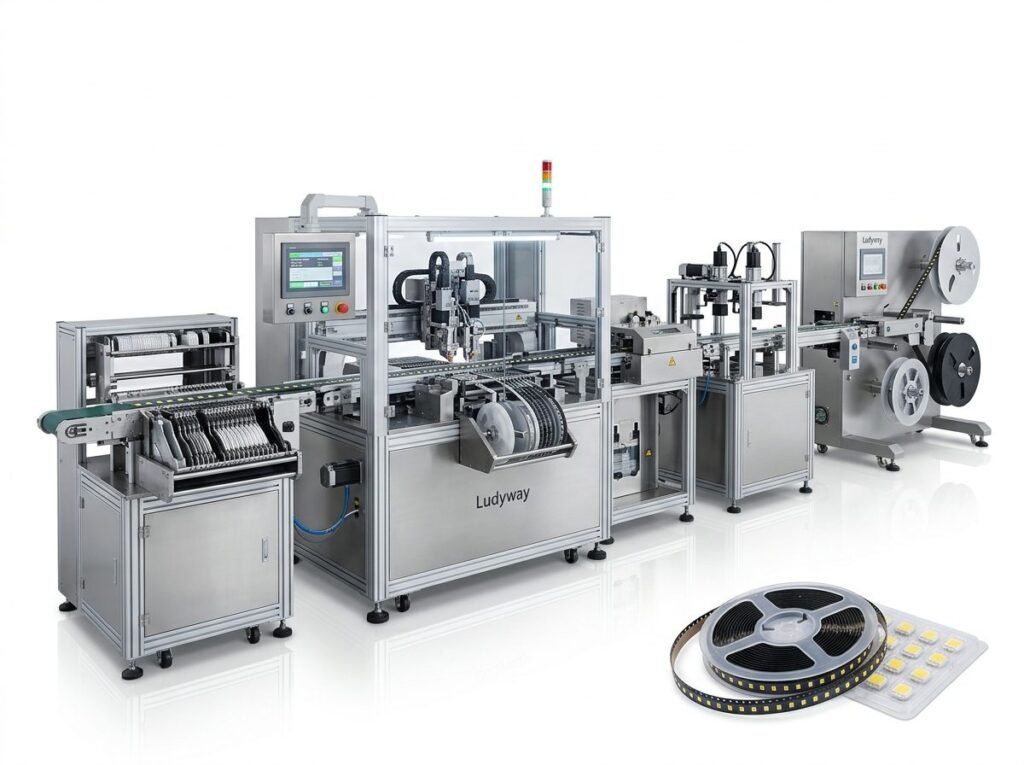
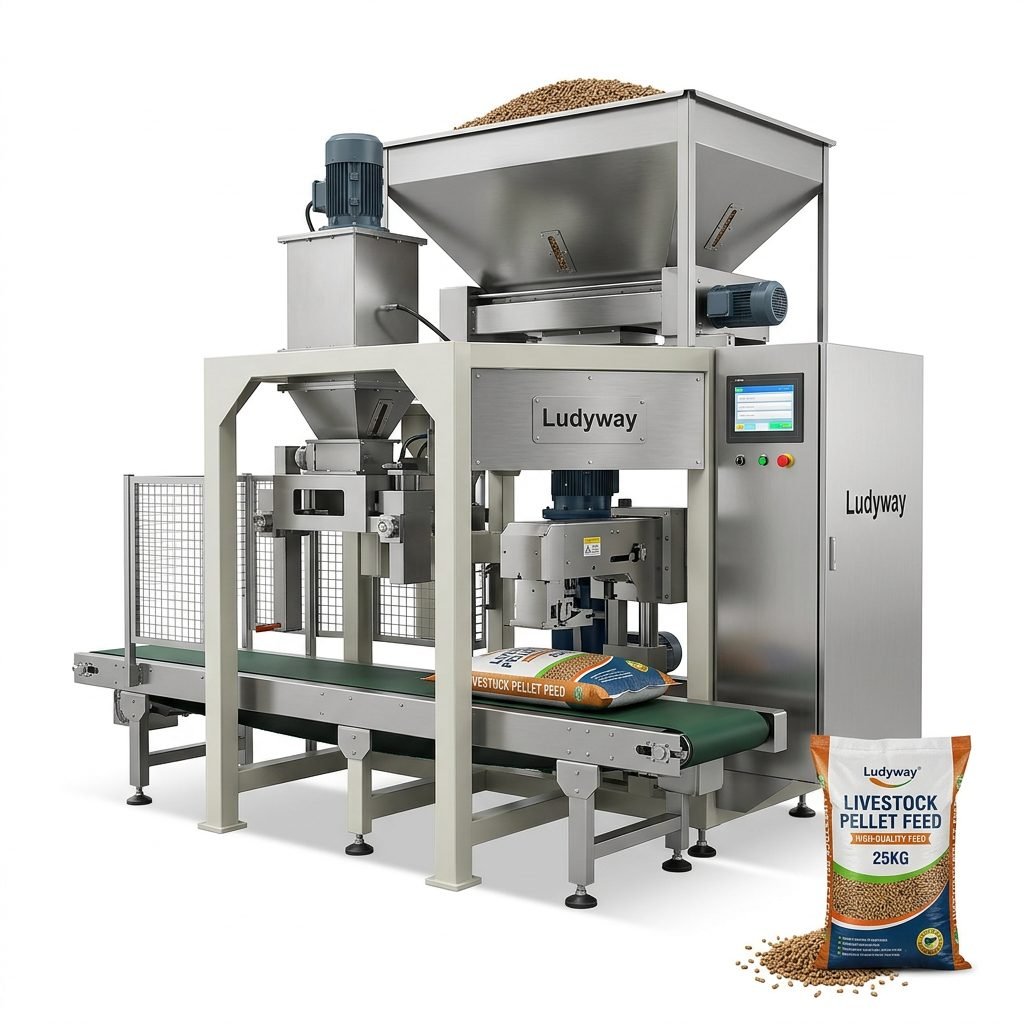
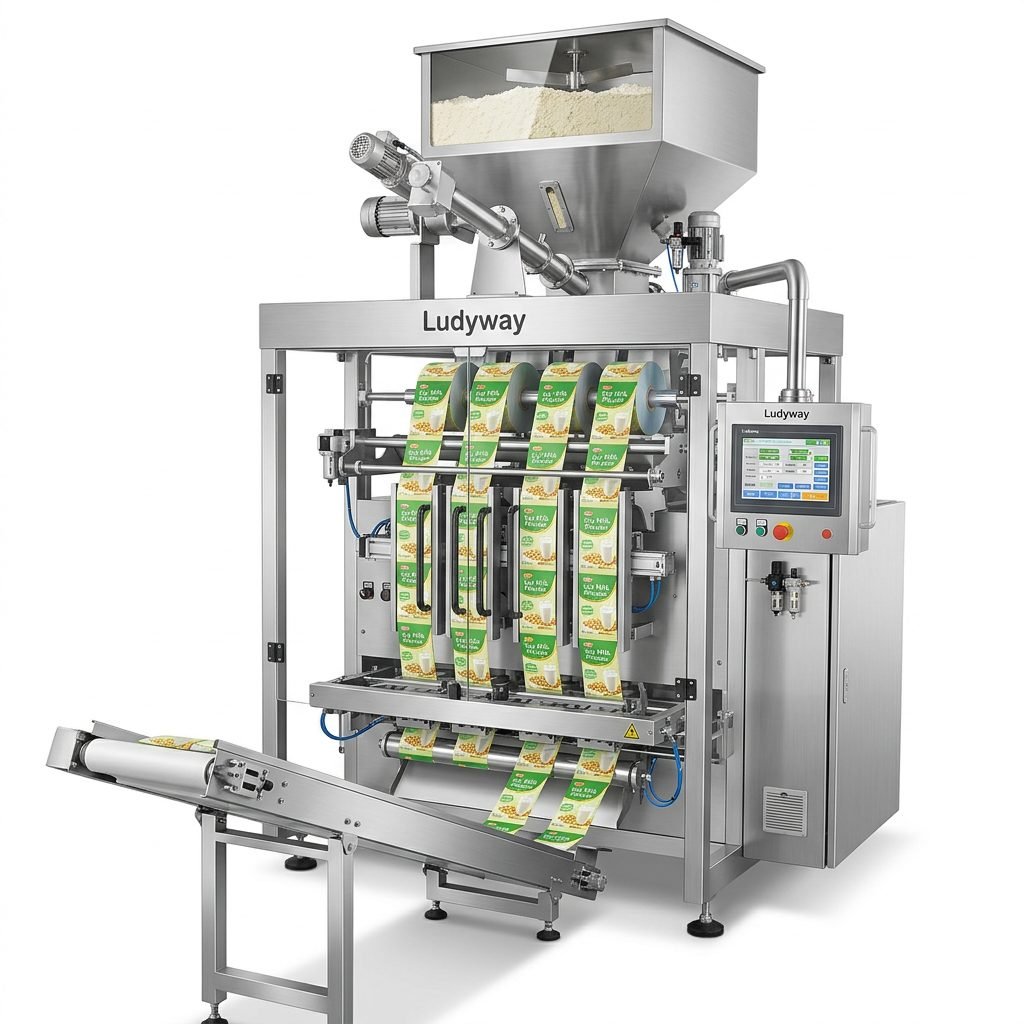
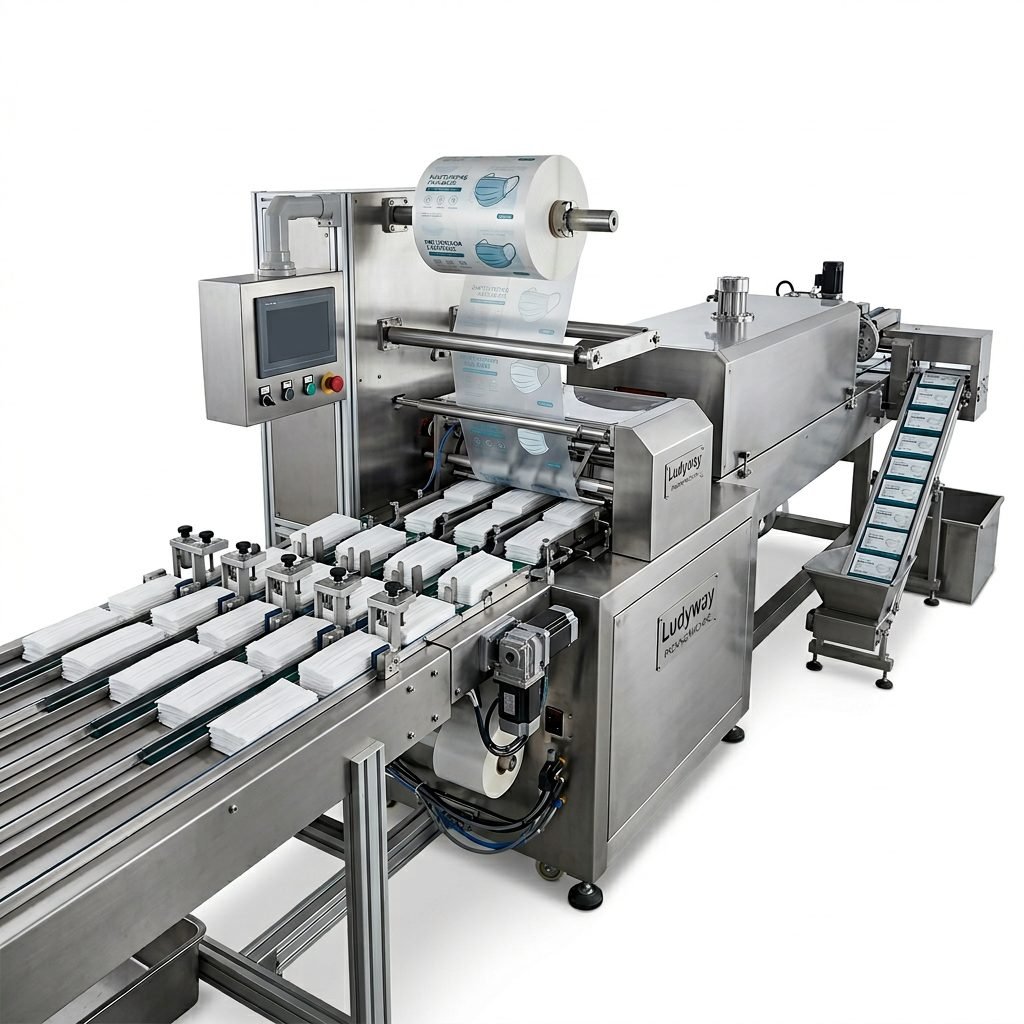
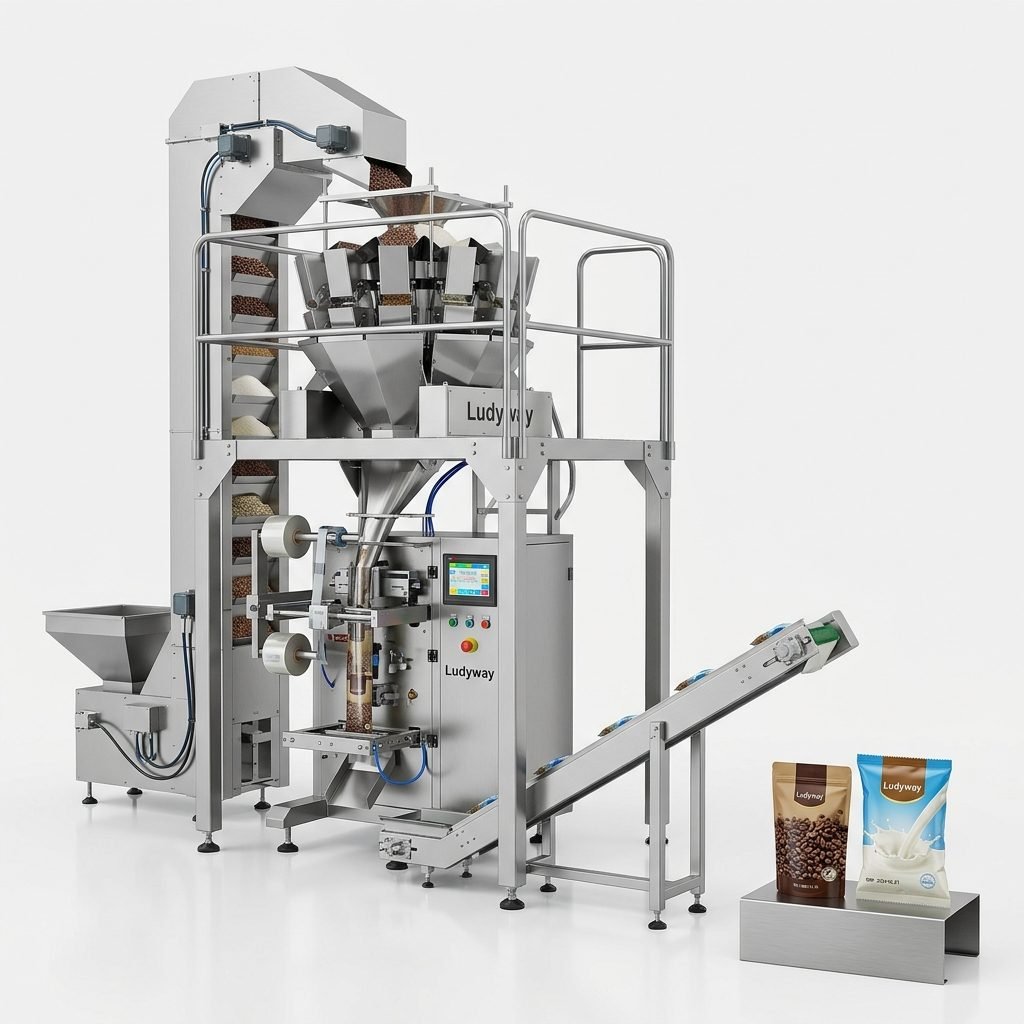
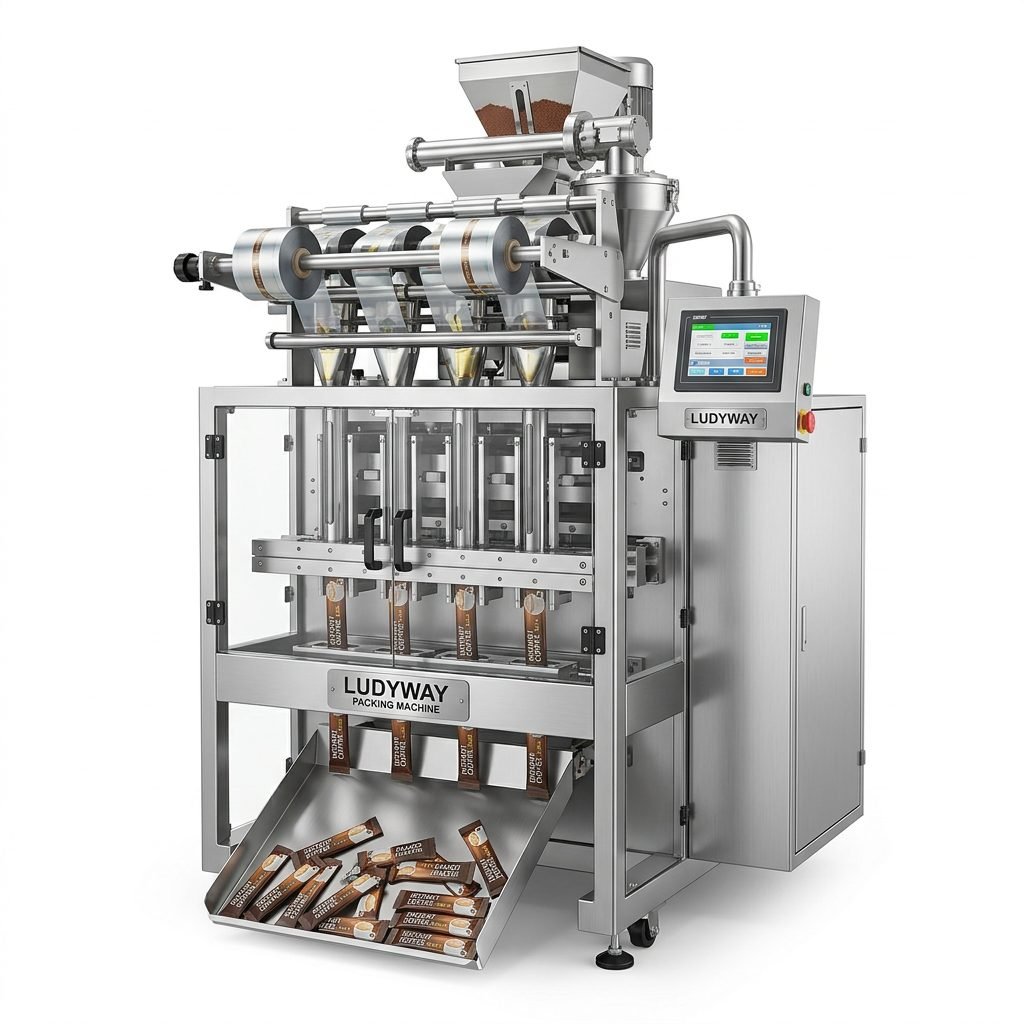
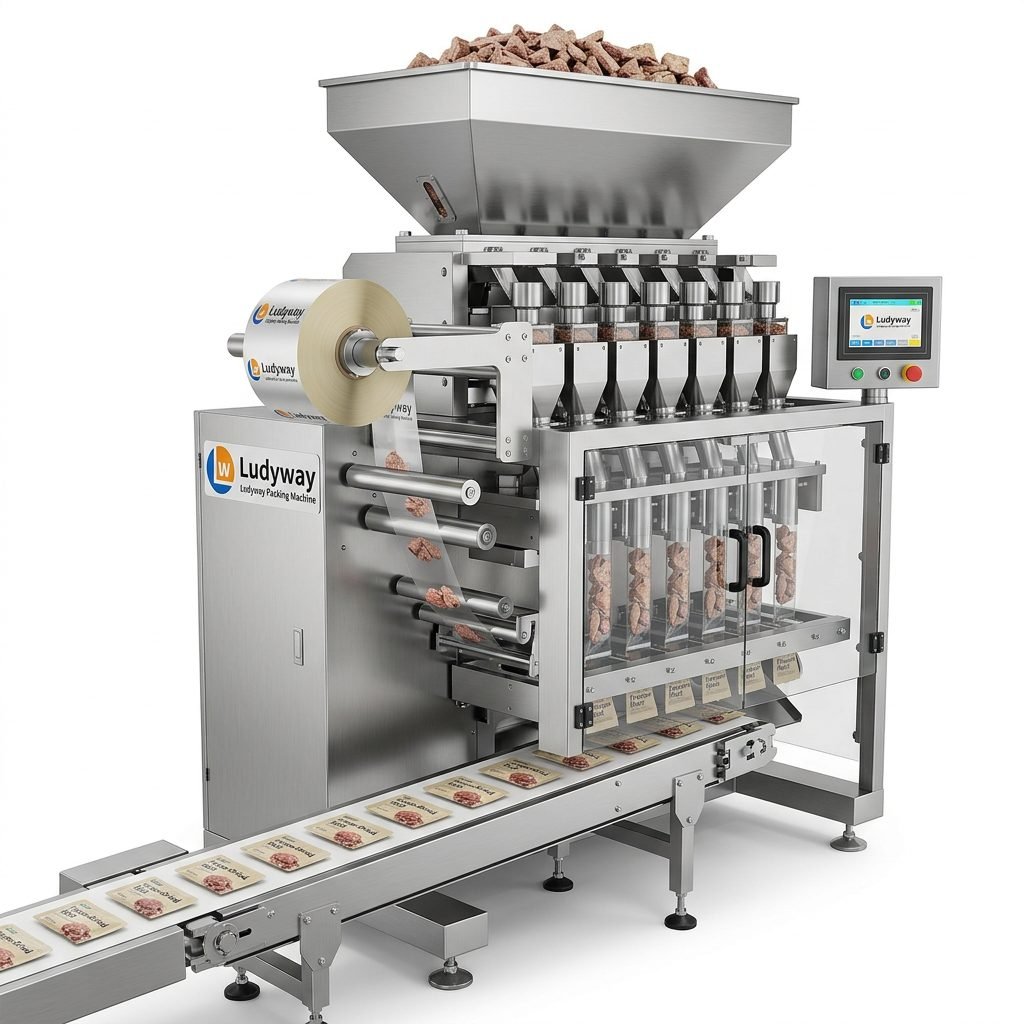
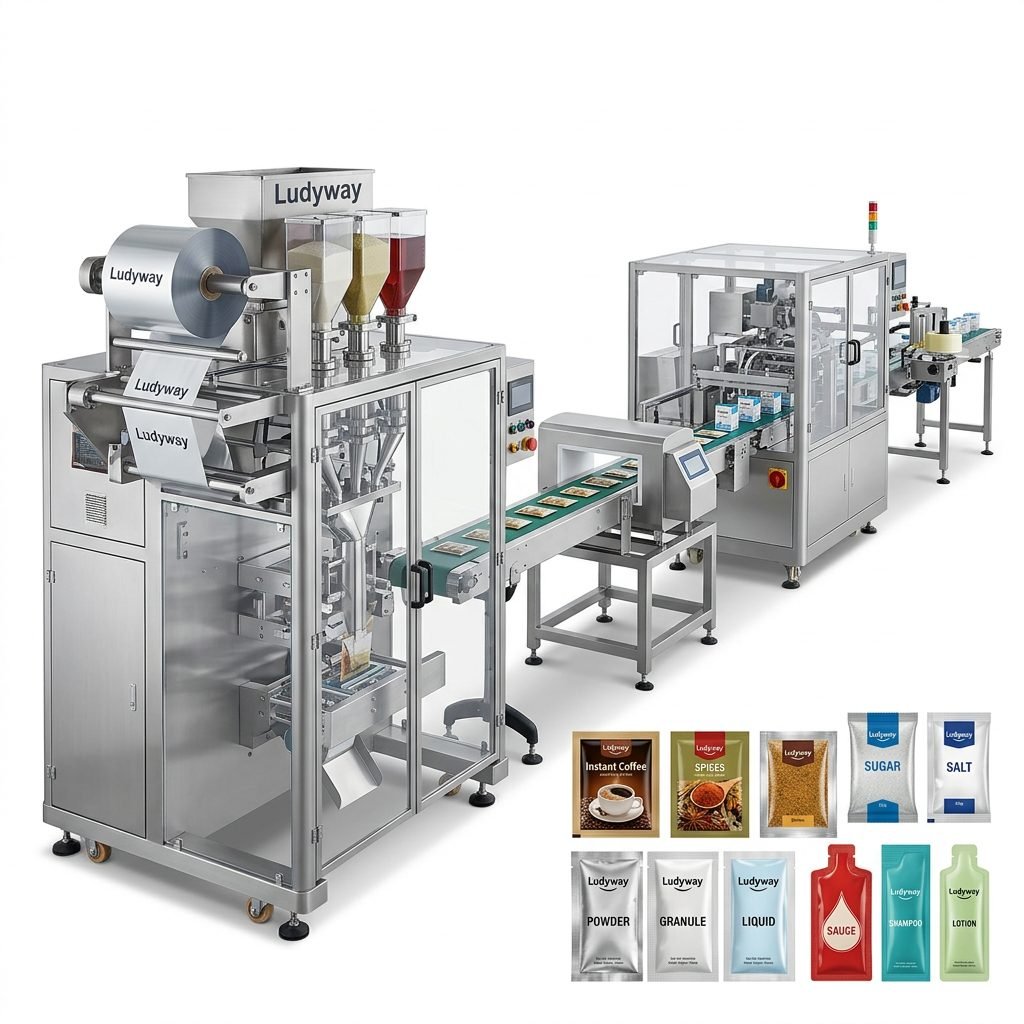
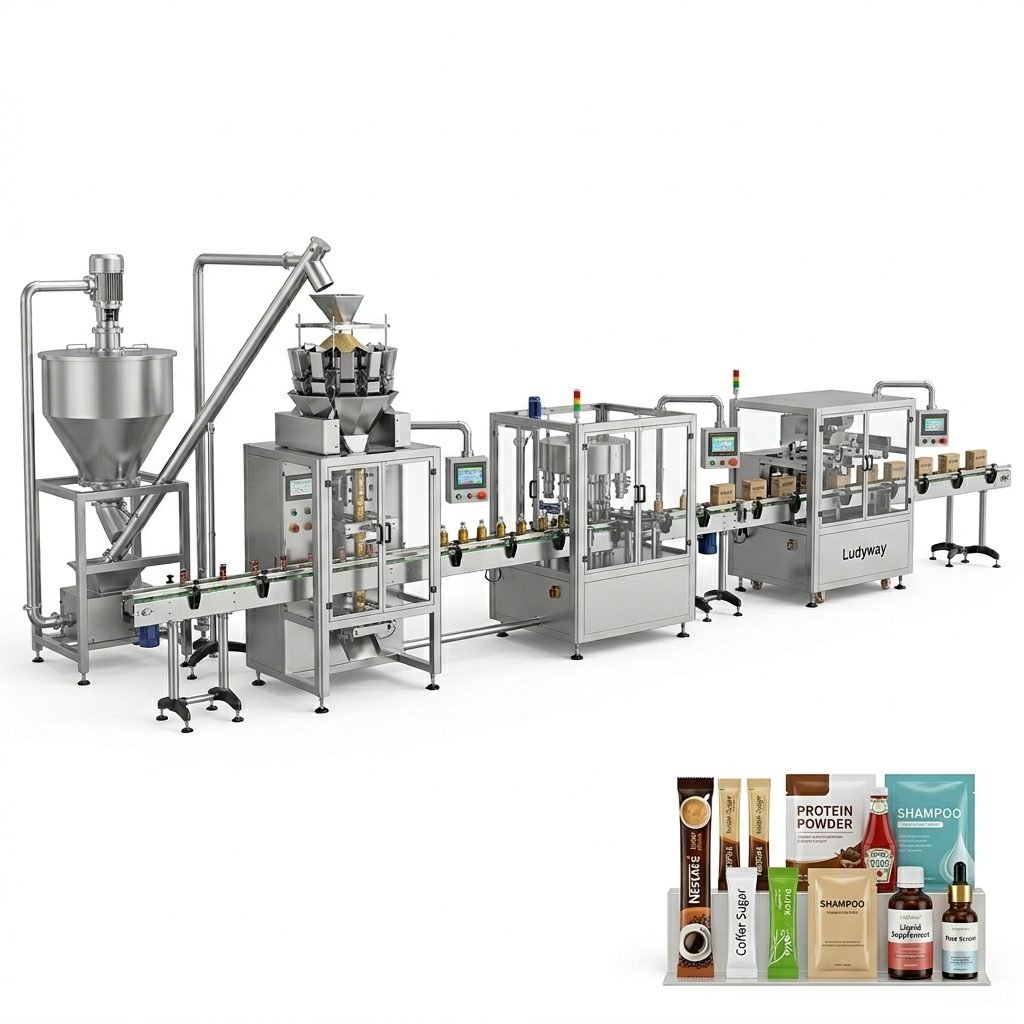
In modern secondary packaging, a cardboard packaging machine can do far more than simply put products into boxes. The right system improves throughput, protects product quality, reduces labor pressure, supports traceability, and helps manufacturers build a more scalable packaging workflow. Whether you pack sachets, stick packs, pouches, bottles, blisters, or small cartons, choosing the best solution starts with understanding your product, production target, and line integration needs.
For growing manufacturers, the goal is not just automation—it is efficient box packaging that balances speed, consistency, uptime, and operating cost.
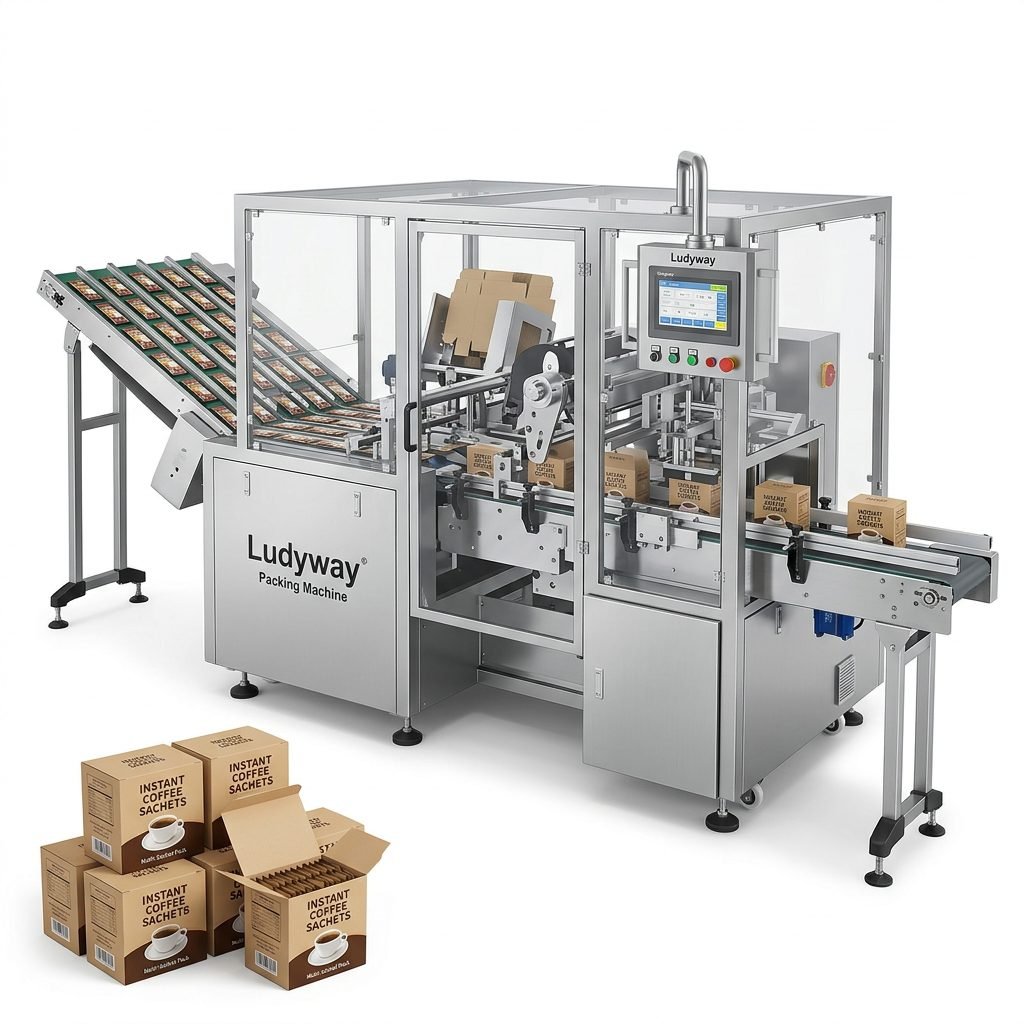
What Is a Cardboard Packaging Machine?
A cardboard packaging machine is a system used to form, load, arrange, insert, close, and sometimes seal cardboard boxes or cartons for retail, transport, or secondary packaging purposes. Depending on the application, it may include:
- Carton erectors
- Top-load or side-load cartoners
- Case packers
- Box filling systems
- Carton sealers
- Printing, coding, labeling, and inspection modules
- Palletizing and end-of-line automation
In many factories, the cardboard packaging stage is where primary packaged products are grouped into a saleable or shippable format. That means the machine must handle not only the box itself, but also product orientation, counting accuracy, insertion quality, and downstream compatibility.
Why Choosing the Right Solution Matters
An undersized or poorly matched machine can create hidden losses across the whole line. Frequent jams, inconsistent box forming, difficult size changeovers, or poor integration with upstream equipment often lead to:
- Reduced output despite high theoretical speed
- Higher labor involvement and operator dependency
- More product damage or packaging defects
- Increased maintenance downtime
- Material waste from damaged cartons and incorrect loading
- Limited room for future expansion
By contrast, a properly selected solution supports stable production, cleaner presentation, and lower cost per packaged unit over time.
Start with Your Product and Box Format
Before comparing machine models, define exactly what needs to be packed. This is the foundation of a good equipment decision.
Key product questions
- Are you packing sachets, stick packs, pouches, bottles, tubes, blisters, or mixed bundles?
- Is the product rigid, flexible, fragile, slippery, or irregularly shaped?
- Do units need counting, stacking, collating, or orientation before boxing?
- Will the product require leaflets, inserts, or promotional components?
- Does the packaging environment require hygiene, dust control, or cleanroom compatibility?
Key box questions
- Is the packaging a retail carton, shipping case, or display box?
- What are the minimum and maximum box sizes?
- How many SKUs and box formats will run on the same machine?
- Do boxes use tuck-in closure, glue sealing, or tape sealing?
- Will you need fast changeover between formats?
If your product line includes multiple formats, it is often better to choose a modular system rather than a highly specialized single-format machine.
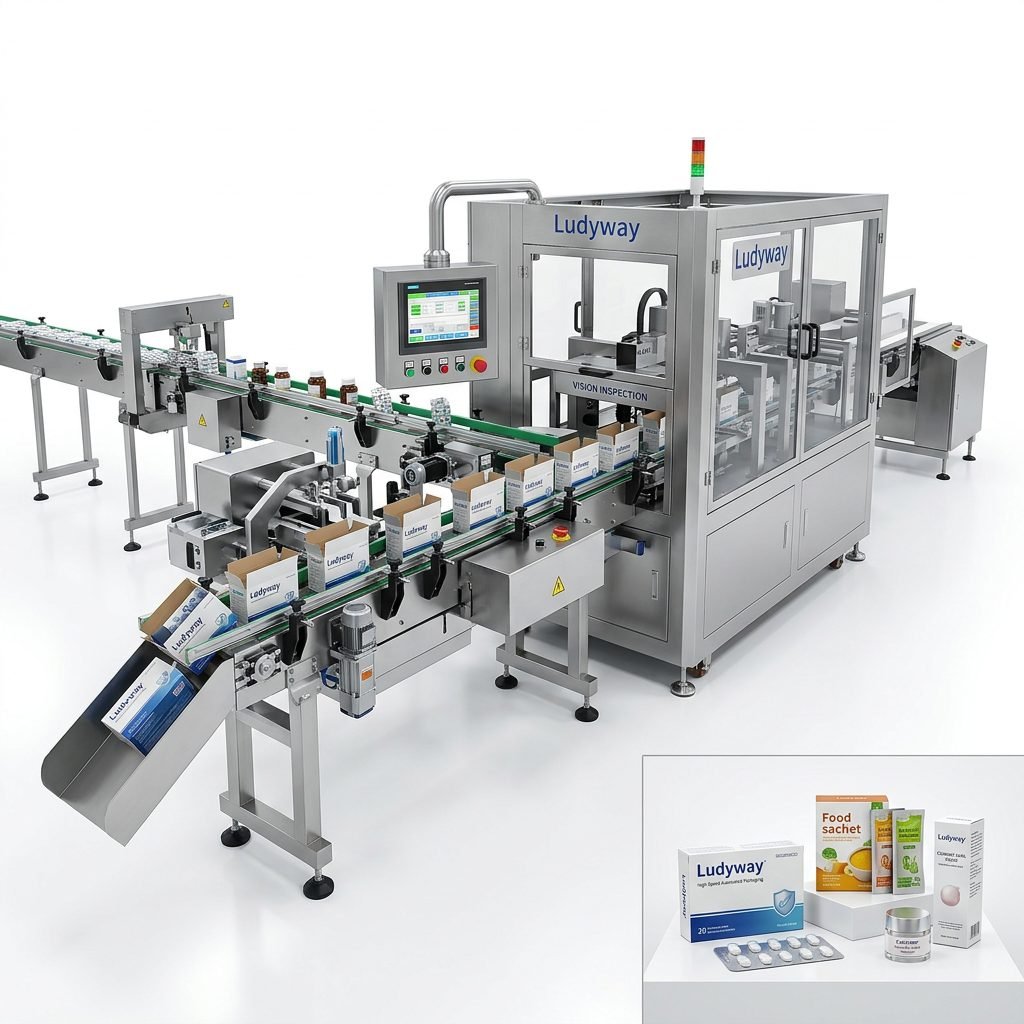
Types of Cardboard Packaging Machines
Different applications require different machine structures. Choosing the right type helps avoid overinvestment or capability gaps.
1. Carton Erector Machines
These machines automatically open and form flat cardboard blanks into boxes or cartons. They are ideal when labor-intensive manual box forming is slowing production.
Best for:
- Factories shipping medium to high volumes
- Lines that need consistent box quality
- End-of-line case preparation
2. Cartoning Machines
Cartoners place products into pre-formed or machine-formed cartons. They are commonly used in food, pharmaceutical, cosmetic, and personal care industries.
Best for:
- Retail-ready packaging
- Products needing accurate insertion
- Applications with leaflets, codes, or serial tracking
3. Case Packers
Case packers group finished products and load them into corrugated boxes or transport cases. They are commonly used downstream of high-speed primary packaging machines.
Best for:
- Bulk transport packaging
- High-volume food and pharma lines
- Automated warehouse or palletizing workflows
4. Case Sealers and End-of-Line Systems
These systems close and seal packed boxes using tape, glue, or other methods. They are often paired with coding, weighing, vision inspection, and palletizing modules.
How to Match Machine Speed to Real Production Needs
One of the most common buying mistakes is choosing based only on maximum speed. A machine rated for high speed may still underperform if product feeding, box supply, or changeover time is not aligned.
| Selection Factor | What to Check | Why It Matters |
|---|---|---|
| Rated speed | Boxes per minute under your actual product conditions | Prevents unrealistic capacity expectations |
| Upstream supply | Whether feeding equipment can keep pace | Avoids starvation and idle cycles |
| Changeover time | Time required to switch sizes or SKUs | Affects total daily output |
| OEE stability | Jam rate, rejection rate, restart efficiency | Determines real-world productivity |
| Buffer design | Accumulation and flow control between machines | Improves line balance and uptime |
A better benchmark is to ask for stable running speed under your product and box format, not just a headline number from a catalog.
Important Features to Evaluate
Machine flexibility
If you produce several products or serve different customers, flexibility is essential. Look for adjustable guides, tool-free change parts where possible, recipe storage, and HMI-based setting management.
Automation level
Some businesses need a standalone carton packer. Others benefit more from a complete automated line with conveying, counting, labeling, sealing, inspection, and palletizing. The right level depends on production volume, labor availability, and expansion plans.
Integration capability
Your cardboard packaging machine should communicate smoothly with upstream and downstream equipment. That includes sensors, rejection logic, synchronization, and speed matching.
Material compatibility
Not all cardboard behaves the same way. Board thickness, surface finish, die-cut quality, and stiffness all affect machine performance. Always test with actual packaging material samples.
Footprint and layout
Even high-performance machines can create bottlenecks if they do not fit your line layout. Review operator access, maintenance space, carton magazine loading area, and future expansion room.
Maintenance and spare parts
Easy maintenance means easier cleaning, accessible wear parts, and reduced downtime. Ask about common replacement items, recommended preventive maintenance intervals, and remote troubleshooting support.
Industries That Benefit Most from Cardboard Packaging Automation
Cardboard packaging machines are widely used across multiple sectors, especially where presentation, counting accuracy, and shipping efficiency are important.
- Food: seasoning sachets, instant drinks, snacks, coffee, soup mixes
- Pharmaceutical: sachets, blisters, tablets, sterile products, diagnostic kits
- Health supplements: stick packs, powder sachets, capsule cartons
- Cosmetics: serums, creams, facial mask sachets, sample packs
- Chemicals: powders, detergents, additives, liquid sachets
- Nicotine and pouch products: counted packs, pouches, carton loading systems
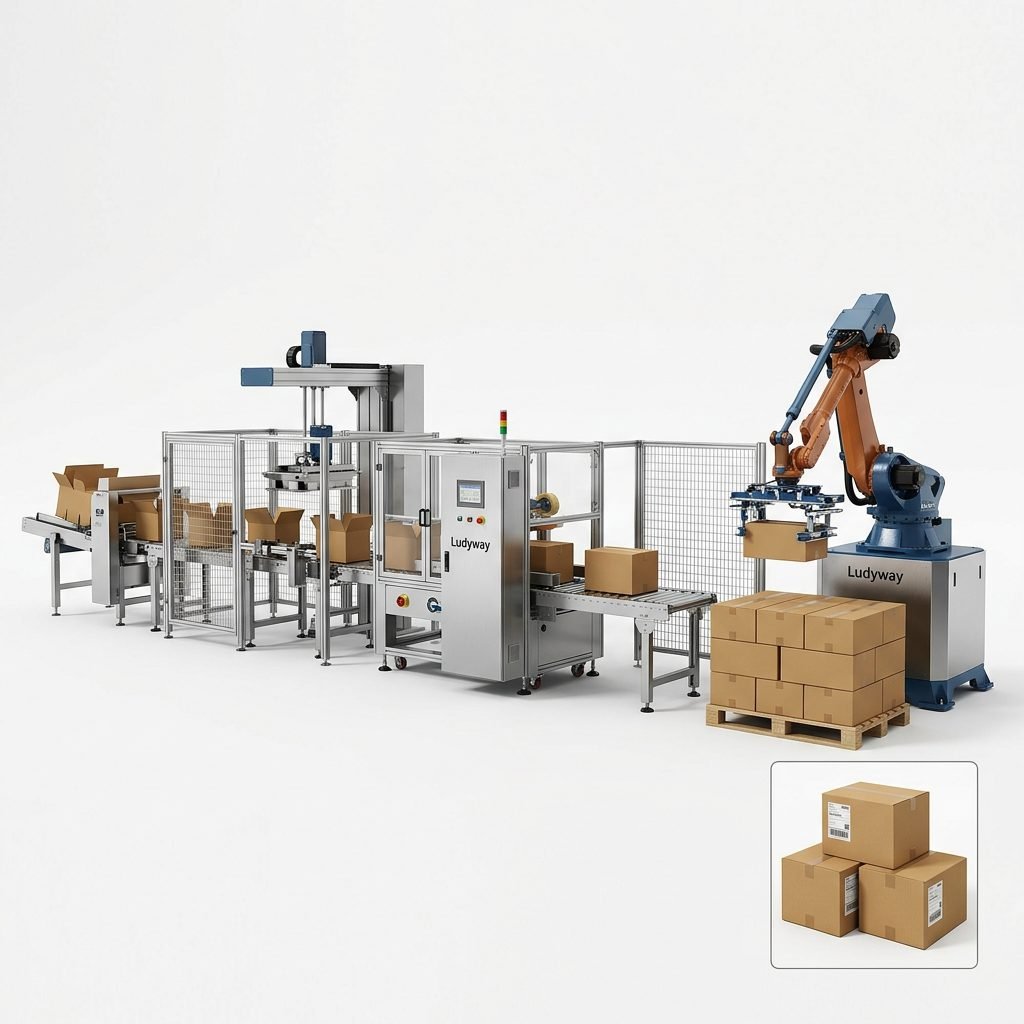
Standalone Machine or Turnkey Packaging Line?
This decision depends on your plant’s current automation stage.
| Option | Best For | Main Advantage |
|---|---|---|
| Standalone cardboard packaging machine | Factories upgrading one packaging step | Lower initial investment |
| Integrated packaging line | Medium to large production facilities | Higher efficiency and better line coordination |
| Turnkey solution | Businesses seeking full automation with one supplier | Simplified project management and integration |
If your upstream products are already running at speed, a turnkey approach often delivers better long-term value because all modules are engineered to work together.
Questions to Ask Before You Buy
- What products and box formats has the machine already handled successfully?
- What is the stable running capacity with similar materials?
- How long does format changeover take?
- Which parts are custom, and which are standard?
- What is included in installation, commissioning, and training?
- Can the system connect with printers, checkweighers, metal detectors, or palletizers?
- What after-sales support is available for export markets?
- Can the supplier provide layout planning and line optimization advice?
Common Buying Mistakes to Avoid
- Choosing only by the lowest price
- Ignoring future SKU expansion
- Overlooking carton material variation
- Underestimating operator skill requirements
- Failing to test with real product samples
- Buying a fast machine without balanced upstream feeding
- Not planning for spare parts and technical support
A lower-cost machine may look attractive at first, but if it causes stoppages or cannot support future packaging formats, the total cost can become much higher.
What Makes a Supplier More Reliable?
Beyond the machine itself, supplier capability affects project success. Look for a manufacturer with proven engineering experience, export knowledge, customization ability, and line integration competence.
For businesses seeking automated boxing, cartoning, and full-line support, cardboard packaging machine solutions from Ludyway are often considered by international buyers looking for scalable equipment, broad packaging applicability, and turnkey integration for food, pharmaceutical, health supplement, cosmetic, chemical, and pouch-based products.
A Simple Selection Checklist
Use this quick checklist when comparing suppliers and equipment:
- Product type: flexible, rigid, bulk, counted, or bundled
- Box format: retail carton, corrugated case, display box
- Output target: current demand plus future growth
- Automation scope: machine only or complete line
- Changeover needs: single SKU or multi-SKU production
- Integration needs: conveyors, coding, inspection, palletizing
- Support level: commissioning, training, spare parts, remote service
- ROI potential: labor saving, waste reduction, uptime improvement
Final Thought on Choosing the Best Box Packaging Solution
The best cardboard packaging machine is not simply the fastest or most advanced model. It is the solution that fits your product, packaging style, production rhythm, and expansion goals. When you evaluate speed, flexibility, box handling quality, and line integration together, you can build a packaging system that delivers higher efficiency, lower operating cost, and more reliable box packaging performance.
For manufacturers planning long-term automation, choosing a machine that can grow into a complete packaging line is often the smartest investment.