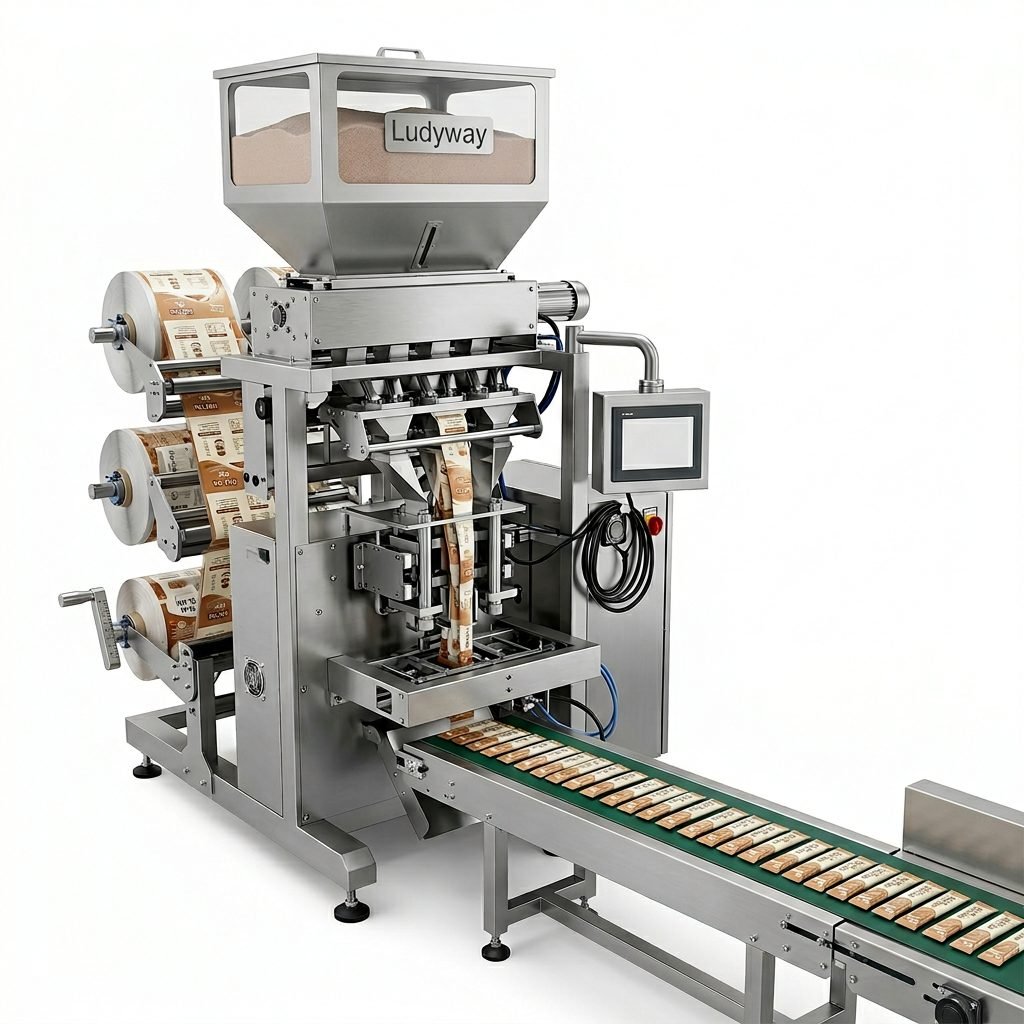
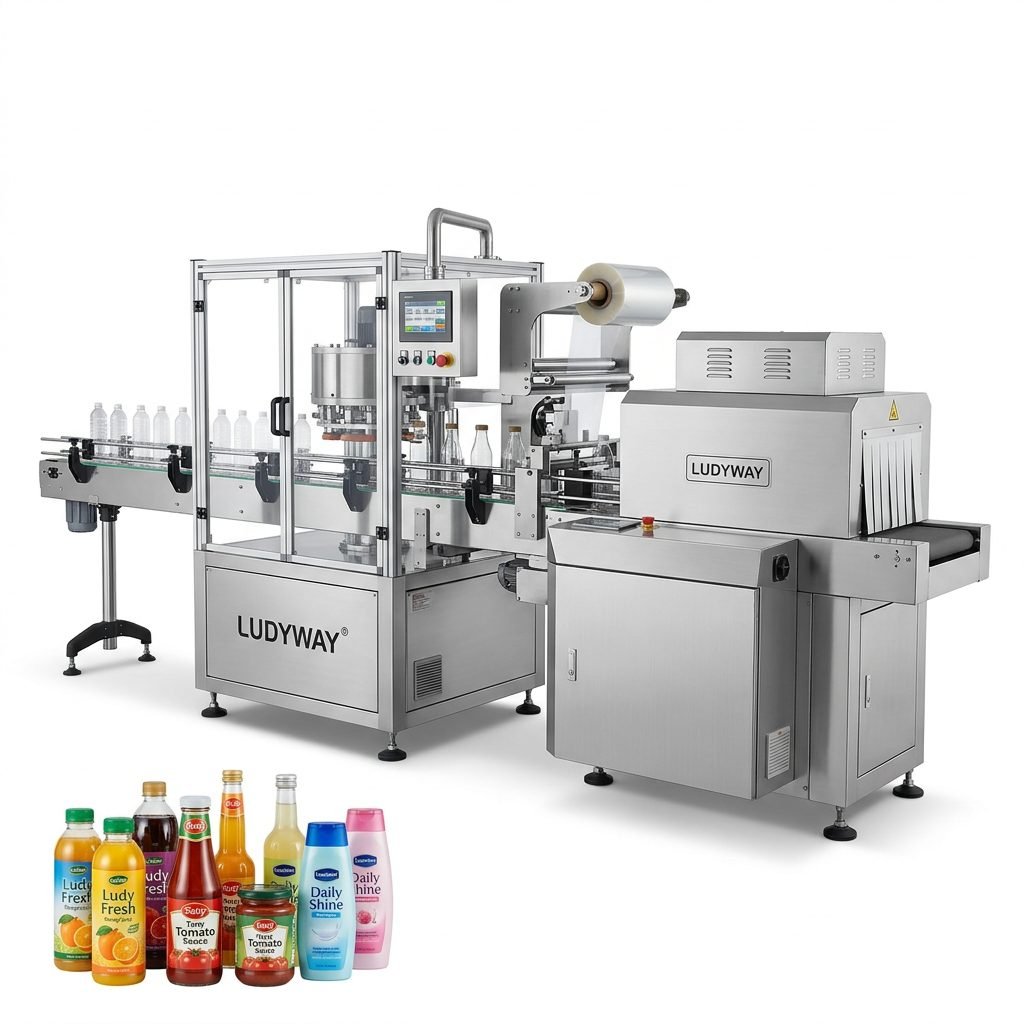
Investing in a chamber vacuum packing machine is a significant decision for food processors, pharmaceutical manufacturers, and industrial packaging operations. The right equipment extends product shelf life, reduces waste, and maintains product integrity during storage and transportation. This comprehensive guide walks you through the essential factors to evaluate before making your purchase.

Understanding Chamber Vacuum Packaging Technology
Unlike external vacuum sealers, a chamber vacuum packing machine places the entire product and pouch inside a sealed chamber. Air is evacuated from both the chamber and the bag simultaneously, creating a uniform vacuum environment. This design is particularly effective for liquid-rich products, sauces, marinated foods, and medical supplies that would be damaged by traditional nozzle or snorkel vacuum systems.
The chamber vacuum process delivers consistently high vacuum levels, typically reaching 99.8% or higher vacuum rates. This performance ensures optimal oxygen removal, which directly translates to extended shelf life and enhanced product protection. For operations requiring reliable packaging machinery performance, chamber systems represent the gold standard.
Key Factors to Evaluate Before Purchasing
1. Production Volume and Cycle Speed
Your daily throughput requirements determine the machine capacity you need. Entry-level single-chamber models may process 2-4 cycles per minute, while high-output double-chamber configurations can handle 6-10 cycles per minute. Consider not just current production demands but projected growth over the next 3-5 years. Under-sizing equipment leads to bottlenecks, while over-investing strains initial capital. Industry data consistently shows that matching machine capacity to realistic throughput targets yields the best return on investment.
2. Chamber Dimensions and Product Compatibility
Chamber size dictates what you can package. Measure your largest product dimensions and add buffer space for bag positioning. Key specifications include:
- Chamber depth – accommodates product height and bag gussets
- Seal bar length – determines maximum pouch width
- Chamber width and length – affects how many pouches fit per cycle
Some manufacturers offer custom chamber configurations for oversized or irregularly shaped products. Always verify that the machine can handle your full product range without compromising seal quality.
3. Vacuum Pump Quality and Performance
The vacuum pump is the heart of any chamber vacuum packing machine. Premium machines typically feature oil-lubricated rotary vane pumps that deliver deeper vacuum levels and longer service life compared to dry pumps. Key pump specifications to compare include:
| Pump Specification | Entry-Level | Mid-Range | Industrial-Grade |
|---|---|---|---|
| Pump Speed (m³/h) | 4-10 | 16-25 | 40-100+ |
| Ultimate Vacuum (mbar) | 2-5 | 0.5-2 | 0.1-0.5 |
| Oil Change Interval (hours) | 250-500 | 500-1000 | 1000-3000 |
| Typical Application | Small kitchen, deli | Medium processor | Heavy industry, 24/7 |
Investing in a high-quality pump from a recognized brand significantly reduces long-term maintenance costs and unplanned downtime. International standards often reference pump performance as a critical quality indicator.
4. Seal Bar Configuration
Seal quality determines package integrity throughout the supply chain. Look for machines with double-impulse sealing technology that creates consistent, strong seals even with wet or contaminated bag surfaces. Adjustable seal time and temperature controls allow operators to optimize settings for different bag materials and thicknesses. Some advanced models feature cut-off seal bars that trim excess bag material simultaneously with sealing, improving efficiency.

Build Quality and Material Construction
A chamber vacuum packing machine represents a long-term capital investment, so construction quality directly affects service life and reliability. Premium machines utilize:
- 304 or 316 stainless steel chamber bodies and frames for corrosion resistance
- Transparent acrylic or tempered glass lids for process visibility and durability
- Industrial-grade electrical components rated for wet production environments
- CNC-machined sealing bars with consistent heating profiles
Machines built with thinner gauge materials or lower-grade components may cost less initially but often require more frequent repairs and cannot withstand the rigors of continuous production environments. For pharmaceutical and medical applications, regulatory compliance often mandates specific material grades.
Comparing Single-Chamber vs. Double-Chamber Machines
The choice between single and double-chamber configurations depends primarily on throughput requirements and available floor space:
| Feature | Single Chamber | Double Chamber |
|---|---|---|
| Throughput (cycles/min) | 2-4 | 4-10 |
| Floor Space | Compact footprint | Larger, but higher output per m² |
| Operator Efficiency | Wait during vacuum cycle | Load one side while other operates |
| Cost Range | Lower initial investment | Higher upfront, faster payback at scale |
| Best For | Low-medium volume, R&D, specialty | Continuous production, co-packing |
Double-chamber machines effectively double productivity without requiring additional operators. This configuration is particularly valuable for food co-packers and contract manufacturers handling diverse product runs.
Essential Features to Look For
Programmable Controls and Recipe Storage
Modern chamber vacuum packing machines feature digital control panels with programmable parameters. Operators can store multiple recipes for different products, automatically adjusting vacuum time, seal time, gas flush duration, and cooling cycles. This capability reduces setup time and ensures consistent results across production shifts. Advanced models offer 30-100 recipe storage capacity with password-protected settings.
Modified Atmosphere Packaging (MAP) Capability
Gas flushing with nitrogen or CO₂ extends shelf life for sensitive products like fresh produce, baked goods, and processed meats. A chamber vacuum packing machine with MAP functionality introduces inert gas after vacuum extraction, creating a protective atmosphere inside the package. This technology is widely used in flexible packaging applications where product freshness is paramount. Verify that the machine you select supports the gas mixtures your products require.
Soft-Air and Controlled Vacuum Release
Gentle air reintroduction prevents product crushing and bag deformation, especially important for friable, delicate, or sharp-edged products. Soft-air technology gradually equalizes pressure, protecting fragile items like baked goods, medical devices, or electronics. Adjustable vacuum levels also allow partial vacuum packaging for products that benefit from reduced oxygen without complete evacuation.
Sensor-Based Monitoring Systems
Quality-focused operations benefit from machines equipped with vacuum sensors, temperature monitors, and seal integrity detection. These systems provide real-time feedback, alerting operators to deviations before defective packages leave the production area. Some advanced models integrate with plant-wide quality management software for comprehensive traceability.
Evaluating Total Cost of Ownership
Purchase price alone provides an incomplete picture. A comprehensive total cost of ownership (TCO) analysis includes:
- Energy consumption – efficient pumps and controls reduce operating costs
- Consumables – pump oil, filters, seal bars, and gaskets require periodic replacement
- Maintenance labor – simpler designs reduce technician hours and specialized expertise needs
- Downtime costs – reliable equipment avoids production interruptions
- Training requirements – intuitive controls minimize onboarding time for new operators
A machine that costs 20% more upfront but delivers 50% lower maintenance costs over five years typically represents superior value. Request detailed cost projections from potential suppliers, including estimated spare parts consumption and recommended service intervals.
Supplier Evaluation and Support Infrastructure
The relationship with your equipment supplier significantly impacts long-term satisfaction. Key evaluation criteria include:
- Industry experience – suppliers with decades of specialization understand diverse application requirements
- Technical support availability – remote assistance reduces downtime for international customers
- Spare parts inventory – readily available components prevent extended production pauses
- Installation and commissioning – on-site setup ensures optimal machine configuration
- Training programs – comprehensive operator and maintenance training protects your investment
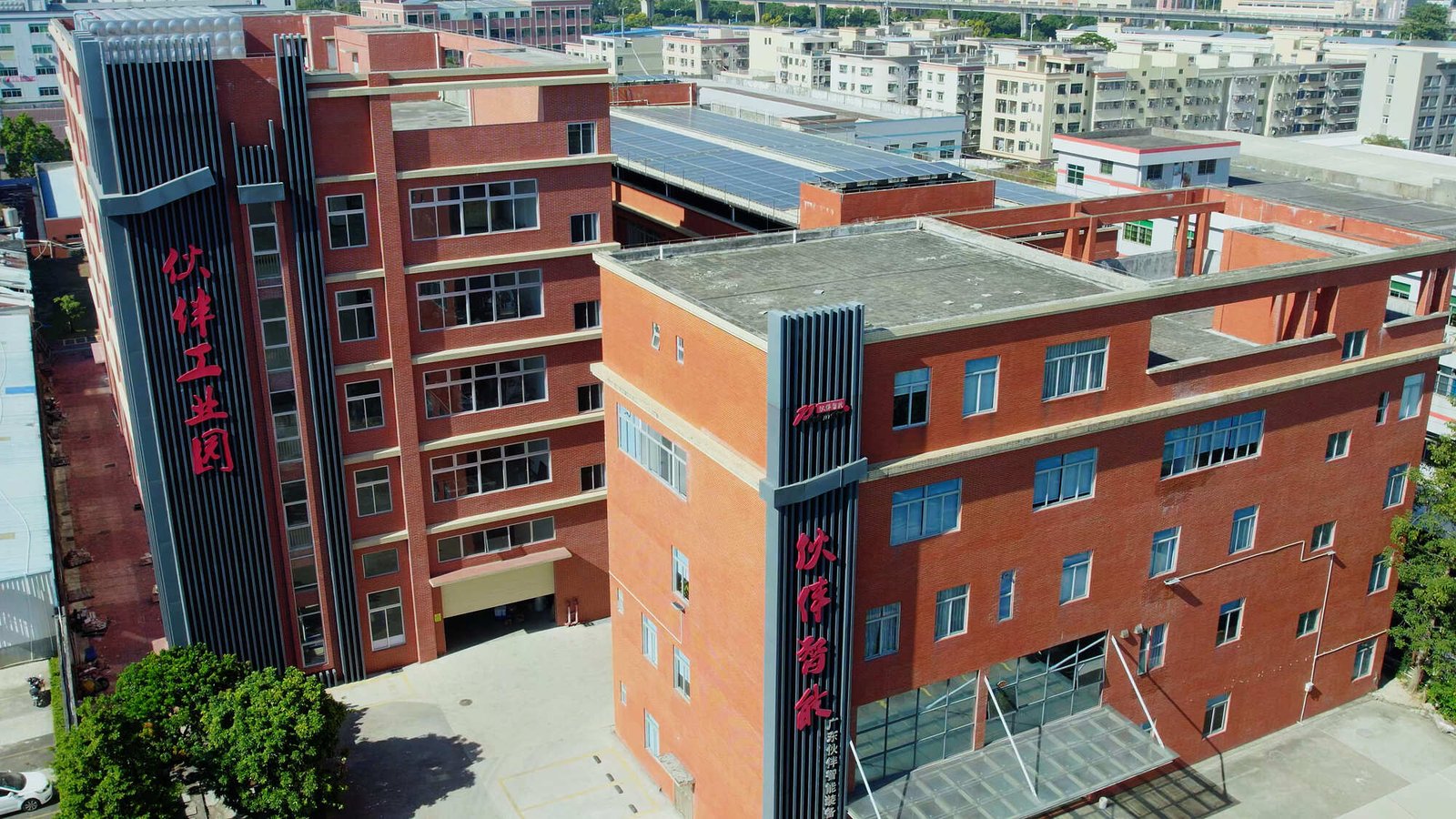
For manufacturers seeking a packaging machinery partner with broad capabilities, Ludyway Machinery provides comprehensive chamber vacuum packaging solutions with engineering support, customization options, and after-sales service across more than 100 countries. Working with an experienced supplier helps ensure that equipment selection aligns with both current production needs and long-term growth objectives.
Integration with Existing Production Lines
A chamber vacuum packing machine rarely operates in isolation. Consider how the equipment integrates with upstream and downstream processes. Factors include conveyor height matching, footprint constraints, power supply compatibility, and data communication with plant management systems. Some suppliers offer turnkey integration services that coordinate the entire packaging line for seamless operation. For insights on packaging line integration, industry events provide valuable opportunities to see integrated systems in operation.
Regulatory Compliance and Certification Requirements
Different markets and industries impose specific requirements on packaging equipment. Food-grade machines may need to meet FDA, EU, or local food safety standards. Pharmaceutical applications often require validation documentation and compliance with GMP (Good Manufacturing Practice) guidelines. Medical device packaging must adhere to ISO 11607 standards for sterile barrier systems. Verify that your chosen machine can be configured and documented to meet the applicable regulatory framework for your products and target markets.
Making the Final Decision
Selecting the best chamber vacuum packing machine requires balancing performance specifications, build quality, supplier capability, and total cost of ownership. Start by clearly defining your product range, production volumes, and quality requirements. Then evaluate machines against these concrete criteria rather than being swayed by feature lists that may not apply to your operation. Request product demonstrations with your actual packaging materials and products whenever possible, as this reveals real-world performance more accurately than specification sheets alone. The right machine becomes a reliable production asset that delivers consistent value for many years.