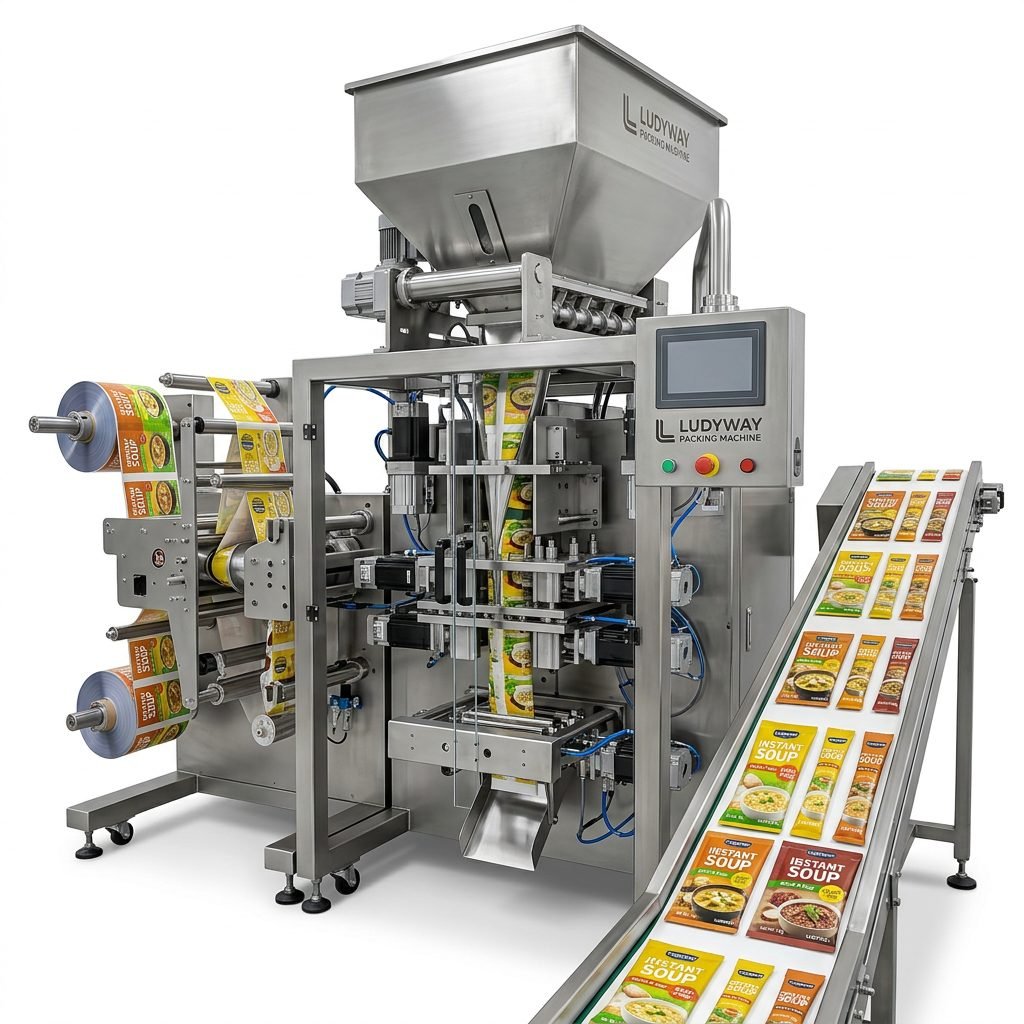
Selecting the right food packaging sealing machine is one of the most critical equipment decisions a food manufacturer will make. The sealing process directly affects product freshness, shelf life, and overall package quality. A poorly chosen machine can lead to seal failures, product waste, and costly downtime.
This guide provides a structured approach to evaluating and selecting the right sealing machine for your production line, whether you are starting a new operation or upgrading existing equipment.
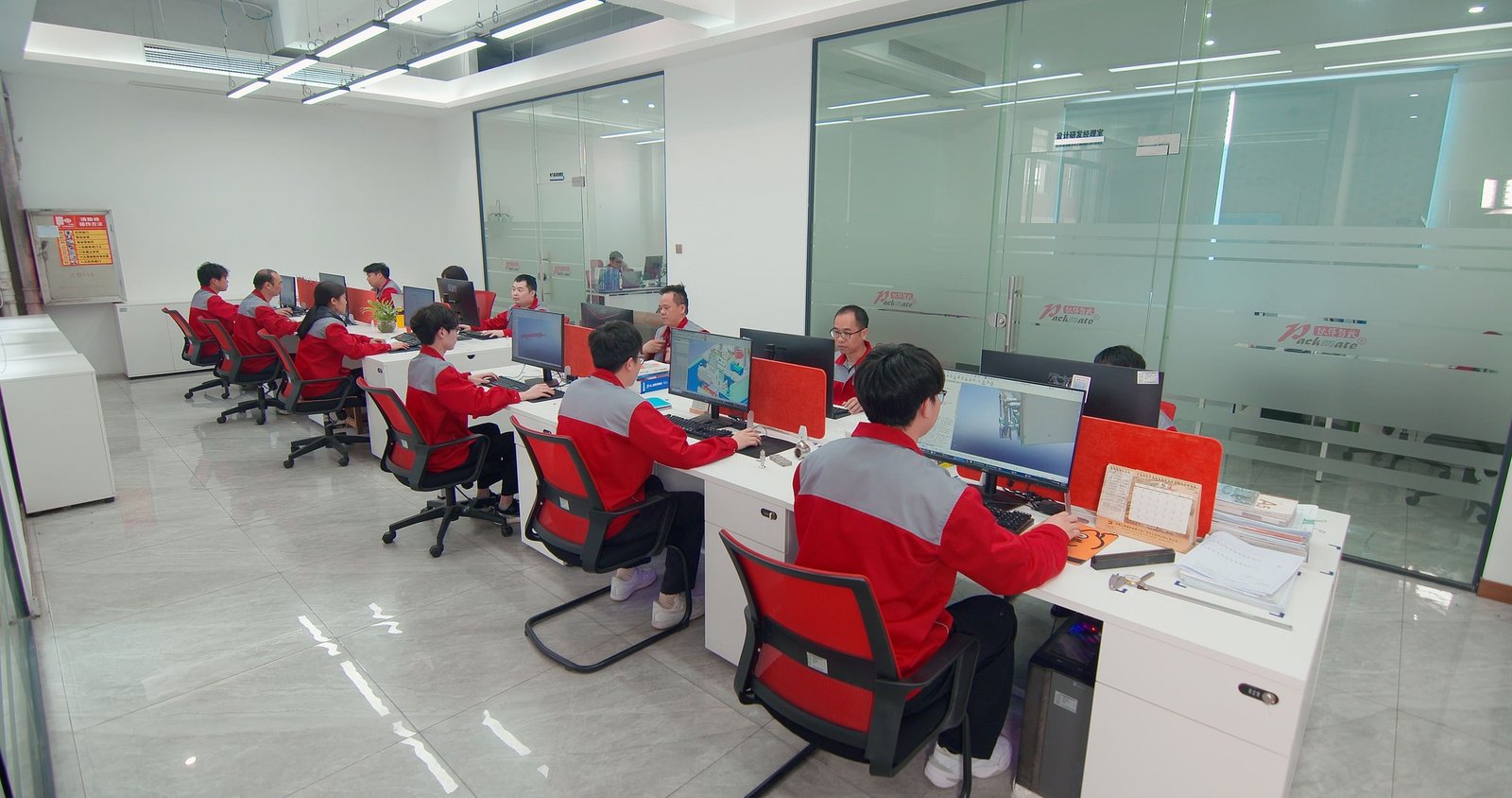
Key Factors to Consider When Choosing a Sealing Machine
No single sealing machine fits every application. Before comparing models, define your specific requirements across these core areas:
- Product characteristics – solid, liquid, powder, granular, or viscous
- Packaging format – sachet, stick pack, pouch, bag, or tray
- Production speed – pieces per minute or bags per hour
- Packaging material – film type, thickness, and layer structure
- Facility constraints – available floor space, power supply, and air requirements
- Automation level – manual, semi-automatic, or fully automatic packaging machine
Matching Sealing Technology to Your Product
Different products demand different sealing approaches. Understanding the available sealing technologies helps narrow your options significantly.
Heat Sealing
Heat sealing is the most widely used method in food packaging. It uses heated sealing bars to fuse thermoplastic packaging materials together under pressure. This method works well with a broad range of films including polyethylene, polypropylene, and multilayer laminates. For products that are heat-sensitive, precise temperature control is essential to avoid product damage during the sealing cycle.
Ultrasonic Sealing
Ultrasonic sealing uses high-frequency vibrations to generate heat at the seal interface, bonding materials without external heat application. This method is particularly advantageous for products where heat could degrade quality, or when sealing through product residue in the seal area. It also delivers excellent seal integrity for challenging applications.
Vacuum Sealing
Vacuum sealing removes air from the package before applying the seal, helping extend shelf life by reducing oxidation. This technology is commonly used for fresh produce, processed meats, cheese, and other perishable food products where oxygen exposure needs to be controlled. Many modern vacuum sealing machines also offer gas flushing capabilities.
Impulse Sealing
Impulse sealing delivers a short burst of electrical current to heat the sealing element only during the sealing cycle. It is energy-efficient and produces consistent seals on thin films. This method is frequently used for sealing thermoplastic materials and can be found in many tabletop and low-to-medium-speed applications.
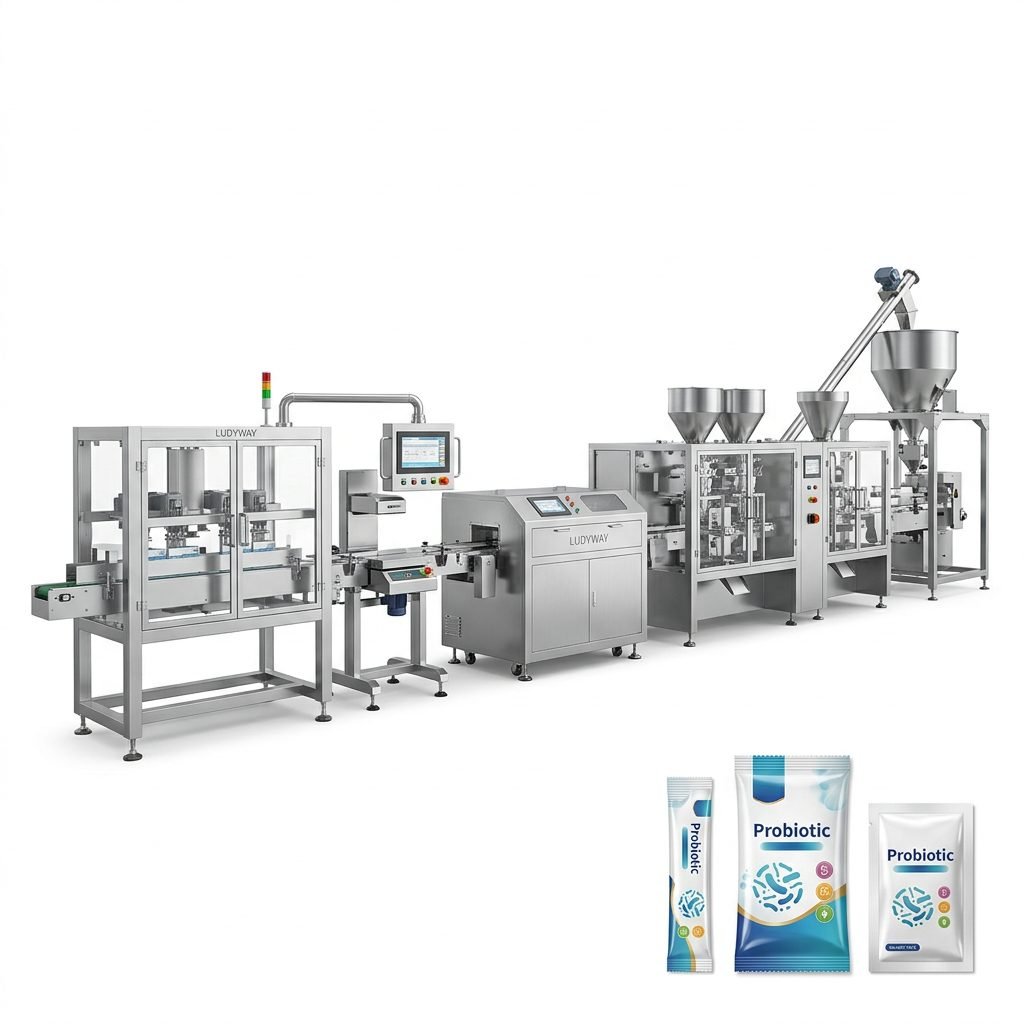
Choosing Between Continuous and Intermittent Motion
Motion type affects both speed capability and seal quality. Your production volume and packaging format will determine which approach is more suitable.
| Feature | Continuous Motion | Intermittent Motion |
|---|---|---|
| Speed Range | High (up to 800+ ppm) | Low to Medium (up to 150 ppm) |
| Seal Dwell Time | Shorter | Longer, more adjustable |
| Best For | High-volume production, stick packs, sachets | Shorter runs, thicker materials, specialty formats |
| Machine Footprint | Generally larger | More compact |
| Changeover Flexibility | Moderate | Higher, easier to adjust |
Evaluating Packaging Material Compatibility
Your sealing machine must be compatible with your chosen packaging materials. Machine manufacturers often specify the film types and thickness ranges their equipment can handle. Key material considerations include:
- Film structure: monolayer vs. multilayer laminates
- Sealant layer type: PE, PP, EVA, ionomer, or specialty sealants
- Material thickness: gauge or micron range
- Barrier requirements: moisture, oxygen, and light protection needs
- Sustainability goals: recyclable, compostable, or bio-based materials
Testing your specific film on the target machine before purchase is strongly recommended. Material behavior can vary depending on machine configuration, seal jaw design, and temperature control precision.
Speed, Automation, and Integration Requirements
How the sealing machine fits into your broader production line is just as important as its standalone performance. Consider these operational factors:
Production Speed
Match the machine speed to both current and anticipated production needs. A machine running at maximum capacity leaves no room for growth. Generally, it is better to select equipment capable of operating at 70-80% of its maximum rated speed for sustained production, allowing headroom for peak demand periods.
Line Integration
If the sealing machine is part of a larger packaging line, it must integrate properly with upstream filling equipment and downstream secondary packaging systems. Turnkey packaging solutions help ensure all equipment is matched for speed, format, and control communication. Look for machines with standard communication protocols and flexible I/O configurations.
Changeover Efficiency
For operations running multiple product SKUs or packaging formats, changeover time directly impacts overall equipment effectiveness. Tool-less changeover features, recipe management systems, and quick-adjust mechanisms can significantly reduce downtime between production runs.
Machine Construction and Hygiene Requirements
Food safety regulations dictate specific machine design requirements. The FDA food packaging guidelines and international standards such as ISO packaging standards outline requirements for food contact surfaces and machine hygiene.
Key construction considerations include:
- Material of construction: Stainless steel (304 or 316 grade) for food contact areas
- Washdown capability: IP65 or higher rating for wet cleaning environments
- Accessibility: Easy access to sealing area for cleaning and maintenance
- Splash guarding: Protection of electrical and mechanical components from product ingress
- CIP compatibility: Clean-in-place capability for liquid product applications
Budget Considerations and Total Cost of Ownership
Purchase price is only one component of the total investment. A comprehensive cost analysis should account for the entire machine lifecycle:
- Initial equipment cost including installation and commissioning
- Operator training and learning curve
- Spare parts inventory and availability
- Energy consumption and utility requirements
- Preventive maintenance schedules and service contract costs
- Expected service life and depreciation
- Technical support response times and availability
Working with the Right Packaging Machinery Partner
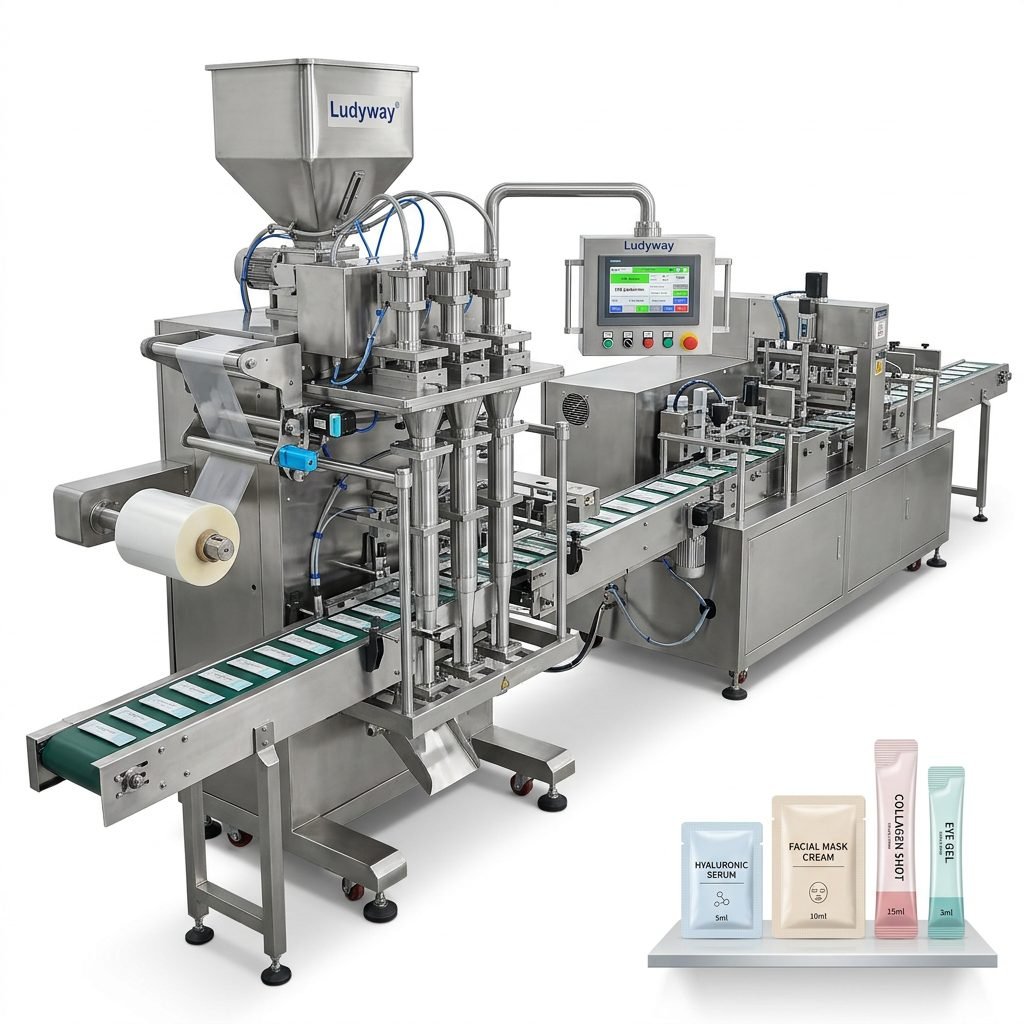
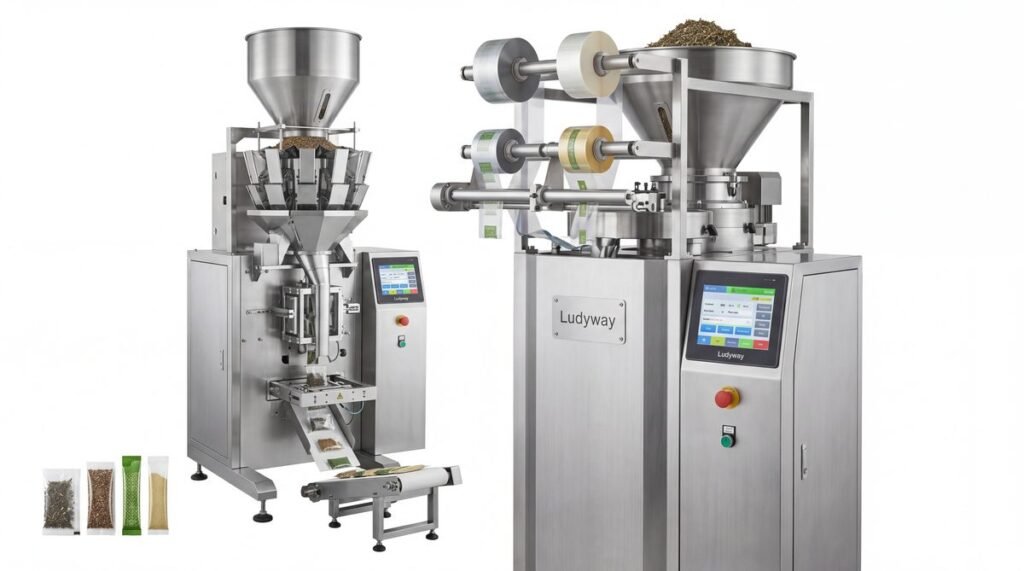
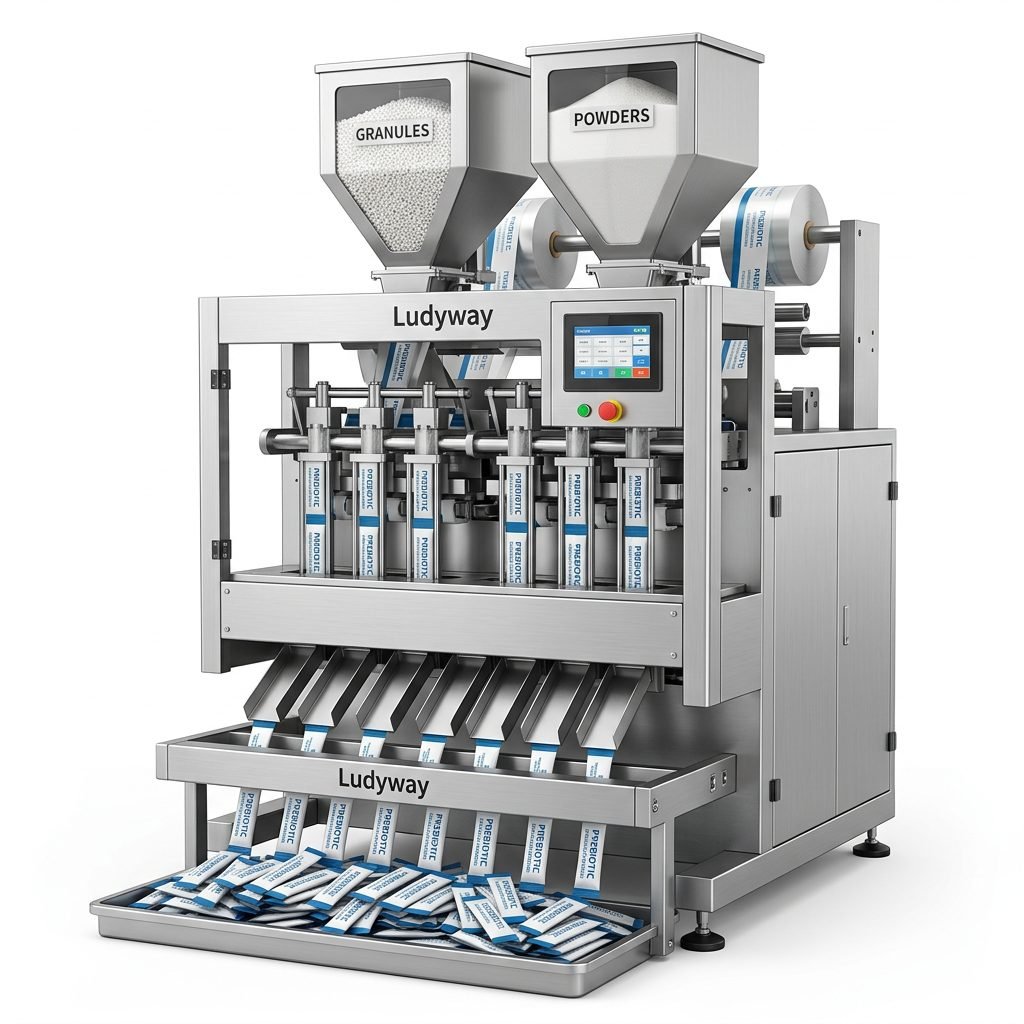
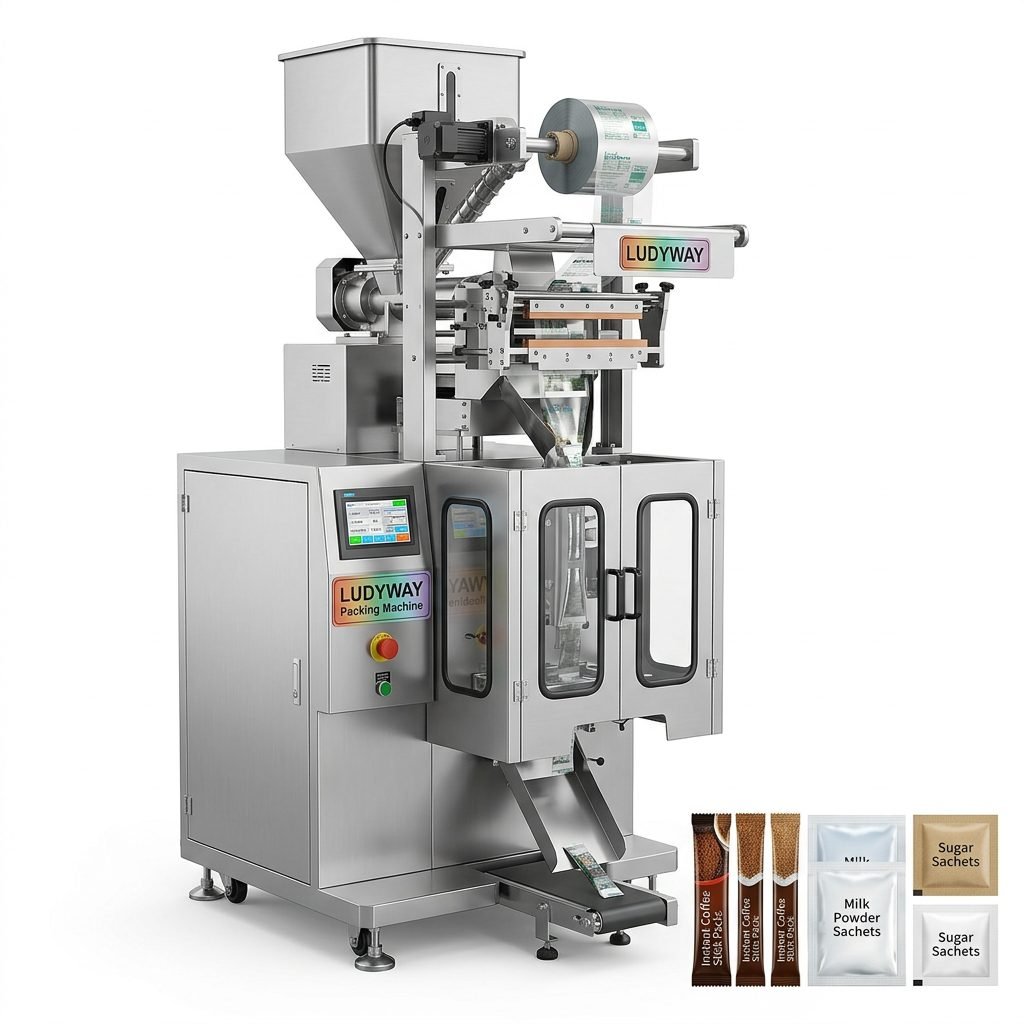
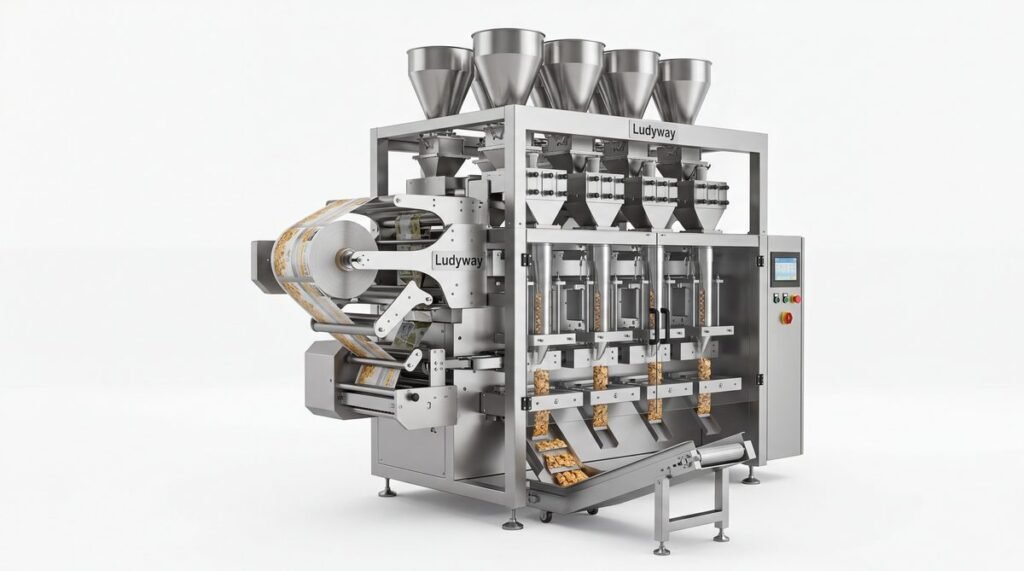
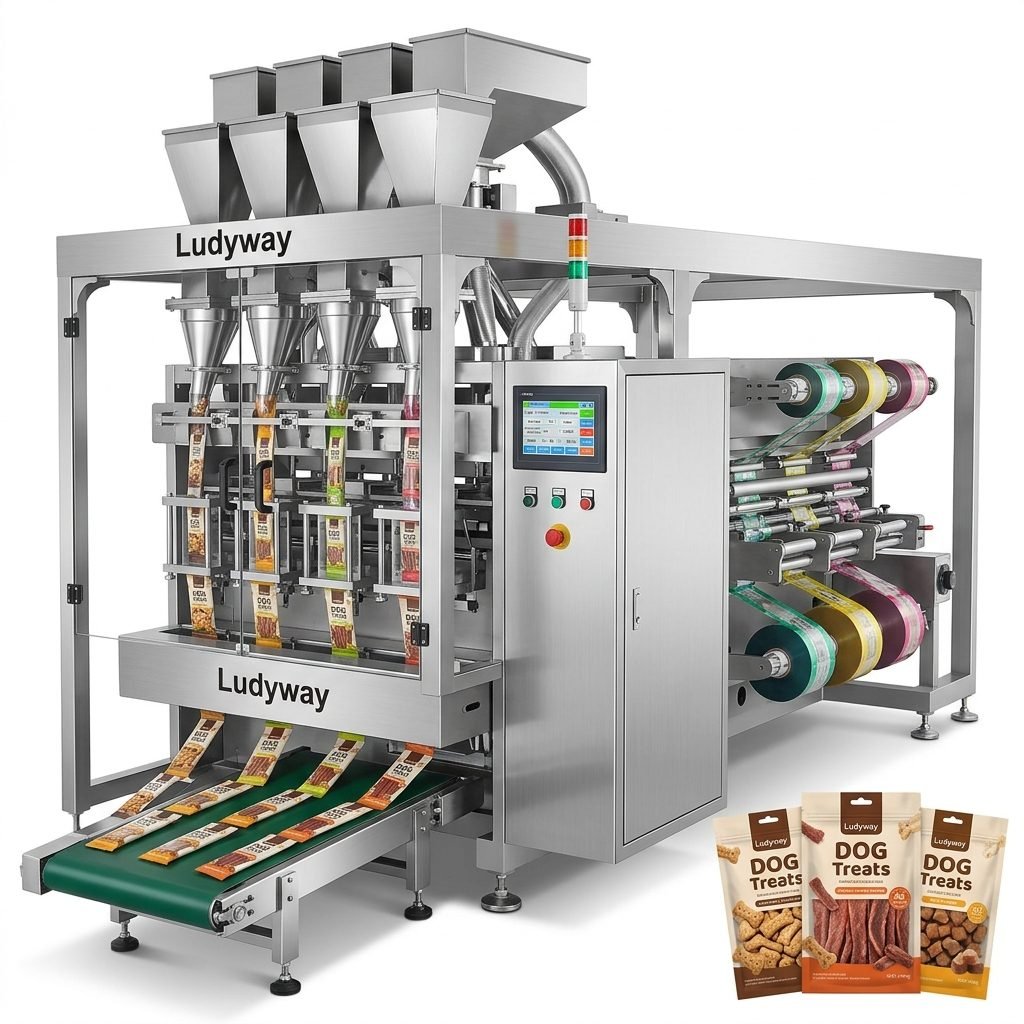
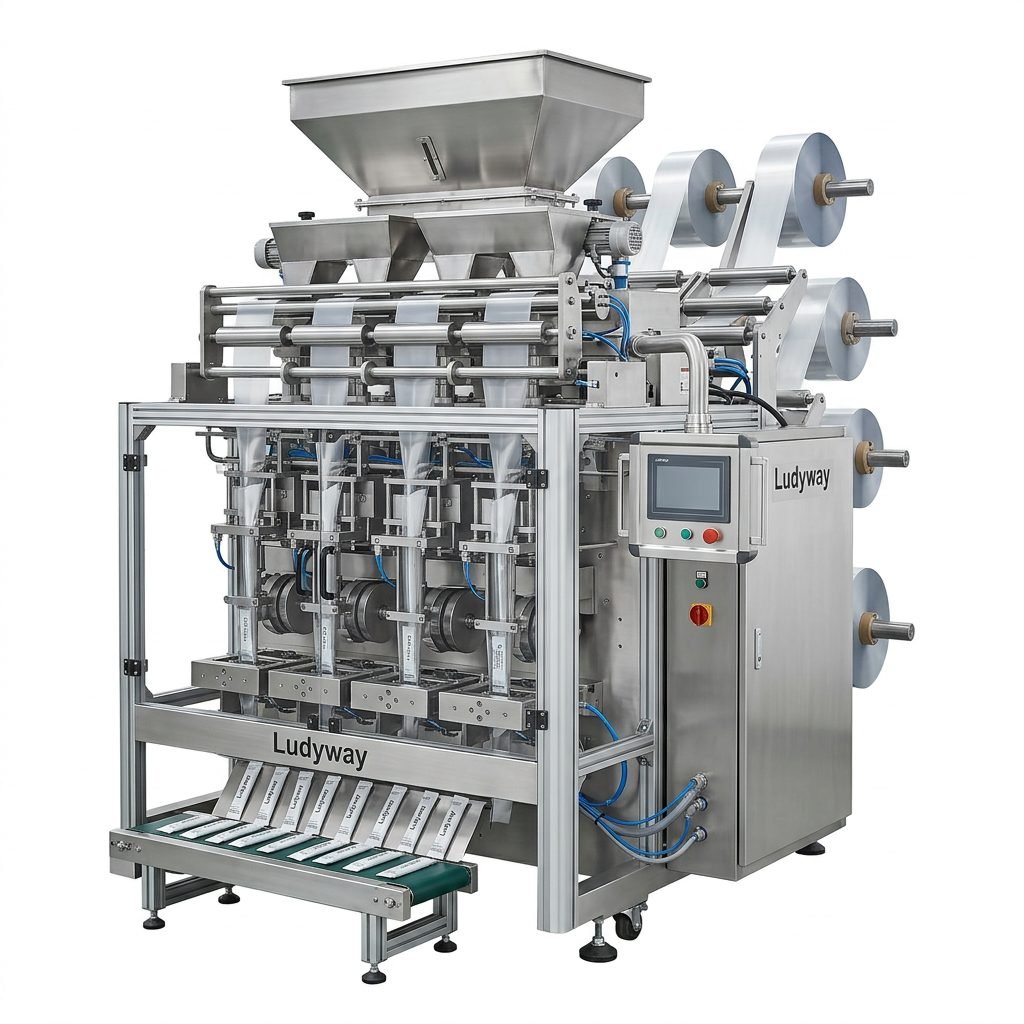
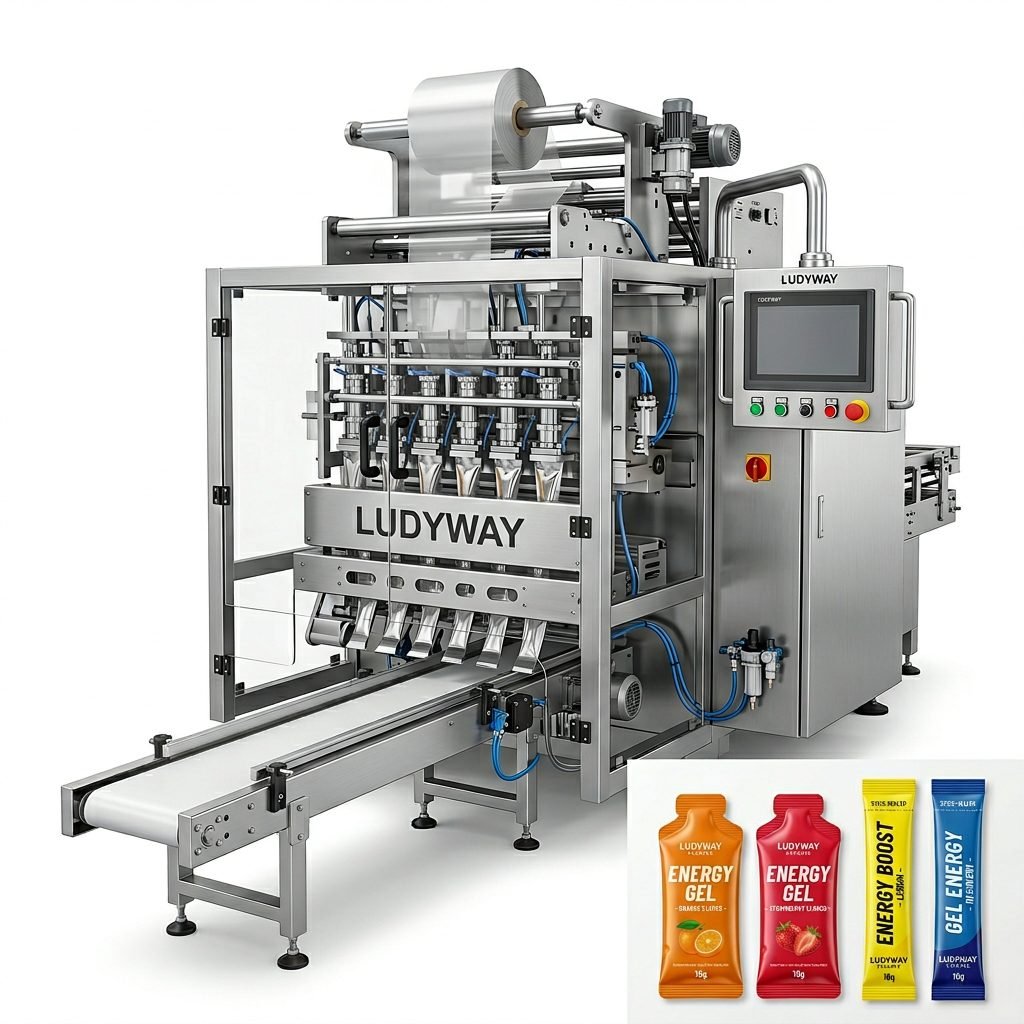
Selecting a reliable equipment partner is as important as selecting the right machine. A manufacturer with engineering capabilities, application experience, and global service support can provide significant value beyond the equipment itself. Ludyway Machinery is a China-based packaging machinery manufacturer and turnkey packaging solution provider with more than 30 years of experience. The company offers a broad portfolio of automatic packaging equipment for powder, granule, liquid, stick pack, sachet, and pouch applications, with a 20,000-square-meter manufacturing facility and service coverage in more than 100 countries.
When working with any supplier, request detailed machine specifications, sample test reports, customer references, and information about after-sales support and spare parts availability. A factory acceptance test (FAT) or video demonstration can provide confidence in machine performance before shipment.
Testing and Validation Before Final Decision
Before committing to a purchase, conduct thorough testing and validation using your actual products and packaging materials. This process should include seal integrity testing, leak detection, burst testing, and if applicable, accelerated shelf-life studies. For operations requiring validated processes in regulated industries, documentation support from the machine manufacturer is essential.
The PMMI packaging machinery market research provides additional industry data and insights that can help inform your equipment selection process.
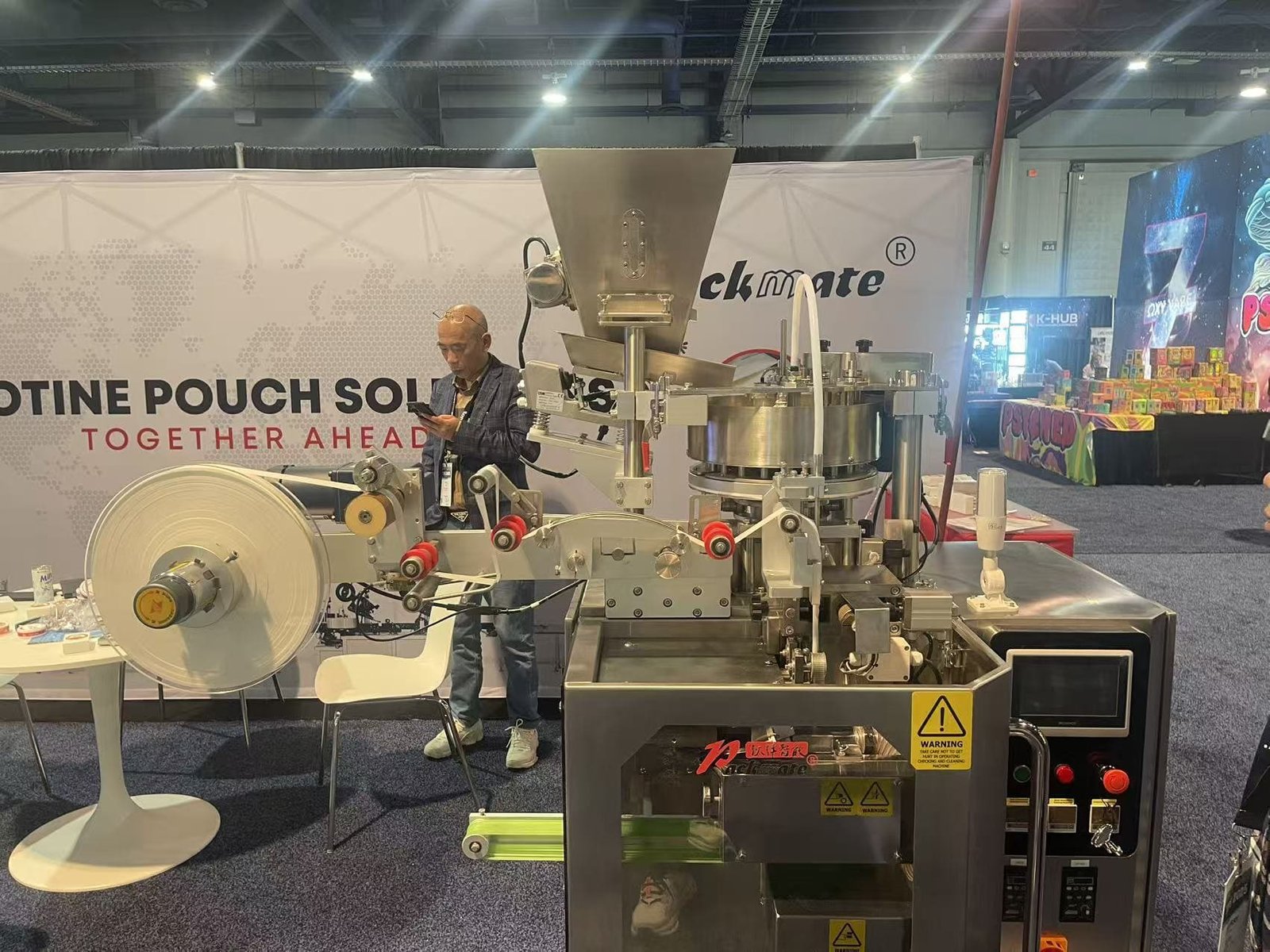
Checklist Summary for Selecting a Food Packaging Sealing Machine
- Define product characteristics and packaging format requirements
- Select appropriate sealing technology (heat, ultrasonic, vacuum, impulse)
- Choose between continuous and intermittent motion based on speed needs
- Verify packaging material compatibility through testing
- Match machine speed to current and future production demands
- Evaluate integration requirements with existing line equipment
- Confirm construction materials meet food safety and hygiene standards
- Calculate total cost of ownership including service and spare parts
- Partner with an experienced manufacturer offering global technical support
- Conduct product trials and seal validation before final purchase