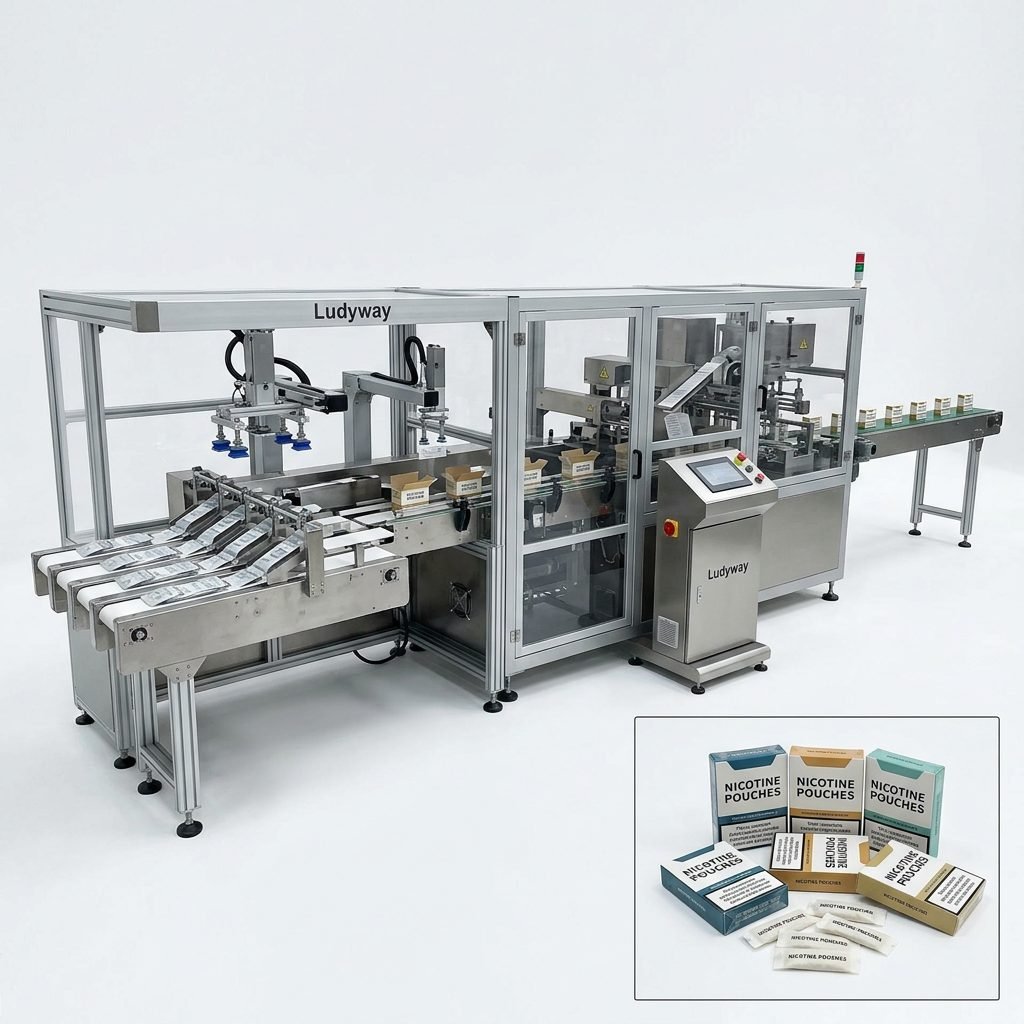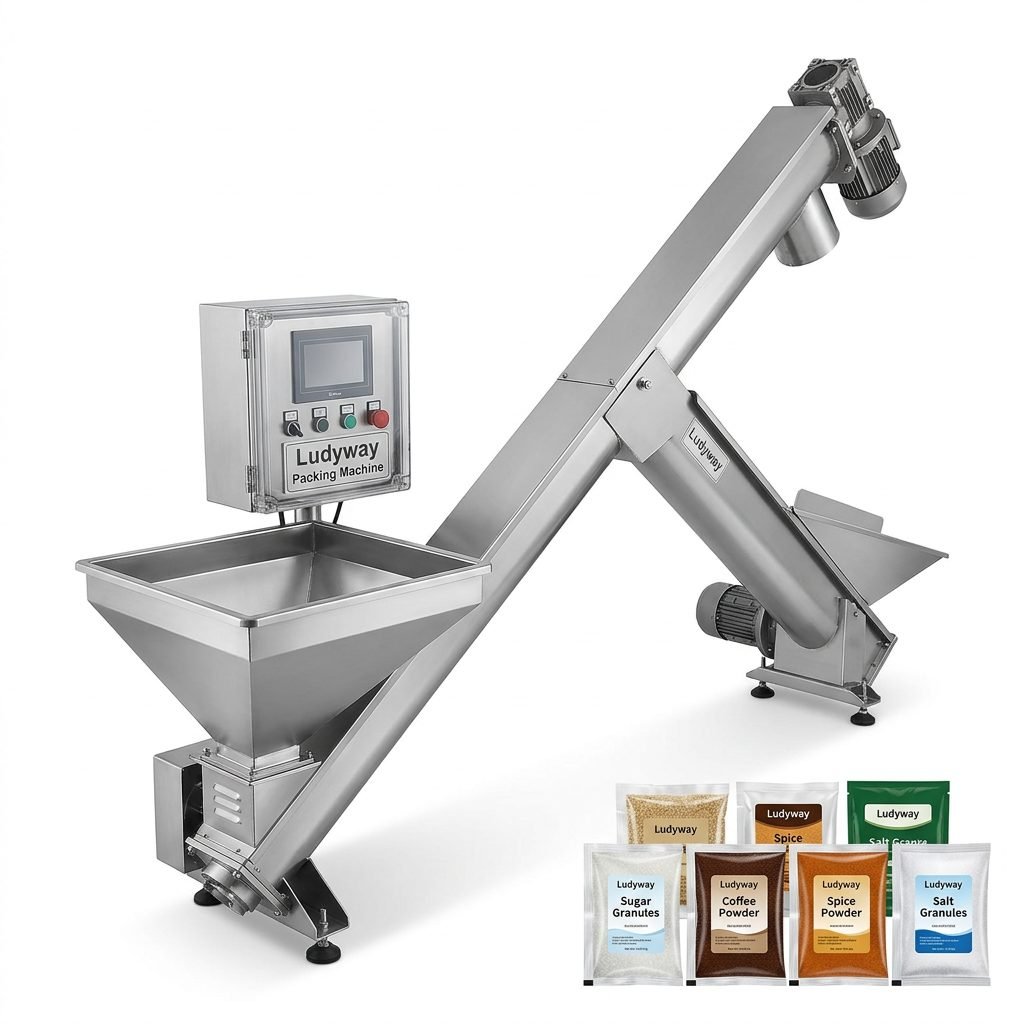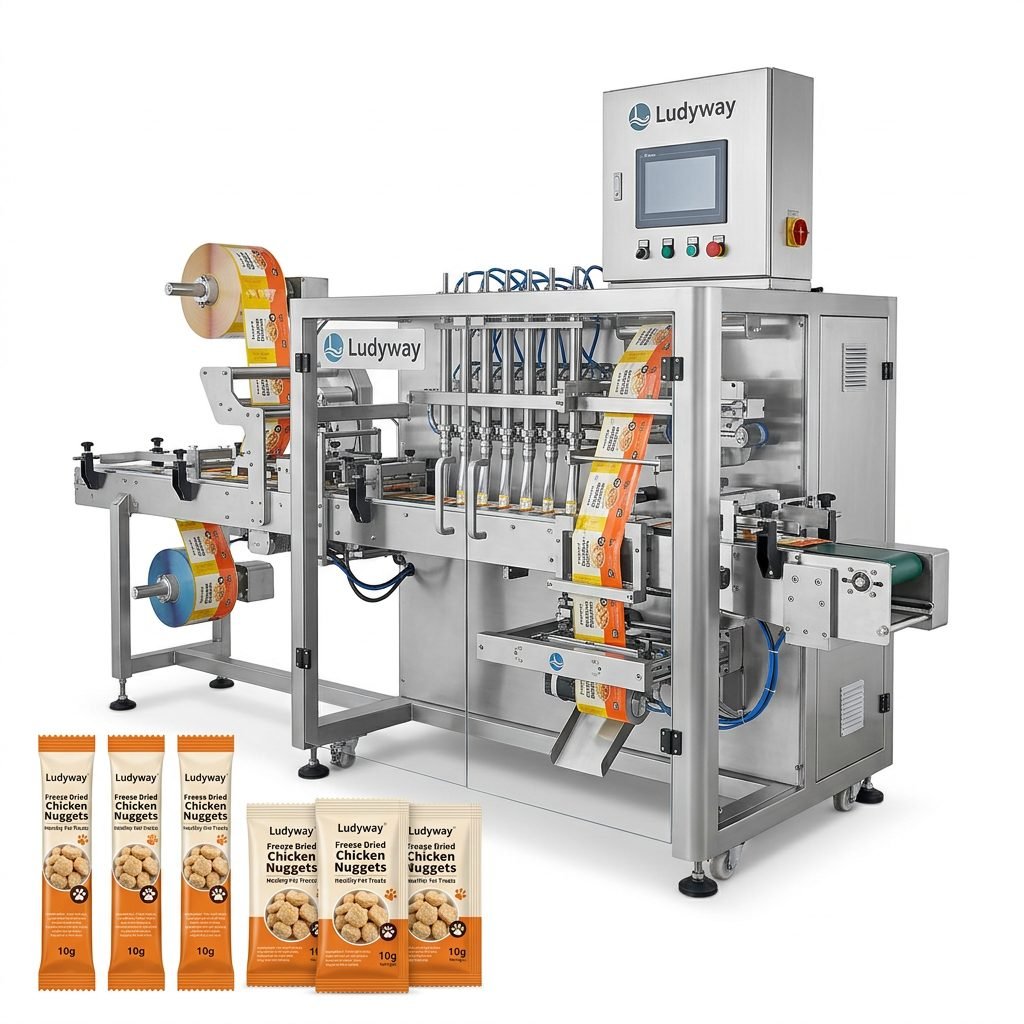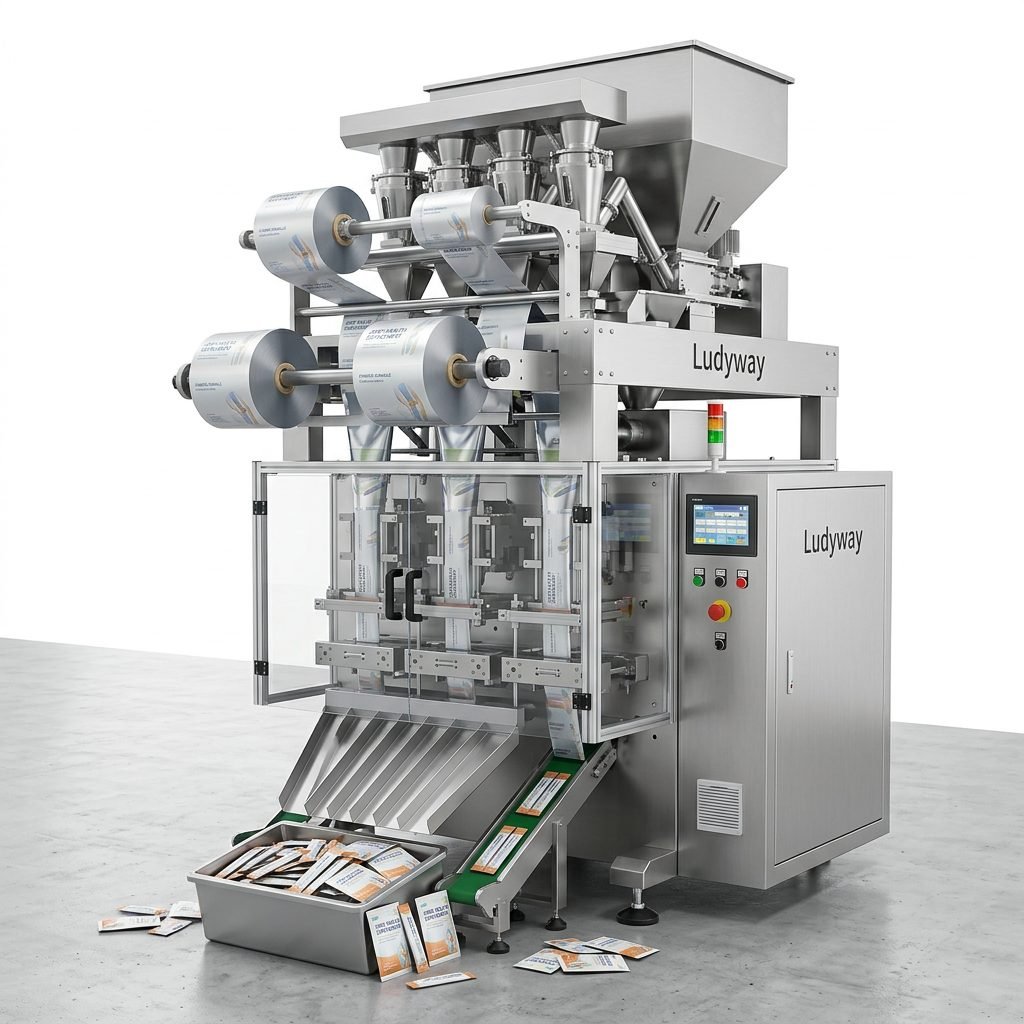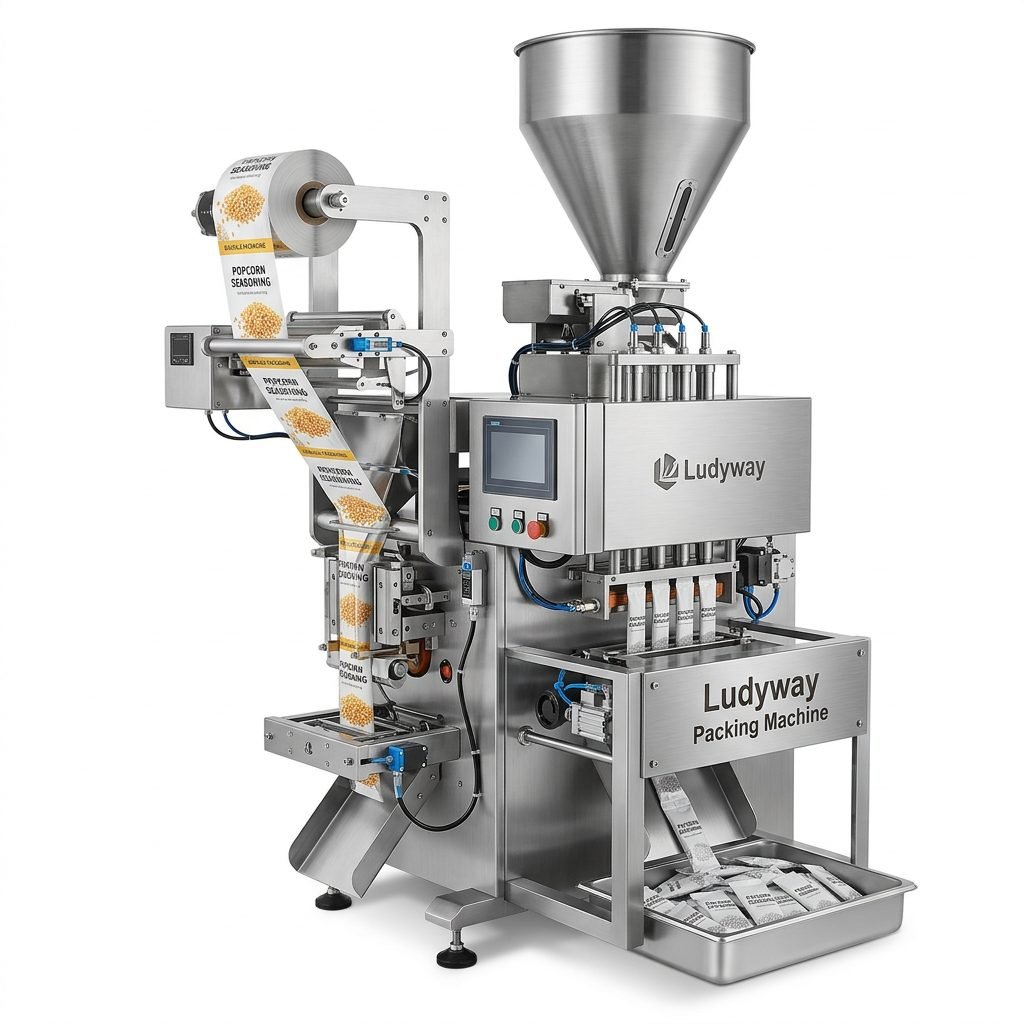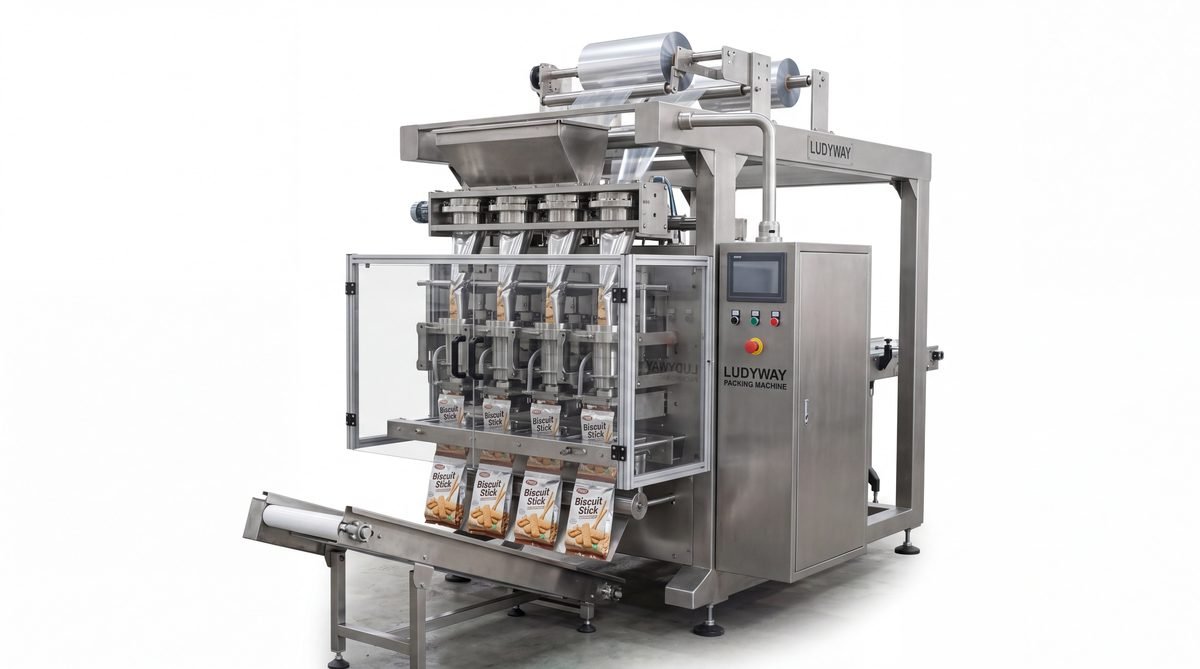
Choosing a biscuit packing machine is a critical decision that directly impacts production efficiency, product shelf life, and overall packaging consistency. With the wide range of equipment available—from simple flow wrappers to advanced multi-lane systems—understanding your specific product characteristics and output goals is the first step toward a profitable investment. This guide breaks down the essential factors to help you select the right machinery for your biscuit production line.
Understanding Your Biscuit Product Requirements
Biscuits come in countless shapes, textures, and fragility levels. Before evaluating machine types, manufacturers must clearly define the product parameters. Product breakage rate and shape stability are often the most overlooked factors that later cause costly adjustments. Consider the following checklist:
- Product shape and dimensions – Round, rectangular, sandwiched, or irregularly shaped biscuits require different feeding and sealing mechanisms.
- Fragility and breakage sensitivity – Delicate wafer biscuits demand gentle handling systems, while hard crackers can withstand faster conveying speeds.
- Packaging format – Do you need single packs, flow packs, trays, pillow packs, stick packs, or sachets? The final bag style dictates the appropriate sealing and cutting technology.
- Shelf life requirements – Gas flushing (modified atmosphere packaging) or vacuum sealing features may be essential for long shelf life without preservatives.
- Production volume – Up to 50 packs per minute requires a different solution compared to high-speed lines producing 300-500 packs per minute.
Types of Biscuit Packing Machines
The core technologies in biscuit packaging are designed to match different throughputs and bag styles. The table below summarizes the most common machine categories and their typical applications.
| Machine Type | Ideal For | Key Features |
|---|---|---|
| Horizontal Flow Wrapper | Individual biscuits, sandwich biscuits, bars | High speed, tight seals, easy film changeover |
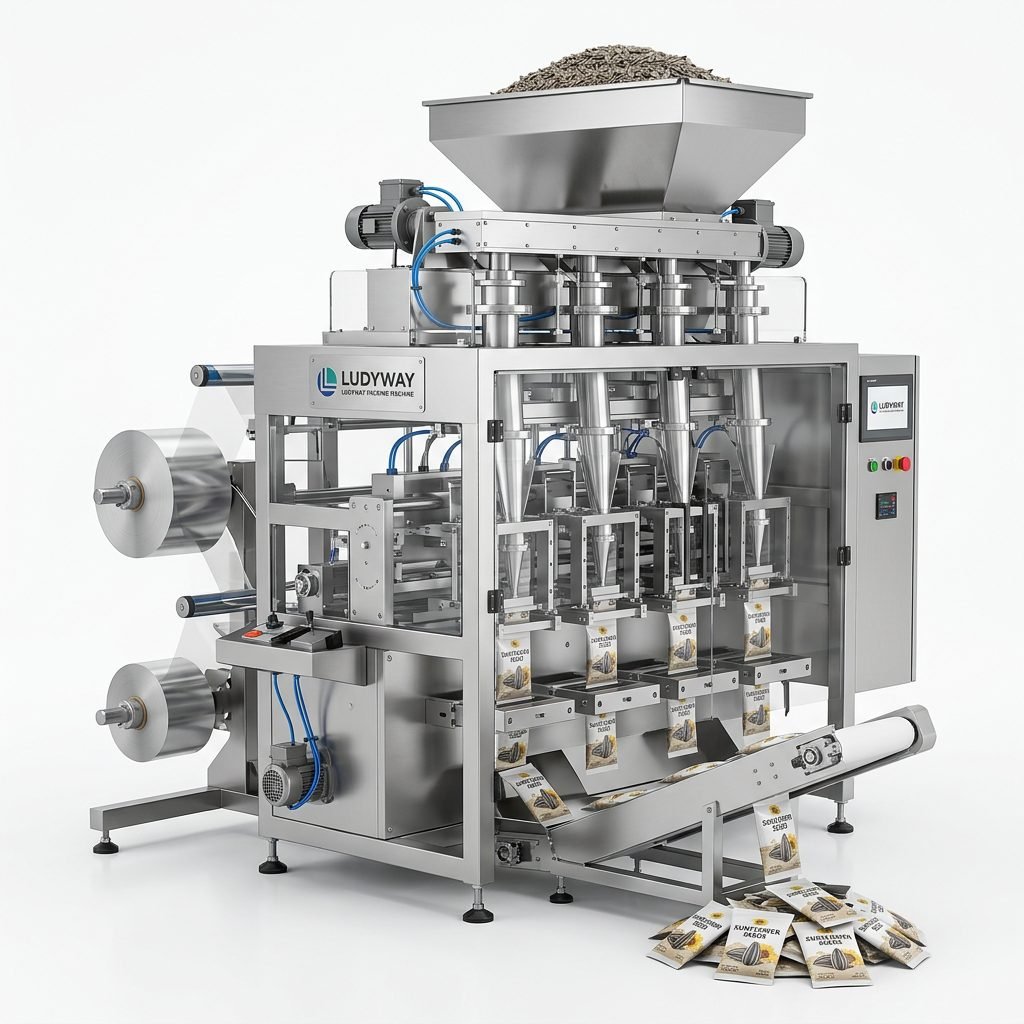
| Vertical Form Fill Seal (VFFS) | Loose mini biscuits, cookies, variety packs | Flexible bag sizes, low cost per pack, pillow or gusseted bags |
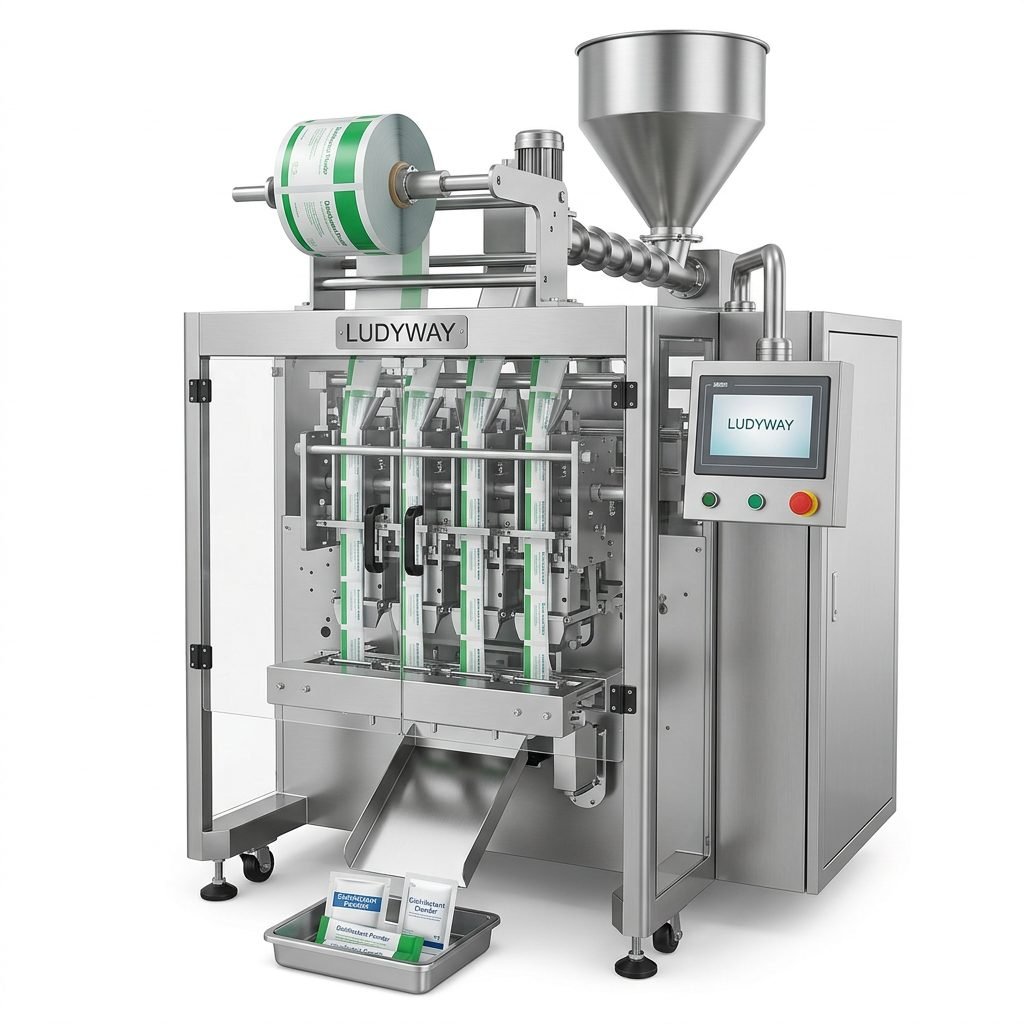
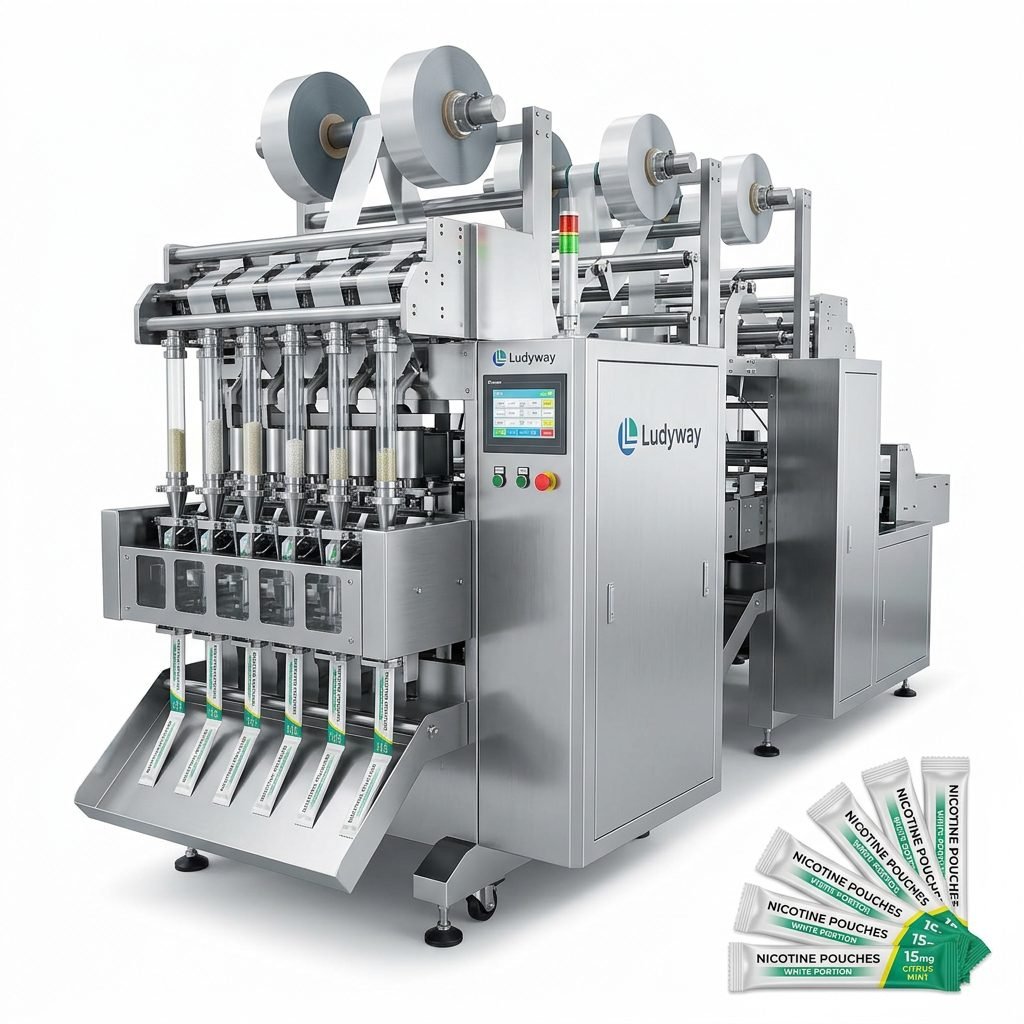
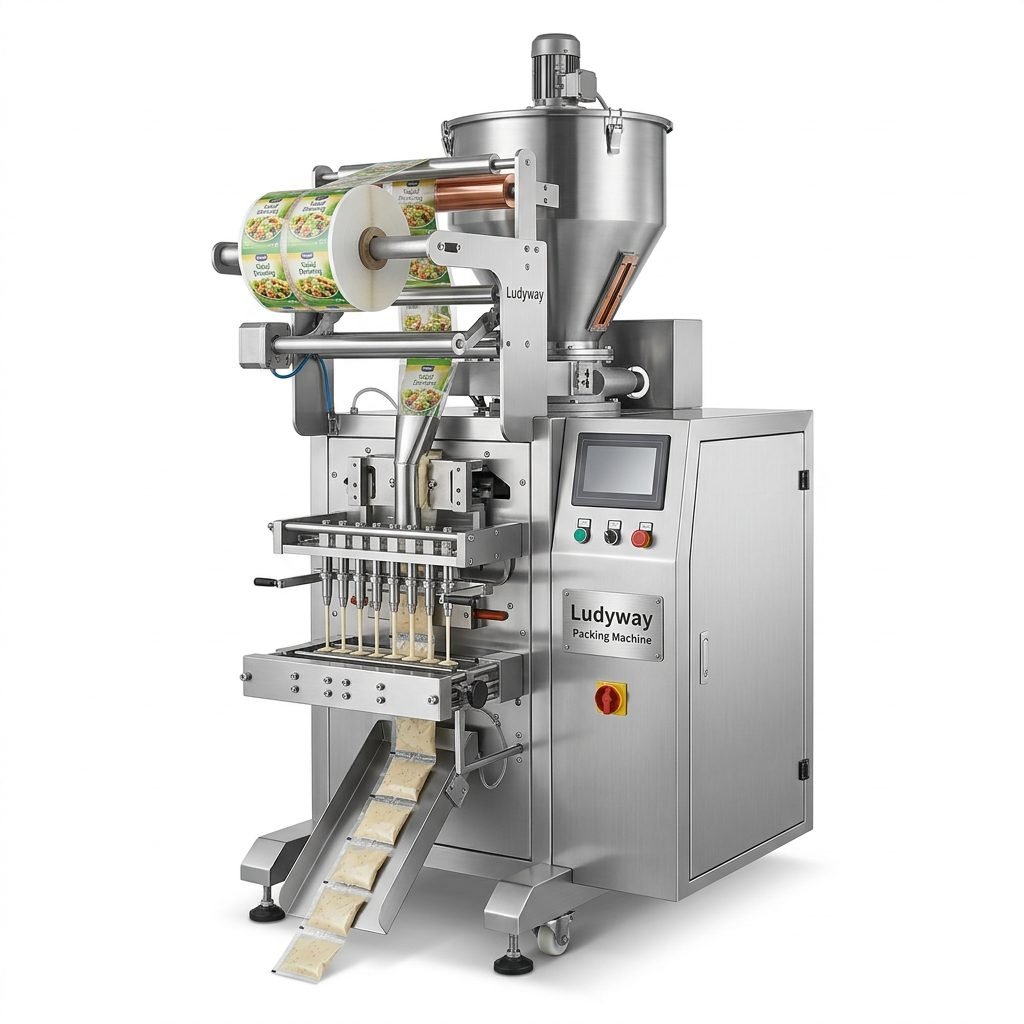
| Multi-Lane Stick/Sachet Machine | On-the-go biscuit sticks, snackable formats | Compact design, multiple lanes for high output, perfect for flow wrapping small units |
| Tray Sealing & Overwrapping | Gift packs, family packs, premium retail biscuits | Enhanced presentation, tamper evidence, often combined with cartoning |
Selecting the right configuration often involves testing product samples on multiple machine types to verify film sealing compatibility and minimal product damage. Many manufacturers also refer to industry resources such as the PMMI State of the Industry report for market data on packaging machine adoption and trends.

Horizontal Flow Wrapping: The Standard for Biscuits
For most biscuit and cracker applications, horizontal flow wrappers offer the best balance of speed, gentle product handling, and package tightness. Key parameters to evaluate include film width adjustment range, seal jaw heating efficiency, and automatic feeder integration. Modern systems also provide quick-change modules for different bag lengths, reducing downtime when switching between SKUs.
Multi-Lane Stick Pack Machines for Snackable Biscuits
When producing small-format biscuit sticks or mini cookies in stick packs, multi-lane sachet machines deliver unmatched output per square meter of floor space. These machines can run 6, 8, or even 12 lanes simultaneously, making them ideal for high-volume export markets and convenience store formats. Make sure the filling system is calibrated for uniform piece count or weight per lane to avoid underfilling or excessive giveaway.
Critical Machine Selection Factors
After narrowing down the machine type, the following criteria help differentiate between entry-level and production-grade equipment:
- Speed and throughput – Match the machine’s rated speed (packs per minute) to your projected growth, allowing at least 20% headroom for peak demand periods.
- Film and material compatibility – Not all machines handle laminated films, cold seal, or recyclable mono-materials equally. Verify sealing temperature range and film tension control.
- Changeover time – For bakeries producing multiple biscuit varieties, look for tool-less adjustments and recipe memory for bag dimensions.
- Integration with upstream and downstream equipment – The machine should easily connect to automatic feeders, coder/printers, checkweighers, metal detectors, and carton packing lines.
- Hygiene and cleanability – IP rating, stainless steel construction, and sloped surfaces are essential for food safety compliance, especially when handling biscuits with filling or chocolate coating.
Packaging Quality and International Standards
For manufacturers exporting biscuits, adherence to international packaging regulations is non-negotiable. Machines should be configurable to meet applicable standards such as those outlined by the FDA food packaging guidelines and ISO packaging standards. In addition, flexible packaging industry data from the Flexible Packaging Association can help you select materials and machine configurations that align with sustainability trends.
Increasingly, biscuit manufacturers also require integrated inspection systems that reject packages with seal defects, incorrect date codes, or missing gas flush. Vision inspection and automatic reject functionality should be considered from the initial machine selection to avoid expensive retrofits later.

After-Sales Support and Long-Term Partnership
A biscuit packing machine is a long-term asset, and the strength of the manufacturer’s support network determines how quickly you can resolve production interruptions. Look for suppliers that offer remote diagnostics, operator training, and readily available spare parts. One example of a company providing such comprehensive support is Ludyway Machinery, which has been serving manufacturers in more than 100 countries with integrated packaging solutions and responsive after-sales service. Ensuring that your partner can assist with installation, commissioning, and ongoing optimization helps maintain line efficiency over the machine’s entire lifecycle.
Total Cost of Ownership and ROI
Beyond the initial purchase price, evaluate the machine’s total cost of ownership (TCO) over a 5-7 year horizon. Key cost components include:
- Energy consumption per thousand packs
- Film waste rate during startups and splices
- Spare parts availability and average lead time
- Labor required for operation and cleaning
- Expected machine uptime and maintenance intervals
High-efficiency biscuit packaging lines often achieve payback in under 18 months when they reduce giveaway, increase output, and minimize film waste. Request detailed performance data and case studies from equipment suppliers to validate their claims before making a final decision.
Quick Guide to Machine Evaluation
| Evaluation Stage | What to Verify |
|---|---|
| Factory Acceptance Test (FAT) | Run your actual biscuit product and film on the machine. Check bag length consistency, seal integrity, and user interface response. |
| Site Preparation | Confirm electrical, compressed air, and ventilation requirements are met before installation to avoid delays. |
| Operator Training | Ensure the supplier provides hands-on training for your team, including troubleshooting common stoppages and film threading procedures. |
Common Questions About Biscuit Packing Machines
Can a single machine handle multiple biscuit shapes?
Yes, many horizontal flow wrappers and VFFS machines can be adjusted for different product dimensions using interchangeable forming parts and recipe settings. However, extremely fragile or irregular items may require customized feeding systems to maintain throughput without breakage.
What is the typical film waste rate?
Modern biscuit packaging machines with automatic film registration and splicing can keep film waste below 1%. However, frequent size changeovers and operator errors can increase this, so attention to training and automation level is critical.
How important is gas flushing for biscuit packaging?
For products requiring an extended shelf life without preservatives, gas flushing (typically nitrogen) reduces oxygen content inside the package, preserving crispness. Confirm that the machine can maintain a residual oxygen level below 2% for optimal results.
By systematically evaluating your product, production volume, packaging format, and partnership expectations, you can select a biscuit packing machine that supports your growth ambitions while maintaining consistent package quality.