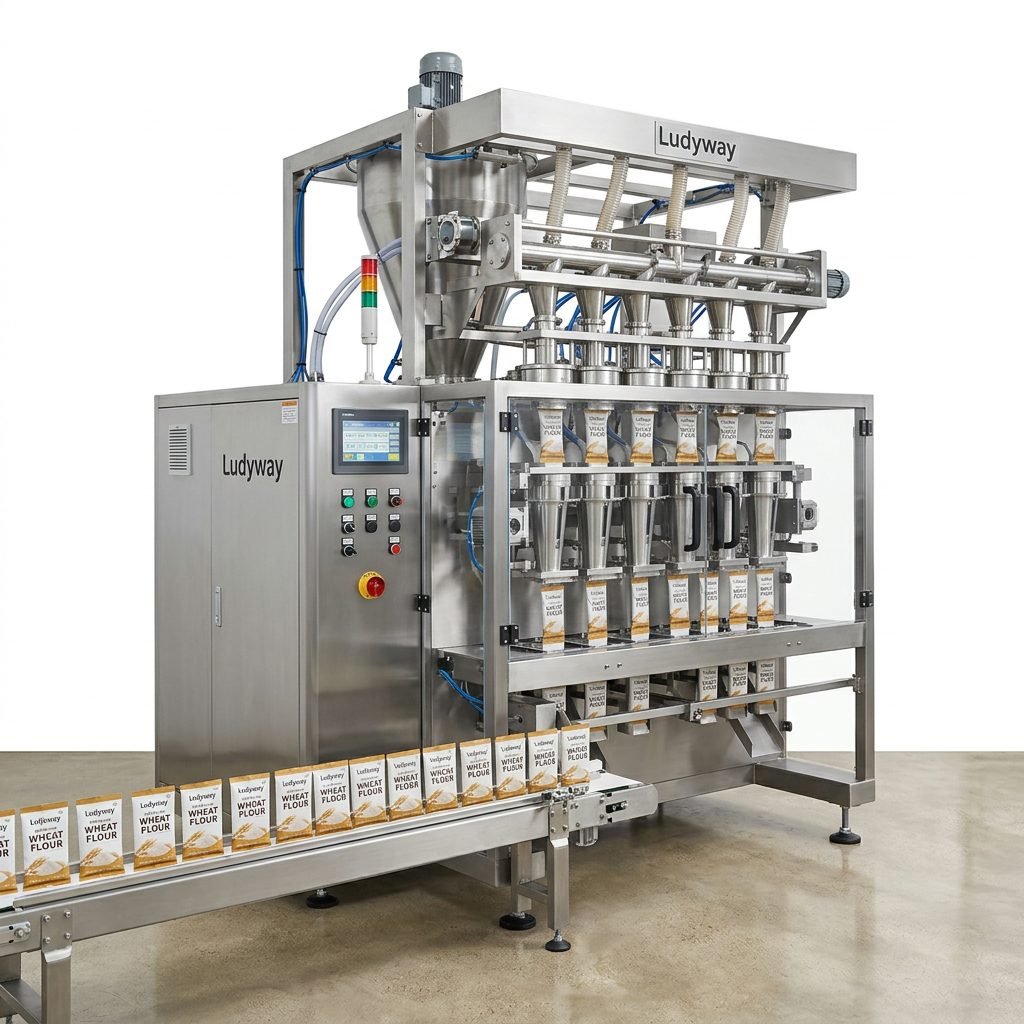
Investing in a vacuum sealing packaging machine is a critical decision for manufacturers across the food, pharmaceutical, and industrial sectors. The right equipment can extend product shelf life, reduce waste, and improve operational efficiency. However, with countless models and configurations available, making the right choice requires a structured approach. This guide walks you through the essential factors to consider when selecting a vacuum sealing packaging machine for your production needs.
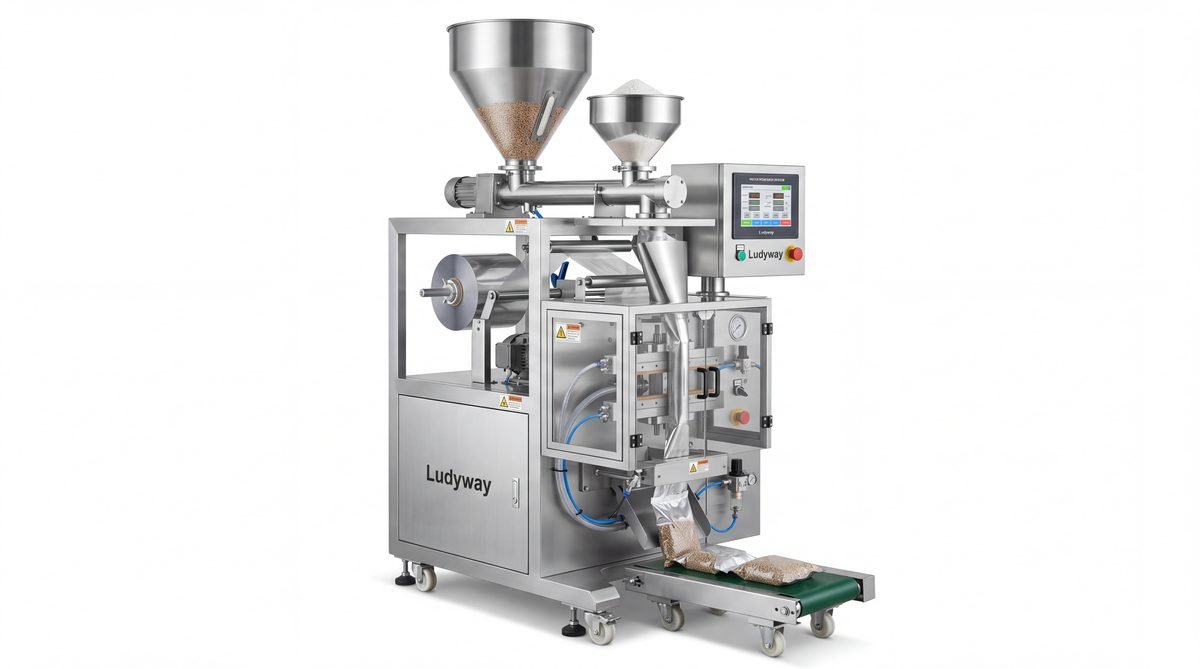
Understanding Vacuum Sealing Technology
Vacuum sealing removes air from a package before sealing it, creating an oxygen-depleted environment that inhibits bacterial growth, prevents oxidation, and preserves product freshness. This technology is widely used for food preservation, pharmaceutical packaging, electronics protection, and industrial component storage. According to industry data from the Flexible Packaging Association, vacuum packaging continues to grow as manufacturers prioritize extended shelf life and reduced food waste.
Modern vacuum sealing machines range from simple tabletop units to fully automated, high-speed production lines capable of handling thousands of packages per hour. Understanding your specific application requirements is the first step toward selecting the right machine.
Key Factors to Evaluate Before Purchasing
1. Production Volume and Speed Requirements
Your expected daily or hourly output is the single most important factor in machine selection. A small business packaging a few hundred units per day has very different needs than a large-scale manufacturer running continuous production. Consider both current needs and future growth projections to avoid outgrowing your equipment too quickly. High-speed multi-lane systems can process significantly more packages per minute than single-chamber alternatives.
2. Product Characteristics
The physical properties of your product directly influence machine configuration. Key considerations include:
- Product form: Solid, granular, powdered, liquid, or semi-liquid products each require different chamber designs and sealing approaches
- Product sensitivity: Fragile items may need gentle handling and adjustable vacuum pressure settings
- Moisture content: High-moisture products often require specialized sealing systems to prevent liquid ingress into the vacuum pump
- Product size and shape: Irregular shapes may need custom chamber dimensions or specialized fixturing
3. Packaging Material Compatibility
Not all vacuum sealers work with every packaging material. Common materials include polyethylene (PE), polyamide (PA), aluminum-laminated films, and specialized barrier materials. Your machine must be compatible with the film thickness, heat-seal temperature range, and material structure required for your application. The FDA’s packaging regulations also govern which materials can be used for food-contact applications.
4. Vacuum Level and Chamber Configuration
Different products require different vacuum levels. A machine’s vacuum capability is typically measured in millibars (mbar) or percentage of vacuum achieved. Chamber configuration options include:
- Single chamber: Suitable for small to medium production volumes
- Double chamber: Allows loading in one chamber while the other operates, increasing throughput
- Continuous band sealers: Ideal for high-volume operations with conveyor-based feeding
- Nozzle-type vacuum sealers: Common for pre-made bag applications in smaller operations

Types of Vacuum Sealing Packaging Machines
The market offers several distinct types of vacuum sealing equipment, each suited to different applications. The table below compares the most common categories:
| Machine Type | Best For | Typical Output | Key Advantage |
|---|---|---|---|
| Chamber Vacuum Sealer | Solids, liquids, bulk products | Medium | Versatile, handles liquids well |
| External Nozzle Sealer | Dry products, small batches | Low to Medium | Low cost, simple operation |
| Continuous Band Sealer | High-volume production | High to Very High | Automated, consistent output |
| Thermoforming Machine | Pre-formed tray packaging | Medium to High | Attractive retail packaging |
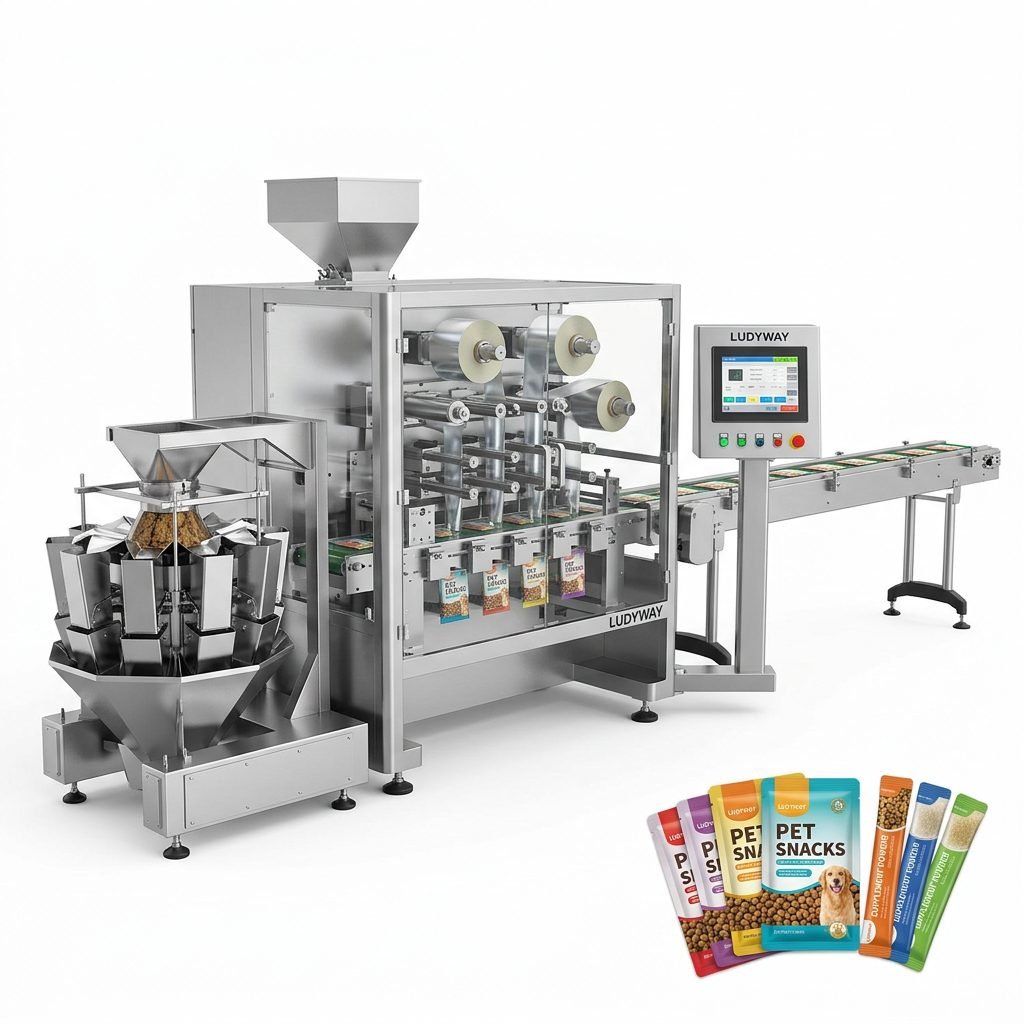
| Multi-Lane Stick Pack Sealer | Powders, granules, single-serve | Very High | Maximum throughput efficiency |
Essential Features to Look For
Sealing Bar Quality and Configuration
The sealing bar is where the actual package closure occurs. Look for machines with high-quality sealing elements that provide consistent heat distribution across the entire seal width. Some advanced machines offer programmable seal time, temperature control, and pressure adjustment to accommodate different film types. Double-seal bars can provide an extra layer of security for critical applications.
Vacuum Pump Type and Maintenance
Vacuum pumps are available in several configurations, including oil-lubricated rotary vane pumps, dry-running pumps, and venturi-based systems. Oil-lubricated pumps typically offer deeper vacuum levels and longer service life but require regular oil changes. Dry pumps eliminate oil maintenance but may have shorter service intervals. Consider total cost of ownership, including maintenance requirements and spare parts availability.
Control System and Automation Level
Modern vacuum sealers feature programmable logic controllers (PLCs) with touch-screen interfaces that allow operators to store multiple recipe settings for different products. Automated features such as gas flushing (MAP – Modified Atmosphere Packaging), soft-air release, and sensor-controlled vacuum cycles can significantly improve packaging quality and consistency. Standards from ISO packaging guidelines provide benchmarks for machine performance and safety requirements.
Construction Materials and Hygiene
For food and pharmaceutical applications, stainless steel construction is essential. Look for machines with smooth, crevice-free surfaces that are easy to clean and sanitize. IP65 or higher rated control panels provide protection against washdown environments. Machines designed to meet GMP (Good Manufacturing Practice) standards offer additional assurance for regulated industries.
Industry-Specific Considerations
Food Industry
Food applications demand hygienic design, easy cleanability, and compliance with food safety regulations. Modified atmosphere packaging (MAP) capability is often essential for extending the shelf life of fresh products such as meat, cheese, and prepared meals. Temperature control during sealing is critical for heat-sensitive food products.
Pharmaceutical and Medical
Pharmaceutical packaging requires validated processes and often needs to comply with ISO 11607 standards for terminally sterilized medical devices. Traceability features, such as batch coding and serialization capabilities, are typically mandatory. Cleanroom-compatible designs may be necessary for sterile product handling.
Industrial and Electronics
Industrial vacuum sealing protects components from moisture, corrosion, and electrostatic discharge. Machines for this sector often require ESD-safe configurations and the ability to handle heavy or irregularly shaped items. Desiccant insertion capabilities are common for moisture-sensitive electronic components.
Evaluating Total Cost of Ownership
Beyond the initial purchase price, consider the full lifecycle costs of your vacuum sealing machine:
- Energy consumption: More efficient vacuum pumps can significantly reduce operating costs over time
- Consumables: Sealing bars, gaskets, oil, and filters all require periodic replacement
- Maintenance labor: Machines with easier access to service points reduce downtime and labor costs
- Training requirements: Intuitive controls reduce operator training time and minimize errors
- Spare parts availability: Ensure critical components are readily available from your supplier
Working with a Reliable Packaging Machinery Partner
Selecting the right vacuum sealing machine is significantly easier when you work with an experienced manufacturer who can evaluate your specific requirements and recommend appropriate configurations. Ludyway Machinery, with over 30 years of experience in the packaging industry and a 20,000-square-meter manufacturing facility, provides automated packaging equipment and turnkey solutions for manufacturers worldwide. The company is expected to achieve export revenue of more than RMB 500 million (approximately US$69 million) in 2025, reflecting its growing global presence. Working with established manufacturers ensures access to engineering expertise, customization options, installation support, and after-sales technical service throughout the equipment lifecycle.
Industry resources such as the PMMI Association for Packaging and Processing Technologies and the Flexible Packaging Association offer additional guidance on packaging machinery selection, market trends, and technology developments that can inform your purchasing decision.
Making Your Final Decision
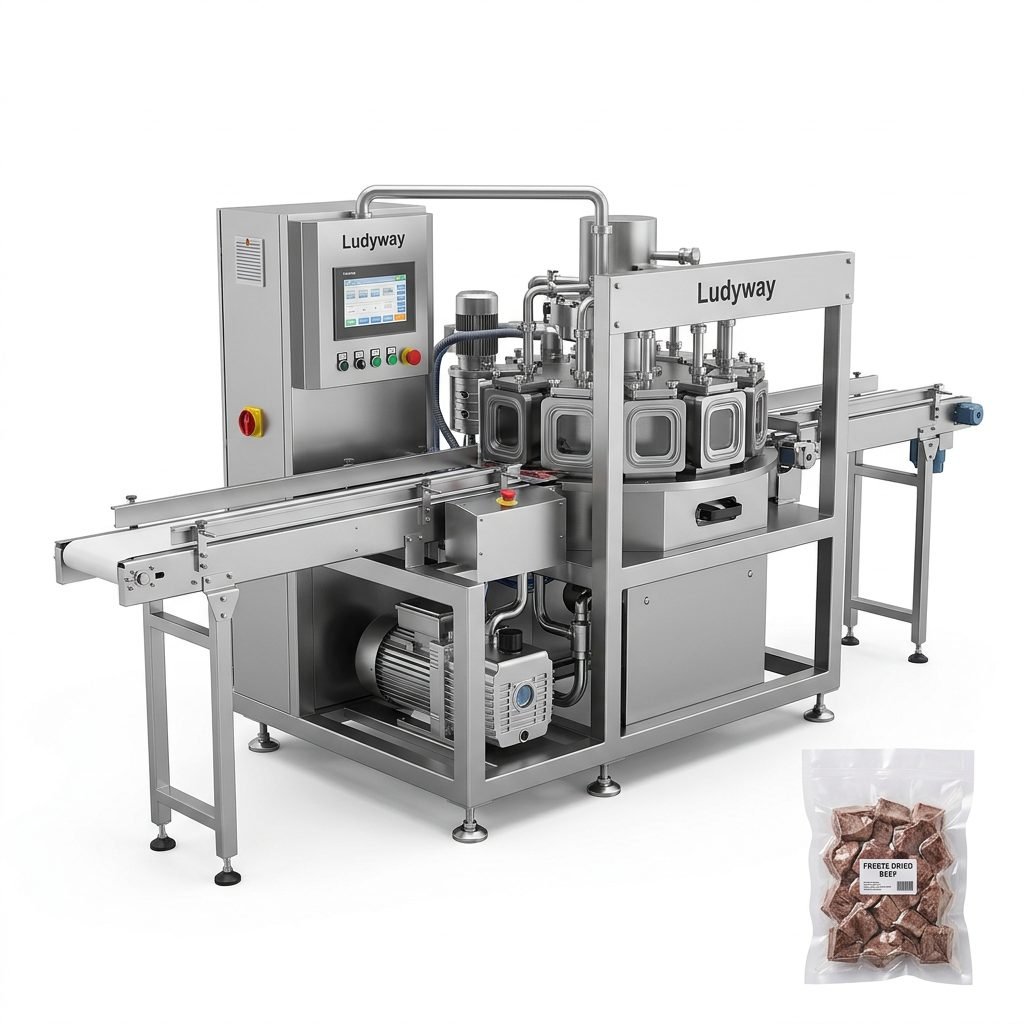
Choosing the right vacuum sealing packaging machine requires balancing multiple factors including production volume, product characteristics, budget, and future growth plans. Start by clearly defining your requirements, then evaluate machines against those criteria. Request demonstrations or sample packaging runs whenever possible to verify that the equipment performs as expected with your specific products and materials.
Remember that the lowest-priced machine may not offer the best long-term value. Consider reliability, after-sales support, spare parts availability, and the manufacturer’s track record in your industry. A well-chosen vacuum sealing machine can deliver consistent packaging quality, reduced product waste, and improved operational efficiency for years to come.