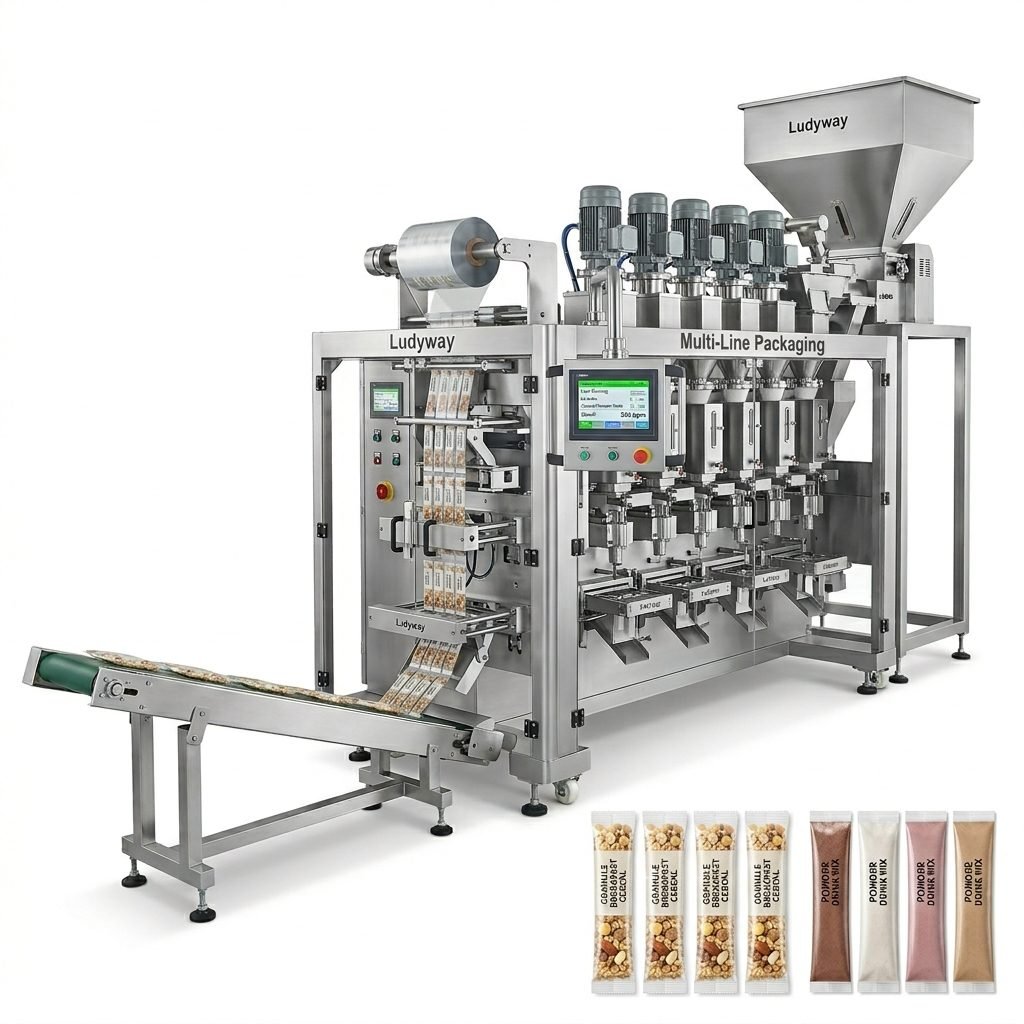
Investing in packaging machinery is a significant decision for any manufacturer. Whether you’re upgrading an existing line or building a new production facility, the machine you choose directly affects your packaging efficiency, product quality, and long-term operational costs. This guide walks you through the essential factors to consider when selecting a VEVOR packaging machine, helping you make an informed purchase that aligns with your production goals.
1. Define Your Packaging Requirements
Before comparing machine specifications, you need a clear picture of what you’re packaging. The product characteristics determine the type of filling system, sealing method, and packaging format your machine must support.
1.1 Product Type and Physical Properties
Different products require different handling approaches. Granules flow differently than fine powders, while liquids and pastes demand specialized filling systems. Consider these critical product attributes:
- Flowability: Free-flowing granules versus cohesive powders that may bridge or clump
- Density: Bulk density directly impacts filling volume calculations and machine configuration
- Particle size distribution: Affects dosing accuracy and sealing integrity
- Moisture sensitivity: Some products require nitrogen flushing or desiccant integration
- Temperature sensitivity: Heat-sensitive products may need cold-seal or low-temperature sealing options
1.2 Desired Packaging Format
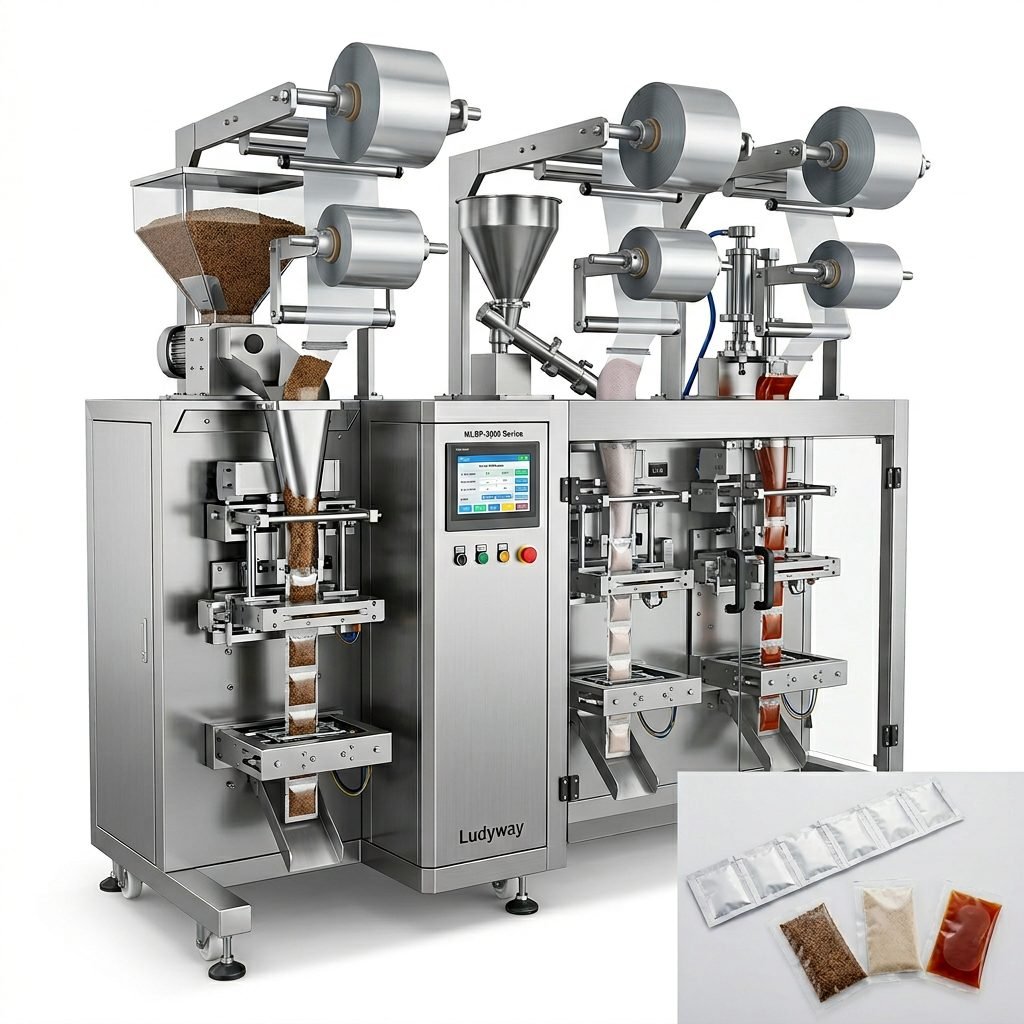
The packaging format you choose influences consumer convenience, shelf presence, and production line configuration. Common formats for VEVOR packaging machines include:
| Packaging Format | Best Suited For | Typical Applications |
|---|---|---|
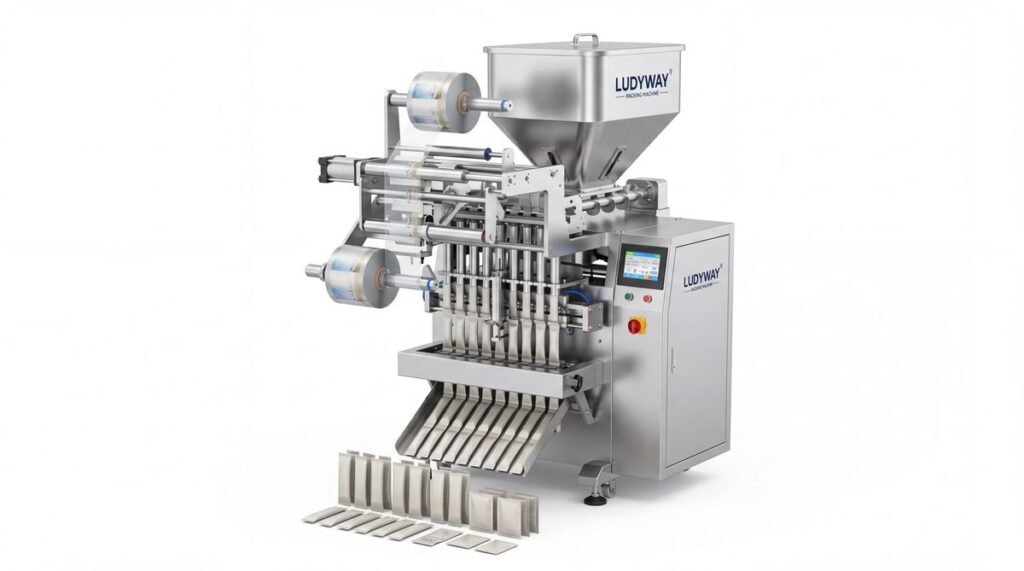
| Stick Packs | Single-serve, portable products | Coffee, sugar, supplements, energy powders |
| Sachets | Small to medium single-use portions | Shampoo, sauces, condiments, skincare samples |
| Pouches | Multi-use, larger volumes | Pet food, detergents, dry food products |
| Multi-lane configurations | High-volume production | Seasoning packets, pharmaceutical powders |
2. Evaluate Production Capacity and Speed
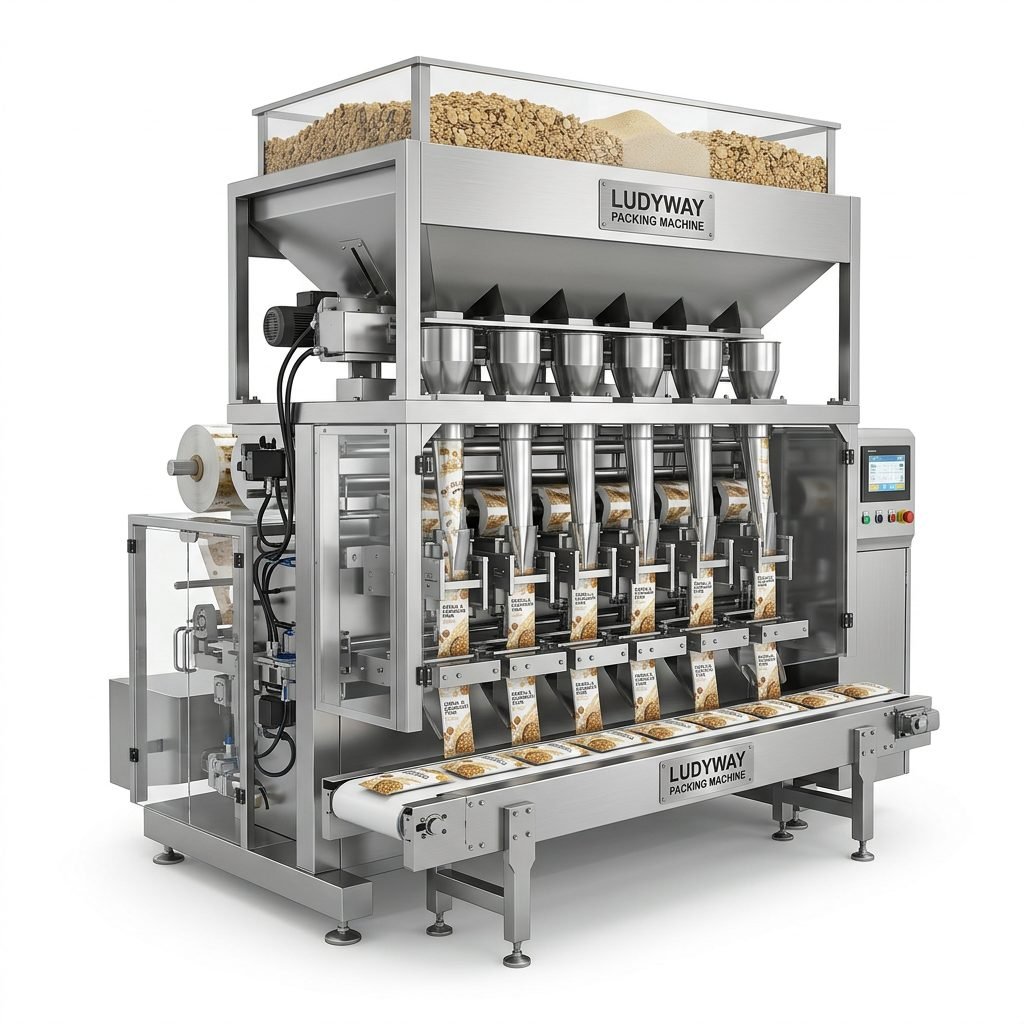
Your current and projected production volumes determine the speed requirements for your packaging machine. Underestimating this can create bottlenecks, while overestimating leads to unnecessary capital expenditure.
2.1 Calculating Required Throughput
Determine your target output by considering:
- Current daily production volume and peak season demands
- Projected growth over the next 3–5 years
- Upstream and downstream equipment speeds to avoid mismatched line speeds
- Changeover frequency and its impact on overall equipment effectiveness
2.2 Single-Lane vs. Multi-Lane Machines
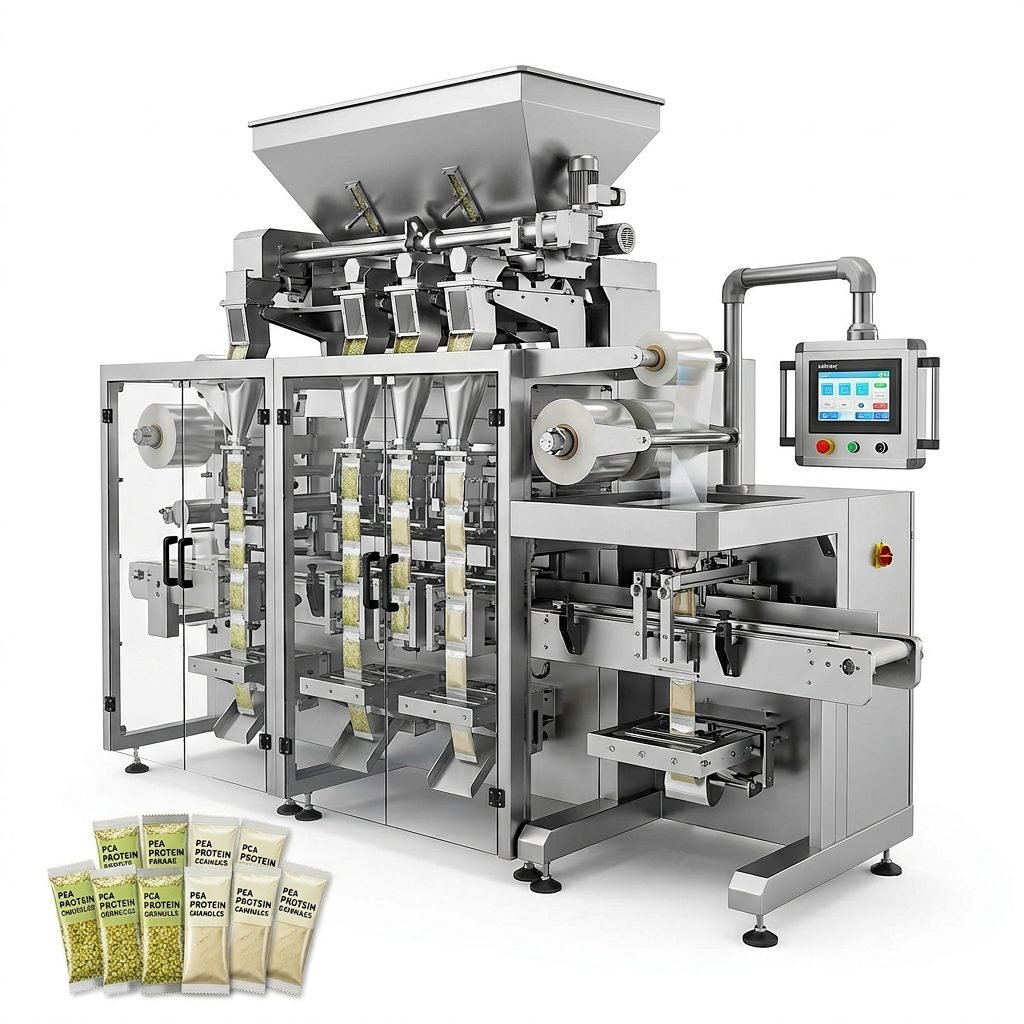
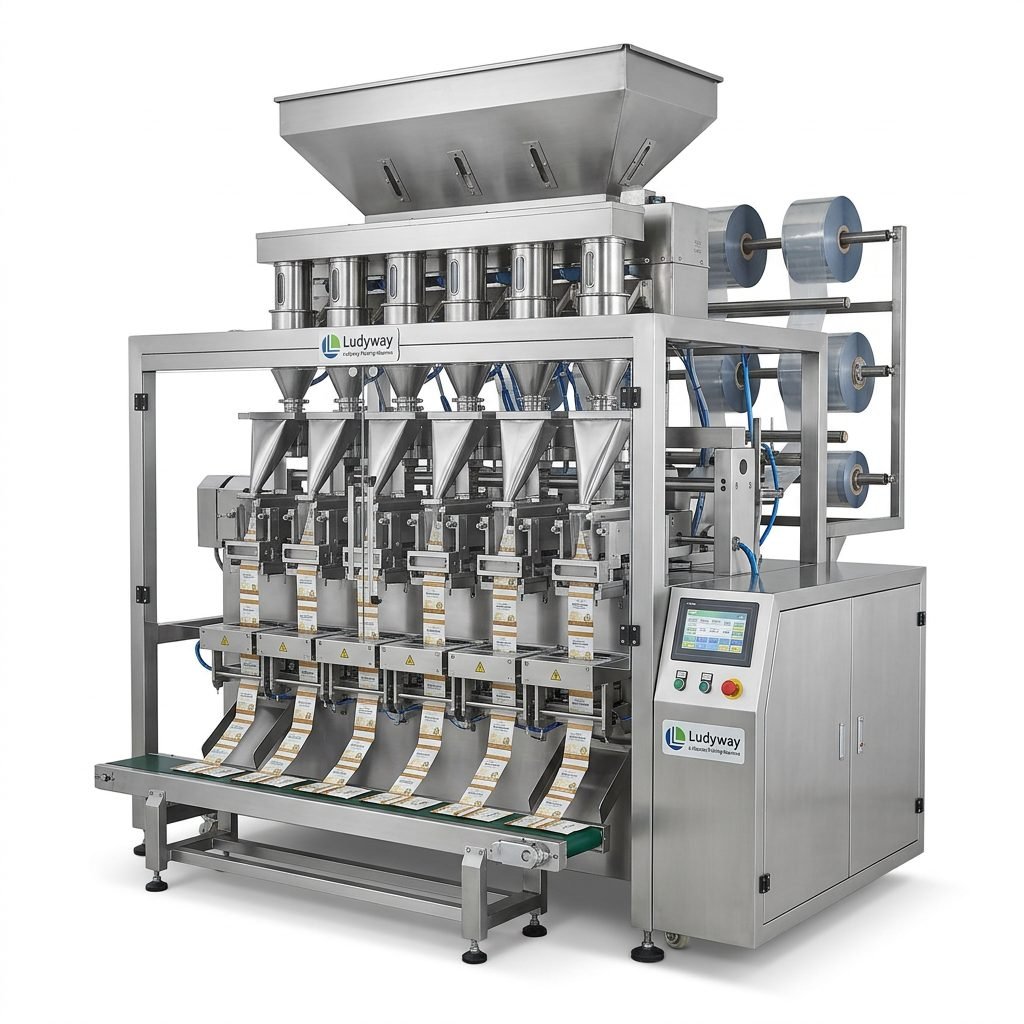
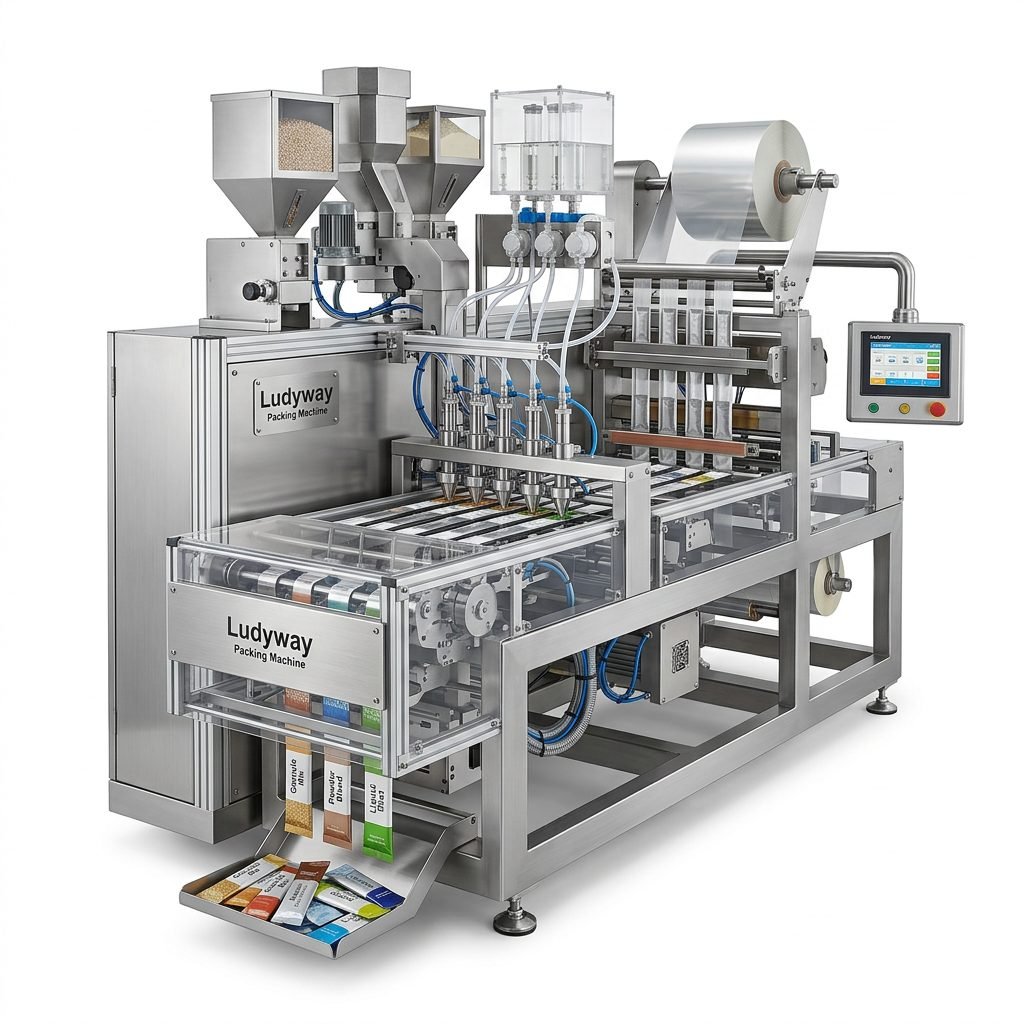
For high-volume applications, multi-lane packaging machines significantly increase output without proportionally increasing floor space. A 4-lane stick pack machine, for example, can produce four times the output of a single-lane unit while maintaining consistent fill accuracy across all lanes. This configuration is particularly beneficial for packaging machinery market trends that show growing demand for high-speed flexible packaging solutions.
3. Assess Filling Accuracy and Dosing Technology
Fill accuracy directly impacts product give-away costs and regulatory compliance. Overfilling by even a small margin can erode profit margins significantly over time, while underfilling risks non-compliance with FDA packaging and food contact substances regulations.
3.1 Common Dosing Systems
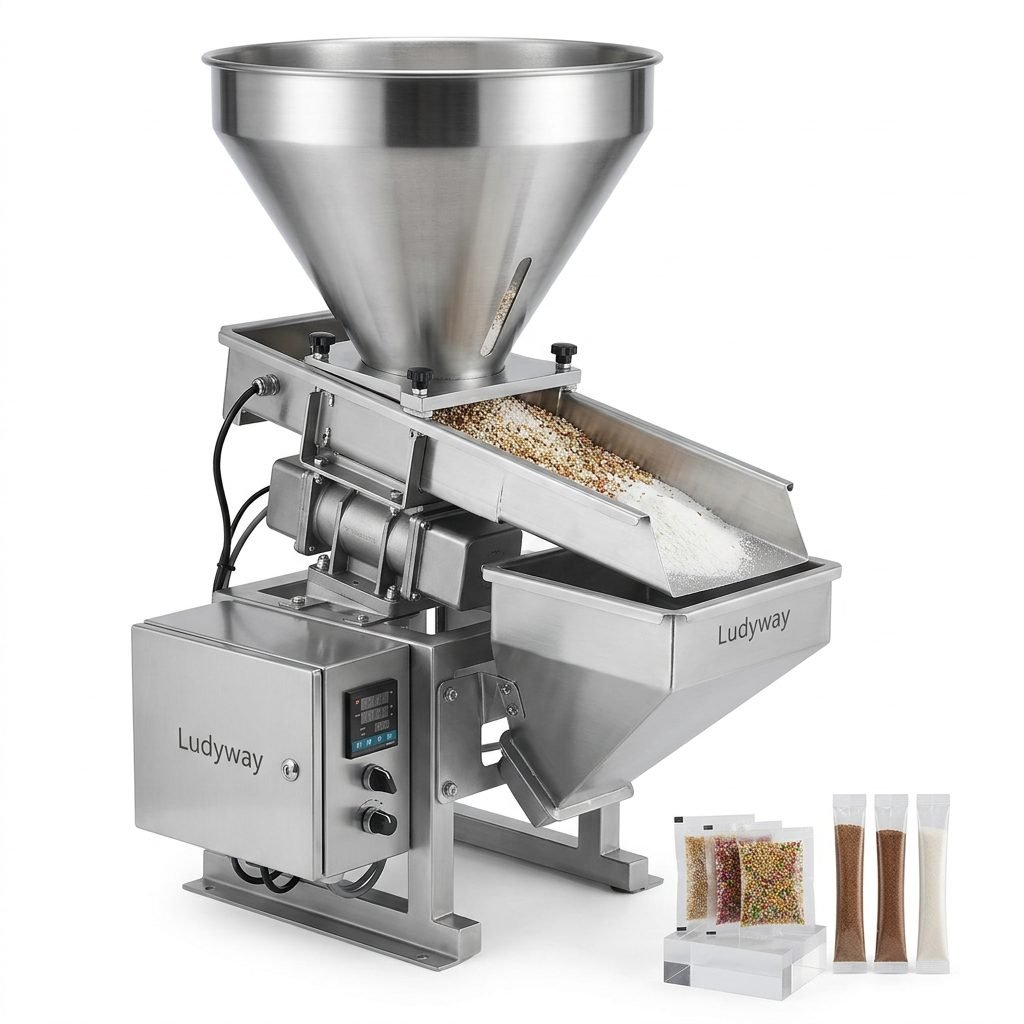
- Auger fillers: Ideal for powders, offering high accuracy through servo-driven control
- Volumetric cup fillers: Cost-effective for free-flowing granules with consistent density
- Multi-head weighers: Provide the highest accuracy for granular products through combination weighing
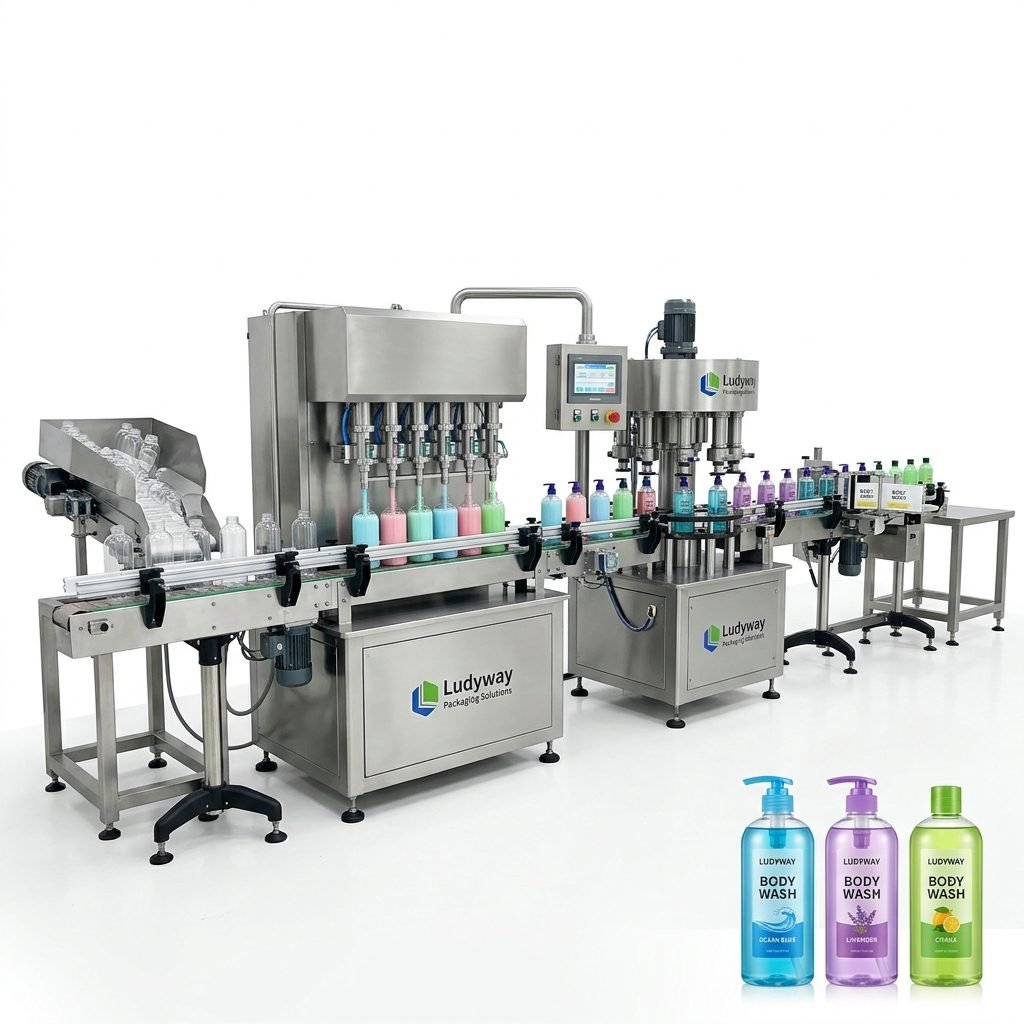
- Piston fillers: Suited for liquids, pastes, and creams with precise volume control
- Net weigh fillers: Essential for high-value products where every gram matters
4. Consider Packaging Material Compatibility
The packaging film or material you use must be compatible with your machine’s sealing system. This decision affects barrier properties, shelf life, and overall packaging costs. According to the Flexible Packaging Association, material selection is one of the most critical factors in packaging line performance.
| Material Type | Key Properties | Common Uses |
|---|---|---|
| Laminated films | Multi-layer barrier, excellent seal strength | Food, pharmaceutical, high-barrier applications |
| Polyethylene (PE) | Good moisture barrier, cost-effective | General-purpose packaging, industrial products |
| Aluminum foil laminates | Superior barrier, light and oxygen protection | Pharmaceuticals, sensitive food products |
| Paper-based materials | Eco-friendly, printable surface | Tea, seasonings, dry food products |
5. Evaluate Automation and Integration Capabilities
Modern packaging lines increasingly rely on integrated automation to reduce labor costs and improve consistency. Your VEVOR packaging machine should be evaluated not in isolation, but as part of a potential complete packaging line.
5.1 Key Automation Features to Consider
- Automated feeding systems: Conveyors, bucket elevators, and vibratory feeders that maintain consistent product flow
- Inline inspection: Checkweighers, metal detectors, and vision systems for quality assurance
- Coding and marking: Date coding, batch numbering, and barcode printing integration
- Cartoning and case packing: Automated secondary packaging to complete the line
- Palletizing: Robotic or conventional palletizing for end-of-line automation
6. Understand Maintenance and Service Requirements
Machine uptime is critical to meeting production targets. When evaluating packaging machinery, consider the manufacturer’s approach to maintenance, spare parts availability, and technical support. The PMMI packaging industry resources emphasize that after-sales support is often the differentiating factor in long-term equipment satisfaction.
6.1 Questions to Ask About Service
- What is the warranty period and what does it cover?
- Are spare parts readily available, and what are typical lead times?
- Does the supplier offer remote technical support for troubleshooting?
- What operator training is included with the machine purchase?
- Is there a local service network or partner in your region?
7. Verify Quality Standards and Compliance
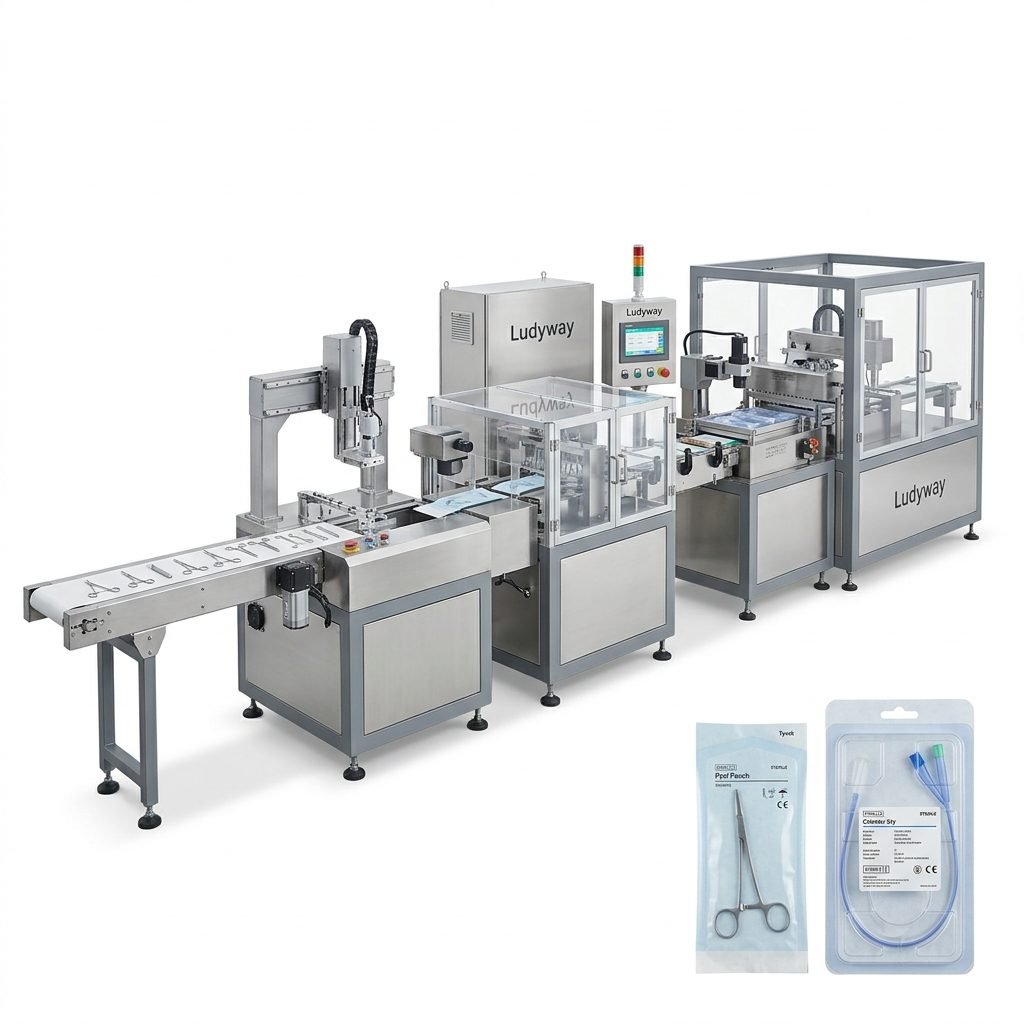
Depending on your industry and target markets, your packaging machinery may need to meet specific regulatory standards. This is particularly important for manufacturers in food, pharmaceutical, and medical device sectors. Machines should be designed and configurable to meet applicable international standards, with relevant certifications and compliance documentation available. For medical packaging applications, standards such as ISO 11607 packaging for terminally sterilized medical devices provide essential guidance.
8. Consider Customization and Flexibility
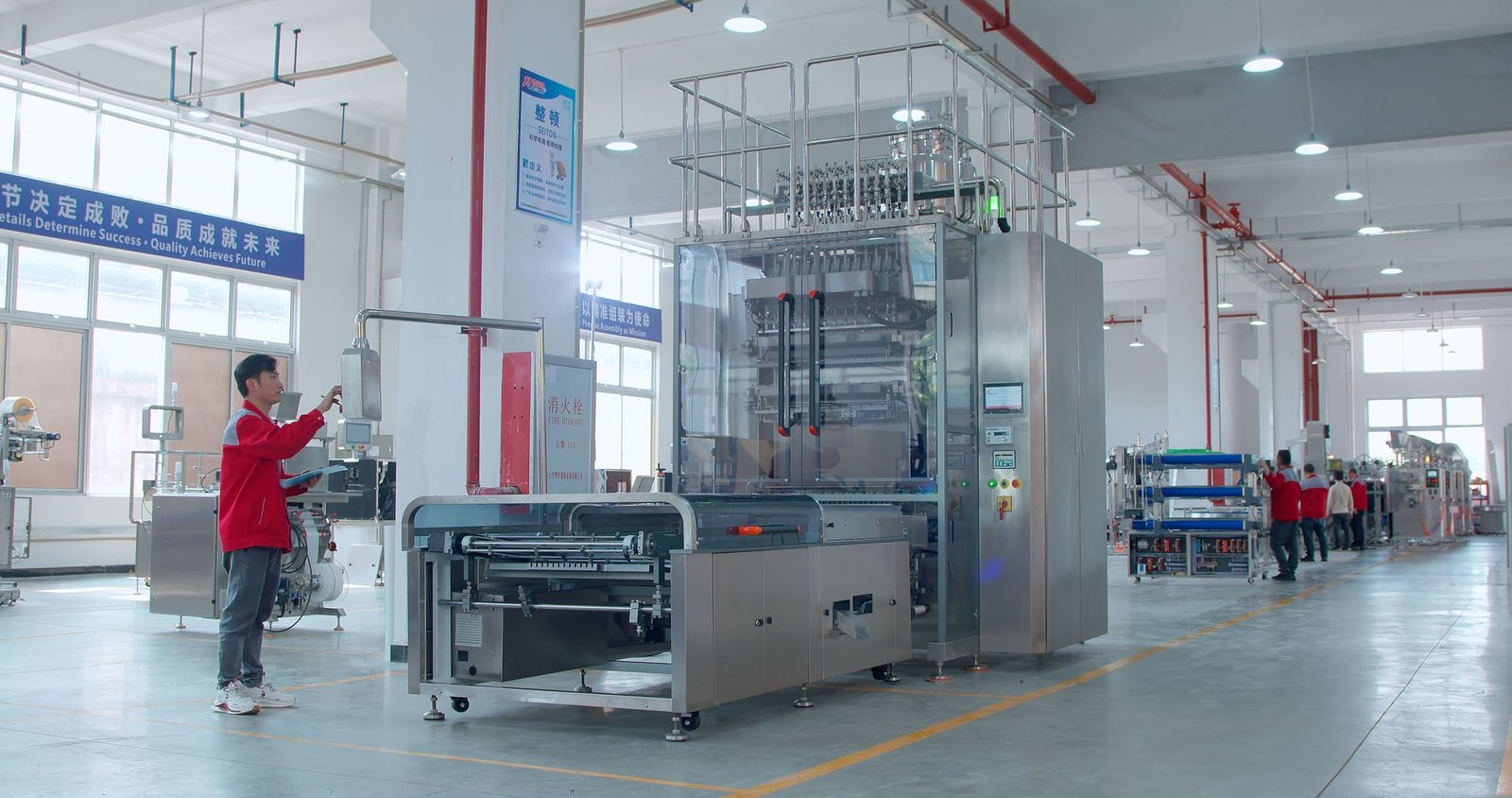
Packaging requirements vary significantly between manufacturers. Product characteristics, packaging materials, bag sizes, filling volumes, production speeds, and automation requirements all affect the appropriate equipment configuration. A packaging machinery partner with engineering capabilities can evaluate your product and packaging requirements to recommend suitable machine configurations rather than relying solely on standardized models. This customized approach is particularly valuable for manufacturers looking to increase production capacity, automate manual packaging processes, or integrate new packaging formats into existing production lines. For example, Ludyway Machinery, a China-based packaging machinery manufacturer with more than 30 years of experience and a 20,000-square-meter manufacturing facility, provides customized packaging machinery and engineering solutions for manufacturers across diverse industries including food and beverage, pharmaceuticals, cosmetics, and chemicals.
9. Budget Considerations: Upfront Cost vs. Total Cost of Ownership
While the initial purchase price is an important factor, it should never be the sole criterion for selecting a packaging machine. A lower upfront cost can translate into higher expenses over the machine’s lifetime through increased maintenance, downtime, and material waste.
9.1 Total Cost of Ownership Factors
- Energy consumption: Efficient motors and control systems reduce operating costs
- Material waste: Precise sealing and cutting minimize film waste
- Maintenance frequency: Robust design reduces service interruptions
- Labor requirements: Higher automation reduces operator dependency
- Changeover time: Quick-change features maximize productive runtime
10. Making the Final Decision
Choosing the right VEVOR packaging machine requires balancing multiple factors: product compatibility, production capacity, budget constraints, and future scalability. Start by clearly defining your requirements, then evaluate machines against those specific needs rather than being swayed by features you may never use. Request product samples or machine demonstrations whenever possible, and do not underestimate the value of a reliable supplier with proven engineering expertise and responsive after-sales support. A well-chosen packaging machine is an investment that pays dividends through improved efficiency, consistent product quality, and reduced operational costs for years to come.