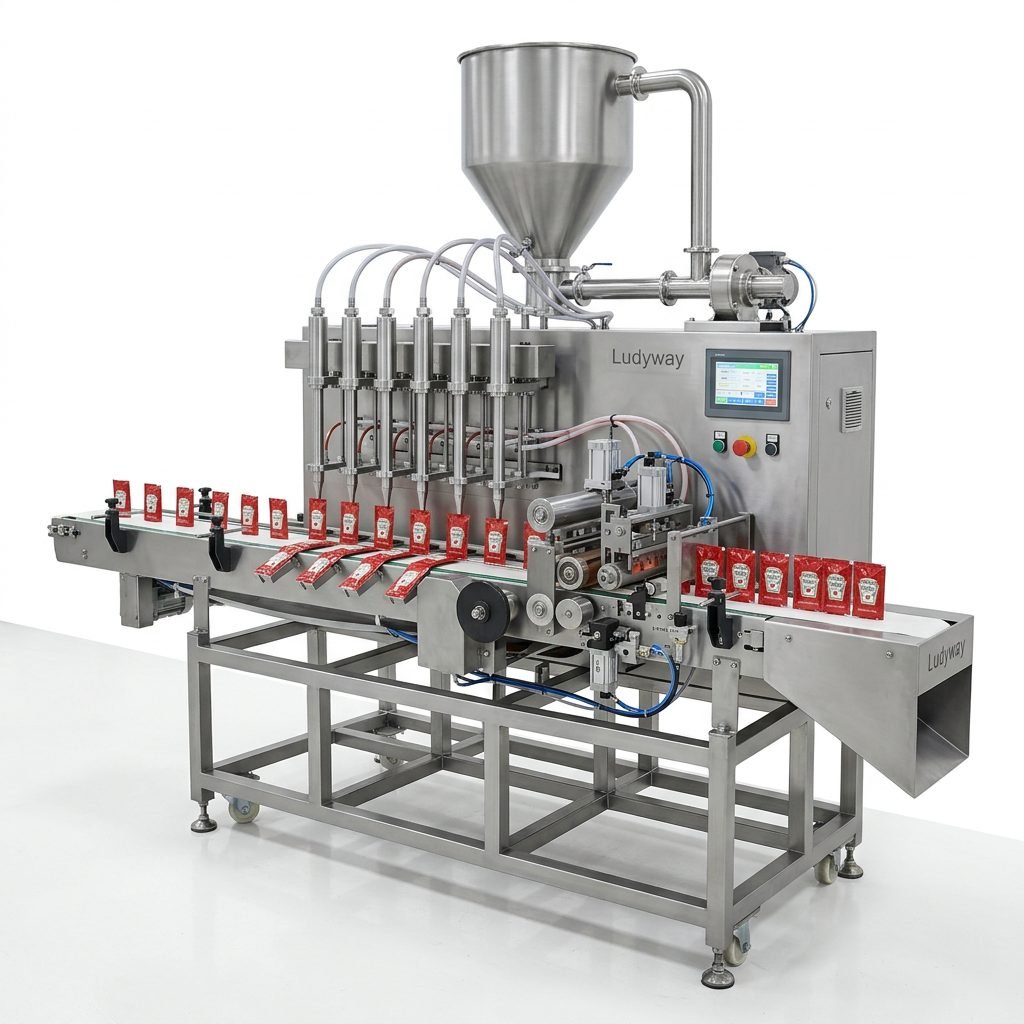
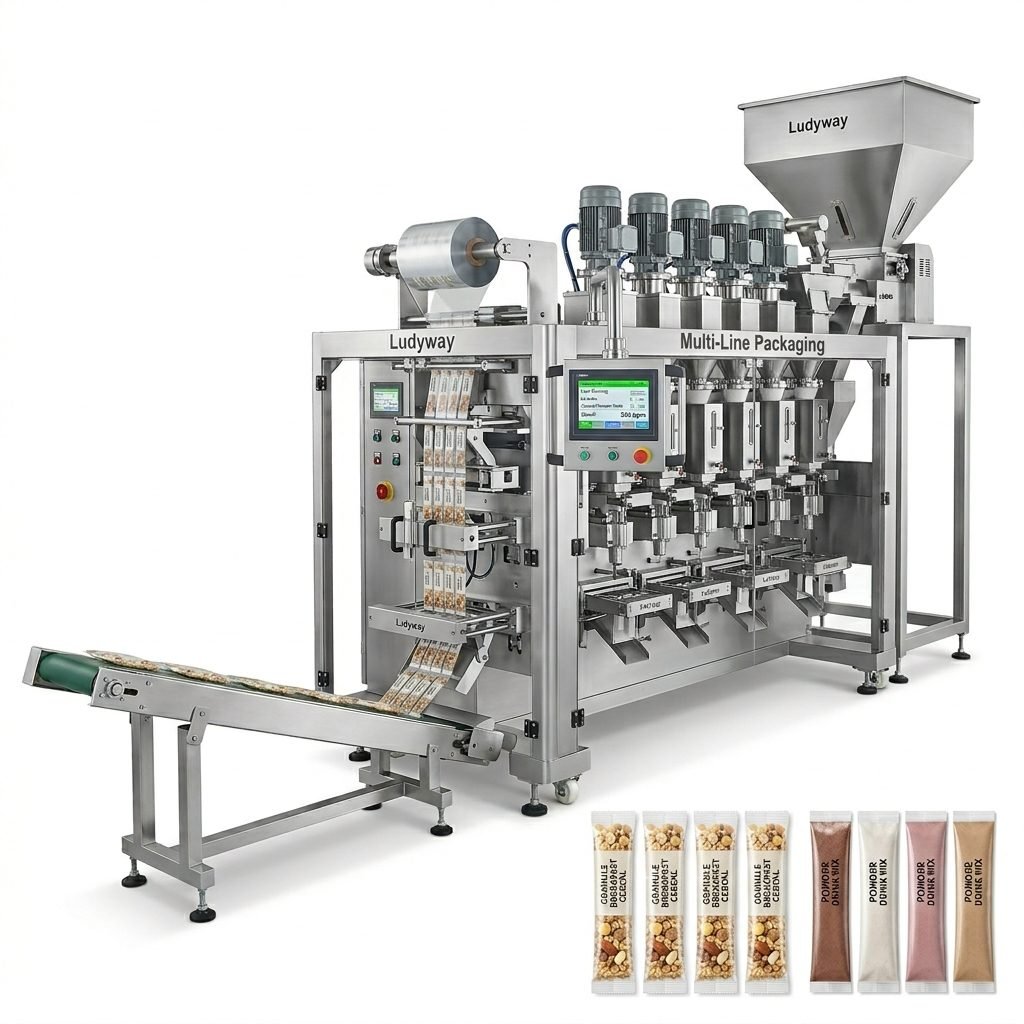
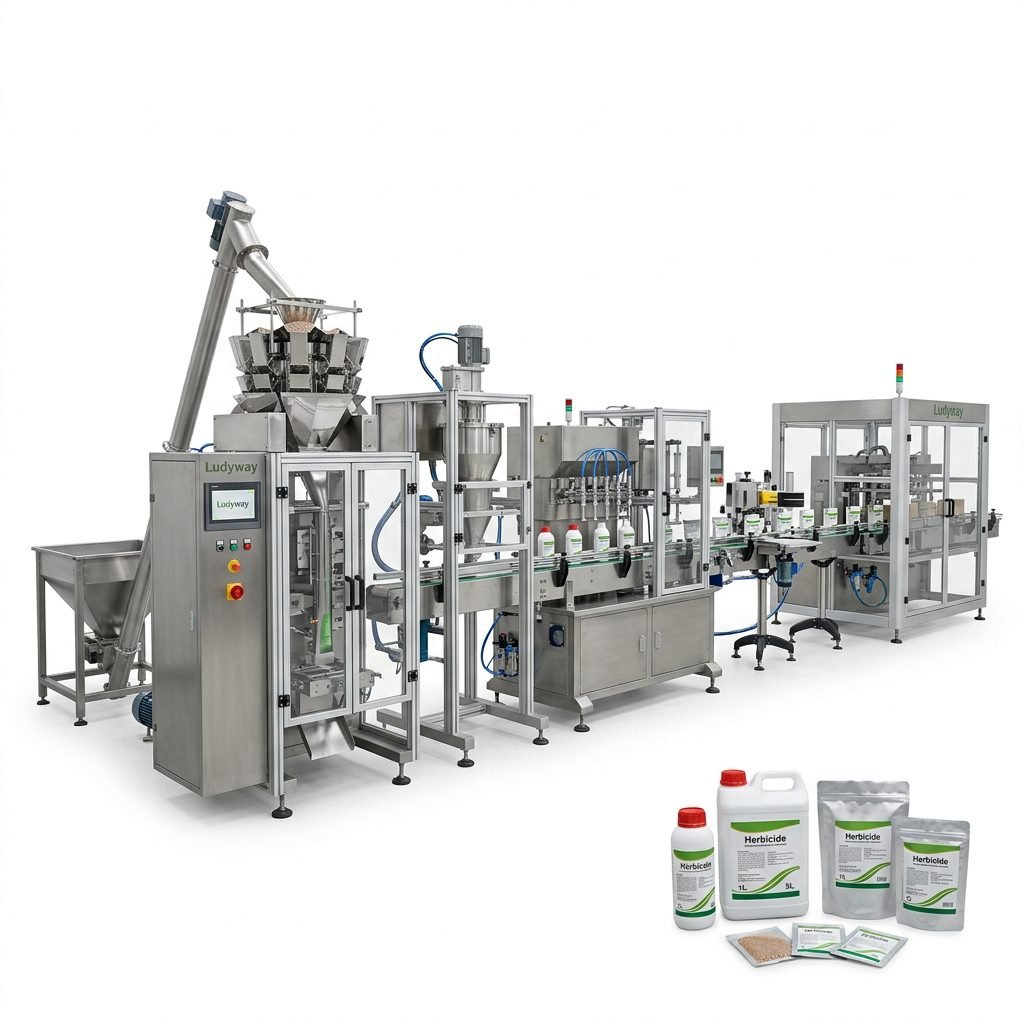
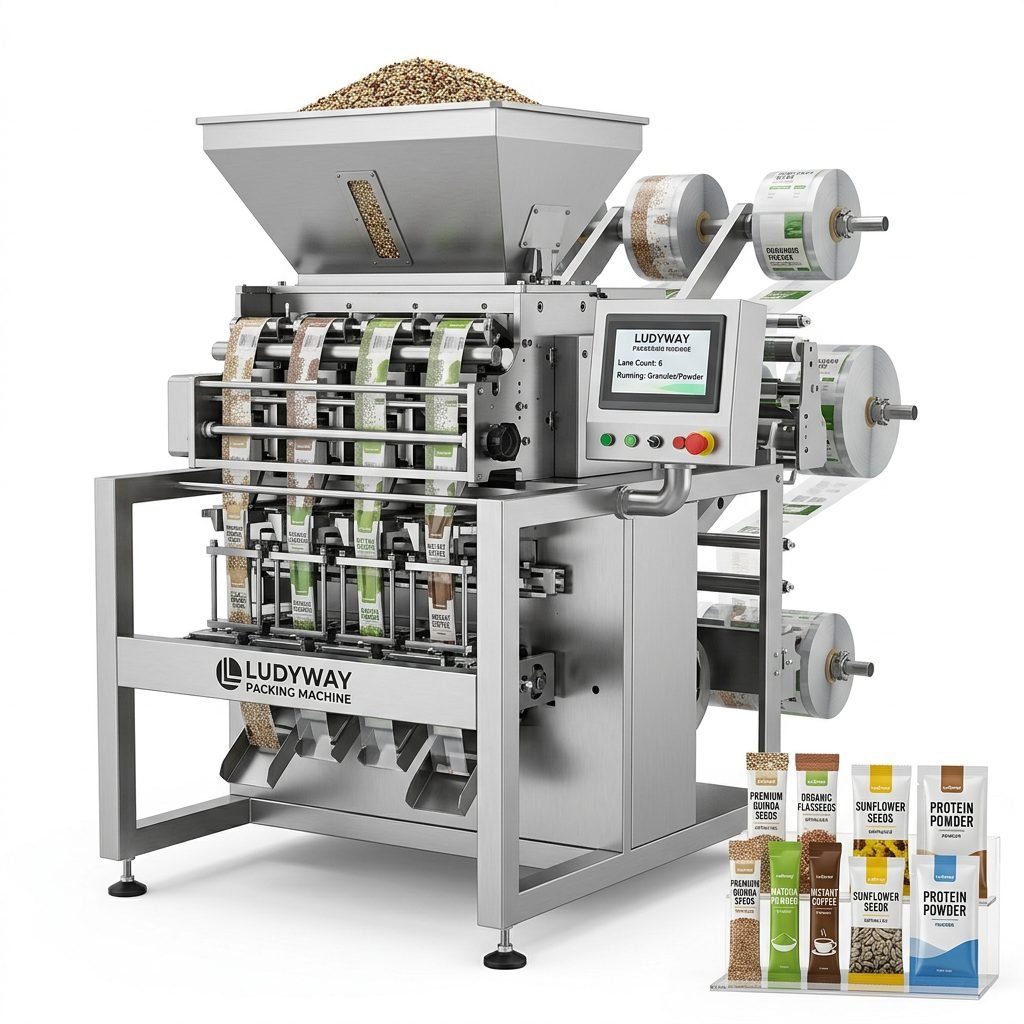
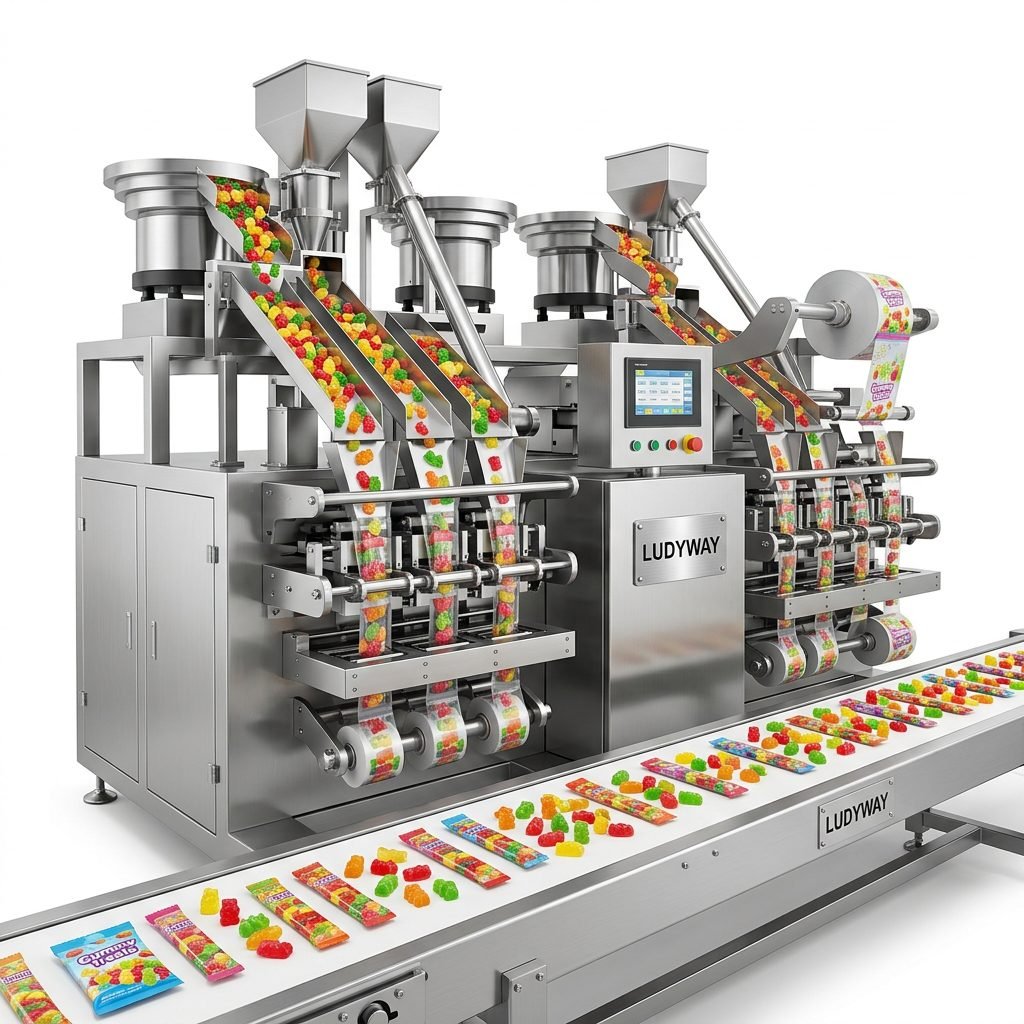
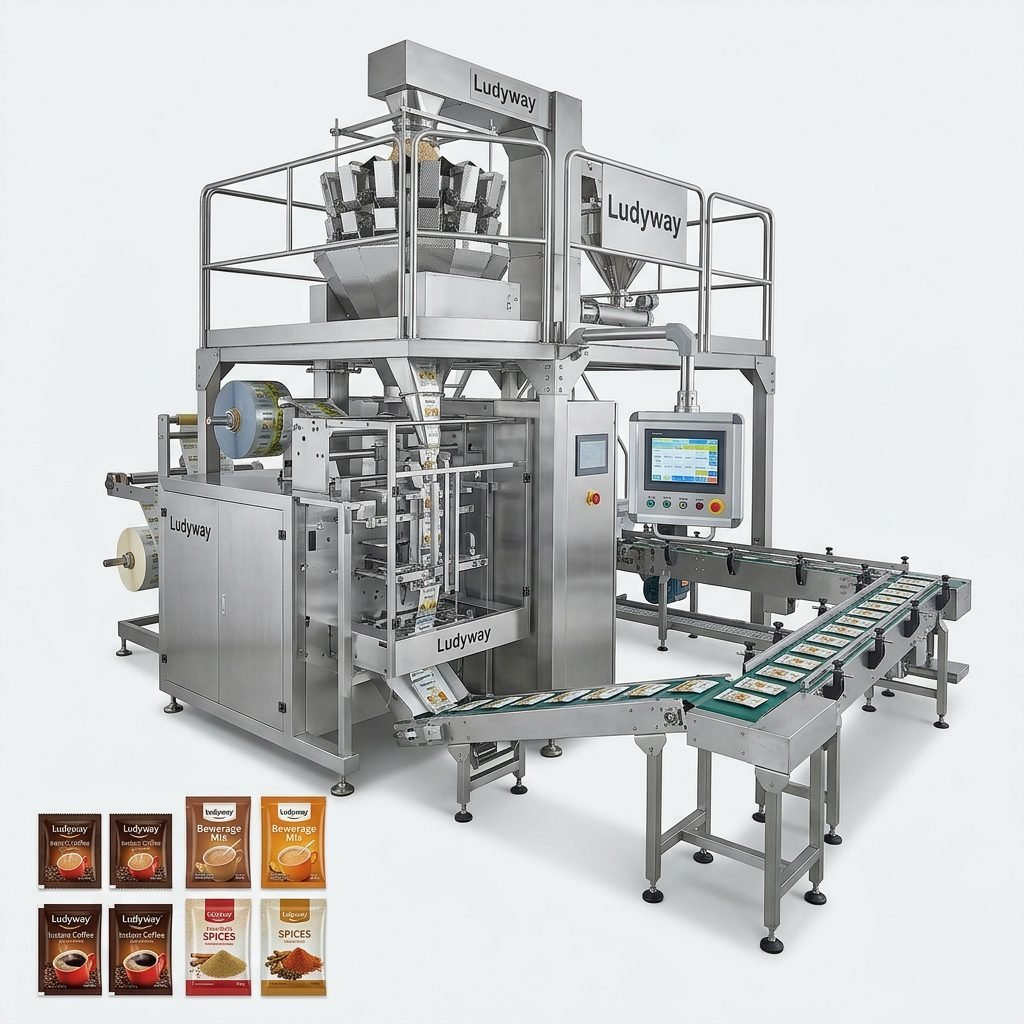
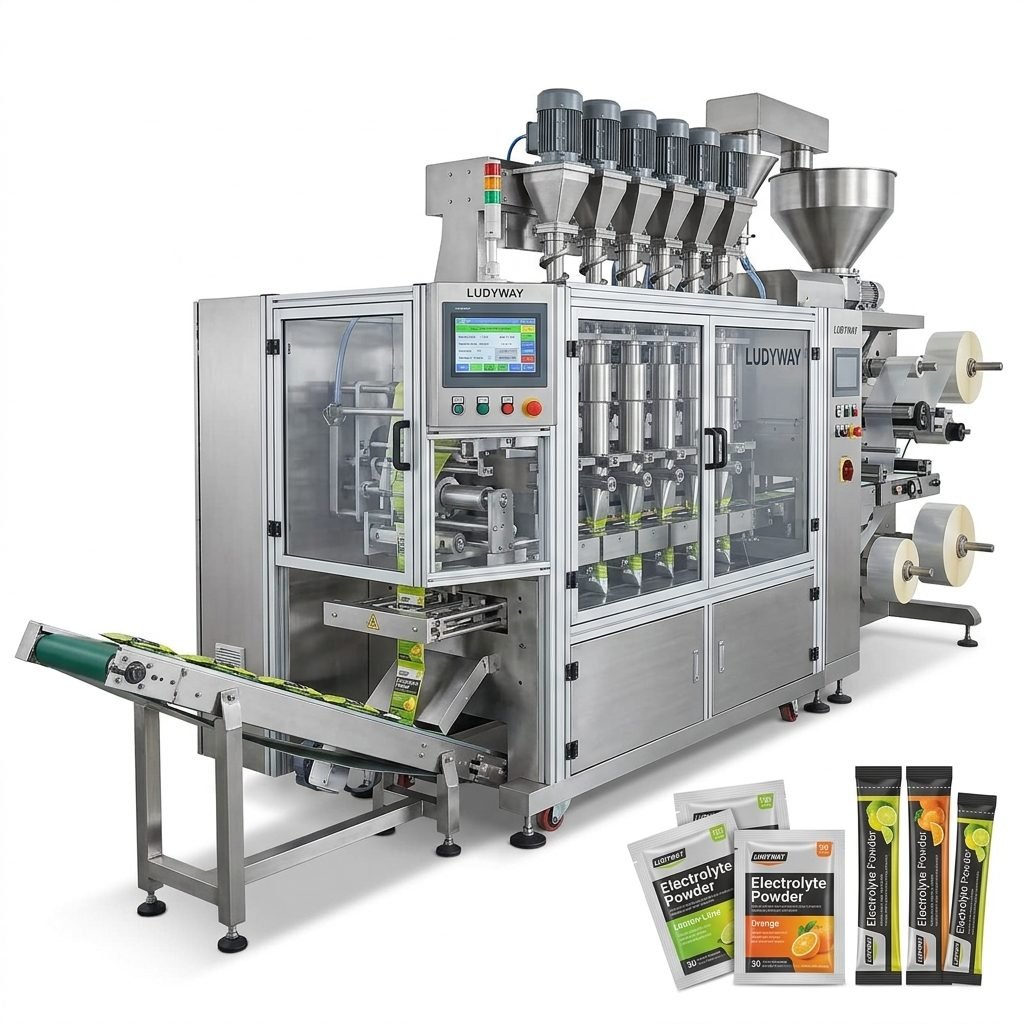
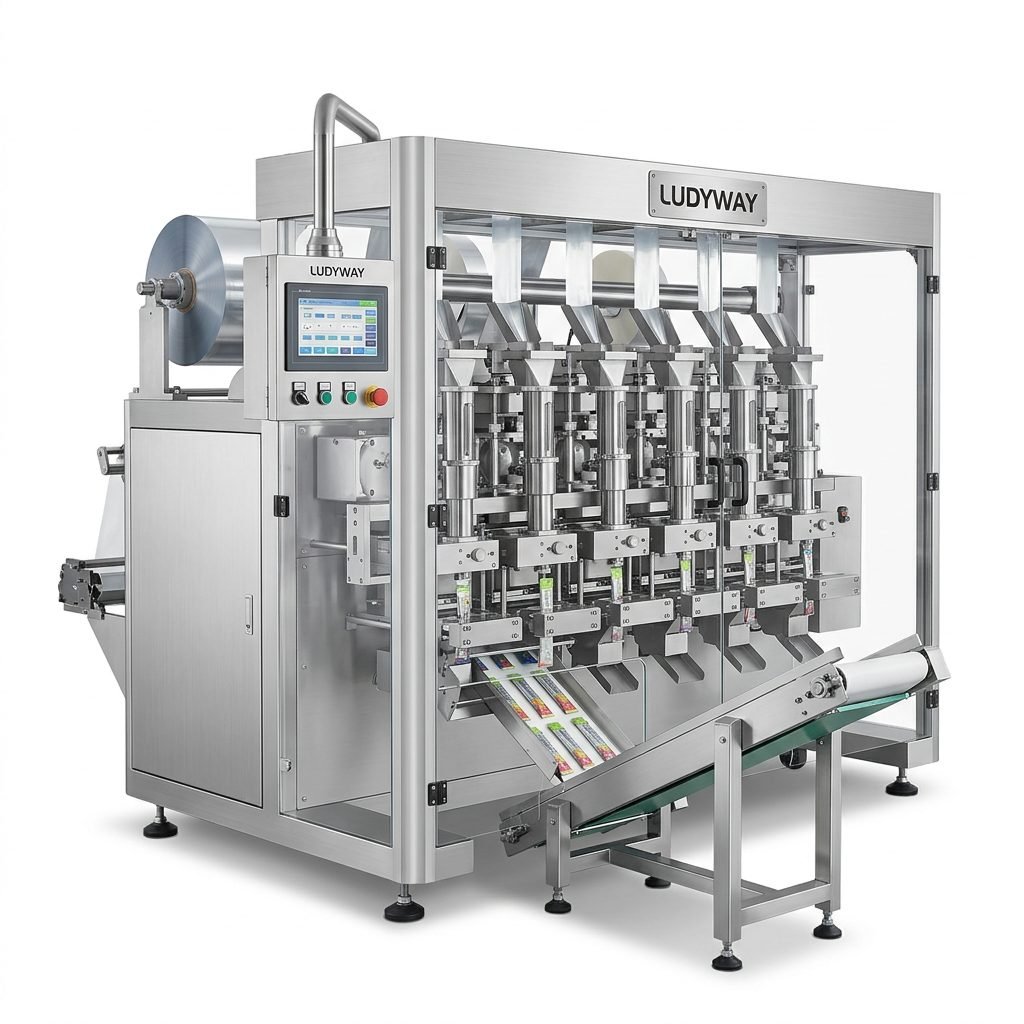
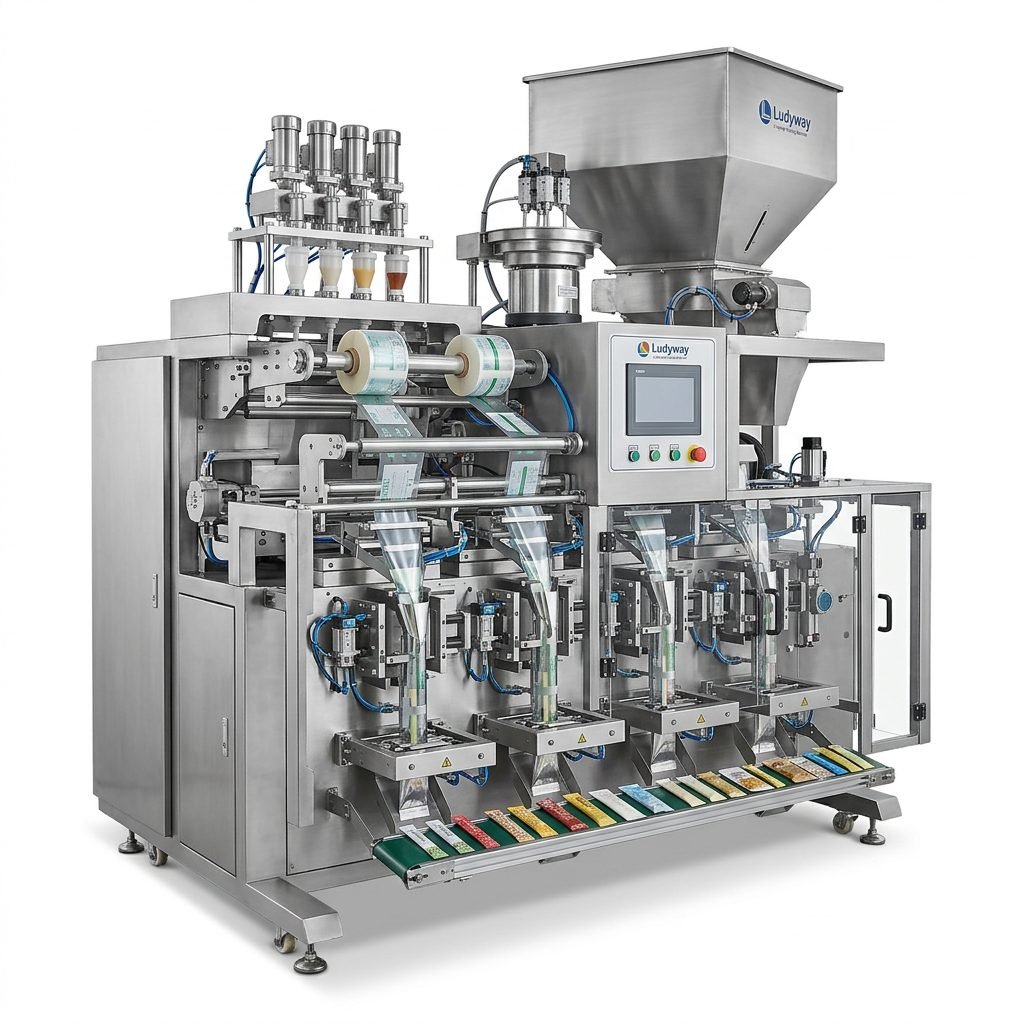
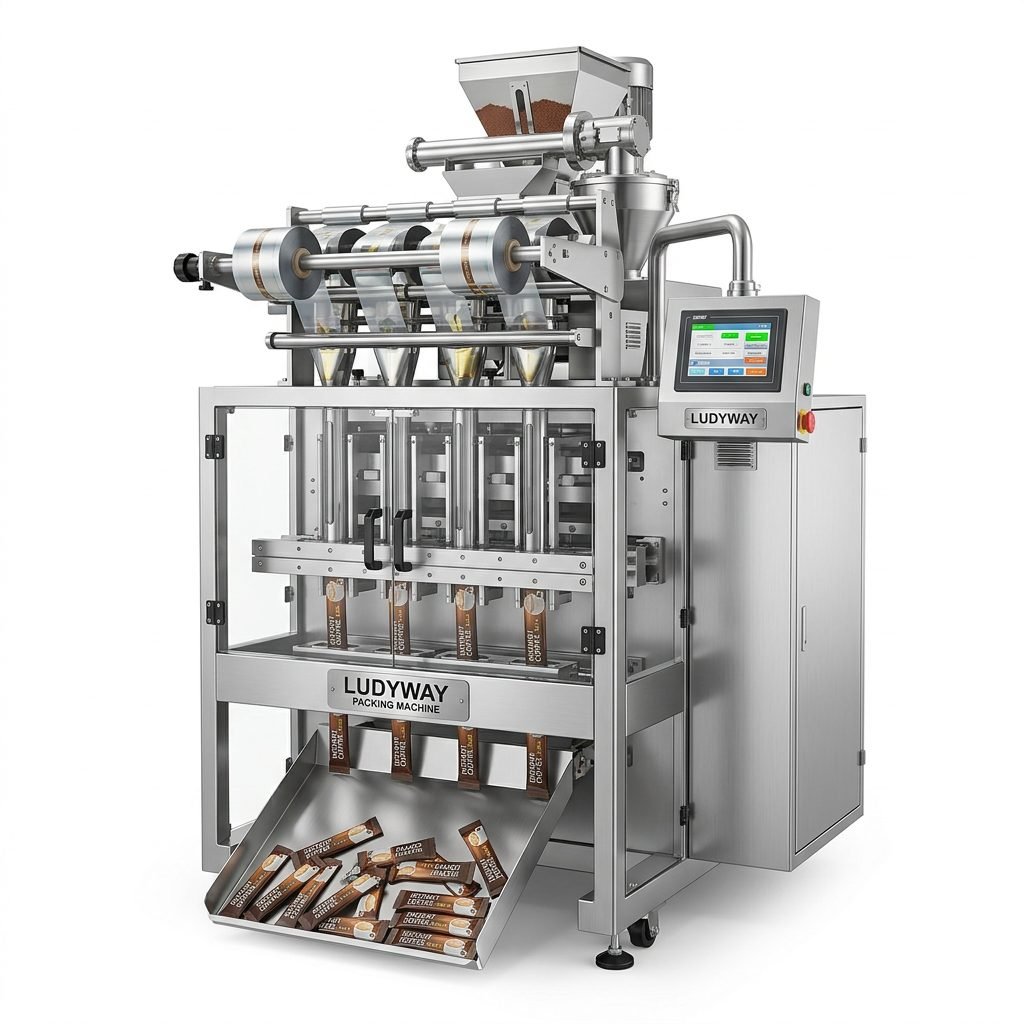
Investing in a seed counting packaging machine is a critical decision for agricultural suppliers, seed distributors, and commercial growers. The right equipment can dramatically improve accuracy, reduce labor costs, and increase throughput. However, with so many models and technologies available, making the wrong choice can lead to costly downtime and inconsistent results. This comprehensive buyer’s guide walks you through everything you need to evaluate before purchasing a seed counting packaging machine.
Why Automate Your Seed Counting and Packaging Process?
Manual seed counting is time-consuming, error-prone, and difficult to scale. As your operation grows, automating this process becomes essential for maintaining consistent quality and meeting market demands. According to the PMMI Business Intelligence Library, automated packaging solutions are increasingly becoming the standard for manufacturers looking to improve operational efficiency. A seed counting packaging machine delivers several measurable benefits:
- Precision counting — eliminating over-fills and under-fills that erode margins
- Higher throughput — packaging thousands of units per hour with minimal operator intervention
- Traceability — integrated data logging and batch tracking for compliance
- Labor savings — reducing manual handling and repetitive tasks
- Flexible packaging formats — accommodating sachets, stick packs, pouches, and bottles
Key Factors to Consider When Choosing a Seed Counting Packaging Machine
1. Seed Type and Physical Characteristics
Not all seeds behave the same way in a counting system. The size, shape, weight, and surface texture of your seeds will directly influence which counting technology works best. Small, round seeds such as tomato or lettuce seeds require different handling than larger, irregular seeds like corn, beans, or sunflower seeds. Some seeds are prone to static electricity, while others may have dust or debris that can interfere with optical sensors. Before approaching a supplier, document the following characteristics of your seed products:
- Average seed diameter and weight range
- Shape uniformity (spherical, oval, flat, irregular)
- Surface condition (smooth, textured, coated, pelleted)
- Presence of dust, chaff, or treatment residues
- Moisture content and oiliness
2. Counting Technology: Which Method Fits Your Application?
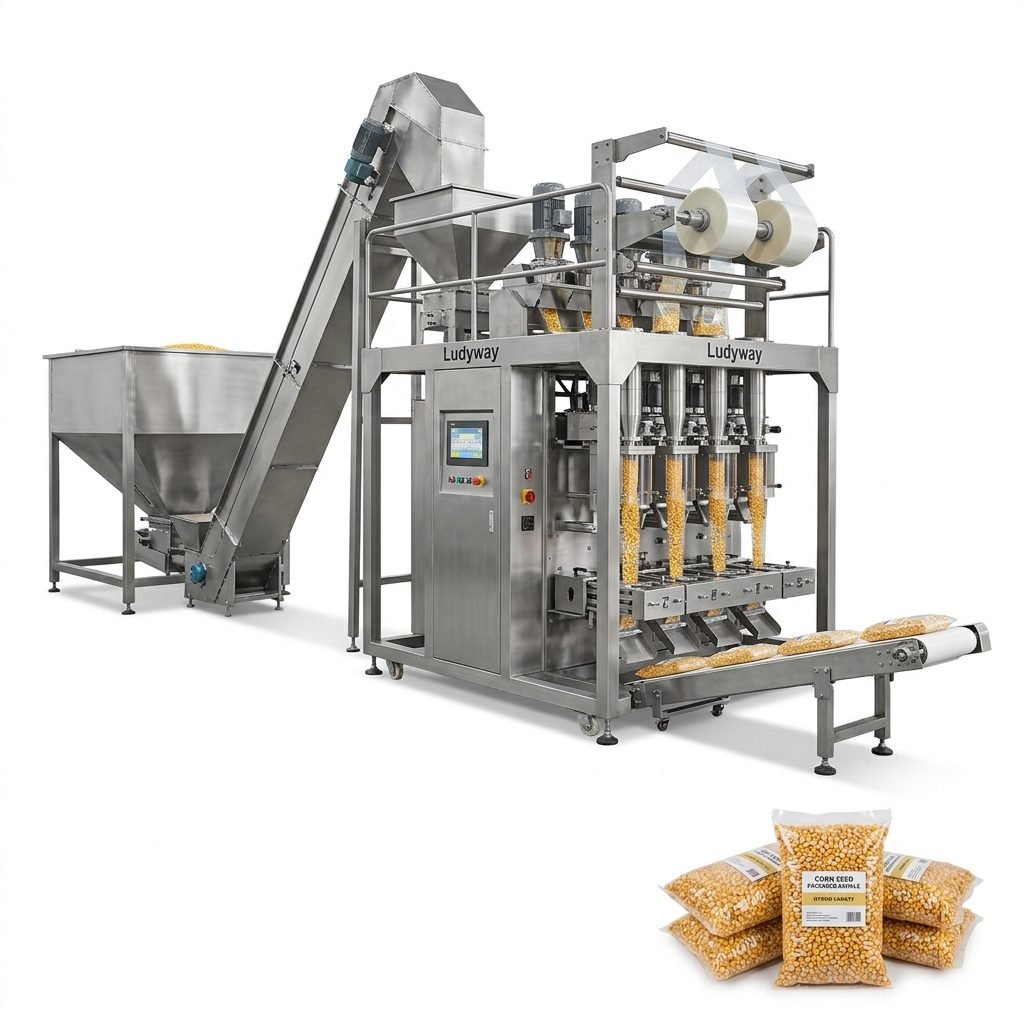
The core of any seed counting packaging machine is its counting mechanism. Different technologies offer distinct advantages depending on your production requirements. Refer to the PMMI Packaging Industry Resources for broader insights into packaging machinery standards. Here is a comparison of the most common counting technologies:
| Technology | Best For | Advantages | Limitations |
|---|---|---|---|
| Photoelectric Counting | Small to medium seeds with consistent shape | High accuracy, fast speed, minimal contact | Sensitive to dust and light interference |
| Vibratory Bowl Counting | Coated seeds, pelleted seeds, uniform granules | Handles fragile coatings gently, reliable | Slower for very small seeds, noise level |
| Multi-Head Weighing | Large seeds, mixed varieties, bulk packaging | Excellent for weight-based portions, high speed | Less precise for exact seed counts |
| Image-Based Counting | Premium seeds requiring ultra-high accuracy | Advanced algorithms, defect detection possible | Higher cost, more complex setup |
3. Production Speed and Throughput Requirements
Your target production volume is a make-or-break specification. A machine that is too slow will bottleneck your operation; one that is too fast may be an unnecessary capital expense. Calculate your required packs per minute based on current demand plus projected growth over the next 3 to 5 years. Consider peak season demands if your business is seasonal. Multi-lane machines can multiply throughput, and some seed counting packaging machines can achieve rates exceeding 60 packs per minute per lane, depending on the configuration. Ask potential suppliers to provide real production video data rather than theoretical maximum speeds.
4. Packaging Format and Material Compatibility
The packaging style you choose affects brand presentation, shelf life, and user convenience. Common packaging formats for seeds include sachets, stick packs, stand-up pouches, and bottles. Each format requires specific machine configurations, including different filling spouts, sealing mechanisms, and material handling systems. Additionally, verify that the machine can process your preferred packaging materials — whether that is foil laminate, paper-based, or biodegradable films. The Flexible Packaging Association provides valuable information on material trends and standards.
5. Accuracy and Regulatory Compliance
In regulated markets, packaging accuracy is not just a competitive advantage — it is a legal obligation. Many jurisdictions enforce strict net content regulations with allowable variances and sampling procedures. Your seed counting packaging machine should be capable of consistently achieving accuracy rates above 99.5% for most applications. Look for machines with integrated verification systems, such as checkweighers or secondary counting stations, that can reject non-conforming packages automatically. This traceability supports compliance with ISO packaging standards and regional labeling laws.
6. Machine Build Quality and Long-Term Reliability
A packaging machine is a long-term capital investment. Evaluate the following aspects of build quality when comparing suppliers:
- Frame and structural materials — stainless steel construction for durability and hygiene
- Electrical components — brands like Siemens, Schneider, or Omron indicate reliability
- Pneumatic systems — quality cylinders and valves reduce maintenance frequency
- Sensor quality — industrial-grade sensors maintain accuracy over time
- Changeover design — tool-free changeover saves hours of downtime between batches
7. Integration with Upstream and Downstream Equipment
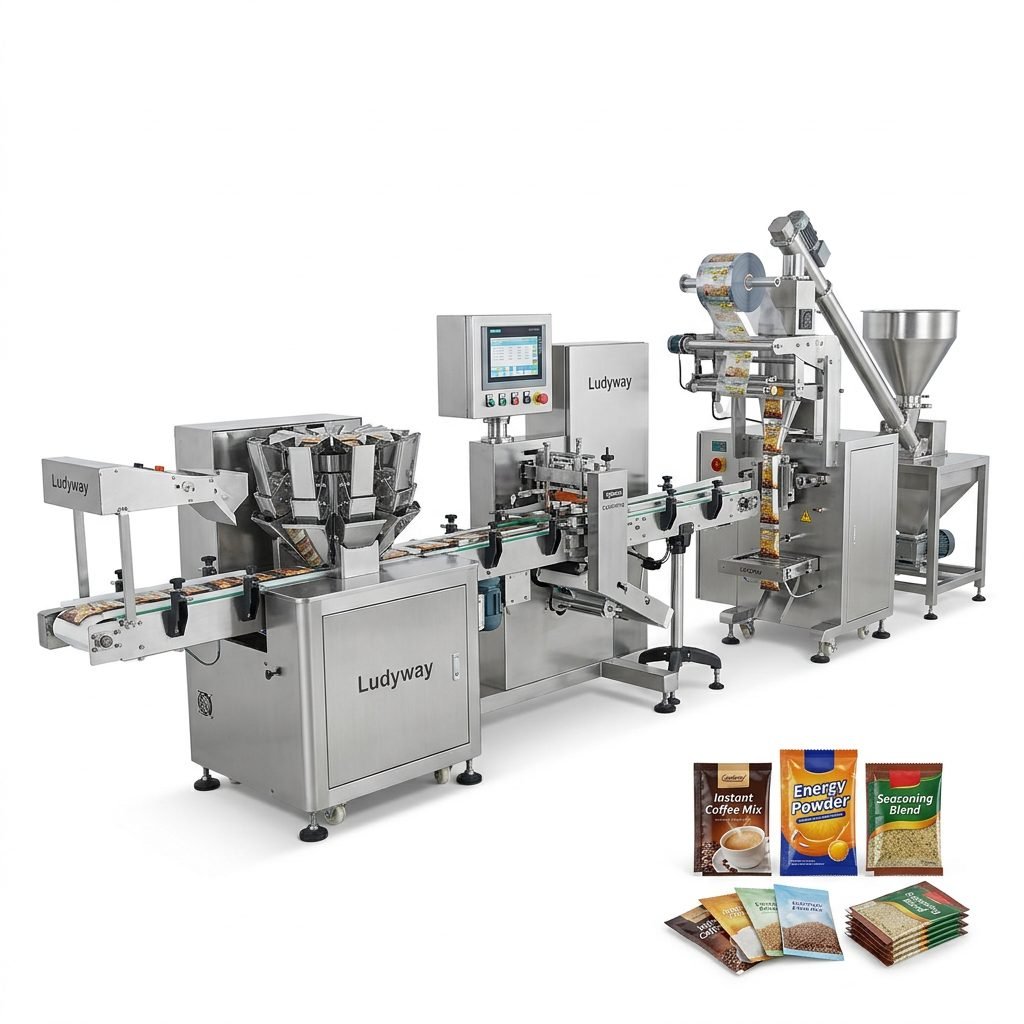
A seed counting packaging machine rarely operates in isolation. It must integrate smoothly with upstream feeding systems — such as bucket elevators, vibratory feeders, or hopper systems — and downstream equipment like cartoners, case packers, and palletizing systems. The PACK EXPO International event showcases many integrated packaging line solutions each year. Ensure your supplier can provide or coordinate complete line integration rather than selling standalone machines that create bottlenecks or compatibility issues.
8. Total Cost of Ownership — Beyond the Purchase Price
The sticker price of the machine is only one part of the total investment. A thorough cost analysis should account for these factors over the expected service life of the equipment:
| Cost Category | What to Evaluate |
|---|---|
| Initial purchase price | Base machine, options, and tooling |
| Installation and commissioning | Freight, on-site setup, training days |
| Spare parts inventory | Recommended spare parts list and pricing |
| Consumables | Packaging film, filters, lubricants |
| Energy consumption | Electrical and compressed air usage |
| Maintenance labor | Scheduled service and unexpected repairs |
| Downtime risk | Availability of remote and on-site support |
Questions to Ask Potential Suppliers
Before finalizing your purchase, ask suppliers these critical questions to assess their capabilities and support structure:
- Can you provide customer references from operations similar to mine?
- What is your standard warranty and what does it cover?
- Do you offer factory acceptance testing before shipment?
- How quickly can you ship spare parts to my location?
- Is remote technical support available during our production hours?
- Can the machine be upgraded if our production needs change?
- What training materials and documentation are provided?
Why Long-Term Support Matters as Much as the Machine
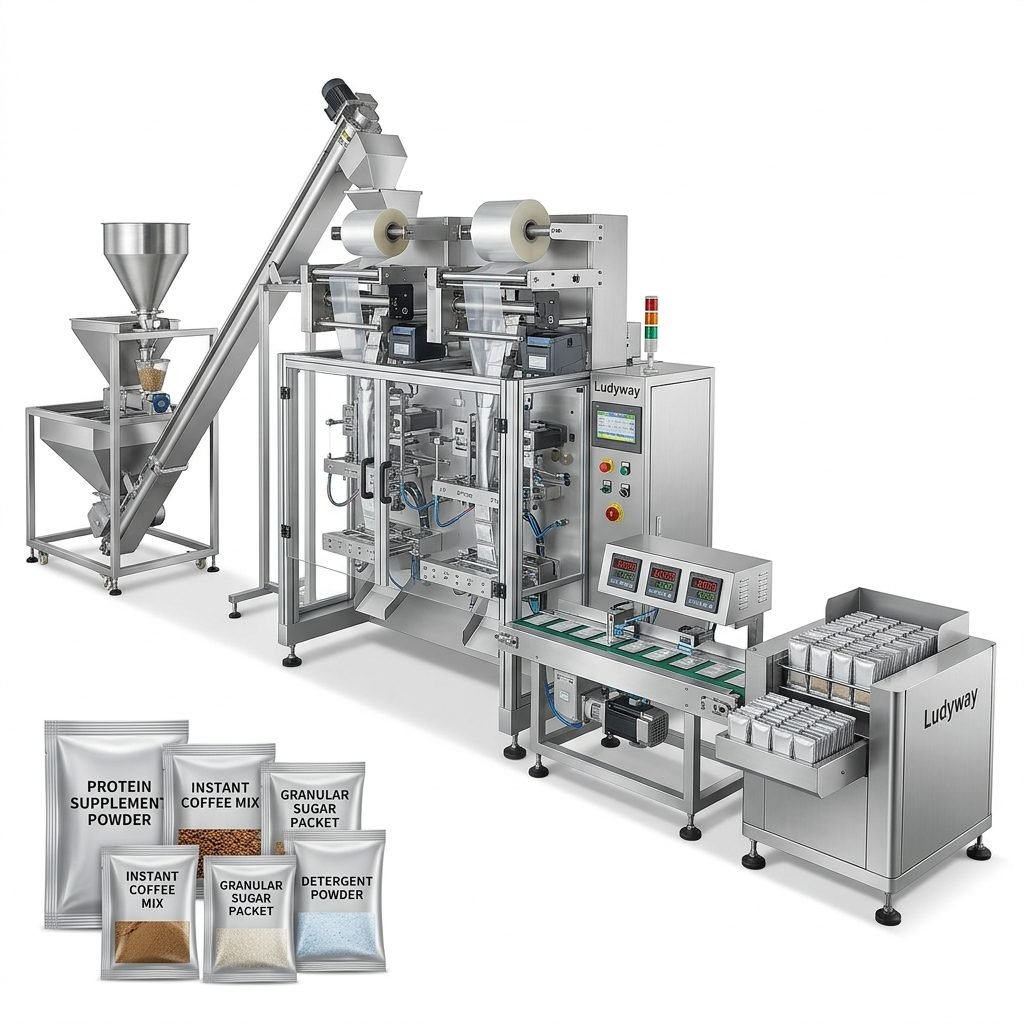
Even the most robust seed counting packaging machine will require support throughout its lifecycle. Reliable after-sales service — including spare parts availability, technical assistance, and operator training — is essential for maximizing uptime. Manufacturers with global service networks and decades of experience, such as Ludyway Machinery, offer integrated solutions that cover machine selection, installation, commissioning, and long-term technical support. The global packaging machinery market continues to expand, making supplier reliability more important than ever.
Making the Final Decision
Selecting the right seed counting packaging machine requires balancing technical specifications, production needs, and long-term cost considerations. By thoroughly evaluating your product characteristics, required throughput, packaging format, accuracy standards, and supplier support capabilities, you can make a confident investment that supports your business growth. Start by documenting your requirements in detail, then engage with multiple suppliers to compare proposals. A well-chosen machine will deliver consistent performance, reduce operational costs, and position your seed packaging operation for years of reliable production.