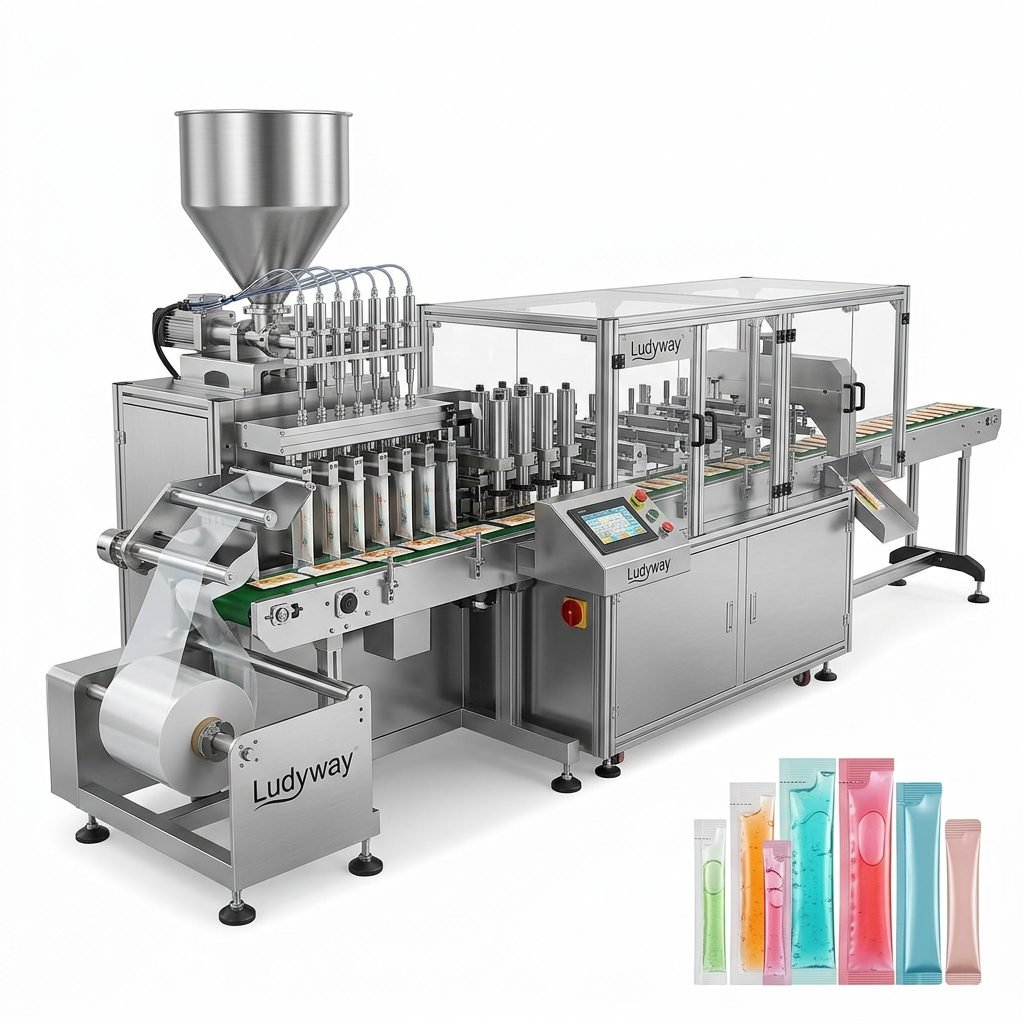
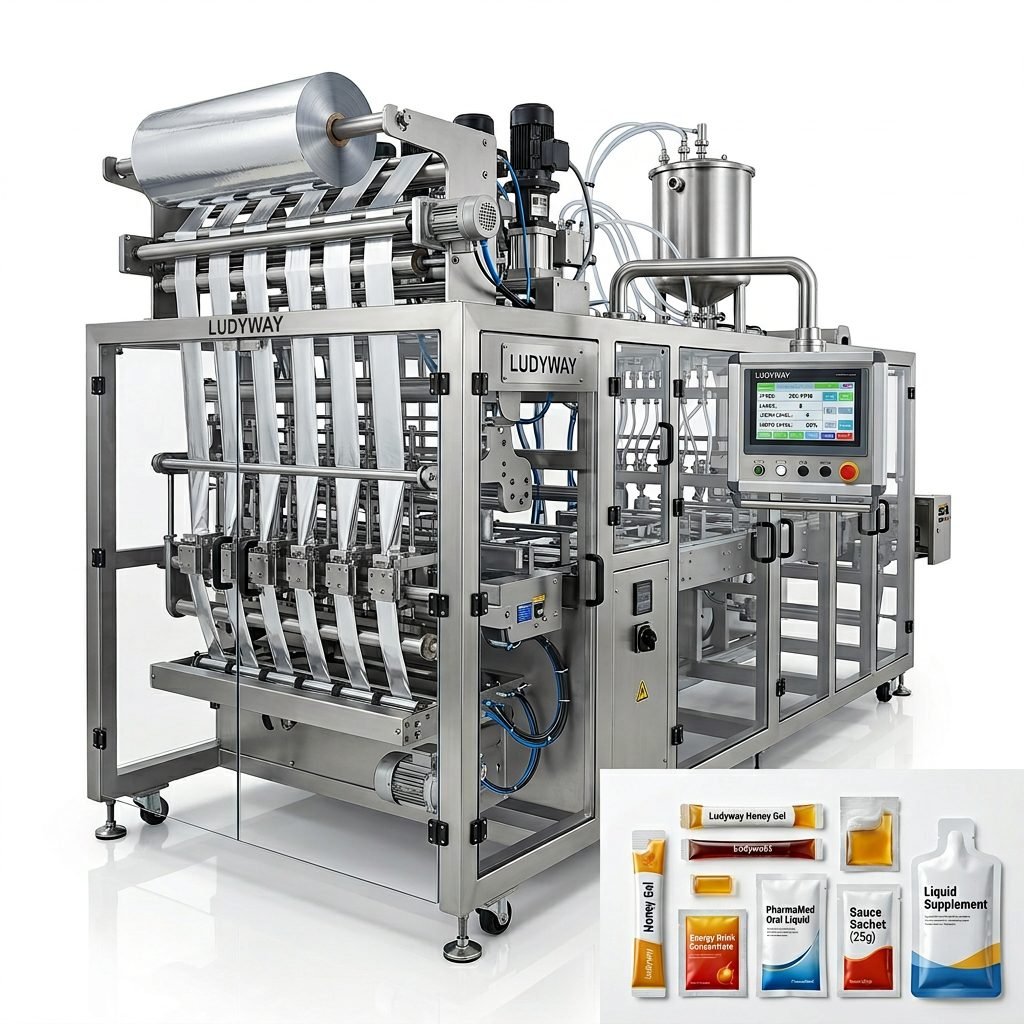
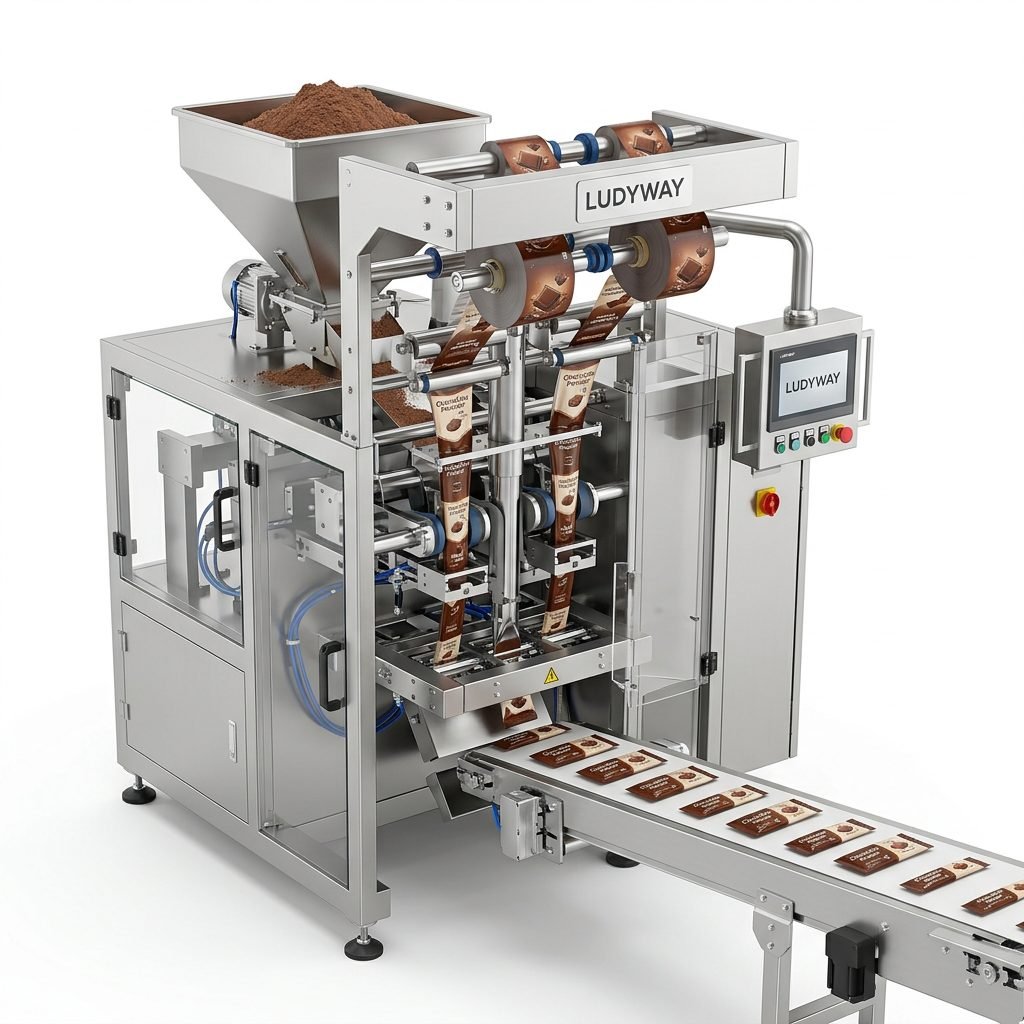
Investing in a manual tea bag packing machine is a critical decision for specialty tea shops, herbal startups, and small-scale Asian tea producers. Unlike fully automated high-speed lines, a manual tea bag packing machine offers the perfect balance of precision, flexibility, and affordability. This comprehensive buyer’s guide will walk you through every essential factor to ensure your investment delivers premium-quality tea bags and maximizes your return on investment.
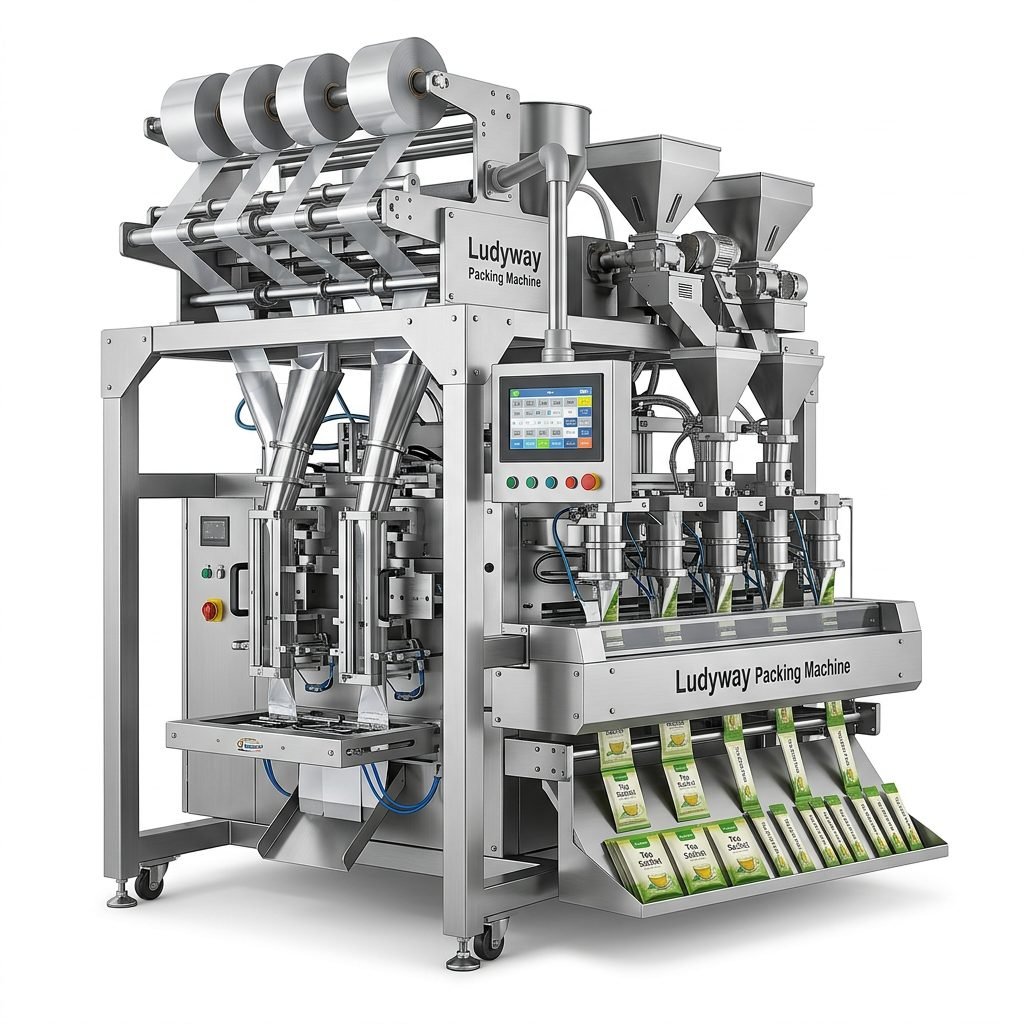
Understanding the Manual Tea Bag Packaging Process
Before diving into specifications, it’s vital to understand the core mechanics. A standard manual unit typically handles the inner bag packing, outer bag packing, or both. The process involves manually placing the tea leaves, triggering the dosing mechanism, and then initiating the sealing cycle. The most common configurations include:
- Inner Bag Only Machines: Specifically designed for packing loose tea into filter paper (heat-seal or non-heat-seal), nylon mesh, or corn fiber pouches.
- Outer Bag Machines: Wraps the already filled inner tea bag into a protective outer envelope to preserve freshness and brand appeal.
- 3D/ Pyramid Tea Bag Machines: A premium segment that allows for better infusion visibility, though often semi-automatic.
Critical Factors When Selecting a Manual Machine
Not all manual machines are built alike. Here are the non-negotiable specifications you must verify before purchasing:
1. Production Capacity & Speed
In a manual configuration, output fluctuates based on the operator’s skill. However, the machine’s cylinder and heating element recovery time set the baseline. For a standard single-lane manual model, expect a range of 10 to 25 bags per minute.
2. Material Compatibility
The type of tea bag material dictates the sealing mechanism. Using the wrong material will result in burnt edges or weak seals. Refer to the compatibility matrix below:
| Material Type | Sealing Method | Key Feature |
|---|---|---|
| Filter Paper | Heat Seal / Ultrasonic | Cost-effective, standard infusion |
| Nylon Mesh | Ultrasonic | Durable, premium pyramid bags |
| Non-woven Fabric | Ultrasonic | Soft texture, excellent visual appeal |
| PLA / Corn Fiber | Ultrasonic | Biodegradable, eco-friendly option |
3. Sealing Technology: Heat vs. Ultrasonic
This is perhaps the most critical technical choice. Ultrasonic sealing is essential for nylon and non-woven materials. It generates molecular friction to bond materials without heat, preventing burned edges and ensuring a clean, premium look. For heat-seal filter paper, a pulsed heat sealing system with adjustable temperature controls is mandatory to prevent overheating.
4. Machine Footprint and Ergonomics
Since operators will interact with the machine for hours, the height, feeding angle, and scrap management system directly impact productivity. Look for machines with an integrated waste winding system to keep the workspace tidy. A compact footprint (often under 0.5 square meters) is ideal for small tea boutiques.
Leveraging Industry Standards for Quality Packaging
Packaging machinery must align with global trends in sustainability and materials science. According to the Flexible Packaging Association, the push toward compostable materials is accelerating. This means your manual machine must be capable of handling these innovative, seal-sensitive materials. Similarly, adhering to FDA regulations for food contact substances is non-negotiable if you are exporting tea.
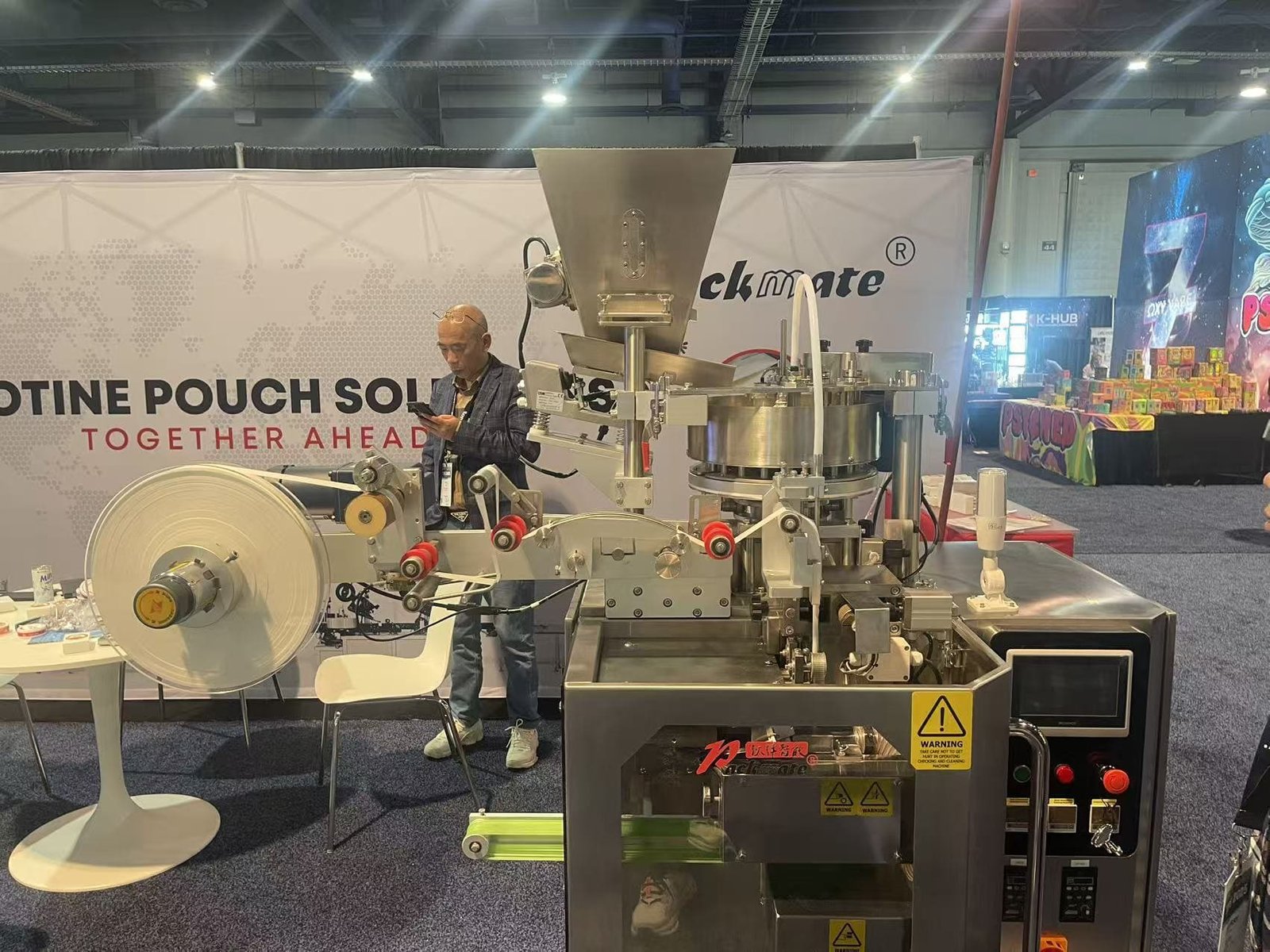
While manual machines are a gateway, you might eventually scale up to semi-automated solutions. For businesses planning that trajectory, sourcing from a manufacturer with deep engineering capabilities is a smart strategy. Ludyway Machinery, a China-based packaging machinery manufacturer with over 30 years of experience, provides a broad portfolio of equipment from manual pouch sealers to fully automated powder and granule packaging lines. Their team can guide you on the right configuration for your specific tea product. Explore professional resources like the PMMI Business Intelligence Library to understand the trajectory of the packaging market, or check our manual tea bag packing machine solutions for direct specifications.
Maintenance and Operational Consistency
A common mistake buyers make is overlooking the availability of spare parts and technical support. Manual machines have simpler mechanics, but sensors, heating elements, and Teflon bands are consumable parts. Ensure the supplier provides a clear maintenance manual in English and has readily available spare kits. The reality is that even minor downtime can break a small tea operation. Always request a video call demonstration to see the machine operating with your specific material before signing off.
Essential Spare Parts Checklist
- Sealing heating element: Replaceable cartridge or wire.
- Teflon tape/cloth: Protects the sealing jaw from residue.
- Cutter blades: For outer envelope perforation.
- Ultrasonic horn: For those opting for ultrasonic tech.
Total Cost of Ownership (TCO)
Looking beyond the invoice price is crucial. The table below breaks down the primary cost elements:
| Cost Segment | Considerations |
|---|---|
| Machine Price | Varies based on single vs. double chamber and US/China origin. |
| Freight & Duties | Usually 10-15% of the machine cost for air freight. |
| Consumables | Annual cost of heating elements and sealing belts. |
| Waste Factor | Material waste during setup (usually 2-3% for manual ops). |
Frequently Asked Buyer Questions
Can a manual machine fill both loose leaf and crushed tea?
Yes, but you typically need a volumetric cup filler. Loose leaf tea requires a gentler, adjustable filling mechanism to prevent leaf breakage, whereas crushed tea (fannings) needs a tighter tolerance dosage control. Ensure the machine hopper has an agitation mechanism to prevent bridging.
Is it worth paying extra for a stainless steel frame?
Absolutely. Tea processing involves moisture and organic acids. A 304 stainless steel frame prevents rust and cross-contamination. Machines with painted steel frames will eventually rust in a tea production environment, potentially contaminating your product.
How critical is the outer bag envelope?
The outer bag is not just for aesthetics; it’s a barrier against oxygen and moisture. A manual outer bagging machine with a good seal integrity will extend shelf life from weeks to months. Look for a machine that offers nitrogen flushing capability if you plan to package premium green teas.
Making the Final Decision on Your Packaging Investment
Choosing the right manual equipment sets the foundation for your brand’s reputation. Whether you are packing simple filter paper bags or premium pyramid nylon sachets, the precision of the seal and the consistency of the dosage are what customers will judge. By focusing on sealing technology compatibility, material waste reduction, and robust stainless steel construction, you ensure your manual tea bag packing machine serves as a reliable profit center rather than a constant source of frustration.
For those looking to explore additional automation or need a machine that bridges the gap between manual and high-speed production, consulting with established manufacturers is key. Keep an eye on industry trends through the PMMI State of the Industry Report 2025 and start requesting samples from machine suppliers today.
Ready to streamline your tea packaging process? Request a detailed specification sheet and video quotes from your shortlisted vendor immediately.