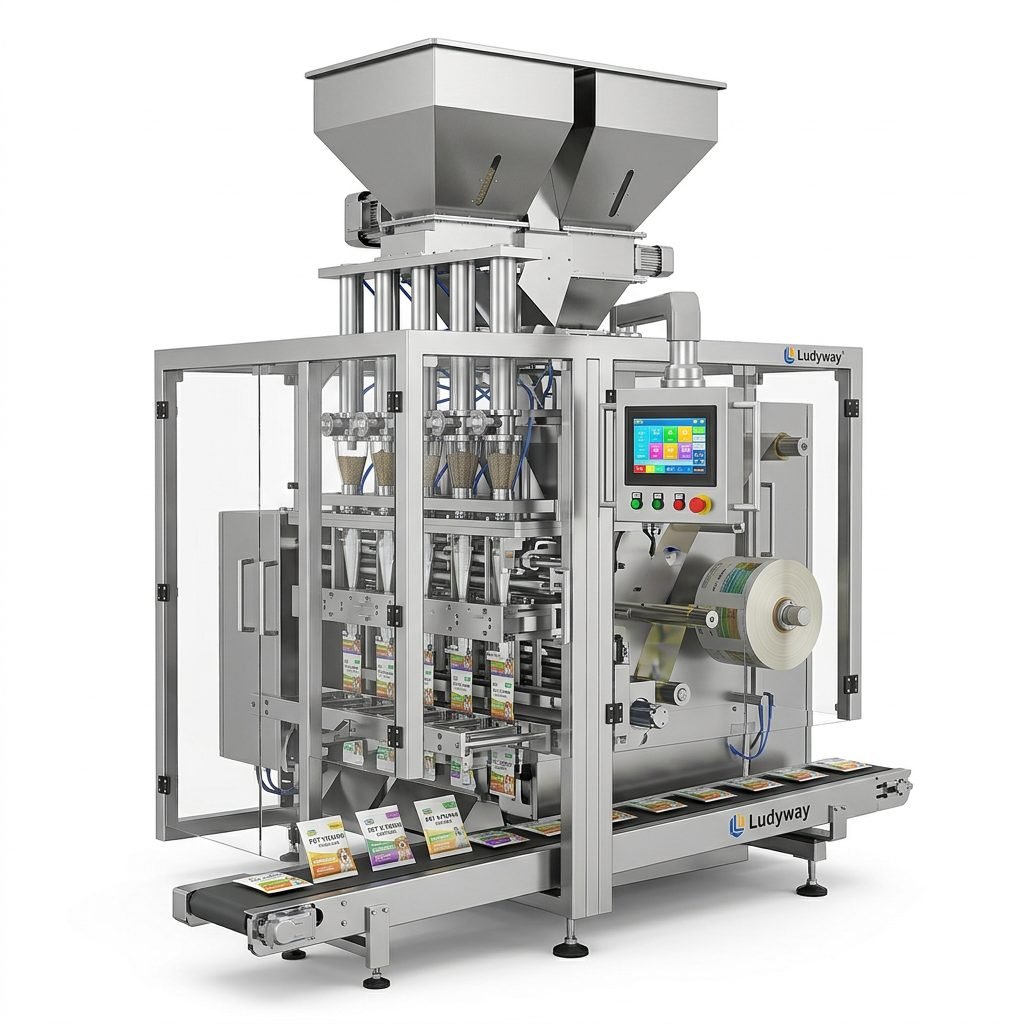
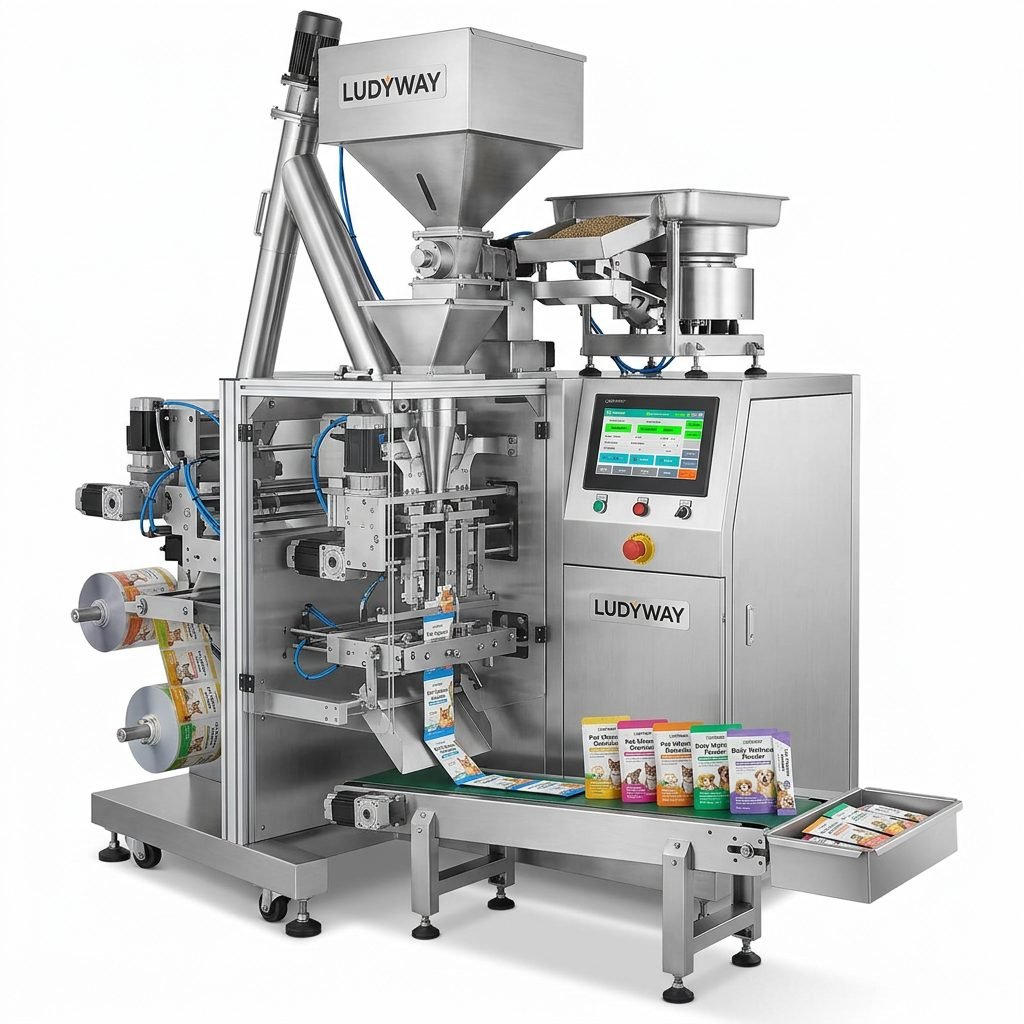
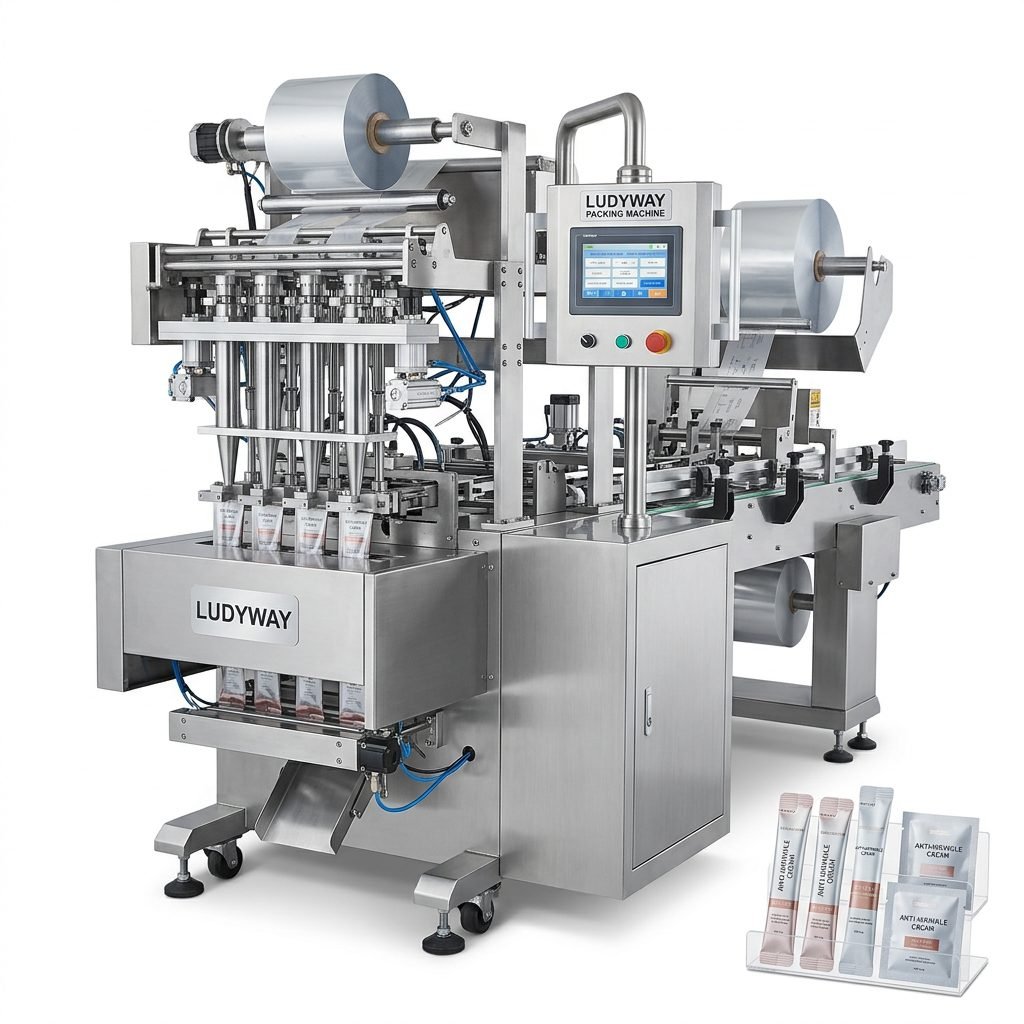
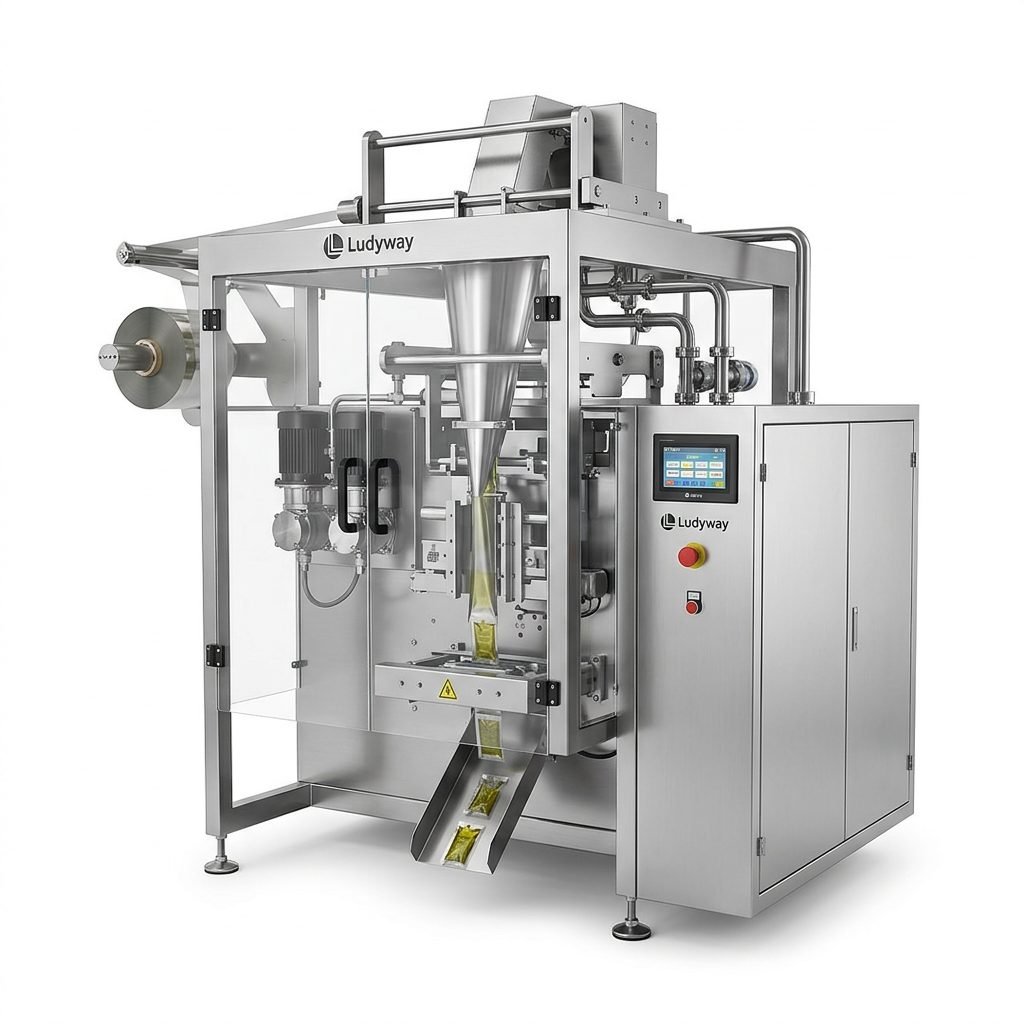
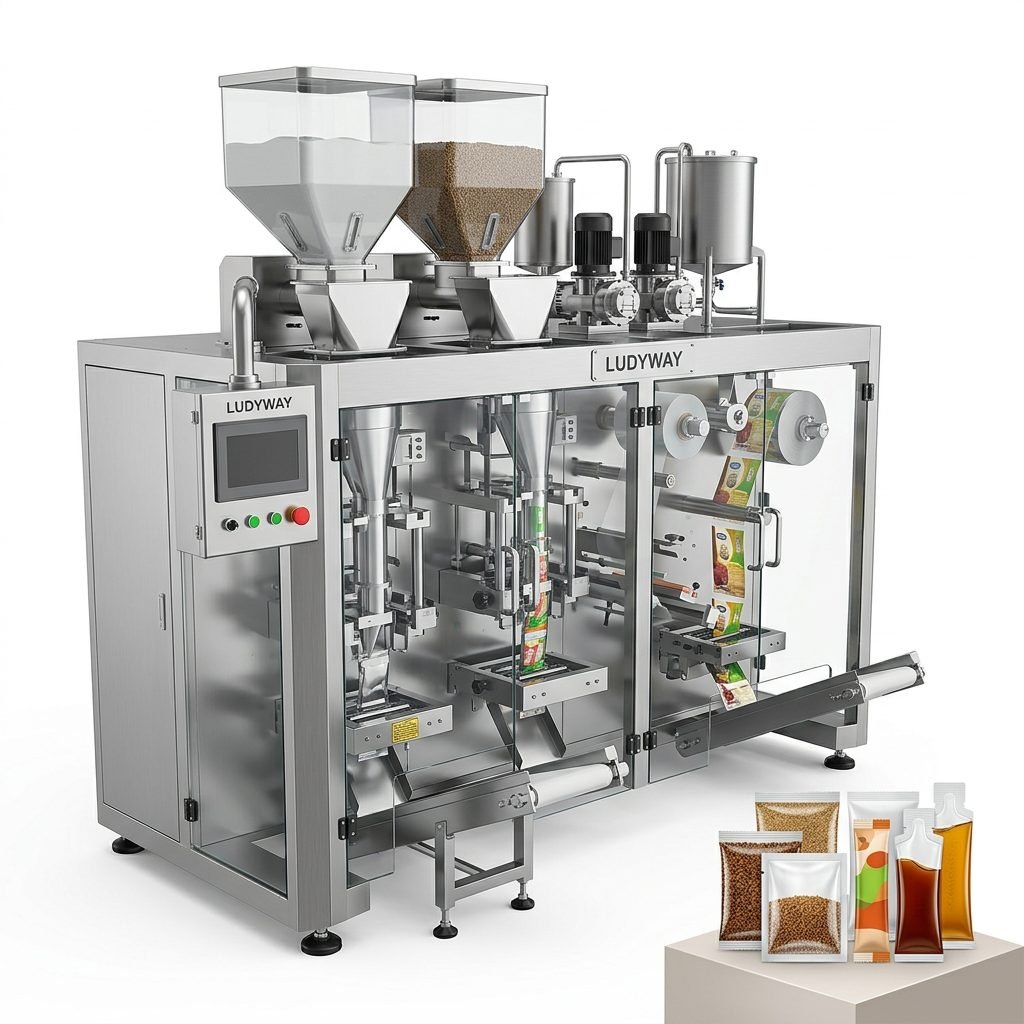
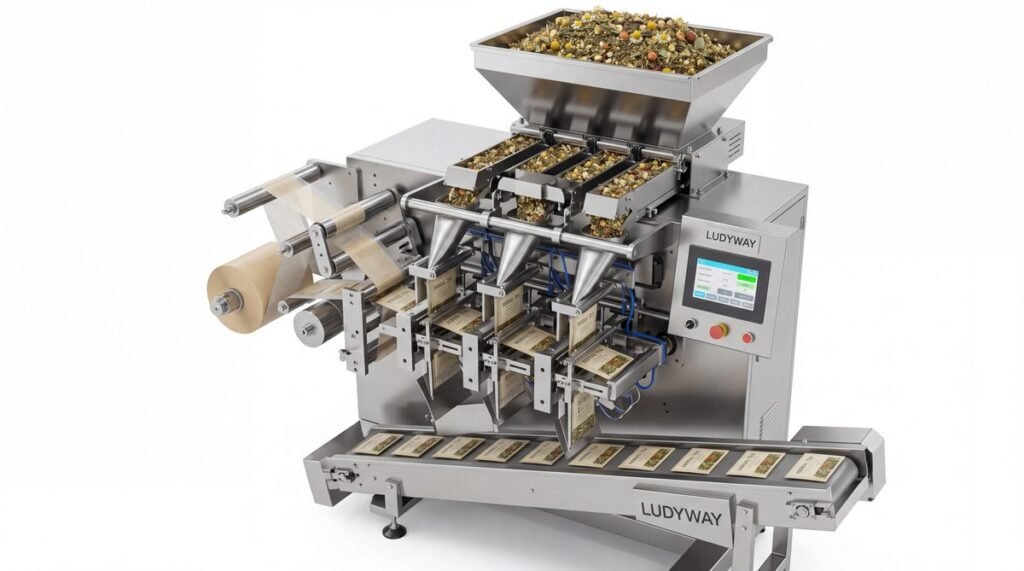
Air bubble packaging machines have become a practical solution for businesses that need fast, consistent, and protective packaging. From e-commerce warehouses to electronics suppliers and industrial spare-parts distributors, these machines help create air cushions, bubble films, and inflatable protective packaging on demand. Instead of storing bulky pre-made packing materials, companies can produce packaging only when needed, which reduces storage pressure and improves packing speed.
If you are evaluating an air bubble packaging machine for your operation, this guide explains how the equipment works, why it matters, and what to compare before buying.
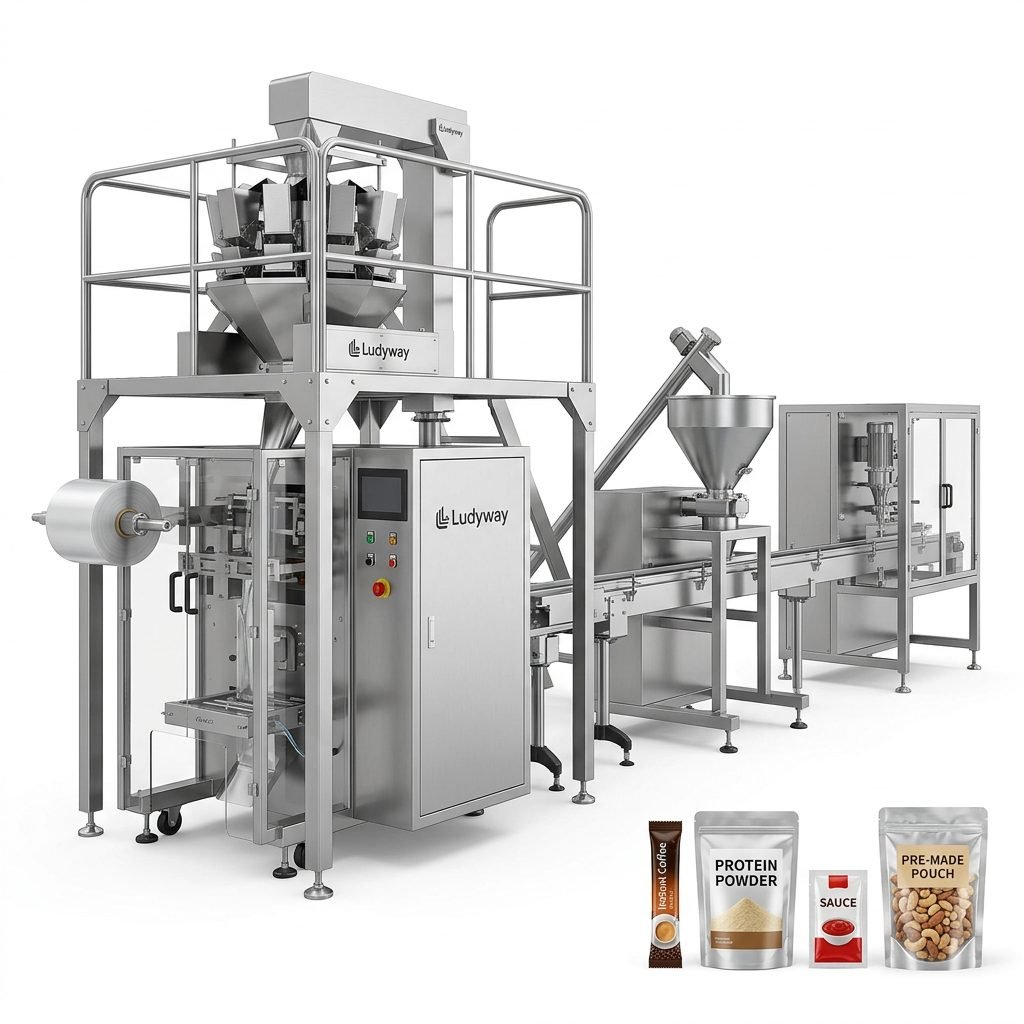
What Is an Air Bubble Packaging Machine?
An air bubble packaging machine is a packaging device that inflates special film rolls into protective materials such as air pillows, air tubes, air cushions, or bubble-style wraps. These inflated materials are then used to fill empty space inside cartons, wrap fragile products, absorb shock, and reduce shipping damage.
Unlike traditional packaging methods that rely on manually using foam peanuts, paper, or pre-inflated bubble wrap, an air bubble packaging machine creates protective packaging on demand. This makes it especially useful for businesses handling variable order sizes or a wide range of product shapes.
Common products packed with air cushioning
- E-commerce goods
- Glassware and ceramics
- Electronics and accessories
- Cosmetics and personal care items
- Auto parts and industrial components
- Medical and laboratory products
- Pharmaceutical secondary packaging items
How Does an Air Bubble Packaging Machine Work?
The operating principle is straightforward: the machine feeds a roll of specialized plastic film, introduces air into specific channels or chambers, seals the film with heat, and forms inflatable protective packaging ready for immediate use.
Step-by-step working process
- Film loading: The operator installs a compatible roll of air cushion or bubble film.
- Film feeding: The machine pulls the film through the guiding and forming area.
- Air filling: Air is injected into the film chambers at a controlled pressure.
- Heat sealing: Heated sealing components close each air chamber securely.
- Output cutting or perforation: The inflated material is separated into usable lengths or perforated sections.
- Packing use: Workers place the finished air cushions into cartons or wrap products directly.
Main machine components
| Component | Function |
|---|---|
| Film holder | Supports and aligns the film roll |
| Air pump or blower | Provides inflation pressure for the air chambers |
| Heating/sealing unit | Seals the film to retain air |
| Control panel | Adjusts temperature, speed, and inflation level |
| Drive rollers | Pull film smoothly through the system |
| Cutter/perforation system | Separates the finished packaging material |
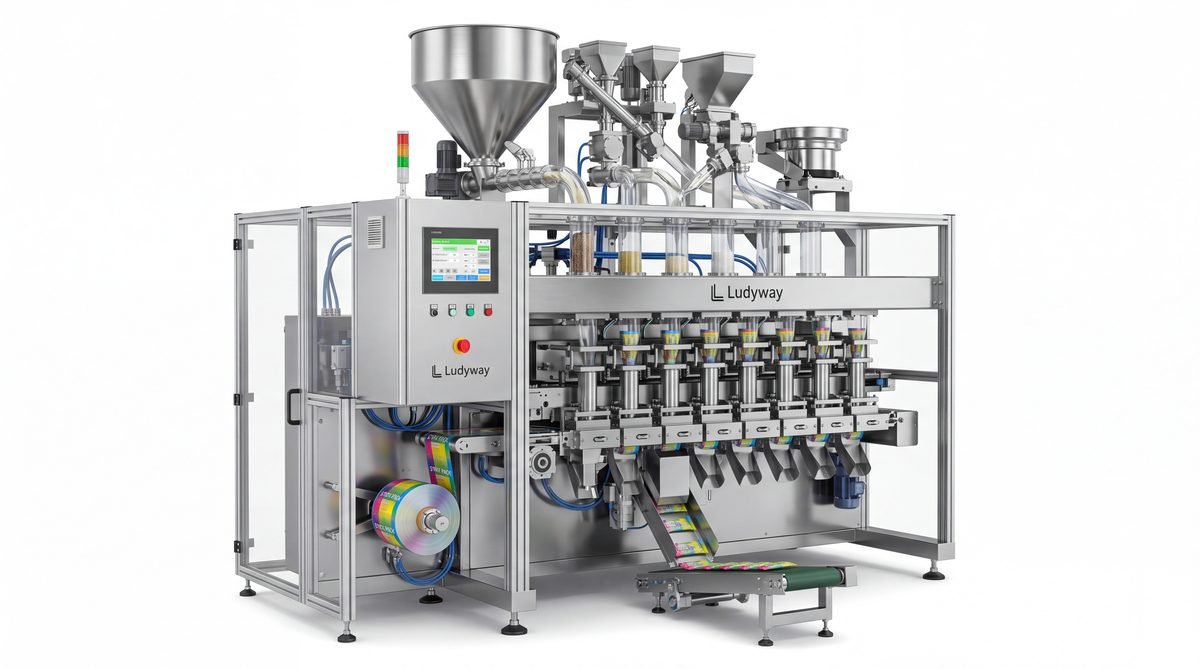
Types of Air Bubble Packaging Machines
Different operations require different machine designs. The right type depends on your production volume, workspace, packaging format, and level of automation.
1. Desktop air cushion machines
These compact models are suitable for small businesses, online stores, and packing stations with moderate daily output. They are easy to move and often simple to operate.
2. Industrial air bubble packaging machines
Designed for high-volume use, these machines offer faster output, stronger sealing stability, and better compatibility with continuous packaging operations.
3. Integrated air packaging systems
These systems can be combined with conveyors, packing tables, carton sealing stations, or automated fulfillment lines to support larger warehouse workflows.
4. Multi-format inflatable packaging machines
Some machines can produce multiple materials from different film types, including:
- Air pillows
- Bubble cushions
- Air tube wrapping
- Void-fill strips
- Corner protection inflatable packaging
Benefits of Using an Air Bubble Packaging Machine
Businesses adopt these machines for operational efficiency, packaging quality, and cost control. The value becomes even more obvious in warehouses where shipping volume changes throughout the day.
Key advantages
- Reduced storage space: Flat film rolls take far less room than pre-made bubble wrap.
- Lower packaging material waste: Produce only the quantity you need.
- Improved packing speed: Workers have instant access to protective material.
- Better product protection: Air-filled cushioning helps absorb impact during shipping.
- Flexible packaging formats: Suitable for different carton sizes and product categories.
- Professional presentation: Cleaner and more consistent than loose fillers.
- Potential freight savings: Lightweight cushioning can reduce total parcel weight.
Business impact by application
| Application | Main Benefit |
|---|---|
| E-commerce fulfillment | Faster packing and better void fill |
| Electronics shipping | Shock absorption for fragile products |
| Cosmetics and glass bottles | Improved breakage protection |
| Industrial parts | Reduced abrasion and transport damage |
| 3PL warehouses | Scalable packing support across many SKUs |
Who Should Buy an Air Bubble Packaging Machine?
This equipment is ideal for companies that ship products regularly and need flexible protective packaging without dedicating large warehouse areas to bulky consumables.
- Online retailers and marketplaces
- Third-party logistics providers
- Electronics distributors
- Beauty and skincare brands
- Medical product suppliers
- Spare-parts and hardware sellers
- Subscription box companies
If your team manually cuts bubble wrap, struggles with storage, or experiences product damage during transit, an air bubble packaging machine may offer a strong return on investment.
How to Choose the Right Air Bubble Packaging Machine
Not all machines are equal. A low-cost unit may be fine for occasional shipments, but high-output operations need stronger sealing consistency, better film compatibility, and dependable technical support.
Important buying factors
- Packaging volume
Estimate how many cartons or packages you ship per day. Higher output requires faster film inflation and better machine durability. - Compatible film types
Check whether the machine supports air pillows, bubble film, tube film, or multiple formats. - Speed and efficiency
Review meters per minute, cycle stability, and actual output under continuous operation. - Seal quality
Poor sealing causes air leaks, which reduces protection and increases material waste. - Ease of operation
A user-friendly interface helps reduce training time and operator errors. - Maintenance requirements
Choose a machine with accessible parts and straightforward routine servicing. - Power and energy use
Energy-efficient machines can lower long-term operating costs. - Noise level
This matters in offices, fulfillment centers, or compact packing rooms. - After-sales support
Reliable spare parts and technical assistance are important for business continuity. - Scalability
Consider whether the machine can fit future growth or line integration.
Quick buying comparison
| Factor | Small Business Need | Industrial Need |
|---|---|---|
| Output speed | Moderate | High and continuous |
| Machine size | Compact desktop | Heavy-duty floor model or integrated unit |
| Film compatibility | Basic formats | Multi-format film support |
| Automation level | Semi-manual use | Integrated workflow support |
| Investment level | Lower upfront budget | Higher ROI-focused investment |
Common Problems and How to Avoid Them
Even a good machine can underperform if setup or consumables are wrong. Most issues come from mismatched film, poor sealing settings, or inconsistent maintenance.
Typical issues
- Air leakage due to weak heat sealing
- Film jamming caused by poor alignment
- Unstable bubble size from incorrect air pressure
- Low output due to unsuitable film specifications
- Premature wear from heavy-duty use on light-duty machines
Best practices
- Use film recommended by the machine supplier
- Check sealing temperature regularly
- Clean rollers and sealing surfaces routinely
- Train operators on loading and adjustment procedures
- Keep critical spare parts available for busy seasons
Air Bubble Packaging Machine vs Traditional Protective Packaging
Traditional protective packaging still has a place, but on-demand air packaging offers clear operational advantages for many modern shipping businesses.
| Packaging Method | Advantages | Limitations |
|---|---|---|
| Air bubble packaging machine | Space-saving, lightweight, on-demand production | Requires machine and compatible film |
| Pre-made bubble wrap | Simple and familiar | Bulky storage and less efficient workflow |
| Paper void fill | Recyclable image, easy to source | Heavier and sometimes less cushioning |
| Foam peanuts | Good void fill for irregular items | Messy handling and weaker presentation |
What Is the ROI of an Air Bubble Packaging Machine?
ROI depends on shipping volume, damage rate, labor cost, and warehouse space value. In many operations, the machine pays back through a combination of:
- Less storage space for protective materials
- Reduced breakage and returns
- Faster order processing
- Lower material overuse
- Reduced shipping weight compared with some alternative fillers
For companies shipping hundreds or thousands of parcels weekly, these gains can be significant over time.
Why Supplier Selection Matters
Choosing the machine is only part of the decision. The supplier should be able to support installation, training, spare parts, customization, and long-term service. For buyers looking at broader automation beyond cushioning equipment, working with an experienced packaging machinery manufacturer can simplify future upgrades.
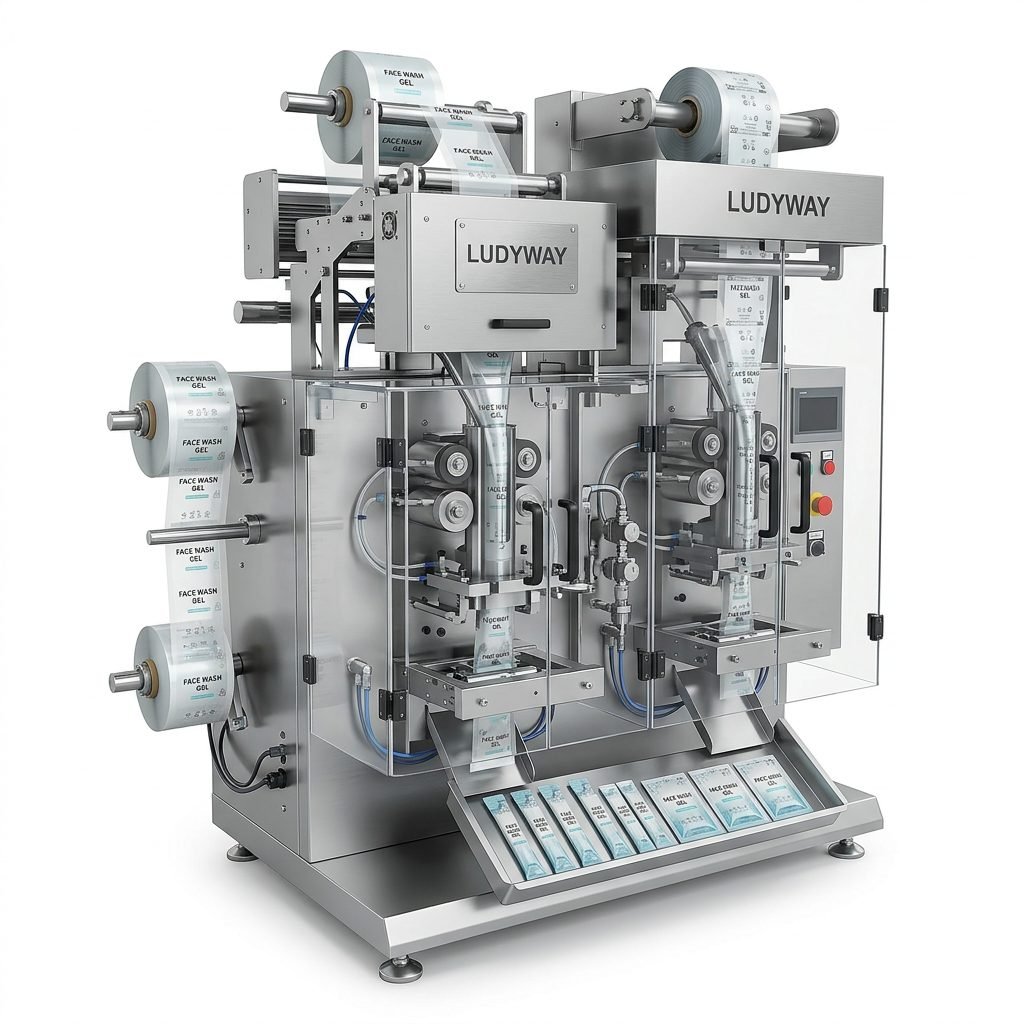
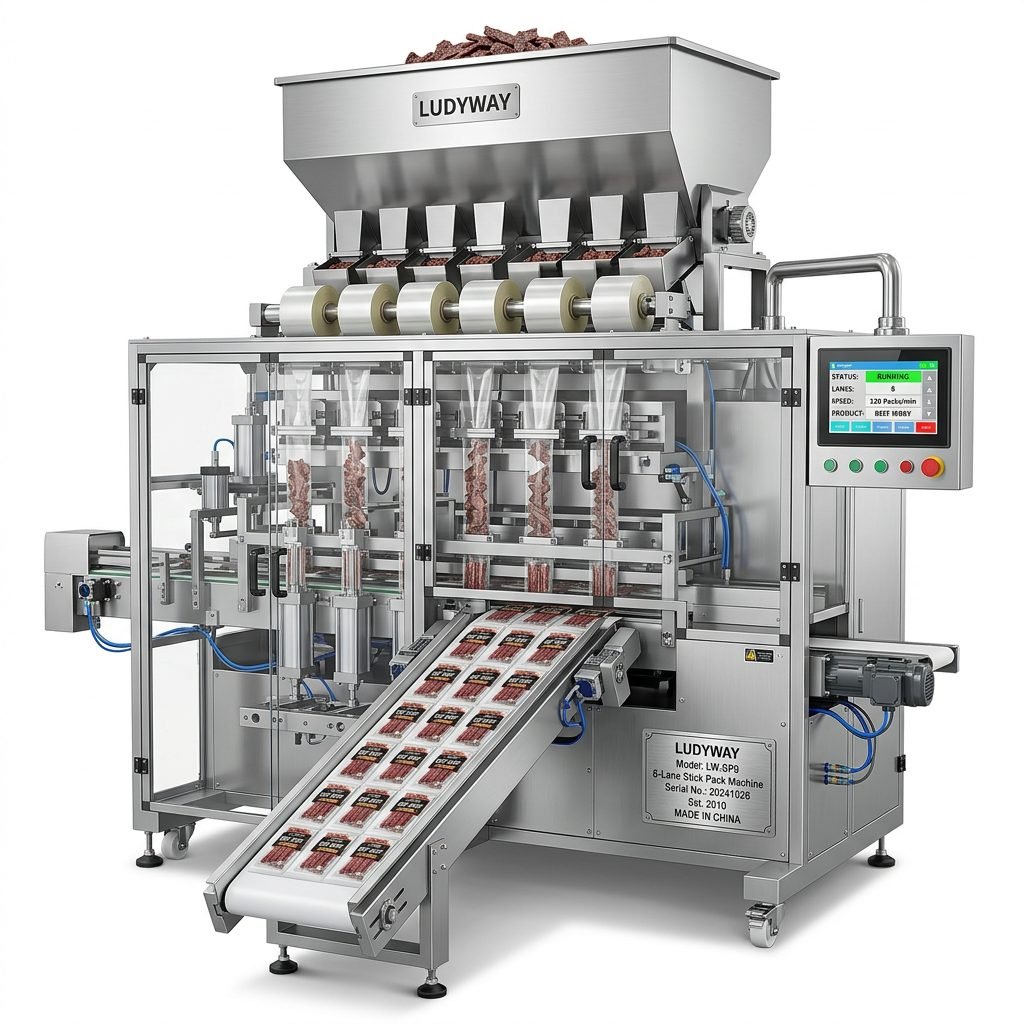
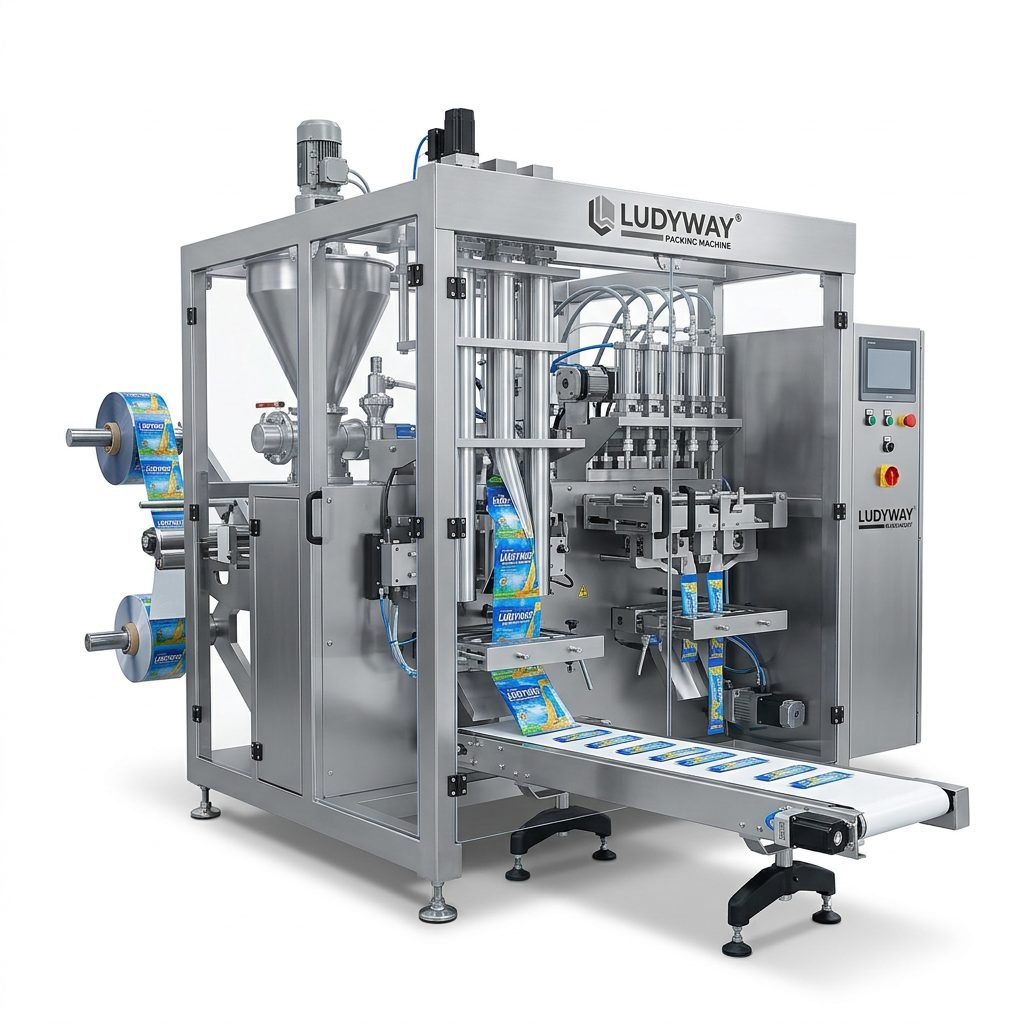
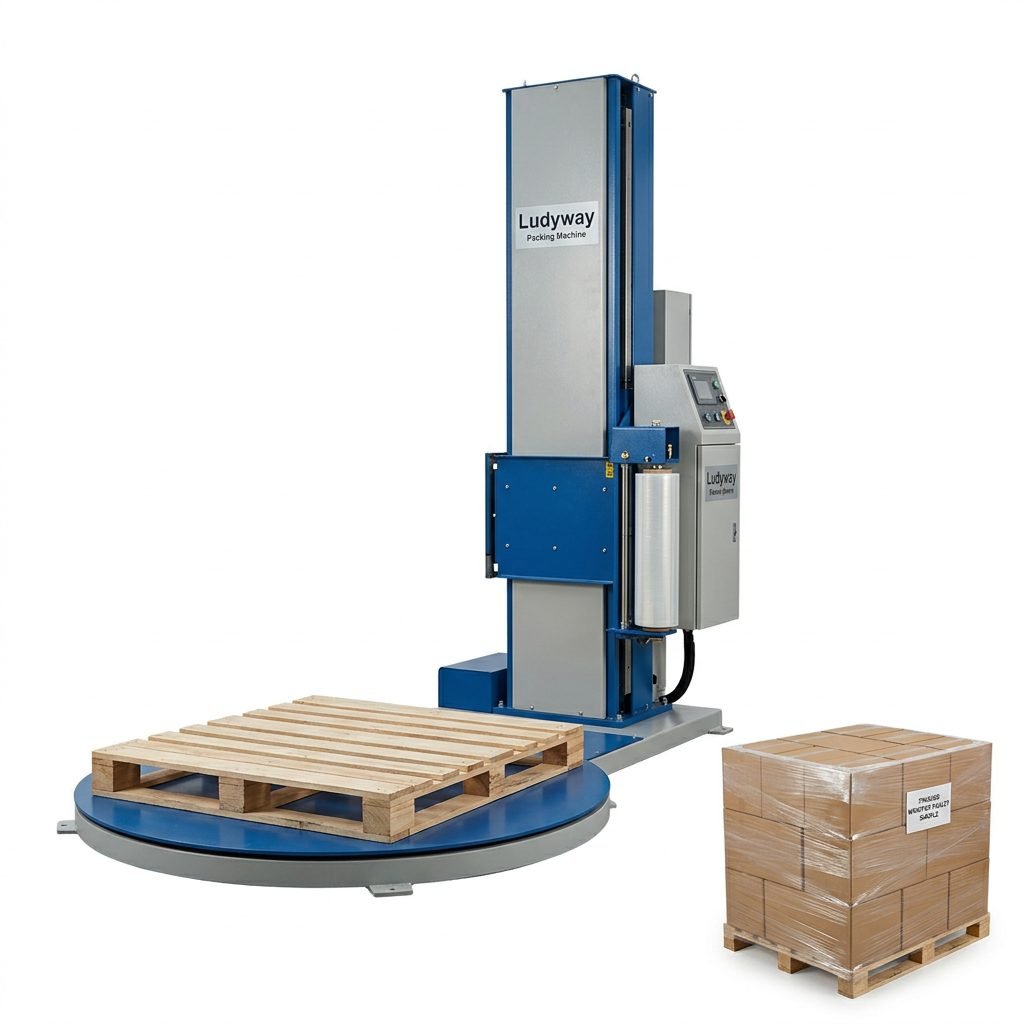
For example, Ludyway packaging machine solutions are backed by more than 30 years of manufacturing experience, a large production facility, and turnkey packaging line capabilities for global markets, which can be valuable for businesses planning to scale from standalone equipment to more integrated packaging automation.
Final Buying Checklist
- Define your daily packaging volume
- Confirm the products you need to protect
- Choose the right air packaging format
- Check film compatibility and consumable supply
- Compare output speed and seal consistency
- Evaluate operator friendliness
- Review maintenance and spare parts support
- Ask about warranty and after-sales service
- Consider future line integration needs
- Calculate total cost of ownership, not just purchase price
Conclusion
An air bubble packaging machine is a smart investment for businesses that want better shipping protection, faster fulfillment, and more efficient use of storage space. Understanding how it works, what benefits it offers, and which buying factors matter most can help you choose equipment that matches your current workflow and future growth plans.
Whether you run a small packing station or a large automated warehouse, the right machine can improve packaging consistency, reduce damage risk, and support a more scalable shipping operation.