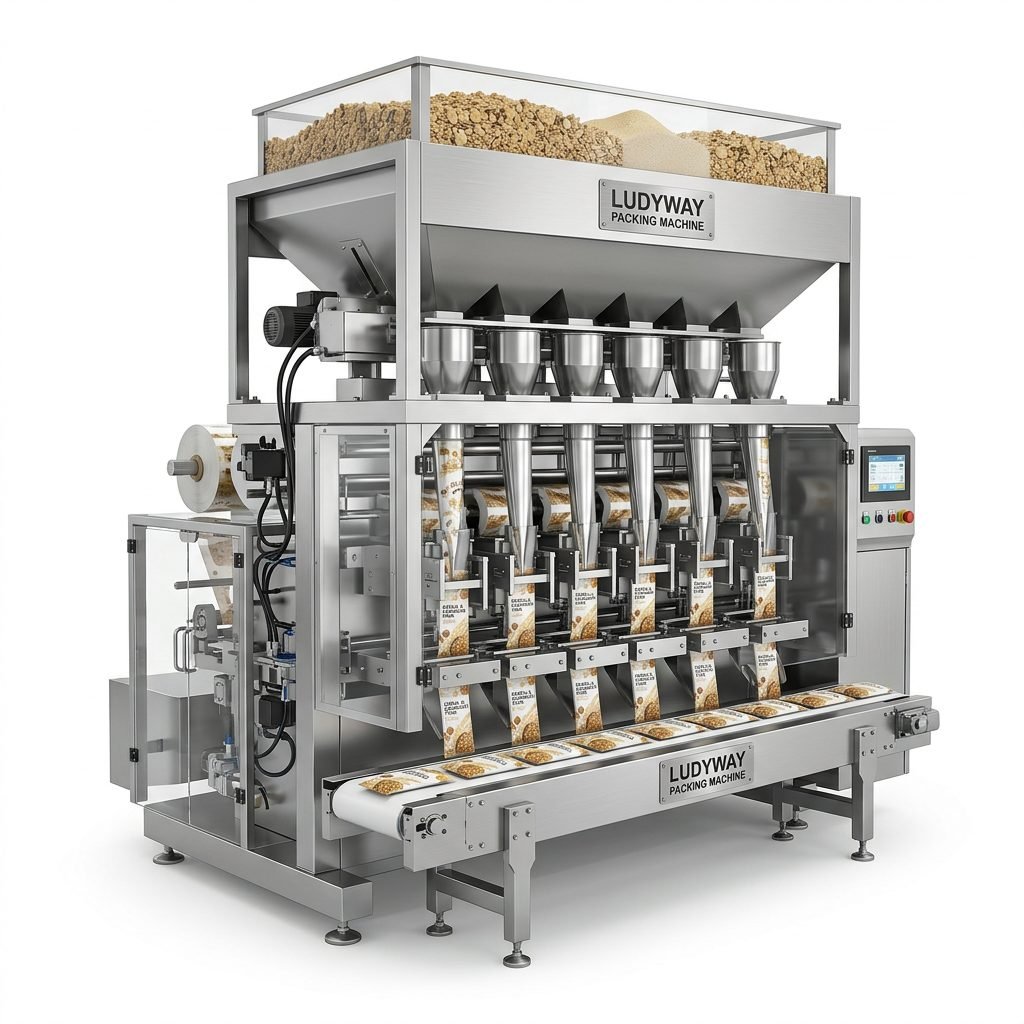
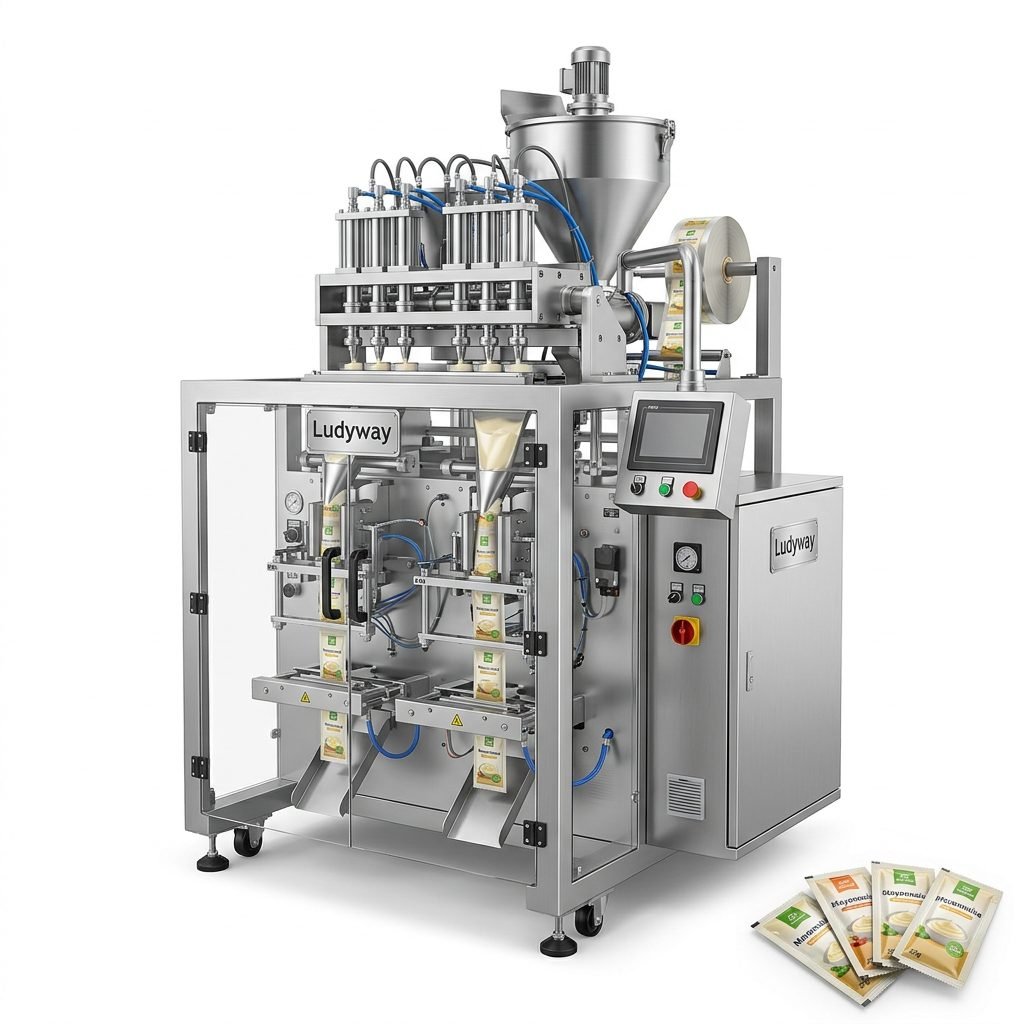
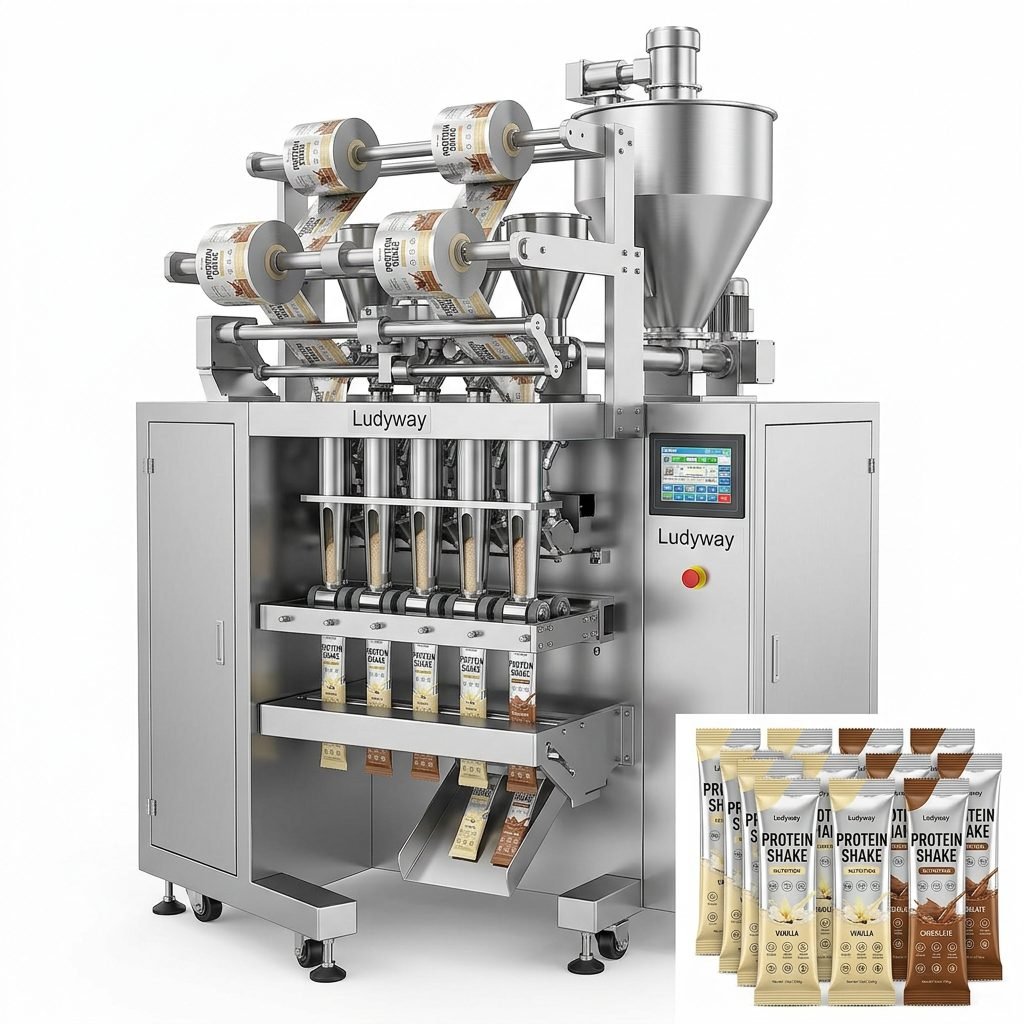
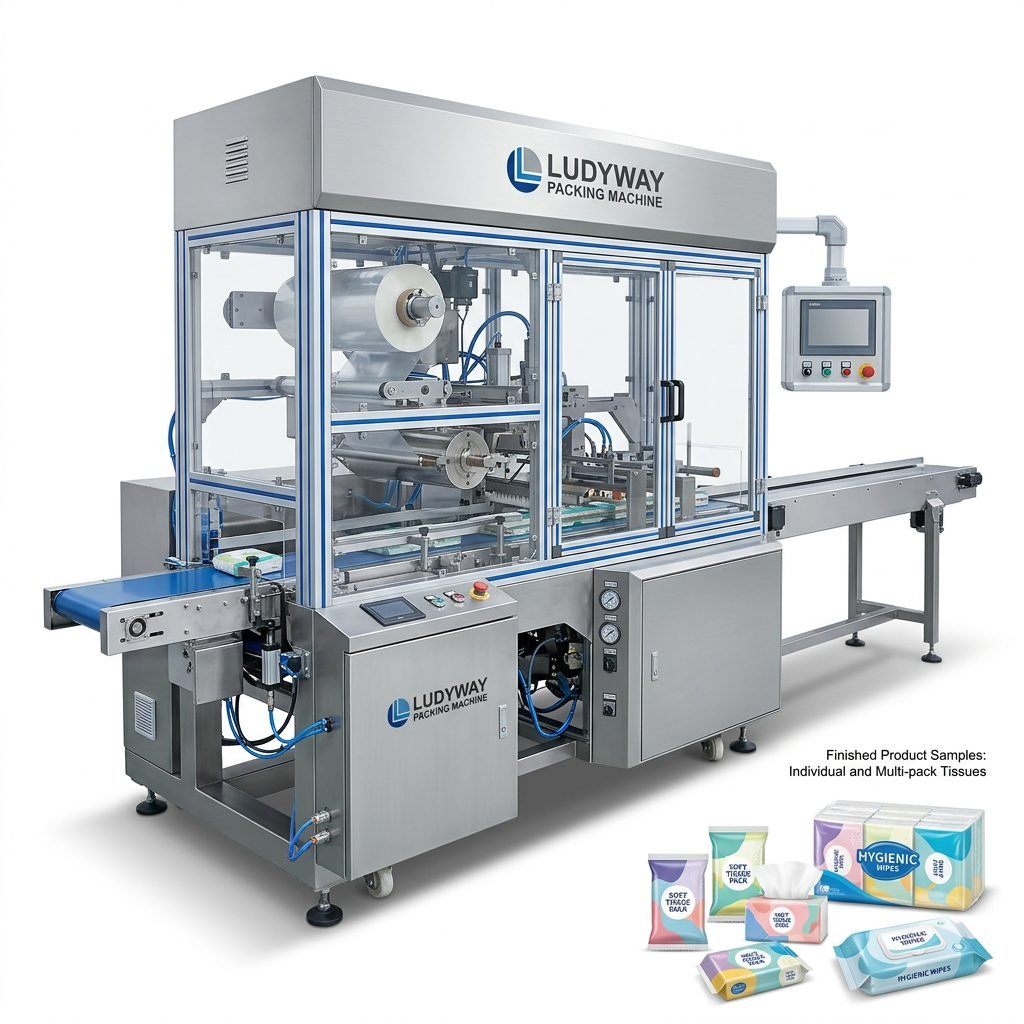
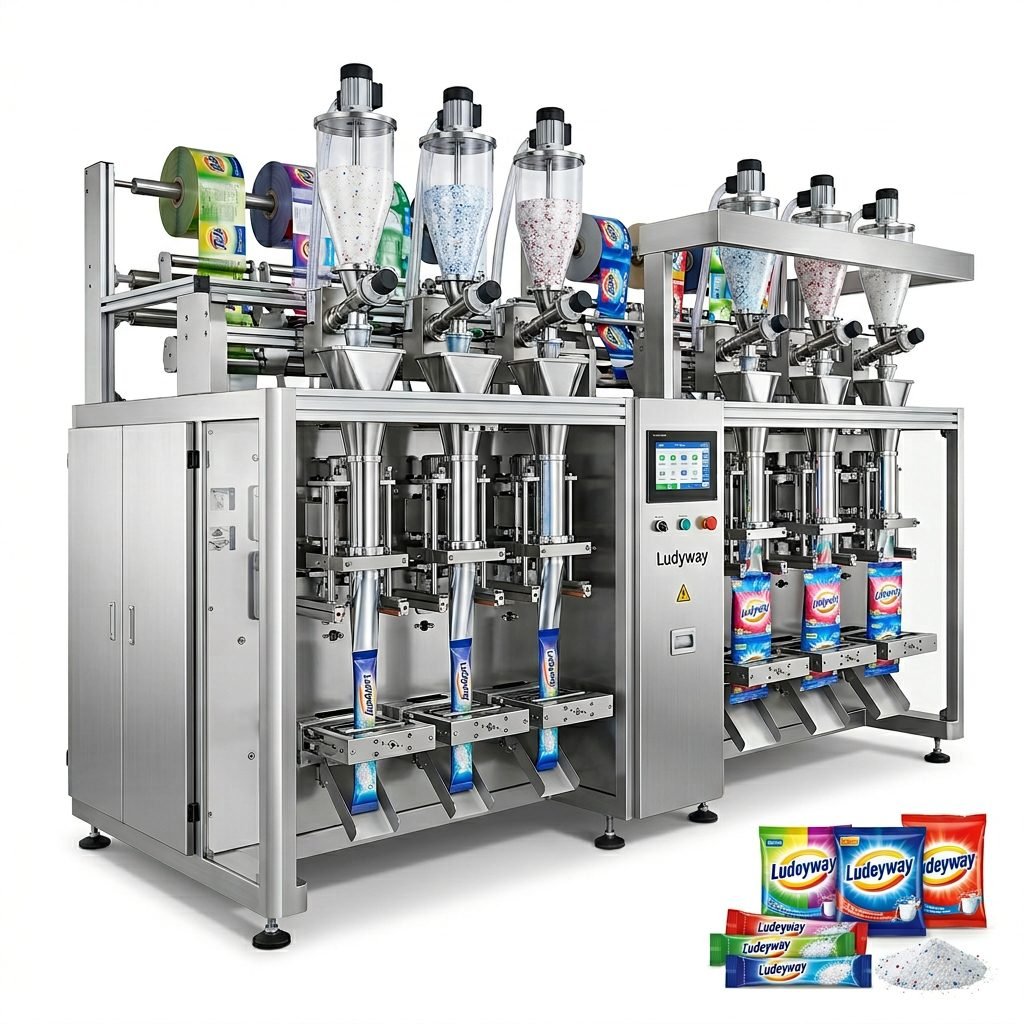
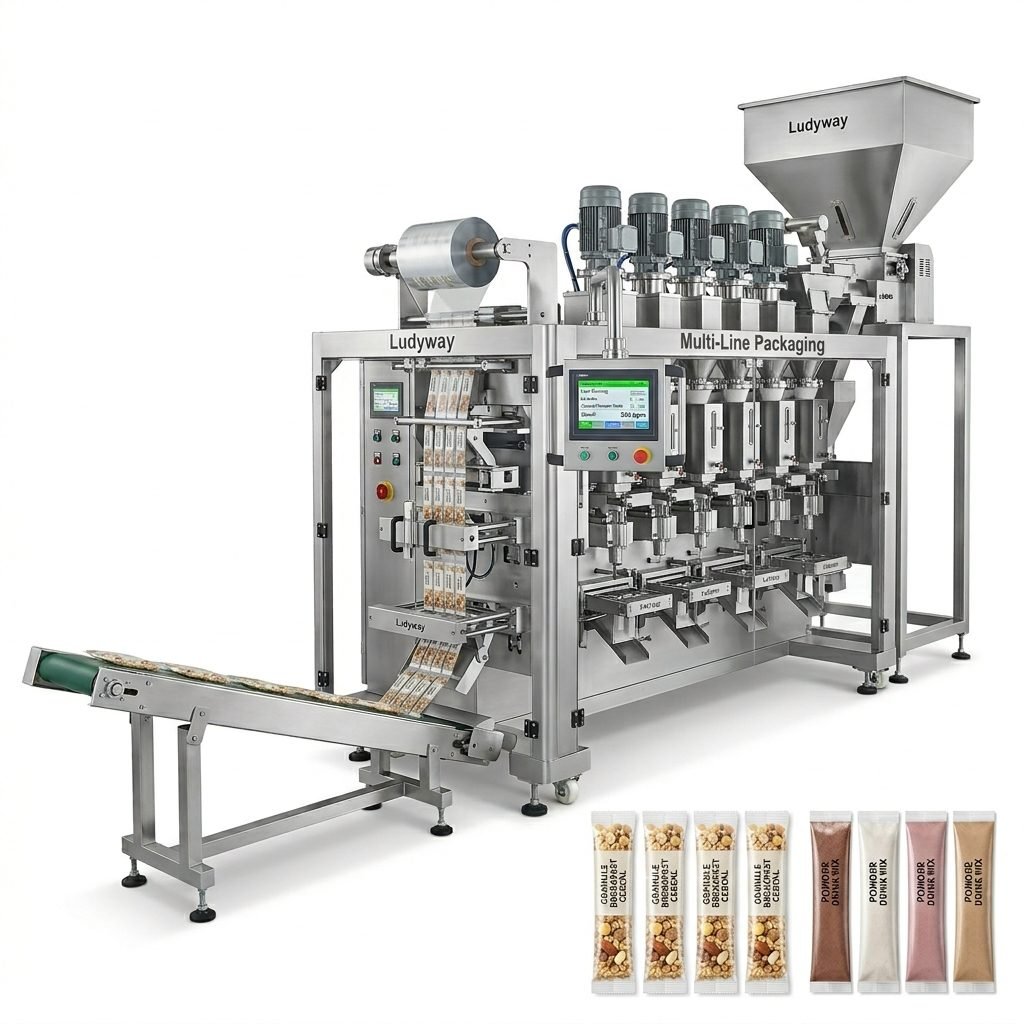
Proper maintenance of a cream packaging machine is essential for ensuring consistent product quality, maximizing equipment lifespan, and minimizing costly downtime. Whether you are packaging cosmetic creams, pharmaceutical ointments, or food-grade pastes, a well-structured cleaning and maintenance routine directly impacts your production efficiency and regulatory compliance.
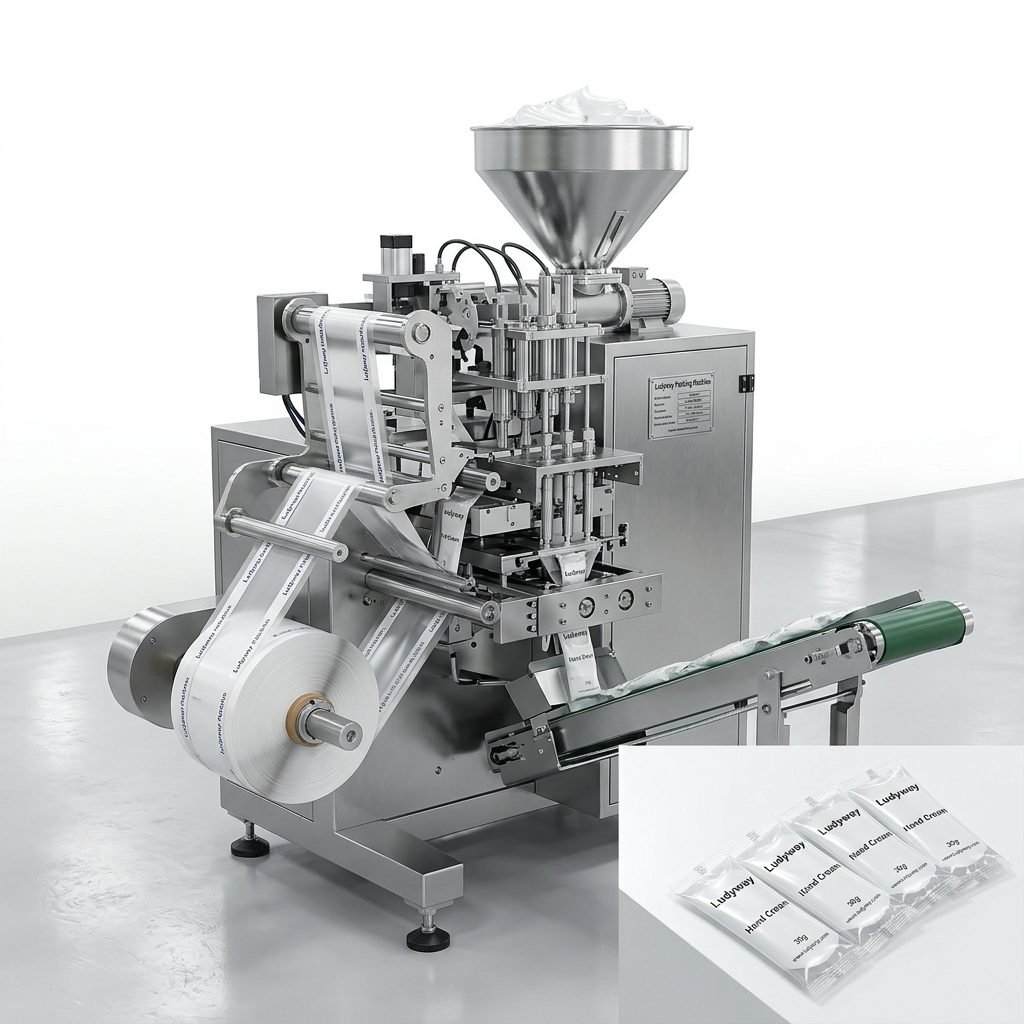
Why Regular Maintenance of Cream Packaging Equipment Matters
Cream and emulsion products present unique challenges for packaging machinery. Residue buildup, product contamination risks, and mechanical wear can all compromise both product integrity and machine performance. Implementing a consistent maintenance schedule helps you:
- Prevent cross-contamination between product batches
- Maintain filling accuracy and reduce product waste
- Extend the operational life of seals, nozzles, and dosing components
- Ensure compliance with FDA food packaging safety and cGMP guidelines
- Reduce unplanned downtime and emergency repair costs
Daily Cleaning Procedures for Cream Packaging Machines
Daily cleaning is the foundation of effective maintenance. At the end of each production run or shift, follow these steps to keep your equipment in optimal condition:
- Flush the product pathway with warm water or an approved cleaning solution to remove cream residues before they harden.
- Disassemble removable contact parts including filling nozzles, hoppers, and metering components for thorough manual cleaning.
- Inspect and wipe down all external surfaces, paying special attention to sealing jaws and forming tubes where product buildup commonly occurs.
- Check and clean sensors including photoelectric eyes and temperature probes to ensure accurate readings.
- Sanitize food-contact surfaces using industry-approved sanitizing agents suitable for cream and oil-based products.
Recommended Cleaning Agents by Cream Type
| Cream Product Type | Recommended Cleaning Agent | Cleaning Frequency |
|---|---|---|
| Cosmetic Face Creams | Mild alkaline detergent | After each batch |
| Pharmaceutical Ointments | USP-grade isopropyl alcohol 70% | After each batch / validated CIP cycle |
| Food-Grade Creams & Pastes | Hot water (60-80°C) + food-safe detergent | After each production run |
| Oil-Based Body Butters | Degreasing agent + warm rinse | Daily / end of shift |
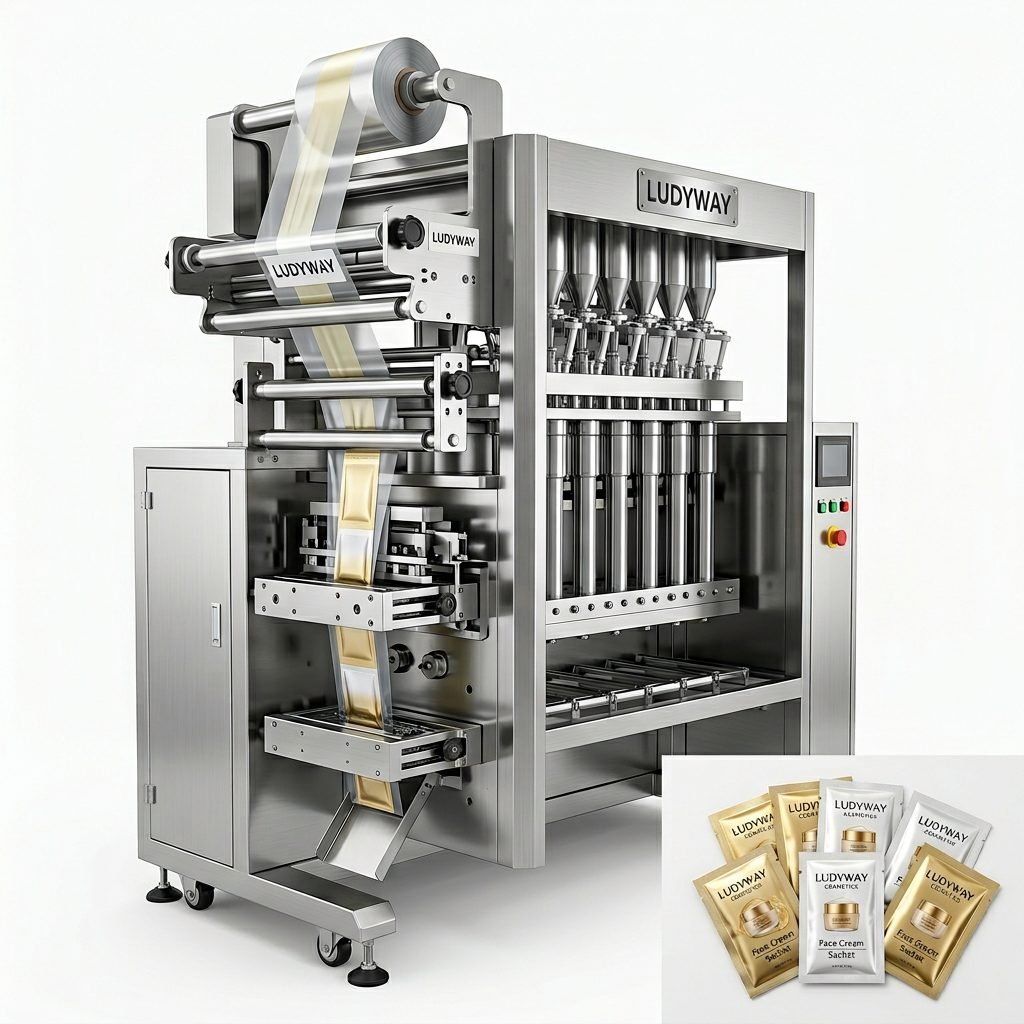
Weekly Preventive Maintenance Checklist
A weekly inspection goes beyond surface cleaning to identify early signs of wear and potential issues. Use the following checklist as part of your packaging machinery best practices routine:
- Inspect all gaskets and O-rings for swelling, cracking, or deterioration caused by cream ingredients and cleaning chemicals.
- Lubricate moving parts with food-grade or pharmaceutical-grade lubricants compatible with your product specifications.
- Verify temperature control systems if your cream product requires heated hoppers or filling nozzles to maintain proper viscosity.
- Check pneumatic systems for moisture buildup and proper pressure levels; drain air filters as needed.
- Examine sealing integrity by performing pull tests on sample pouches to detect any weakening in heat seal performance.
- Calibrate filling volumes to compensate for any drift in dosing accuracy over the production week.
Monthly Deep Maintenance and Component Inspection
Monthly maintenance should address the mechanical and electrical systems that support continuous operation. This deeper level of inspection helps prevent catastrophic component failure and ensures your cream packaging line meets ISO packaging validation standards.
Monthly Maintenance Tasks
- Replace worn forming films and verify film tracking alignment to prevent misaligned seals and product leakage.
- Inspect electrical connections for signs of overheating, corrosion, or loose terminals in control panels.
- Deep clean the product hopper including any agitator mechanisms or level sensors to remove accumulated residue.
- Test emergency stop circuits and safety interlocks to confirm proper machine guarding functionality.
- Evaluate servo motor performance and belt tension on all drive systems; replace worn belts or pulleys.
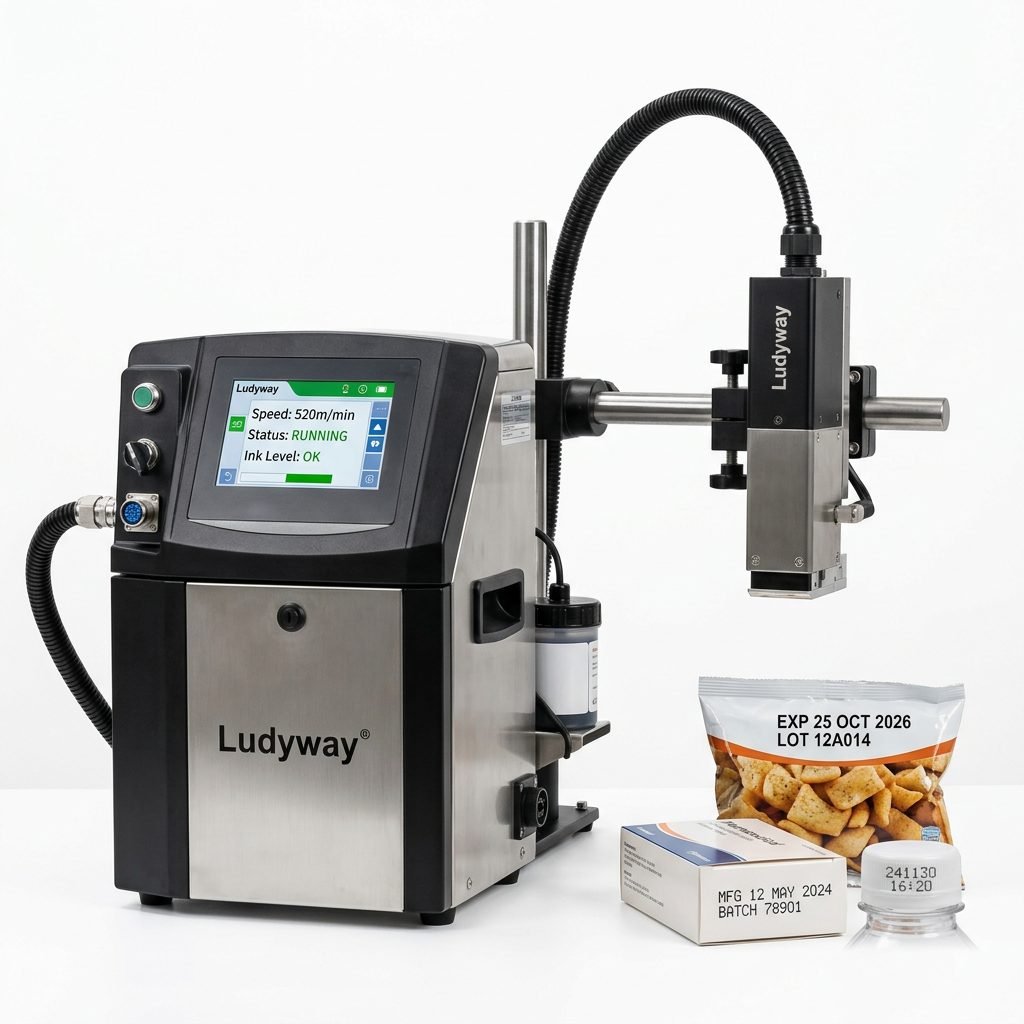
- Review date coding systems including inkjet or thermal transfer printers to ensure legible and accurate batch coding.
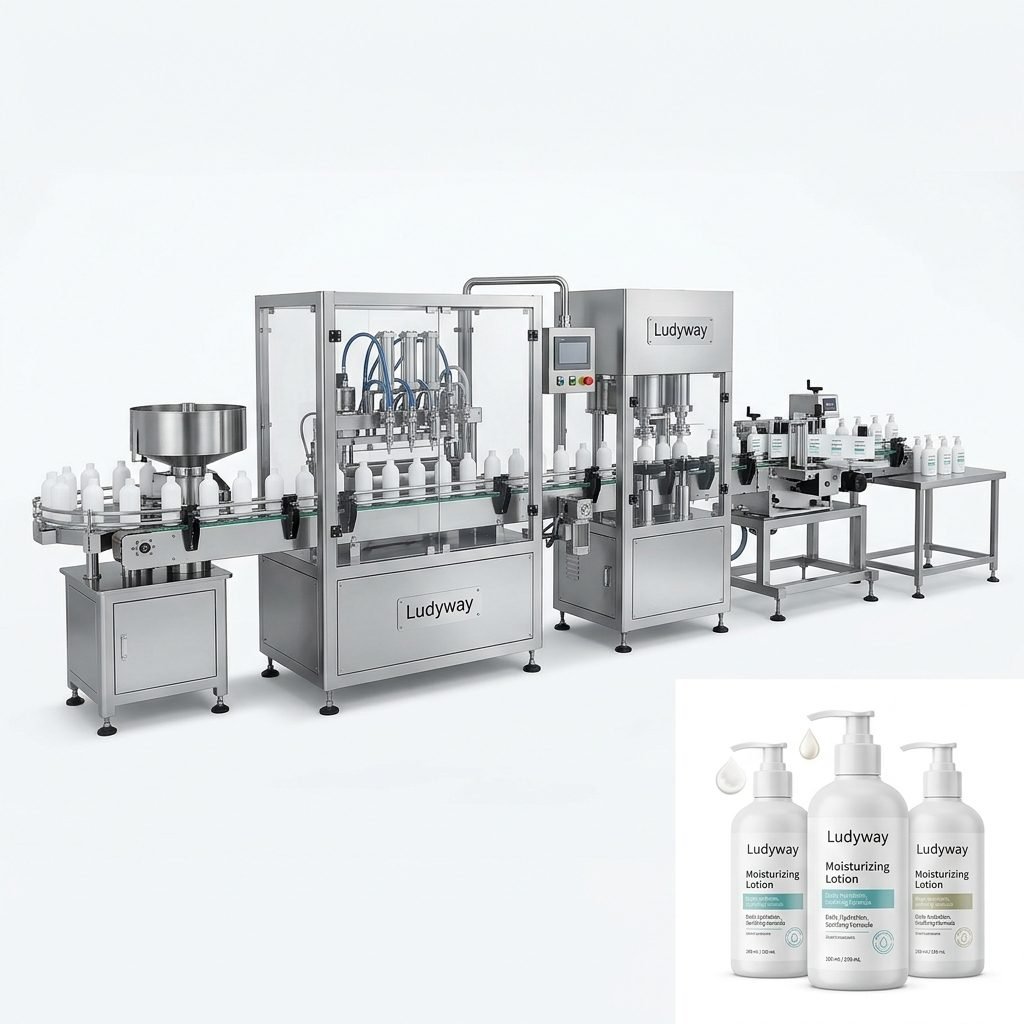
Quarterly and Annual Maintenance Planning
Long-term reliability depends on scheduled major service intervals. Quarterly and annual maintenance activities should include:
- Complete gearbox oil changes and bearing inspections on all rotary components.
- Replacement of all rubber and elastomeric parts including seals, diaphragms, and wiper rings throughout the product contact zones.
- Full calibration of weighing and dosing systems with certified test weights and volume verification.
- PLC and HMI software backups and firmware updates per manufacturer recommendations.
- Comprehensive machine alignment checks using precision measurement tools to maintain flexible packaging quality standards.
Common Cream Packaging Machine Issues and Solutions
| Problem | Likely Cause | Recommended Solution |
|---|---|---|
| Inconsistent fill volumes | Worn piston seals, air in product line, or viscosity changes | Replace seals, bleed product line, verify temperature control |
| Poor seal integrity | Incorrect temperature, contaminated sealing jaws, or worn film | Recalibrate temperature, clean jaws, check film specifications |
| Product leakage during filling | Damaged nozzle tips or misaligned pouch positioning | Replace nozzles, realign pouch grippers and guides |
| Excessive machine vibration | Unbalanced rotating parts or loose mounting bolts | Tighten all fasteners, inspect bearings, balance components |
| Cream drying on contact surfaces | Inadequate cleaning frequency or wrong cleaning agent | Increase cleaning frequency, switch to appropriate solvent |
Documentation and Record-Keeping Best Practices
Maintaining detailed maintenance logs is not just good practice — it is a regulatory requirement in pharmaceutical and food production environments. Your maintenance records should include:
- Date and time of each maintenance activity
- Specific components inspected, cleaned, or replaced
- Name and signature of the technician performing the work
- Any deviations or observations that require follow-up
- Calibration certificates and test results for verified equipment
Comprehensive records support traceability requirements and help identify recurring issues before they escalate into major problems. For businesses investing in advanced cream packaging solutions, manufacturers like Ludyway provide detailed maintenance manuals and technical documentation tailored to each machine model, ensuring operators have clear guidance for all service procedures.
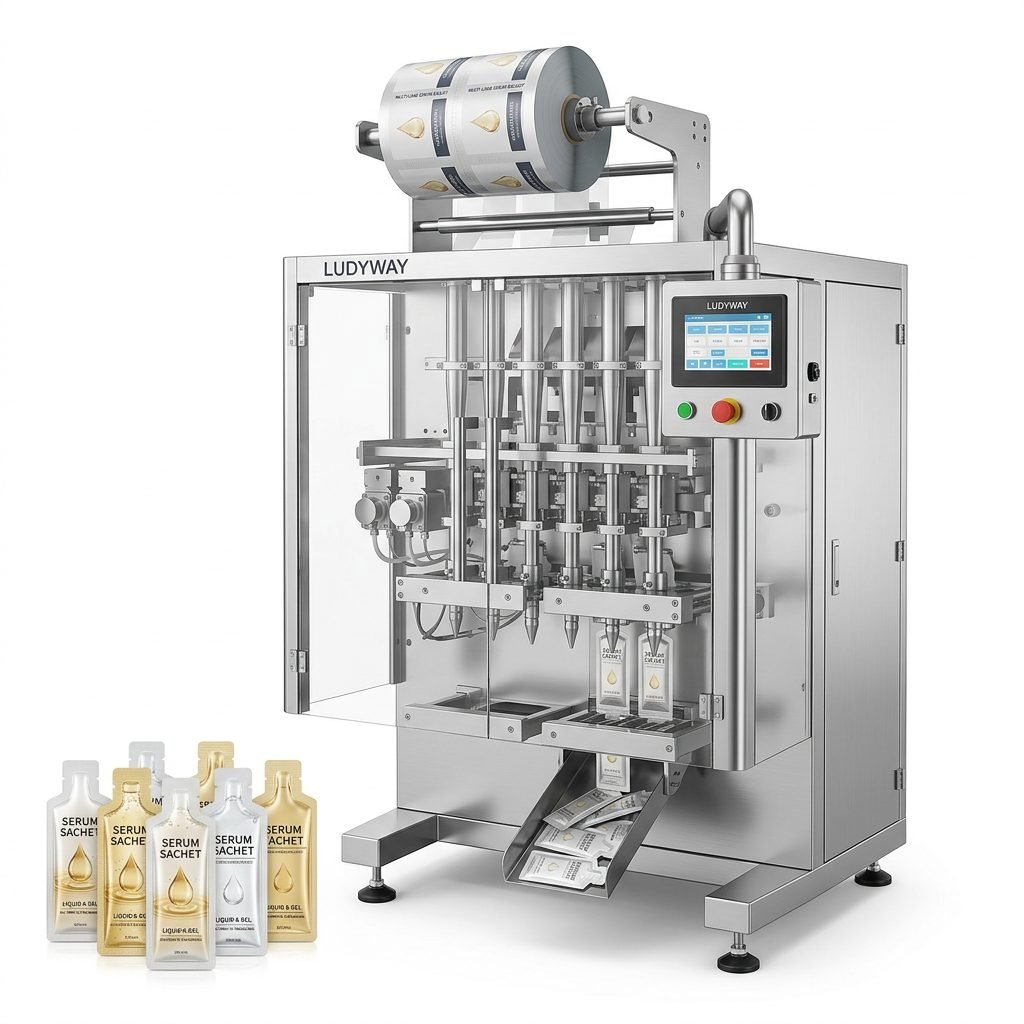
Operator Training and Safety Considerations
Even the best maintenance program can fail without properly trained operators. Ensure all personnel who operate or maintain cream packaging machinery receive comprehensive training covering:
- Lockout/tagout (LOTO) procedures before any maintenance intervention
- Proper handling and disposal of cleaning chemicals and product residues
- Recognition of abnormal machine sounds, vibrations, or visual indicators
- Correct reassembly techniques for product-contact components
- Emergency stop locations and response protocols
Regular refresher training and competency assessments help maintain a culture of safety and operational excellence throughout your production team.
Conclusion: A Proactive Approach to Cream Packaging Machine Care
A well-executed maintenance strategy protects your investment in packaging equipment while safeguarding product quality and consumer safety. By implementing daily cleaning routines, weekly inspections, and scheduled deep maintenance, you can significantly extend the service life of your cream packaging machinery and avoid the hidden costs of unplanned downtime. Remember that each cream formulation — whether a light lotion, thick ointment, or oil-rich balm — presents unique processing characteristics that should inform your specific maintenance approach.