Investing in a medication packaging machine is one of the most critical capital decisions a pharmaceutical or nutraceutical manufacturer can make. The right equipment directly impacts product integrity, patient safety, regulatory compliance, and production efficiency. However, with a wide variety of machine types, dosing technologies, and packaging formats available, the selection process can feel overwhelming. This comprehensive buyer’s guide walks you through every essential factor to help you make an informed decision.
1. Define Your Product Characteristics First
Before evaluating any machine specifications, you must have a complete understanding of the product you intend to package. Product characteristics are the single most important factor in determining the appropriate dosing and filling technology.
Key Product Properties to Evaluate
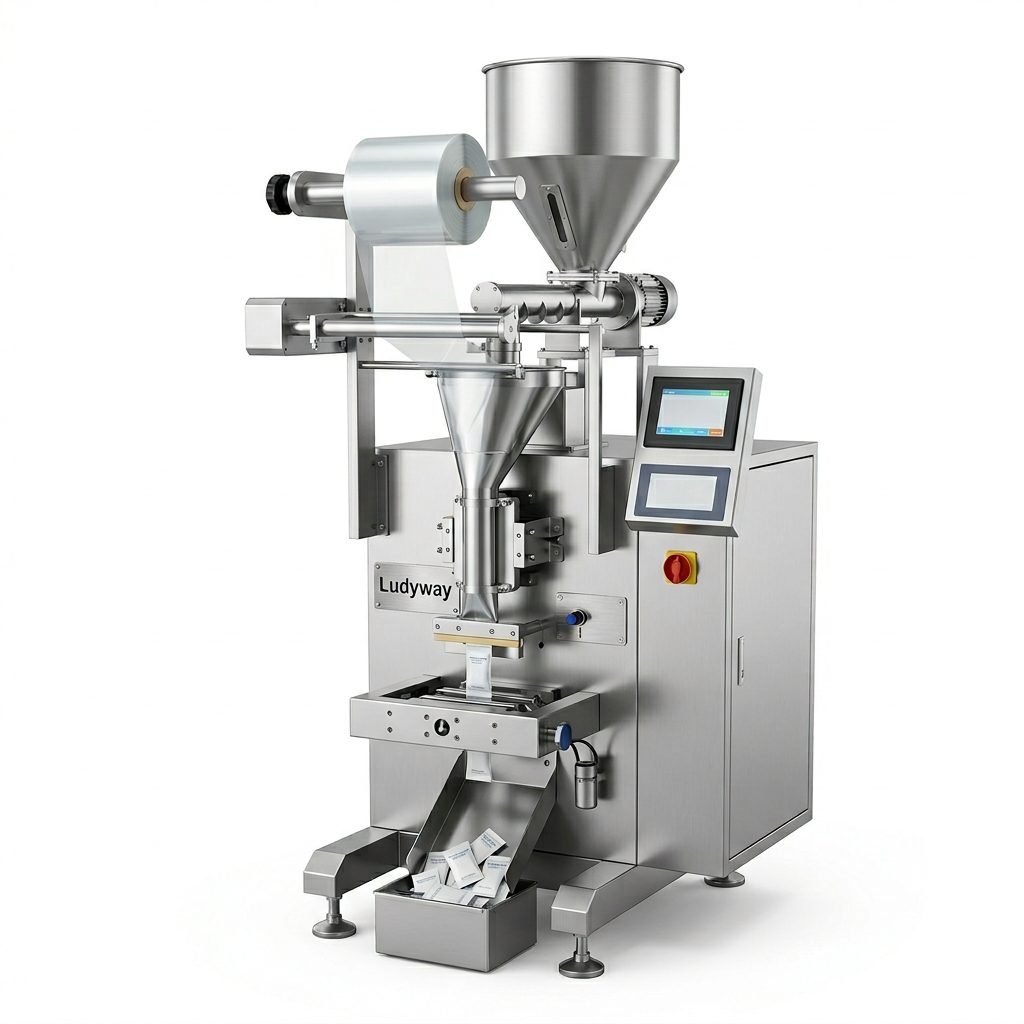
- Physical form: Is your product a free-flowing powder, cohesive powder, granule, tablet, capsule, or liquid? Each form requires a fundamentally different filling mechanism.
- Flow properties: Powders can be free-flowing, floodable, or cohesive. Poorly flowing products may require agitators, vibratory feeders, or auger fillers to ensure consistent dosing.
- Particle size distribution: Fine powders behave differently from coarse granules. Particle size affects dust generation, flow behavior, and sealing integrity.
- Bulk density: This determines the filling volume required per dose and influences the hopper and feeder design.
- Hygroscopicity: If your product absorbs moisture from the air, you may need environmental controls or desiccant integration in the packaging process.
- Sensitivity: Products sensitive to heat, oxygen, or light require appropriate barrier packaging materials and potentially modified atmosphere packaging (MAP) or nitrogen flushing capabilities.
2. Selecting the Right Packaging Format
Medication packaging comes in numerous formats, and your choice directly affects patient compliance, shelf stability, and production economics. Understanding the options is essential for matching your machine to your market requirements.
Common Pharmaceutical Packaging Formats
| Packaging Format | Best For | Key Considerations |
|---|---|---|
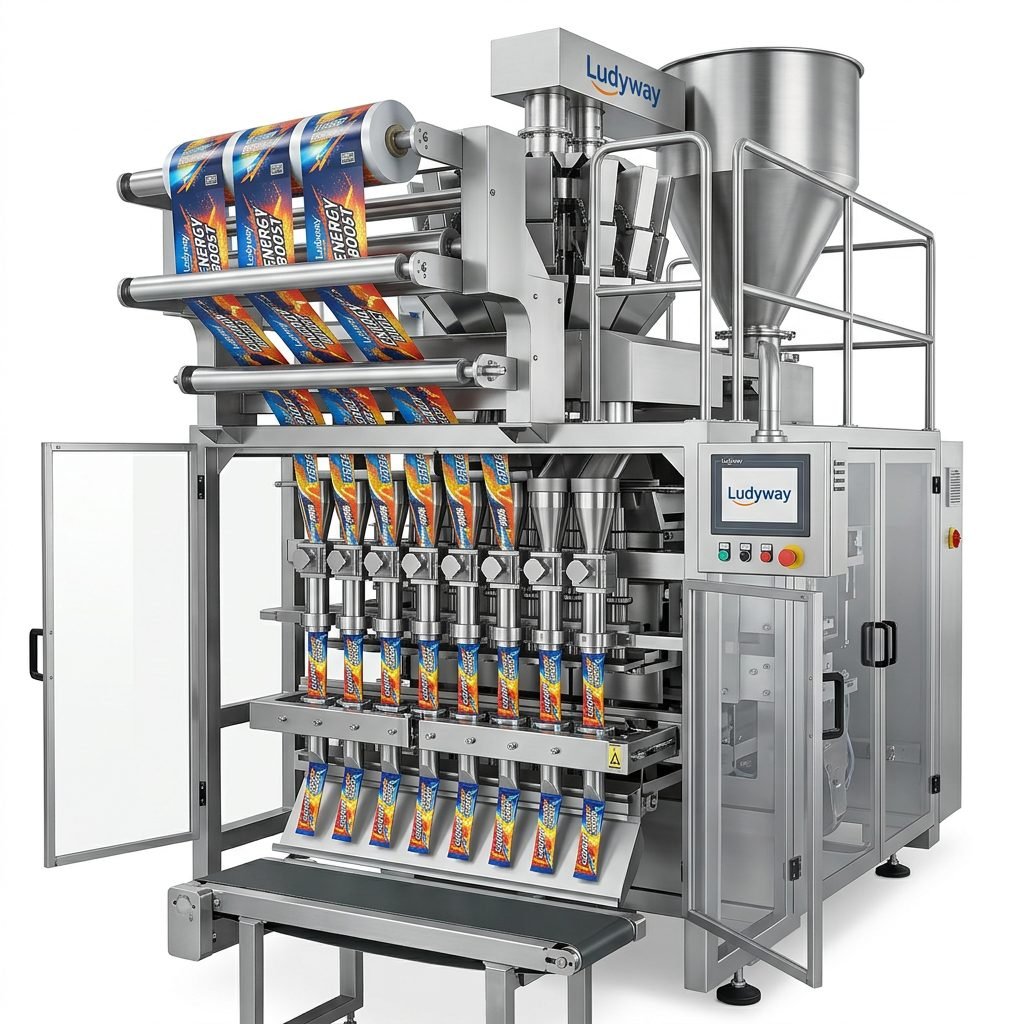
| Stick Packs | Single-dose powders, granules | Compact, portable, precise dosing; requires multi-lane technology for high output |
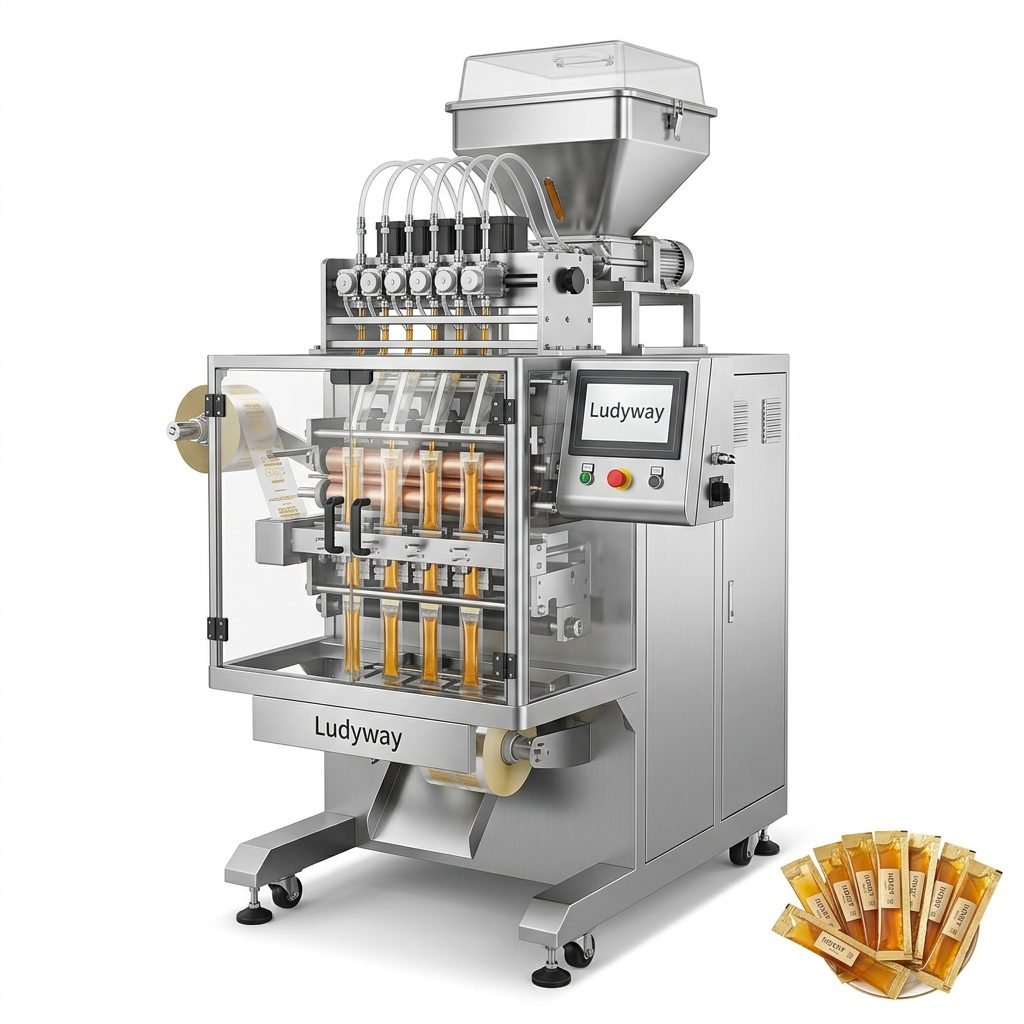
| Sachets | Powders, liquids, gels | Versatile format; excellent barrier properties; cost-effective for unit doses |
| Blister Packs | Tablets, capsules | Excellent protection; supports patient compliance tracking; higher material costs |
| Bottles & Vials | Liquids, bulk tablets | Familiar format; requires capping and labeling integration; good for larger quantities |
| Pouches | Bulk powders, medical devices | Flexible sizing; high barrier options available; suitable for sterile products |
| Prefilled Syringes | Injectable medications | Requires aseptic filling; highly specialized equipment; growing market segment |
Packaging Material Compatibility
Your chosen flexible packaging material must be compatible with both the product and the machine. Common pharmaceutical packaging materials include aluminum foil laminates, polyethylene, polypropylene, and multi-layer barrier films. Verify that the machine’s sealing temperature range, dwell time, and pressure settings are appropriate for your selected material. Material incompatibility can lead to seal failures, product contamination, and regulatory non-compliance.
3. Production Volume and Speed Requirements
Your target throughput is a decisive factor in machine selection. Underestimating required capacity leads to production bottlenecks; overestimating results in unnecessary capital expenditure.
Production Scale Assessment
- Laboratory / Pilot Scale: For R&D batches and clinical trial materials. Semi-automatic machines with lower speeds (10-40 packs per minute) are often sufficient and more cost-effective.
- Small to Medium Production: Suitable for generic manufacturers and regional brands. Look for machines delivering 40-120 packs per minute with moderate automation.
- High-Volume Commercial Production: For contract manufacturers and major pharmaceutical companies. Multi-lane systems can achieve 200-1,000+ packs per minute. These systems often integrate automated feeding, multi-head weighing, and downstream cartoning.
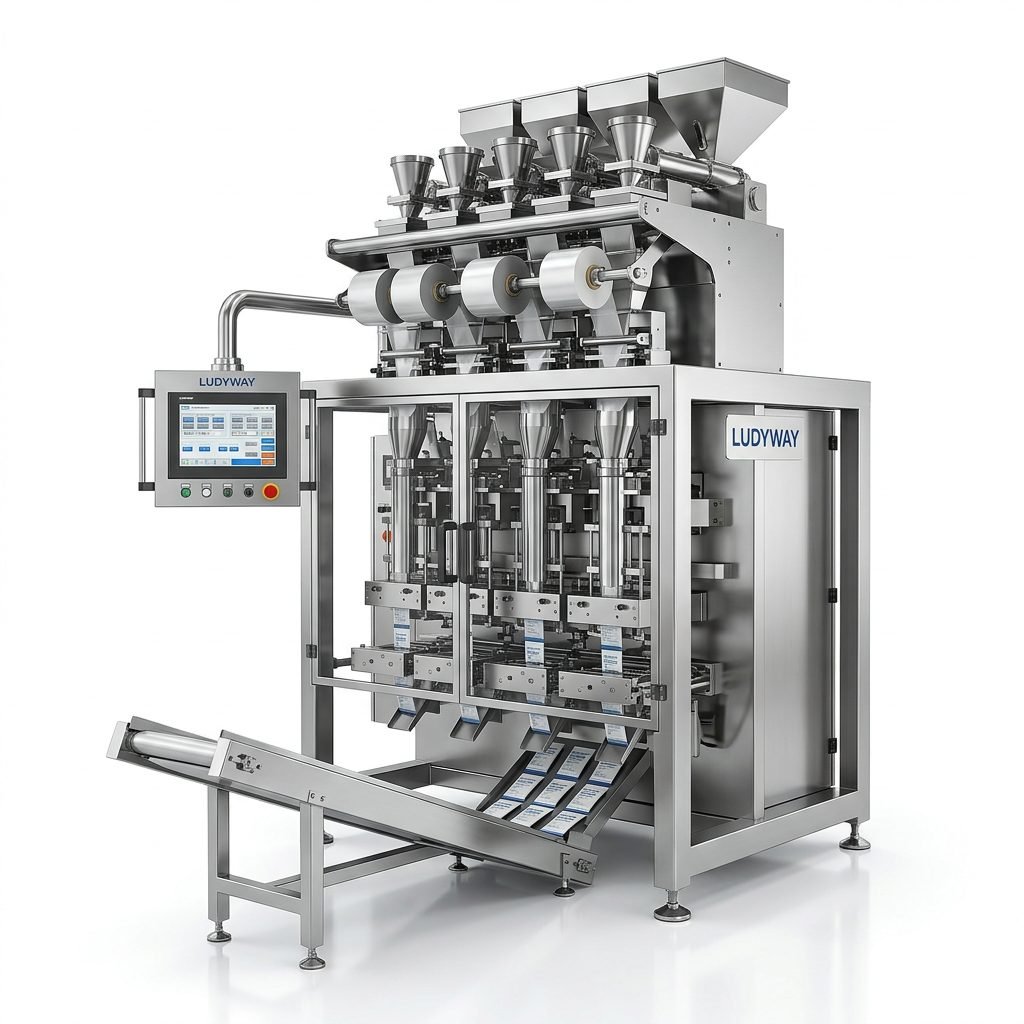
When evaluating speed, consider not just the rated maximum speed but also the sustainable operating speed under real production conditions. Factors such as changeover frequency, material variations, and operator skill all affect actual throughput. Always build in a 15-25% capacity buffer above your current peak requirements to accommodate future growth.
4. Dosing Accuracy and Fill Weight Control
In pharmaceutical packaging, dosing precision is non-negotiable. Regulatory bodies require strict adherence to labeled content claims, and inconsistent dosing can lead to serious patient safety issues and costly product recalls.
Common Dosing Technologies
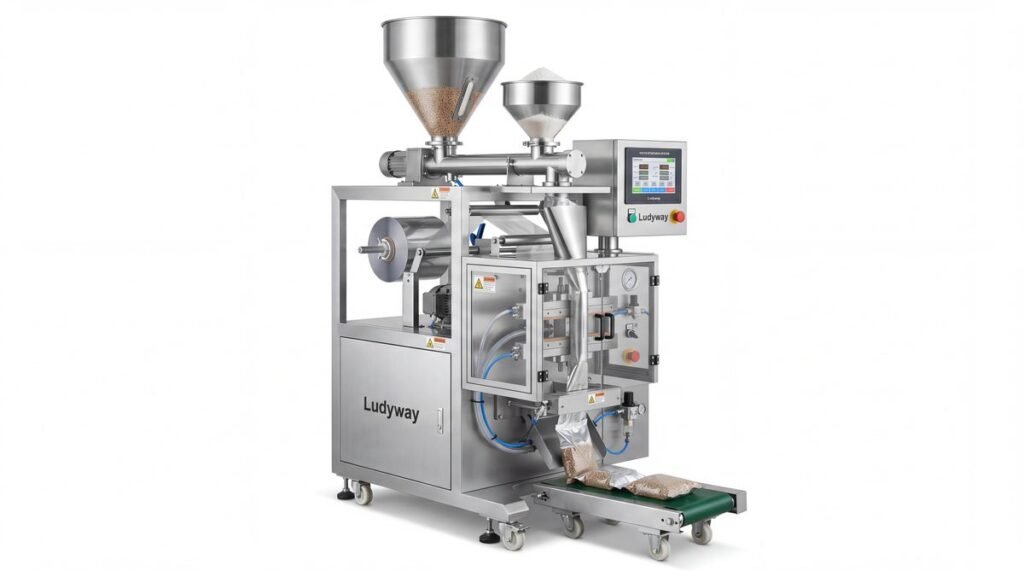
- Auger Fillers: Ideal for powders with varying flow characteristics. Servo-driven augers offer high precision and programmability. Accuracy typically ranges from ±0.5% to ±1.5% depending on product characteristics.
- Volumetric Cup Fillers: Cost-effective for free-flowing granules. Less precise than auger systems but suitable for products with consistent bulk density. Typical accuracy: ±1% to ±3%.
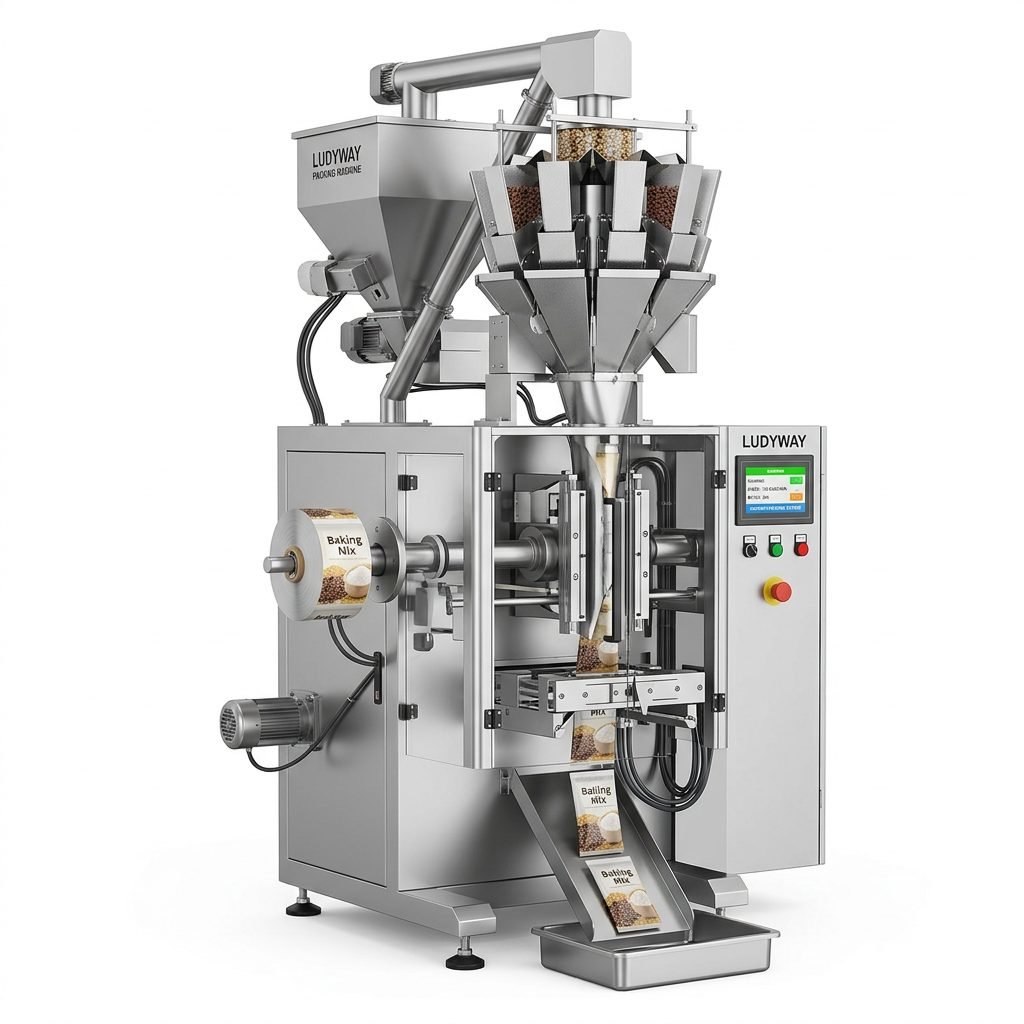
- Multi-Head Weighers: Provide gravimetric accuracy for granules and free-flowing powders. Achieve ±0.1% to ±0.5% accuracy at high speeds. Best for high-value products where precision directly impacts profitability.
- Piston Fillers: Designed for liquids, creams, and gels. Can be configured for sterile applications. Accuracy: ±0.5% to ±1%.
- Net Weigh Fillers: The product is weighed before filling, offering the highest gravimetric accuracy. Slower than other methods but essential for certain high-value APIs and controlled substances.
Regardless of the dosing technology, ensure the machine supports in-line checkweighing integration and automatic feedback adjustment. These features enable real-time fill weight monitoring and statistical process control (SPC), which are increasingly expected in FDA-regulated environments.
5. Regulatory Compliance and Validation Requirements
Pharmaceutical packaging equipment must comply with stringent regulatory frameworks. The specific requirements depend on your target markets, but most follow similar principles based on Good Manufacturing Practice (GMP) guidelines.
Critical Compliance Considerations
- 21 CFR Part 211 (FDA): Current Good Manufacturing Practice for Finished Pharmaceuticals. Equipment must be designed for cleanability, calibrated regularly, and validated for its intended use.
- 21 CFR Part 11: Electronic records and electronic signatures. If your machine includes data logging, batch recording, or electronic controls, the software must comply with Part 11 requirements for audit trails, user authentication, and data integrity.
- EU GMP Annex 11: The European equivalent for computerized systems in regulated environments.
- ISO 11607: Packaging for terminally sterilized medical devices. Essential if your product undergoes terminal sterilization after packaging.
- Validation Documentation: Your equipment supplier should provide comprehensive IQ/OQ/PQ (Installation Qualification, Operational Qualification, Performance Qualification) documentation packages.
When sourcing equipment, ask potential suppliers about their experience with pharmaceutical validation protocols and whether they can provide GAMP-compliant documentation. A supplier unfamiliar with pharmaceutical requirements may not anticipate the documentation and design features needed for successful regulatory inspections.
6. Automation and Integration Capabilities
Modern pharmaceutical packaging increasingly relies on integrated production lines rather than isolated machines. The level of automation you choose should align with your labor strategy, production volume, and quality objectives.
Automation Levels to Consider
- Manual Loading / Semi-Automatic: Operators manually place empty packaging and initiate cycles. Suitable for small batches, R&D, and clinical trial materials. Lower capital cost but higher labor dependency.
- Automatic with Manual Supervision: Machines run automatically but require operator oversight for material replenishment and quality checks. Common in mid-scale pharmaceutical production.
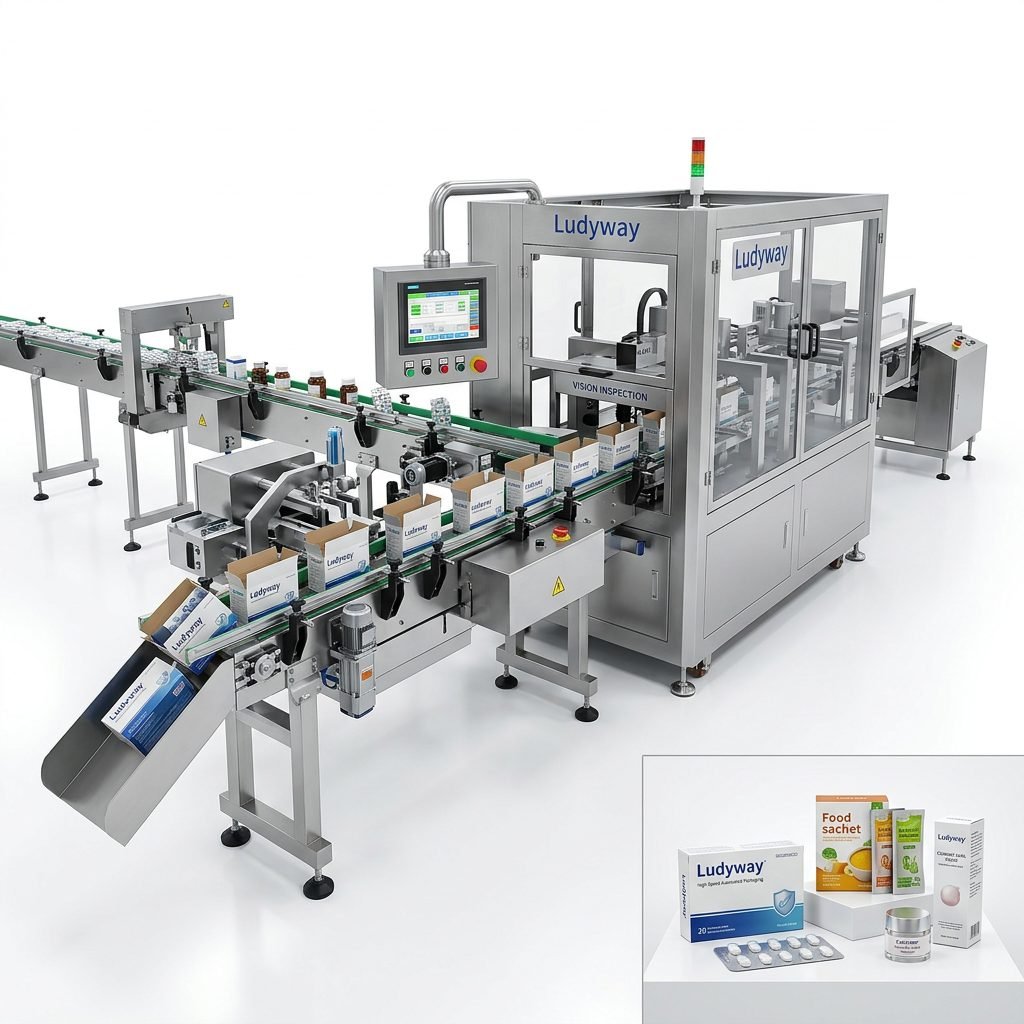
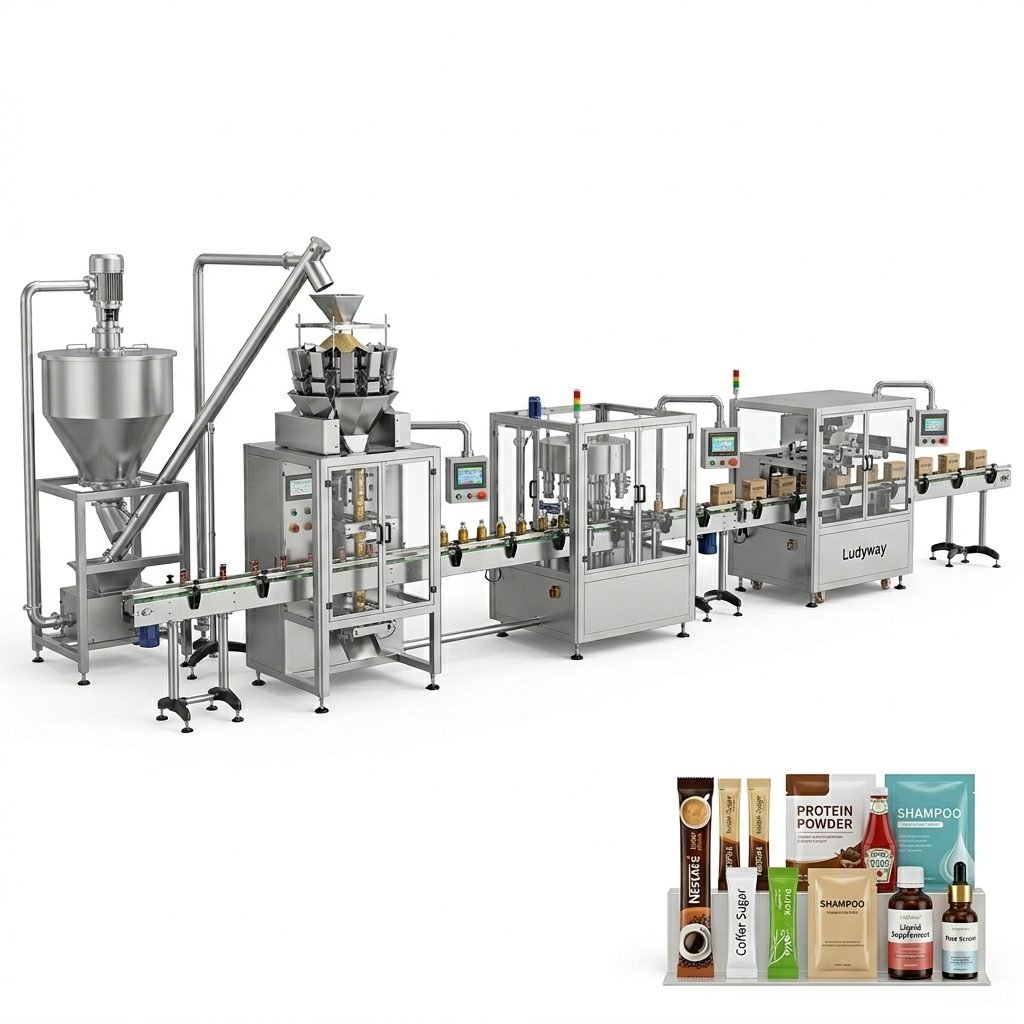
- Fully Automated Line: Integrated systems that handle product feeding, filling, sealing, coding, inspection, cartoning, and palletizing with minimal human intervention. Essential for high-volume production and environments requiring containment or aseptic processing.
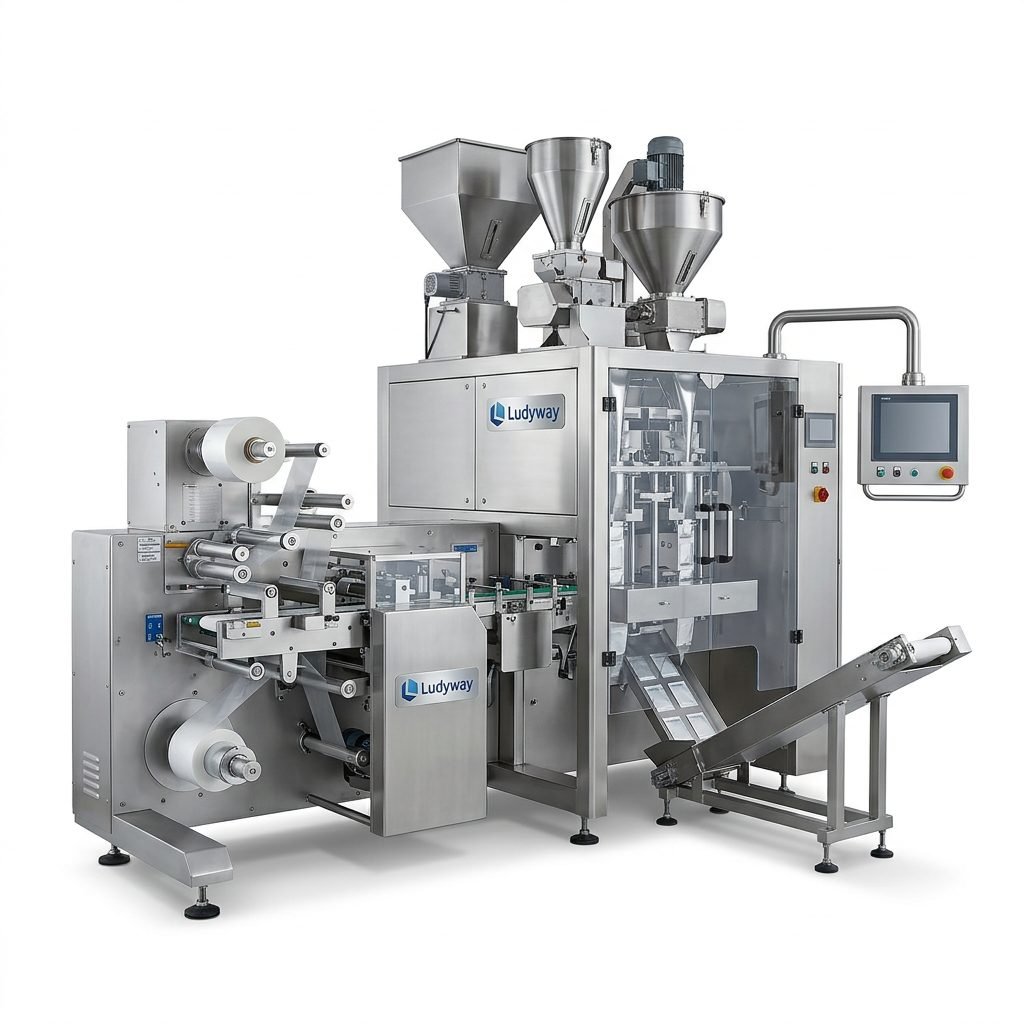
Consider upstream and downstream integration as well. Your packaging machine should be able to communicate with upstream processing equipment (such as granulators, blenders, or tablet presses) and downstream secondary packaging systems. Look for machines with standardized communication protocols and modular design that allows phased automation upgrades.
7. Cleanability and Changeover Efficiency
In pharmaceutical production, cross-contamination prevention is paramount. Machine design directly affects cleaning time, changeover complexity, and contamination risk.
Design Features That Matter
- Tool-free disassembly: Product contact parts should be easily removable without tools for thorough cleaning and sterilization.
- Sloped surfaces and minimal crevices: Sanitary design principles reduce product accumulation points and facilitate effective cleaning.
- Washdown compatibility: Depending on your cleaning protocols, the machine may need to withstand wet cleaning, foam cleaning, or CIP (Clean-in-Place) procedures.
- Rapid changeover: If you package multiple products or formats, changeover time directly affects overall equipment effectiveness (OEE). Look for machines with recipe-driven changeover systems, quick-release components, and minimal format parts.
- Containment options: For potent compounds, hormones, or cytotoxic drugs, the machine may need integrated containment systems with HEPA filtration and isolator technology.
8. Evaluating Total Cost of Ownership (TCO)
The purchase price is only one component of the true cost. A thorough TCO analysis helps avoid unpleasant surprises and ensures the investment delivers expected returns over the machine’s service life.
TCO Components to Calculate
| Cost Category | Typical % of TCO | Key Variables |
|---|---|---|
| Initial Equipment Cost | 25-35% | Machine configuration, customization, freight, installation |
| Consumables & Spare Parts | 15-25% | Sealing elements, cutting blades, filters, belts, format parts |
| Maintenance & Service | 10-20% | Preventive maintenance contracts, technician availability, remote support |
| Energy & Utilities | 5-10% | Electricity, compressed air, cooling water, nitrogen |
| Labor & Training | 10-15% | Operator manning levels, skill requirements, training frequency |
| Downtime & Efficiency Loss | 5-15% | Changeover time, unplanned stoppages, speed loss |
OEE (Overall Equipment Effectiveness) should be a key metric in your evaluation. Machines with higher OEE typically deliver lower TCO over their service life, even if the initial purchase price is higher. Ask potential suppliers for reference installations where you can verify real-world OEE data.
9. Supplier Selection and Partnership
Choosing the right equipment supplier is as important as choosing the right machine. The supplier relationship will impact everything from initial installation to long-term support throughout the machine’s lifecycle.
Key Supplier Evaluation Criteria
- Pharmaceutical industry experience: Does the supplier understand GMP, validation requirements, and regulatory expectations? General packaging machine manufacturers may lack this specialized knowledge.
- Engineering and customization capabilities: Pharmaceutical products often require custom modifications. Verify the supplier’s in-house engineering team can accommodate your specific requirements.
- Documentation quality: Request samples of IQ/OQ/PQ protocols, technical manuals, and maintenance documentation before committing. Poor documentation creates compliance risks.
- After-sales support: Evaluate spare parts availability, technical support responsiveness, field service network, and remote assistance capabilities.
- Reference checks: Speak with existing pharmaceutical customers about their experience with the supplier’s equipment reliability, support quality, and overall satisfaction.
- Financial stability: The supplier should be a long-term partner capable of supporting your equipment for 10-20 years. Review their financial health and market presence.
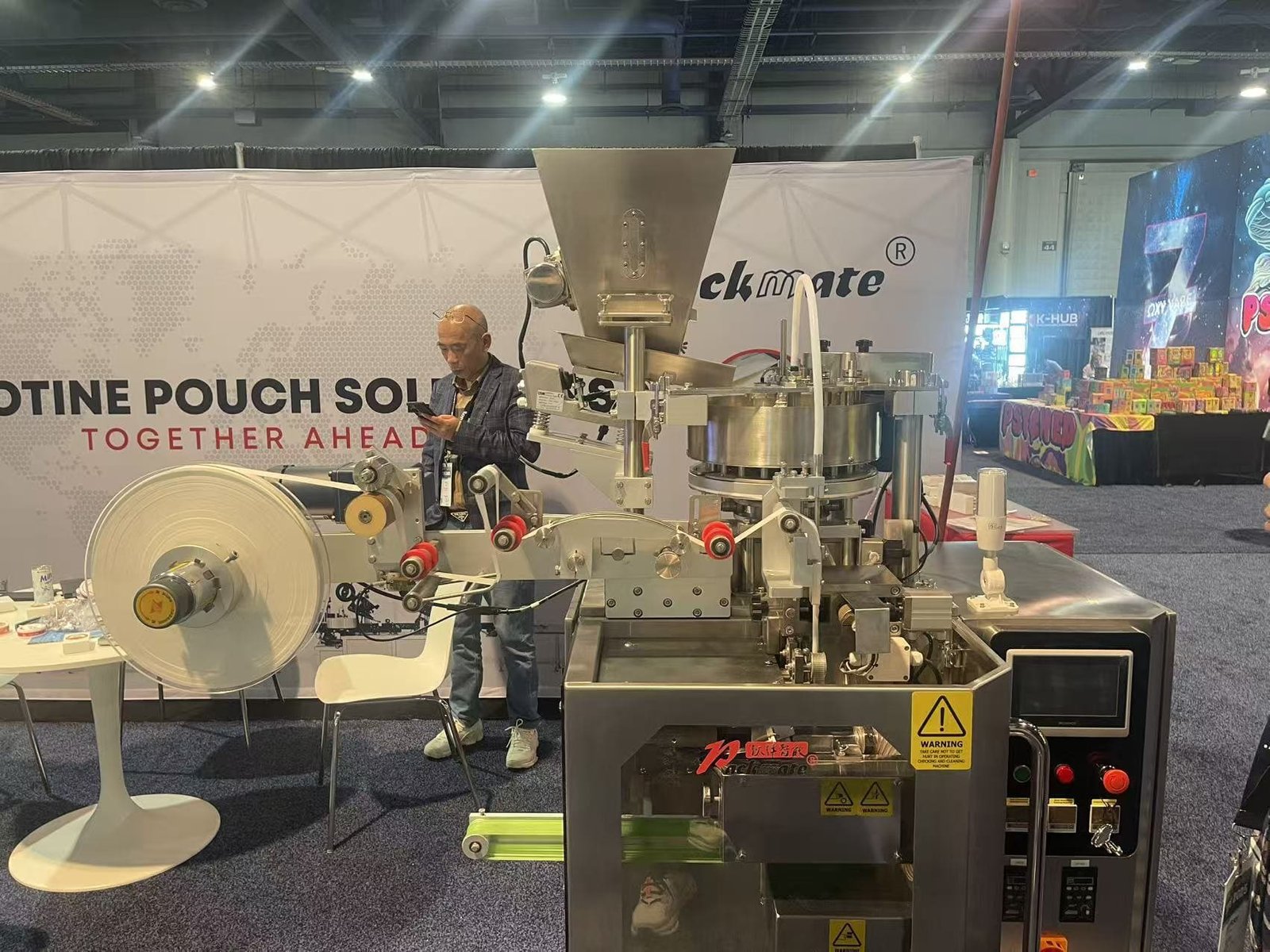
Industry events such as PACK EXPO International provide excellent opportunities to meet multiple suppliers, see equipment demonstrations, and compare offerings side by side. The PMMI (Association for Packaging and Processing Technologies) also offers valuable industry research and market intelligence to support your decision-making process.
10. Future-Proofing Your Investment
Pharmaceutical packaging technology continues to evolve. Your equipment investment should accommodate future needs, not just today’s requirements.
Forward-Looking Considerations
- Serialization and track-and-trace: Regulations like the Drug Supply Chain Security Act (DSCSA) in the U.S. and the EU Falsified Medicines Directive (FMD) require unique identification at the unit level. Ensure your machine can integrate with serialization and aggregation systems.
- Smart manufacturing: Industry 4.0 capabilities including IoT connectivity, predictive maintenance, and real-time production analytics are becoming standard expectations. Verify the machine’s control system architecture supports these capabilities.
- Sustainability: Regulatory pressure to reduce packaging waste and improve recyclability is increasing. Consider mono-material films, reduced packaging formats, and energy-efficient machine designs.
- Modularity: Machines with modular designs can be reconfigured or upgraded as your product portfolio evolves, protecting your initial investment.
- Scalability: If you anticipate production volume growth, choose a machine platform that can be scaled through lane additions, speed upgrades, or line integration rather than requiring complete replacement.
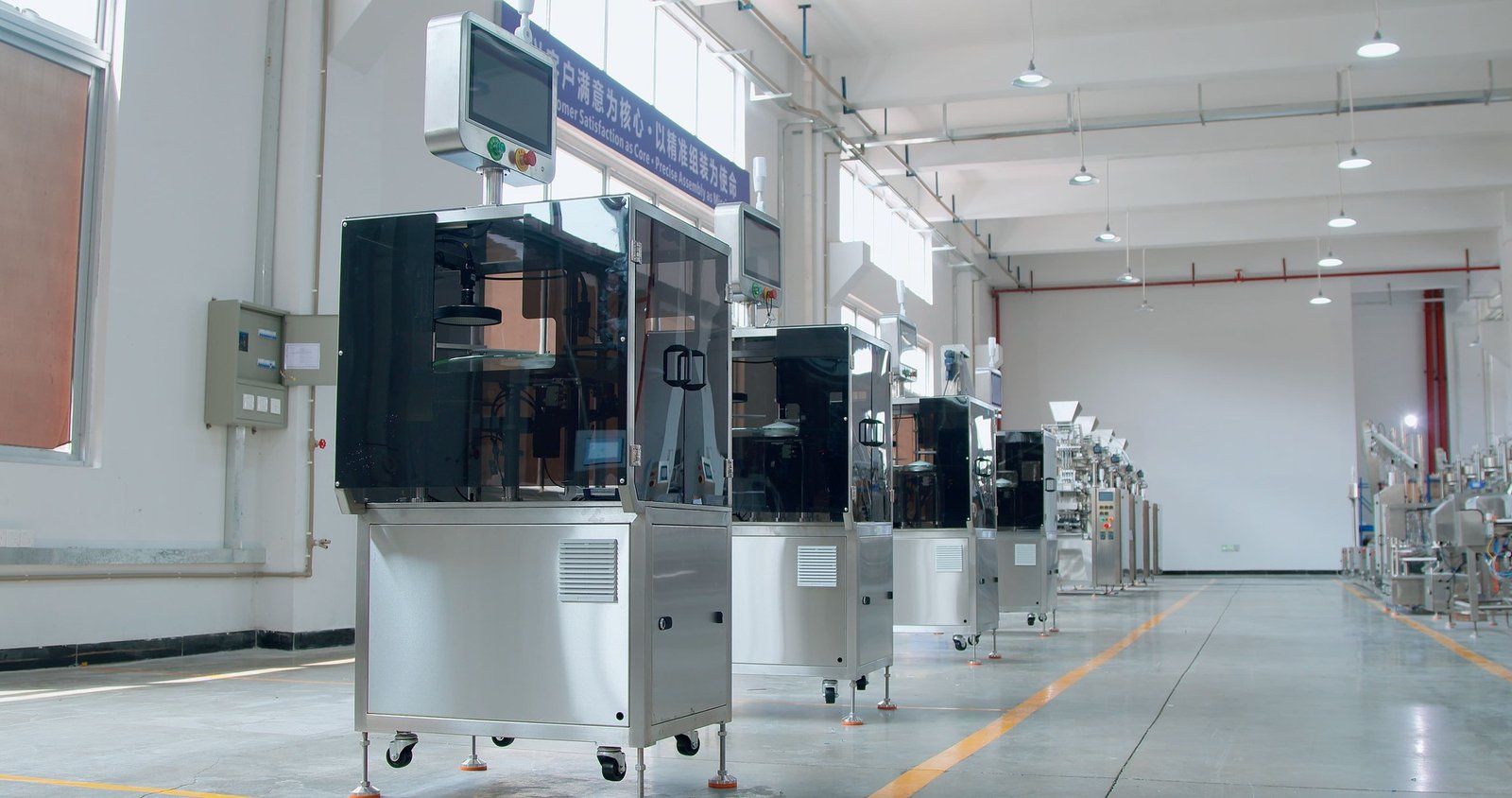
Making the Final Decision
Selecting the right medication packaging machine requires balancing technical requirements, regulatory obligations, commercial considerations, and strategic objectives. The decision should involve cross-functional input from engineering, quality assurance, production management, regulatory affairs, and procurement.
A structured evaluation process should include detailed product testing (FAT – Factory Acceptance Testing) with your actual product, thorough documentation review, reference site visits, and a comprehensive TCO comparison. Rushing this process or focusing solely on the purchase price frequently leads to higher long-term costs, compliance challenges, and production inefficiencies.
For manufacturers seeking a packaging machinery partner with deep pharmaceutical industry experience, companies like Ludyway Machinery offer comprehensive solutions spanning powder, granule, liquid, stick pack, and sachet packaging systems, supported by in-house engineering, customization capabilities, and global technical service across more than 100 countries.
By following this guide and methodically evaluating each factor against your specific requirements, you can confidently select medication packaging equipment that delivers reliable performance, regulatory compliance, and strong return on investment for years to come. For further technical guidance, consult the packaging industry resources available through PMMI and the ISO packaging standards relevant to pharmaceutical applications.