Understanding the Southeast Asian Snack Food Market
The snack food industry in Southeast Asia (SEA) is experiencing a significant boom, driven by rapid urbanization, rising disposable incomes, and a predominantly young demographic. Markets in Indonesia, Thailand, Vietnam, and the Philippines are showing insatiable demand for convenient, on-the-go snack products ranging from traditional extruded snacks to modern health-conscious granolas. For manufacturers looking to capitalize on this growth, selecting the right snack food packaging machine is not just about wrapping products—it’s about ensuring product freshness, maximizing shelf appeal, and achieving the production efficiency required to compete in a fast-paced market.
Key Market Trends for 2025
The modern SEA consumer is gravitating towards smaller portion sizes, resealable pouches, and sustainable materials. Single-serve stick packs and sachets dominate the market because they offer affordability and portion control. As a result, flexible packaging machinery has become the backbone of the regional snack industry. Whether you are packaging banana chips in the Philippines or shrimp crackers in Indonesia, the equipment must handle diverse product types—from granules and powders to delicate, irregularly shaped solids—without causing product breakage.
Types of Snack Food Packaging Machines
Choosing the right configuration depends heavily on your product characteristics and target retail format. Here are the primary machine types dominating the SEA snack sector:
Vertical Form Fill Seal (VFFS) Machines
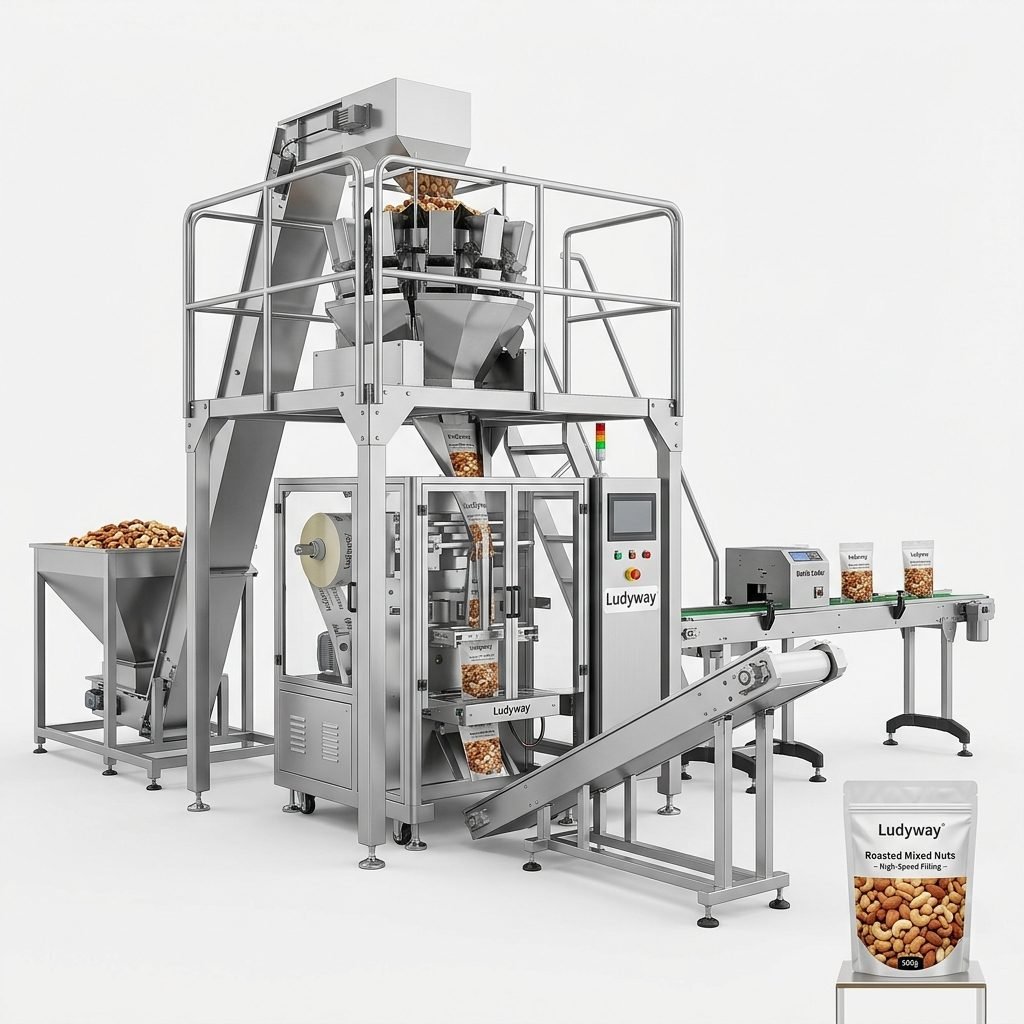
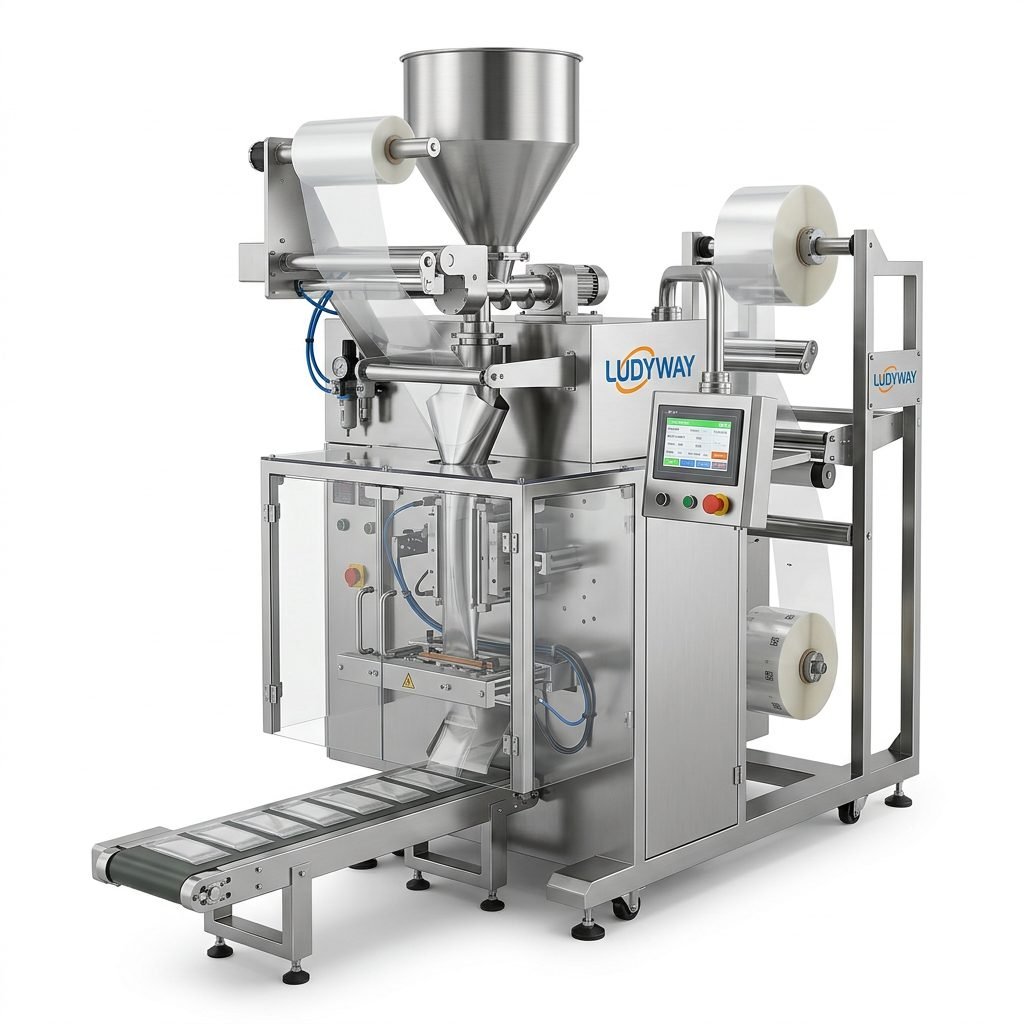
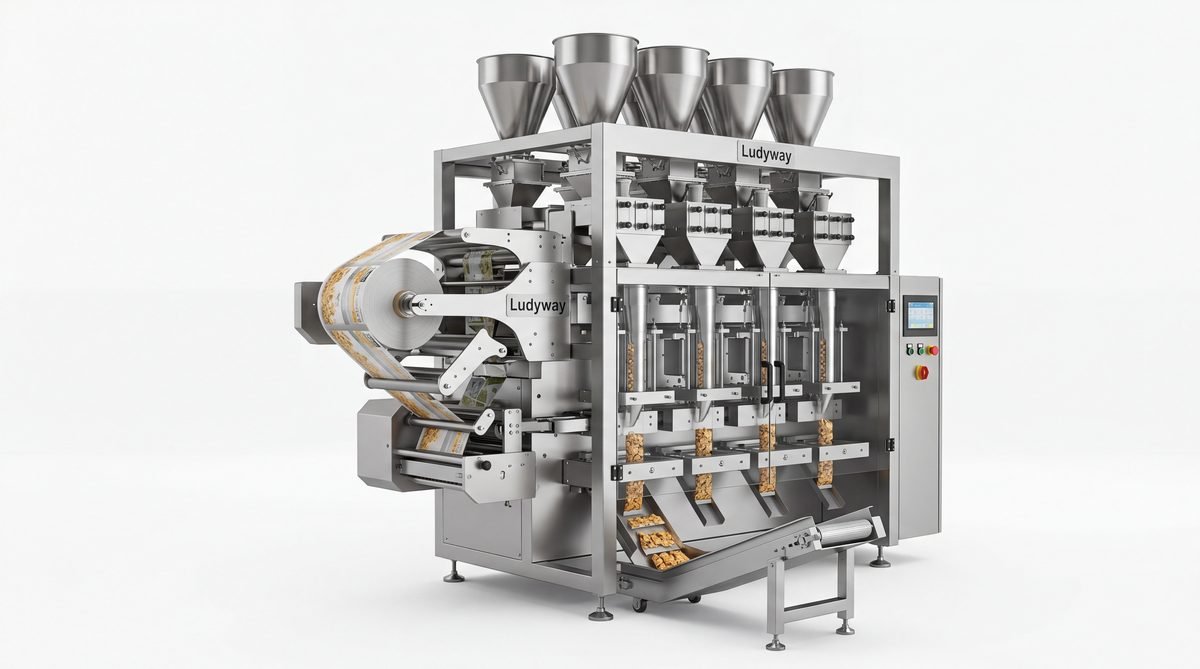
VFFS machines are the industry standard for bagged snacks. They form a bag from a flat roll of film, fill it with product, and seal it vertically. These are ideal for chips, puffs, and nuts. Modern VFFS systems feature servo-driven controls for precise bag length and sealing temperature, critical for maintaining the integrity of delicate snack films.
Multi-Lane Stick Pack & Sachet Machines
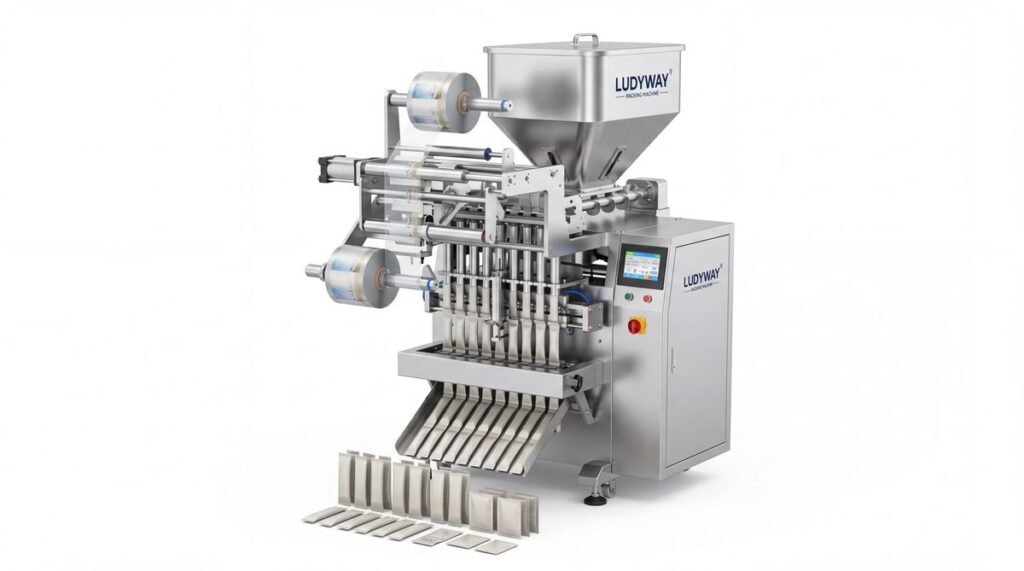
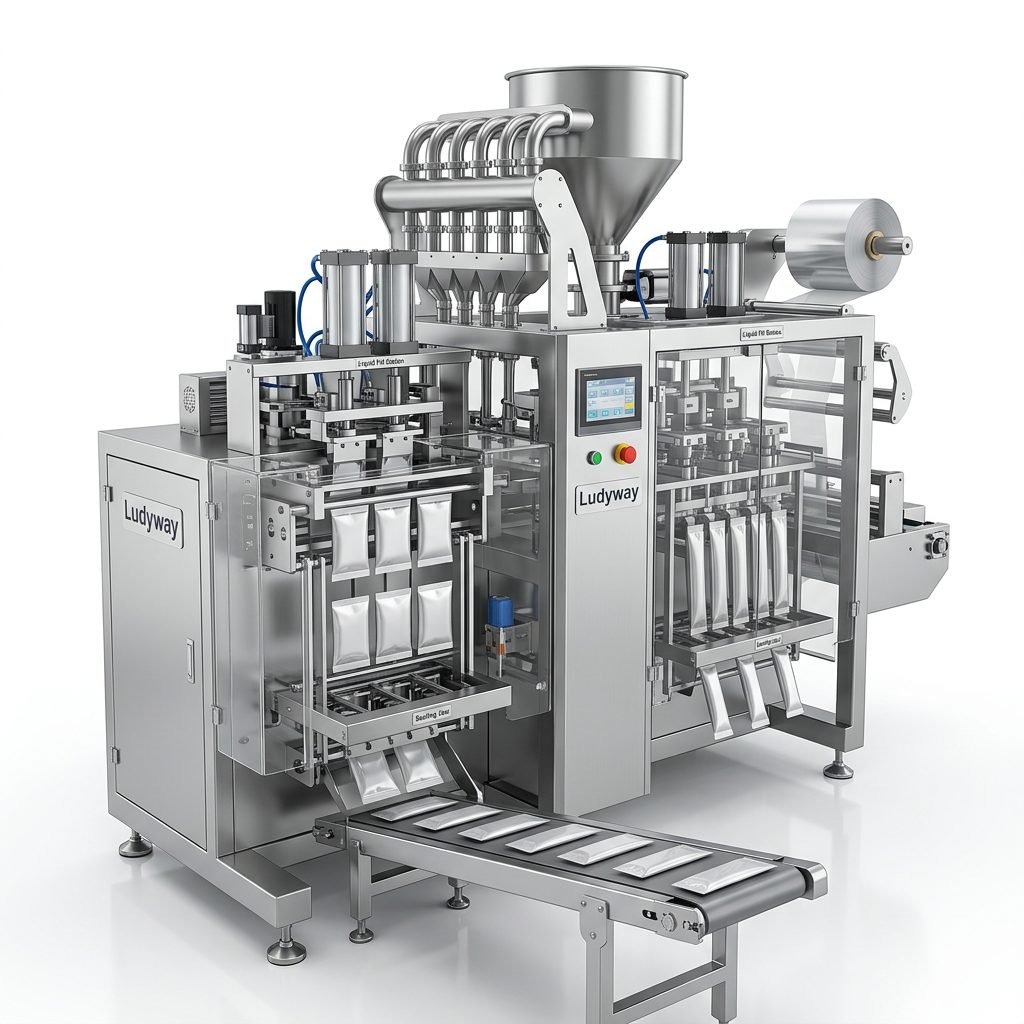
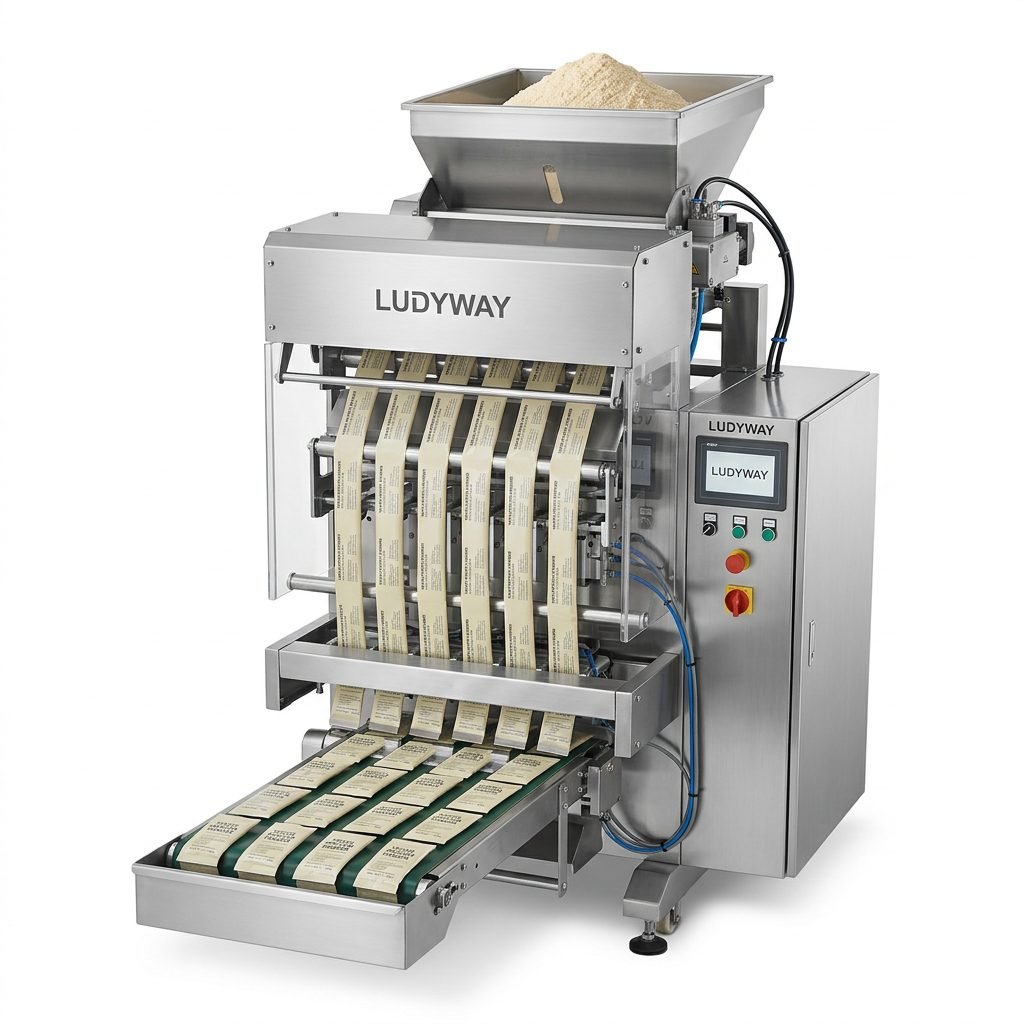
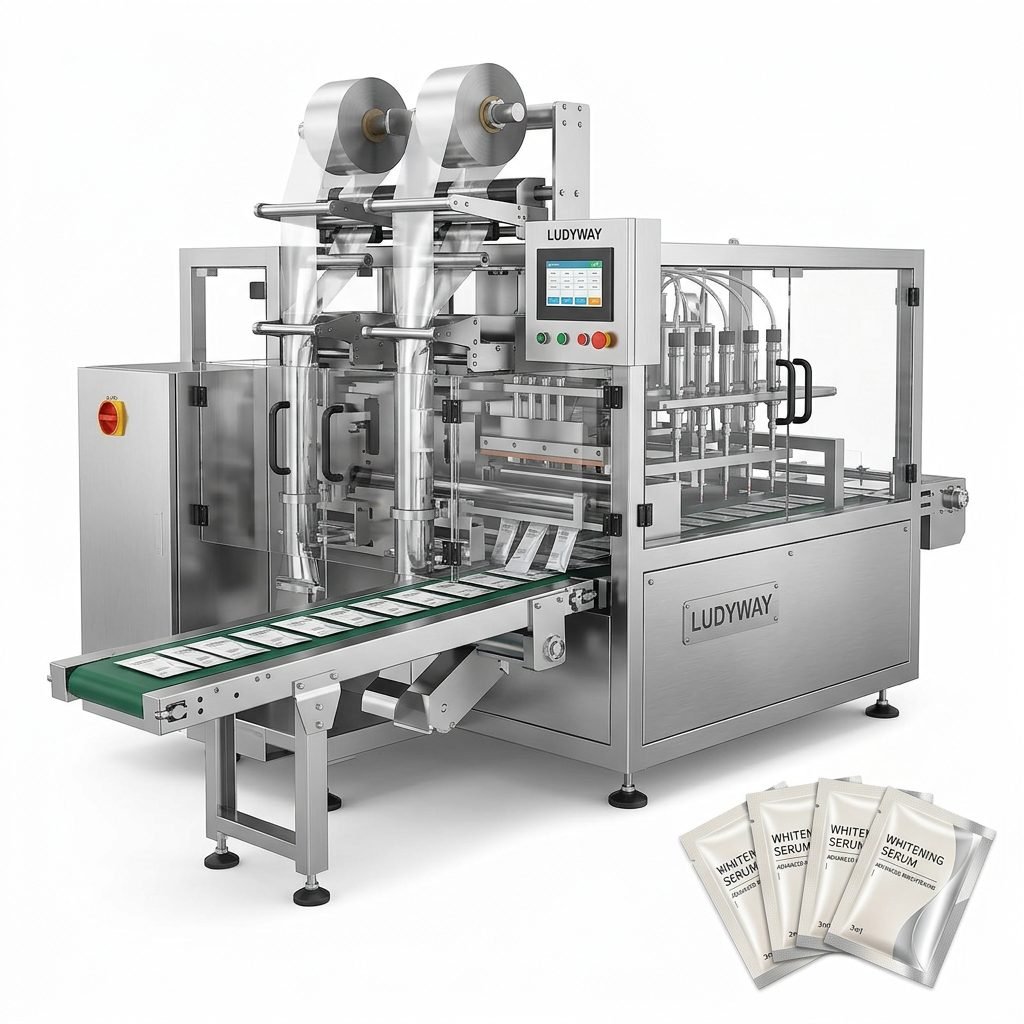
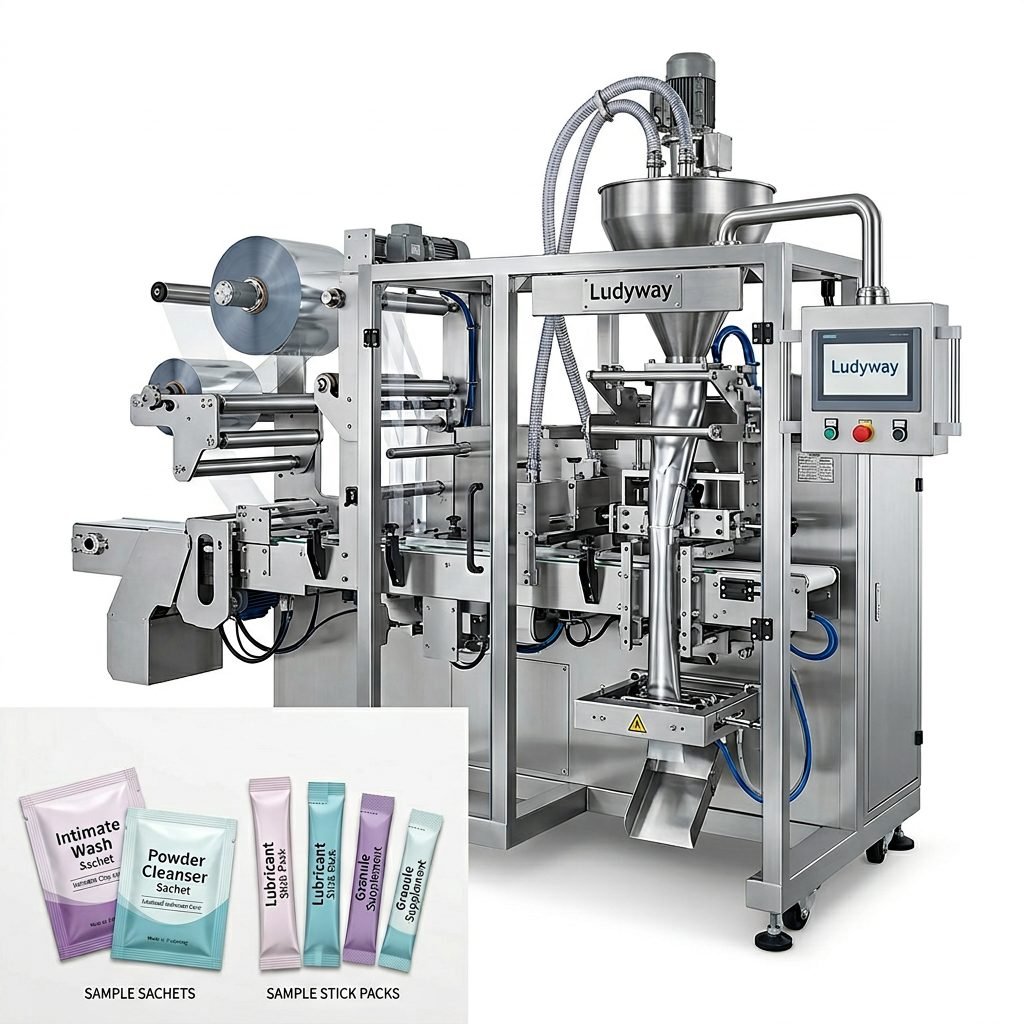
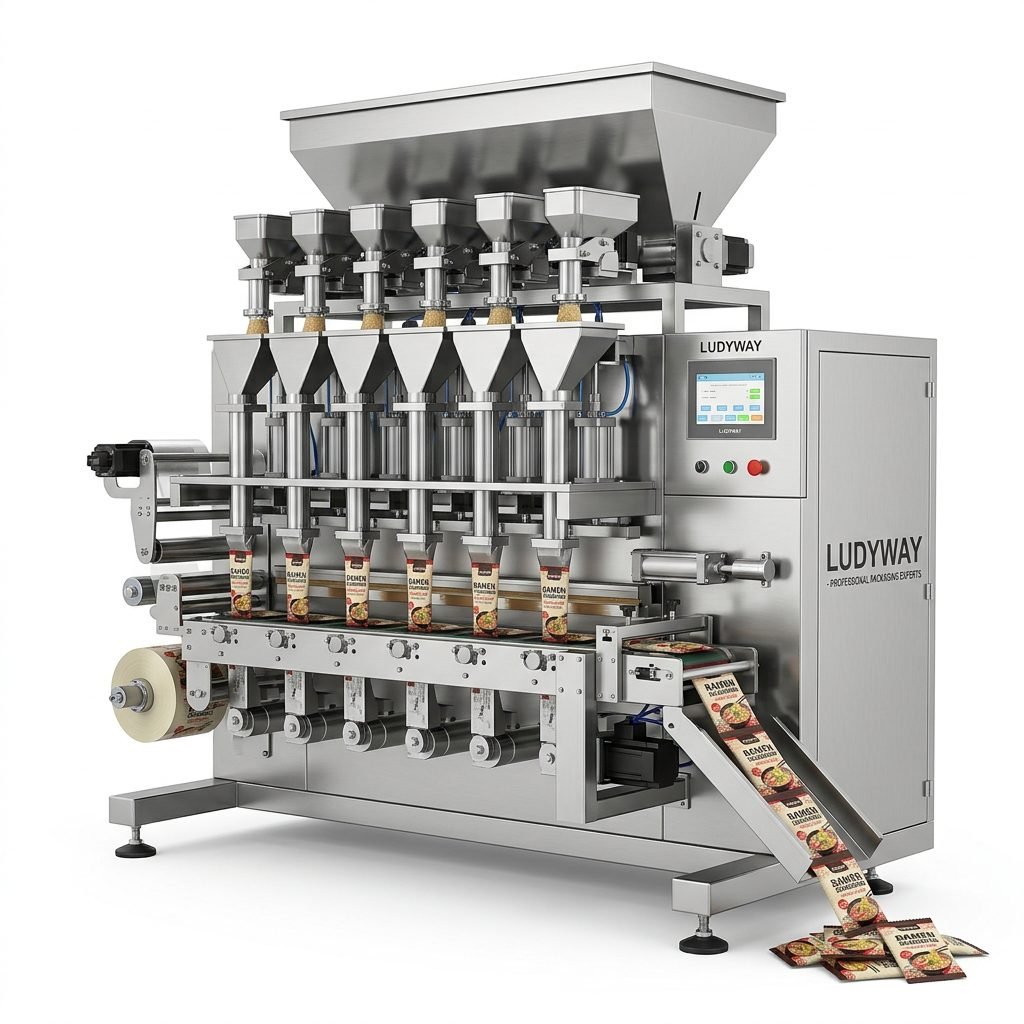
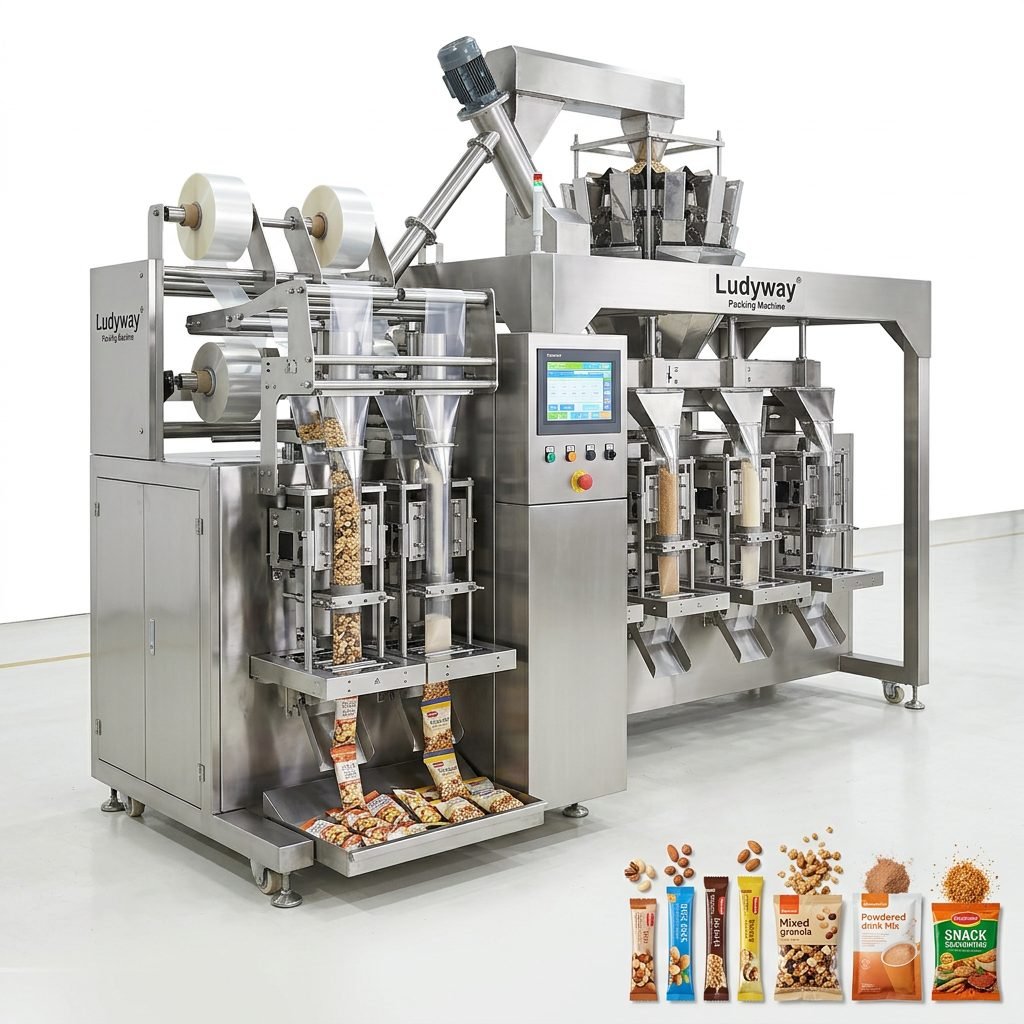
For companies specializing in instant drink powders, seasoning mixes, or portable snacks, multi-lane stick pack machines are essential. These machines can run 6, 8, or even 12 lanes simultaneously, multiplying throughput while minimizing factory floor space. They are particularly popular for packaging 3-in-1 coffee, cereal drinks, and nutritional powders across Southeast Asia.
Premade Pouch Packaging Machines
Rotary premade pouch machines are gaining traction for premium snack brands. These machines pick up, open, fill, and seal flat, stand-up, or zipper pouches. They are perfect for luxury nuts, dried fruits, or organic kale chips that require a high-end “store shelf” appearance. The ability to add zippers or tear notches significantly enhances consumer convenience.
Key Factors to Consider When Buying
Investing in a packaging line in Southeast Asia requires a careful balance between technology and local operational realities. Below is a checklist of critical factors to evaluate before signing a purchase agreement.
1. Production Speed and Efficiency
Speed is measured in bags per minute (BPM). While a 60 BPM single-lane VFFS might suffice for a startup, established OEMs might require high-speed multi-lane systems capable of producing 400+ packs per minute. Always verify the speed rating with the specific film and product you intend to use, as heavier or oily snacks can slow down the filling process.
2. Material Compatibility and Sustainability
Southeast Asia is actively moving towards eco-friendly packaging. Your machine must be robust enough to seal newer biodegradable films or thinner mono-materials that are notoriously difficult to run on older machinery. Look for machines with precise temperature controllers and ultrasonic sealing options to handle these sustainable materials effectively.
3. Automation and Smart Features
Labor costs are rising across the region. Machines equipped with automatic loaders, robotic pick-and-place systems, and IoT remote monitoring are becoming standard. Integration with SCADA systems allows factory managers to track Overall Equipment Effectiveness (OEE) in real-time, reducing costly downtime in humid, tropical climates.
Technical Specifications Comparison
Understanding the technical capabilities of different machine types is essential for making an informed investment. The table below outlines the typical specifications you should look for in a modern snack packaging line.
| Machine Type | Ideal Product | Key Feature | Typical Speed Range |
|---|---|---|---|
| VFFS (Single Lane) | Chips, Extruded Snacks | High flexibility in bag sizes | 30–80 BPM |
| Multi-Lane Stick Pack | Powdered drinks, seasonings | Ultra-high throughput (up to 12 lanes) | 200–600 PPM |
| Premade Pouch Rotary | Nuts, dried fruits, premium snacks | Zipper and resealable application | 40–100 BPM |
Compliance with Regional Food Safety Standards
Navigating the regulatory landscape in Southeast Asia is crucial for packaging machinery. Most nations in the ASEAN bloc align with international standards like GMP (Good Manufacturing Practices) and HACCP. When sourcing machinery, ensure the product contact parts utilize stainless steel 304 or 316, and that the design minimizes dust traps and cross-contamination. Machines must be easy to strip down for cleaning to comply with strict allergen control protocols common in the snack industry.
Evaluating Suppliers and After-Sales Support
A packaging machine is only as good as the supplier backing it. For SEA snack producers, downtime caused by technical issues can quickly erode profit margins. Evaluate suppliers based on their local presence, availability of spare parts, and technical support response time. Many Southeast Asian manufacturers now prefer turnkey solutions from established providers who can handle factory layout design, installation, and training. Ludyway serves as a prime example of a manufacturer delivering such comprehensive packaging machine solutions, leveraging over 30 years of engineering expertise to support international snack markets.
Service Checklist for Buyers
- Verify the availability of local service engineers in your specific Southeast Asian country.
- Request a detailed list of recommended spare parts for the first two years of operation.
- Confirm the warranty coverage on critical components such as servo motors and controllers.
- Insist on a documented Factory Acceptance Test (FAT) and Site Acceptance Test (SAT).
Cost Analysis and Budgeting
The initial investment for a snack packaging line varies widely. A single-lane VFFS might start at a lower price point, while a fully automated 10-lane stick pack line with a high-speed cartoner represents a capital-intensive investment. However, buyers should calculate the Total Cost of Ownership (TCO). A slightly more expensive machine that wastes less film per bag and reduces product giveaway through accurate multi-head weighers will provide a much faster return on investment (ROI). Additionally, consider the cost of importing machinery versus purchasing from local distributors, including shipping, import duties, and VAT applicable in ASEAN countries.
Desirable Features for Tropical Climates
Southeast Asia’s tropical humidity poses unique challenges for packaging machinery. Moisture-sensitive snacks like nori sheets, crackers, and dried powders require immediate sealing after filling. Look for machines with nitrogen gas flushing systems to displace oxygen and extend shelf life without desiccant packs. Additionally, ensure the electrical cabinets are rated IP65 or above to withstand frequent washdowns and the pervasive humidity that can corrode sensitive PCB boards in standard machinery.
Making the Final Decision
Purchasing snack food packaging machinery in Southeast Asia is a strategic decision that impacts product quality scaling. To summarize your journey:
- Define your product range: Will you package multiple types (powders, solids, liquids) or specialize?
- Assess your throughput needs: Align your BPM requirements with realistic future growth projections.
- Prioritize sustainability: Test your preferred green films with the machine supplier before buying.
- Audit the supplier: Whenever possible, visit the manufacturing facility or a remote installation site.
By carefully matching your production needs with the right equipment and a reliable supplier, your snack brand can capture a significant share of the rapidly growing Southeast Asian consumer market.
Related Industry Resources
Stay updated with the latest packaging trends and standards through PMMI packaging industry resources and Flexible Packaging Association data.