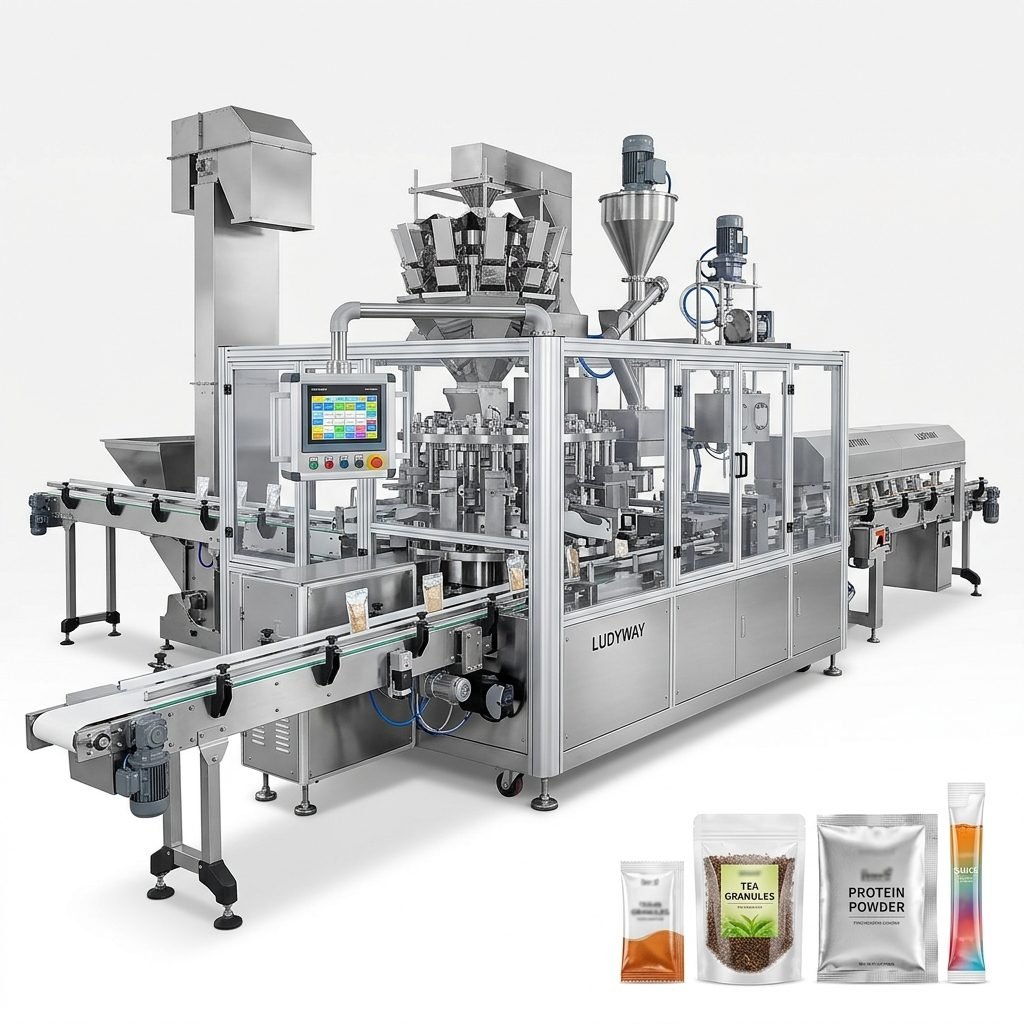
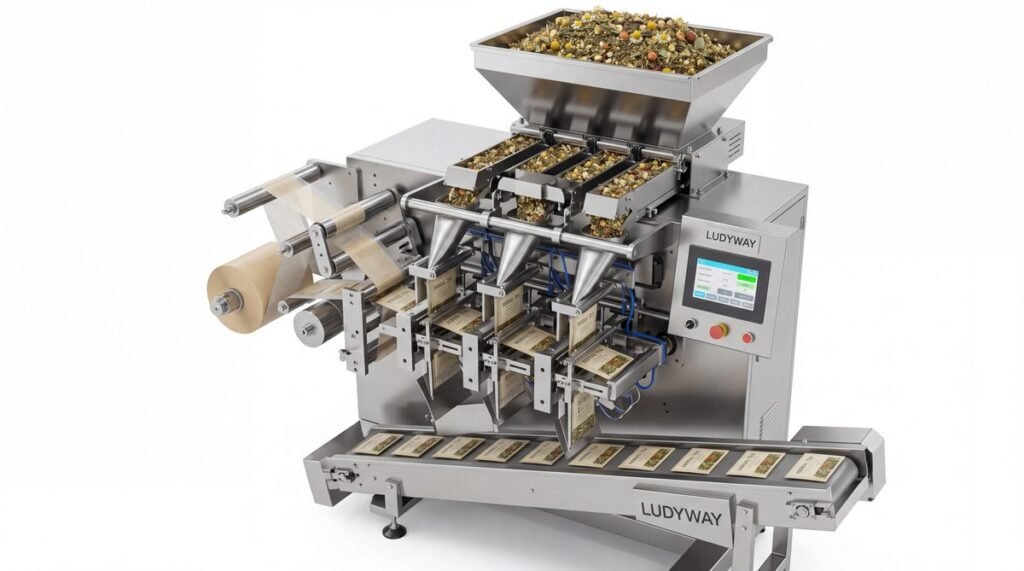
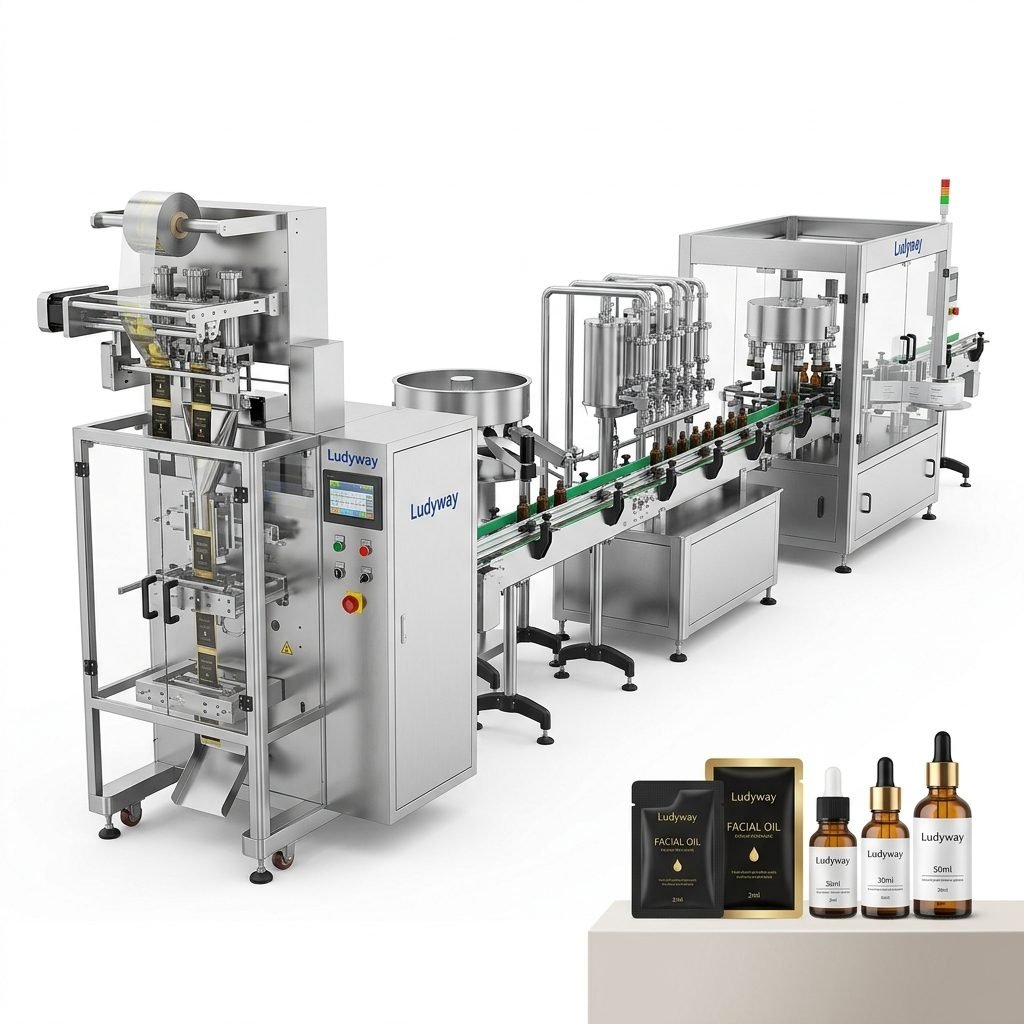
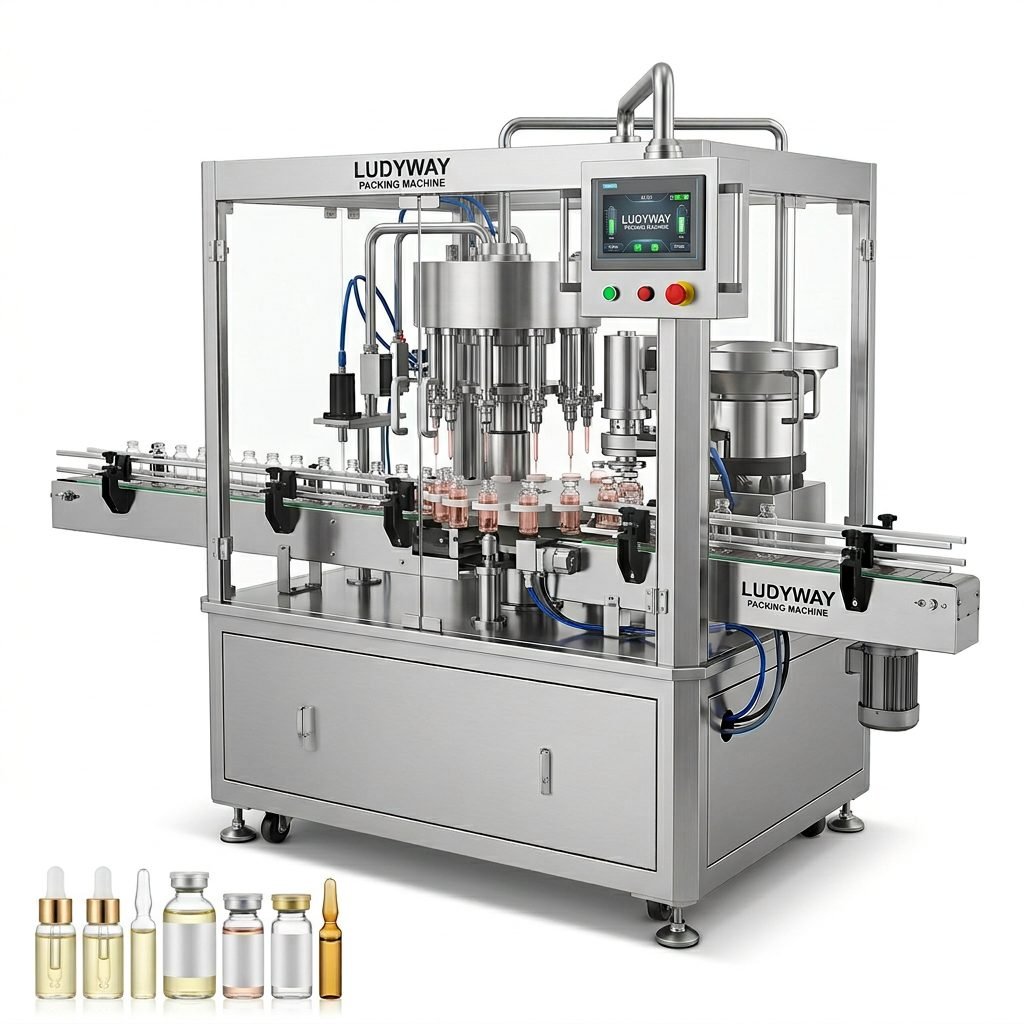
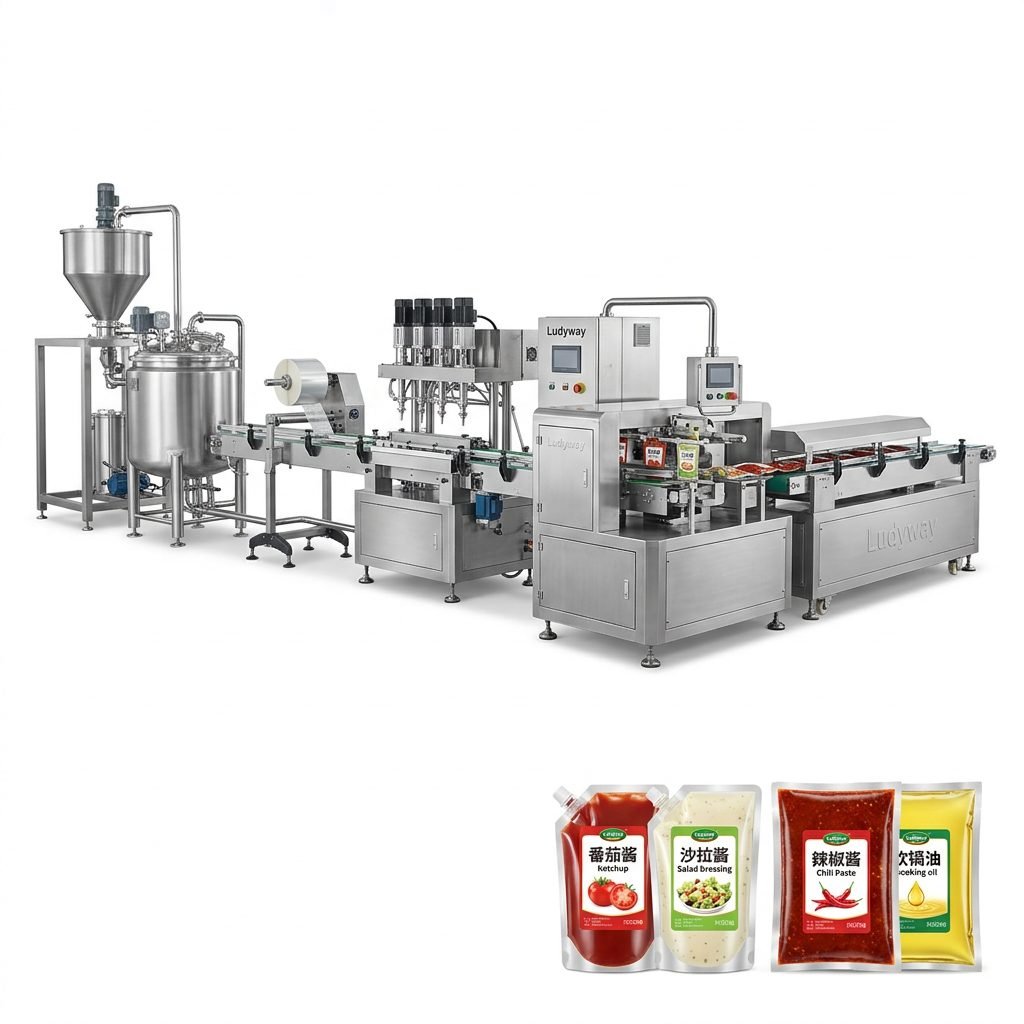
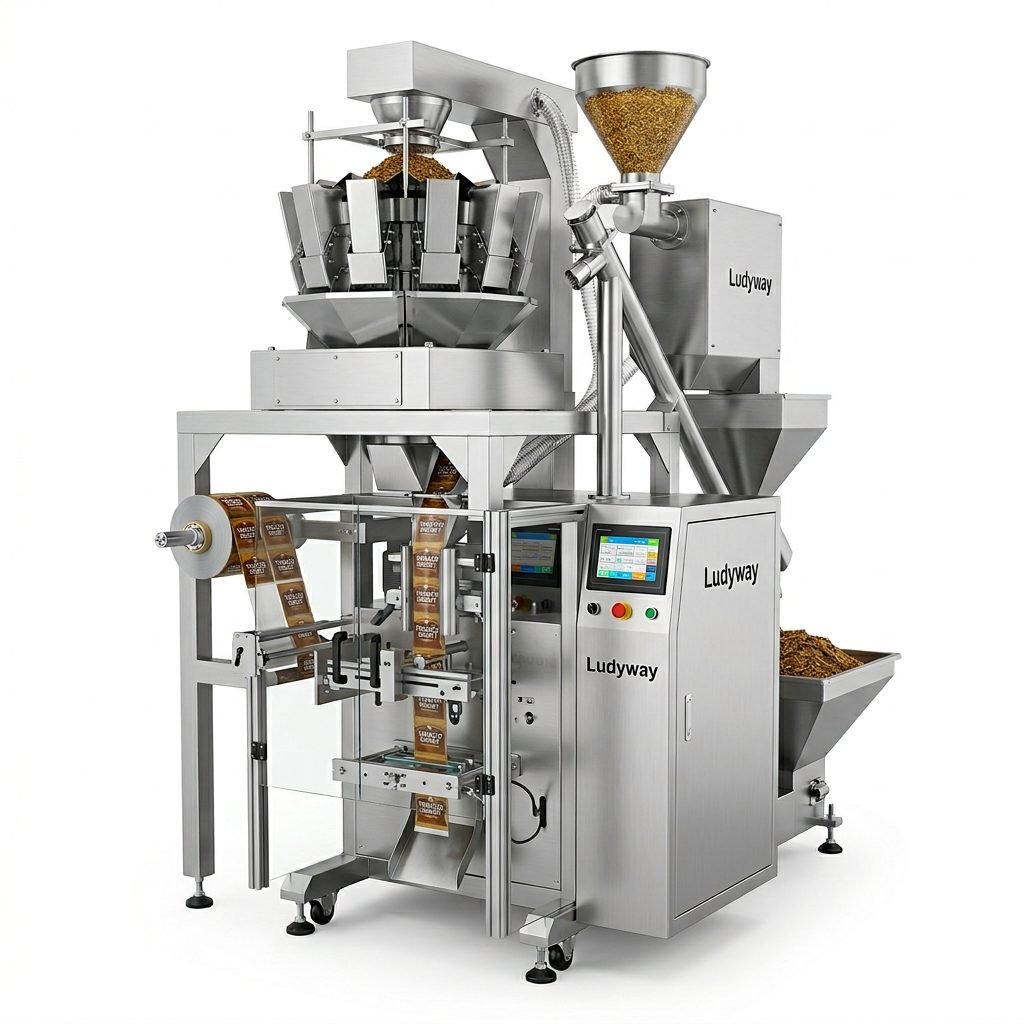
Selecting the right packaging machinery is a critical strategic decision that directly impacts your production efficiency, product quality, and bottom line. With a vast array of equipment available, from simple sachet machines to complex multi-lane stick pack systems, navigating the options can be daunting. This guide provides a structured approach to choosing the optimal equipment and implementing strategies to maximize your production output and return on investment.
Understanding Your Core Packaging Requirements
The foundation of any successful equipment selection lies in a deep and clear understanding of your own needs. Rushing into a purchase without this analysis is a common and costly mistake.
Product Characteristics Analysis
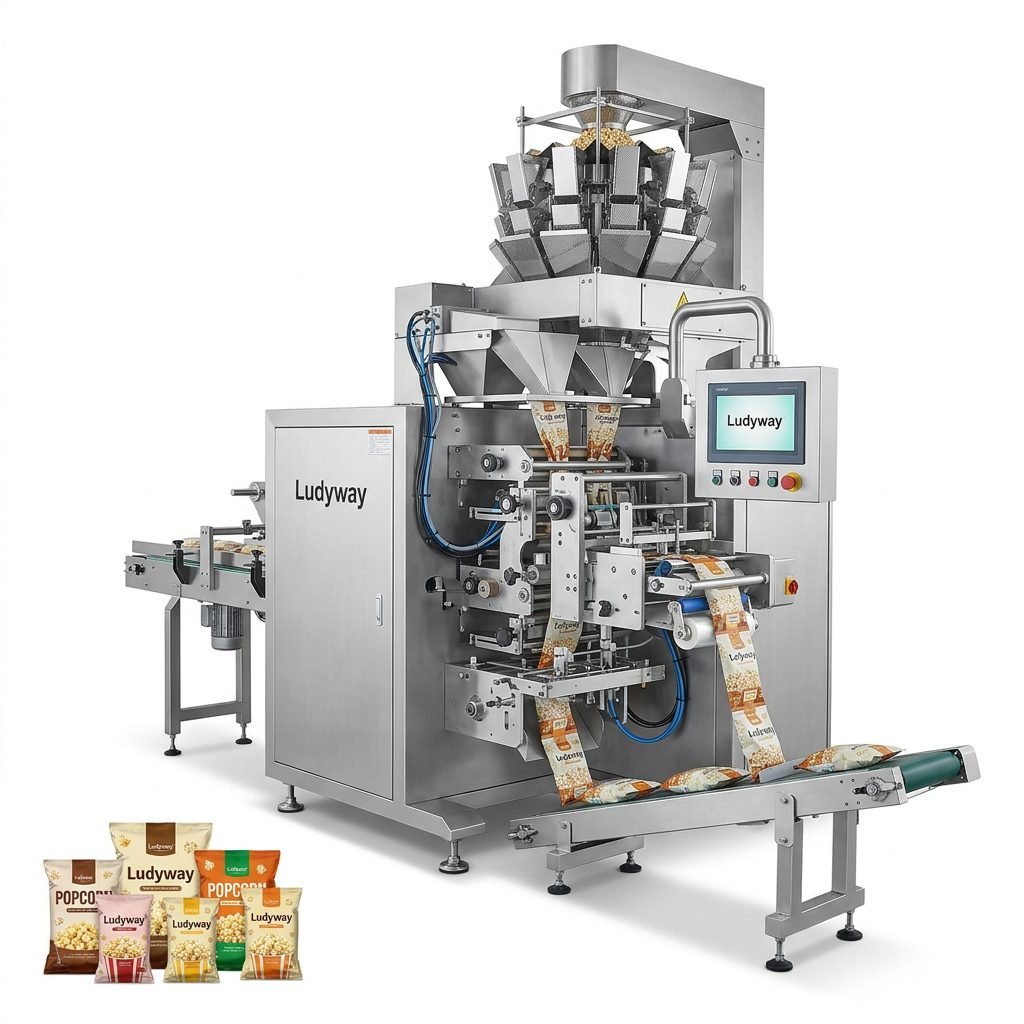
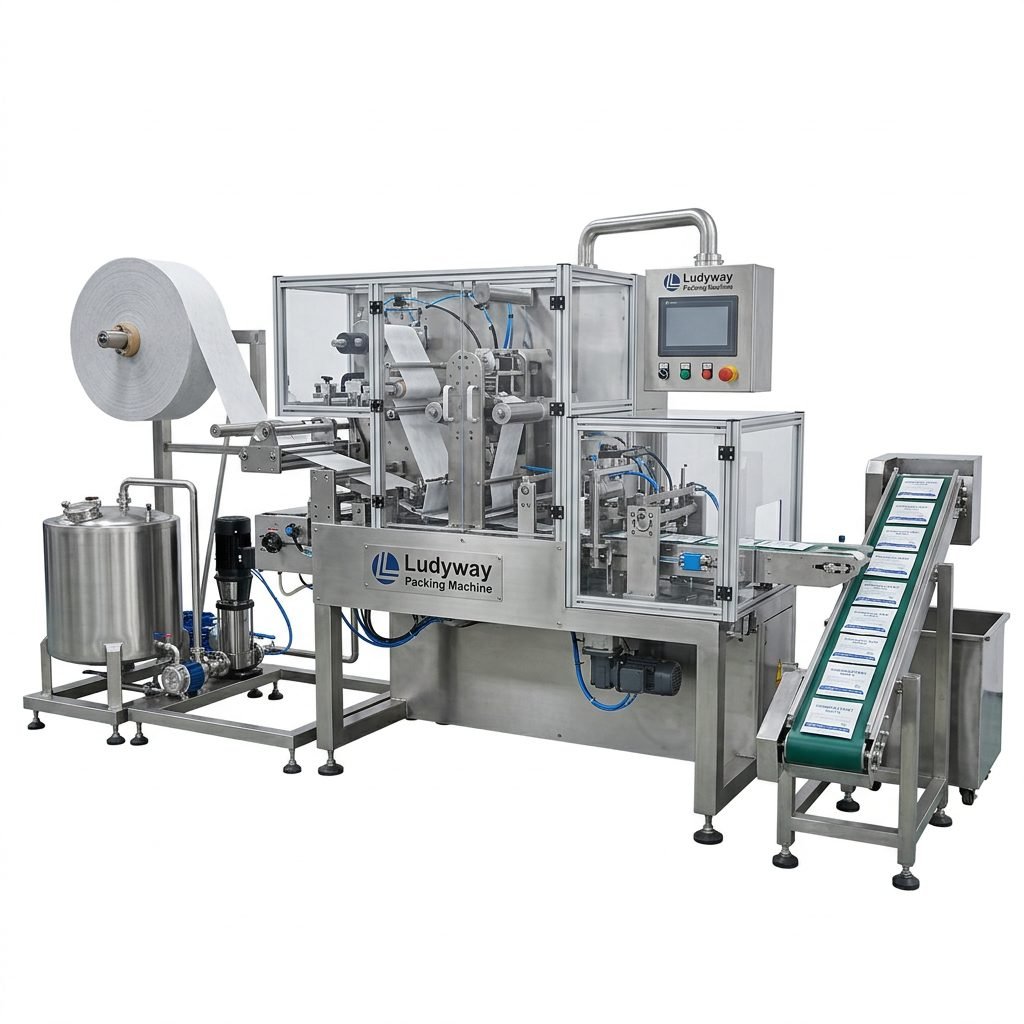
Your product dictates the machine’s core functionality. Precisely define its physical state: is it a granule, powder, liquid, paste, or solid piece? Each type requires specific dosing mechanisms—auger fillers for powders, piston pumps for liquids, volumetric cups for granules. Consider properties like hygroscopicity, abrasiveness, viscosity, and particle size, as these influence material handling, hopper design, and contact parts which may require special coatings like food-grade stainless steel or anti-stick treatments.
Production Volume & Speed Targets
Are you fulfilling small-batch, artisanal orders or running 24/7 mass production? Your output goals determine the necessary machine speed (packages per minute) and level of automation. A semi-automatic machine may suffice for low volumes, while high-speed, fully automatic systems with integrated robotic palletizing are essential for large-scale operations. Always plan for future growth; selecting a machine that operates at 100% capacity from day one leaves no room for expansion.
Packaging Material & Format
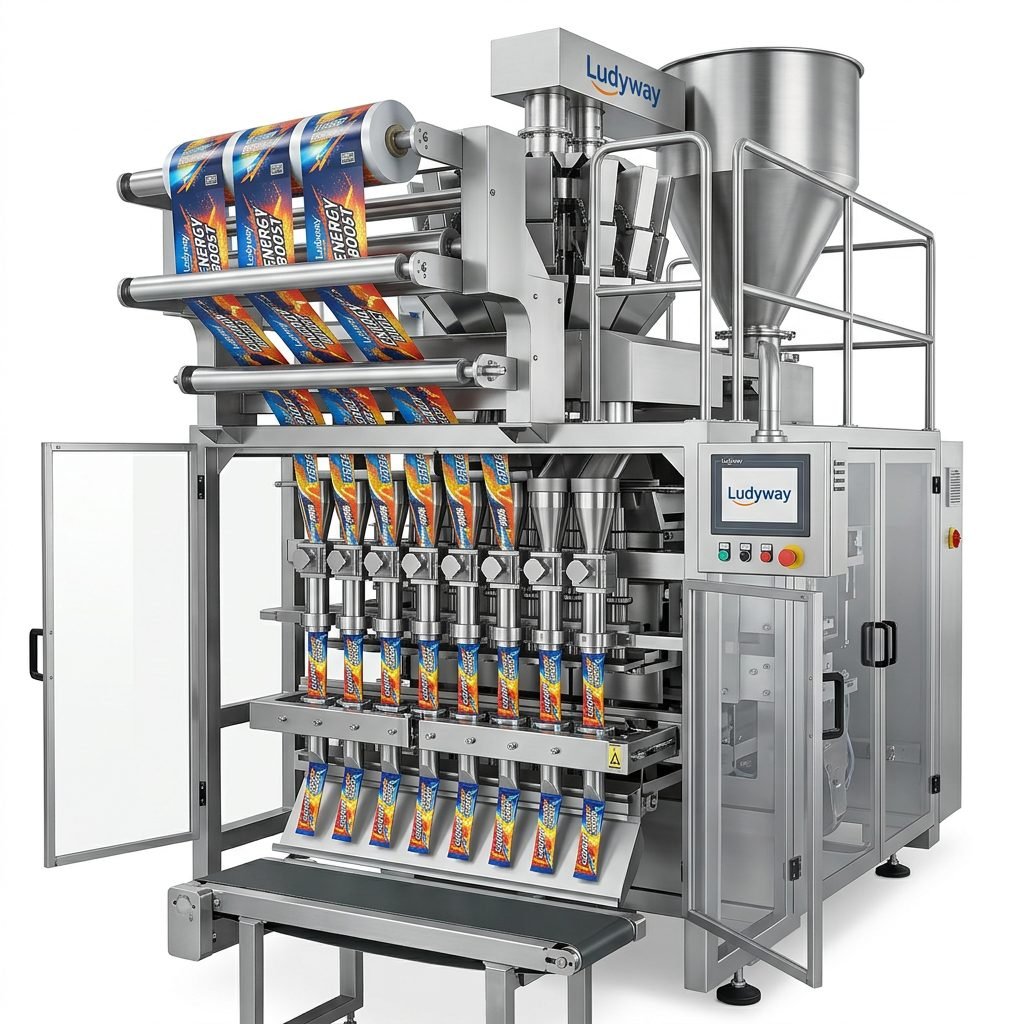
The packaging film or material is a key variable. Machines are often designed for specific material types, such as laminates (PET/AL/PE), spouted pouches, or recyclable mono-materials. You must specify your desired format: stand-up pouches, flat sachets, stick packs, or pillow bags. The choice of format affects the machine’s forming, sealing, and cutting mechanisms. Consider end-user convenience features like re-closable zippers or tear-notches, which may require additional machine attachments.
Key Factors in Equipment Selection
Once your requirements are mapped, you can evaluate machinery against these critical factors.
Machine Flexibility & Changeover Time
In today’s market, the ability to run multiple products or package sizes on a single line is a significant competitive advantage. Evaluate how quickly and easily a machine can switch between formats. Look for features like tool-less changeovers, digital size adjustments, and recipe memory storage. Reduced changeover time directly increases overall equipment effectiveness (OEE) by minimizing downtime.
Integration Capabilities & Automation Level
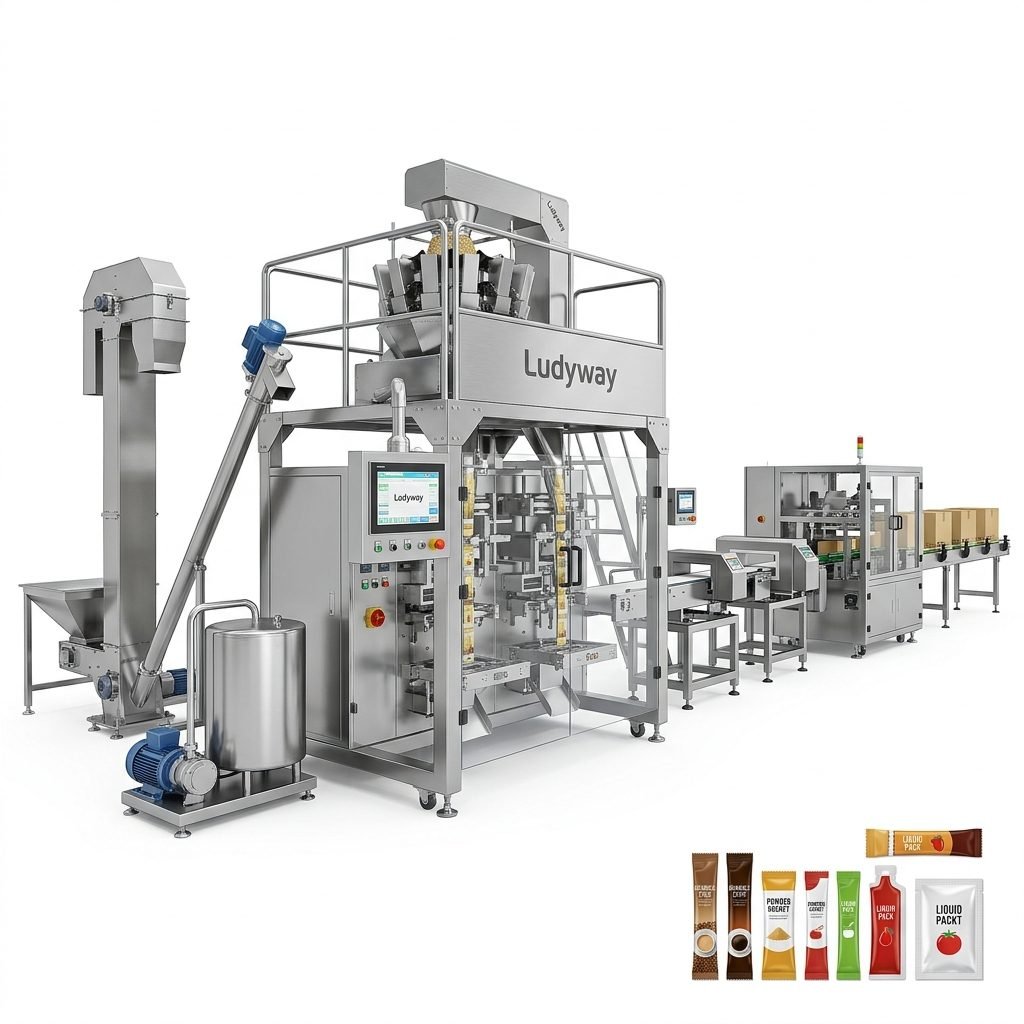
Your packaging machine should not be an island. Consider its ability to integrate seamlessly with upstream processes (e.g., mixing, conveying) and downstream systems (e.g., cartoning, case packing). Modern Industry 4.0-ready machines offer PLC controls with communication protocols (OPC UA, Ethernet/IP) for real-time data exchange with your Manufacturing Execution System (MES). This enables predictive maintenance, production monitoring, and traceability.
Reliability, Durability & Service Support
Total Cost of Ownership (TCO) goes far beyond the purchase price. Investigate the machine’s build quality, the reputation of the manufacturer, and the robustness of critical components like servomotors and sealing jaws. A reliable partner like Ludyway Machinery, with decades of engineering experience, provides not just equipment but peace of mind. Ensure comprehensive after-sales support is available, including readily accessible spare parts, detailed documentation, and responsive technical service—whether on-site or via remote diagnostics.
Strategies for Production Optimization
Choosing the right machine is only the first step. Unlocking its full potential requires deliberate optimization strategies.
Implementing Preventive Maintenance
A proactive maintenance schedule is non-negotiable for maximizing uptime. This includes daily cleaning, weekly inspections of seals and cutters, and regular lubrication as per the manufacturer’s guidelines. Keeping detailed maintenance logs helps identify patterns and prevent minor issues from escalating into major breakdowns. Training your operators to perform basic checks empowers them to be the first line of defense.
Training Your Operational Team
Even the most advanced machine is only as good as its operators. Invest in thorough training for your team, covering not only routine operation but also basic troubleshooting, safety protocols, and minor adjustments. A well-trained team can respond quickly to alarms, perform efficient changeovers, and maintain consistent quality, directly boosting line efficiency.
Leveraging Data for Continuous Improvement
Utilize the data from your machine’s control system. Monitor key performance indicators (KPIs) such as runtime, speed, downtime reasons, and reject rates. Analyze this data to identify bottlenecks—is there a recurring jam at a specific station? Are changeovers taking longer than planned? Data-driven decisions allow you to fine-tune processes, reduce waste, and incrementally improve overall line performance over time. Exploring turnkey production solutions from experienced providers can streamline this entire data integration process.
Common Questions (FAQs)
What is the typical lead time for a new packaging machine?
Lead times vary significantly based on complexity and customization. Standard models may ship in 8-12 weeks, while fully custom, high-speed lines can require 20+ weeks for manufacturing, testing, and commissioning. Clear communication with your supplier about timelines is essential for project planning.
How do I calculate the Return on Investment (ROI) for packaging automation?
ROI calculation should factor in direct savings (labor reduction, increased output, lower material waste) and indirect benefits (improved product consistency, enhanced safety, scalability). A detailed analysis comparing current manual/semi-automatic costs against the proposed automated system’s output and operational costs will provide a clear financial picture.
Can one machine handle different packaging materials?
Many machines offer flexibility, but there are limits. A machine designed for lightweight laminates may not handle thick, recyclable paper-based materials without significant modification. It’s crucial to discuss all potential future materials with your supplier during the selection phase to ensure the chosen platform can accommodate them, possibly with different sealing jaws or film tension controls.
What kind of technical support can I expect after purchase?
Reputable suppliers offer comprehensive support, including installation supervision, operator training, detailed manuals, and access to spare parts. Many, like those with extensive global service experience, also provide remote support via video call and have service engineers available for on-site visits. Clarify the warranty terms and support response time commitments before purchase.
How important is machine certification (e.g., CE, FDA) for my industry?
Extremely important. Certifications ensure the machine meets specific safety and hygiene standards. CE marking is mandatory for machinery sold in the European Union. For food, pharmaceutical, or cosmetic applications, compliance with FDA regulations (e.g., using food-grade lubricants and materials) is critical. Always verify the relevant certifications for your target market.