Selecting the right fruit packing machine is one of the most critical decisions for any fruit producer, processor, or packager. The right equipment can significantly boost productivity, reduce labor costs, extend product shelf life, and ensure consistent packaging quality. However, with so many machine types, configurations, and suppliers available, the selection process can quickly become overwhelming. This guide walks you through the essential factors to evaluate before investing in a fruit packaging solution.
Understanding Your Fruit Packaging Requirements
Before comparing machine specifications, start by clearly defining your production goals and product characteristics. Different fruits have vastly different handling requirements. Soft fruits like berries and peaches require gentle handling systems, while harder fruits like apples and citrus can tolerate more mechanical processing. Consider these foundational questions:
- Product type: Are you packing whole fresh fruits, sliced fruits, dried fruits, frozen fruits, or fruit powders?
- Production volume: What is your daily or hourly output target? This determines whether you need a high-speed fruit packaging machine or a semi-automatic solution.
- Packaging format: Do you need pillow bags, stand-up pouches, stick packs, sachets, vacuum packs, or tray sealing?
- Shelf life requirements: Will you need modified atmosphere packaging (MAP), vacuum sealing, or nitrogen flushing to extend freshness?
- Facility constraints: What is your available floor space, power supply, and compressed air capacity?
According to PMMI’s State of the Industry report, the global packaging machinery market continues to expand as manufacturers increasingly adopt automated solutions to address labor challenges and improve operational consistency.
Types of Fruit Packing Machines
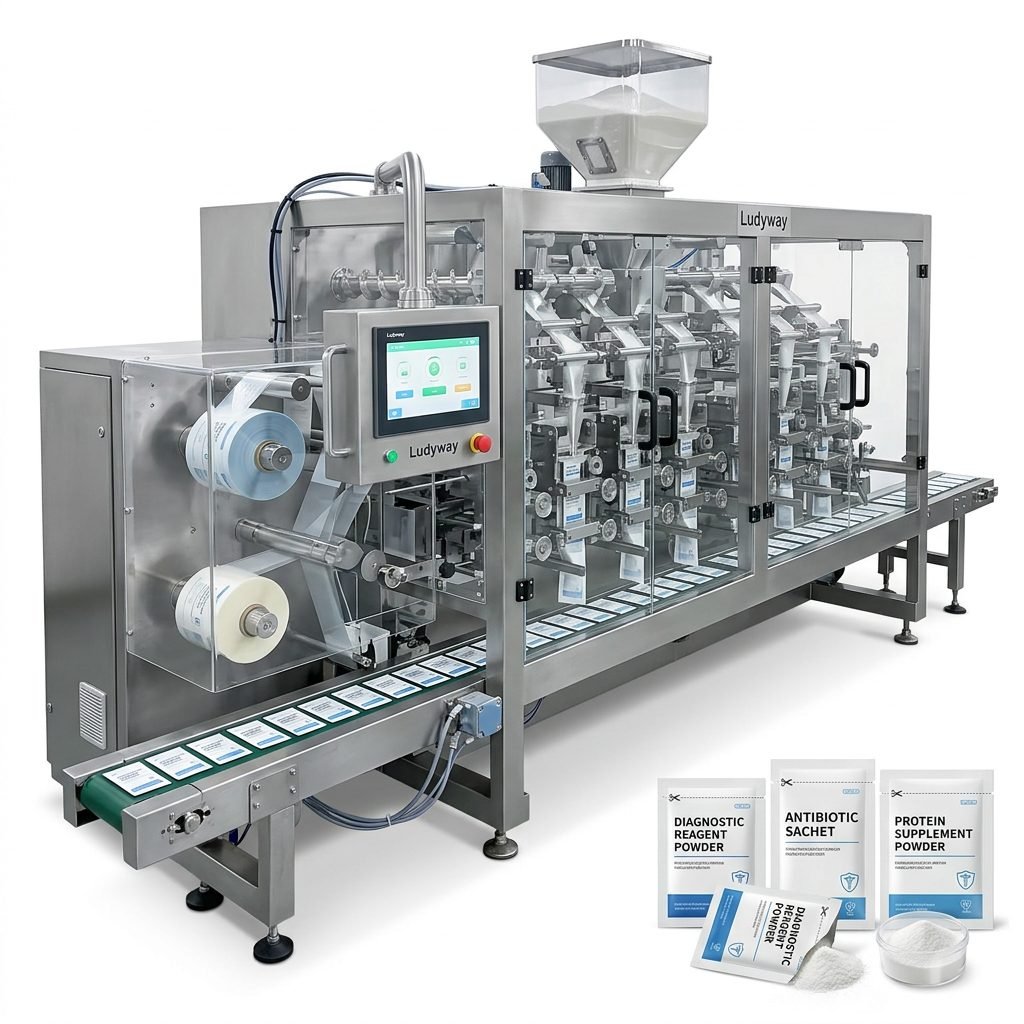
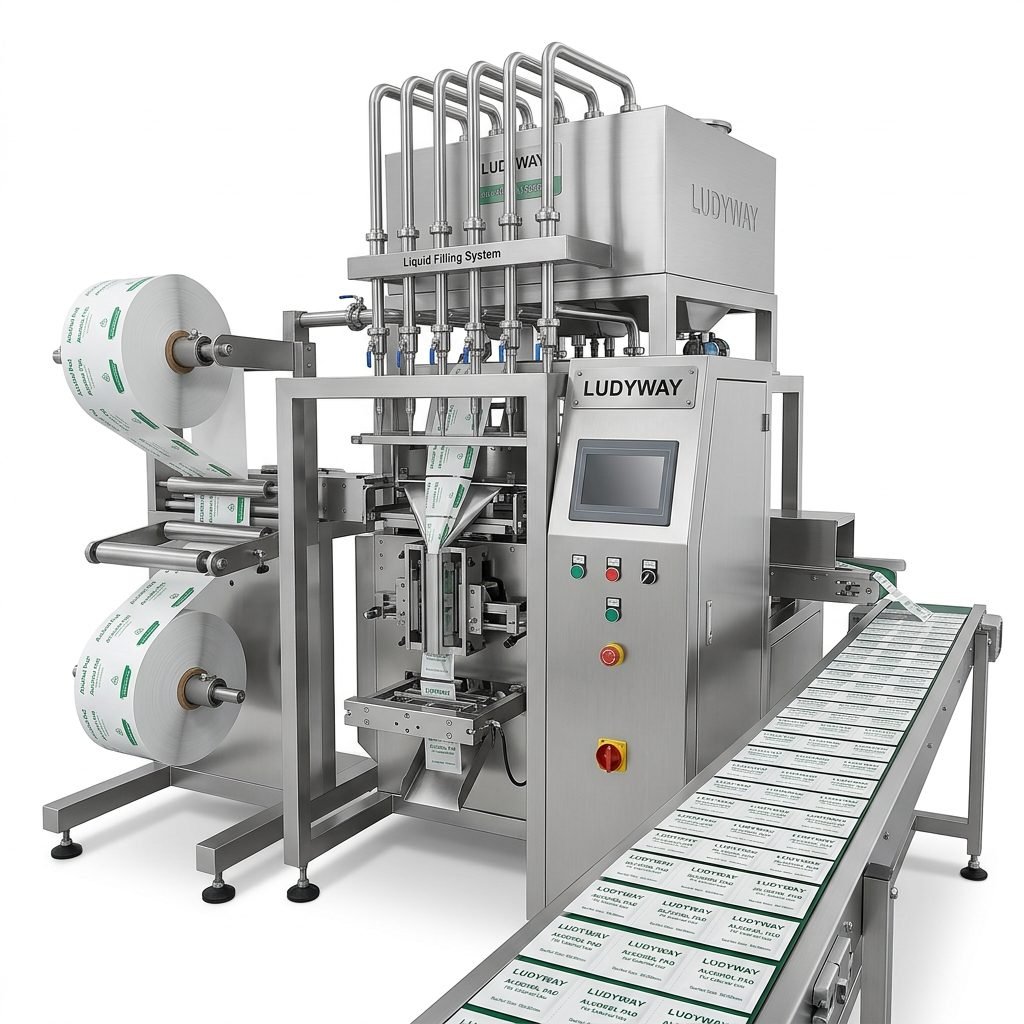
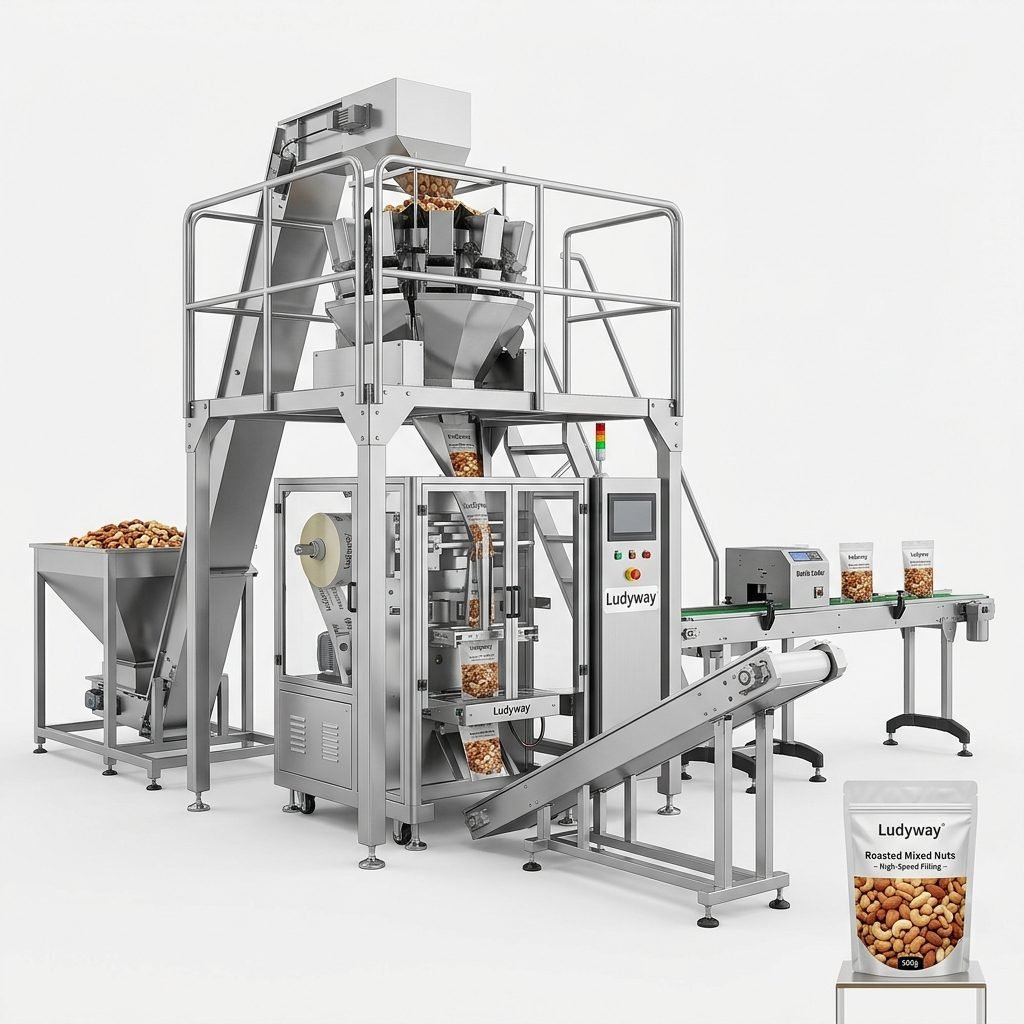
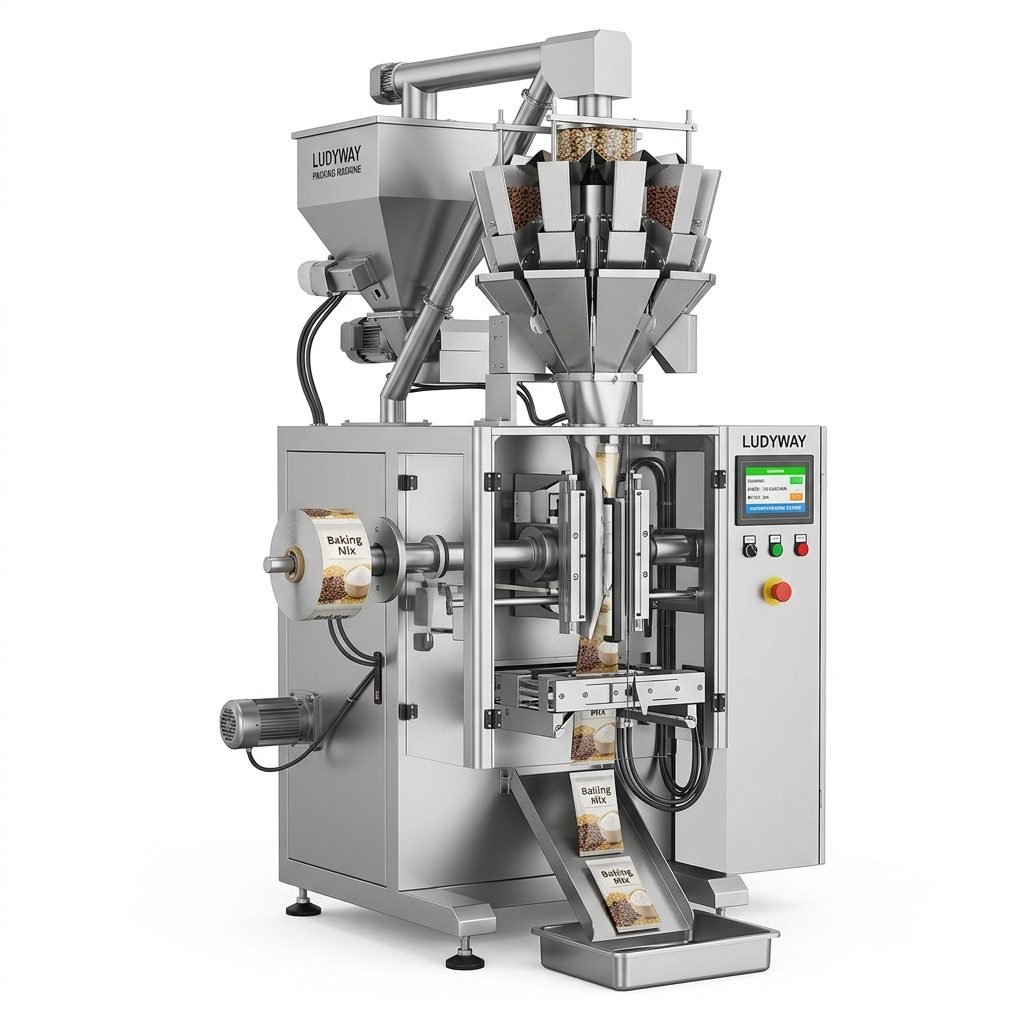
Fruit packaging machinery comes in a wide range of configurations, each suited to different products, packaging formats, and production scales. The table below summarizes the most common types and their typical applications.
| Machine Type | Best For | Packaging Format | Speed Range |
|---|---|---|---|
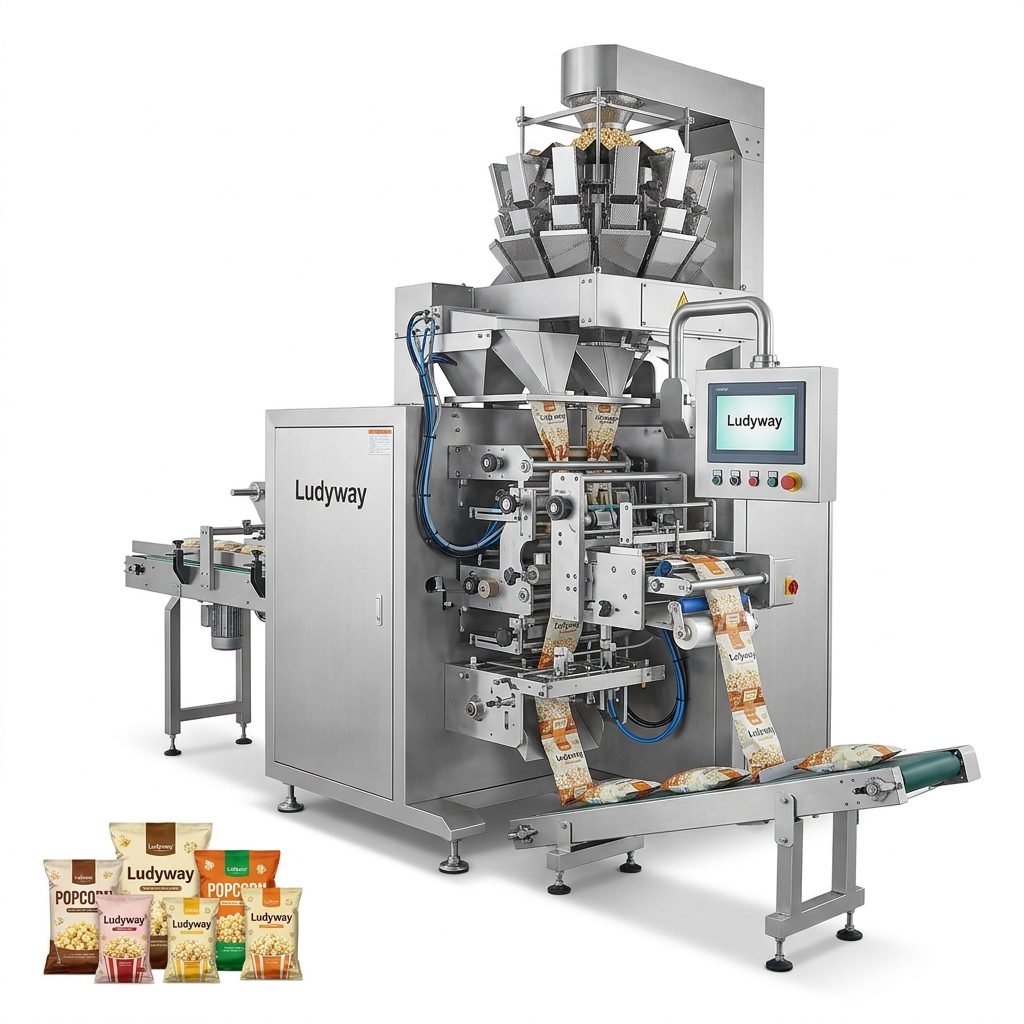
| Vertical Form Fill Seal (VFFS) | Dried fruits, fruit powders, frozen fruits | Pillow bags, gusseted bags | 30–120 packs/min |
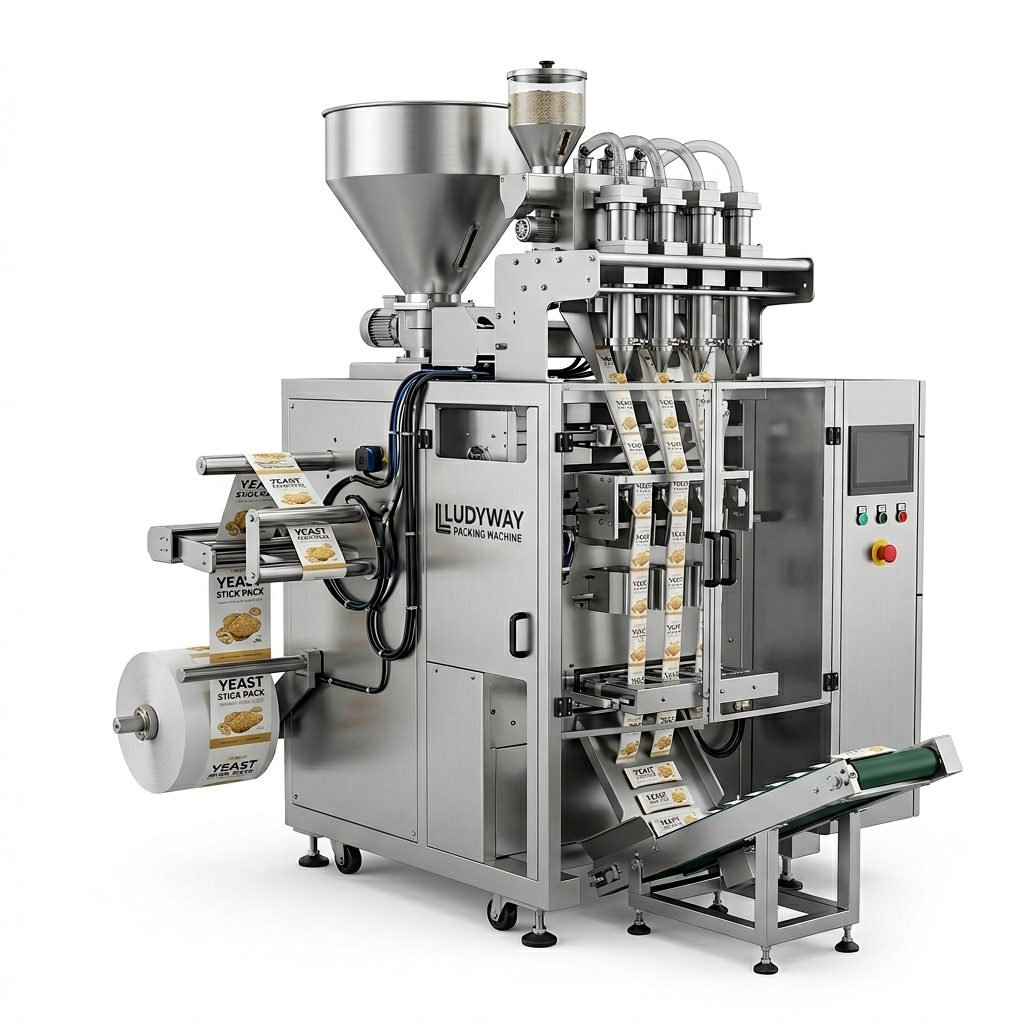
| Multi-Lane Stick Pack Machine | Fruit powders, single-serve portions | Stick packs, sachets | 200–600 packs/min |
| Tray Sealing Machine | Fresh-cut fruits, whole fresh fruits | Trays with film lidding | 20–80 packs/min |
| Pre-Made Pouch Machine | Premium dried fruits, mixed fruit bags | Stand-up pouches, zipper bags | 30–60 packs/min |
| Vacuum Packaging Machine | Fresh fruits, frozen fruits, dried fruits | Vacuum bags | 15–40 packs/min |

Key Factors to Consider When Choosing a Fruit Packing Machine
Beyond basic machine types, several critical technical and operational factors will determine whether a machine is the right fit for your production environment. Evaluate each carefully before making a purchase decision.
1. Filling and Dosing Accuracy
For fruit products sold by weight, precision dosing is non-negotiable. Overfilling erodes profit margins, while underfilling risks regulatory non-compliance and customer dissatisfaction. Look for machines with multi-head weighers or auger fillers that deliver consistent accuracy within ±0.5–1% of target weight. ISO packaging standards provide useful benchmarks for fill accuracy and package integrity requirements.
2. Material Compatibility and Packaging Film
Fruit products have specific barrier requirements. Dried fruits need moisture and oxygen barriers to prevent spoilage. Fresh-cut fruits require breathable films that maintain optimal gas exchange. Ensure the machine you select is compatible with your desired packaging materials, including biodegradable and recyclable films that align with EU packaging waste regulations and sustainability goals.
3. Hygiene and Sanitation Standards
Fruit packaging operations must meet stringent food safety requirements. Stainless steel construction, tool-free disassembly for cleaning, IP65 or higher washdown ratings, and compliance with FDA food contact substance regulations are essential features. Machines designed with sanitary welding and sloping surfaces prevent product buildup and simplify sanitation procedures.
4. Automation Level and Integration
Modern fruit packing lines can range from standalone semi-automatic units to fully integrated systems with automatic feeding, weighing, filling, sealing, coding, metal detection, and case packing. Higher automation levels reduce labor dependency and improve throughput consistency, but require greater upfront investment. PMMI’s business intelligence resources offer valuable data on automation trends and ROI benchmarks across the packaging industry.

Comparing Machine Specifications: A Decision-Making Framework
When evaluating different fruit packing machines, use the following structured framework to compare options objectively. Create a weighted scoring system based on your priorities, then evaluate each machine against these criteria.
| Evaluation Criteria | What to Look For | Priority Level |
|---|---|---|
| Production Speed | Match or exceed current and projected demand with 20% headroom | High |
| Changeover Time | Quick format changes without specialized tools; ideally under 15 minutes | Medium |
| Energy Efficiency | Lower power consumption reduces long-term operating costs | Medium |
| Footprint | Compact design that fits within existing floor plan without major reconfiguration | Depends on facility |
| After-Sales Support | Spare parts availability, remote diagnostics, local service network, operator training | High |
| Regulatory Compliance | CE, UL, FDA-compatible design, GMP-ready construction | Critical |
Why Automation Matters for Fruit Packaging Operations
Automation in fruit packaging delivers measurable benefits beyond simple labor savings. A well-designed automated fruit packing line improves filling accuracy, reduces product waste, ensures consistent seal integrity, and enables traceability through integrated coding and inspection systems. The Flexible Packaging Association’s industry data consistently shows that automated packaging systems deliver higher throughput with lower per-unit costs compared to manual or semi-automatic operations, especially at medium to high production volumes.
Additionally, automated machines equipped with multi-head weighers, vision inspection, and data-logging capabilities help fruit processors maintain consistent quality documentation for retail and export compliance. This traceability is increasingly required by major retailers and import regulators worldwide.

Questions to Ask Before Buying a Fruit Packing Machine
Before finalizing your purchase, ask these essential questions to both yourself and potential equipment suppliers. The answers will help you avoid costly mismatches between your needs and the machine’s capabilities.
- Can this machine handle my specific fruit product without causing damage, bridging, or inconsistent fills? Request a product trial or video demonstration with your actual product before committing.
- What is the total cost of ownership beyond the purchase price? Factor in installation, training, maintenance, spare parts, film waste during changeovers, and energy consumption over a 5–10 year period.
- Is the machine scalable? Can it accommodate higher speeds, additional lanes, or new packaging formats if your business grows or pivots to different products?
- What technical support is available after installation? Confirm response times, remote troubleshooting capabilities, and whether the supplier has service engineers who can travel to your location if needed.
- Does the supplier provide turnkey solutions including upstream feeding systems and downstream cartoning or palletizing equipment? Working with a single packaging machinery manufacturer for integrated lines can simplify project management and ongoing support.
- What certifications and compliance documentation are provided? CE marking, FDA compliance letters, GMP design verification, and electrical safety certifications are essential for many markets.
Working with the Right Equipment Partner
Selecting a fruit packing machine is not just a transaction—it is the beginning of a long-term relationship with your equipment supplier. The most successful packaging operations are built on partnerships with manufacturers who understand your product, your industry, and your growth trajectory. Look for a supplier with proven experience across multiple fruit categories, a comprehensive portfolio of packaging machinery, and the engineering capability to customize solutions around your specific requirements.
Companies like Ludyway Machinery, with over 30 years of experience and more than 50 packaging machine models serving customers in over 100 countries, exemplify the kind of integrated approach that helps fruit processors transition smoothly from manual or semi-automatic operations to fully optimized automated packaging systems. Whether you need a single fruit packing machine or a complete turnkey line, the right partner will guide you through equipment selection, system integration, installation, commissioning, and ongoing technical support.
By thoroughly evaluating your requirements, understanding available machine types, comparing specifications objectively, and partnering with an experienced equipment provider, you can make a confident investment that supports your fruit packaging operations for years to come.
Related Resources: