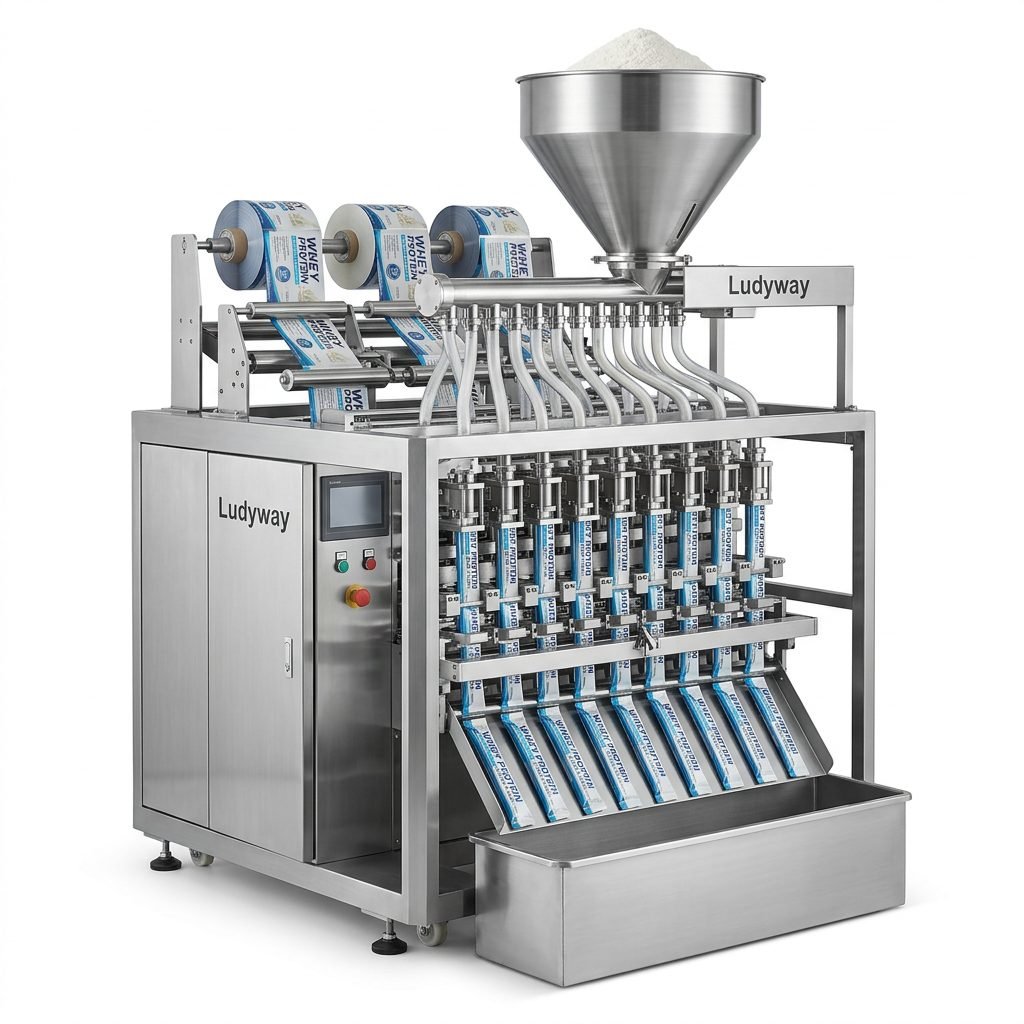
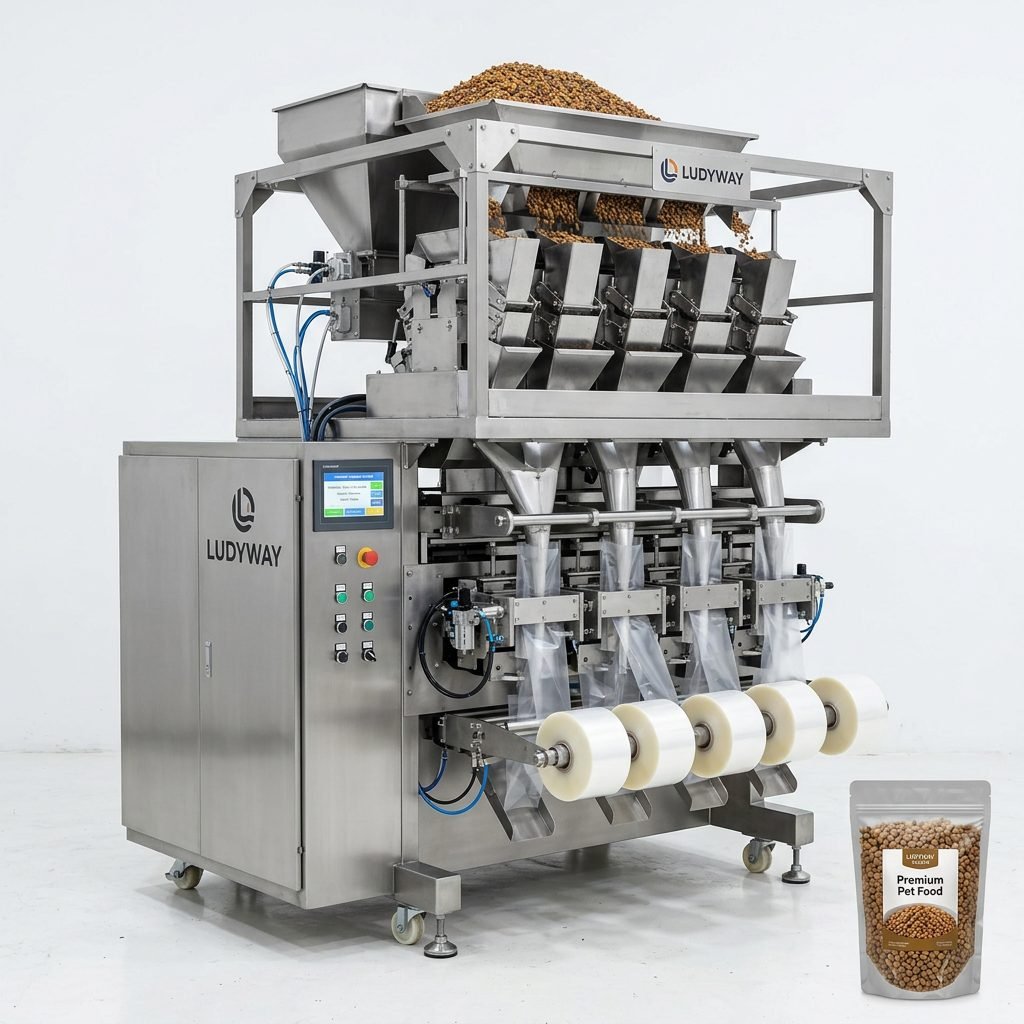
Selecting the right ground beef packaging machine is one of the most critical decisions for meat processors and food manufacturers. The correct equipment directly impacts product shelf life, operational efficiency, and compliance with food safety standards. Whether you are packing fresh patties, frozen mince, or bulk industrial quantities, it is essential to evaluate machinery based on your specific production goals rather than just upfront cost.
1. Define Your Production Requirements
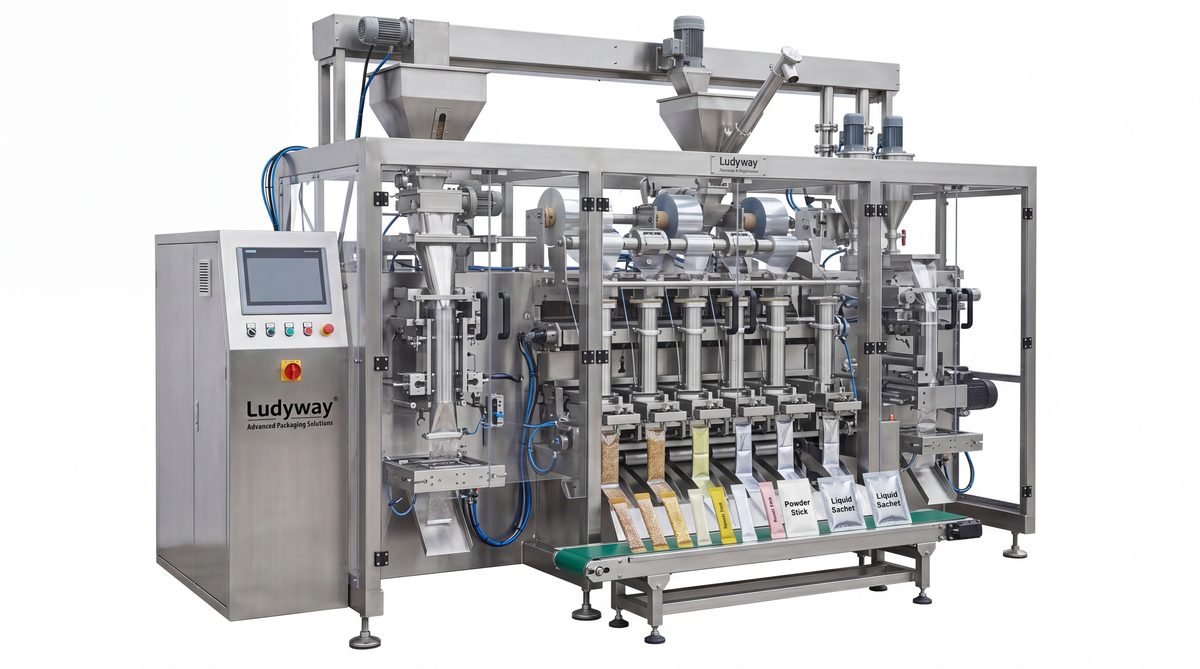
Before comparing models, you must clearly define your operational parameters. The physical properties of ground beef—particularly its fat content, texture, and temperature—vary significantly between fresh and frozen products. A machine designed for frozen bulk meat will require a completely different feeding and dosing mechanism than one handling fresh chilled mince. The first step is to determine your target output rate, which is typically measured in packs per minute (PPM). High-speed automated lines can exceed 120 PPM, while semi-automatic systems are better suited for smaller batch productions. You should also identify the required bag types or tray formats, as the flexible packaging industry offers a wide variety of material options including vacuum bags, modified atmosphere packaging (MAP), and flow wrap films.
2. Understanding Packaging Formats for Ground Meat
The format you choose directly impacts the machinery configuration. Ground beef is typically packaged in vacuum pouches, tray seal packs, chub packs, or flow-wrapped trays. Each format has distinct advantages regarding shelf life, retail display appeal, and production speed. Below is a comparison of the most popular formats:
| Packaging Format | Best Application | Machine Requirement |
|---|---|---|
| Vacuum Packaging | Extended shelf life, bulk sales | High suction power, thick film handling |
| Modified Atmosphere (MAP) | Retail display, case-ready products | Gas flushing system, rigid tray sealer |
| Chub Packaging | High-volume economical retail | Continuous tube former, clip sealer |
| Flow Wrapping | Frozen patties, single-serve portions | Horizontal form-fill-seal (HFFS) |
3. Key Features to Evaluate in a Ground Beef Packaging Machine
To ensure operational excellence, you must inspect the machine’s core components. Hygiene is the absolute priority; the equipment must comply with FDA food contact surface regulations. Look for stainless steel construction (preferably AISI 304 or 316) with sloping surfaces and minimal crevices to prevent bacterial harborage. Additionally, assess the filling system accuracy. For ground beef, auger fillers or gear pumps are typically used to handle the dense, sticky texture without causing product clumping or fat separation. Precision portioning reduces giveaway, directly protecting your profit margins.
3.1 Sanitary Design & Material
In meat processing, cleanability is non-negotiable. Modern machines should feature IP65 or higher washdown protection. Quick-release belt systems and tool-free disassembly significantly reduce sanitation downtime. If you plan to expand production, consider whether the machine allows for multi-lane configurations to increase output without a complete line overhaul.
3.2 Automation and Integration Capabilities
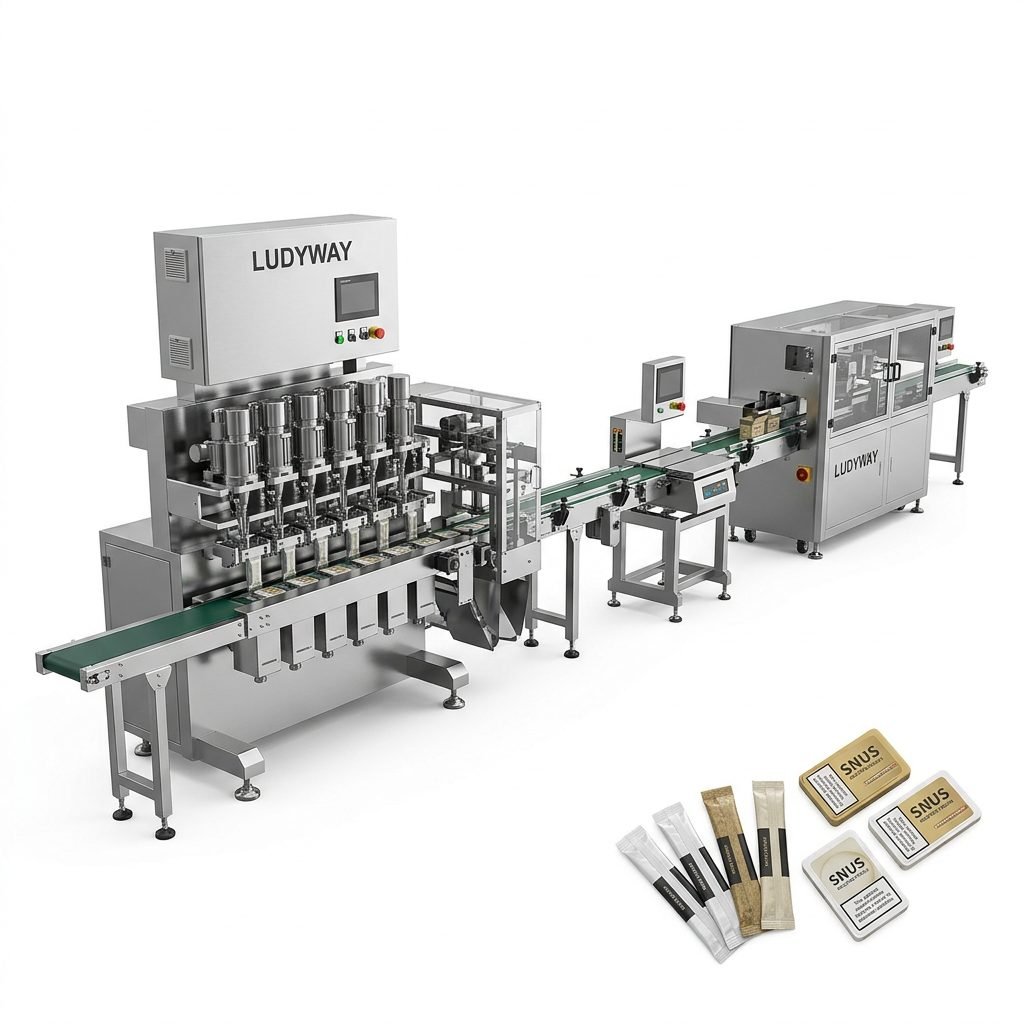
The level of automation determines your workforce requirements. A fully automated ground beef packaging line integrates weighing, filling, sealing, checkweighing, and cartoning. If you are currently managing these steps manually, upgrading to an integrated solution can drastically reduce labor costs. However, you must ensure the automation system is compatible with your existing upstream grinders and downstream metal detectors, following the guidelines set by PMMI packaging industry standards.
4. Budget and Total Cost of Ownership
While the initial price is a factor, the Total Cost of Ownership (TCO) is what truly matters. A reliable machine minimizes unexpected downtime. Key cost considerations include:
- Energy consumption: Compressed air usage and electric power draw.
- Spare parts availability: Lead times for critical sealing bars or jaws.
- Film waste: Efficient material handling reduces packaging waste significantly.
- Maintenance contracts: Access to remote diagnostics and local technical support.
5. Factory Testing and After-Sales Support
Never purchase a meat packaging system without verifying its performance with your actual product. Factory Acceptance Testing (FAT) is critical for confirming that the machine can handle your specific ground beef mix. You must also establish a clear Service Level Agreement (SLA). Due to the corrosive environment of meat plants, even the most robust machinery requires proactive maintenance. Confirm that your supplier has experience with turnkey installations and can provide remote troubleshooting, as mechanical failures in cold chain logistics must be resolved immediately to avoid product spoilage.
6. The Advantage of Customized Solutions
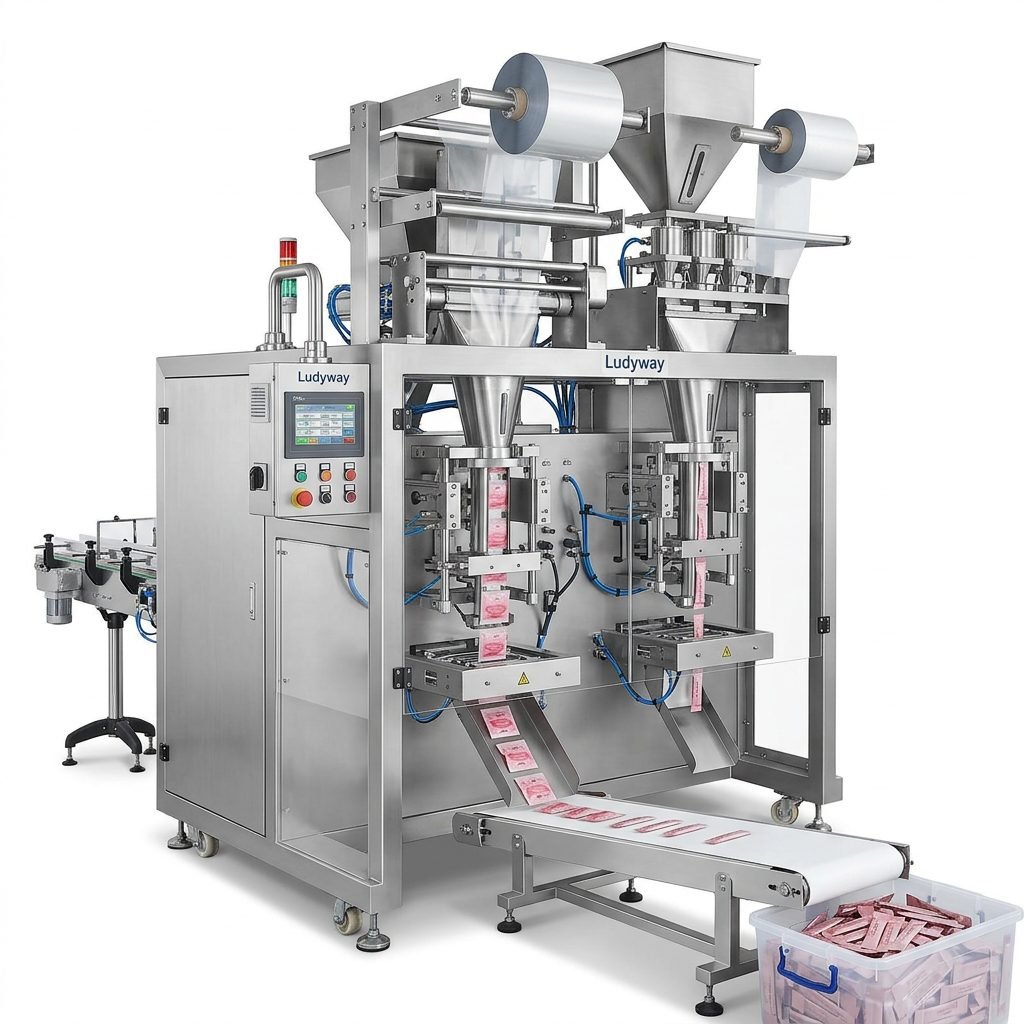
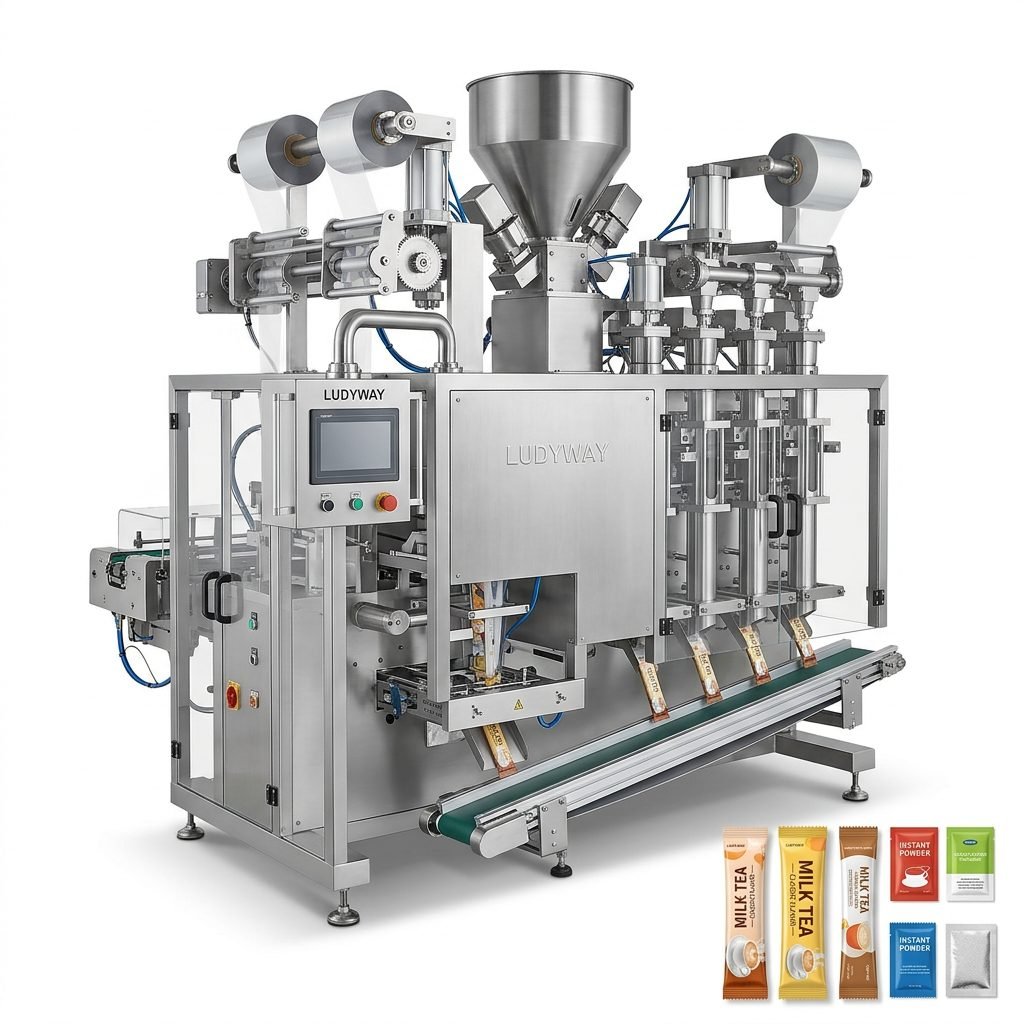
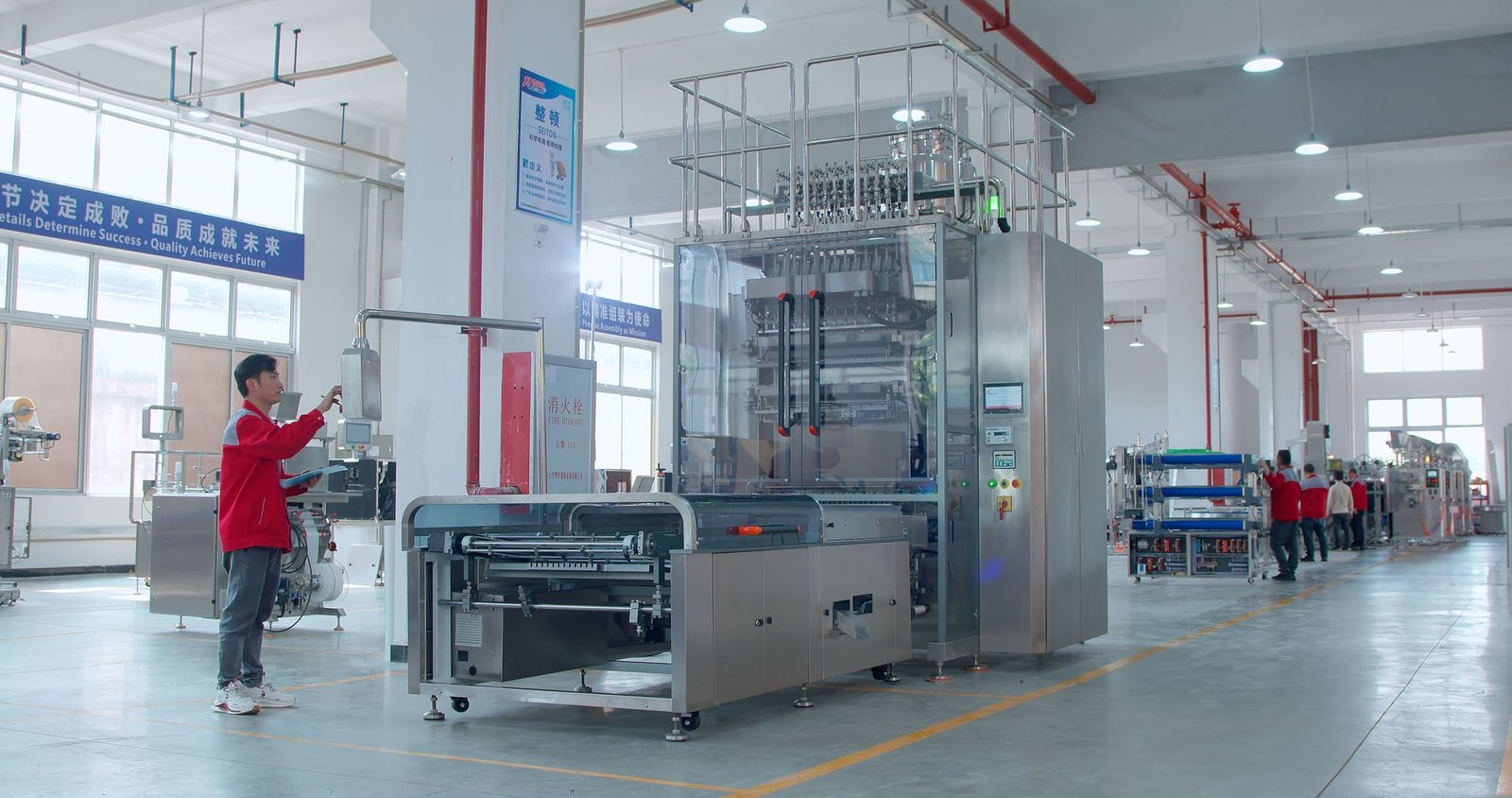
Standard equipment often falls short in the meat industry due to variations in product flow and temperature. A customized approach to machine engineering is frequently required. Complementary integration of grinding, packing, and cartoning into a single synchronized line maximizes throughput. For specialized applications, companies like Ludyway Machinery offer customized packaging engineering to match specific product characteristics, ensuring the filling system and film tension controls are calibrated precisely for ground beef’s unique density. This tailored strategy prevents bridging in the hopper and inconsistent seal integrity. Ultimately, choosing the right equipment is an investment in consistency, food safety, and long-term scalability in the competitive protein market.