Investing in a vacuum packing machine is a strategic decision for businesses looking to extend product shelf life, reduce waste, and improve packaging efficiency. Among the most widely used models in small to medium-scale operations is the DZ260 vacuum packing machine—a compact, double-chamber system known for its reliability and consistent performance. Whether you are packaging food, pharmaceuticals, electronic components, or industrial parts, selecting the right DZ260 configuration requires a clear understanding of your operational needs, product characteristics, and long-term production goals.
Understanding the DZ260 Vacuum Packing Machine
The DZ260 designation typically refers to a double-chamber vacuum packaging machine with a chamber depth of approximately 260mm. This configuration allows for efficient batch processing, where one chamber can be loaded while the other is actively vacuuming and sealing. Unlike single-chamber or external vacuum sealers, the double-chamber design significantly increases throughput, making it ideal for operations that require consistent output without excessive downtime. The machine operates by removing air from the chamber, creating a vacuum environment around the product bag, and then applying a heat seal to close the package securely.
Key Features That Define DZ260 Performance
When evaluating different DZ260 models, several critical features directly impact performance, durability, and suitability for your application. Understanding these elements will help you make an informed purchasing decision.
- Vacuum Pump Type and Capacity: The pump is the core component. High-quality oil-lubricated rotary vane pumps typically deliver deeper vacuum levels and longer service life compared to dry pumps.
- Chamber Construction Material: Stainless steel chambers offer superior corrosion resistance and hygiene, essential for food and pharmaceutical applications.
- Sealing Bar Length and Configuration: The number and arrangement of sealing bars determine how many bags can be sealed per cycle.
- Control System: Digital control panels provide precise adjustment of vacuum time, sealing time, and cooling time for consistent results.
- Gas Flush Capability: Some DZ260 machines offer modified atmosphere packaging (MAP) functionality, allowing inert gas injection before sealing.
How to Evaluate Build Quality and Durability
Not all DZ260 machines are manufactured to the same standards. The quality of materials, welding, and component selection directly affects machine longevity and maintenance frequency. Pay close attention to the thickness of the stainless steel used in the chamber, the quality of the sealing bar’s heating element, and the brand of the vacuum pump. Machines built with industrial-grade components typically withstand continuous use far better than those assembled with generic parts. For businesses operating in demanding environments, build quality should be a top priority—downtime caused by equipment failure can quickly erode any initial cost savings from choosing a lower-priced alternative. Industry resources such as PMMI packaging industry resources provide valuable guidance on machine quality benchmarks and packaging machinery standards applicable to vacuum equipment.
Vacuum Pump: The Heart of the Machine
The vacuum pump determines both the ultimate vacuum level achievable and the speed at which the chamber evacuates air. For the DZ260 platform, common pump configurations include:
| Pump Type | Vacuum Level | Maintenance Needs | Best Suited For |
|---|---|---|---|
| Oil-Lubricated Rotary Vane | Up to 0.5 mbar | Regular oil changes | Food, heavy-duty use |
| Dry Scroll Pump | Up to 10 mbar | Low, no oil required | Electronics, cleanroom |
| Venturi (Compressed Air) | Up to 100 mbar | Minimal | Light-duty, intermittent |
| Hybrid (Oil + Booster) | Up to 0.1 mbar | Moderate | High-precision packaging |
Chamber Size and Sealing Bar Specifications
While the DZ260 designation suggests a certain chamber size, actual dimensions can vary between manufacturers. The usable chamber volume and the sealing bar arrangement are critical factors that determine how many packages can be processed per cycle. A well-designed DZ260 should accommodate standard bag sizes while maximizing the number of bags sealed simultaneously. Flexible packaging industry data can help you understand compatible packaging material specifications and bag dimensions that work optimally with double-chamber vacuum machines.
Typical DZ260 Chamber Specifications
- Single Chamber Dimensions (per side): Approximately 500mm × 260mm × 110mm (L×W×H)
- Sealing Bar Length: 260mm to 400mm standard, with options for dual or triple bar configurations
- Cycle Time: 15 to 40 seconds depending on bag size and target vacuum level
- Maximum Bag Size: Typically bags up to 250mm × 350mm depending on chamber layout
Application Versatility Across Industries
The DZ260 vacuum packing machine serves a remarkably diverse range of industries. Its versatility stems from adjustable vacuum levels, programmable sealing parameters, and compatibility with various bag materials. Common applications include:
- Food Industry: Vacuum packaging of meats, cheeses, seafood, dried fruits, and prepared meals to extend shelf life and prevent freezer burn.
- Pharmaceuticals: Protective packaging of medical devices, sterile supplies, and powder medications requiring moisture and oxygen barriers.
- Electronics: Moisture-sensitive component packaging for PCBs, semiconductors, and precision parts.
- Industrial Parts: Corrosion protection for metal components, tools, and spare parts during storage and transportation.
- Consumer Goods: Packaging of cosmetics, nutraceuticals, and specialty products that benefit from tamper-evident vacuum sealing.
According to PMMI packaging machinery market research, the demand for flexible vacuum packaging solutions continues to grow across multiple sectors, driven by shelf-life extension requirements and sustainability considerations.
Control Systems and Automation Levels
Modern DZ260 machines come equipped with varying degrees of automation and control sophistication. Entry-level models may feature manual knobs and basic timers, while advanced versions offer PLC-controlled digital interfaces with programmable recipe storage. Key control features to evaluate include:
- Digital Display: Clear readouts of vacuum pressure, sealing time, and cycle status improve operator accuracy and reduce errors.
- Programmable Presets: Ability to store multiple packaging recipes for different products ensures consistency across production runs.
- Vacuum Sensor Feedback: Real-time pressure monitoring allows the machine to automatically adjust cycle parameters for optimal results.
- Gas Flush Integration: Built-in controls for MAP applications with precise gas mixture regulation.
- Error Diagnostics: On-screen fault codes and troubleshooting guidance reduce maintenance response time.
Maintenance Requirements and Serviceability
Routine maintenance is essential for keeping a DZ260 vacuum packing machine operating at peak efficiency. When comparing models, consider the accessibility of serviceable components and the availability of spare parts. Machines designed with modular components simplify repairs and reduce downtime. Critical maintenance areas include the vacuum pump oil, sealing bar heating elements, silicone sealing gaskets, and air filters. ISO packaging standards provide useful reference points for packaging equipment maintenance protocols and operational best practices that can help extend machine service life.
Cost Considerations Beyond the Purchase Price
The initial purchase price of a DZ260 machine is only one component of the total cost of ownership. A comprehensive cost analysis should account for:
- Consumables: Vacuum pump oil, sealing bars, heating wires, and gaskets require periodic replacement and contribute to ongoing operational expenses.
- Energy Consumption: Pump motor wattage and duty cycle directly impact electricity costs over the machine’s lifetime.
- Labor Efficiency: Faster cycle times and intuitive controls reduce operator labor per packaged unit.
- Downtime Risk: More reliable machines with accessible spare parts minimize production interruptions and associated losses.
- Packaging Material Waste: Precise sealing control reduces bag waste from improper seals, improving material yield.
Questions to Ask Before Making a Purchase
Before committing to a specific DZ260 model, asking the right questions can help you avoid costly mismatches between your needs and the machine’s capabilities. Here are the essential questions every buyer should address:
- What products will I be packaging, and what are their dimensions and characteristics? Consider product size, shape, sensitivity to pressure, and any sharp edges that could puncture bags.
- What is my expected daily or hourly throughput? Match the machine’s cycle time and chamber capacity to your production volume requirements.
- What vacuum level does my application require? Different products demand different vacuum depths—over-vacuuming can damage delicate items, while under-vacuuming compromises shelf life.
- Do I need gas flush or MAP capabilities? Modified atmosphere packaging extends shelf life for certain products and may be required for your market.
- What packaging materials will I use? Confirm compatibility with your preferred bag types, thicknesses, and barrier properties.
- What is the availability of technical support and spare parts in my region? Local service and parts availability can significantly impact long-term operational reliability.
Why Source from an Experienced Manufacturer
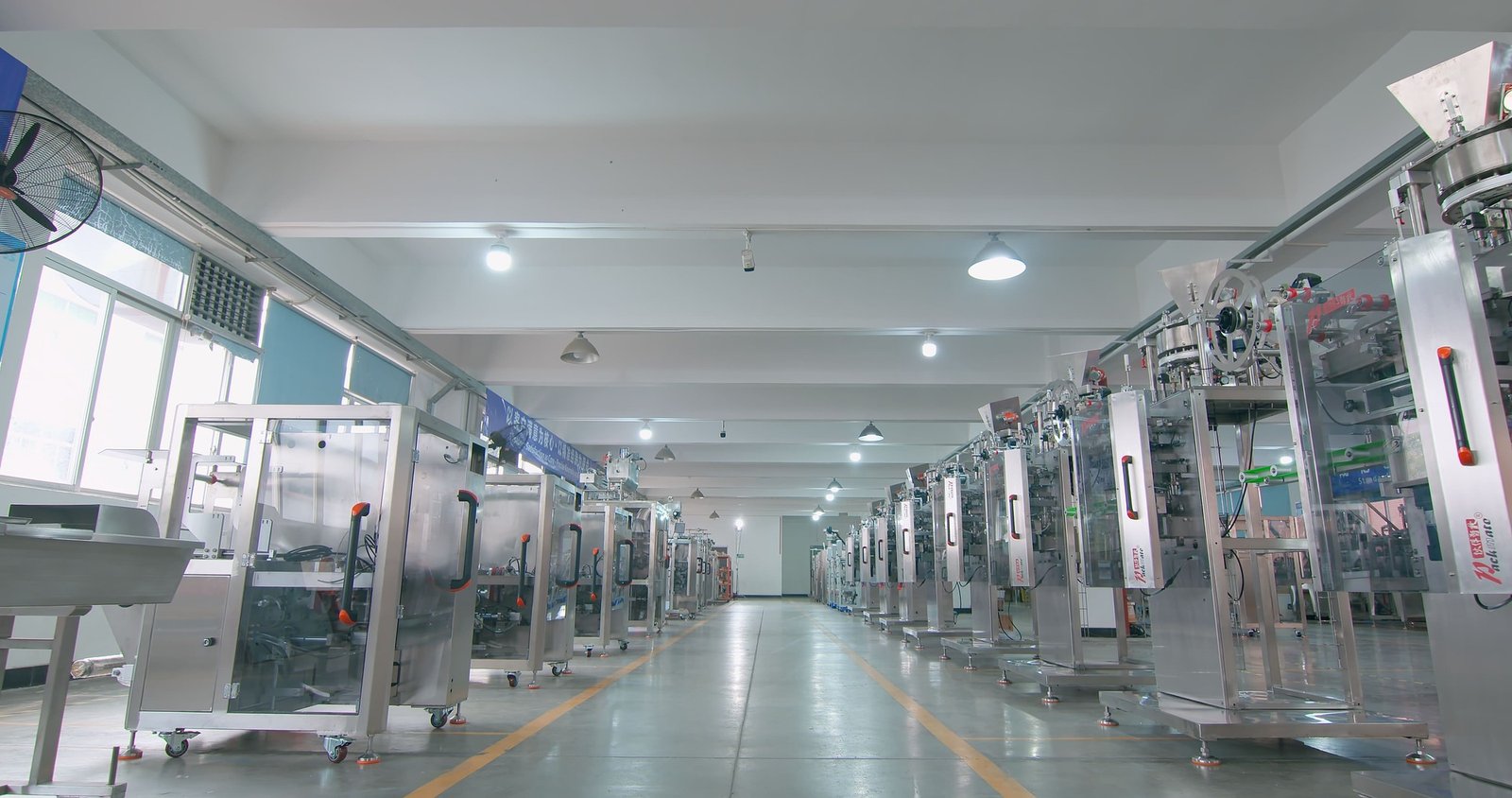
The quality and reliability of a DZ260 vacuum packing machine depend heavily on the manufacturing expertise behind it. Experienced manufacturers invest in precision engineering, rigorous quality control, and thorough testing before shipment. They also provide comprehensive documentation, operator training resources, and responsive after-sales support. Ludyway Machinery, with more than 30 years of experience in the packaging industry and a 20,000-square-meter manufacturing facility, exemplifies the kind of established manufacturer that can provide reliable vacuum packaging equipment along with the technical support and spare parts availability that global customers require. When evaluating suppliers, prioritize those with a proven track record, international certifications, and the engineering capability to support your specific application needs.
Common Mistakes to Avoid When Selecting a DZ260
- Choosing Based on Price Alone: The lowest upfront cost often translates to higher long-term expenses through maintenance, downtime, and shorter service life.
- Ignoring Chamber Depth Limitations: Products that exceed the chamber height will prevent proper lid closure and compromise vacuum performance.
- Overlooking Pump Duty Cycle: Continuous operation requires pumps rated for high duty cycles; intermittent-rated pumps will fail prematurely under constant use.
- Neglecting Operator Training: Even the best machine underperforms without properly trained operators who understand vacuum principles and machine settings.
- Underestimating Future Growth: Select a machine that can accommodate your projected production increases over the next three to five years.
Making the Final Decision
Selecting the right DZ260 vacuum packing machine requires balancing technical specifications, build quality, operational costs, and supplier reliability. Start by clearly defining your packaging requirements, then evaluate machines against those criteria rather than being swayed by features you may never use. Request demonstrations or sample packaging tests with your actual products whenever possible. Verify the warranty terms, spare parts availability, and the manufacturer’s commitment to ongoing technical support. A well-chosen DZ260 machine from a reputable manufacturer can deliver years of reliable service, protect your products, and contribute meaningfully to your operational efficiency and bottom line.