In the modern manufacturing landscape, packaging is the final, critical step that protects products, conveys brand identity, and ensures efficiency from factory to consumer. At the heart of this process lies the packaging machine—a sophisticated piece of automation that has revolutionized production lines across the globe. This article delves into the definition, various types, widespread uses, and fundamental workings of packaging machinery.
Definition: What Exactly Is a Packaging Machine?
A packaging machine is an automated or semi-automated system designed to perform one or multiple tasks involved in preparing a product for distribution, storage, sale, and use. Its core functions typically include filling, sealing, wrapping, labeling, coding, and cartoning. By automating these repetitive tasks, packaging machines dramatically increase production speed, improve consistency and hygiene, reduce labor costs, and minimize material waste.
The evolution from manual packing to automated systems represents a significant leap in industrial efficiency. Modern packaging machines integrate advanced technologies like Programmable Logic Controllers (PLCs), servo motors, vision inspection systems, and robotics, making them intelligent components of a connected Industry 4.0 environment.
Core Components of a Packaging System
While designs vary, most packaging machines consist of several key subsystems:
- Product Feeding & Handling: Gently orients and moves the product (e.g., bottles, pouches, tablets) into the correct position for packaging.
- Packaging Material Supply: Unwinds film, feeds pre-formed pouches, or erects cartons from a flat stack.
- Filling System: Precisely meters and dispenses the product—be it liquid, powder, granules, or solids—into the packaging.
- Sealing Unit: Creates a secure, airtight, or tamper-evident closure using heat, pressure, or adhesives.
- Control Panel (HMI): The user interface for operators to set parameters, monitor performance, and diagnose issues.
Major Types of Packaging Machines
The diversity of products and packaging formats has led to the development of specialized machinery. Here are some of the most common types:
1. Filling Machines
These machines are dedicated to accurately dispensing product into containers. They are categorized by the product form:
- Liquid Fillers: Used for water, oils, sauces, and chemicals. Technologies include gravity, piston, pump, and volumetric fillers.
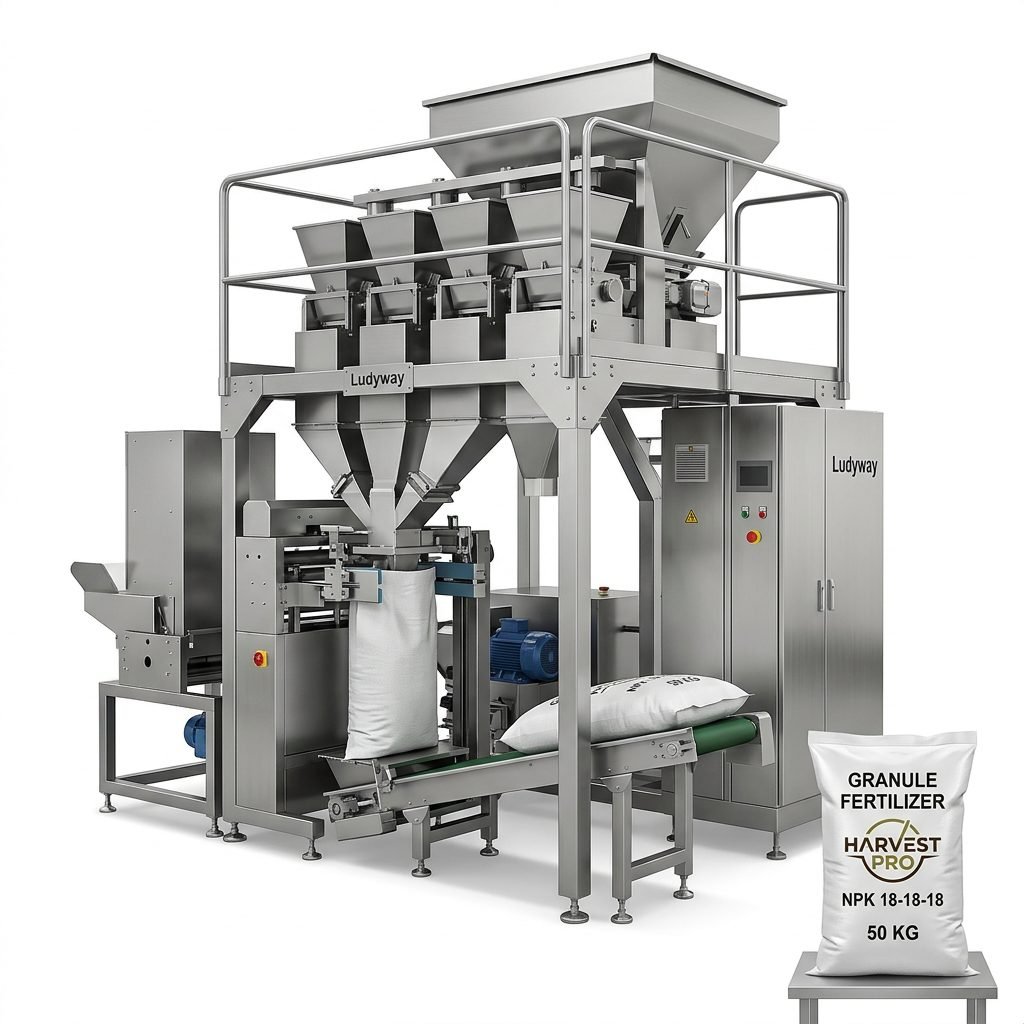
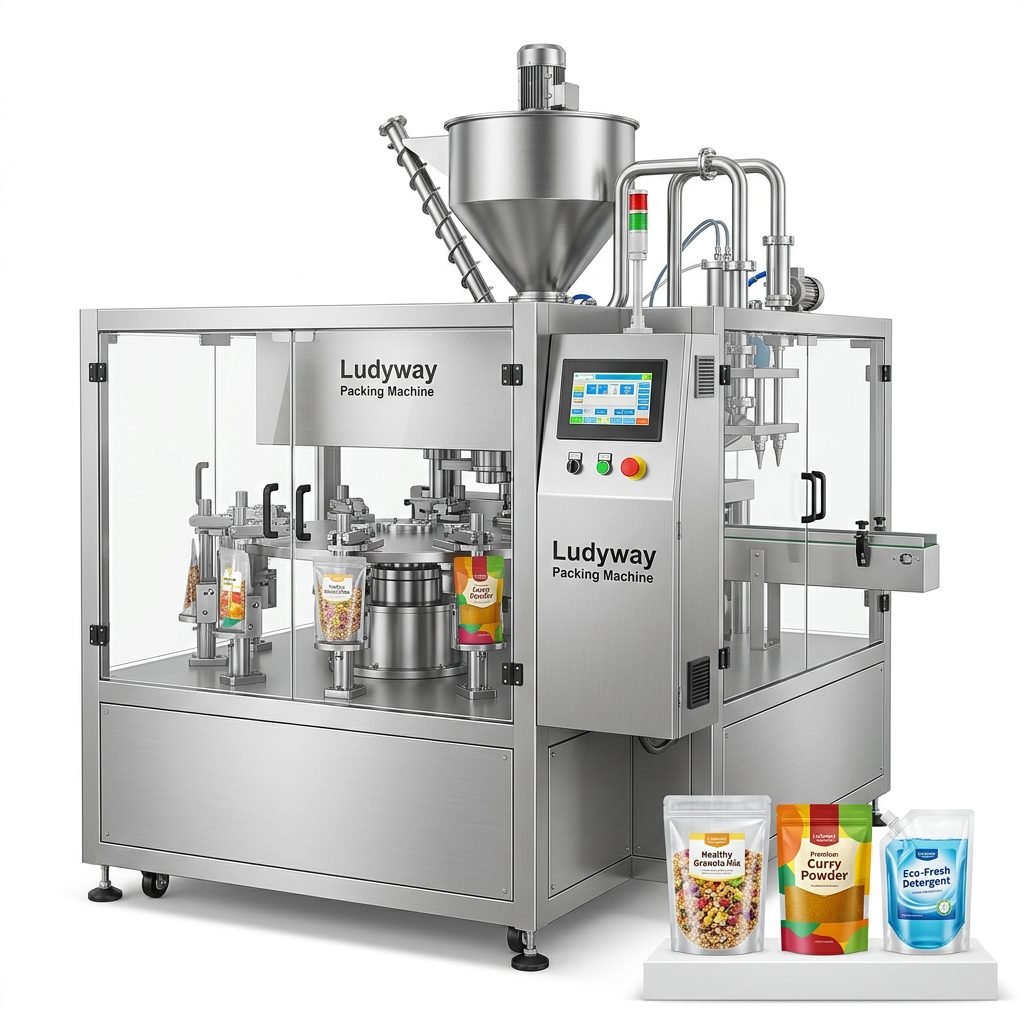
- Powder & Granule Fillers: Ideal for coffee, spices, pharmaceuticals, and detergent. Auger fillers and cup fillers are prevalent.
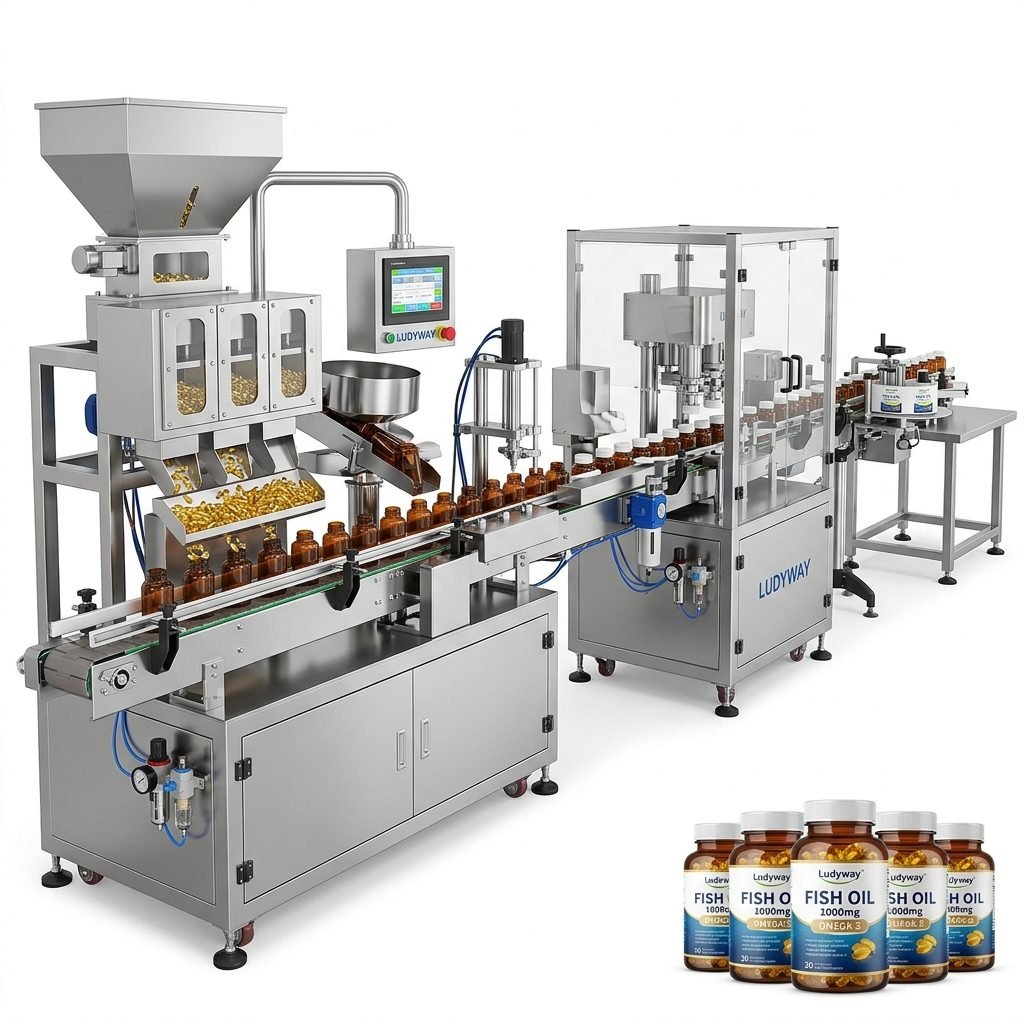
- Solid Fillers: Handle tablets, capsules, candies, and hardware, often using counting or weighing scales.
2. Form-Fill-Seal (FFS) Machines
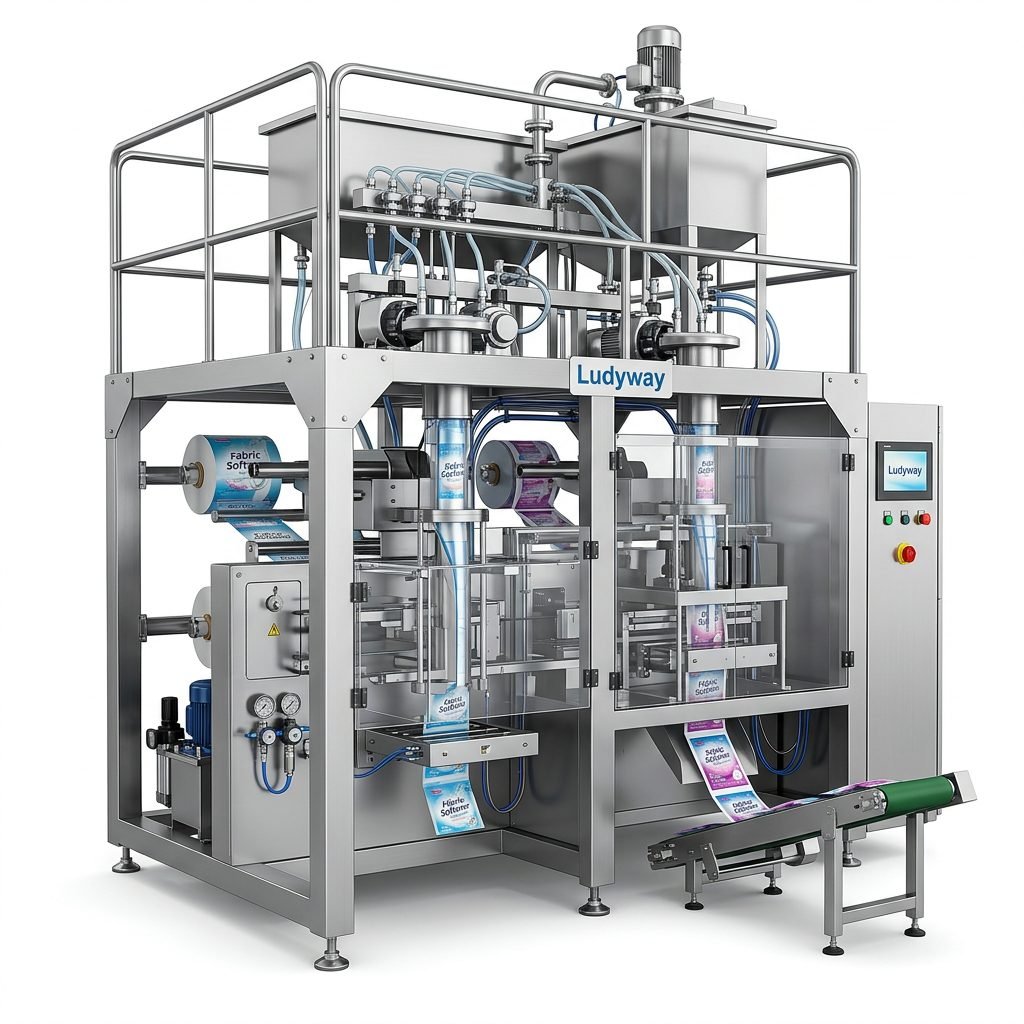
FFS machines are highly versatile and efficient. They form packaging from a roll of film, fill it with product, and seal it—all in one continuous operation. Common outputs include:
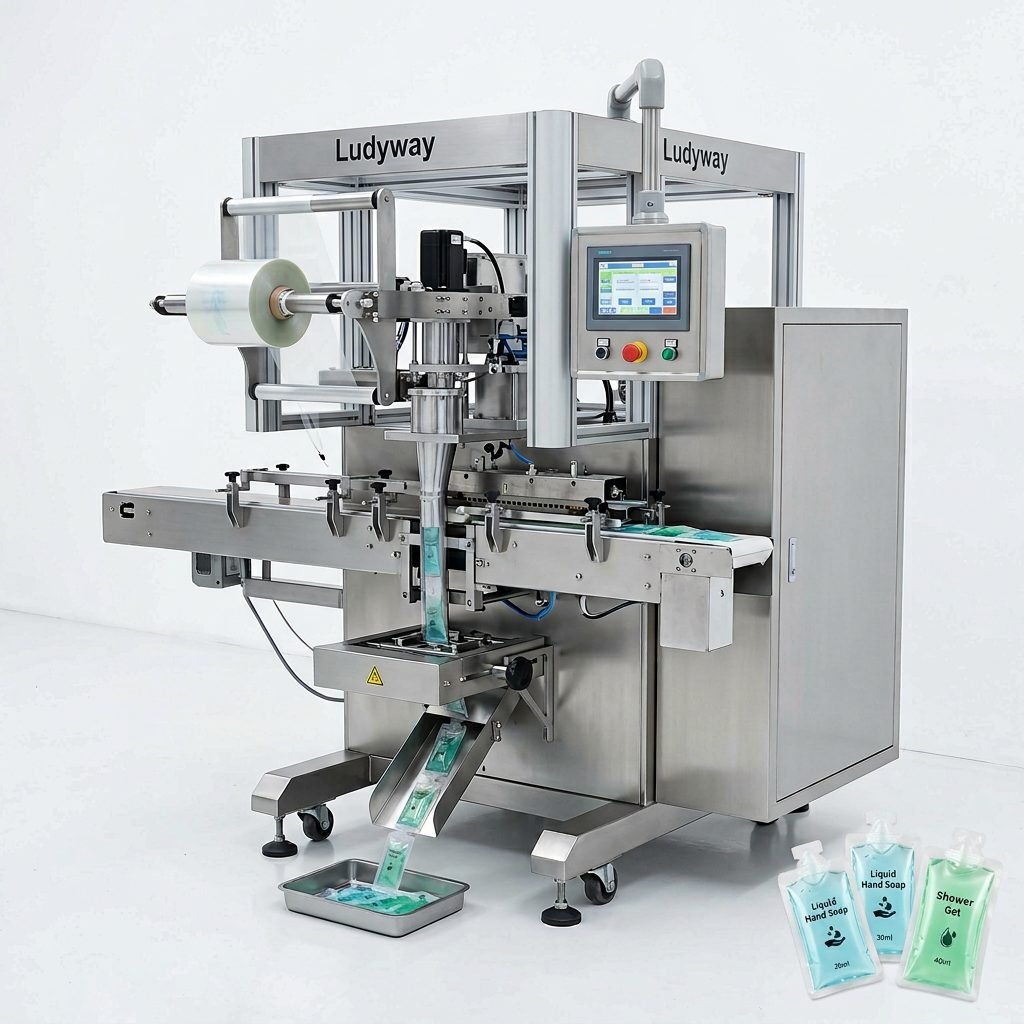
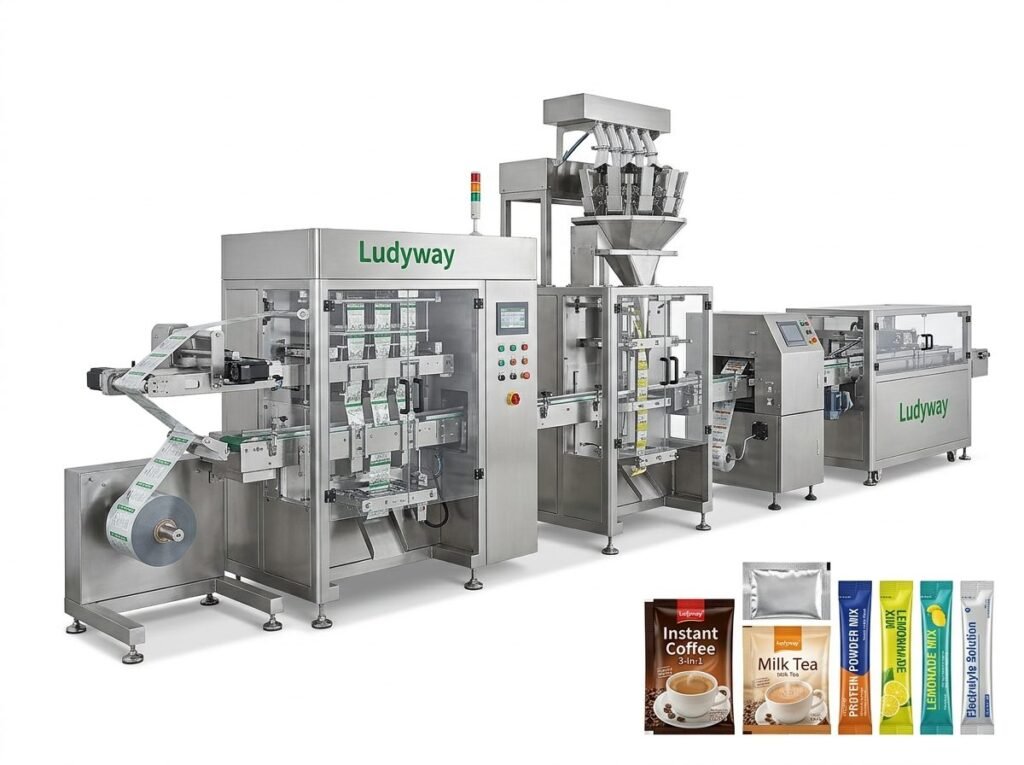
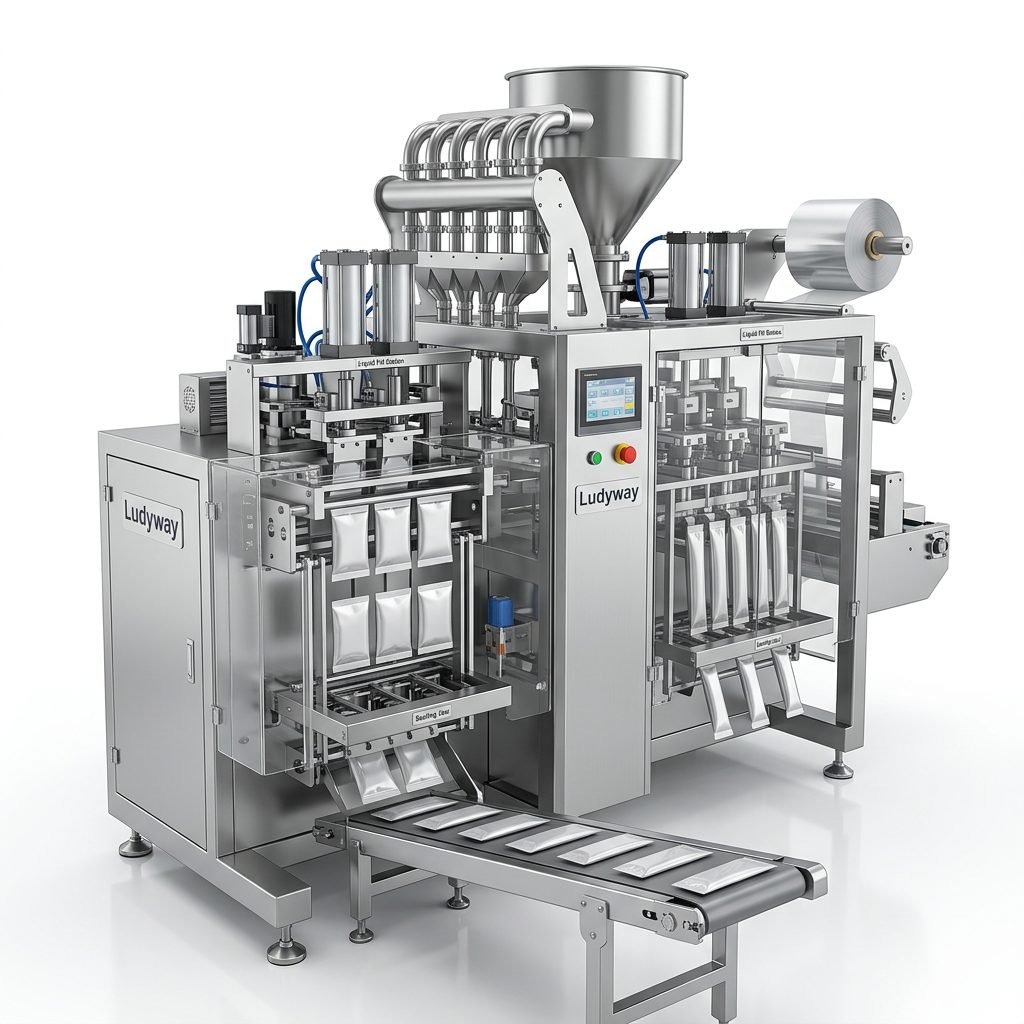
- Sachet/Pouch Packagers: Produce small, single-serve packs for ketchup, shampoo samples, or instant coffee.
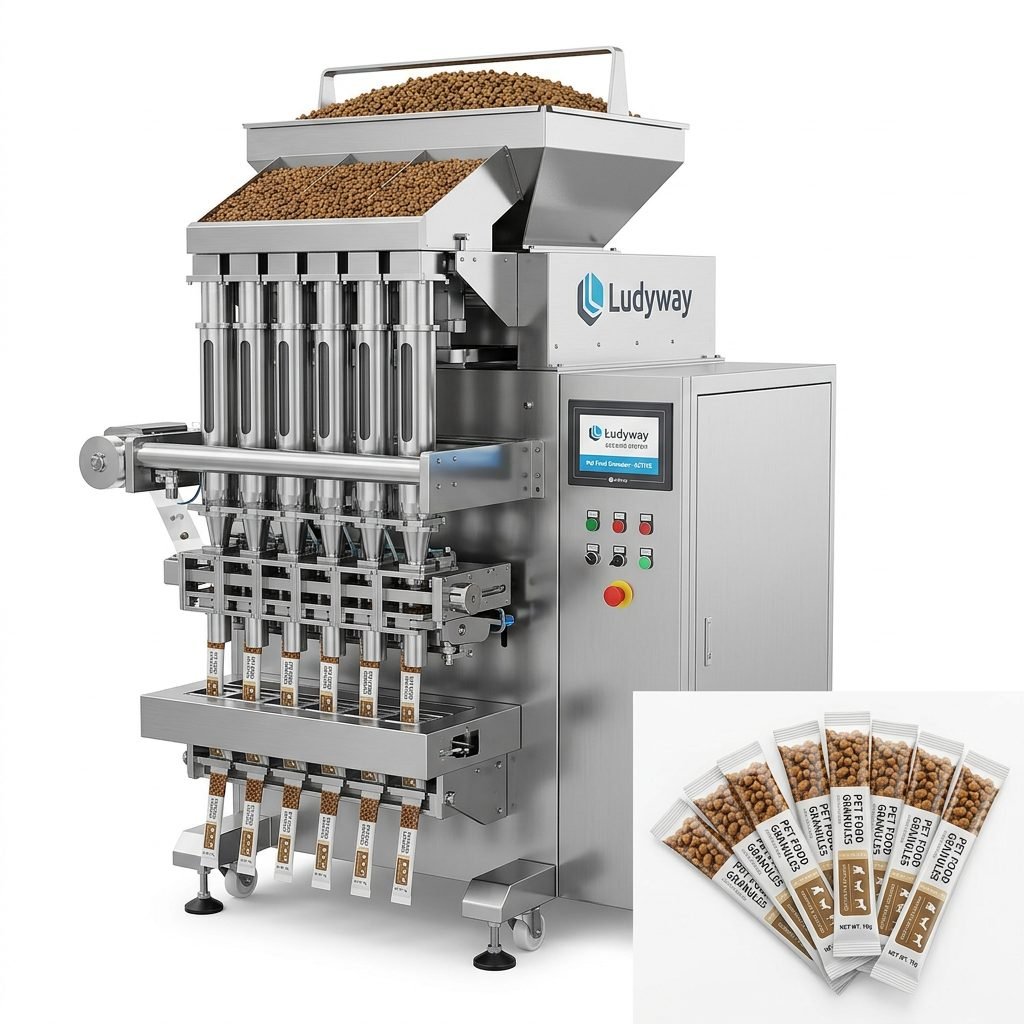
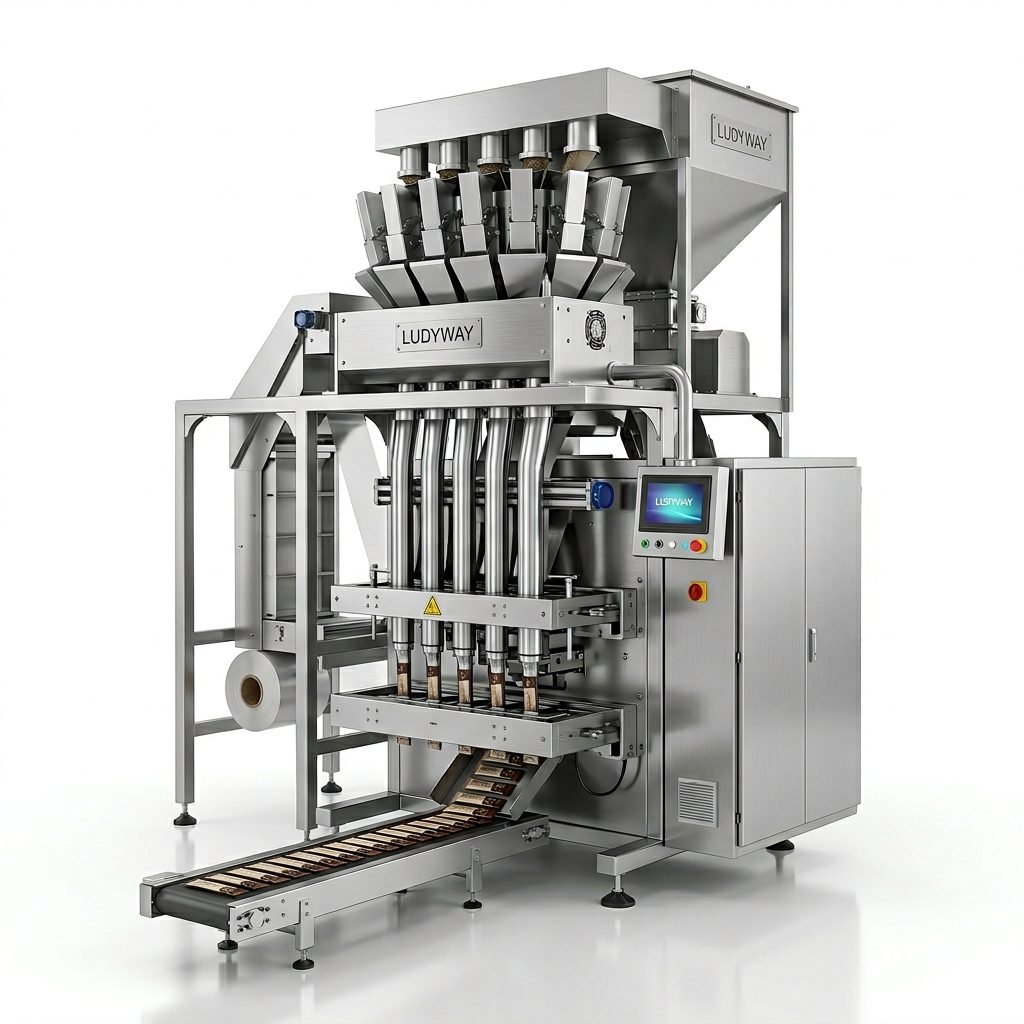
- Stick Pack Machines: Create long, slender packs ideal for drink mixes, pharmaceutical powders, or condiments.
Brands like Ludyway Machinery offer advanced multi-lane FFS systems that significantly boost output for such applications.
3. Sealing Machines
These ensure the package is closed securely to prevent contamination and spoilage. Types include induction sealers for bottles, heat sealers for pouches, and cappers for screwing on lids.
4. Wrapping & Bundling Machines
Used to wrap products in flexible film (like stretch or shrink wrap) or to bundle multiple units together (e.g., multi-packs of beverage cans).
5. Labeling & Coding Machines
Apply labels with product information and branding, or directly print batch codes, expiry dates, and barcodes onto the package.
Choosing the Right Machine
Selecting the appropriate packaging machine depends on multiple factors: product characteristics (form, abrasiveness, sensitivity), required speed (units per minute), packaging material (film, laminate, paper), budget, and desired level of automation (from semi-automatic to fully integrated lines). Consulting with experienced suppliers is crucial.
How Does a Packaging Machine Work? A Basic Workflow
The operation of a standard automated packaging machine follows a logical sequence:
- Product Infeed: Bulk product is loaded into a hopper or containers are placed on a conveyor.
- Packaging Formation: The machine forms the package. In an FFS machine, this means pulling film and creating the pouch.
- Precise Filling: The product is measured and dispensed into the waiting package via the chosen filling technology.
- Sealing: The open end of the package is closed using heat, pressure, or another sealing method.
- Discharge: The finished, sealed package is ejected onto a take-away conveyor for collection, cartoning, or further processing.
This entire process is controlled and synchronized by a central PLC, ensuring precision and repeatability for every single unit.
Primary Uses and Applications Across Industries
Packaging machines are indispensable in virtually every sector that produces a physical good:
Food & Beverage Industry
The largest user of packaging machinery. Applications range from snacks and confectionery to dairy, baked goods, and ready-to-eat meals. Machines must often meet stringent hygienic (e.g., food-grade stainless steel) and safety standards. Solutions like those from Ludyway are engineered to handle diverse food products reliably.
Pharmaceutical & Healthcare
Precision and sterility are paramount. Machines package tablets into blister packs, fill liquid medicines into vials, and create sterile sachets for powders. Compliance with regulations like GMP (Good Manufacturing Practice) is essential.
Cosmetics & Personal Care
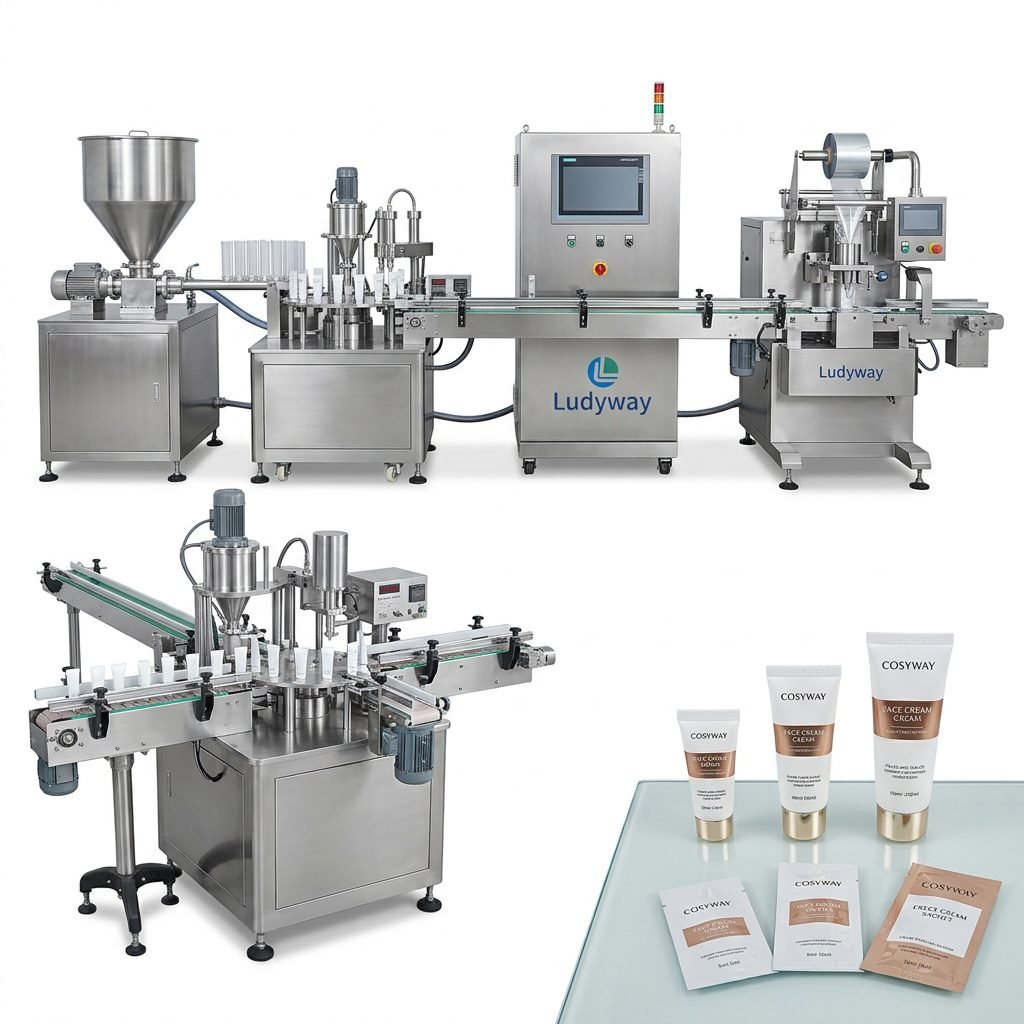
Packaging enhances product appeal. Machines fill creams into jars, lotions into bottles, and create sample sachets for shampoos and conditioners.
Chemicals & Household Goods
Used for packaging detergents, fertilizers, lubricants, and other industrial chemicals, often requiring machines resistant to corrosive materials.
For businesses looking to scale, investing in a turnkey packaging line that integrates several machines can optimize the entire packaging process from start to finish.
The Future: Trends in Packaging Machinery
The industry is moving towards greater connectivity (IoT for predictive maintenance), flexibility (quick changeovers for short runs), and sustainability (machines designed to handle recyclable or compostable materials efficiently). Robotics are also becoming more integrated for complex picking and placing tasks.
Frequently Asked Questions (FAQs)
1. What is the main benefit of using an automated packaging machine?
The primary benefit is significantly increased operational efficiency. Automation leads to higher output speeds, consistent and accurate packaging, reduced labor costs, lower material waste, and improved hygiene and safety compared to manual processes.
2. How do I choose between a semi-automatic and a fully automatic machine?
The choice depends on your production volume and budget. Semi-automatic machines require some operator involvement (e.g., placing bags) and are ideal for lower volumes or start-ups. Fully automatic machines handle the entire process with minimal human intervention and are necessary for medium to high-volume production to maximize efficiency.
3. Can one machine handle different packaging sizes or products?
Many modern machines are designed with quick-changeover capabilities. By swapping out parts like forming tools, filling nozzles, or adjusting settings via the HMI, a single machine can often accommodate a range of similar package sizes and products, adding valuable flexibility to your production line.
4. What kind of maintenance do packaging machines require?
Regular preventive maintenance is crucial for longevity and uptime. This typically includes daily cleaning, periodic lubrication of moving parts, inspection and replacement of wear items (like sealing jaws or gaskets), and software updates. A good supplier will provide a maintenance schedule and support.
5. Are there packaging machines suitable for small businesses or R&D?
Yes. The market offers compact, table-top, or semi-automatic models perfect for small-scale production, pilot runs, research and development, or creating product samples. These provide an accessible entry point into automation without the large investment of an industrial-scale line.