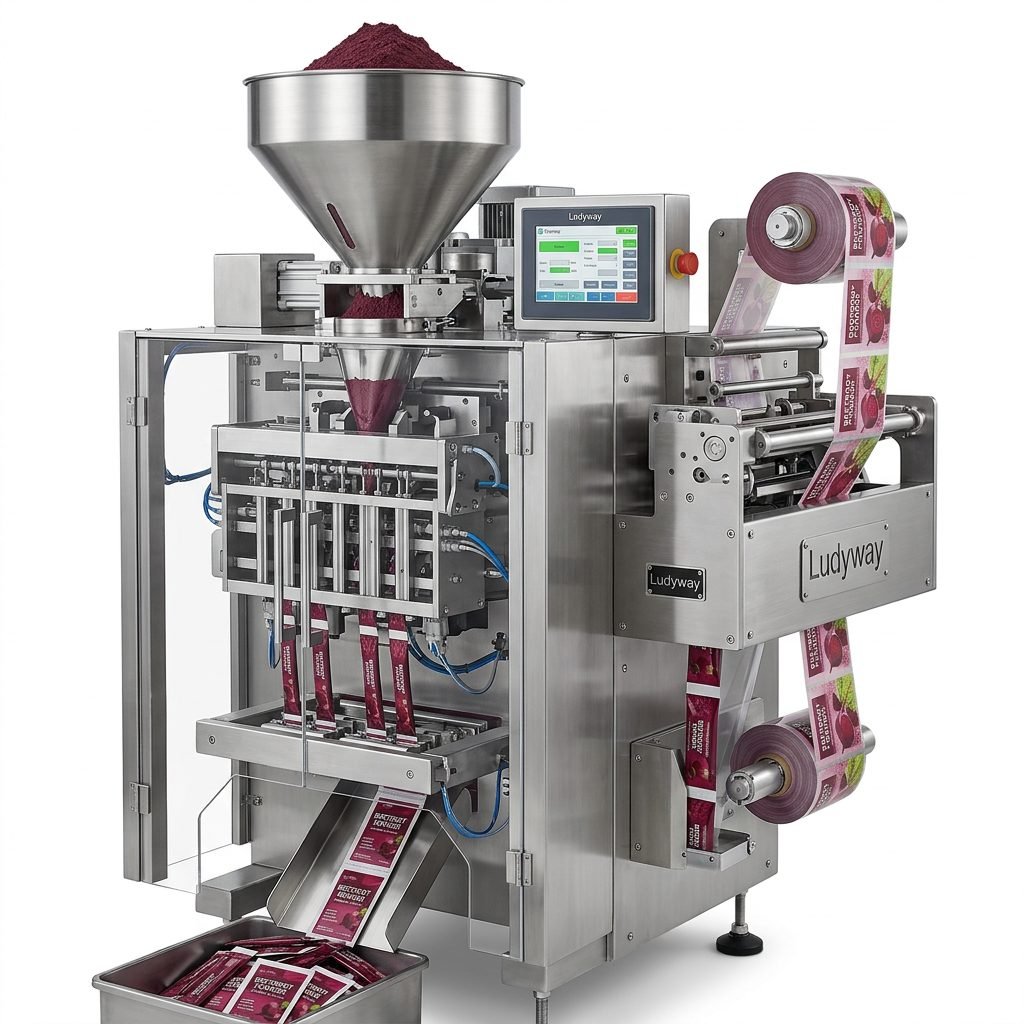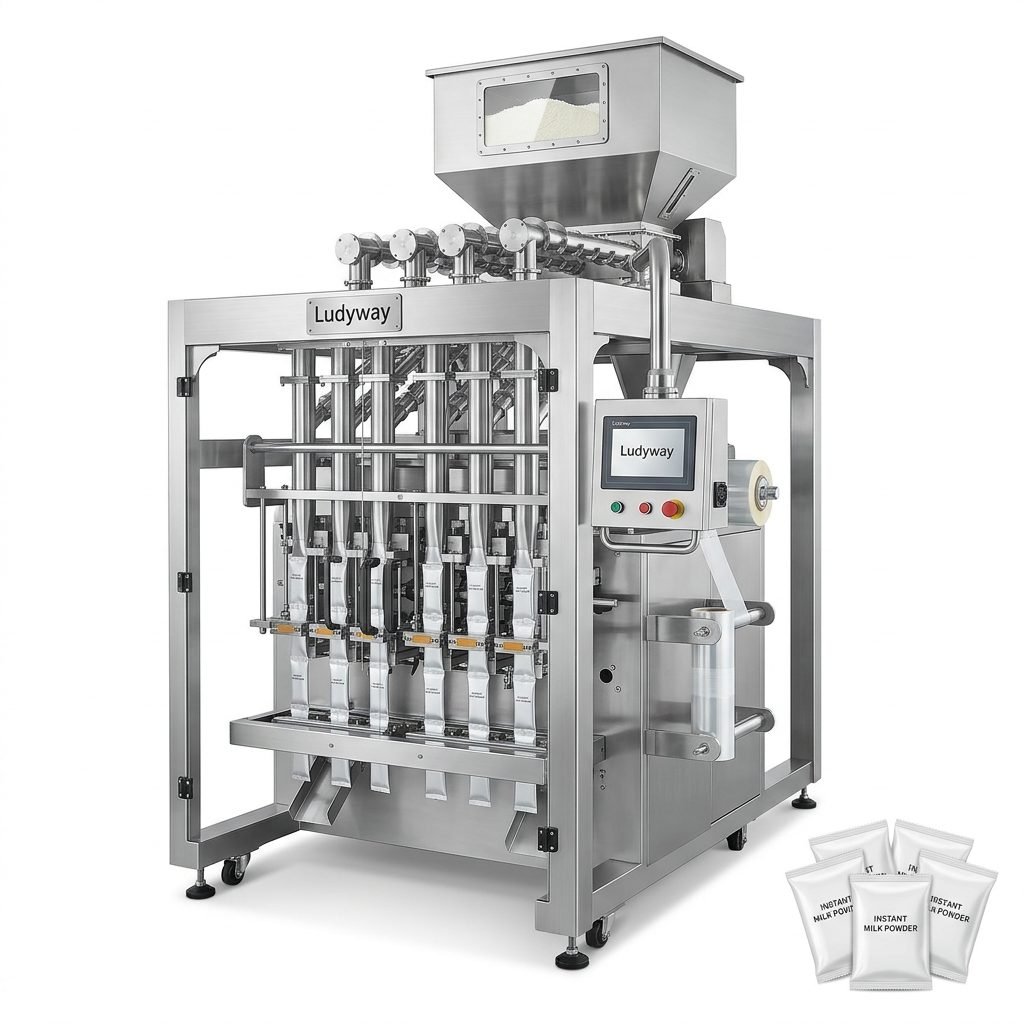
The global demand for milk powder products — from infant formula to nutritional supplements and dairy ingredients — continues to grow rapidly. For manufacturers, selecting the right milk powder packing machine is a critical decision that directly impacts production efficiency, product quality, and long-term operational costs. With numerous machine types, configurations, and technical specifications available, making an informed choice requires a structured evaluation of your specific production needs.
This comprehensive buyer’s guide walks you through the essential factors to consider when investing in a milk powder packaging machine, helping you navigate the selection process with confidence.
Understanding Your Production Requirements First
Before comparing machine specifications, it is essential to define your production parameters clearly. The ideal milk powder packing machine depends on several interrelated factors that vary significantly between manufacturers:
- Production volume: Daily or hourly output requirements determine whether you need a single-lane or multi-lane packaging system
- Packaging format: Stick packs, sachets, pouches, or bulk bags each require different machine configurations
- Fill weight range: Machines must be calibrated for your specific grammage — from small single-serve sachets to larger bulk packages
- Powder characteristics: Particle size, flowability, density, and moisture sensitivity all influence dosing and filling technology selection
- Packaging material: The type of film or laminate used affects sealing parameters and machine compatibility
According to industry data from the PMMI Business Intelligence library, understanding these baseline requirements can reduce equipment selection time by up to 40% and help avoid costly mismatches between machine capabilities and production needs.
Types of Milk Powder Packing Machines
Different packaging formats serve different market segments. Understanding the machine types available helps narrow your options efficiently:
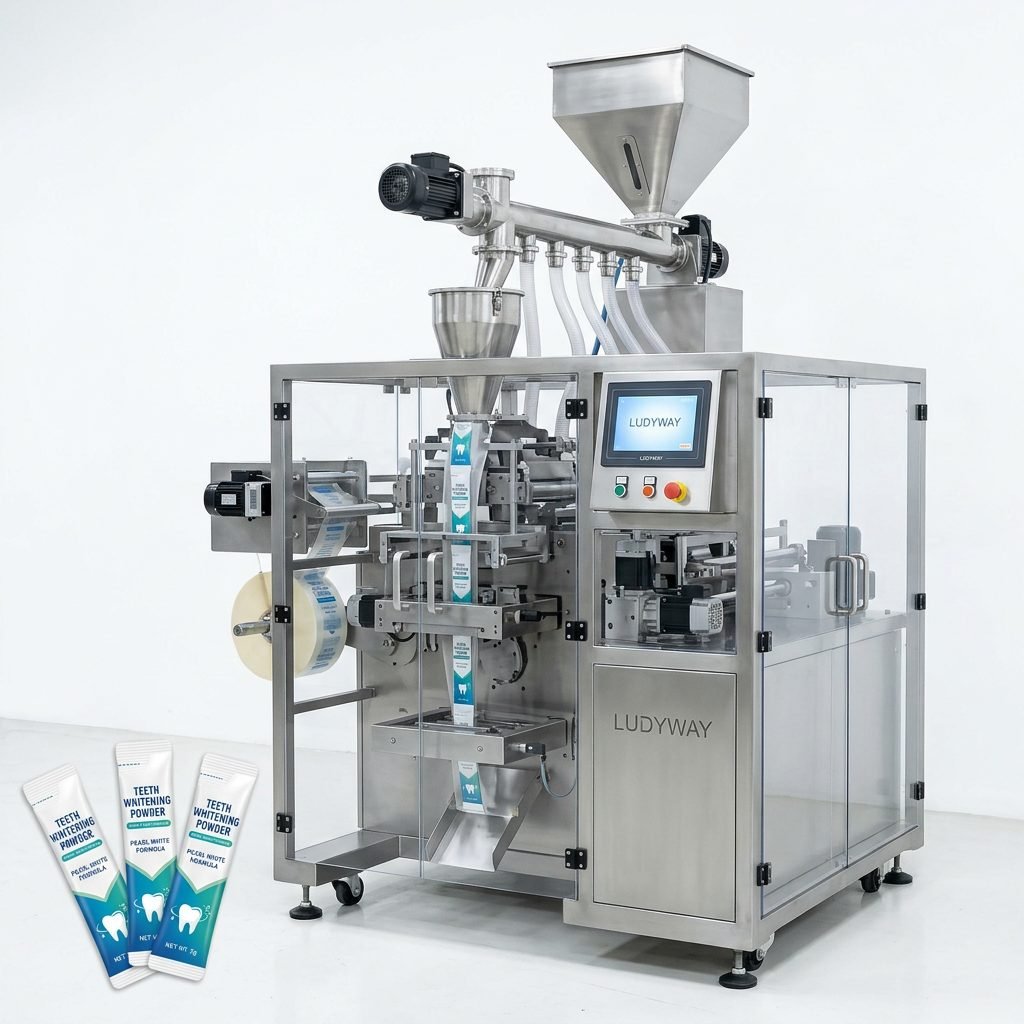
Stick Pack Machines
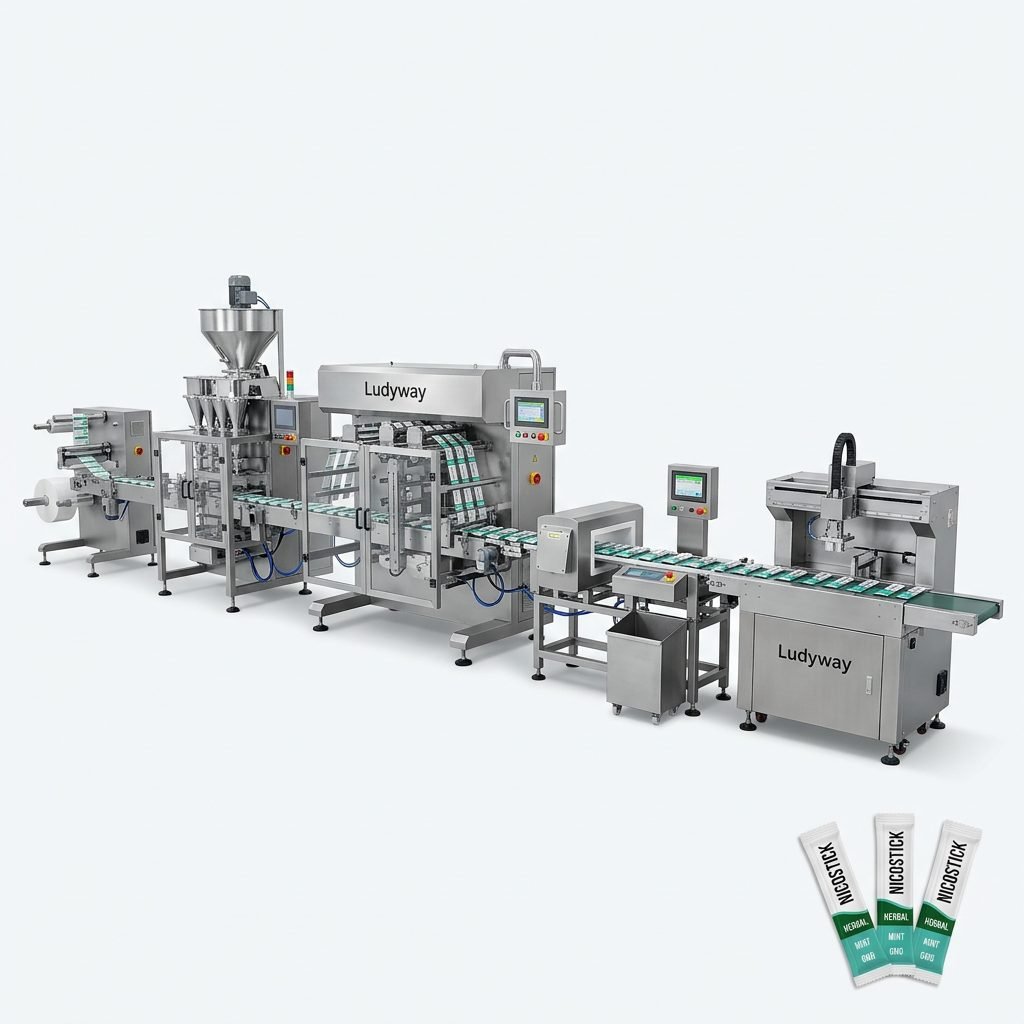
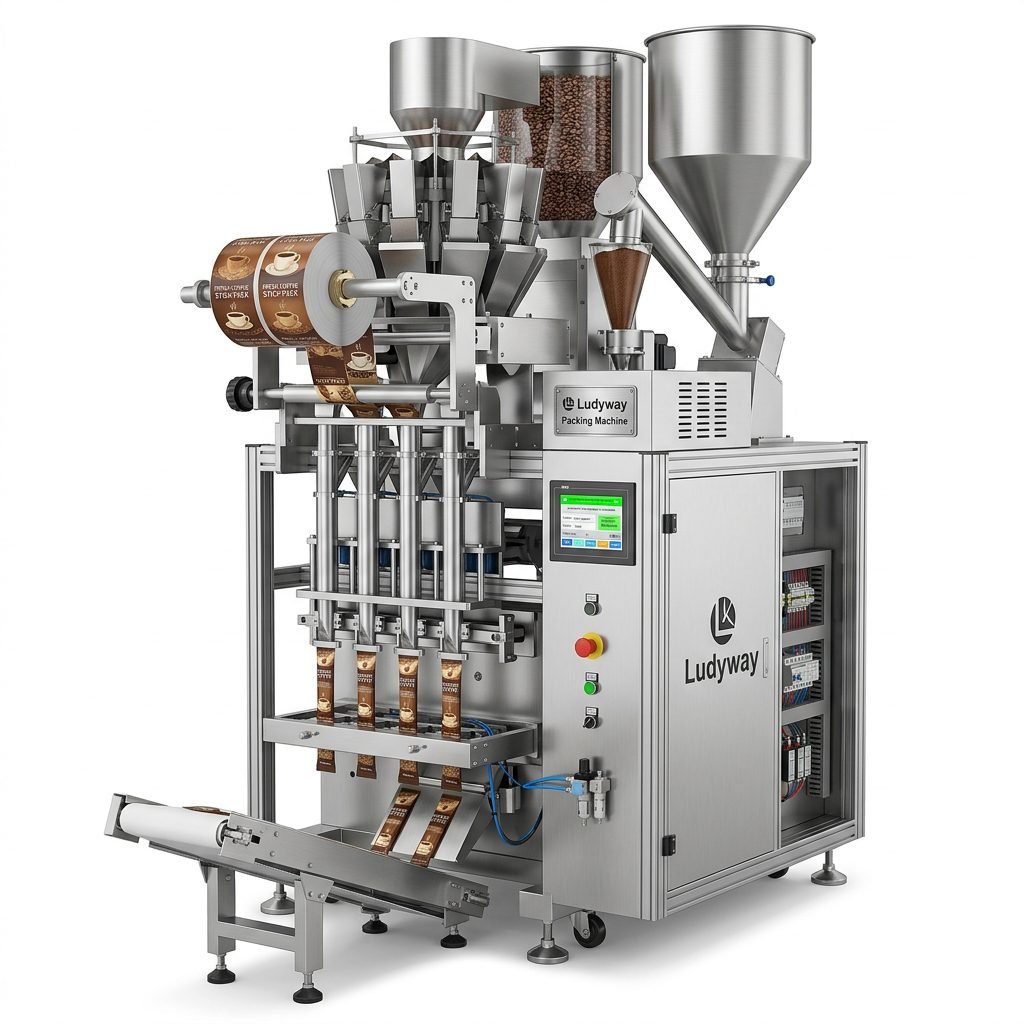
Stick pack machines produce narrow, elongated single-serve packages ideal for convenience-oriented products. These machines are widely used for milk powder sachets in the food service and travel retail sectors. Modern stick pack systems can operate at high speeds with multi-lane configurations, significantly boosting throughput.
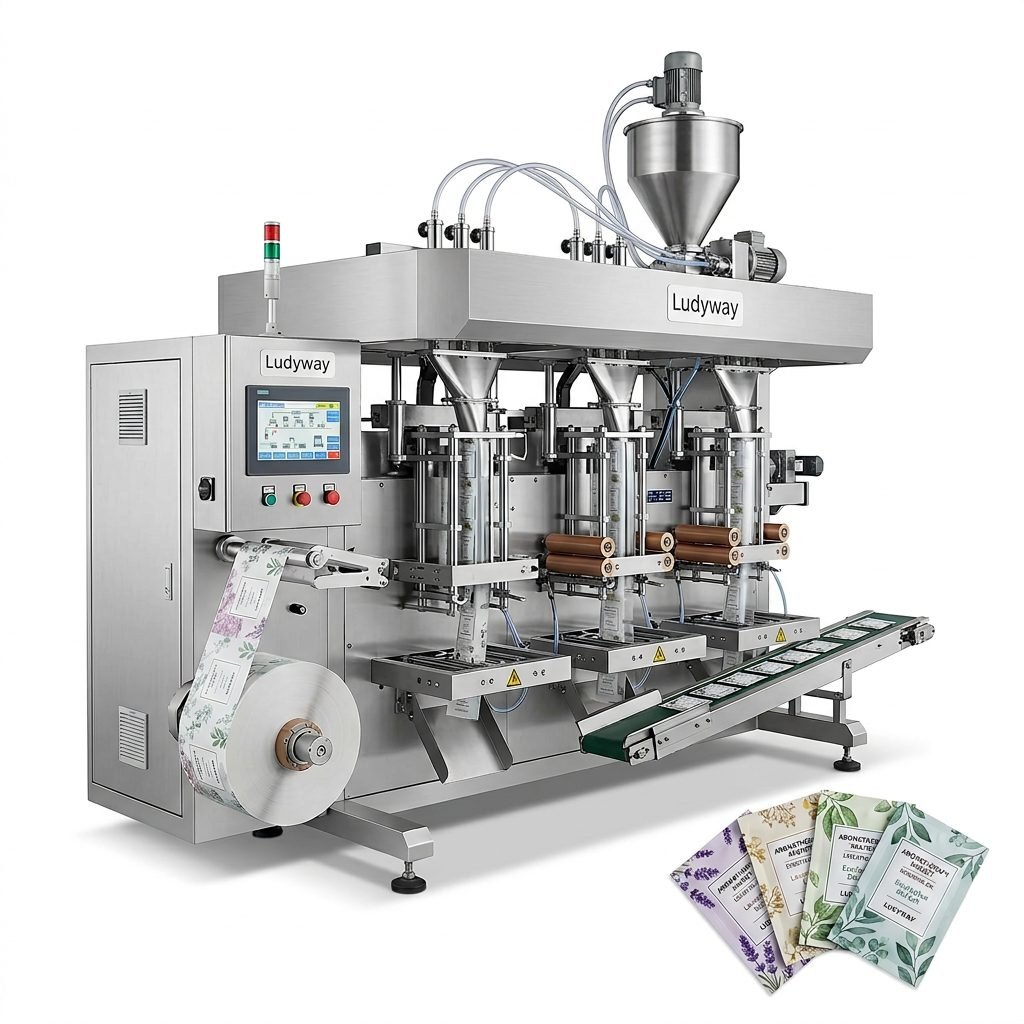
Sachet Packing Machines
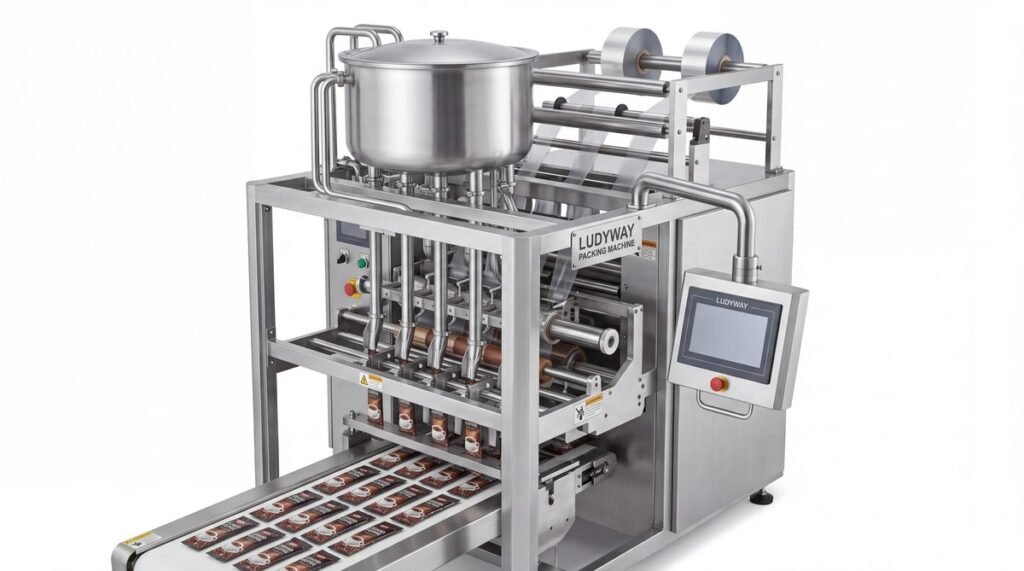
Sachet machines offer broader packaging dimensions compared to stick packs, making them suitable for single-use and small-portion milk powder products. These machines typically provide flexibility in terms of fill weight and packaging material, and they are commonly employed in both food and pharmaceutical applications.
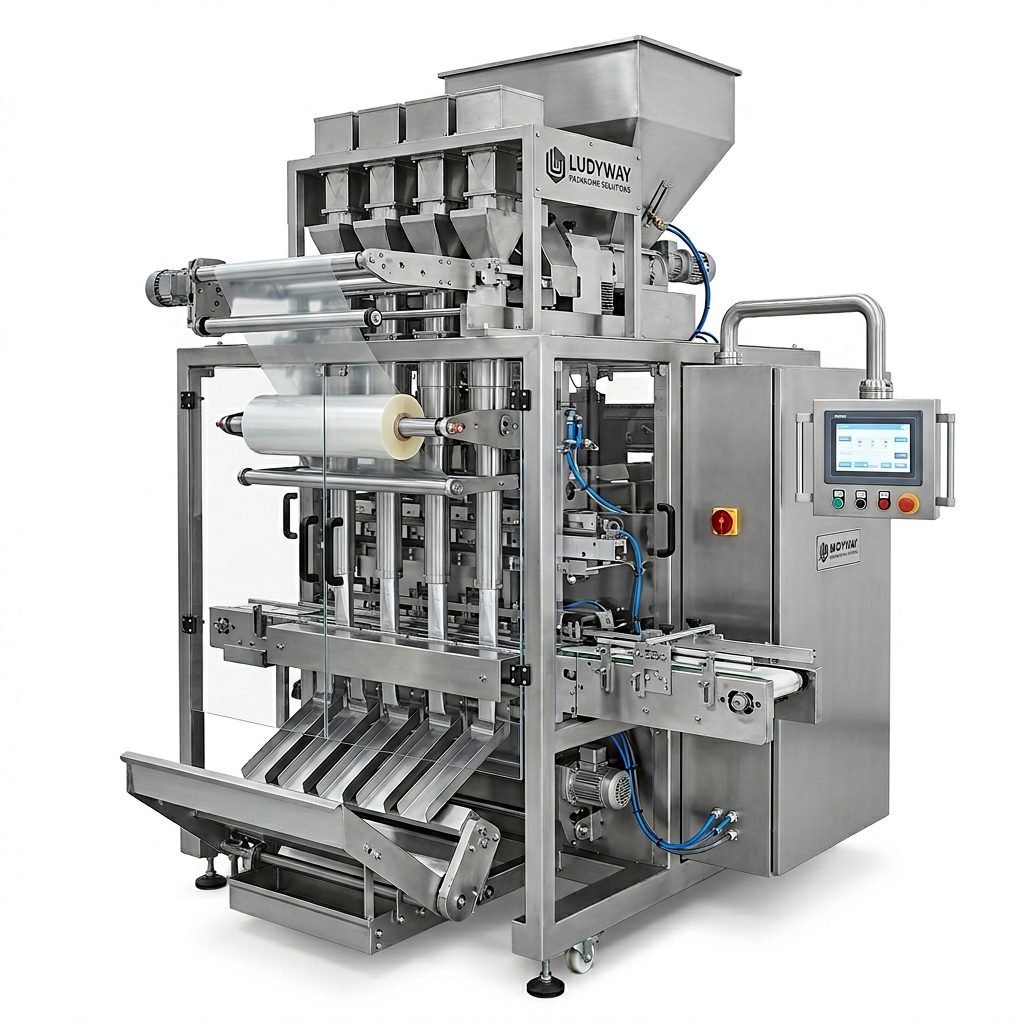
Multi-Lane Packaging Systems
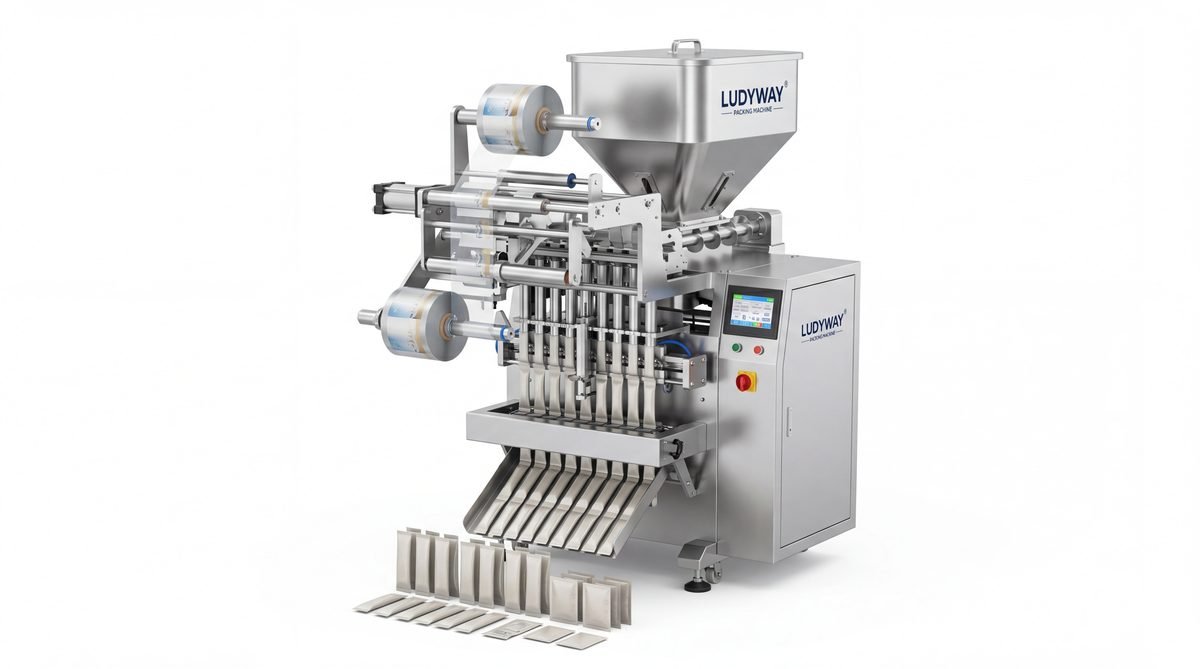
For high-volume manufacturers, multi-lane packaging systems represent the most efficient solution. These machines run multiple packaging lanes simultaneously, dramatically increasing output without proportionally increasing floor space requirements. A well-configured multi-lane milk powder packing machine can deliver superior productivity in large-scale operations.
Pouch and Bulk Bag Machines
For larger packaging formats — including stand-up pouches, gusseted bags, and bulk packaging — dedicated pouch filling and sealing machines provide the necessary filling accuracy and seal integrity. These systems are essential for manufacturers serving institutional, industrial, or wholesale markets.
Key Factors to Evaluate When Selecting a Milk Powder Packing Machine
The following comparison table outlines the critical evaluation criteria that should guide your purchasing decision:
| Evaluation Factor | What to Look For | Impact on Operations |
|---|---|---|
| Filling Accuracy | Precision dosing systems with ±0.5% to ±1% tolerance | Reduces product giveaway; ensures regulatory compliance |
| Production Speed | Measured in packs per minute per lane | Directly affects output capacity and labor requirements |
| Seal Integrity | Consistent heat sealing with adjustable temperature control | Prevents leakage, contamination, and shelf-life issues |
| Material Compatibility | Supports various laminates and flexible packaging materials | Enables supply chain flexibility; supports sustainability goals |
| Changeover Time | Quick-change components and tool-less adjustments | Minimizes downtime between product runs |
| Automation Level | Integrated controls, sensors, and optional robotic handling | Reduces manual intervention; improves consistency |
| Cleaning & Maintenance | Easy-access design; CIP-compatible where applicable | Supports hygiene compliance; reduces downtime |
Technical Specifications That Matter Most
Beyond the basic machine type, several technical specifications warrant careful attention during the evaluation process:
Dosing and Filling Technology
Milk powder’s flow characteristics make dosing technology particularly important. Auger fillers, volumetric cup fillers, and multi-head weighers each offer distinct advantages depending on powder density and required accuracy. For fine, free-flowing milk powders, auger-based dosing systems generally provide the best combination of speed and precision.
Sealing System Design
The sealing mechanism must deliver consistent, hermetic seals across all production speeds. Look for machines with independent temperature control zones and pressure adjustment capabilities. Proper seal integrity is essential for maintaining product freshness and meeting FDA food packaging requirements for milk powder products destined for regulated markets.
Control System and Automation
Modern milk powder packing machines incorporate PLC-based control systems with touchscreen interfaces. Key features to evaluate include recipe management, production data logging, remote diagnostics, and integration capabilities with upstream and downstream equipment. Advanced control systems facilitate Industry 4.0 readiness and enable predictive maintenance strategies.
Construction Materials and Hygiene
For food-grade applications, machines should feature stainless steel construction in all product-contact areas. Consider whether the machine design supports your cleaning protocols and whether it meets relevant ISO packaging standards for food safety and hygiene.
Evaluating Total Cost of Ownership and ROI
Purchase price alone does not reflect the true cost of a packaging machine. A thorough financial analysis should account for:
- Initial capital expenditure — machine cost plus installation, commissioning, and training
- Operational costs — energy consumption, packaging material waste, labor requirements
- Maintenance and spare parts — availability, pricing, and lead times for critical components
- Downtime risk — reliability track record and mean time between failures (MTBF)
- Scalability potential — whether the machine can accommodate future production growth
Investing in a higher-quality milk powder packing machine often yields superior long-term ROI through reduced waste, higher uptime, and consistent output quality. The PMMI 2025 State of the Industry report highlights that packaging machinery investments focused on automation and efficiency continue to deliver measurable returns across food sectors.
The Importance of After-Sales Support and Service
A packaging machine is a long-term investment, and the manufacturer’s service capabilities directly affect your ongoing operations. When evaluating suppliers, consider:
- Technical support availability — response times and communication channels for troubleshooting
- Spare parts network — inventory depth and shipping capabilities to your location
- Training programs — operator training, maintenance training, and ongoing skill development
- Remote assistance capabilities — whether the supplier offers remote diagnostics and support
- Installation and commissioning support — on-site technical presence during startup

Customization vs. Standard Models: Making the Right Choice
While standard machine models offer shorter lead times and lower upfront costs, customized packaging solutions can deliver significantly better results for manufacturers with specific requirements. Milk powder products vary widely in terms of particle size distribution, bulk density, and packaging format needs. A tailored machine configuration often provides superior filling accuracy, faster speeds, and better material utilization compared to an off-the-shelf solution adapted to fit.
When Customization Makes Sense
- Your product has unique flow characteristics that standard dosing systems cannot handle effectively
- You require specific packaging formats or dimensions not supported by standard models
- Your production line needs seamless integration with existing upstream or downstream equipment
- You operate in regulated markets with stringent compliance documentation requirements
Choosing a Reliable Packaging Machinery Partner
Selecting the right supplier is as important as selecting the right machine. A trusted packaging machinery manufacturer brings more than just equipment — they provide engineering expertise, application knowledge, and long-term support that contribute to your production success.
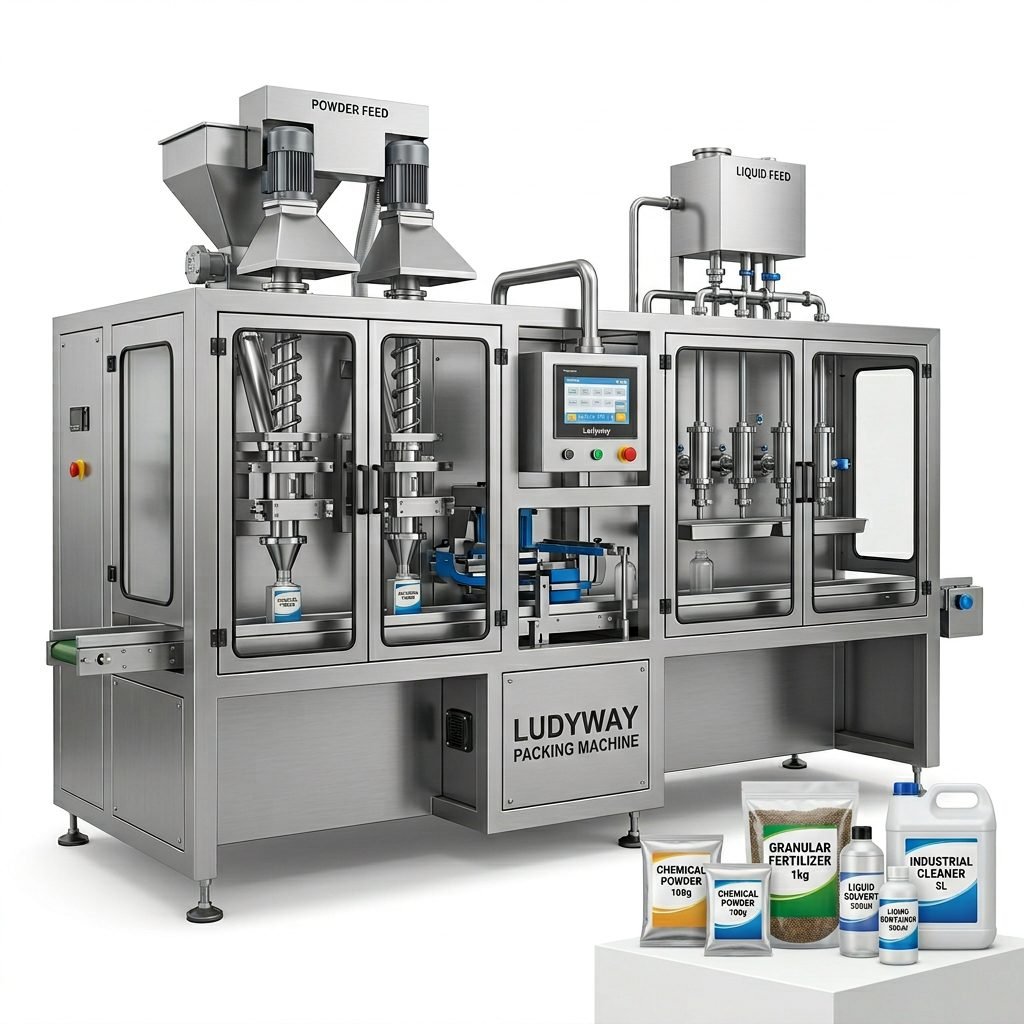
With over 30 years of experience, Ludyway Machinery is a China-based packaging machinery manufacturer and turnkey packaging solution provider that has developed a comprehensive portfolio of automatic packaging equipment for powder, granule, liquid, stick pack, sachet, and pouch applications. The company combines a 20,000-square-meter manufacturing facility with engineering capabilities and automation expertise to help customers across more than 100 countries improve packaging efficiency and production capacity.

Questions to Ask Before Making Your Final Decision
As you approach the final stages of your selection process, the following checklist questions can help ensure you have covered all critical considerations:
- Has the machine been tested with your specific milk powder product to verify performance?
- Does the supplier offer factory acceptance testing (FAT) before shipment?
- What are the typical lead times for both the machine and critical spare parts?
- Is the control system user-friendly and does it support multiple language options?
- Can the machine accommodate future packaging format changes or production scaling?
- What warranty terms are provided, and what do they cover?
- Does the supplier have references or case studies from customers in the milk powder industry?
Taking a methodical approach to milk powder packing machine selection pays dividends in the form of smoother operations, higher productivity, and fewer unexpected costs. By thoroughly evaluating your production requirements, understanding available machine types, assessing technical specifications, and partnering with an experienced manufacturer, you position your operation for sustainable growth in the competitive dairy and nutrition markets.
For manufacturers seeking guidance on packaging machinery selection, industry resources from organizations like the Association for Packaging and Processing Technologies (PMMI) and the Flexible Packaging Association provide valuable market intelligence and technical references to support informed decision-making.