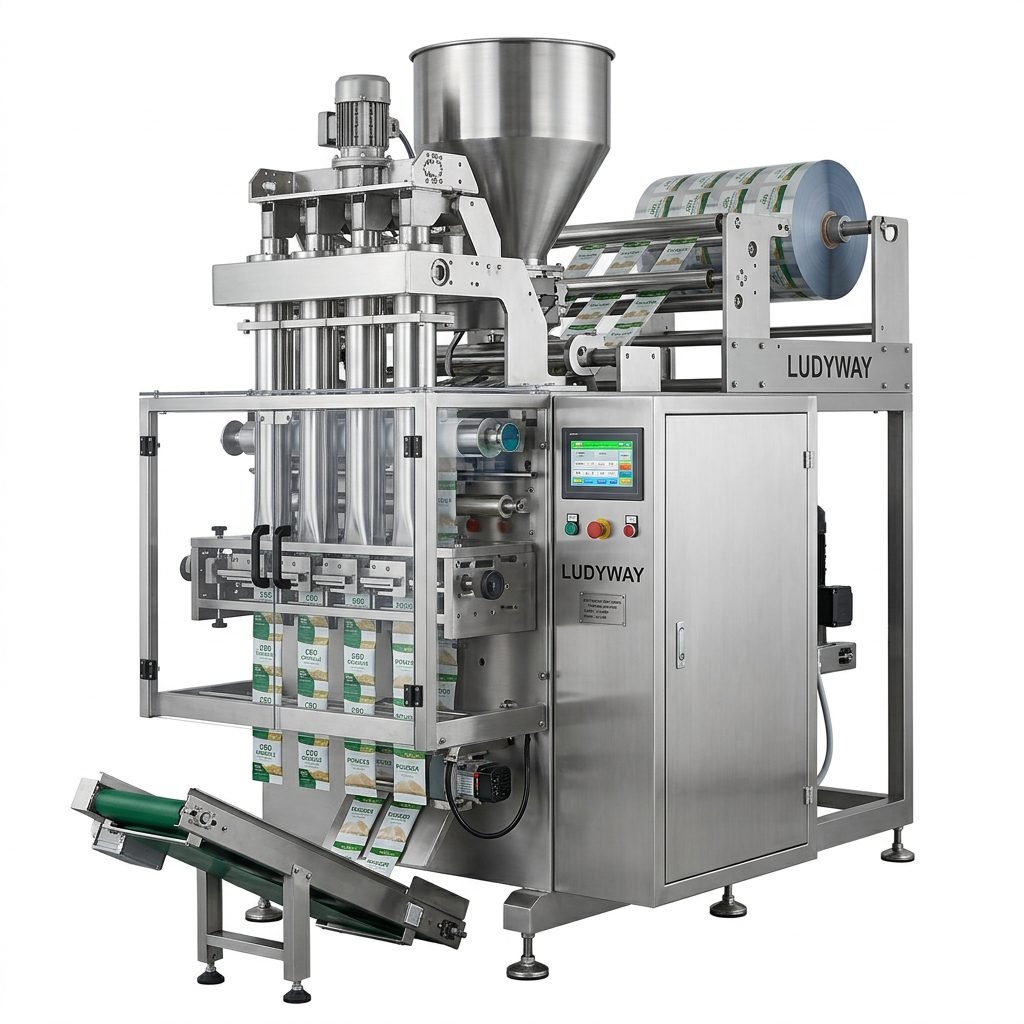
Investing in a multi-dose medication packaging machine is a strategic decision that impacts dosing accuracy, patient safety, regulatory compliance, and operational efficiency. Whether you are a pharmaceutical manufacturer, a contract packager, or a hospital pharmacy, selecting the right multi-dose medication packaging machine requires evaluating a complex set of technical, regulatory, and production variables. This guide breaks down the key considerations to help you make an informed purchasing decision.
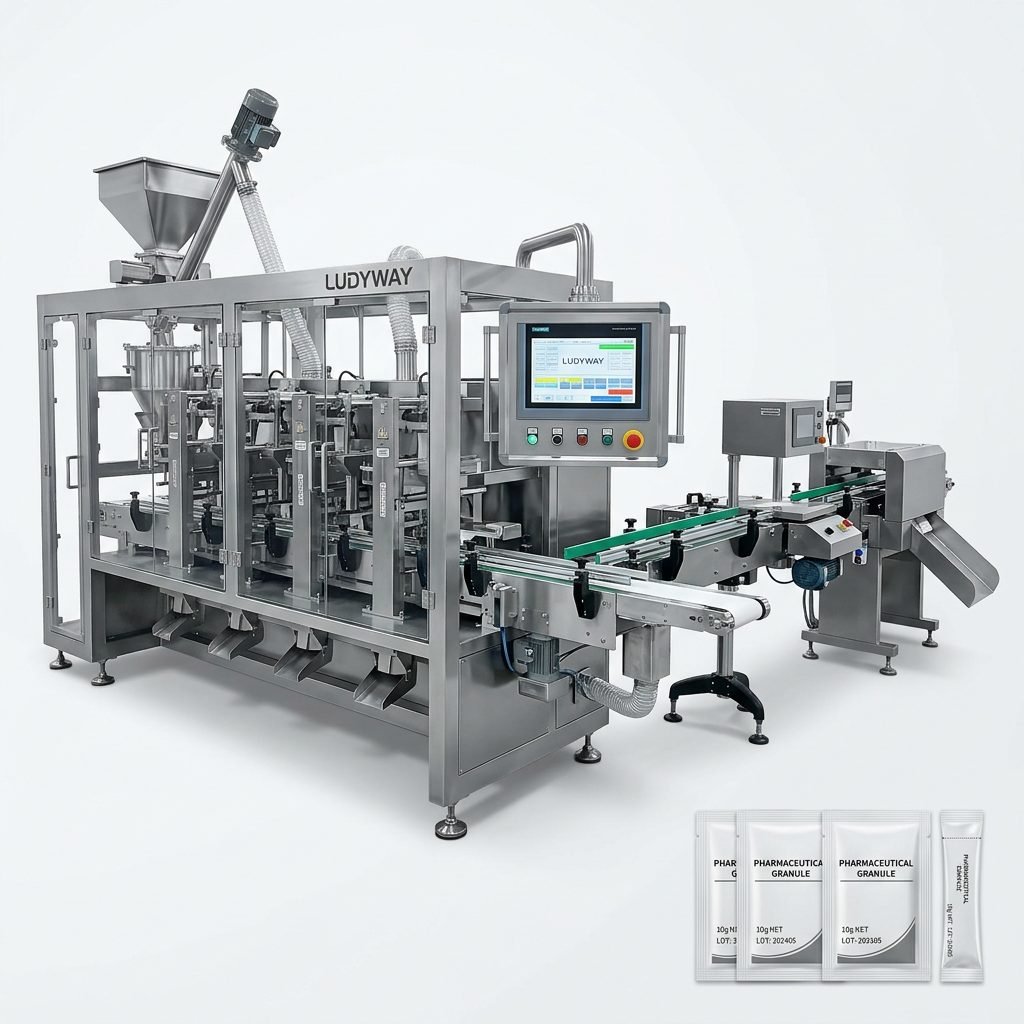
What Is a Multi-Dose Medication Packaging Machine?
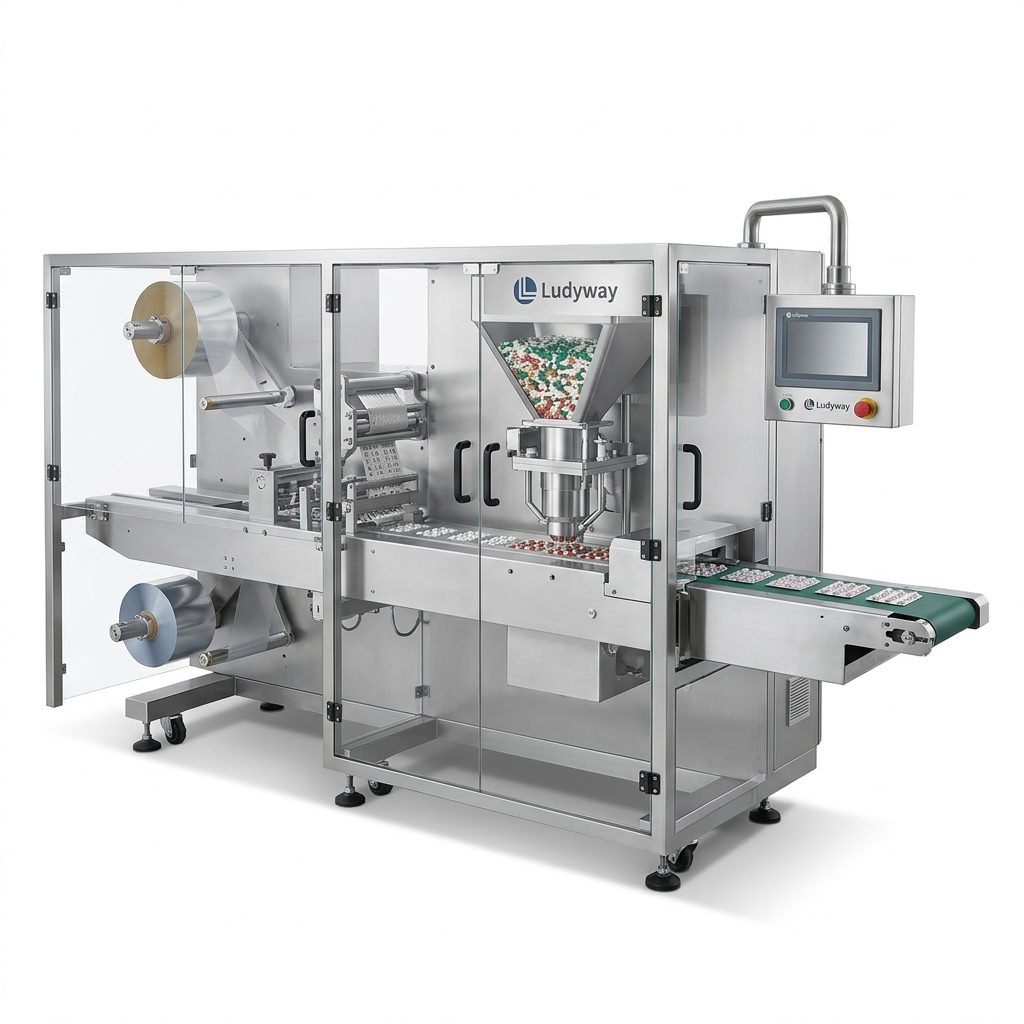
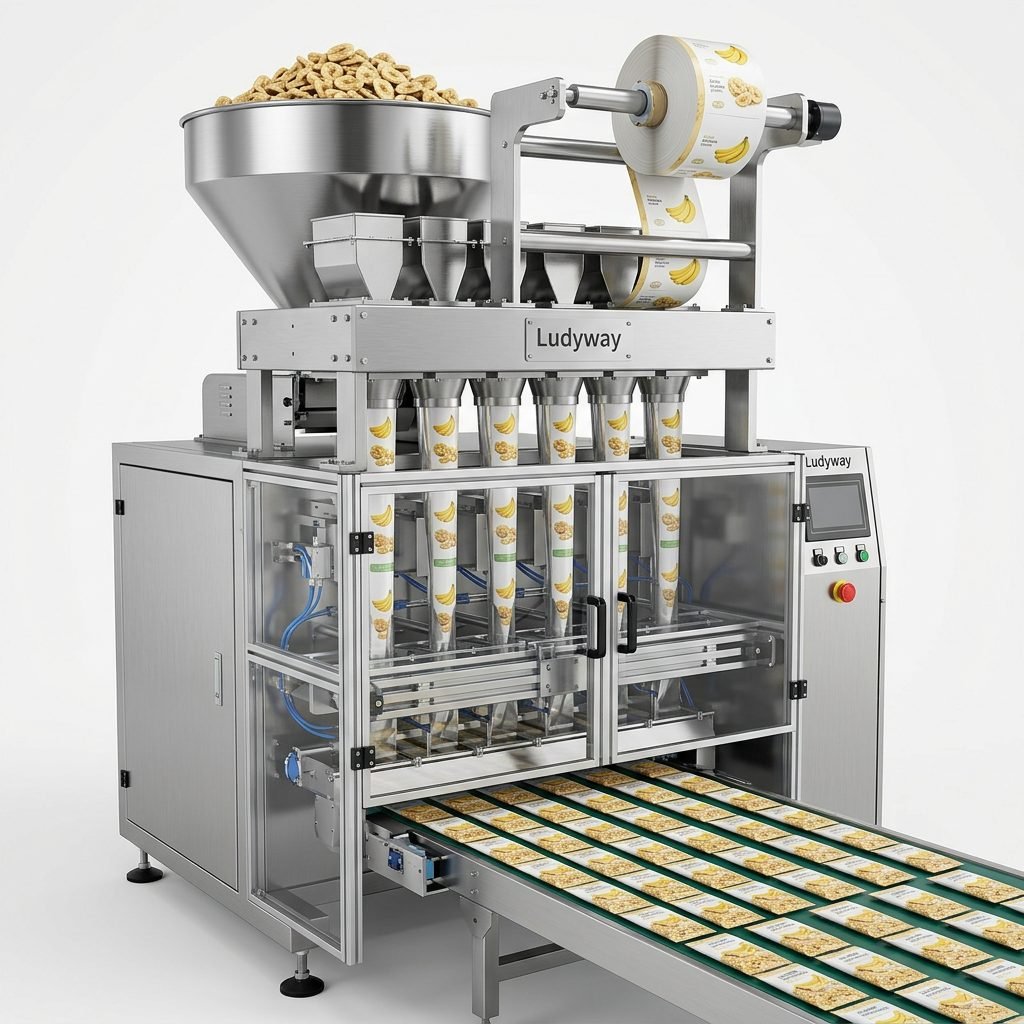
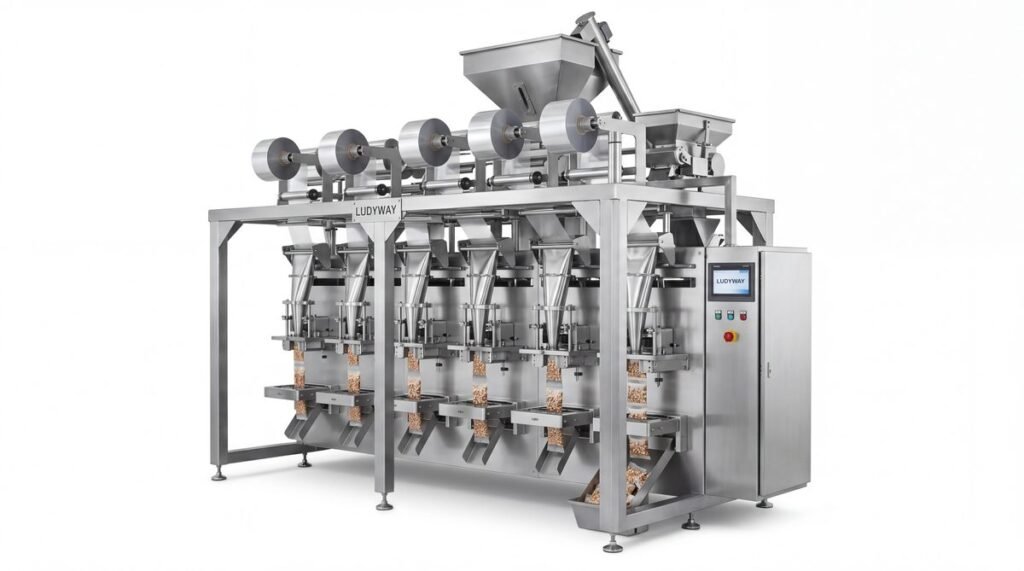
A multi-dose medication packaging machine is designed to fill, seal, and package pharmaceutical products in formats that contain multiple doses within a single package or dispense measured doses from a bulk supply. These machines handle various packaging formats including stick pack configurations, sachet packaging, blister packs, pouch formats, and bottle filling for powders, granules, tablets, capsules, and liquid formulations. Unlike single-dose packaging, multi-dose systems must maintain precise fill volumes, product integrity, and sterility across thousands of cycles while meeting stringent pharmaceutical standards.
Key Selection Criteria for Pharmaceutical Packaging Equipment
1. Production Speed and Throughput Requirements
Production capacity should align with both current demand and projected growth. High-speed pharmaceutical packaging lines can reach outputs of 200 to over 1,000 packs per minute depending on the multi-lane packaging system configuration. When evaluating speed specifications, confirm whether the quoted rate reflects actual sustained production output or theoretical maximum. Also consider changeover time between different drug formulations, as this directly impacts overall equipment effectiveness and operational uptime.
2. Dosing Accuracy and Fill Weight Consistency
For pharmaceutical applications, dosing precision is non-negotiable. The machine should deliver consistent fill weights within tight tolerances, typically ±1% or better for powders and granules. Look for equipment with validated dosing mechanisms — auger fillers, volumetric cups, or multi-head weighers — that can be calibrated and verified through in-process checkweighing. Advanced systems integrate real-time weight monitoring with automatic feedback correction to reject out-of-specification packages before they leave the production line.
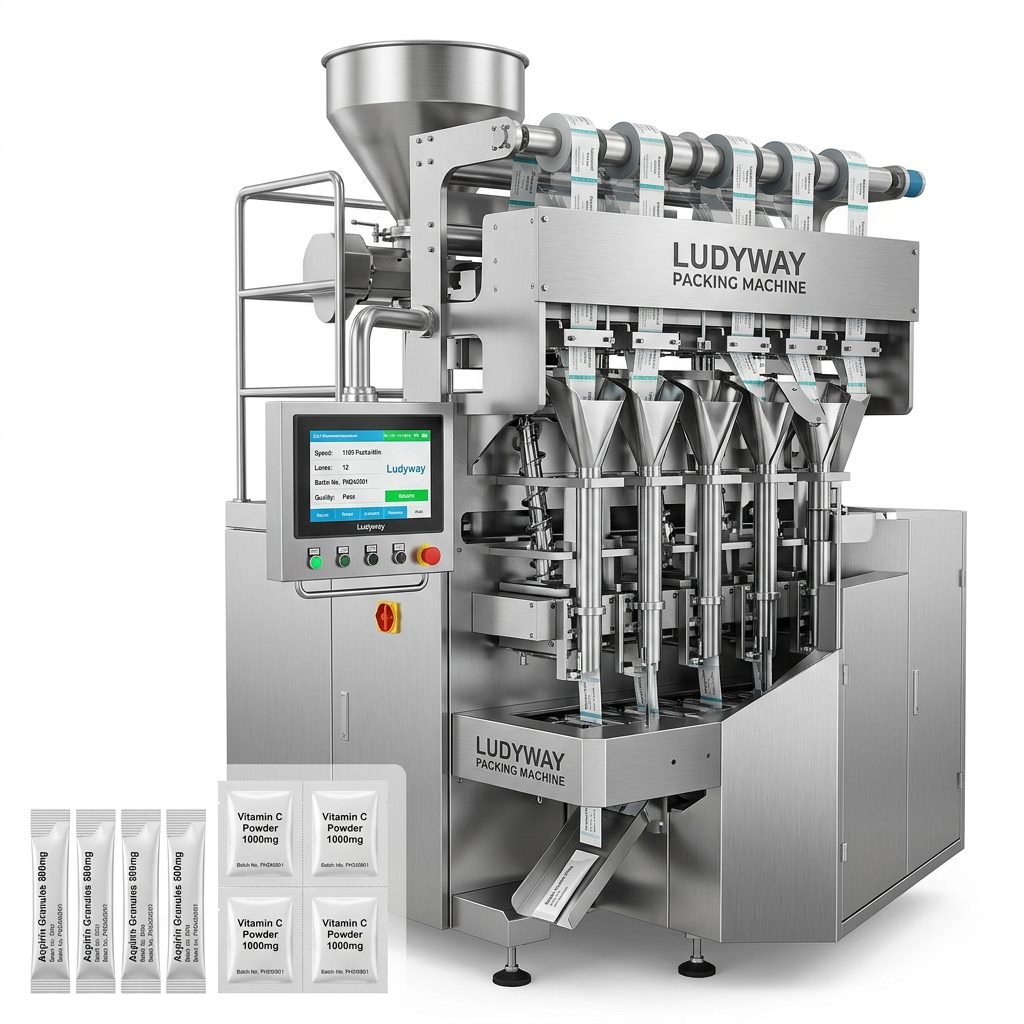
3. Packaging Material Compatibility
Multi-dose medication packages require barrier properties that protect the product from moisture, oxygen, and light. Your chosen pharmaceutical packaging equipment must be compatible with the specific film structures and laminates used in pharmaceutical packaging — including aluminum foil, PET, PE, and multi-layer barrier films. Material handling capabilities such as tension control, sealing temperature precision, and registration accuracy directly affect package integrity and shelf-life performance.
4. Regulatory Compliance and Validation Readiness
Equipment destined for pharmaceutical production must meet applicable regulatory requirements. Key standards include FDA 21 CFR Part 11 for electronic records and signatures, cGMP (current Good Manufacturing Practice) guidelines, and relevant ISO standards. The machine should support Installation Qualification (IQ), Operational Qualification (OQ), and Performance Qualification (PQ) protocols with comprehensive documentation packages. For markets requiring CE marking or other certifications, verify that the manufacturer can provide the necessary compliance documentation.
Comparing Multi-Dose Packaging Machine Types
| Machine Type | Best Applications | Key Advantages | Considerations |
|---|---|---|---|
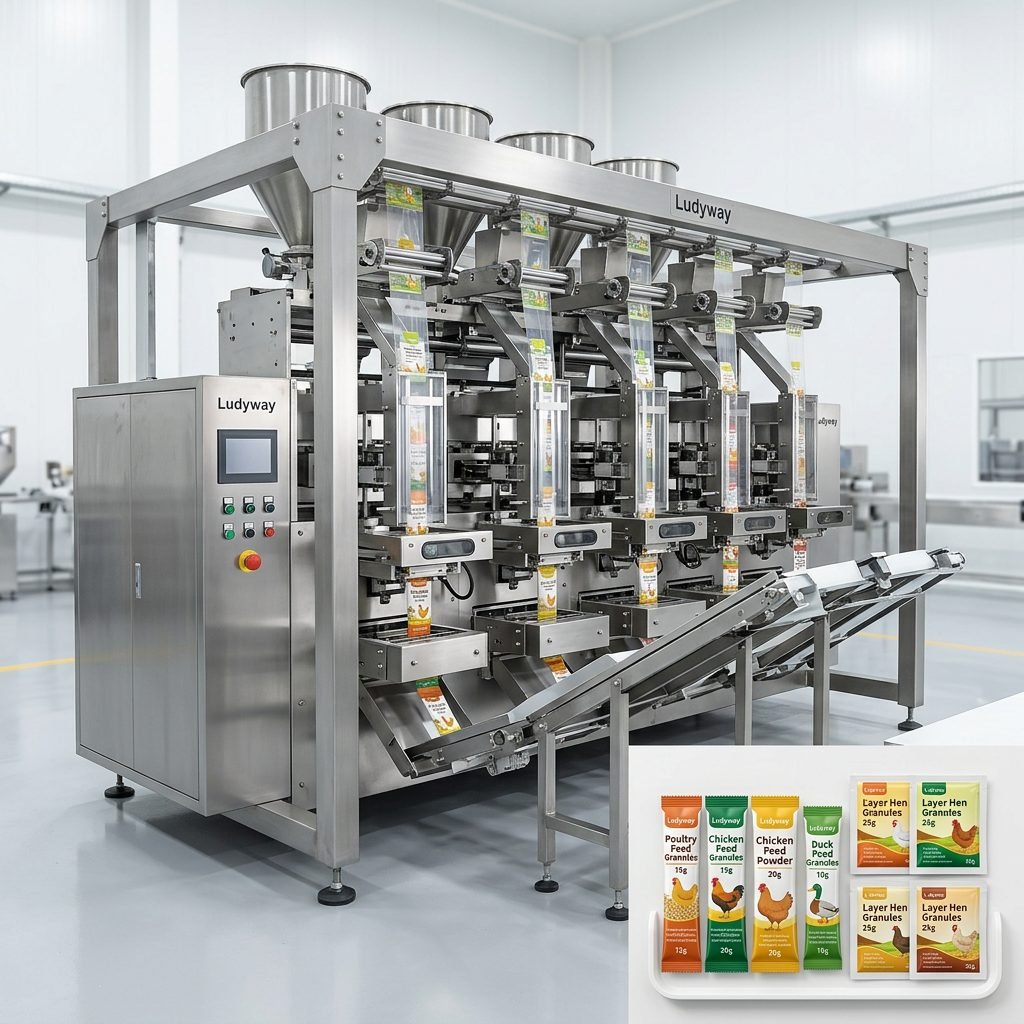
| Multi-Lane Stick Pack Machine | Powdered medications, granule formulations, oral rehydration salts | High throughput, compact package size, excellent barrier properties | Requires specialized film, limited to specific fill volumes |
| Blister Packaging Machine | Tablets, capsules, solid-dose multi-count packs | Excellent product visibility, tamper evidence, unit-dose capability | Higher material costs, slower speeds for small batches |
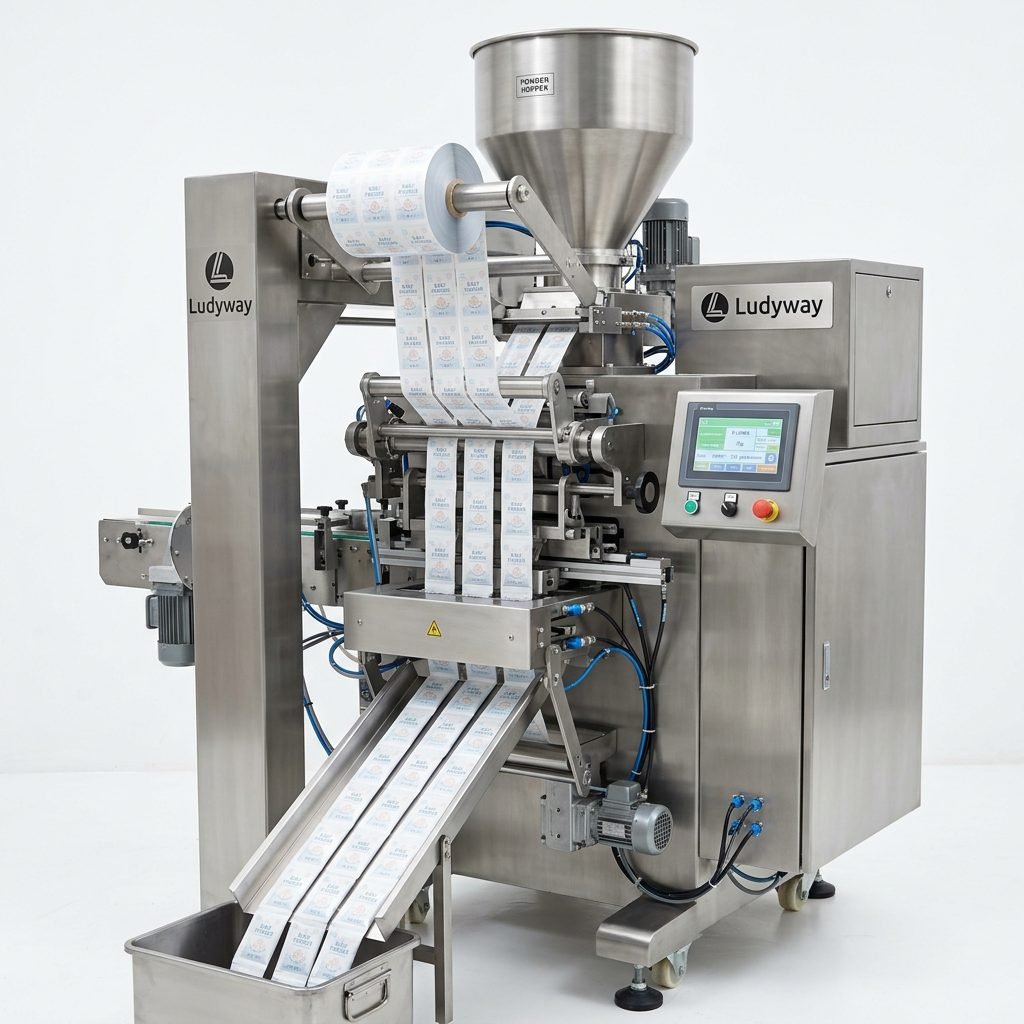
| Multi-Lane Sachet Machine | Powder and liquid multi-dose sachets, single-serve medication packs | Versatile format, scalable lane configurations, good for contract packaging | Seal integrity requires careful monitoring, format changeover time |
| Pouch Packaging Machine | Multi-dose pouches, resealable formats, larger fill volumes | Flexible sizes, zipper and spout options, high shelf appeal | Slower cycle rates, more complex material handling |
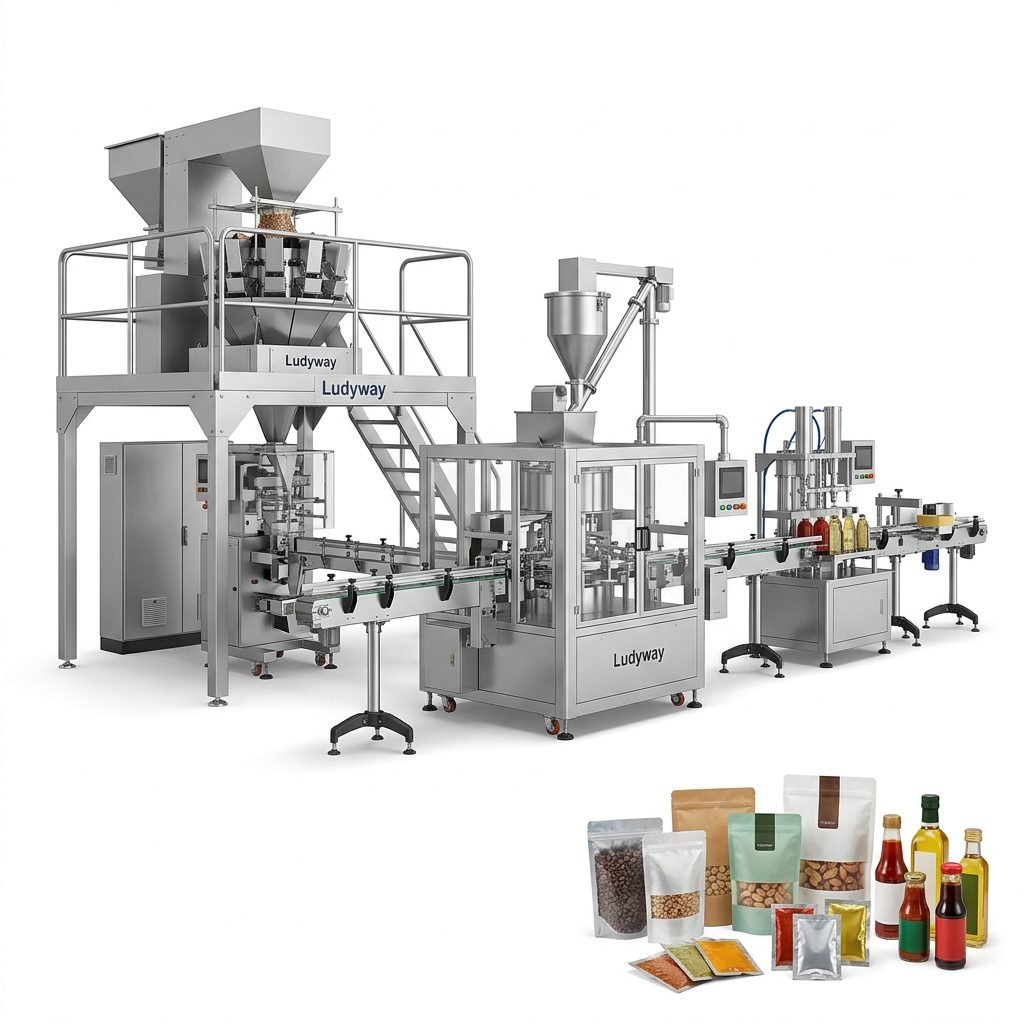
| Bottle Filling and Capping Line | Liquid medications, syrup, multi-dose oral solutions | Established format, reusable packaging, accurate volumetric filling | Larger packaging footprint, higher shipping weight |
Automation Level and Line Integration
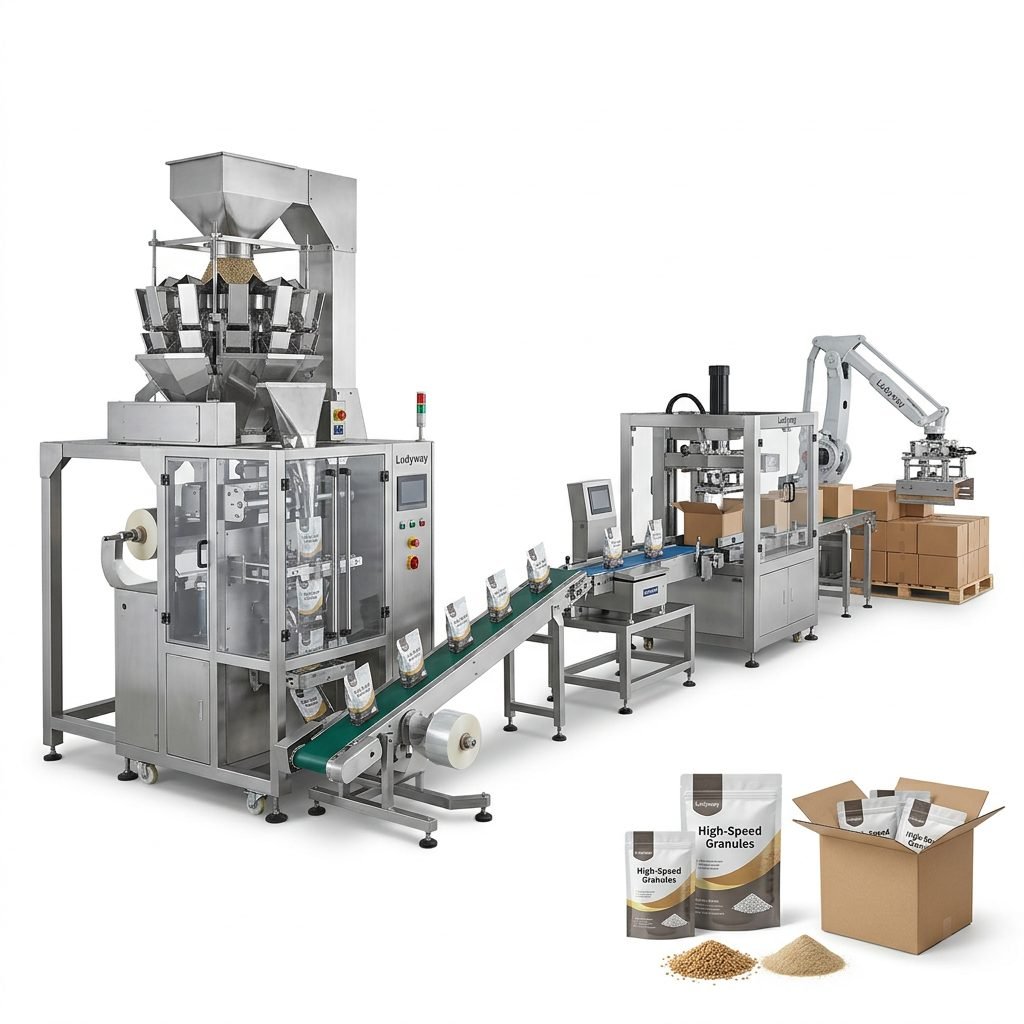
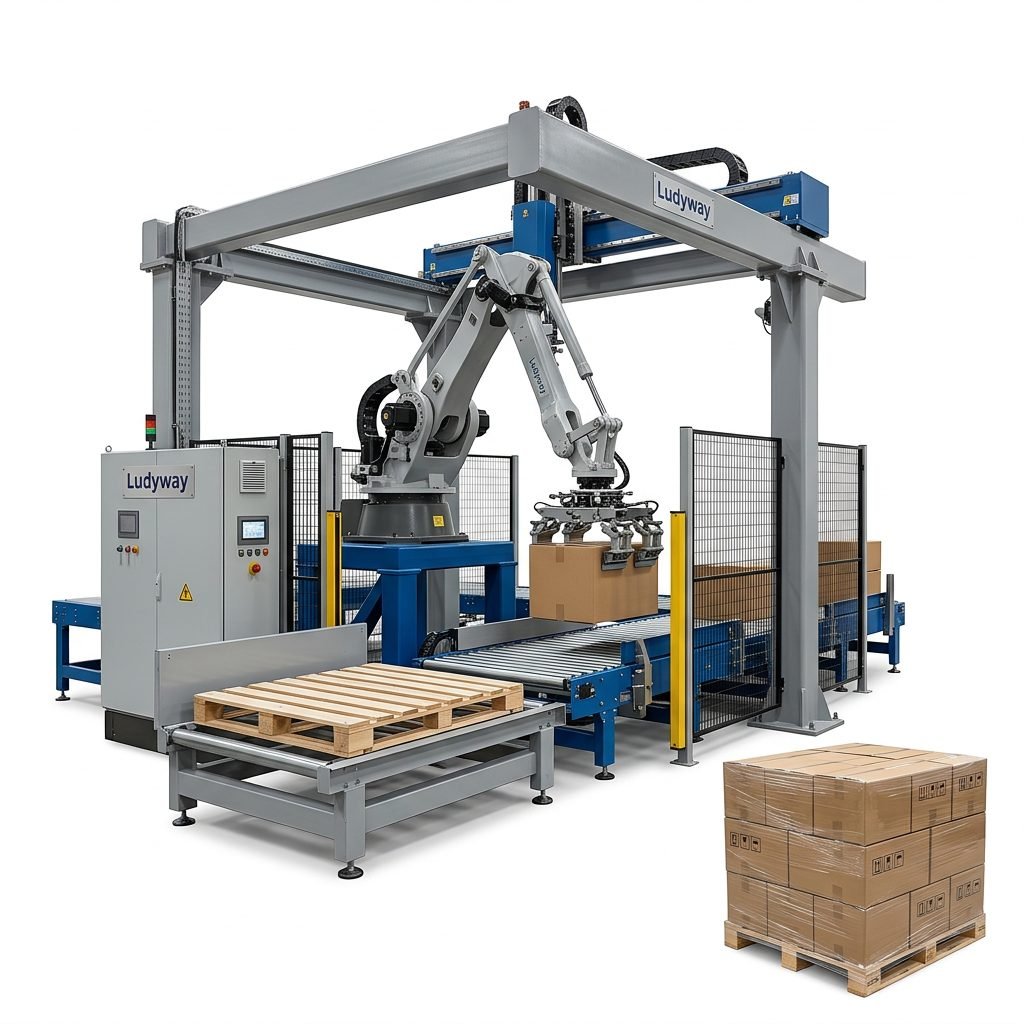
The degree of automation significantly impacts both capital investment and long-term operational costs. Semi-automatic machines require manual loading and unloading but offer lower initial investment for small-scale production. Fully automated packaging lines integrate feeding, dosing, filling, sealing, coding, inspection, and cartoning into a continuous workflow. When evaluating automation, consider how the automatic packaging line will connect with upstream and downstream processes, including granulation, blending, labeling, and palletizing systems.
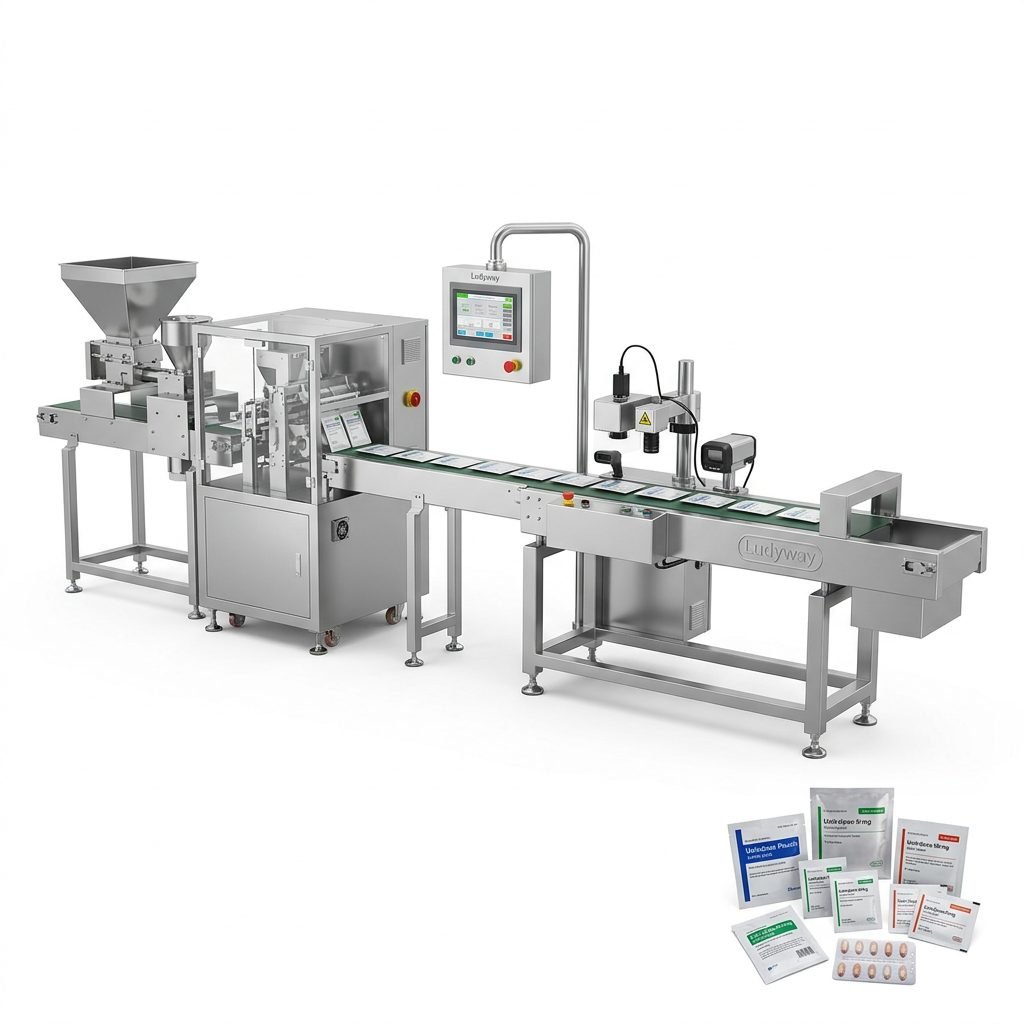
Quality Control and Inspection Features
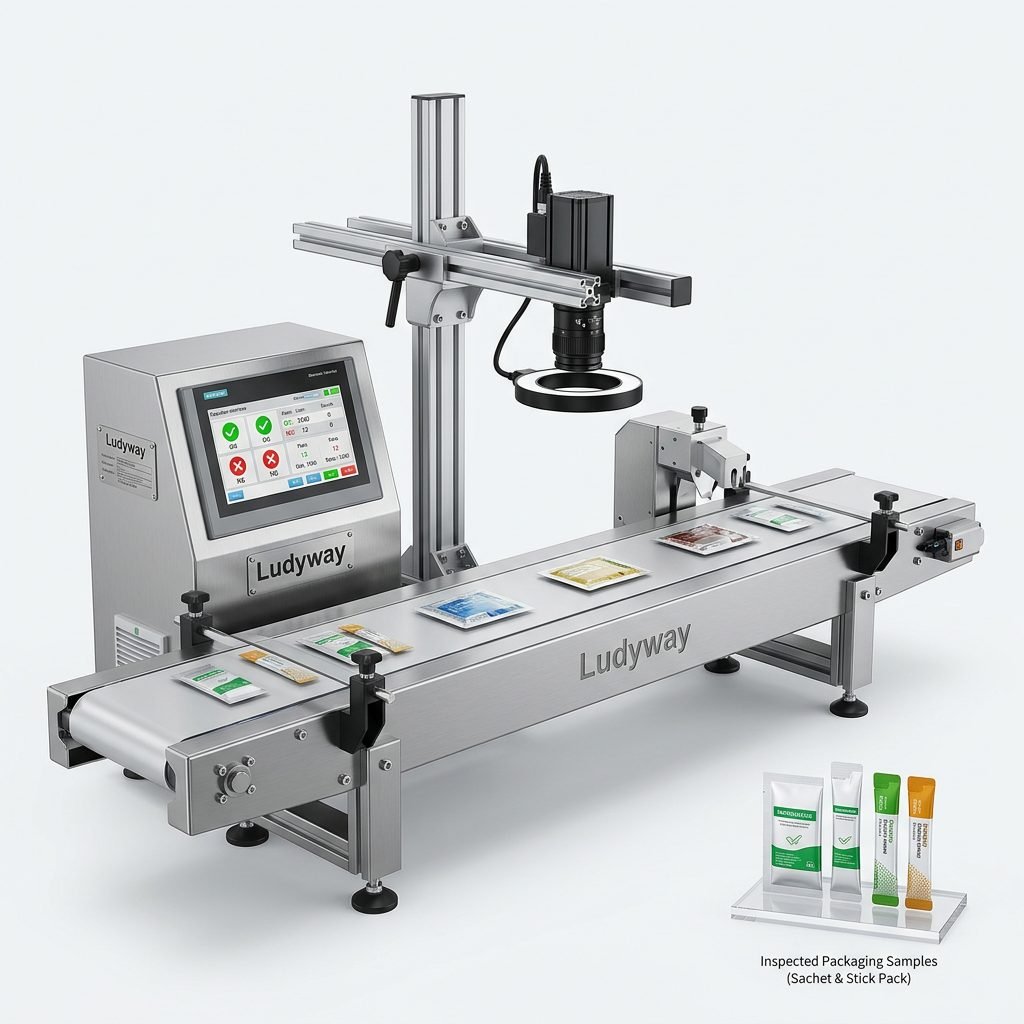
Modern multi-dose medication packaging machines should include integrated quality control capabilities. Vision inspection systems verify seal integrity, print quality, and package presence. Metal detectors and X-ray inspection units identify foreign contaminants. Checkweighers confirm fill weight compliance, while reject systems automatically remove non-conforming packages. These features are essential for maintaining batch consistency and meeting pharmaceutical quality standards.
Industry Standards and Certifications
Pharmaceutical packaging equipment should be designed and manufactured in accordance with recognized standards. Reference resources from PMMI – The Association for Packaging and Processing Technologies provide valuable insights into packaging machinery standards and industry trends. For medical device packaging, compliance with ISO 11607 is essential. The FDA Food Packaging and Food Contact Substances guidelines also inform material selection and safety requirements. European manufacturers should reference EU Packaging and Packaging Waste regulations for environmental compliance.
Total Cost of Ownership Analysis
Beyond the initial purchase price, evaluate the total cost of ownership over the expected machine lifespan. Key cost components include:
- Spare parts — availability and pricing of wear components, sealing jaws, cutting blades, and dosing parts
- Packaging material costs — film consumption rates, waste percentages, and material compatibility
- Maintenance labor — required skill level for operators and maintenance technicians
- Energy consumption — power requirements for heating, cooling, pneumatic, and drive systems
- Downtime costs — mean time between failures and mean time to repair
- Validation expenses — qualification documentation, testing, and ongoing revalidation requirements
Selecting a Reliable Packaging Machinery Partner
Choosing the right equipment manufacturer is as important as selecting the machine itself. Look for a supplier with proven pharmaceutical packaging experience, documented quality systems, and the ability to provide references from similar applications. The manufacturer should offer comprehensive technical support including installation, commissioning, operator training, and after-sales service. Ludyway Machinery, with over 30 years of experience in the packaging industry and a 20,000-square-meter manufacturing facility, provides customized multi-dose medication packaging solutions supported by engineering capabilities that span mechanical design, automation, and turnkey packaging line integration. When evaluating potential partners, consider their track record with international certifications, export experience across global markets, and their capacity to support long-term equipment lifecycle needs.
Making the Final Decision
After narrowing your options, request machine trials with your actual products to validate performance claims. Evaluate the equipment’s ease of cleaning, changeover procedures, and operator interface. Review the PMMI business intelligence resources for industry benchmarks and State of the Industry reports to understand market trends that may affect your packaging strategy. The right multi-dose medication packaging machine should deliver consistent quality, regulatory compliance, and operational efficiency that supports your pharmaceutical production goals for years to come.