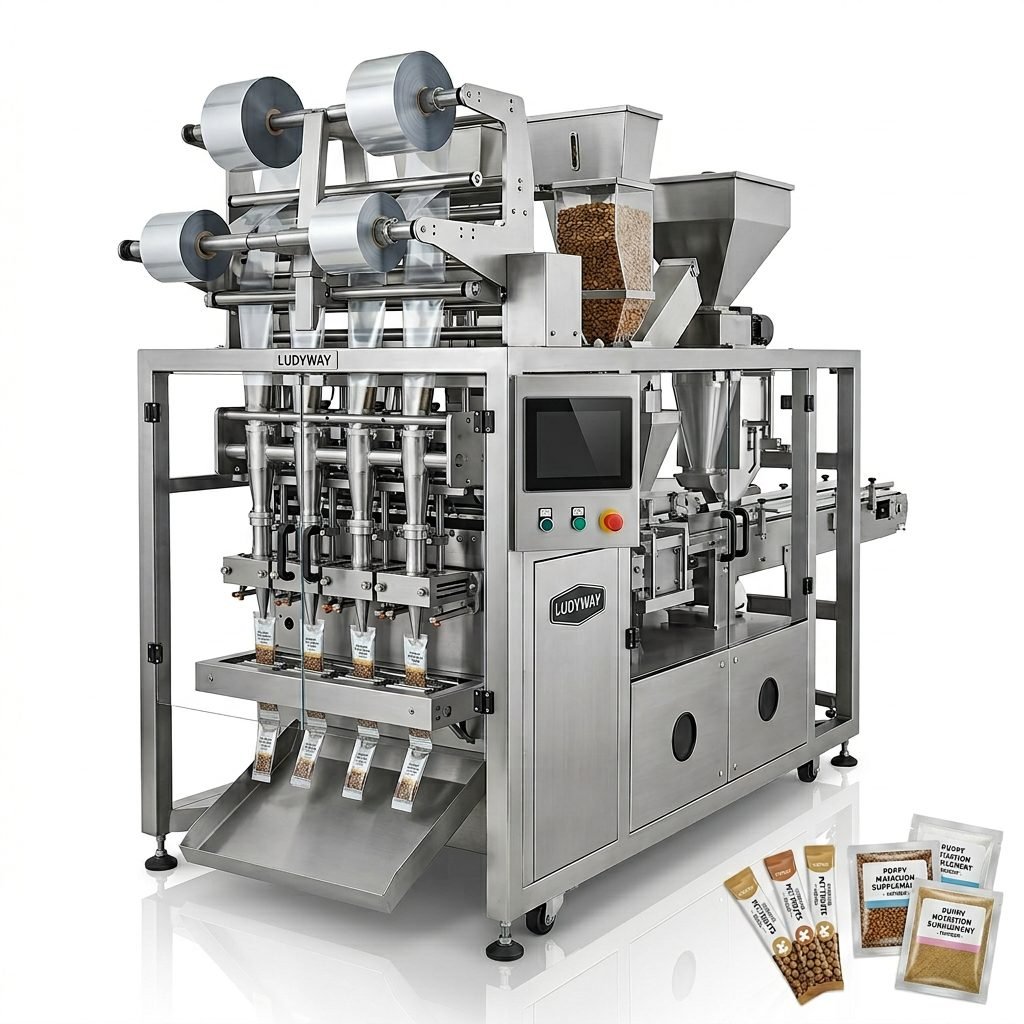
Choosing the right food packing machine is not only about comparing quotations. The real decision comes down to production goals, product type, packaging format, automation level, and long-term operating cost. A low initial price may look attractive, but the wrong machine can reduce efficiency, increase waste, and create expensive downtime later.
For food manufacturers, distributors, contract packers, and fast-growing brands, understanding how food packing machine price is formed helps you invest more confidently and avoid costly mistakes.

What Affects Food Packing Machine Price?
Food packing machine prices vary widely because different machines are built for different production needs. A simple semi-automatic filler costs far less than a complete high-speed turnkey line. Below are the main factors that influence pricing.
1. Product Type
The material you pack has a direct impact on machine design. Powders, granules, liquids, pastes, snacks, frozen foods, and fragile items all require different feeding, dosing, sealing, and handling systems.
- Powders may need auger fillers and dust control systems.
- Granules often use weighing systems or cup fillers.
- Liquids and sauces require pumps, anti-drip systems, and leak-proof sealing.
- Fragile snacks may need gentle feeding and modified atmosphere packaging.
2. Packaging Format
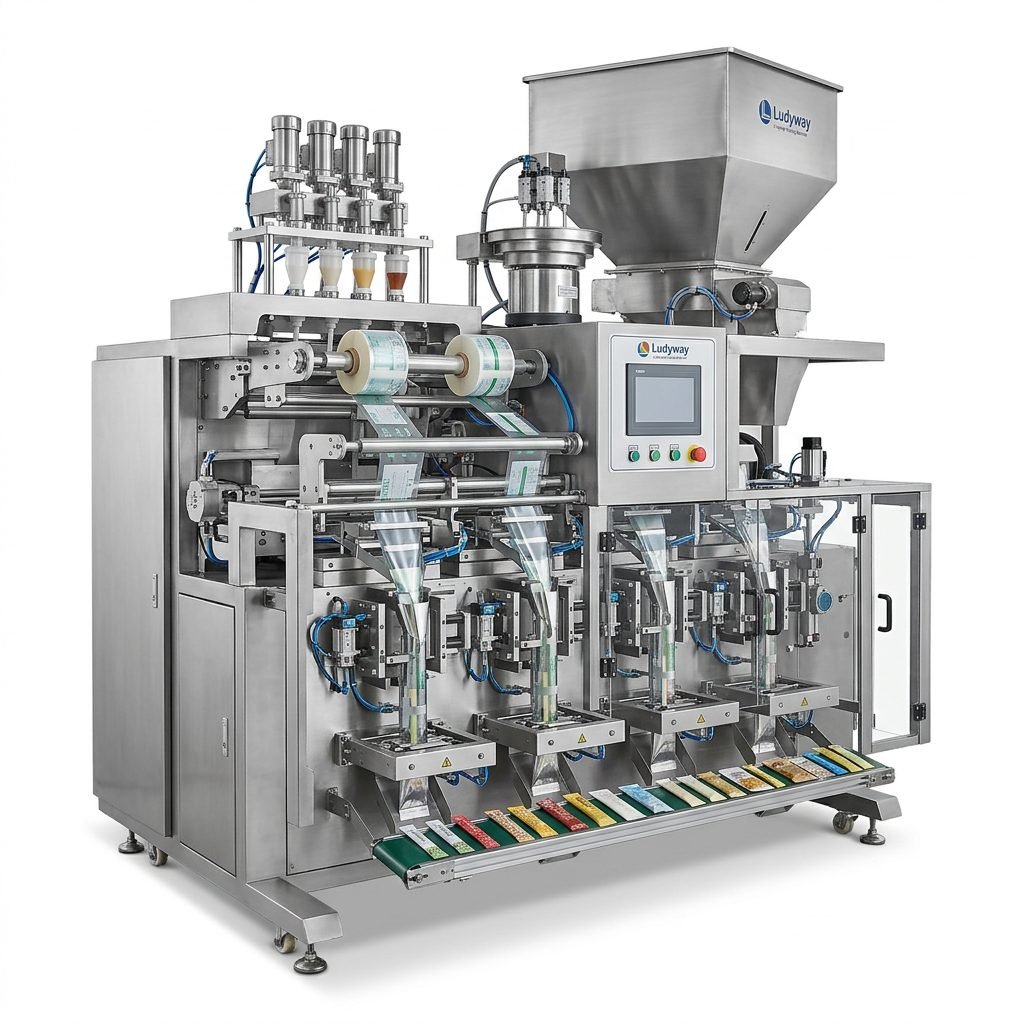
The type of package strongly affects overall equipment cost. Sachets, stick packs, pillow bags, vacuum pouches, premade pouches, jars, and bottles all require different machine structures.
3. Automation Level
A standalone machine is more affordable than a fully automated packaging line. However, higher automation can reduce labor costs, improve consistency, and support future scale-up.
- Manual or semi-automatic machines
- Fully automatic standalone machines
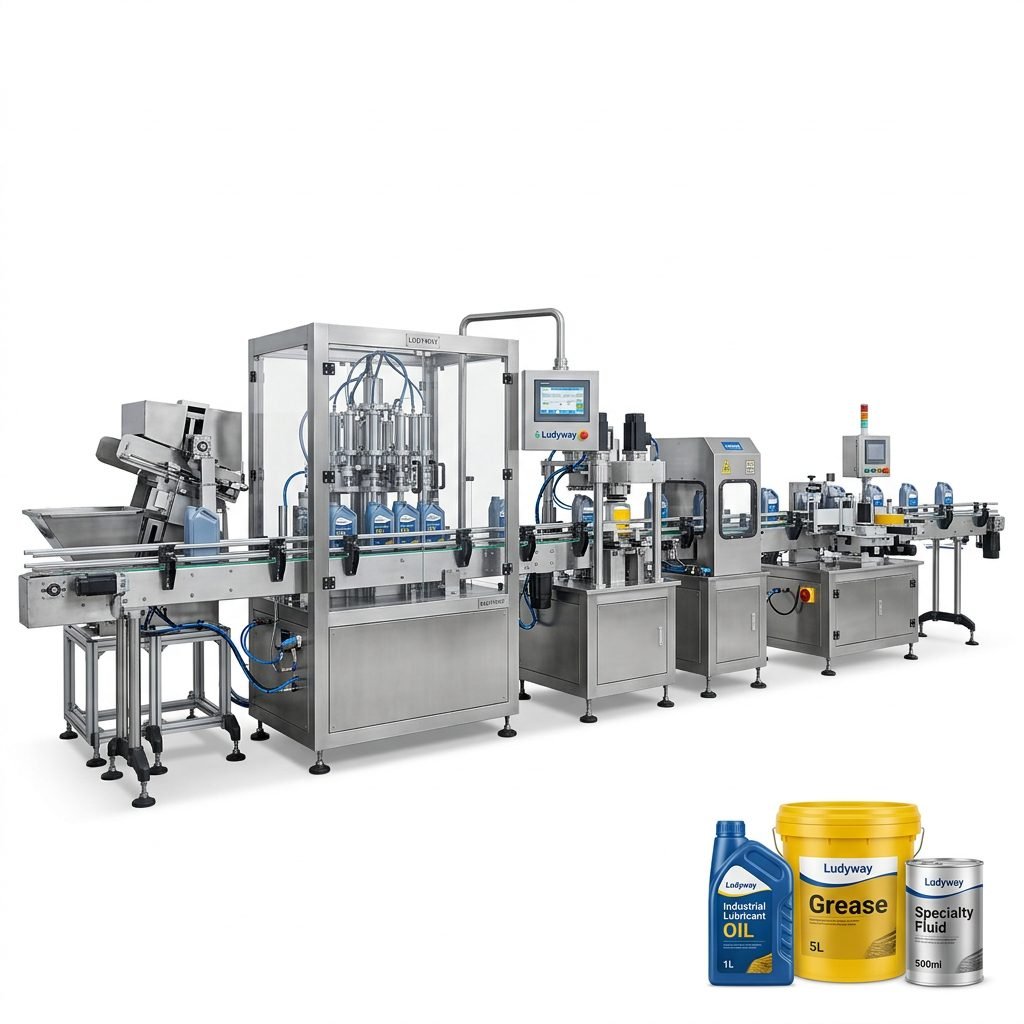
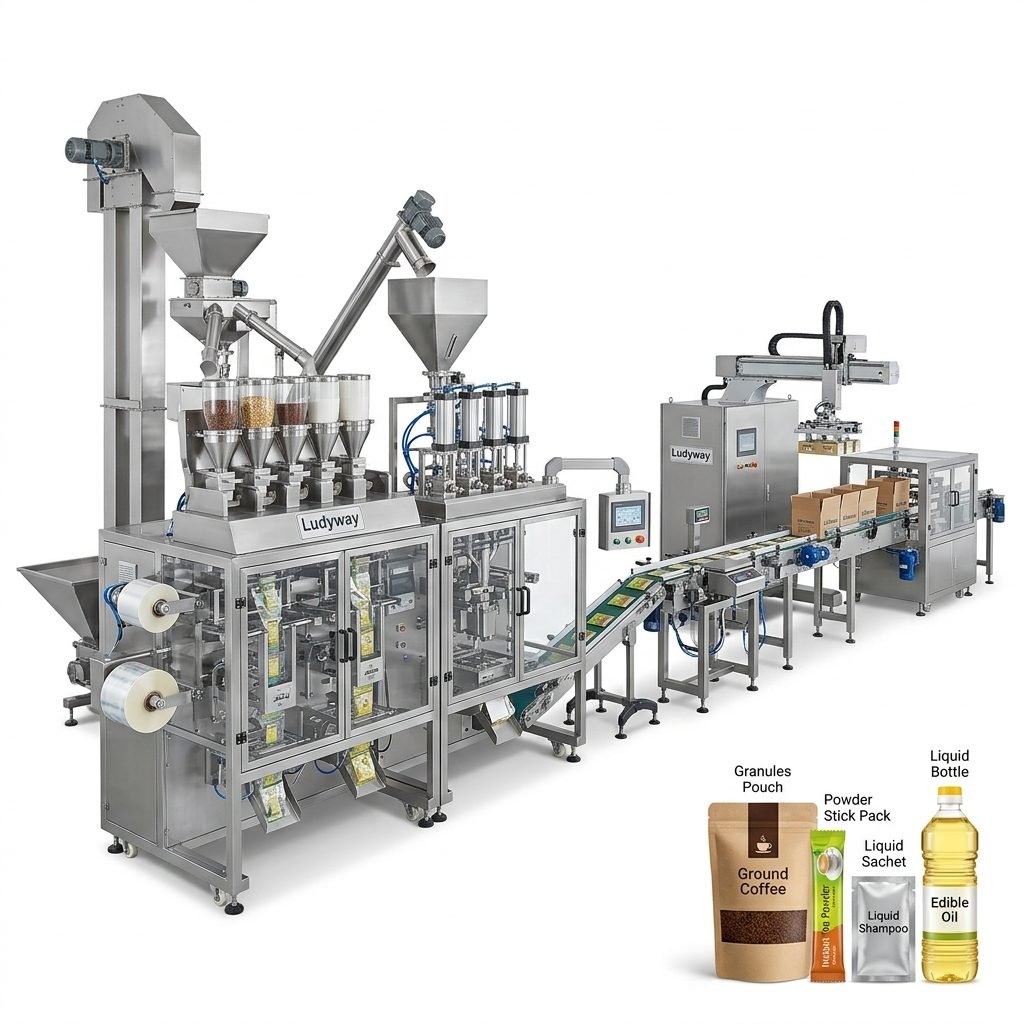
- Integrated lines with feeding, filling, sealing, coding, inspection, cartoning, and palletizing
4. Output Speed
Higher speed usually means a higher purchase price. A machine producing 30 packs per minute and one producing 300 packs per minute are very different in structure, control logic, and precision.
5. Customization Requirements
If your business needs unusual bag sizes, multiple SKUs, nitrogen flushing, zipper pouches, multi-lane output, or integrated inspection systems, the price will increase. Customization is often worth it when it improves flexibility and product quality.
6. Material and Hygiene Standards
Food-grade contact parts, stainless steel construction, hygienic design, and compliance with export market standards also influence cost. For food businesses, sanitary design should never be sacrificed just to save on upfront price.
Typical Food Packing Machine Price Ranges
The following table gives a general idea of common price levels. Actual costs vary depending on speed, specifications, and optional functions.
| Machine Type | Typical Price Range | Suitable For |
|---|---|---|
| Semi-automatic filling machine | US$2,000 – US$8,000 | Startups, small batch production |
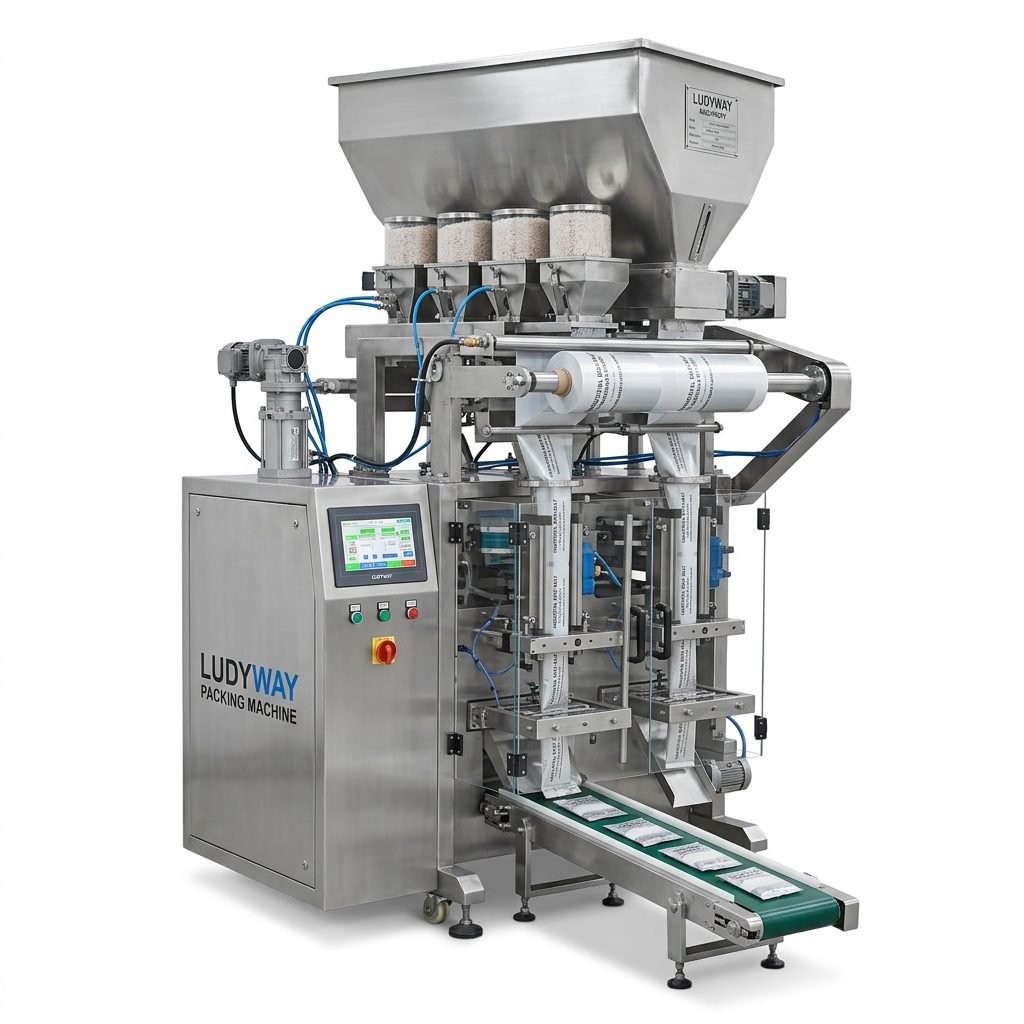
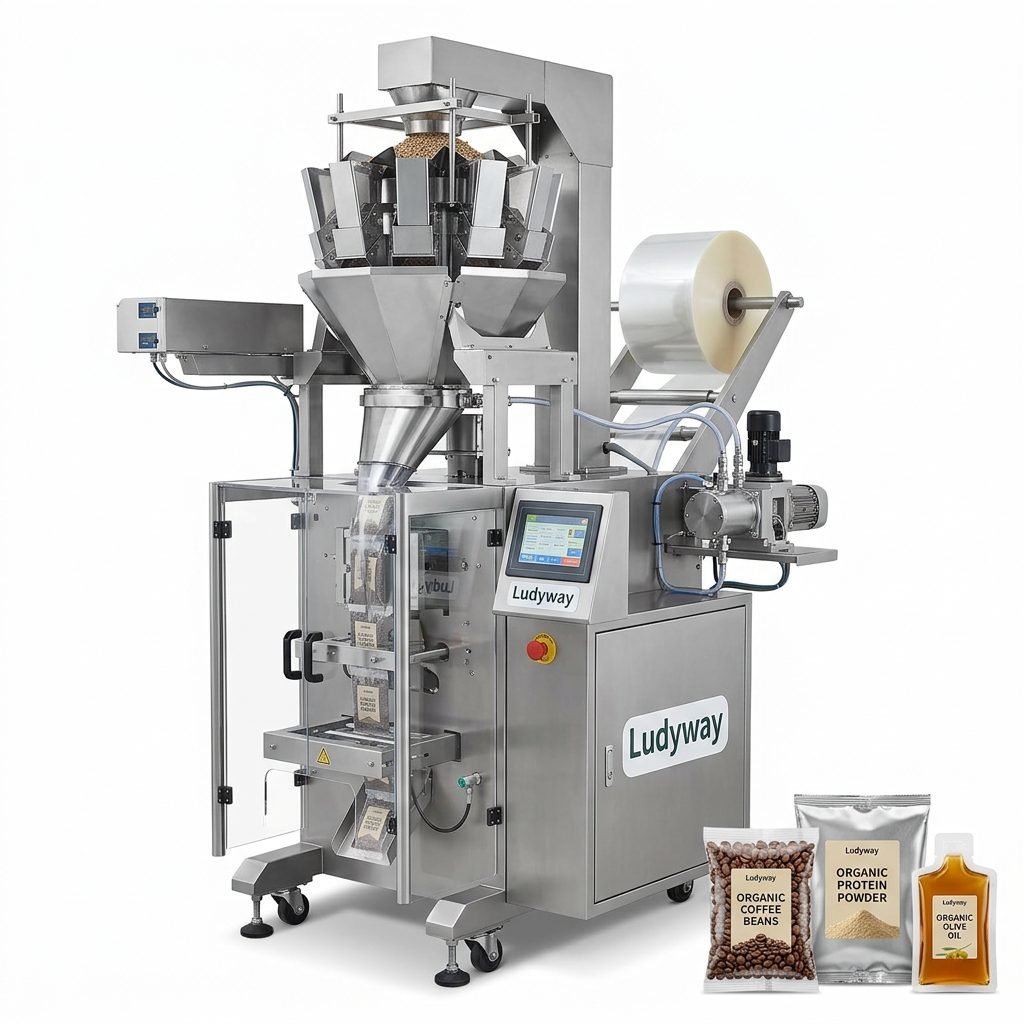
| Vertical form fill seal machine | US$8,000 – US$35,000 | Powders, granules, snacks |
| Premade pouch packing machine | US$15,000 – US$60,000+ | Premium food products, stand-up pouches |
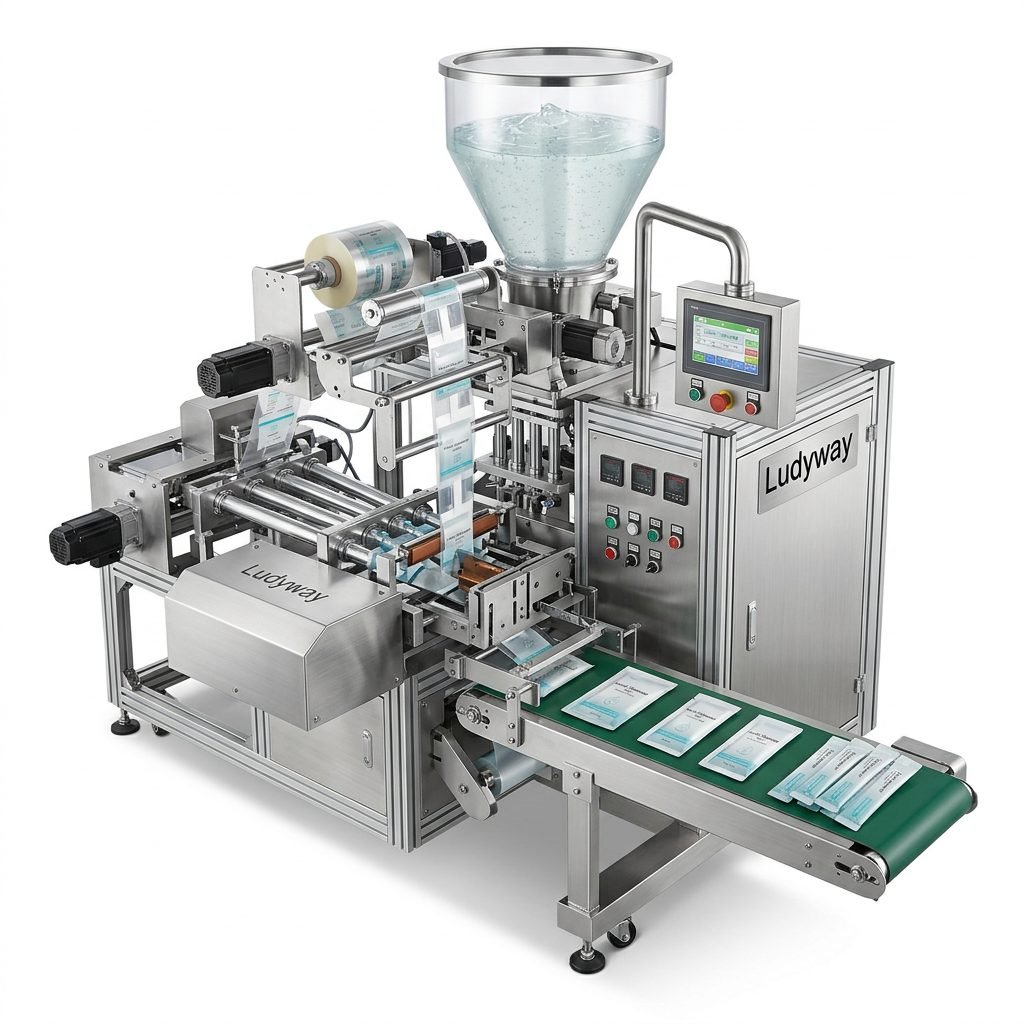
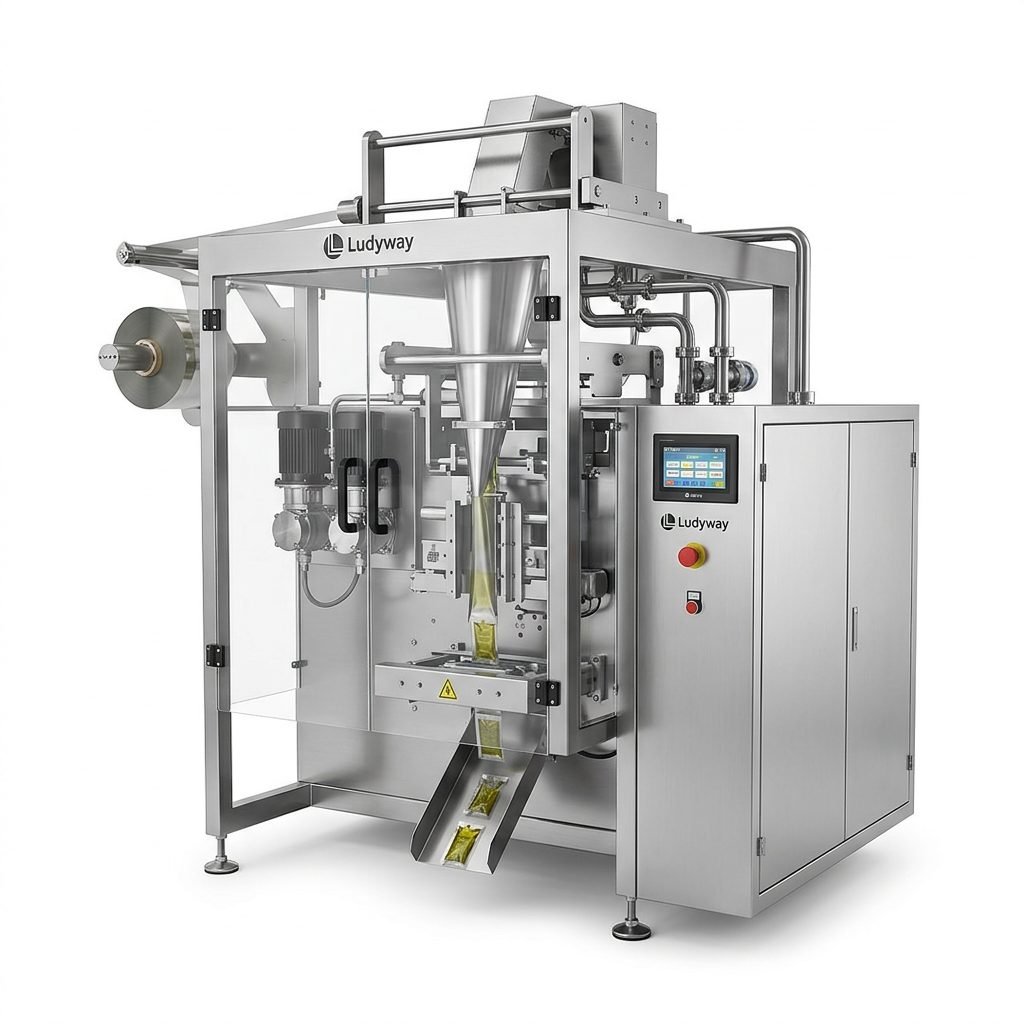
| Liquid or paste sachet machine | US$10,000 – US$45,000 | Sauces, oils, condiments, syrup |
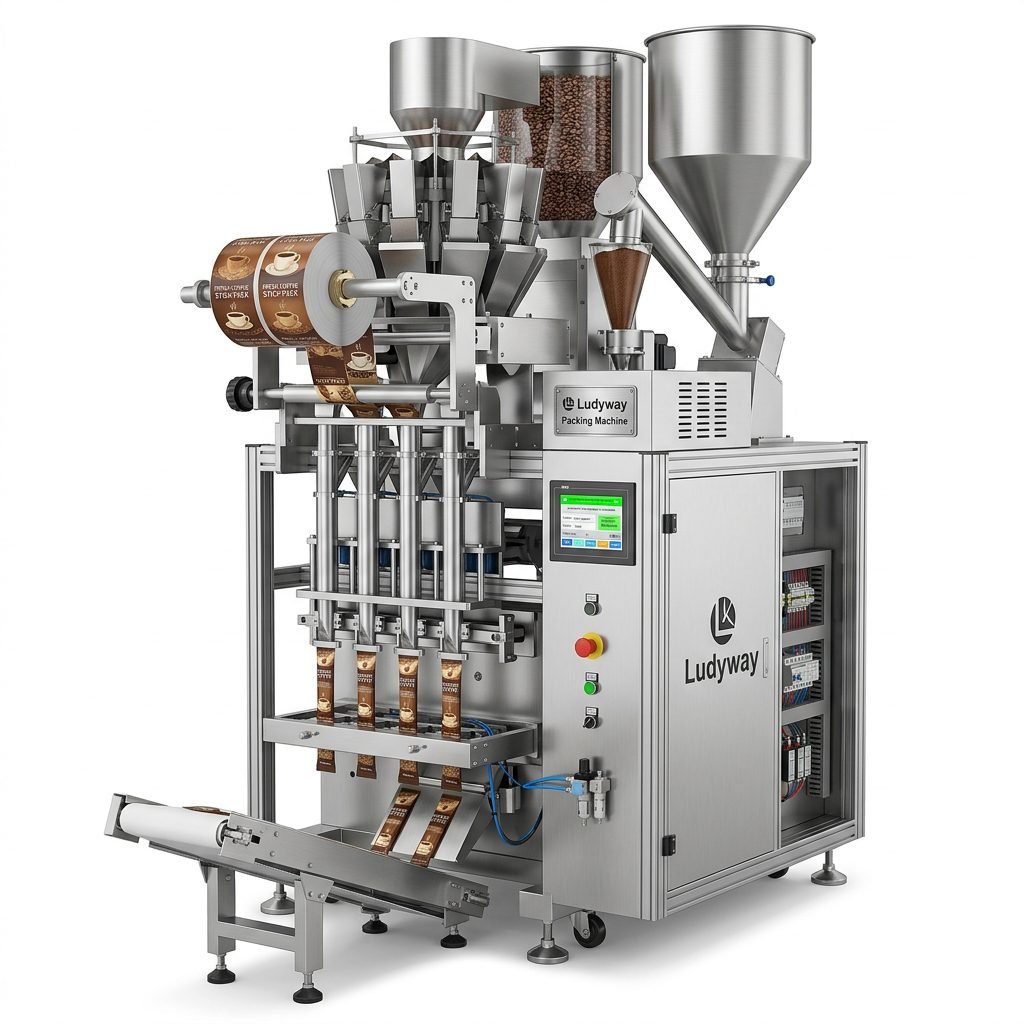
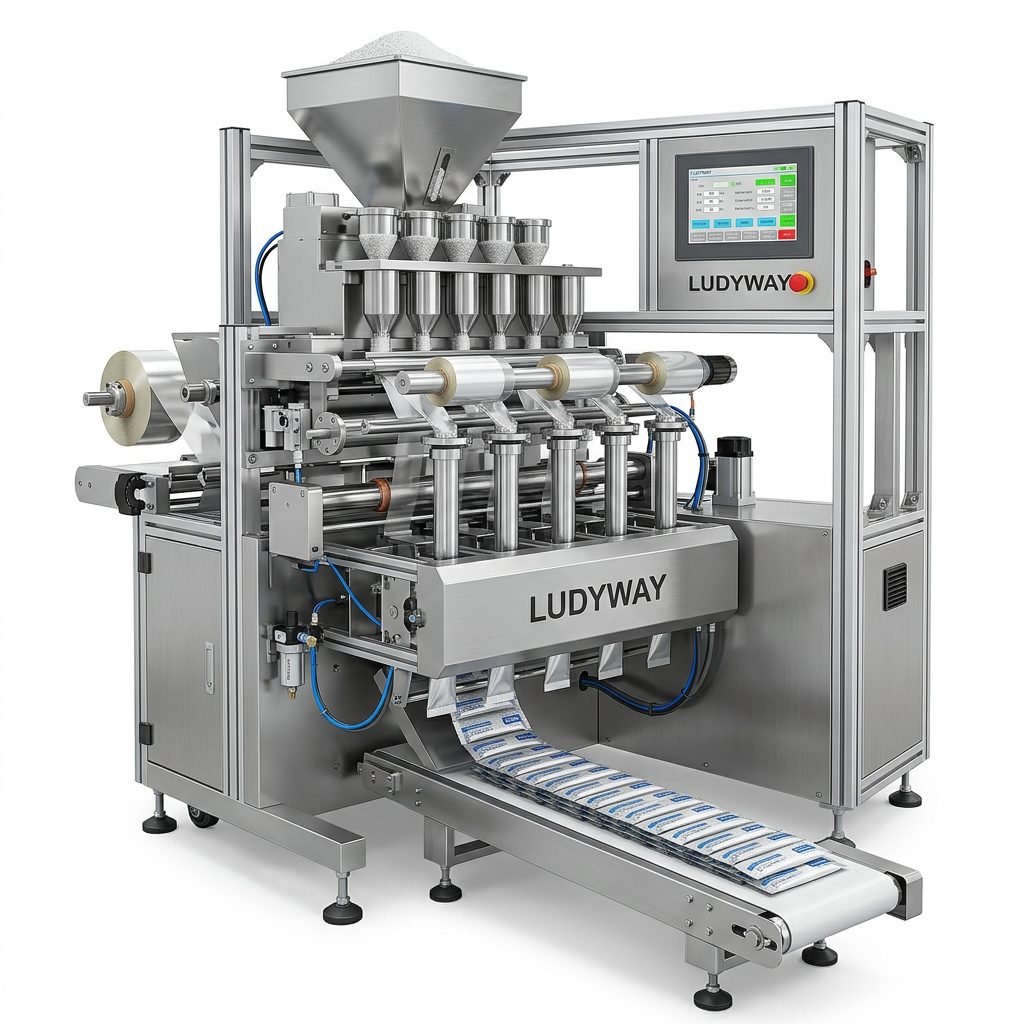
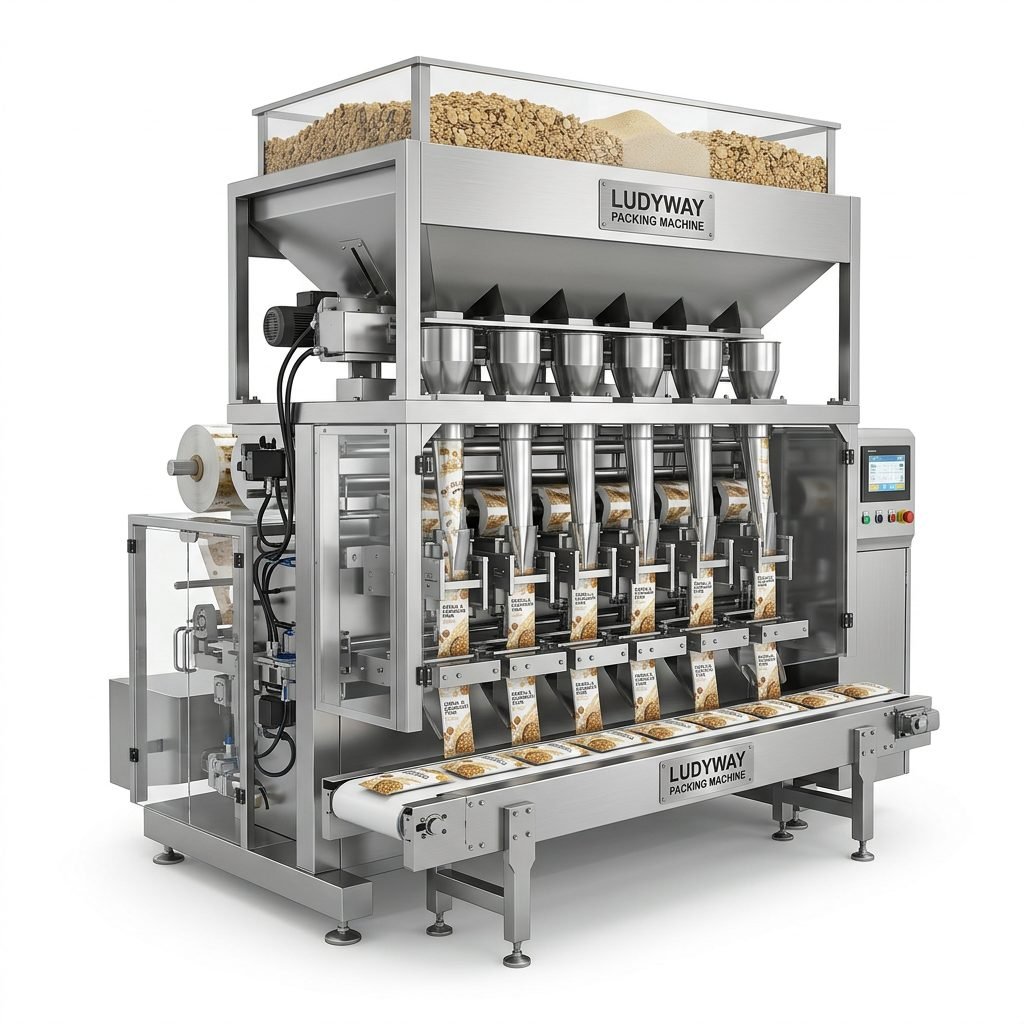
| Multi-lane stick pack or sachet machine | US$25,000 – US$120,000+ | High-speed powder, beverage, supplement, seasoning packaging |
| Complete turnkey packaging line | US$80,000 – US$500,000+ | Large-scale food manufacturing plants |
Important: these figures are reference ranges only. Freight, installation, mold changes, electrical standards, and custom engineering can all affect the final quotation.
How to Choose the Right Machine for Your Business
The best machine is not always the cheapest or the most advanced. It is the one that matches your current production needs while supporting future growth.
Define Your Product Clearly
Before requesting quotations, prepare detailed information about:
- Product name and physical form
- Particle size or viscosity
- Target fill weight or volume
- Packaging material
- Bag or pouch dimensions
- Required production capacity per hour or per day
The more precise your data, the more accurate your equipment recommendation and pricing will be.
Match Machine Capacity to Real Demand
Many buyers either overspend on a line that is too large or underbuy a machine that quickly becomes a bottleneck. Choose based on:
- Current sales volume
- Expected growth over the next 2 to 5 years
- Shift pattern and labor availability
- Peak season demand
If your production is expanding fast, selecting a modular or upgradeable solution is often more cost-effective.
Consider Total Cost of Ownership
A good purchase decision looks beyond the machine price. Evaluate the full operating cost, including:
- Energy consumption
- Film or pouch compatibility
- Maintenance needs
- Wear parts and spare part costs
- Downtime risk
- Operator training
A reliable machine with stable output can deliver better ROI than a cheaper option with frequent service issues.
Check Flexibility for Multiple Products
If your company runs different SKUs, flavors, or pack sizes, choose equipment that allows relatively fast changeovers. This matters especially for businesses packing seasonings, drink powders, coffee, snack foods, sauces, and health-oriented food products.
Prioritize After-Sales Support
Technical support can be just as important as machine performance. Ask suppliers about:
- Installation guidance
- Remote support availability
- Spare parts supply
- Operator manuals and training
- Warranty terms
- Response speed for troubleshooting
Questions to Ask Before Buying
| Question | Why It Matters |
|---|---|
| What products can this machine handle? | Ensures compatibility with your formula and packaging material |
| What is the real output speed under production conditions? | Helps avoid unrealistic capacity claims |
| How accurate is the filling system? | Reduces giveaway and improves consistency |
| How long does format changeover take? | Important for multi-SKU operations |
| What spare parts should be stocked? | Improves maintenance planning |
| Is the machine suitable for future automation upgrades? | Protects long-term investment |
Common Mistakes When Comparing Food Packing Machine Prices
- Comparing only base price without checking included functions
- Ignoring packaging material compatibility
- Buying too small and reaching capacity limits too soon
- Buying too large and wasting capital unnecessarily
- Overlooking hygiene and food safety requirements
- Not verifying after-sales service capability
A lower quote does not always mean lower total cost. If the machine struggles with accuracy, sealing quality, or line integration, your long-term expense can rise quickly.
Should You Buy a Standalone Machine or a Turnkey Line?
This depends on your business stage.
Standalone Machine Is Better If:
- You are testing a product or entering a new market
- Your production volume is still moderate
- You already have upstream or downstream equipment
- Your budget is limited but you want automation
Turnkey Packaging Line Is Better If:
- You need higher throughput and labor savings
- You want integrated feeding, filling, sealing, coding, inspection, and packing
- You run continuous production with strict quality requirements
- You plan to scale quickly and need a more complete automation strategy
How Supplier Strength Influences Value
Supplier capability affects much more than the quotation. Engineering experience, manufacturing capacity, export support, customization ability, and technical service all influence how successful your project will be.
For businesses looking for scalable food packaging solutions, Ludyway food packing machine solutions are often considered by international buyers who need standalone machines or turnkey lines for powders, granules, liquids, pastes, and pouch-based products. With more than 30 years of industry experience, a factory of over 20,000 square meters, and broad export coverage, the company serves projects that require both flexibility and stable long-term performance.
Best Choice by Business Type
| Business Type | Recommended Machine Direction | Buying Focus |
|---|---|---|
| Startup food brand | Compact or semi-automatic machine | Affordable entry cost, easy operation |
| Small to medium manufacturer | Fully automatic VFFS or pouch machine | Efficiency, flexibility, stable output |
| Contract packer | Flexible multi-format system | Fast changeovers, product adaptability |
| Large food factory | High-speed turnkey line | Capacity, automation, low labor dependency |
Final Buying Tip
When evaluating food packing machine price, focus on value per unit of reliable production, not just the number on the quotation. The right machine should fit your product, packaging style, output targets, hygiene standards, and business growth plan.
If you compare suppliers carefully, define your technical requirements clearly, and think in terms of total return on investment, you will be much more likely to choose equipment that supports your business for years to come.