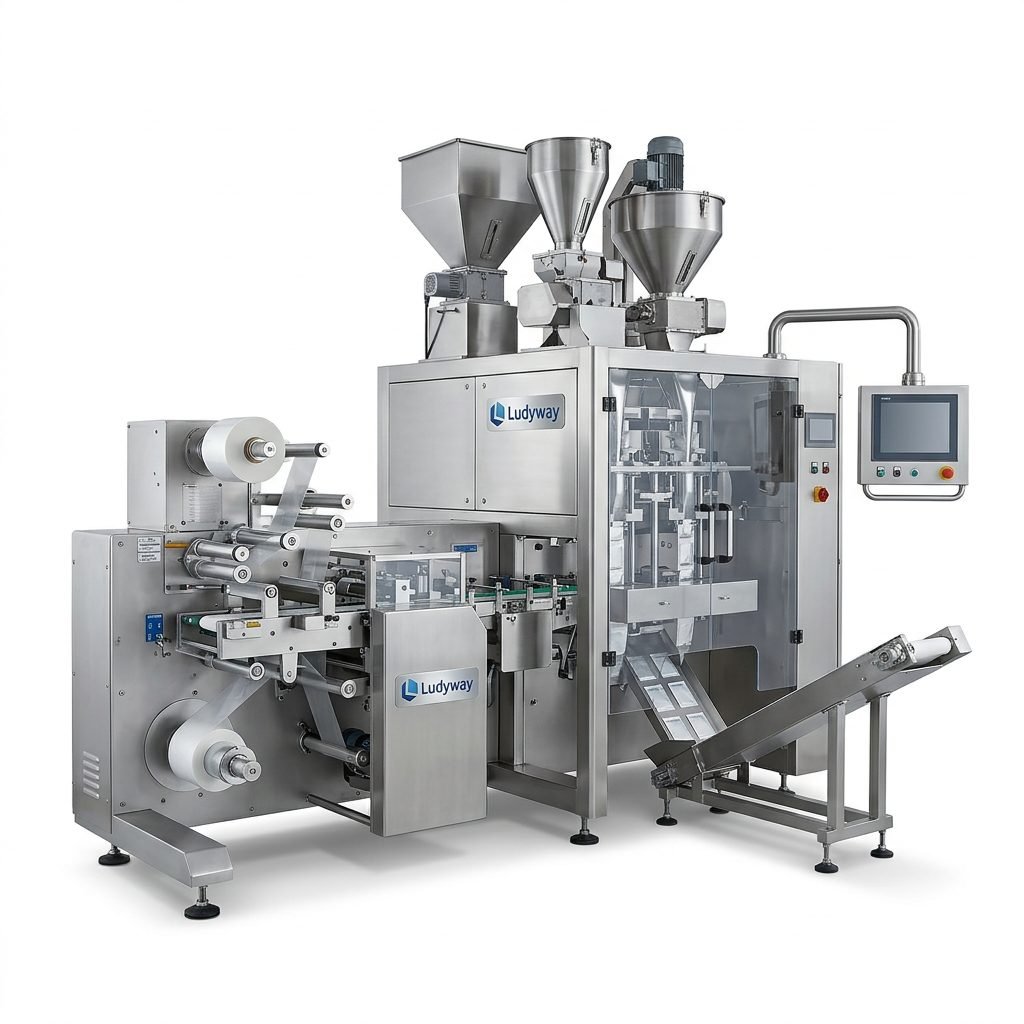
Investing in a water sachet packing machine is a critical decision for any manufacturer in the beverage, pharmaceutical, or consumer goods industry. The right equipment directly impacts your production efficiency, product quality, and bottom line. However, with so many configurations, automation levels, and technical specifications available, the selection process can feel overwhelming. This guide breaks down the essential factors to help you make an informed, confident investment.
1. Understanding Your Product and Material Characteristics
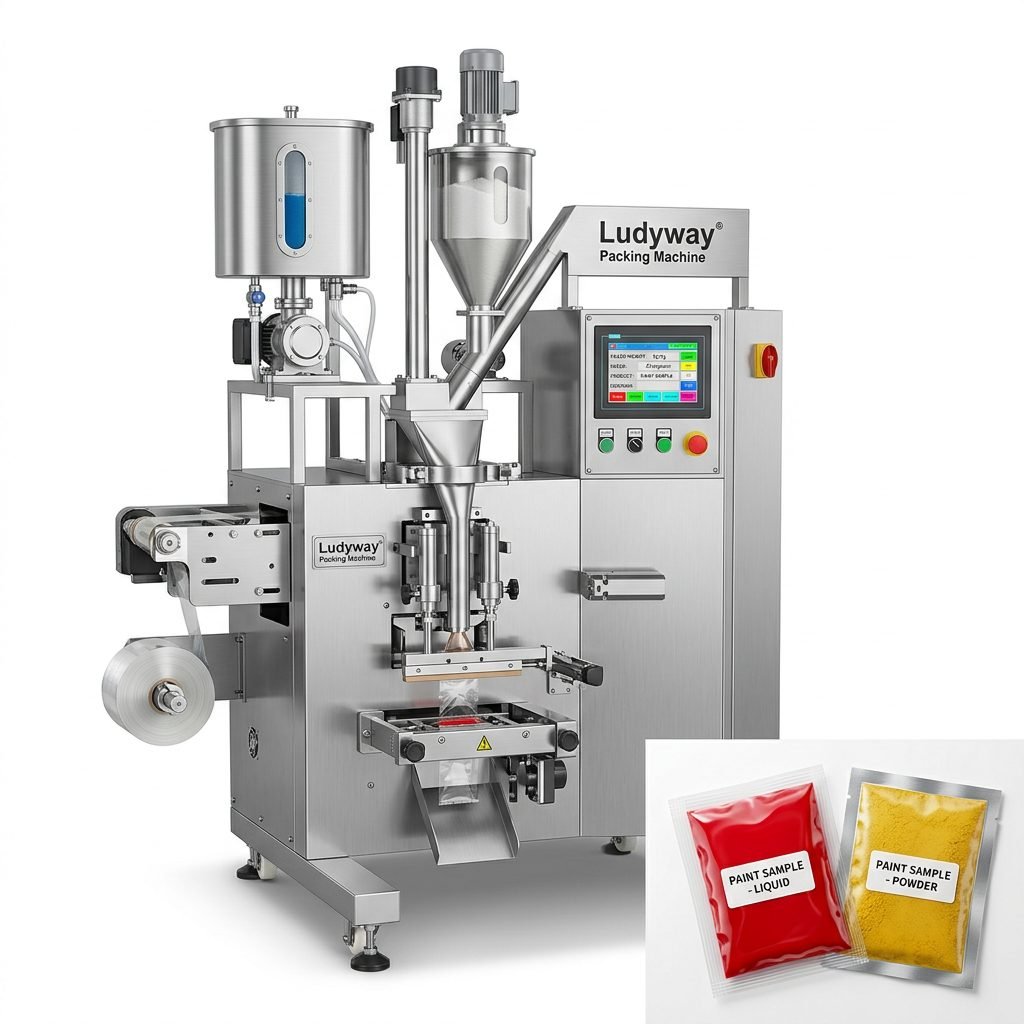
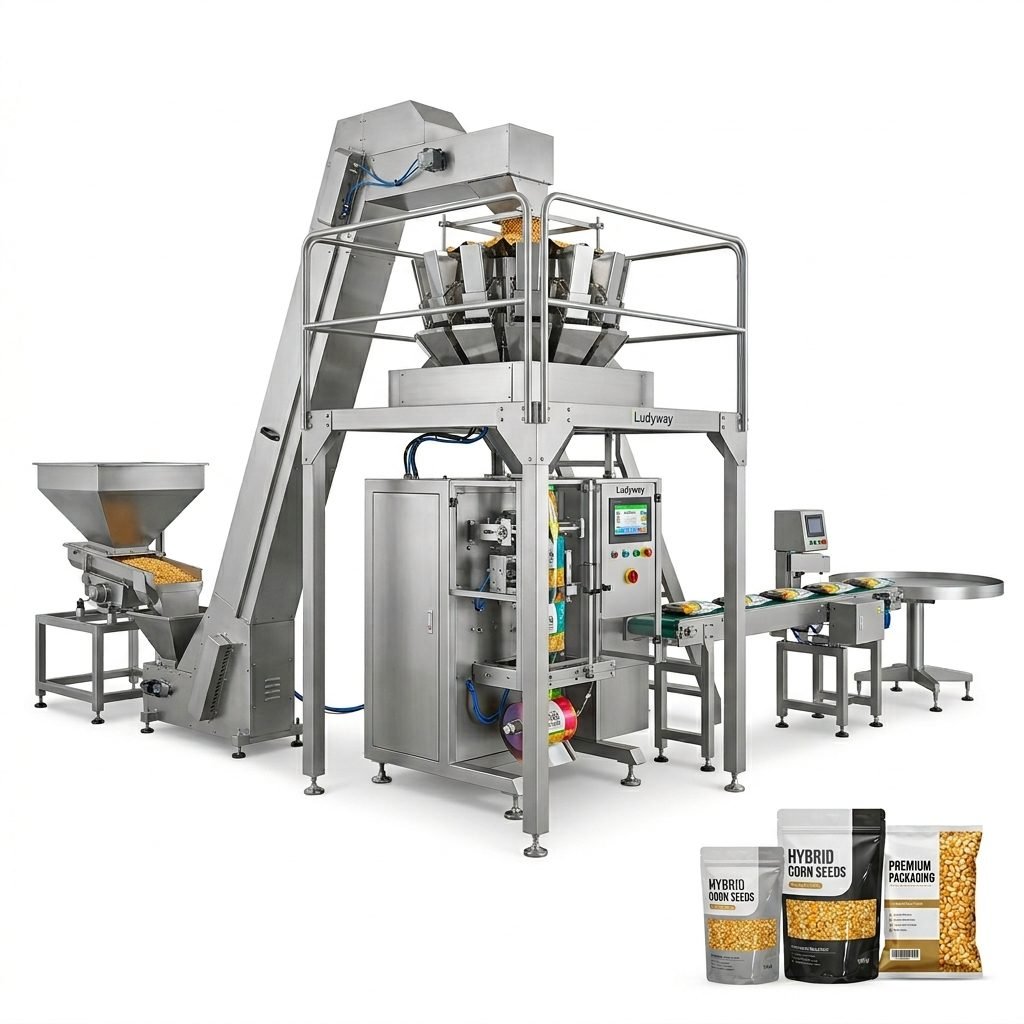
Before comparing machine models, you must first define what you are packaging. Water is not always just water; it may contain additives, minerals, or flavoring. The viscosity, temperature, and particle content of your liquid determine the type of filling system required. Thin, free-flowing water uses standard volumetric or piston fillers, while thicker or more viscous solutions may need positive displacement pumps.
Equally important is the packaging film material. Water sachets demand specific barrier properties to prevent leakage, contamination, and evaporation. Common materials include multi-layer laminates of polyethylene (PE), aluminum foil, and polyester. Your machine must be compatible with the film’s thickness, heat-seal temperature, and tension tolerance. Check Flexible Packaging Association resources for industry data on suitable film structures.
Key Liquid Properties to Analyze
- Viscosity: Free-flowing, semi-viscous, or highly viscous.
- Temperature: Ambient, hot-fill, or cold-fill requirements.
- Particulate size: Clear liquid, with pulp, or with suspended solids.
- Chemical reactivity: Acidic, alkaline, or solvent-based (impacts machine materials like stainless steel grade).
2. Defining Production Capacity and Speed Requirements
Your current and projected output volumes are the backbone of your machine selection. A water sachet packing machine can range from semi-automatic models producing 30-50 sachets per minute to fully automated multi-lane systems capable of filling over 500 sachets per minute. Choosing a machine that is too slow creates bottlenecks; oversizing can lead to unnecessary capital expenditure.
Consider not just the raw speed (sachets per minute) but the overall equipment effectiveness (OEE). A machine that runs at 200 packs per minute but requires constant stoppages for film changes or cleaning is less efficient than a slightly slower but more reliable system. Review the PMMI Business Intelligence to benchmark typical OEE metrics in packaging operations.
3. Sachet Formats, Dimensions, and Sealing Technology
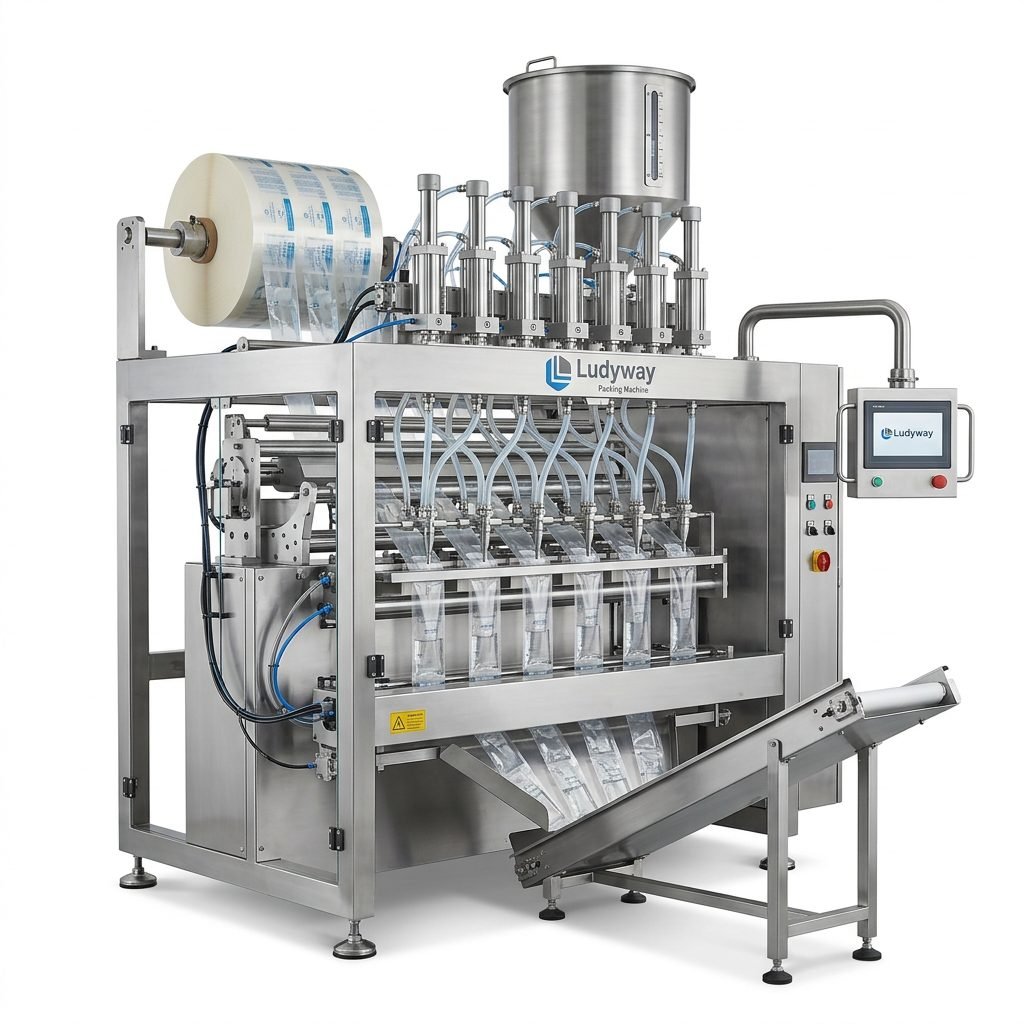
Water sachets come in various shapes: pillow packs, three-side seal, four-side seal, and stick packs. Each format requires a specific forming collar and sealing jaw configuration. Ensure the machine you select can accommodate your desired bag width, length, and seal width without film wastage.
The sealing integrity is non-negotiable for water packaging. A leaky sachet damages your brand and causes logistical nightmares. Look for machines with precise temperature control, adjustable pressure settings, and serrated or tear-notch options. Consistent vertical and horizontal sealing is a marker of a well-engineered machine. For validation guidelines, refer to ISO packaging standards.
4. Automation Level and Integration Capabilities
Modern water packaging lines extend far beyond the filling and sealing unit. Consider the level of automation you need:
- Manual/Semi-Automatic: Operators load film and initiate cycles; suitable for startups.
- Fully Automatic: Includes automatic film unwinding, tension control, and continuous operation.
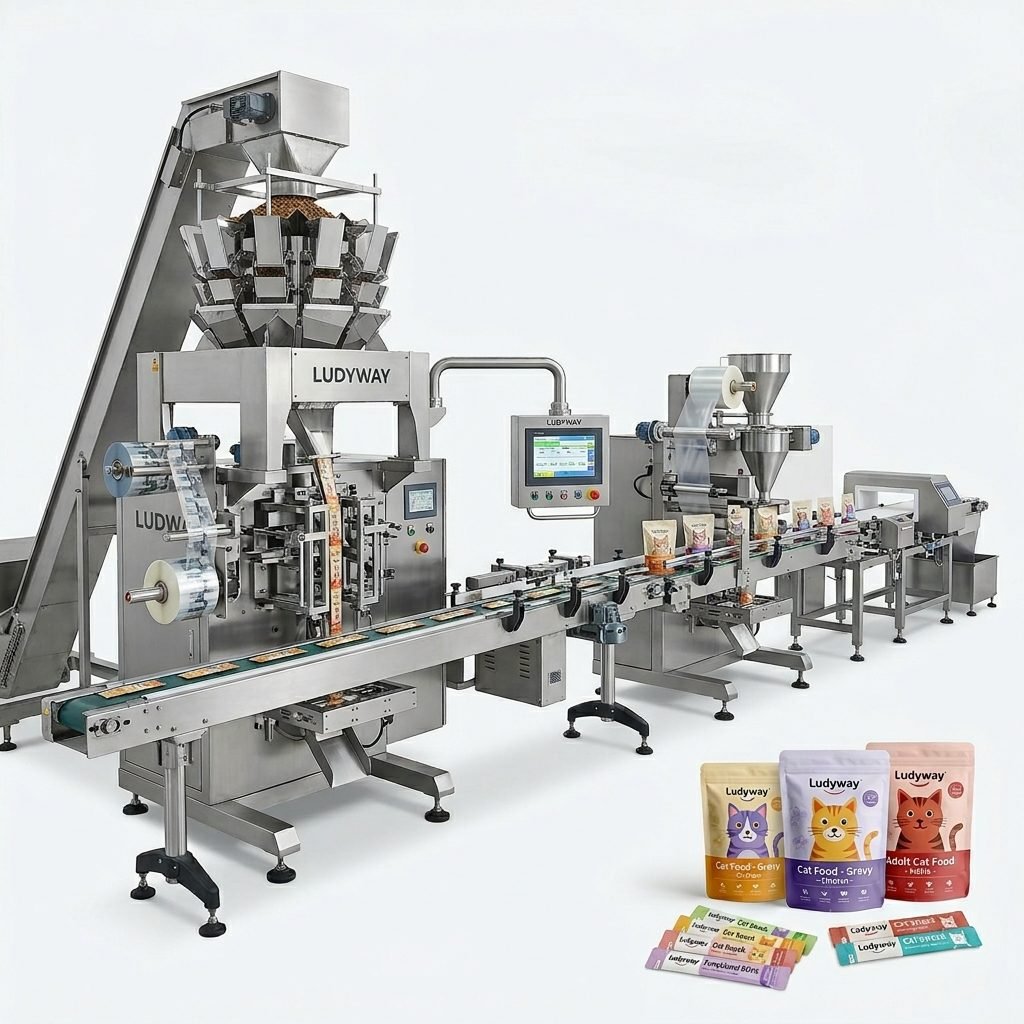
- Integrated Turnkey Line: Connects upstream (water treatment, mixing tanks) and downstream (coding, cartoning, case packing, palletizing) equipment.
If you plan to scale up, opting for a modular water sachet packing machine that supports future add-ons like multi-head fillers, online packaging machinery standards and regulations compliance, or automated inspection systems is a strategic move.
5. Critical Technical Specifications Checklist
The following table summarizes the core specifications you should verify with potential suppliers. Use this as a rapid evaluation tool to ensure no technical detail is overlooked.
| Specification Category | What to Look For | Impact |
|---|---|---|
| Filling System | Piston, peristaltic, or magnetic flow meter | Accuracy ±0.5-1% |
| Sealing Type | Hot bar, ultrasonic, or impulse seal | Leak-proof integrity |
| Construction | 304 or 316L stainless steel frame | Corrosion resistance, hygiene |
| Controls | PLC with HMI touchscreen, servo drives | Precision, recipe management |
| Lane Configuration | Single-lane to 20+ lanes | Output capacity |
| Nozzle Design | Anti-drip, submerged, or open | Clean seal area, hygiene |
6. Regulatory Compliance and Safety Standards
If you produce packaged drinking water, your machine must comply with food safety regulations in your target market. For the U.S. market, machinery should facilitate compliance with FDA food packaging and food contact substances rules. In Europe, adherence to EU packaging waste directives is increasingly important.
Ensure the machine’s contact parts are food-grade and easy to Clean-in-Place (CIP). Machines built with polished stainless steel, sloped surfaces to prevent liquid pooling, and quick-release covers help meet hygienic design standards.
7. After-Sales Support, Spare Parts, and Warranty
A water sachet packing machine is a long-term asset. Evaluate the manufacturer’s support infrastructure:
- Installation and commissioning: Is on-site assistance provided?
- Operator training: Comprehensive training reduces errors and downtime.
- Spare parts availability: Are critical components like sealing jaws, heaters, and sensors kept in stock locally or dispatched quickly?
- Remote diagnostics: Can the supplier troubleshoot via VPN or IoT connectivity?
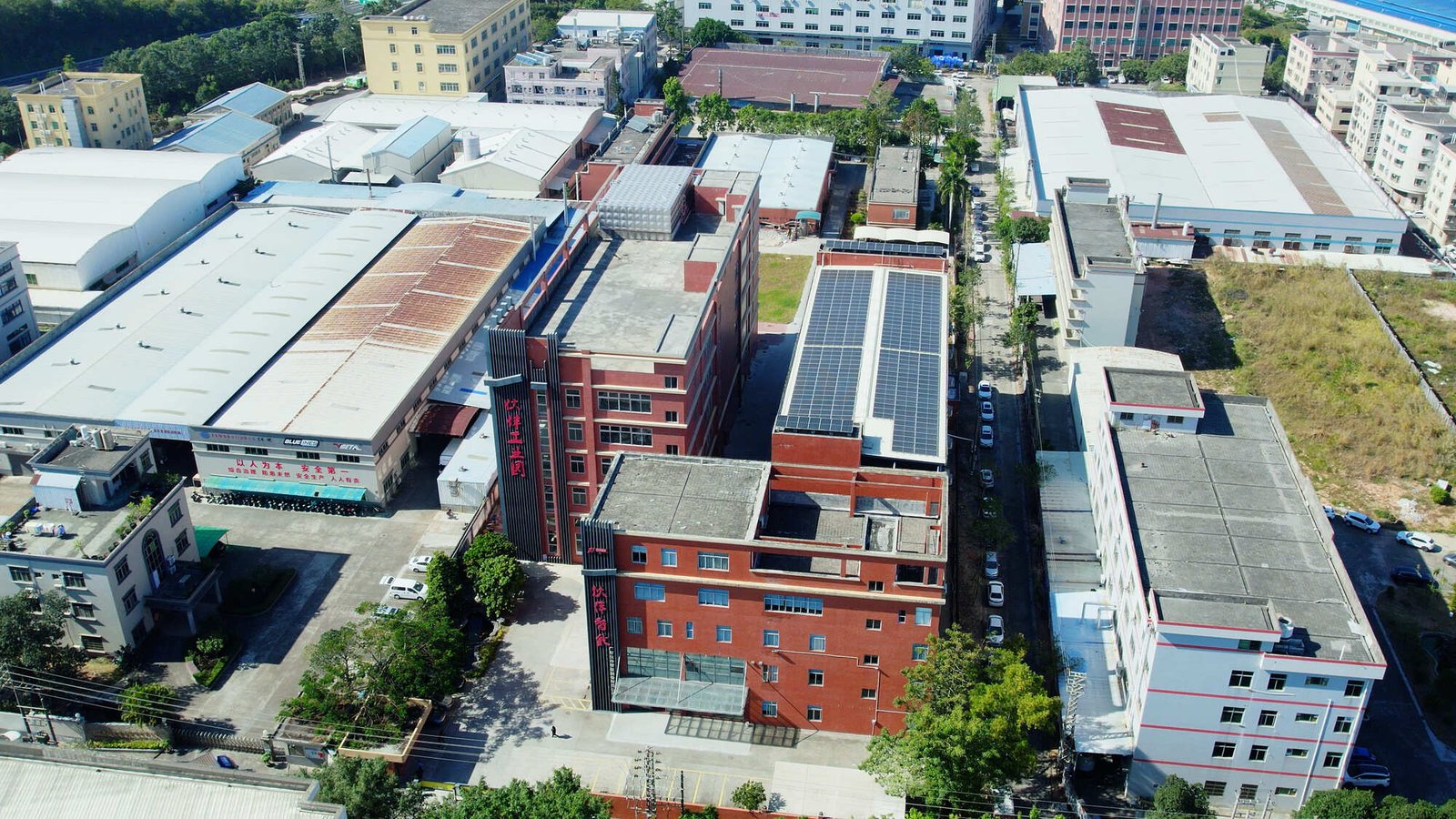
Establishing a relationship with a supplier that has a robust global service network, such as Ludyway Machinery, ensures you benefit from consistent technical support throughout the lifecycle of the equipment.
8. Total Cost of Ownership and ROI Analysis
The purchase price is just the entry point. A complete cost calculation includes:
- Film and consumable costs per unit.
- Energy consumption (kW per hour).
- Labor inputs: How many operators are required per shift?
- Maintenance intervals and associated downtime costs.
- Scrap rates: A cheap machine that wastes 5% of film and product is very expensive in the long run.
9. Future-Proofing Your Investment
Consumer packaging trends shift toward smaller portion sizes, sustainable films, and digital traceability. Your chosen machine should have the flexibility to run recyclable mono-materials or thinner films as they become available. The ability to integrate coding and marking systems for batch numbers, QR codes, and expiry dates is now a standard expectation rather than a premium feature. Check the latest industry reports to stay ahead of packaging trends.
10. Making the Final Decision
Do not rush this decision. Request detailed technical proposals, conduct factory acceptance tests (FAT) if possible, and speak to current users of the exact model you are considering. A high-quality water sachet packing machine should deliver consistent sachet quality, minimal downtime, and measurable savings in labor and film waste. By systematically evaluating the factors above, you position your operation for efficient, scalable growth.