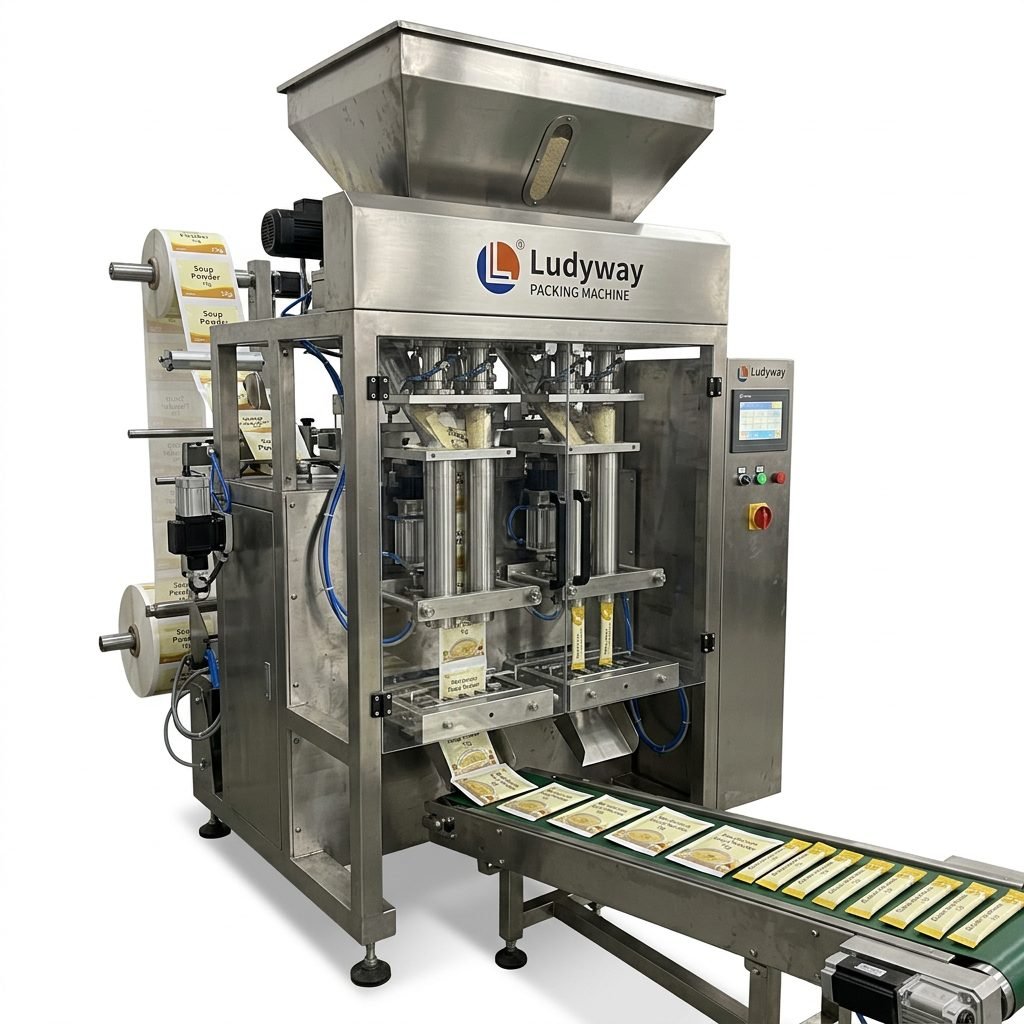
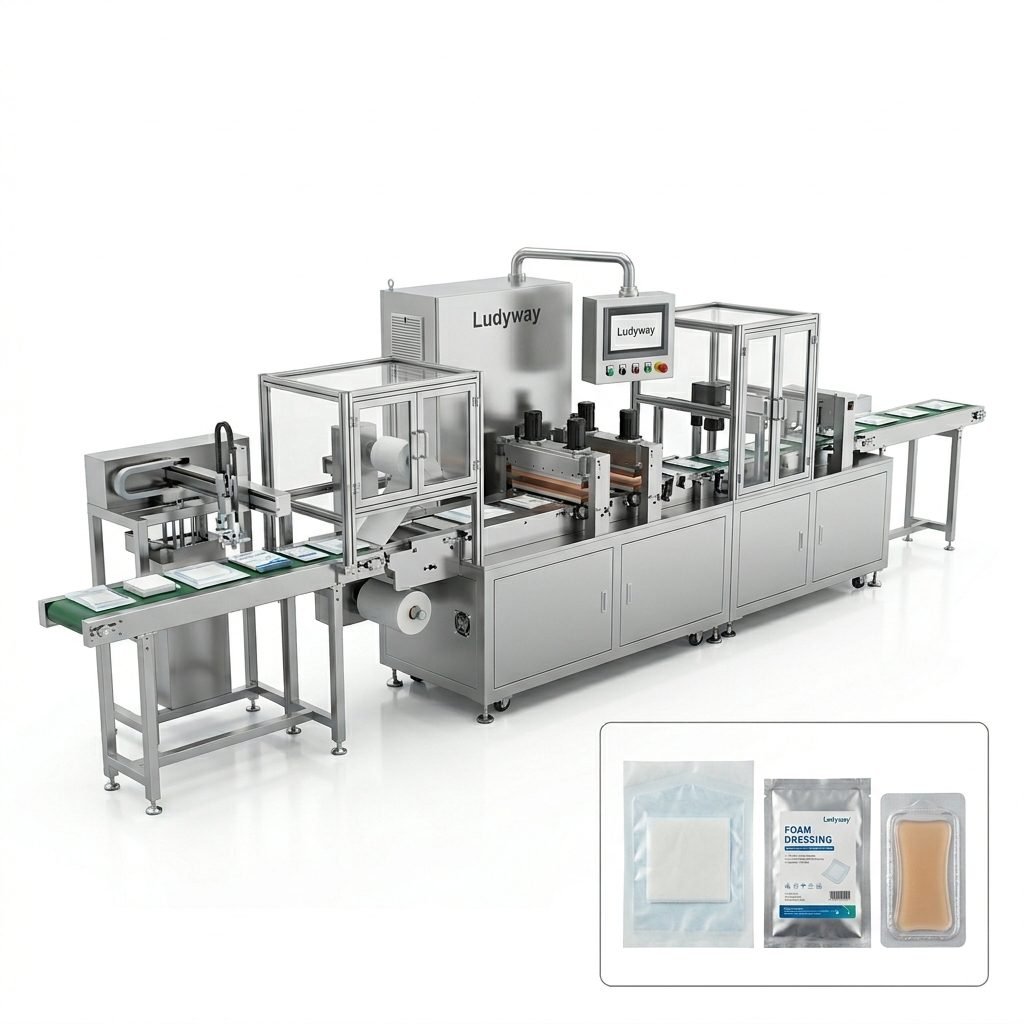
Investing in a tray sealer packaging machine production line in China requires careful planning, from equipment selection to factory integration. Whether you are packaging fresh food, ready meals, or medical products, choosing the right tray sealing technology and a reliable manufacturing partner is critical for long-term operational success. This guide walks you through the essential steps, practical considerations, and industry insights to help you set up a high-performance packaging line in China.

Why Set Up a Tray Sealer Packaging Line in China?
China has become a global hub for packaging machinery manufacturing, offering a combination of technological advancement, cost efficiency, and extensive supply chain integration. According to industry data from PMMI’s business intelligence reports, the Asia-Pacific region continues to lead global packaging equipment growth, with China accounting for a significant share of production capacity. Setting up a production line in China allows businesses to access:
- Cost-competitive equipment without compromising on automation capabilities
- Integrated supply chains for packaging materials and spare parts
- Custom engineering support tailored to specific product and tray formats
- Faster delivery timelines compared to European or North American suppliers
- Scalable solutions from semi-automatic to fully automated turnkey lines
Understanding Tray Sealer Packaging Technology
A tray sealer packaging machine is designed to seal pre-formed trays with flexible lidding film, creating an airtight and often modified-atmosphere packaging (MAP) environment. These machines are widely used across the food, pharmaceutical, and medical device industries. Key sealing technologies include:
- Heat sealing — the most common method, using controlled temperature and pressure
- MAP (Modified Atmosphere Packaging) — replacing oxygen with inert gases to extend shelf life
- Vacuum skin packaging — tight film adherence for premium product presentation
- Double-seam sealing — enhanced leak-proof performance for liquid or semi-liquid products
Understanding which sealing technology matches your product is the first critical decision. Refer to ISO packaging standards for guidance on material compatibility and seal integrity testing protocols.
Step-by-Step Guide to Setting Up Your Production Line
Step 1: Define Your Production Requirements
Before contacting equipment suppliers, clearly define your production specifications:
- Tray dimensions and material type (PP, PET, aluminum, biodegradable)
- Target output speed (trays per minute)
- Product characteristics (solid, liquid, viscous, granular)
- Shelf-life requirements and MAP gas mixture needs
- Labeling, coding, and inspection system integration
Step 2: Select the Right Tray Sealer Configuration
Tray sealing machines come in several configurations to match different production scales:
| Machine Type | Speed Range | Best Suited For |
|---|---|---|
| Manual Tray Sealer | 2-6 trays/min | Small batch production, startups |
| Semi-Automatic Sealer | 6-15 trays/min | Medium-scale operations |
| Fully Automatic Inline Sealer | 15-40 trays/min | High-volume food processing |
| Multi-Lane High-Speed System | 40-100+ trays/min | Large industrial production lines |
Step 3: Evaluate Factory Layout and Auxiliary Equipment
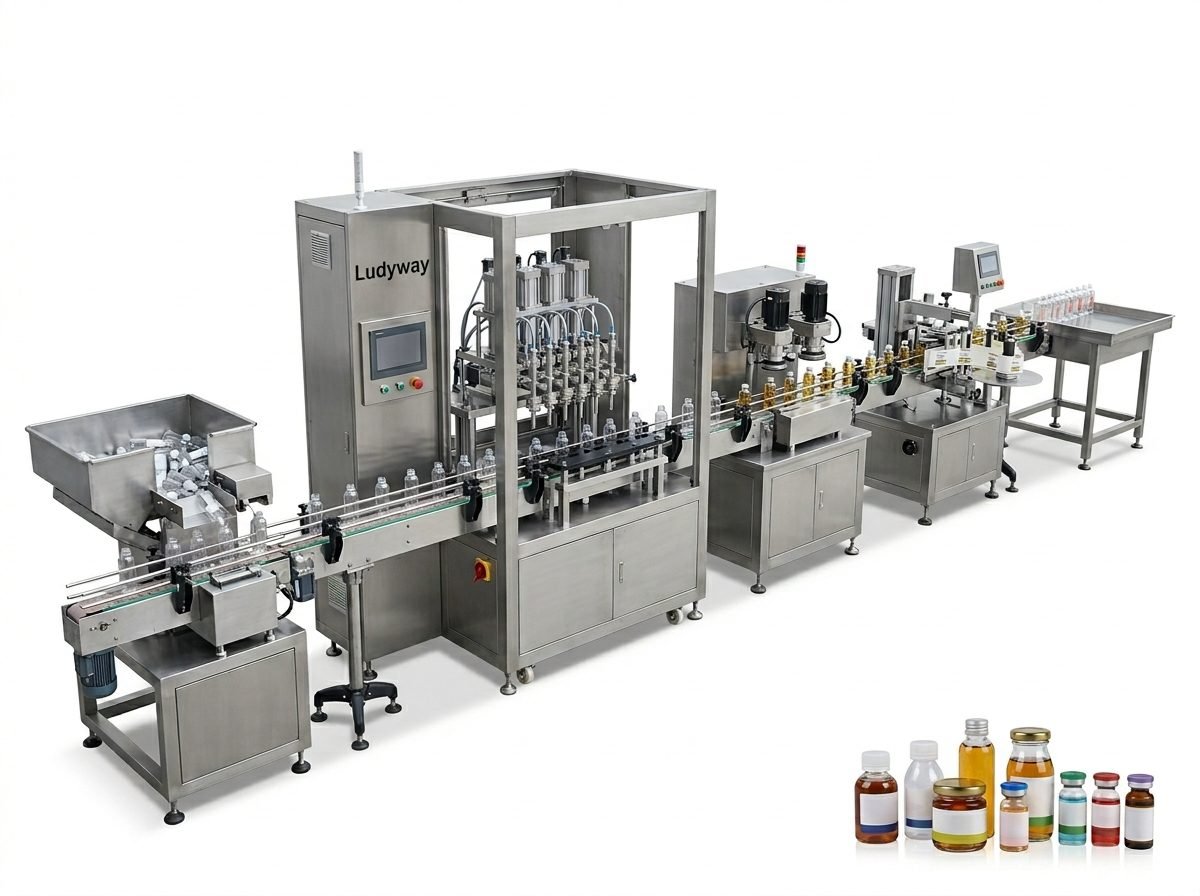
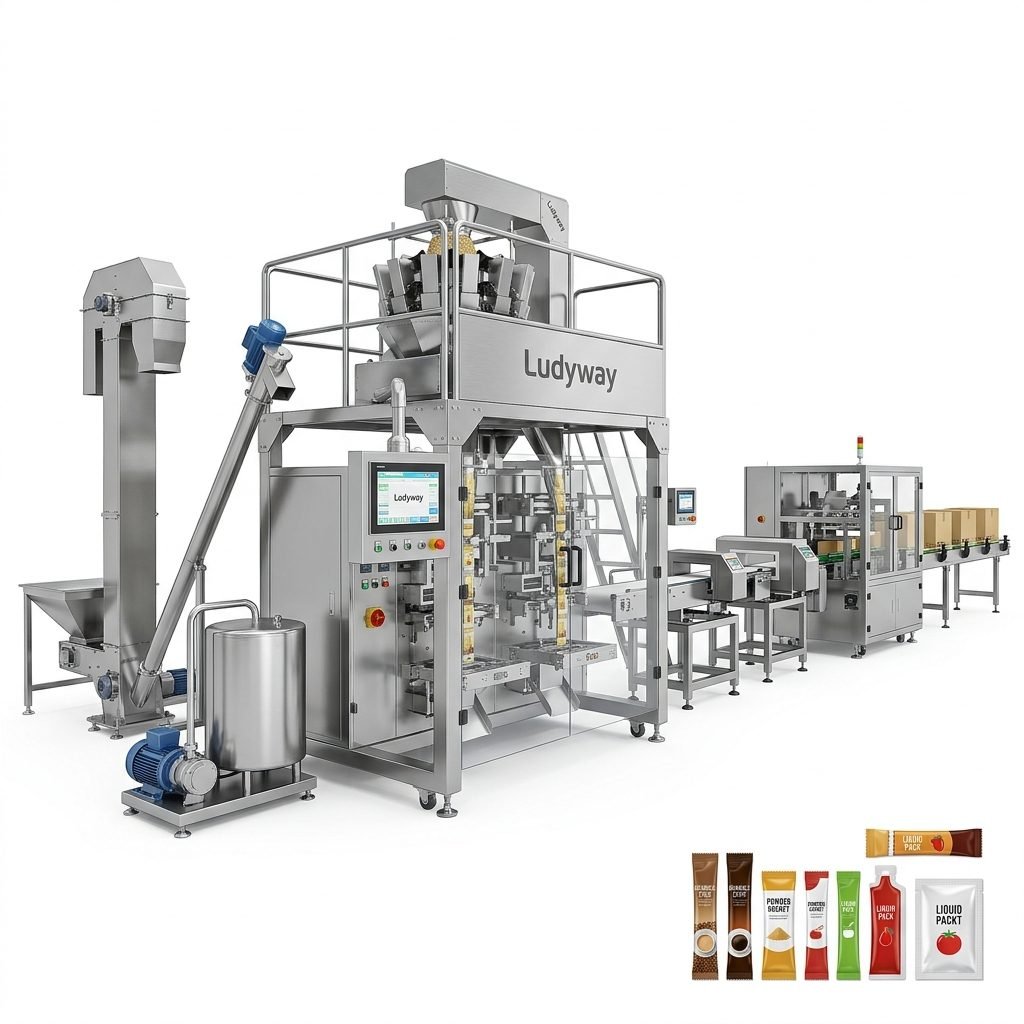
A complete production line includes more than just the tray sealer. You will need to integrate upstream and downstream equipment:
- Product filling and dosing systems
- Conveyor belts and transfer systems
- Tray denesting and loading units
- Lidding film unwinding and tension control
- Inline checkweighers and metal detectors
- Date coding and labeling machines
- Cartoning and case packing systems
Planning the plant floor layout with proper material flow and operator access is essential for efficiency and compliance.
Step 4: Partner with a Reliable Chinese Manufacturer
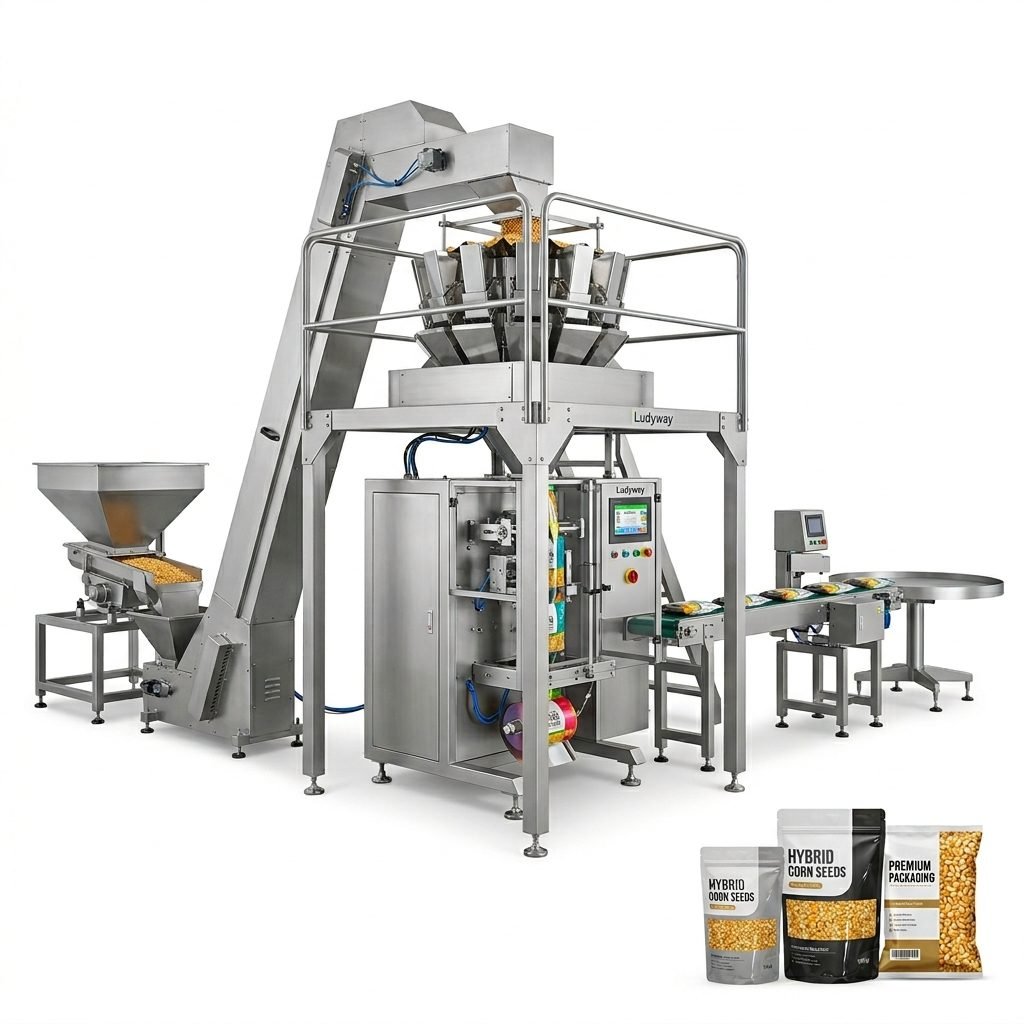
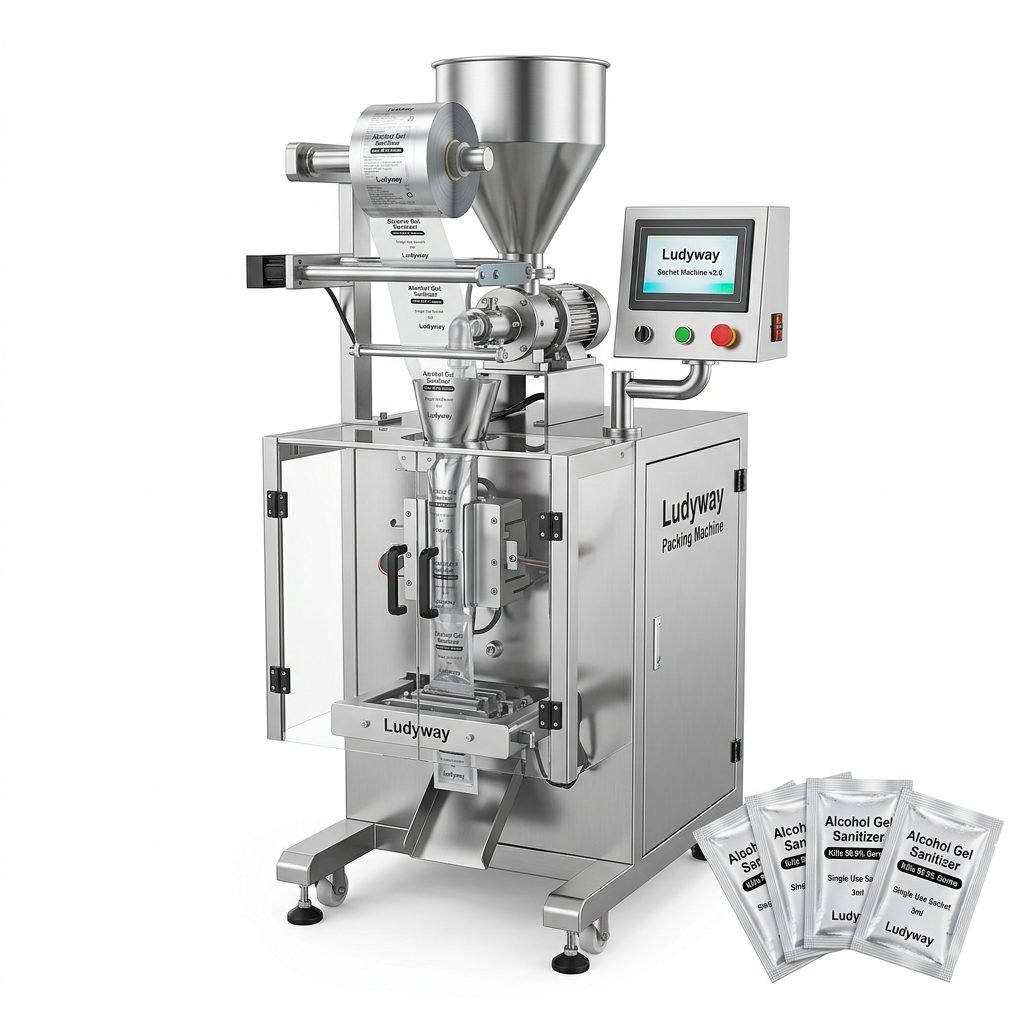
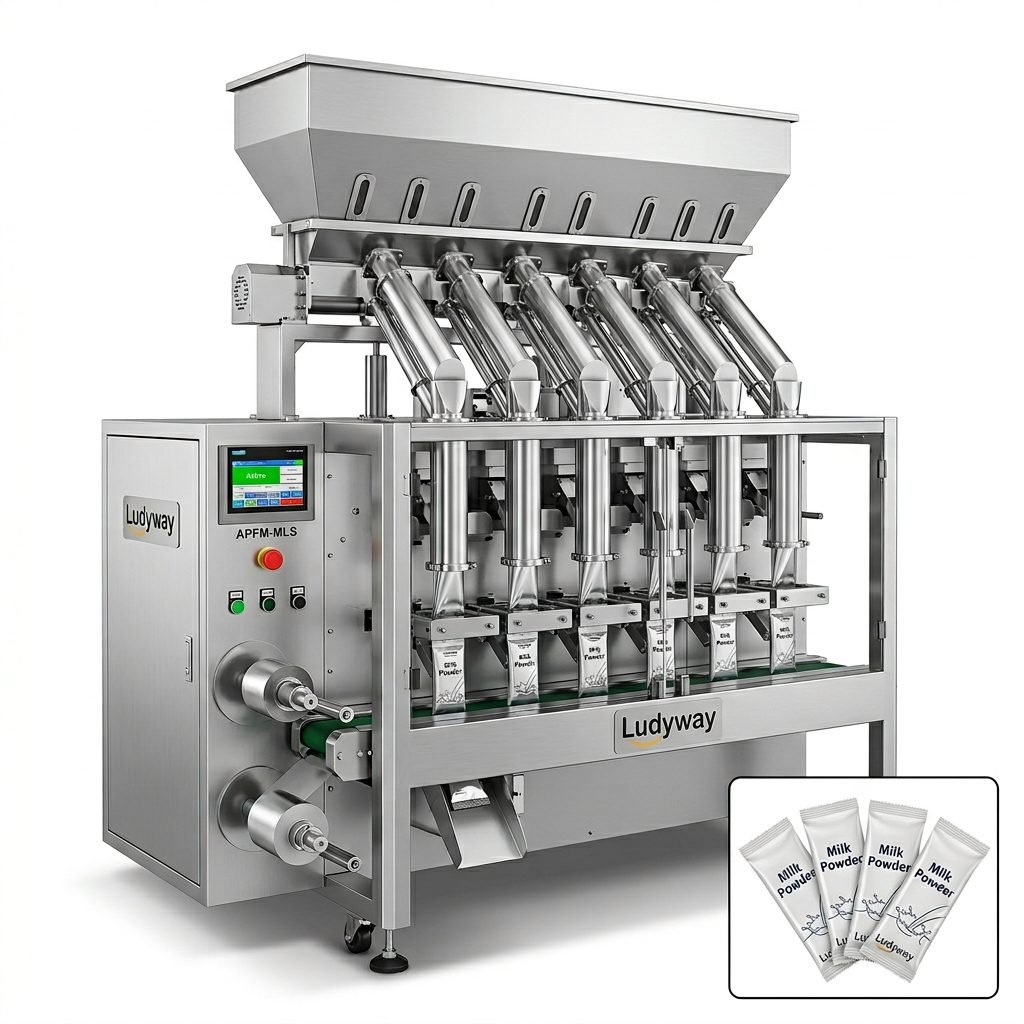
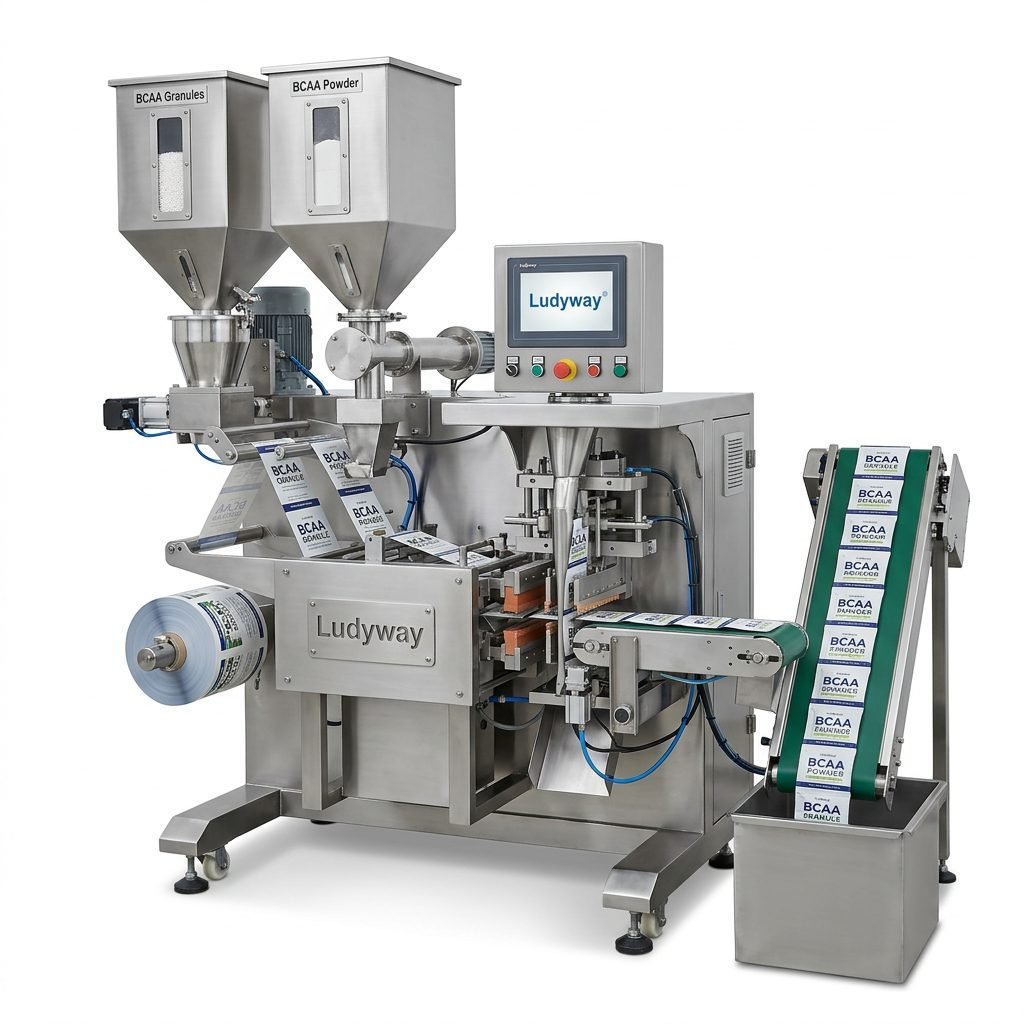
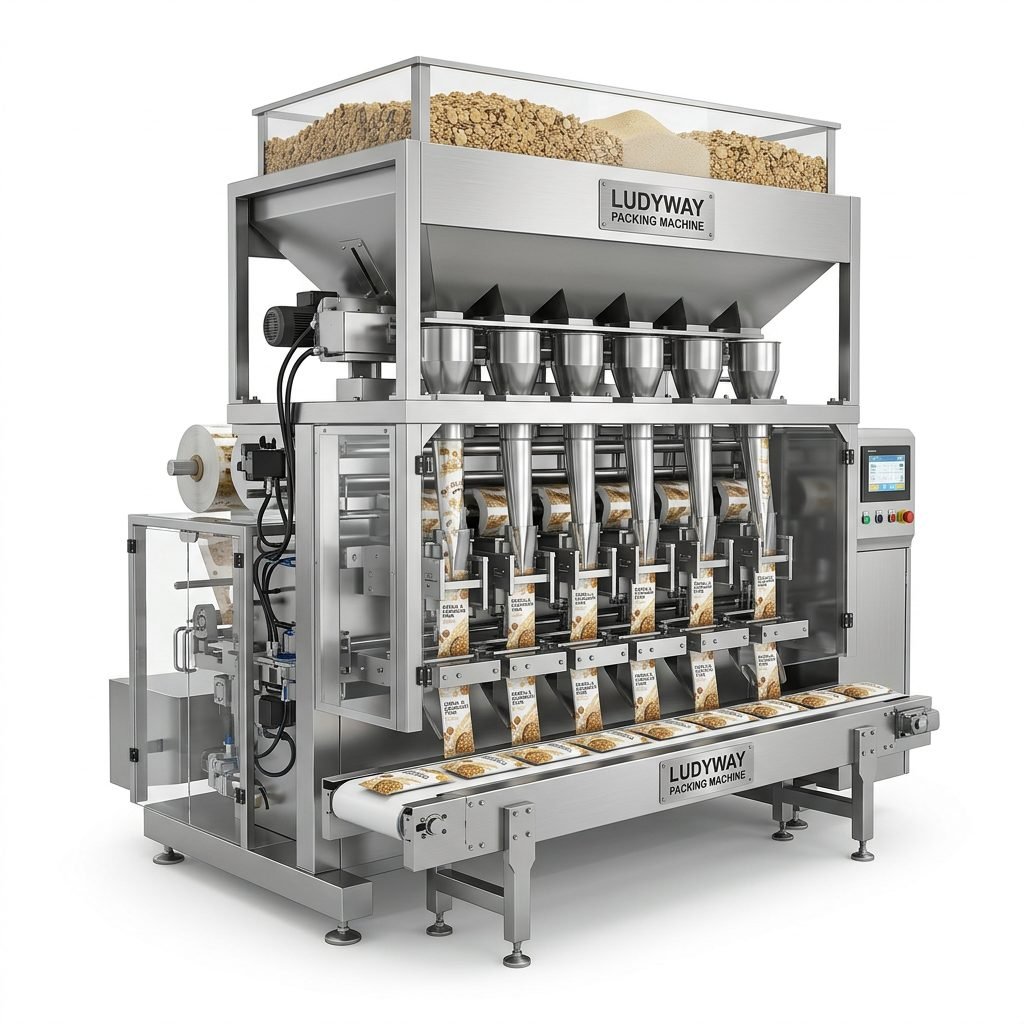
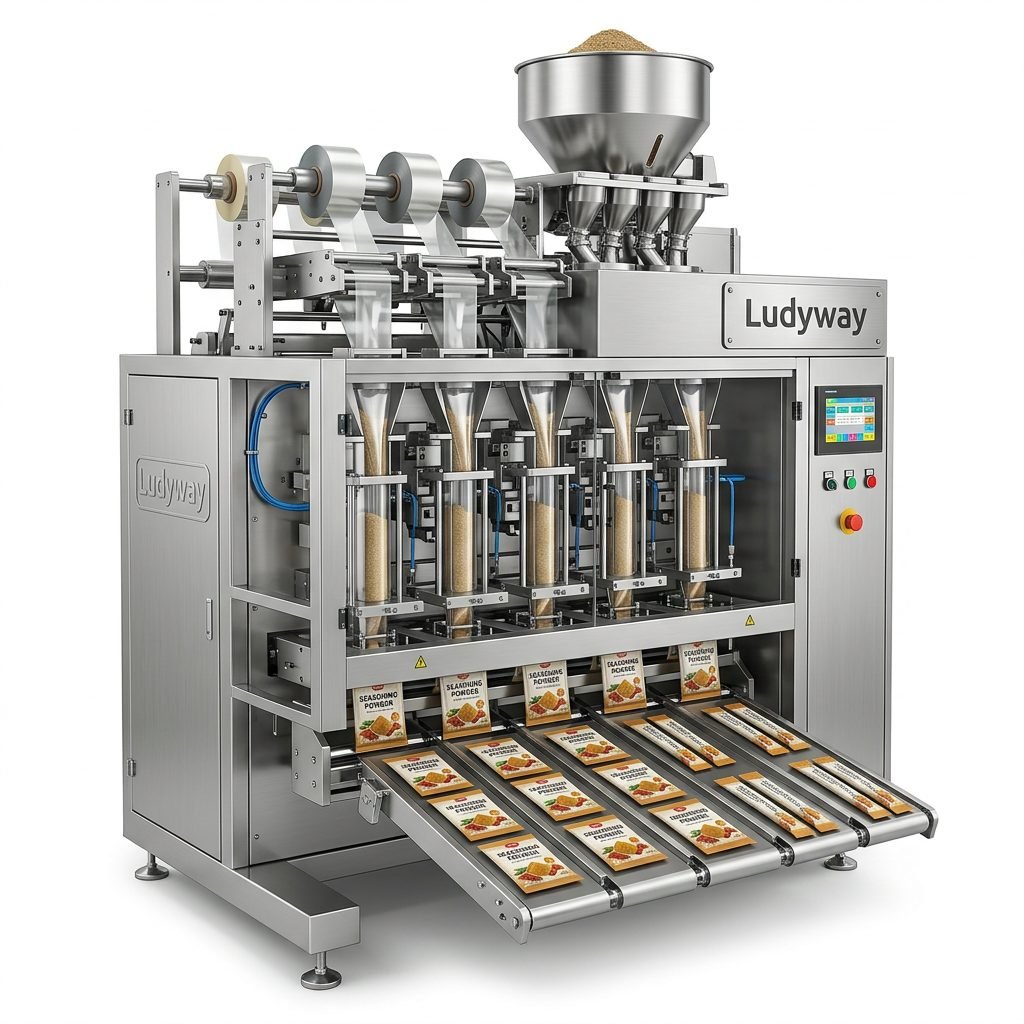
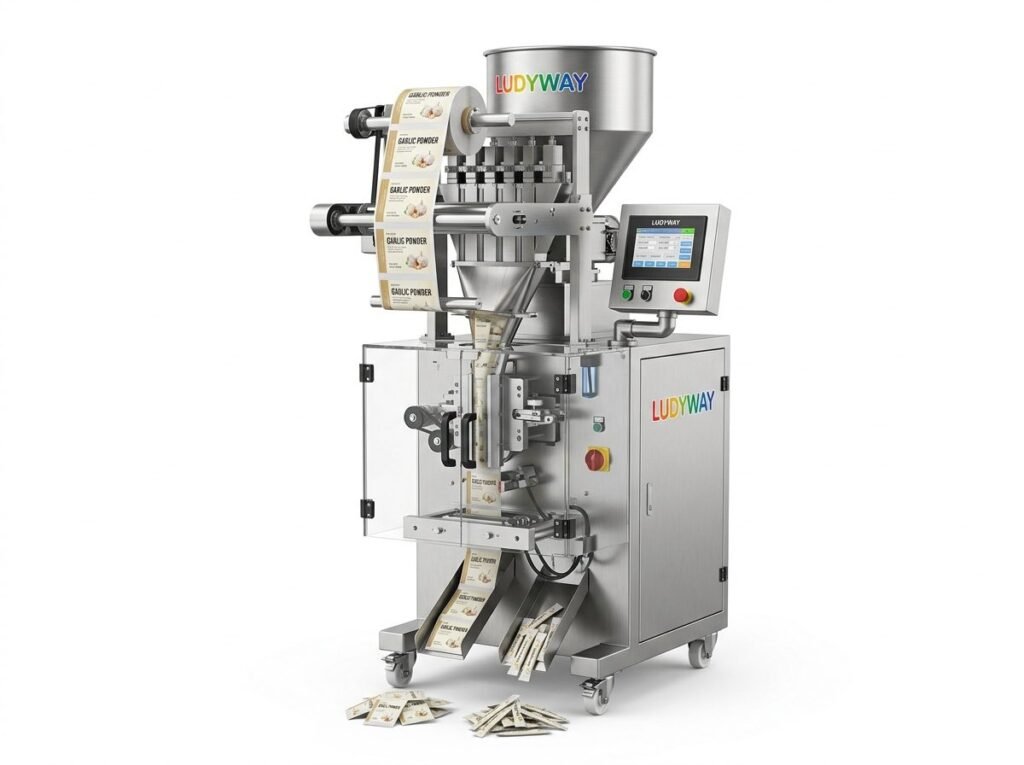
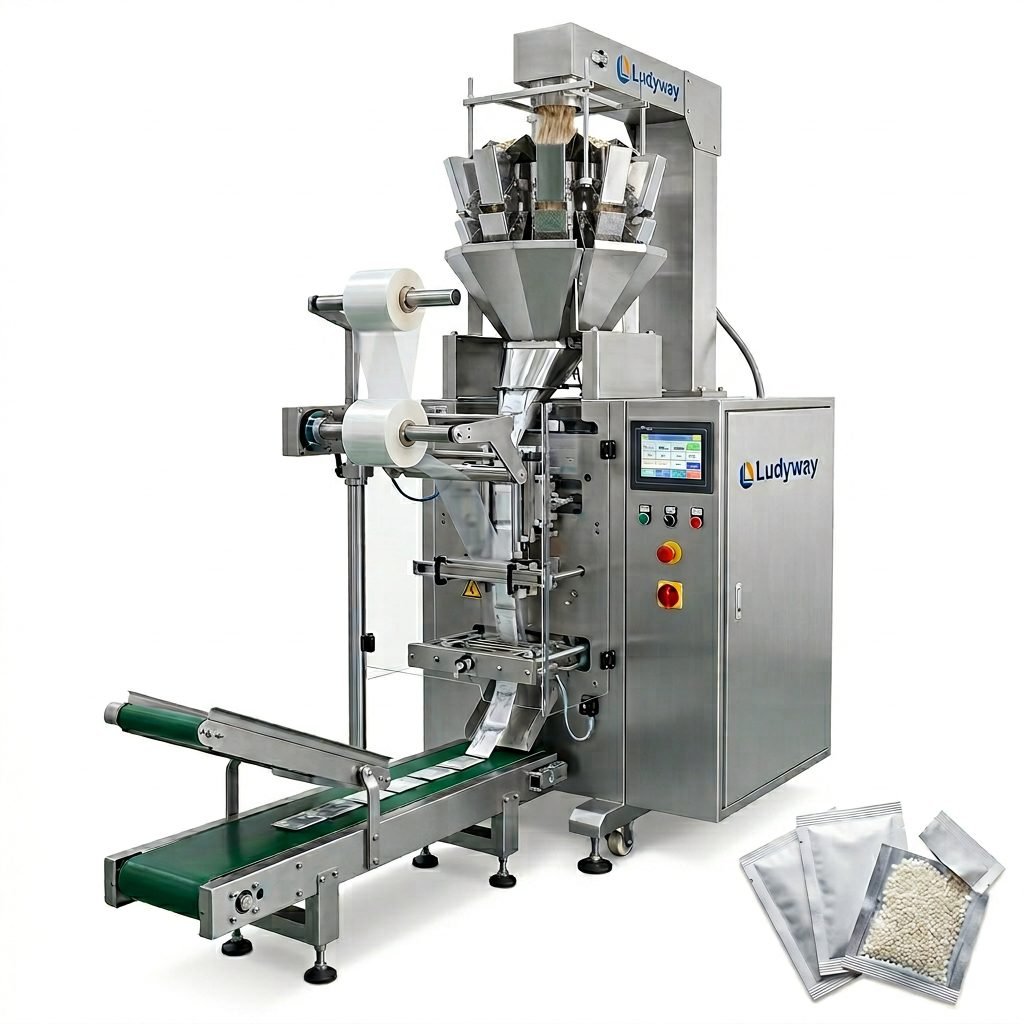
Choosing the right equipment manufacturer is perhaps the most important decision in this process. Look for suppliers with proven engineering expertise, international certifications, and comprehensive after-sales support. One notable example is Ludyway, a major packaging machine manufacturer based in Guangdong, China, with over 30 years of industry experience and a modern 20,000㎡ production facility. The company serves customers across more than 100 countries, offering integrated packaging solutions that cover tray sealing, sachet, stick pack, and fully automated turnkey systems.
When evaluating potential partners, consider conducting factory audits, reviewing case studies, and requesting sample sealing trials with your actual product and tray materials.
Step 5: Ensure Compliance with International Standards
Compliance with global packaging regulations is non-negotiable. Depending on your target market and product category, you may need to adhere to:
- FDA food packaging and food contact substance regulations for U.S. markets
- EU packaging and packaging waste directives for European distribution
- ISO 11607 standards for medical device packaging validation
- HACCP and GMP guidelines for food and pharmaceutical production
Key Quality Control Measures for Tray Sealing Lines
Implementing robust quality assurance protocols ensures consistent seal integrity and product safety throughout your production run. Essential QC measures include:
- Seal strength testing — burst tests and peel tests at regular intervals
- Gas analysis — verifying MAP gas composition in sealed trays
- Leak detection — water bath or pressure decay testing methods
- Vision inspection systems — automated detection of seal defects, misalignment, or contamination
- Temperature and pressure monitoring — real-time logging of critical sealing parameters
Industry best practices from the Flexible Packaging Association provide valuable frameworks for establishing your quality management system.
Cost Breakdown and Budget Planning
Understanding the total cost of ownership helps with accurate budgeting and ROI calculations. Below is a typical cost structure for setting up a tray sealer production line in China:
| Cost Component | Estimated Share | Notes |
|---|---|---|
| Core tray sealing machine | 40-50% | Depending on automation level and speed |
| Auxiliary equipment | 20-25% | Fillers, conveyors, inspection systems |
| Installation and commissioning | 10-15% | Includes training and onsite support |
| Shipping and logistics | 5-10% | Varies by destination and equipment size |
| Spare parts and consumables | 5-10% | Initial stock of critical components |
Common Challenges and How to Overcome Them
Setting up a tray sealer packaging line in China presents unique challenges that can be managed with proper preparation:
- Communication gaps — work with manufacturers who have bilingual engineering teams and clear technical documentation
- Equipment compatibility — ensure all auxiliary components are sourced or approved by the main equipment supplier
- After-sales service — negotiate service level agreements covering remote support, spare parts availability, and onsite visits
- Regulatory variations — verify that equipment meets both Chinese manufacturing standards and your destination market requirements
- Supply chain delays — maintain buffer stock of essential consumables and critical spare parts
Future-Proofing Your Production Line
As the packaging industry evolves, consider building scalability and flexibility into your line from the start. Modular machine designs allow for future upgrades in speed or functionality. Smart factory integration with IoT sensors, predictive maintenance algorithms, and centralized production monitoring systems are becoming standard features in modern packaging operations. Planning for these capabilities early can reduce upgrade costs later.

Frequently Asked Questions
What is the typical lead time for a tray sealer production line from China?
Lead times generally range from 8 to 16 weeks depending on customization requirements, machine complexity, and the manufacturer’s current production schedule. Turnkey lines with multiple integrated components may require longer timelines for engineering and testing.
Can Chinese tray sealer machines meet CE and FDA standards?
Yes, many established Chinese manufacturers design equipment compliant with CE, FDA, and ISO standards. Always request certification documentation and verify compliance during the factory acceptance testing phase.
How do I handle installation and training remotely?
Leading manufacturers offer remote video-assisted installation, detailed operation manuals in multiple languages, and online training sessions. Some also provide optional onsite commissioning engineers for complex installations.
What ongoing maintenance does a tray sealer require?
Regular maintenance includes daily cleaning of sealing plates, weekly inspection of pneumatic components, monthly lubrication of moving parts, and quarterly calibration of temperature and pressure sensors. A well-maintained machine can operate reliably for 10-15 years.
Setting up a tray sealer packaging machine production line in China is a strategic investment that can deliver significant competitive advantages in terms of cost, quality, and production flexibility. By following a structured approach — from defining requirements and selecting the right technology to partnering with an experienced manufacturer and implementing robust quality controls — you can build a packaging operation that scales with your business growth. The key is thorough planning, clear communication with your equipment partner, and a commitment to ongoing optimization.