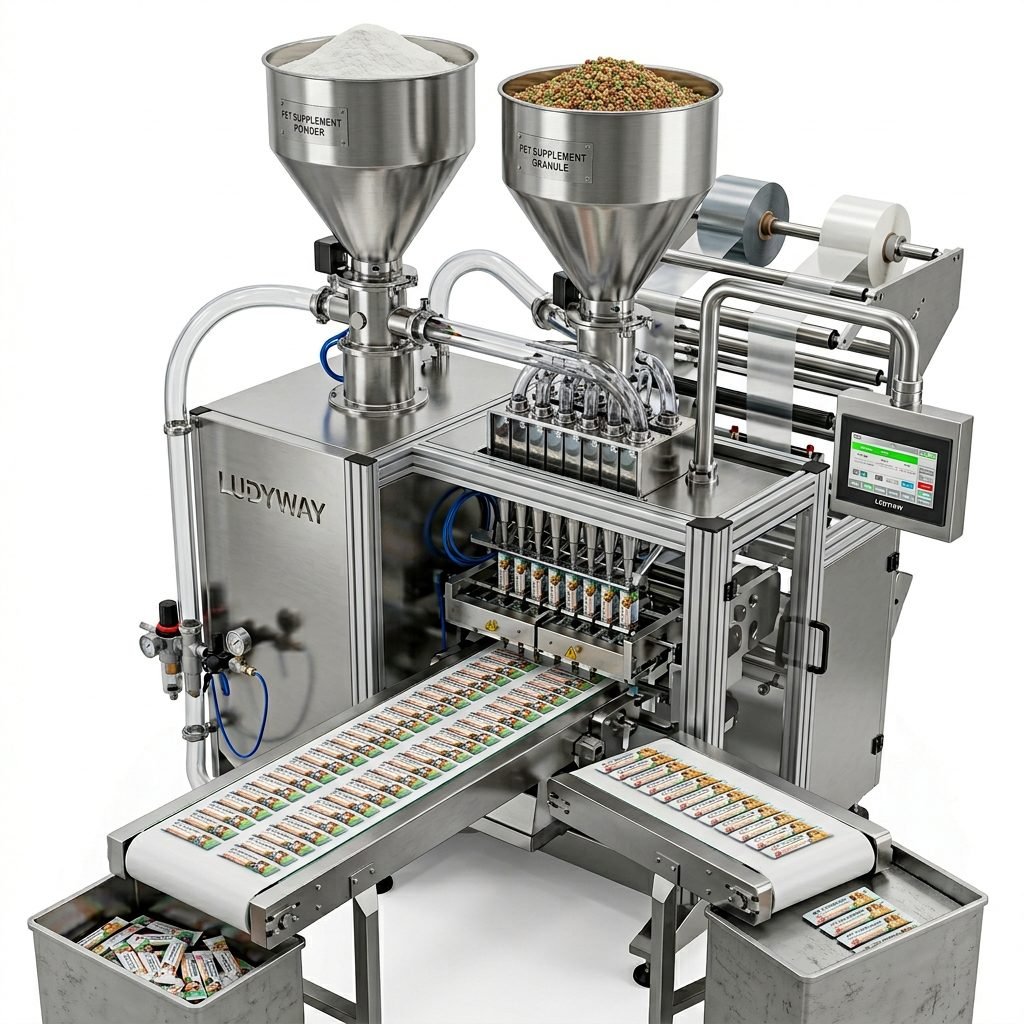
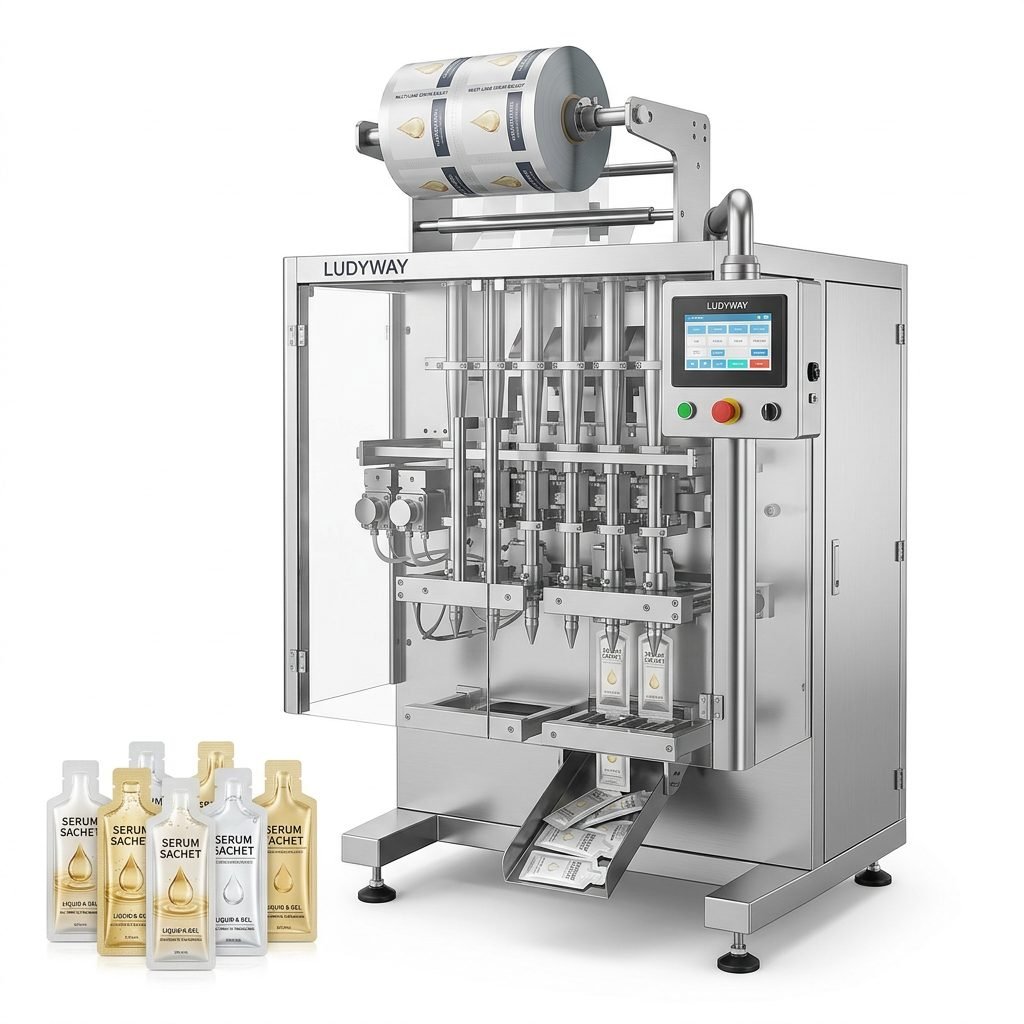
Investing in a stick pack packaging machine is a strategic decision that can significantly impact your production efficiency, product quality, and bottom line. Whether you are in the food and beverage, pharmaceutical, nutraceutical, or cosmetics industry, choosing the right equipment requires a thorough understanding of your product characteristics, production goals, and operational requirements. This guide walks you through every critical factor you need to evaluate before making a purchase.
Understanding Stick Pack Packaging Technology
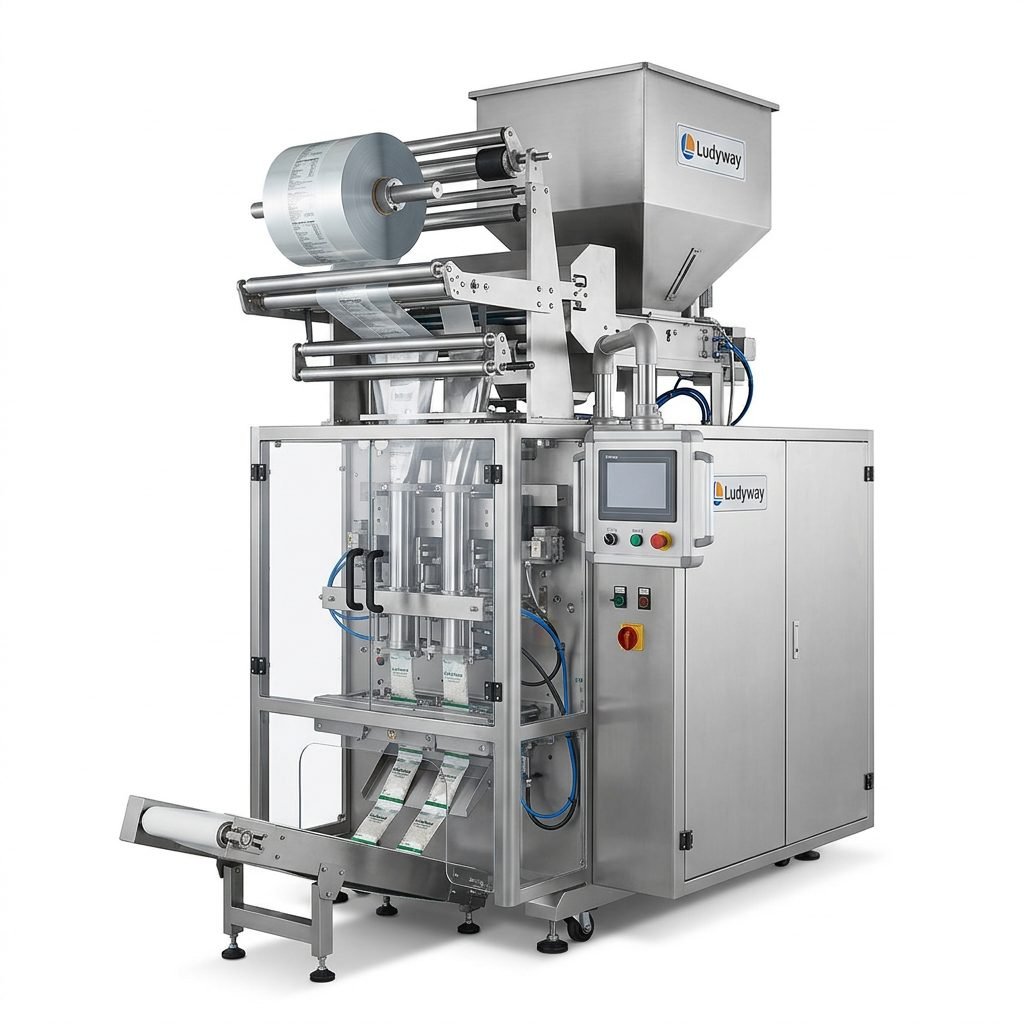
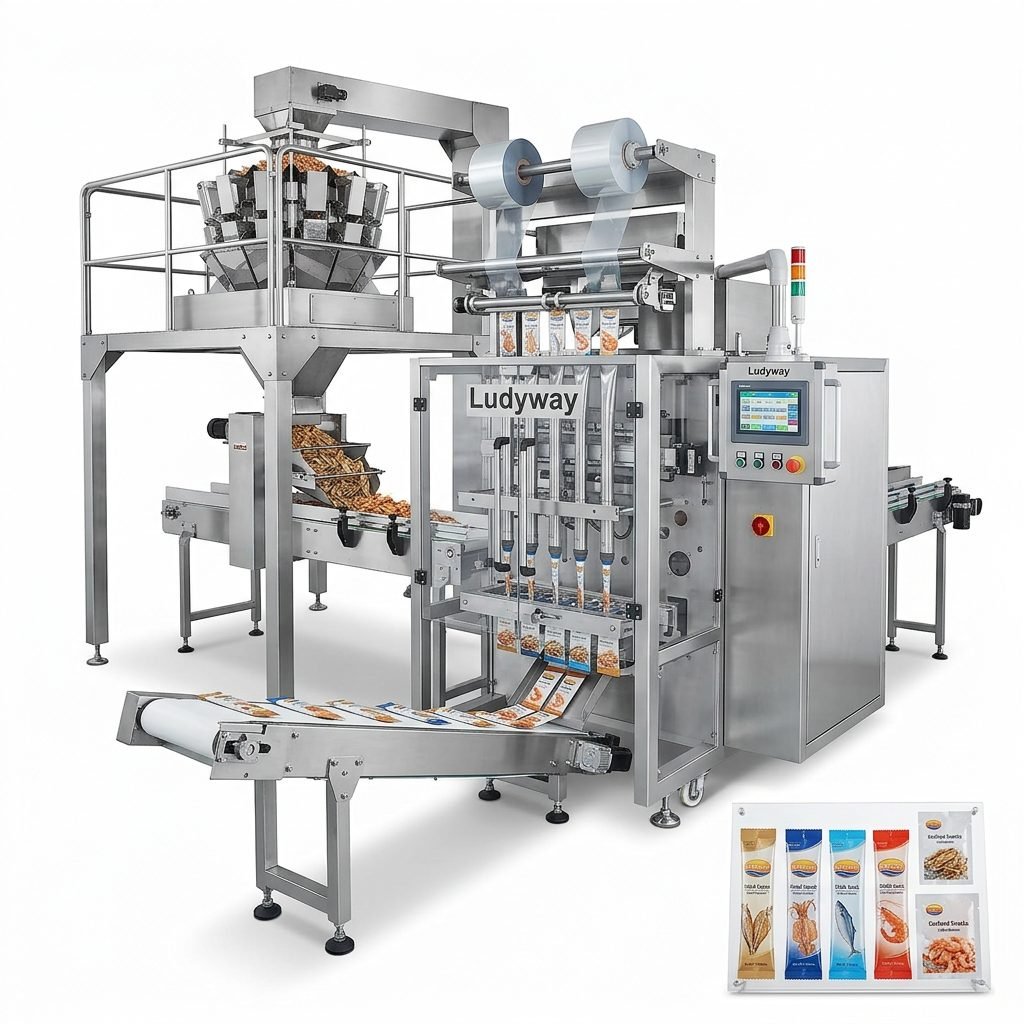
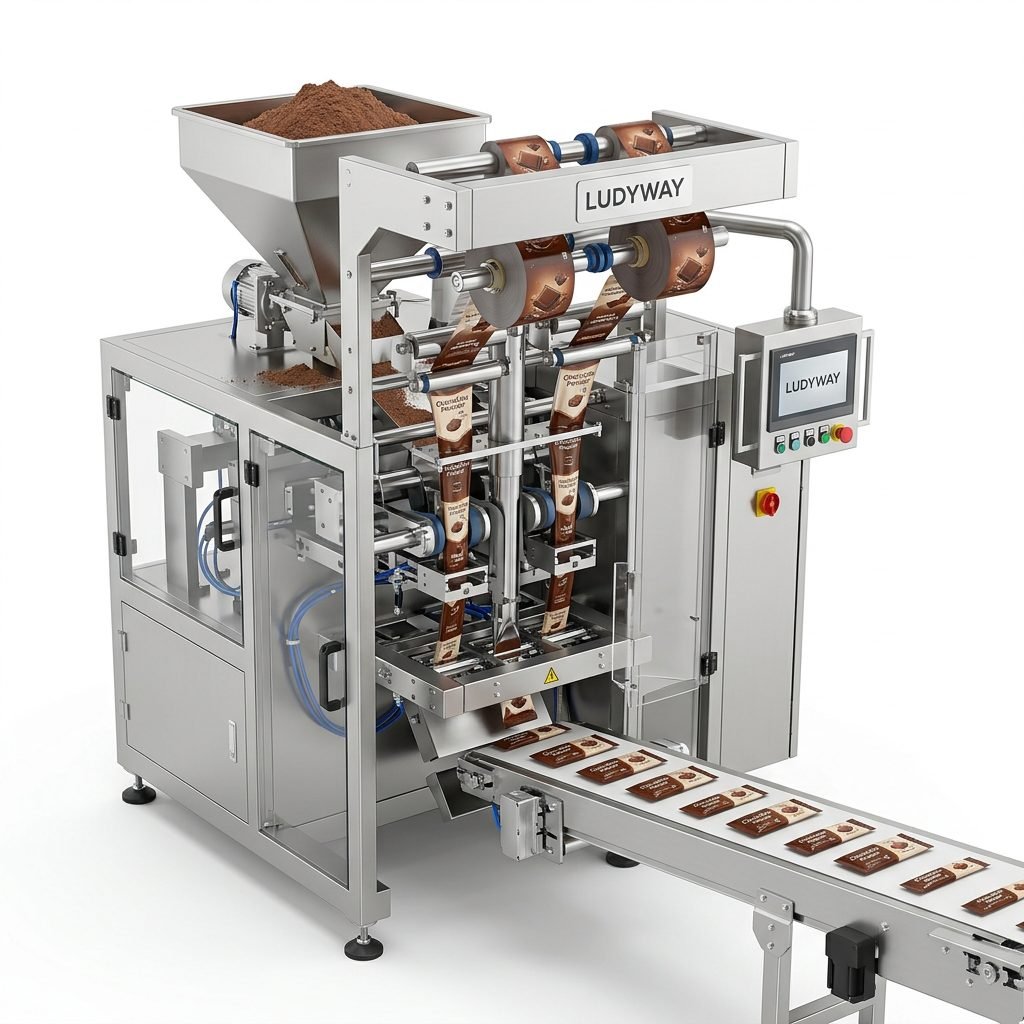
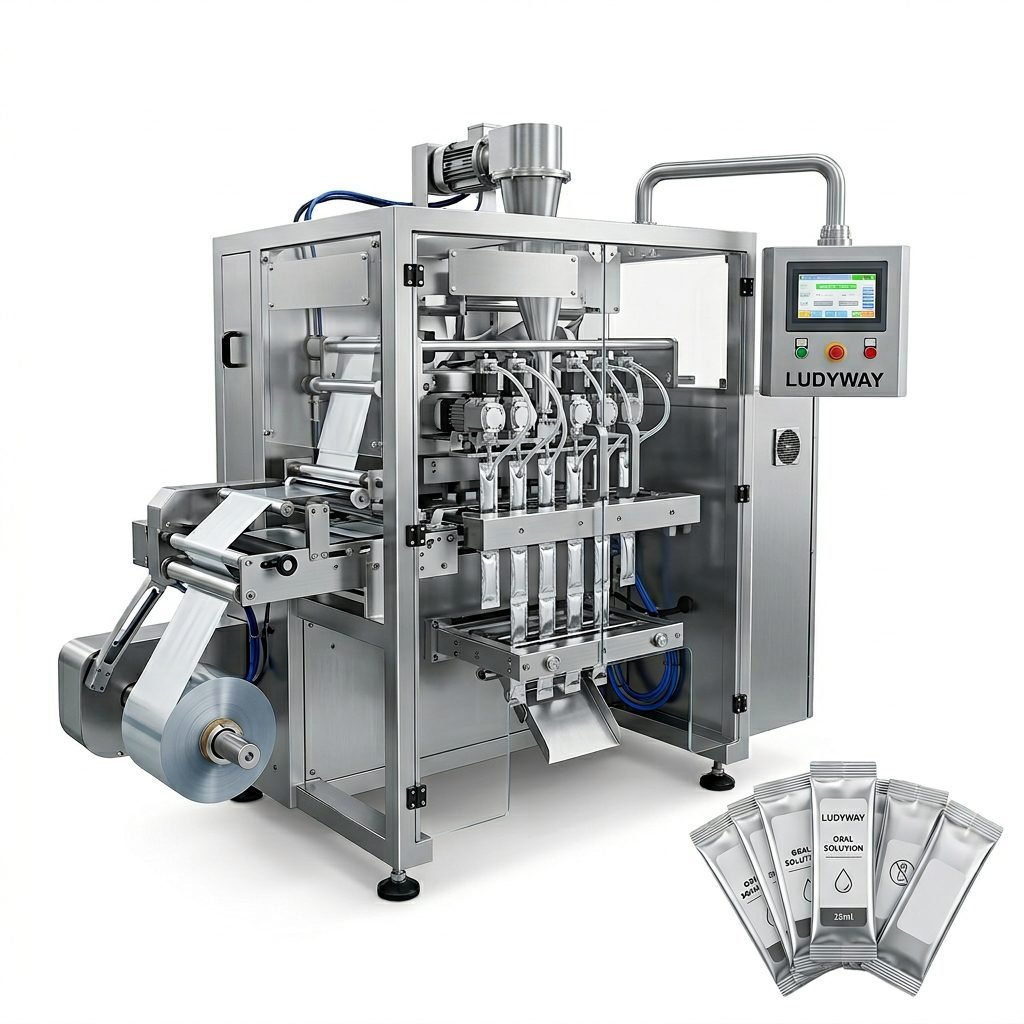
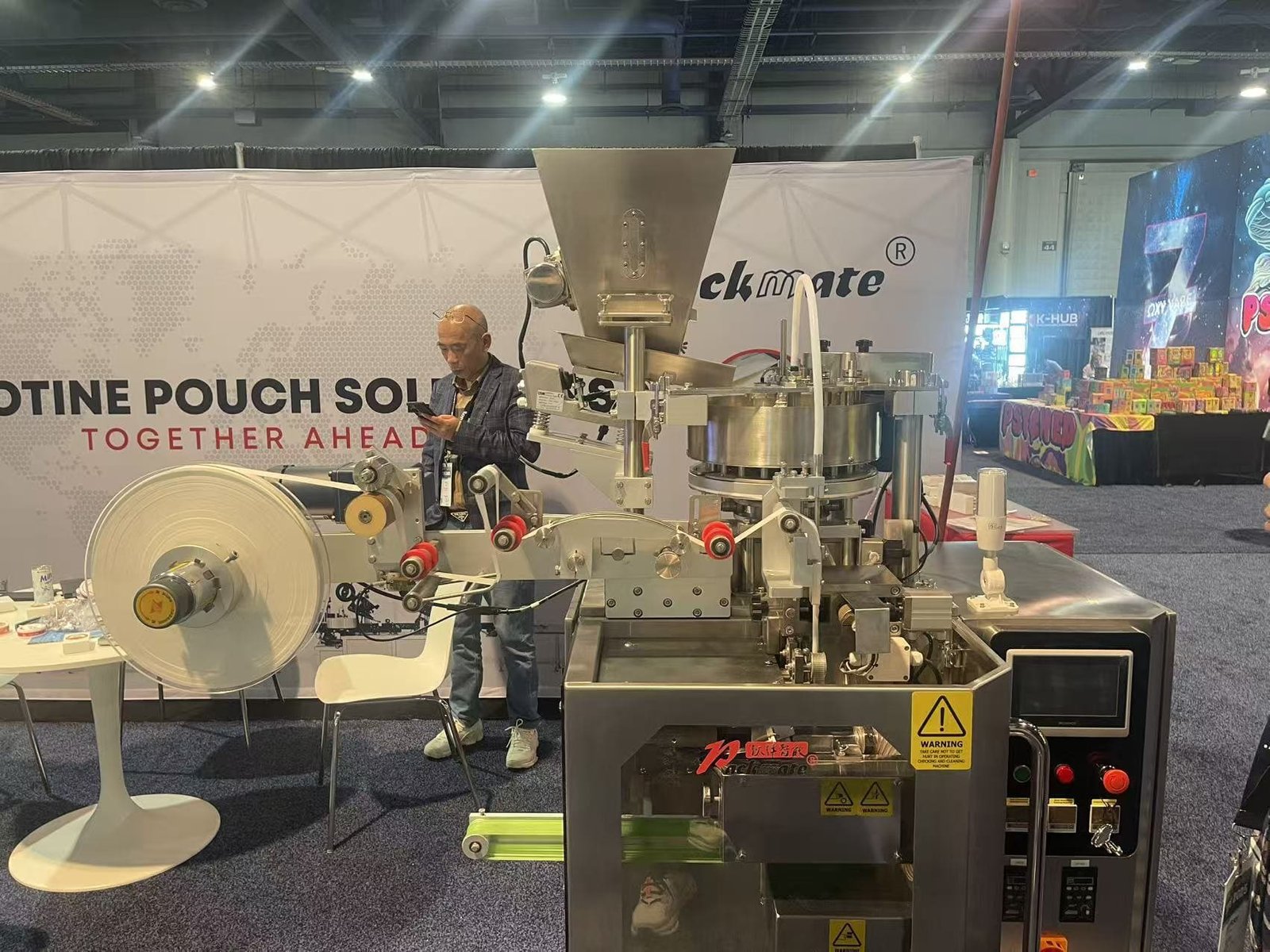
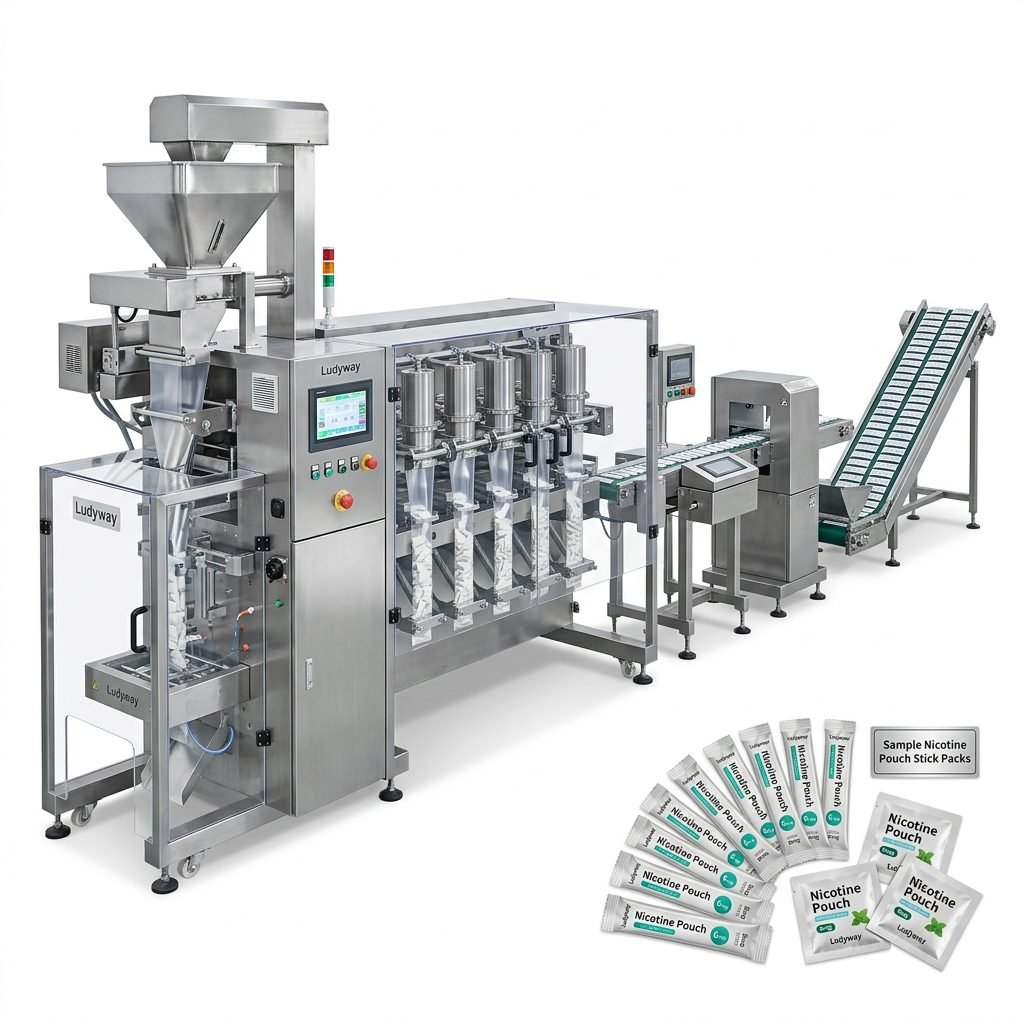
Stick pack packaging machines are specialized form-fill-seal (FFS) systems designed to produce narrow, elongated single-serve pouches. These machines are widely used for packaging powders, granules, liquids, and pastes in convenient, portable formats. The technology has evolved significantly, with modern packaging machinery offering multi-lane configurations, high-speed operation, and advanced automation capabilities.
Unlike traditional sachet packaging, stick packs offer a unique combination of portion control, extended shelf life, and consumer convenience. They are particularly popular for single-serve coffee, sugar, protein powders, pharmaceutical granules, and cosmetic samples. According to the Flexible Packaging Association, the demand for stick pack formats continues to grow globally, driven by on-the-go consumption trends and e-commerce expansion.
Key Factors to Consider When Selecting a Stick Pack Machine
Every packaging application has unique requirements. The following factors should guide your equipment evaluation process:
| Evaluation Factor | Key Questions to Ask | Impact on Machine Selection |
|---|---|---|
| Product Type | Is your product a free-flowing powder, cohesive granule, liquid, or paste? | Determines the filling system type — auger filler, volumetric cup, piston filler, or pump |
| Target Output | How many stick packs per minute do you need to produce? | Influences lane count, machine speed rating, and automation level |
| Pack Dimensions | What are your required stick pack width, length, and fill volume ranges? | Affects forming tube size, film width, and sealing jaw configuration |
| Packaging Material | What type of laminate or film structure will you use? | Impacts sealing temperature, jaw pressure, and tension control requirements |
| Industry Compliance | Do you need FDA, GMP, ISO, or other regulatory compliance? | Dictates machine construction materials, validation documentation, and design features |
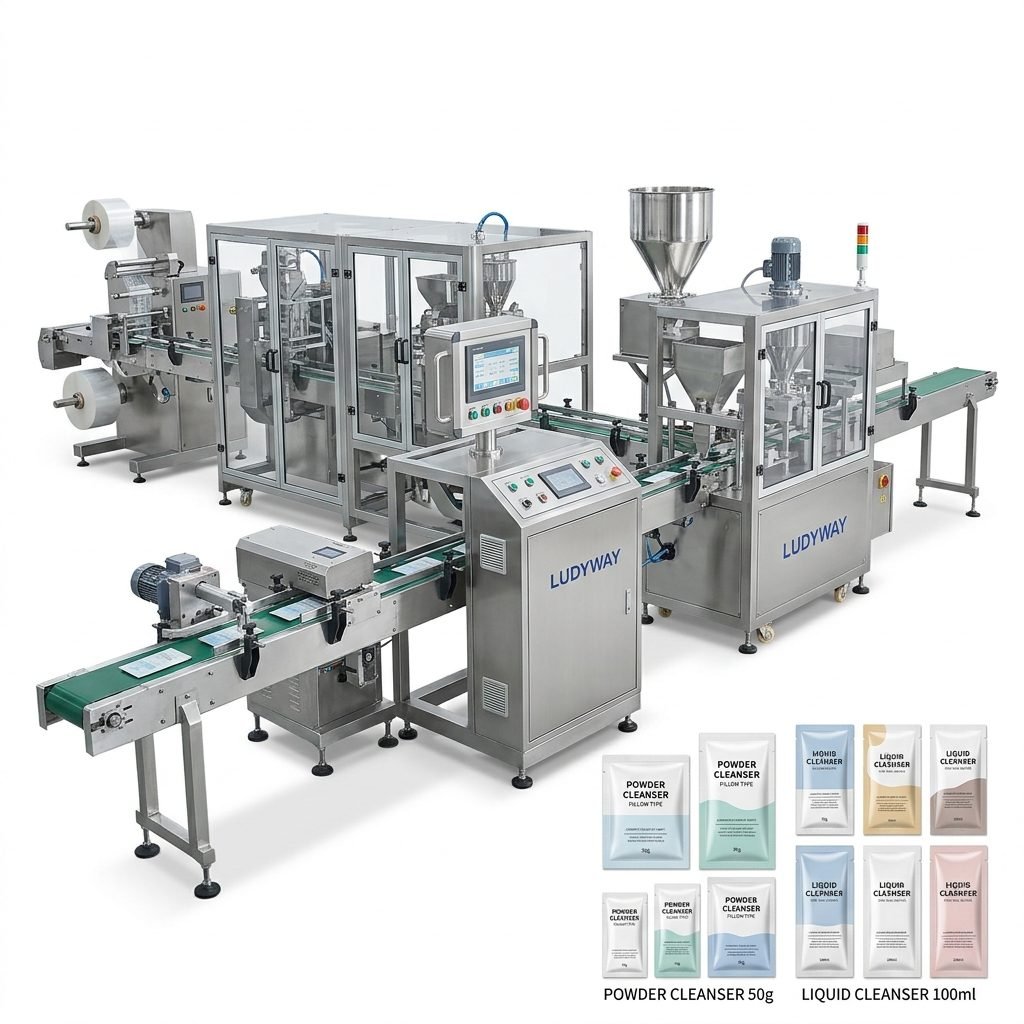
| Integration Needs | Will the machine operate standalone or integrate with upstream and downstream equipment? | Determines conveyor systems, cartoning connections, and control interface requirements |
Machine Configurations: Single-Lane vs. Multi-Lane Systems
One of the most important decisions you will face is choosing between single-lane and multi-lane stick pack machines. Each configuration offers distinct advantages depending on your production scale.
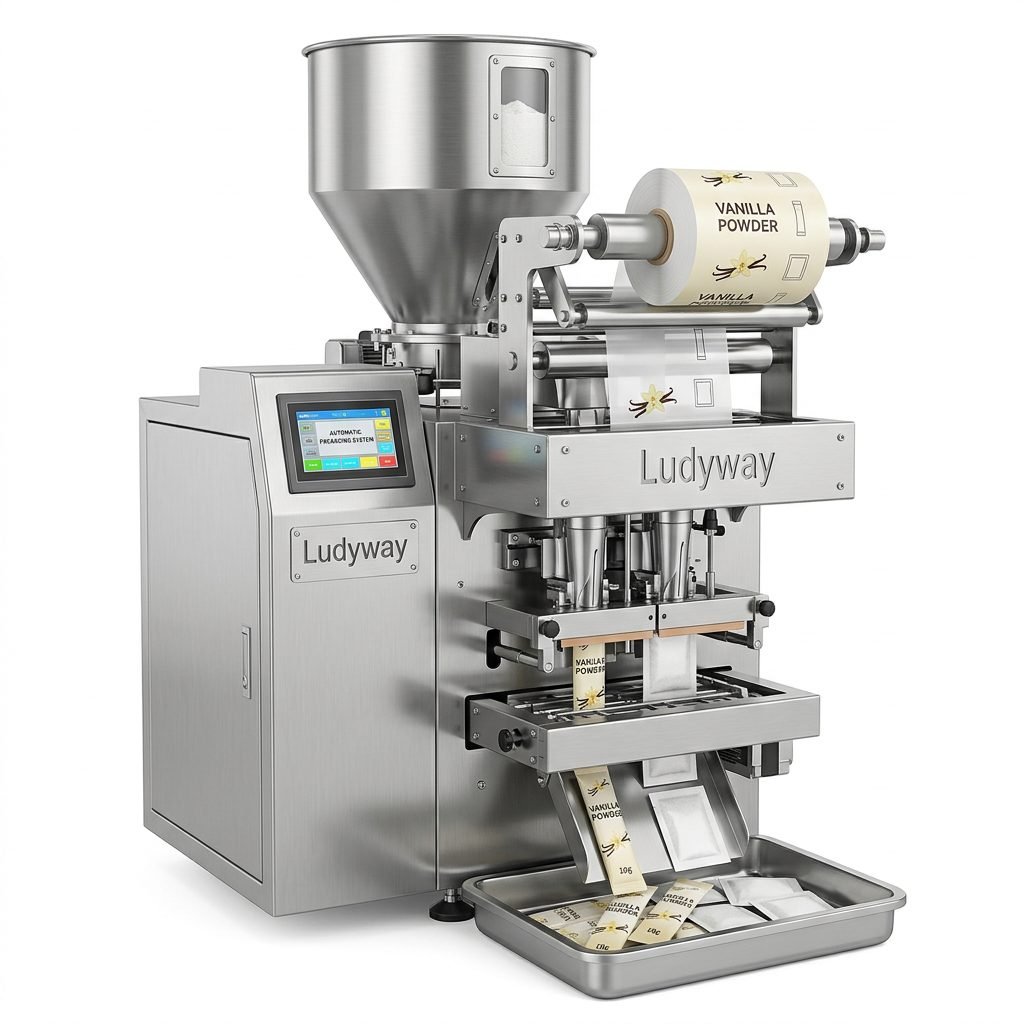
Single-lane machines are ideal for:
- Start-up operations and small to medium production volumes
- Frequent product changeovers and short production runs
- Limited factory floor space and lower initial capital investment
- Research and development or contract packaging applications
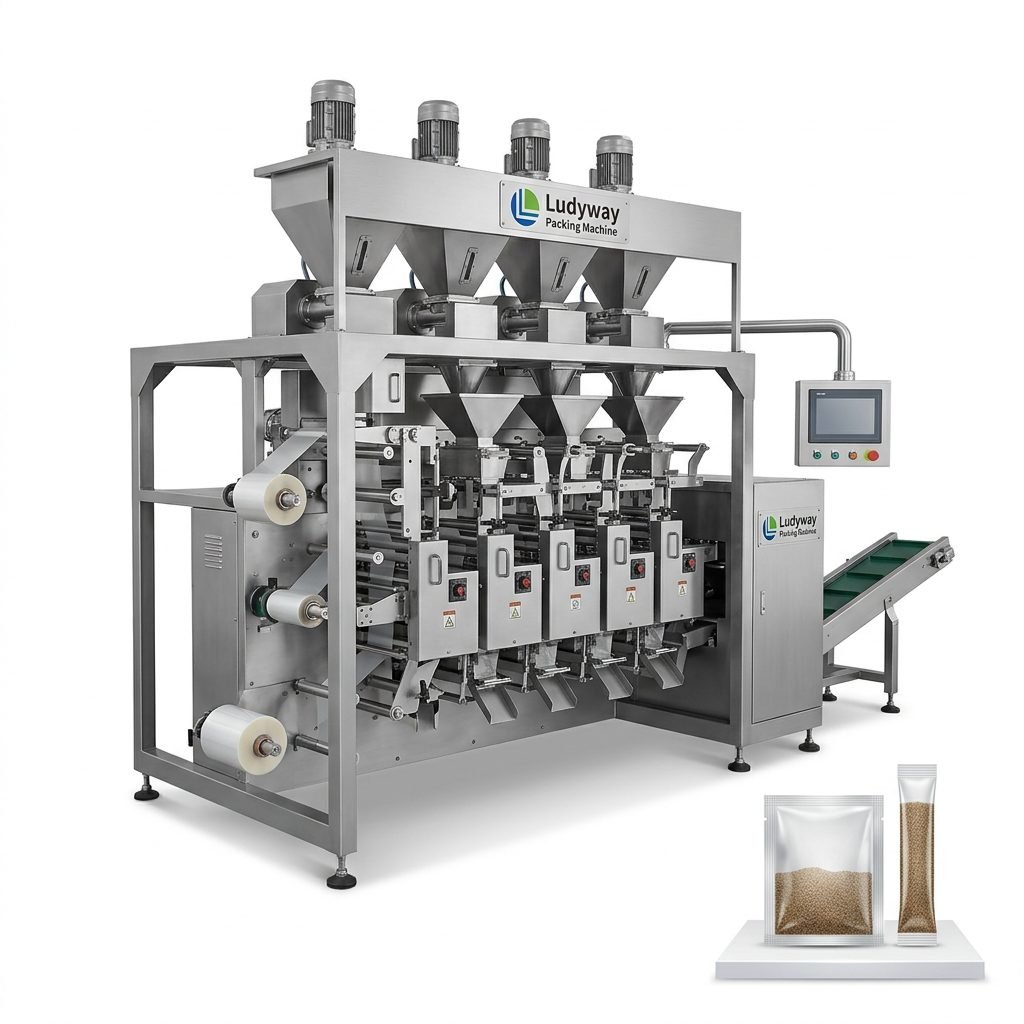
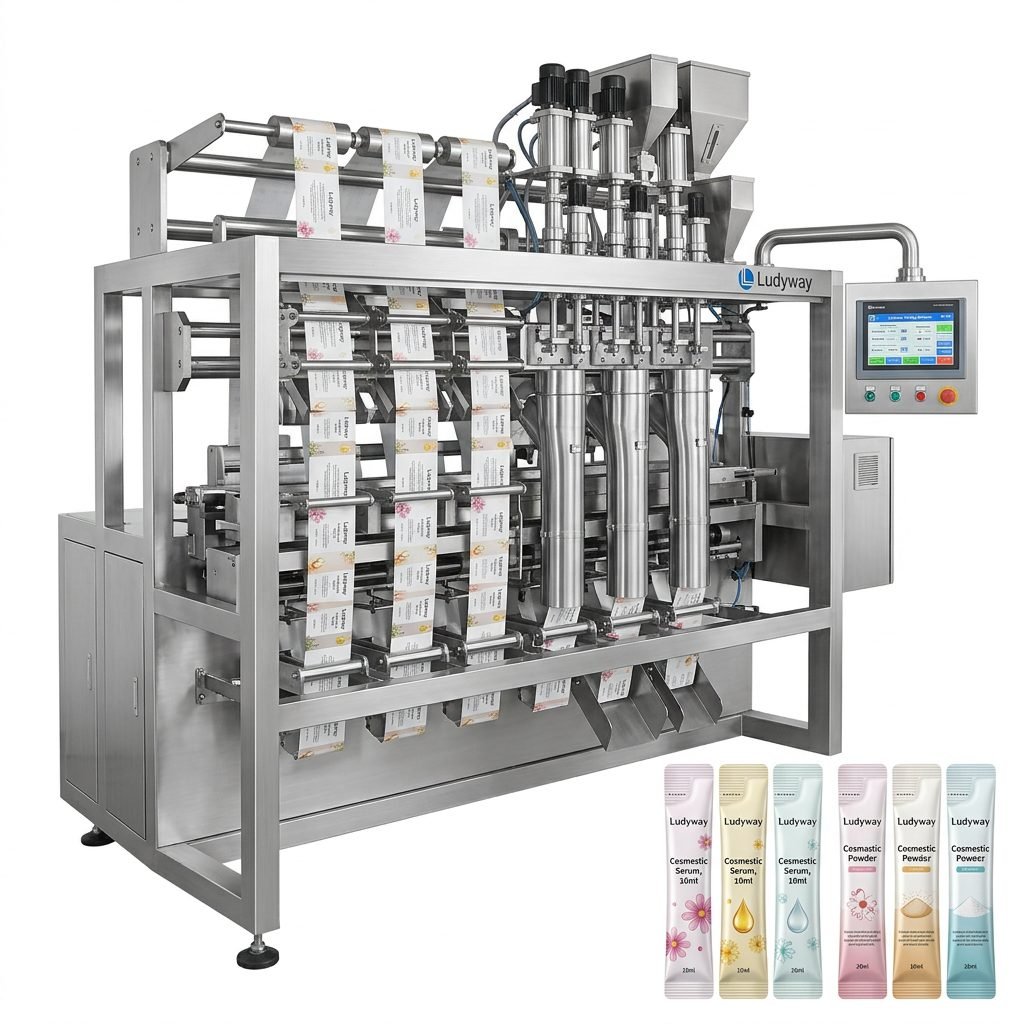
Multi-lane machines (typically 4 to 12 lanes, with some configurations reaching up to 20 lanes) are better suited for:
- High-volume production environments requiring maximum throughput
- Dedicated production lines with minimal product changes
- Operations where cost per pack is a critical competitive factor
- Large-scale manufacturing facilities with sufficient floor space and utilities
Filling Technology: Matching Your Product Characteristics
The filling system is the heart of any stick pack machine, and selecting the right one depends entirely on your product’s physical properties. Here are the most common filling technologies and their ideal applications:
- Auger Fillers — Best for powders such as protein powder, coffee, spices, pharmaceutical powders, and nutritional supplements. Auger systems provide excellent accuracy for free-flowing and semi-free-flowing powders.
- Volumetric Cup Fillers — Suitable for granules like sugar, salt, seeds, and dried herbs. These systems offer high-speed operation with consistent portion control for uniform granule sizes.
- Piston Fillers — Designed for liquids and viscous products including syrups, gels, creams, sauces, and cosmetic serums. Piston fillers deliver precise volumetric dosing for a wide viscosity range.
- Pump Systems — Ideal for liquid products requiring hygienic or aseptic filling conditions, commonly used in pharmaceutical and dairy applications. Peristaltic pumps and servo-driven pumps offer high accuracy.
- Combination Systems — Some advanced machines support multiple filling technologies on the same platform, enabling flexible production for manufacturers with diverse product portfolios.
Material Compatibility and Seal Integrity
The packaging film you select directly influences seal quality, barrier protection, and machine performance. Stick pack machines typically work with a variety of laminated films, including PET/AL/PE, PET/MPET/PE, paper/AL/PE, and other multi-layer structures. The FDA food contact substance regulations should be carefully reviewed when selecting materials for food and pharmaceutical applications.
Key material considerations include:
- Heat sealability — The film must form strong, hermetic seals at the machine’s operating speeds and temperatures
- Coefficient of friction — Affects film transport through the machine; too slippery or too sticky films can cause feeding issues
- Barrier properties — Oxygen, moisture, and light barriers must match your product’s shelf-life requirements
- Tear resistance — Stick packs require easy-open features without compromising seal integrity during distribution
Automation, Controls, and Industry 4.0 Integration
Modern stick pack packaging machines increasingly incorporate advanced automation features that improve efficiency, reduce waste, and enable real-time production monitoring. When evaluating equipment, consider the following automation capabilities:
- Servo-driven systems for precise control of film feeding, filling, sealing, and cutting operations
- Touchscreen HMI with recipe management for quick product changeovers and parameter storage
- Automatic registration and print mark sensors for accurate film positioning and brand alignment
- Remote monitoring and diagnostics capabilities for predictive maintenance and troubleshooting
- Integration readiness with ERP systems, MES platforms, and centralized production management software
According to PMMI industry intelligence, packaging machinery with integrated automation and data exchange capabilities is becoming a standard requirement for manufacturers seeking operational transparency and continuous improvement.
Regulatory Compliance and Quality Standards
Depending on your industry, your stick pack machine may need to comply with specific regulatory and quality standards. Pharmaceutical applications typically require adherence to ISO packaging standards, GMP guidelines, and validation protocols. Food applications must meet FDA or equivalent local food safety regulations, while cosmetic packaging may have different requirements.
When assessing a machine for regulated environments, verify the following:
- Construction materials — Stainless steel frames and product contact parts (typically SS304 or SS316L)
- Clean-in-place (CIP) compatibility for liquid filling applications requiring frequent sanitation
- Validation documentation including IQ/OQ/PQ protocols for pharmaceutical installations
- Dust extraction and containment features for potent or hazardous powder handling
- Serialization and track-and-trace capabilities for compliance with drug supply chain regulations
Evaluating Total Cost of Ownership
The purchase price of a stick pack machine is only one component of its total cost of ownership (TCO). A comprehensive cost analysis should include:
- Initial capital expenditure — Machine cost, shipping, import duties, installation, and commissioning
- Operational costs — Energy consumption, compressed air requirements, and consumable parts
- Labor costs — Operator requirements per shift and skill level needed for efficient operation
- Maintenance costs — Preventive maintenance schedules, spare parts availability, and service contracts
- Downtime costs — Production losses during changeovers, repairs, and unscheduled maintenance events
- Film waste — Material lost during start-up, changeover, and suboptimal machine performance
After-Sales Support and Service Infrastructure
The availability of technical support, spare parts, and service can make or break your packaging line’s performance. Before committing to a machine supplier, assess their service capabilities:
- Do they offer remote technical assistance for quick troubleshooting?
- What is their spare parts inventory and typical delivery timeline to your location?
- Can they provide on-site installation, commissioning, and operator training?
- Do they have service engineers or authorized partners in your region?
- What warranty terms and post-warranty service options are available?
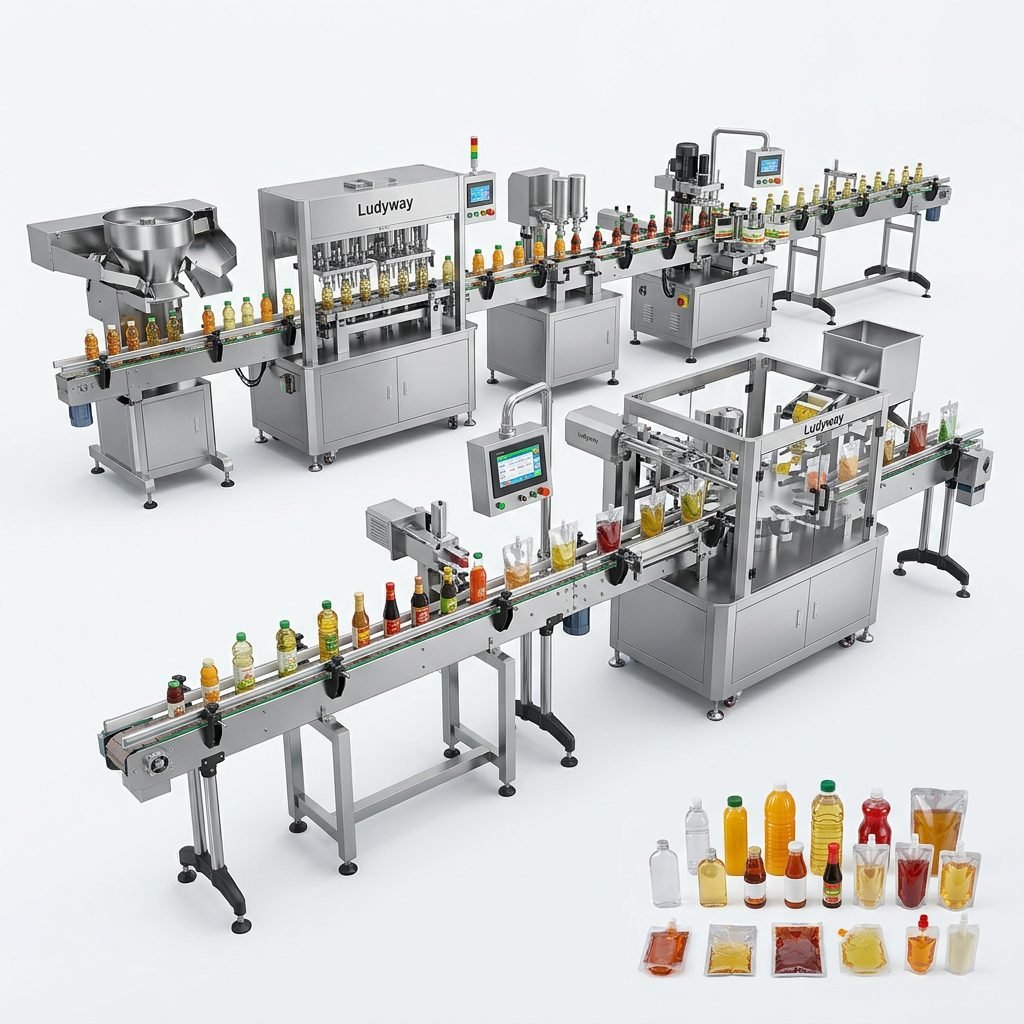
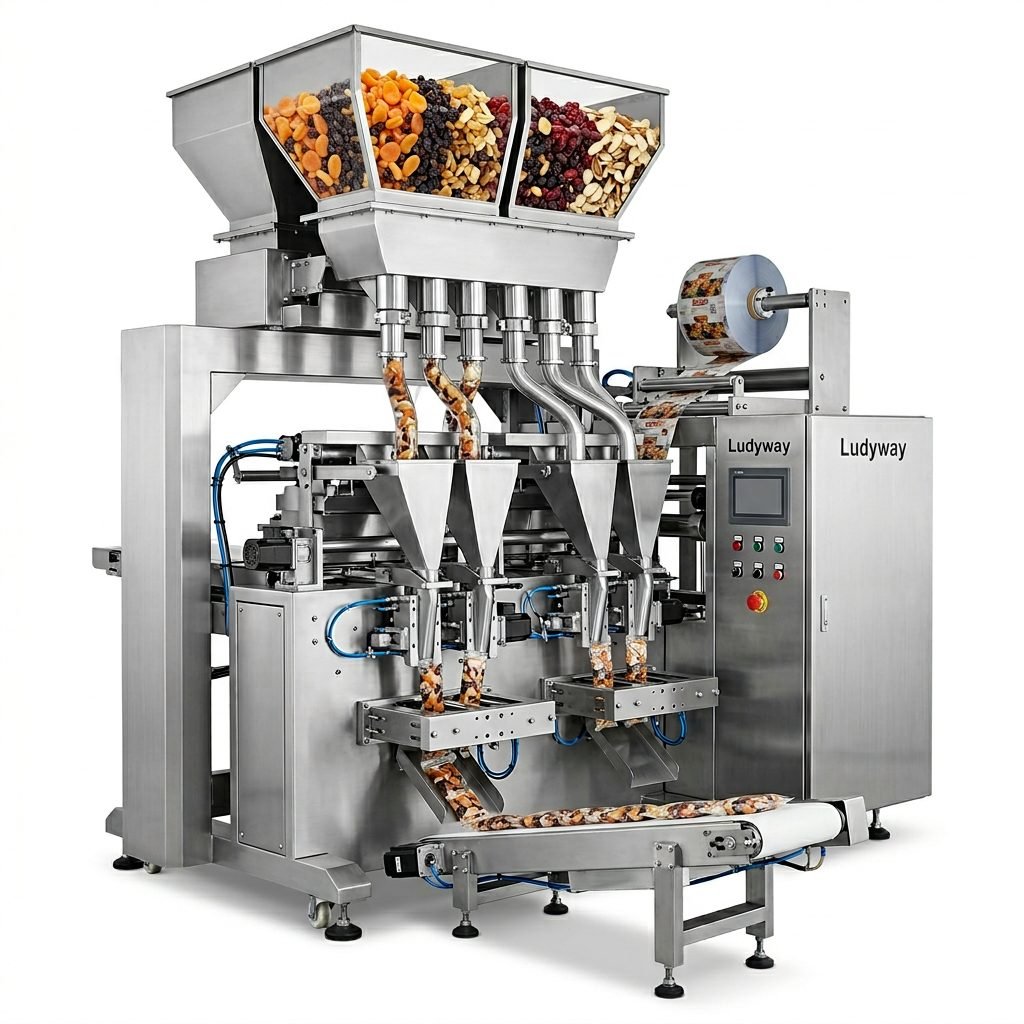
Working with an experienced manufacturer that provides comprehensive support throughout the machine lifecycle helps minimize operational risks. For example, Ludyway Machinery, a packaging machinery manufacturer with more than 30 years of industry experience and a presence in over 100 countries, provides integrated packaging solutions with global technical support covering machine selection, installation, commissioning, training, and after-sales service — an approach that helps manufacturers maintain consistent production and address operational needs efficiently.
Questions to Ask Potential Machine Suppliers
When you are ready to engage with equipment manufacturers, having a structured set of questions helps you compare options effectively. Here are essential questions to include in your evaluation:
- What is the rated and sustained production speed for my specific product and pack size?
- Can you provide sample runs with my actual product and packaging material?
- What is the typical film waste percentage during start-up and normal operation?
- How long does a complete product changeover take, and what is involved?
- What is the expected lifespan of critical wear components and sealing elements?
- Is the machine modular and upgradeable if my production needs change in the future?
- What safety features are integrated, and what certifications does the machine hold?
- Can you provide references from customers with similar applications in my industry?
Making the Final Decision
Choosing the right stick pack packaging machine is not simply about selecting the lowest-priced option or the fastest machine on the market. The best choice is the equipment that aligns most closely with your product characteristics, production volume, quality requirements, and long-term business goals.
Take the time to test your products on candidate machines, visit manufacturing facilities when possible, and speak with existing users about their real-world experiences. A well-chosen stick pack machine will serve as a reliable production asset for many years, contributing to product quality, operational efficiency, and market competitiveness.
By thoroughly evaluating the factors outlined in this guide — from filling technology and material compatibility to automation capabilities and total cost of ownership — you will be well-positioned to make an informed investment decision that supports your manufacturing objectives both now and in the future.