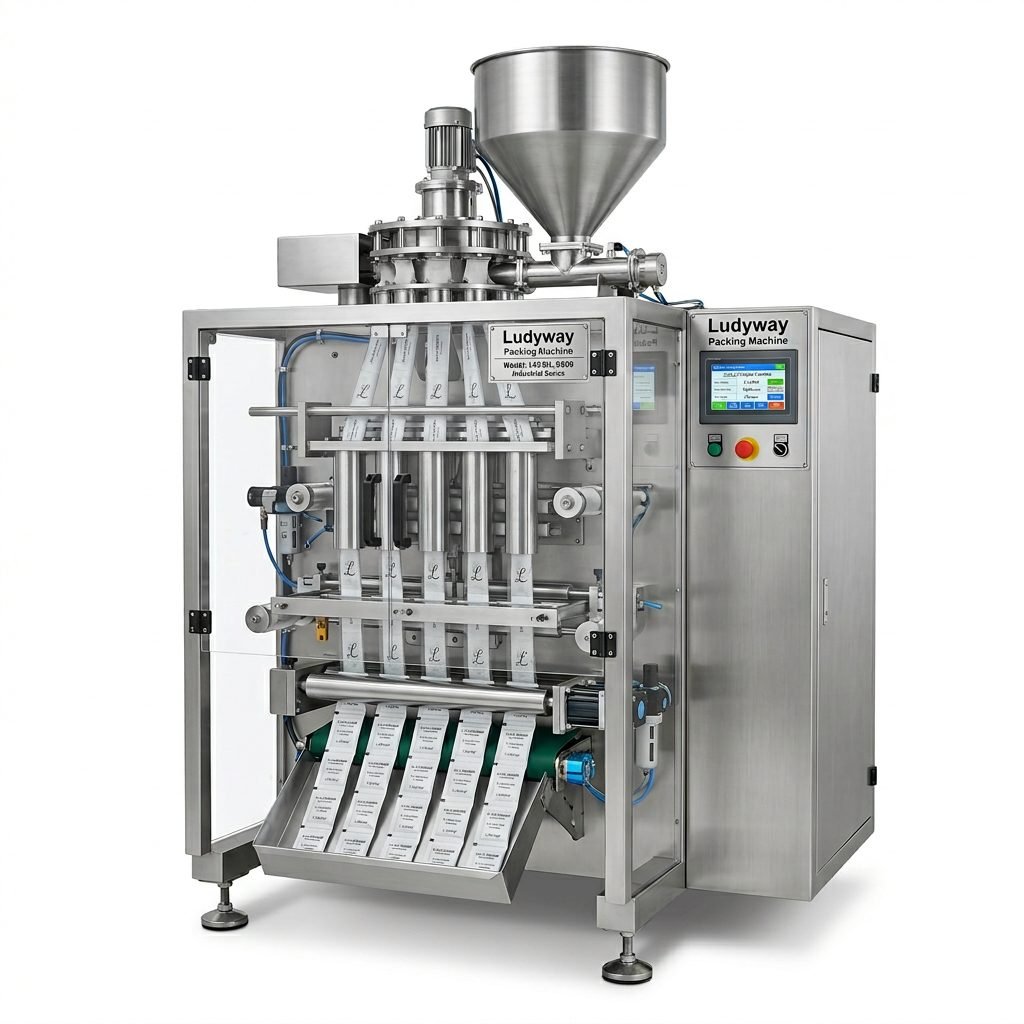
Investing in a small blister packing machine is a strategic decision for manufacturers in the pharmaceutical, nutraceutical, and consumer goods sectors. Whether you are launching a new product line or upgrading from manual processes, selecting the right equipment directly impacts production efficiency, product protection, and long-term operational costs. This buyer’s guide walks you through the critical factors to evaluate before making a purchase.
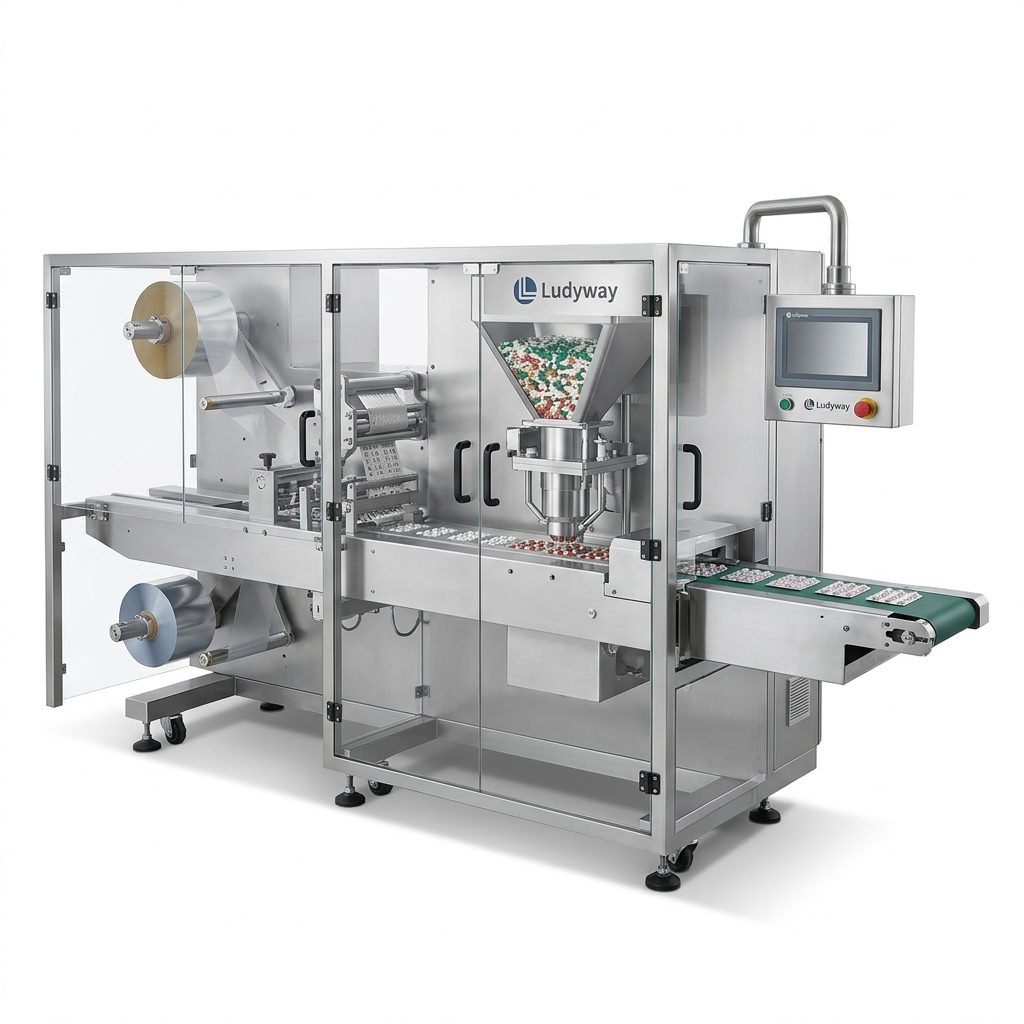
Understanding Blister Packaging Machine Categories
Before evaluating specifications, it is essential to understand the different machine categories available. Small blister packing machines generally fall into three main types: manual, semi-automatic, and fully automatic systems. Each category serves different production scales and budget requirements.
- Manual blister sealers – Ideal for R&D labs, pharmacies, and start-ups with low-volume output requirements.
- Semi-automatic machines – Suitable for small to medium batch production, offering a balance between cost and output.
- Fully automatic blister packaging lines – Designed for continuous production with integrated feeding, forming, sealing, and cutting stations.
Choosing the appropriate category depends on your target output volume, available labor, and the complexity of your packaging format. A clear understanding of these categories helps narrow down options before comparing technical specifications.
Key Technical Specifications to Evaluate
When comparing small blister packing machines, several technical parameters determine performance and suitability for your product. The table below summarizes the most critical specifications to review:
| Specification | Why It Matters | What to Look For |
|---|---|---|
| Forming Area Dimensions | Determines maximum blister card size | Match to your product cavity layout requirements |
| Cycle Speed | Directly affects hourly output capacity | Cycles per minute aligned with production targets |
| Forming Material Compatibility | Not all machines handle PVC, PVDC, Aclar, and aluminum equally | Verify compatibility with your specified blister film materials |
| Sealing Pressure & Temperature Control | Critical for seal integrity and product protection | Precise digital control with adjustable parameters |
| Changeover Time | Impacts production flexibility for multiple SKUs | Quick-change tooling and intuitive setup procedures |
| Machine Footprint | Important for facilities with limited floor space | Compact design without compromising functionality |
Product-Specific Considerations
The nature of your product plays a defining role in machine selection. Tablets, capsules, ampoules, and medical devices each require specific cavity designs, forming depths, and sealing approaches. For pharmaceutical applications, compliance with ISO 11607 packaging standards for terminally sterilized medical devices may be mandatory. Review your product’s shape, size, fragility, and sensitivity to heat and moisture before finalizing machine specifications.
Additionally, consider whether your product requires child-resistant or senior-friendly packaging features. These requirements influence tooling design and material selection, making advance planning essential for regulatory compliance in markets such as North America and Europe.
Material Selection and Supply Chain Factors
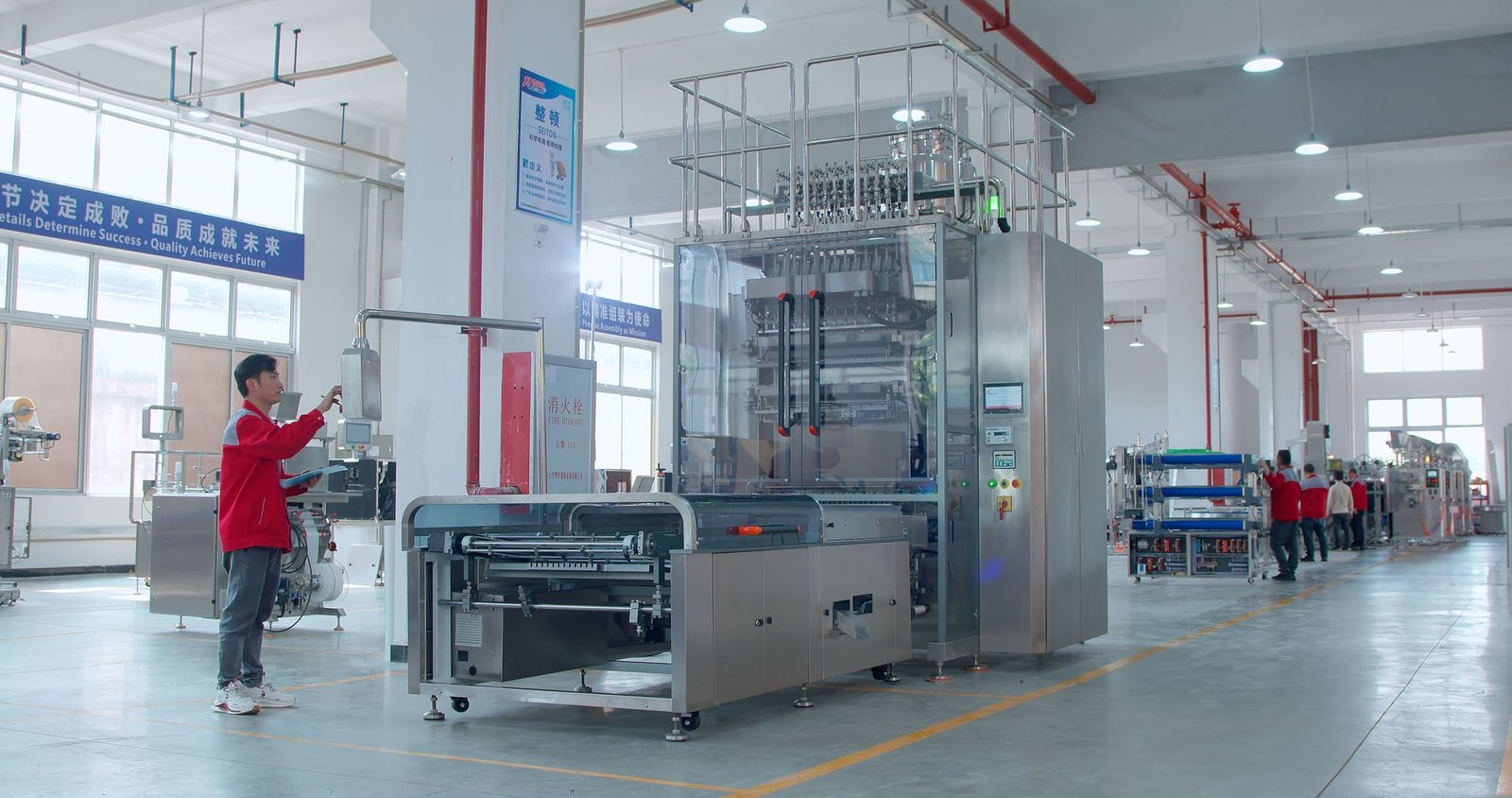
Blister packaging relies on forming films and lidding materials that must be sourced reliably. PVC, PVDC, Aclar, and cold-form aluminum each offer different barrier properties. Your machine must be compatible with the specific materials required for your product’s stability profile. Engaging with material suppliers early in the selection process ensures that your equipment investment aligns with available consumables in your region.
Automation Level and Integration Capabilities
A small blister packing machine can be a standalone unit or part of a larger packaging line. Consider whether you need integration with upstream feeding systems, vision inspection, coding, and cartoning equipment. Modern packaging lines increasingly rely on automation to reduce labor costs and improve consistency. According to industry data from PMMI’s State of the Industry reports, automation adoption in packaging continues to accelerate across multiple sectors.
Evaluate whether the machine’s control system supports communication protocols compatible with your existing factory infrastructure. Features such as PLC-based controls, HMI touchscreens, and data export capabilities contribute to operational transparency and easier troubleshooting.
Regulatory Compliance and Validation Requirements
For pharmaceutical and medical device manufacturers, regulatory compliance is non-negotiable. Equipment must meet cGMP guidelines, and in many cases, validation documentation including IQ/OQ/PQ protocols is required. When sourcing a small blister packing machine, verify that the manufacturer can provide the necessary compliance documentation and support for regulatory audits. Standards from organizations such as the FDA regarding food contact substances may also apply depending on your product category.
Documentation and Traceability
Beyond the machine itself, the availability of detailed technical documentation, spare parts lists, and maintenance schedules supports long-term operational reliability. Machines equipped with audit trail capabilities and batch recording functions are increasingly preferred in regulated environments. These features simplify compliance with pharmaceutical quality systems and reduce the burden of manual record-keeping.
Total Cost of Ownership Analysis
The purchase price of a small blister packing machine represents only part of the total investment. A comprehensive cost analysis should include:
- Initial equipment cost including tooling and ancillary components
- Installation and commissioning expenses, including any facility modifications
- Operator training costs and the learning curve for your production team
- Ongoing consumable costs for forming films and lidding materials
- Maintenance and spare parts over the expected service life of the machine
- Energy consumption and utility requirements
Comparing total cost of ownership rather than upfront pricing alone leads to more informed investment decisions. A machine with a higher initial price but lower operating costs often delivers better value over a five-to-ten-year lifecycle.
Supplier Evaluation and After-Sales Support
The relationship with your equipment supplier extends well beyond the initial sale. Technical support, spare parts availability, and service responsiveness directly impact your production uptime. Before committing, assess the supplier’s track record, customer references, and global service network. Understanding flexible packaging industry resources and standards can help you evaluate whether a supplier’s capabilities align with recognized industry benchmarks.
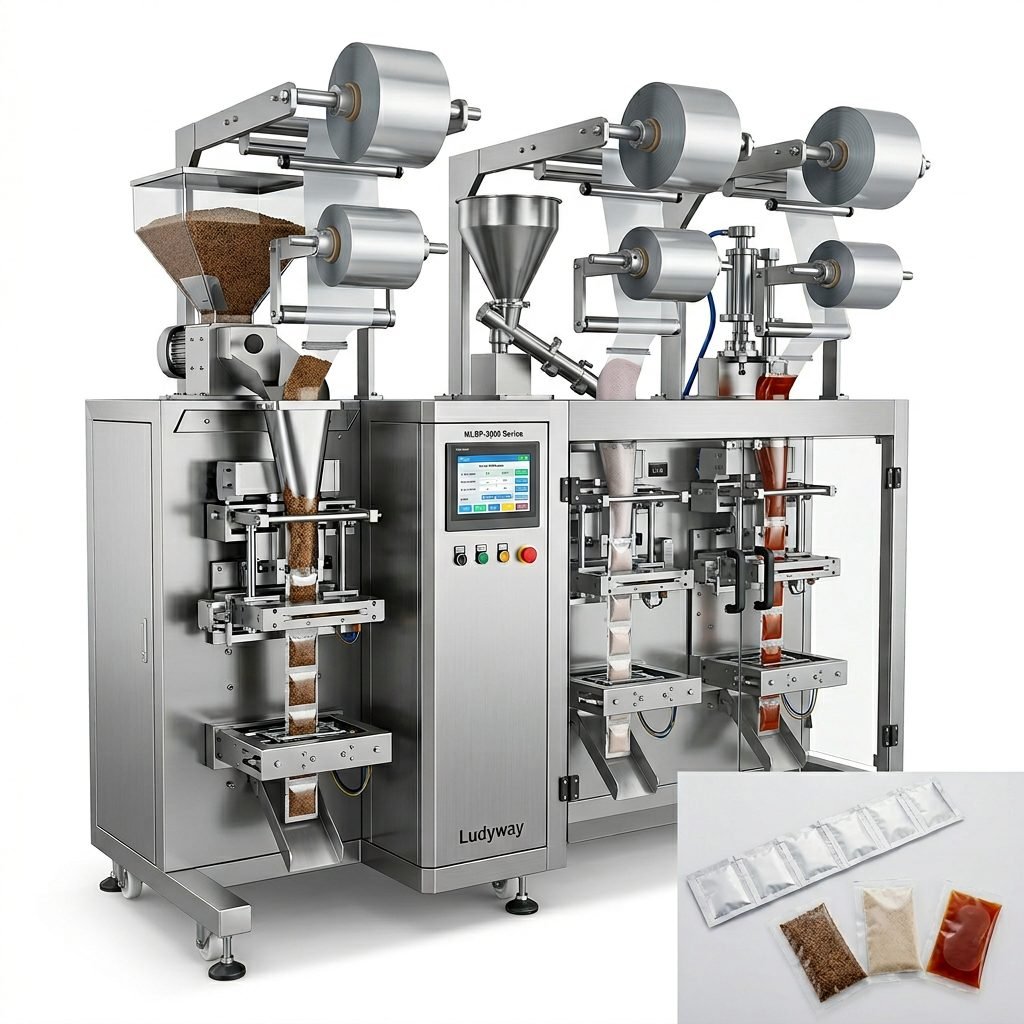
For manufacturers sourcing equipment internationally, considerations such as time zone differences, language support, and remote troubleshooting capabilities become particularly important. Some suppliers, such as Ludyway Machinery—a China-based packaging machinery manufacturer with more than 30 years of experience and a presence in over 100 countries—provide comprehensive support throughout the project lifecycle, including machine selection, installation, commissioning, operator training, and after-sales service. Their approach combines in-house manufacturing with engineering expertise to deliver customized packaging solutions across multiple industries.
Warranty and Service Agreements
Review warranty terms carefully, including what is covered and for how long. Extended service agreements or preventive maintenance contracts can provide predictable maintenance costs and priority access to technical support. Inquire about remote diagnostic capabilities and whether the supplier offers training programs for your maintenance staff.
Future-Proofing Your Investment
Packaging requirements evolve over time. A small blister packing machine that meets today’s needs may not accommodate tomorrow’s product variations or production volumes. When evaluating equipment, consider modular designs that allow for future upgrades, additional feeding systems, or integration with downstream equipment. Machines with flexible tooling options and programmable recipes enable faster adaptation to new products without requiring a complete equipment replacement.
Additionally, staying informed about industry trends through authoritative sources such as the PMMI 2026 State of the Industry report and the Flexible Packaging Association helps manufacturers anticipate changes in packaging technology, material science, and regulatory expectations.
Making the Final Decision
Selecting the right small blister packing machine requires balancing technical specifications, compliance requirements, budget constraints, and long-term operational goals. A structured evaluation process that includes product testing on candidate machines, reference site visits where possible, and detailed discussions with suppliers about your specific application is highly recommended. Rushing this decision can lead to costly modifications or premature equipment replacement, while a thorough evaluation builds a foundation for reliable, efficient packaging operations that support your business growth.
By focusing on the factors outlined in this guide—machine category, technical specifications, material compatibility, regulatory requirements, total cost of ownership, and supplier capabilities—you can approach the purchasing process with greater confidence and clarity, ultimately selecting equipment that delivers consistent performance and value over its operational life.