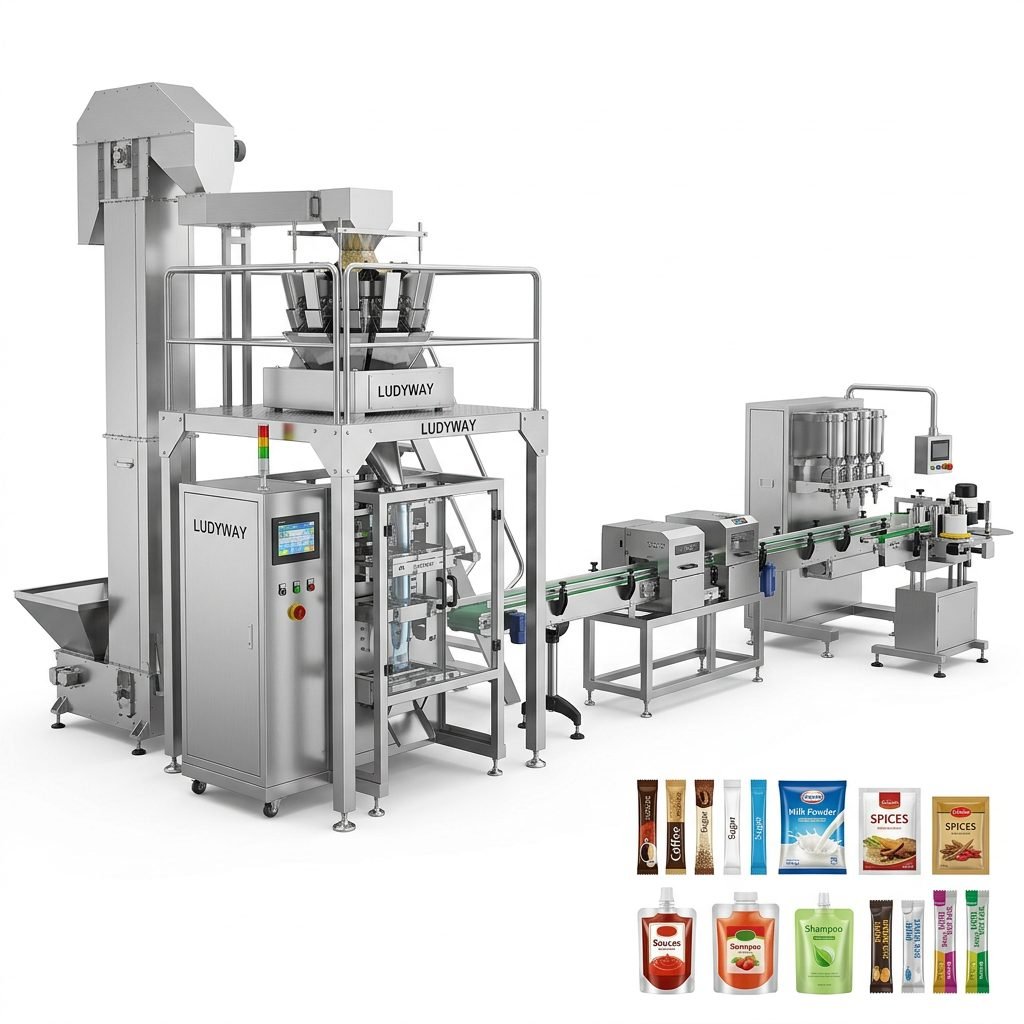
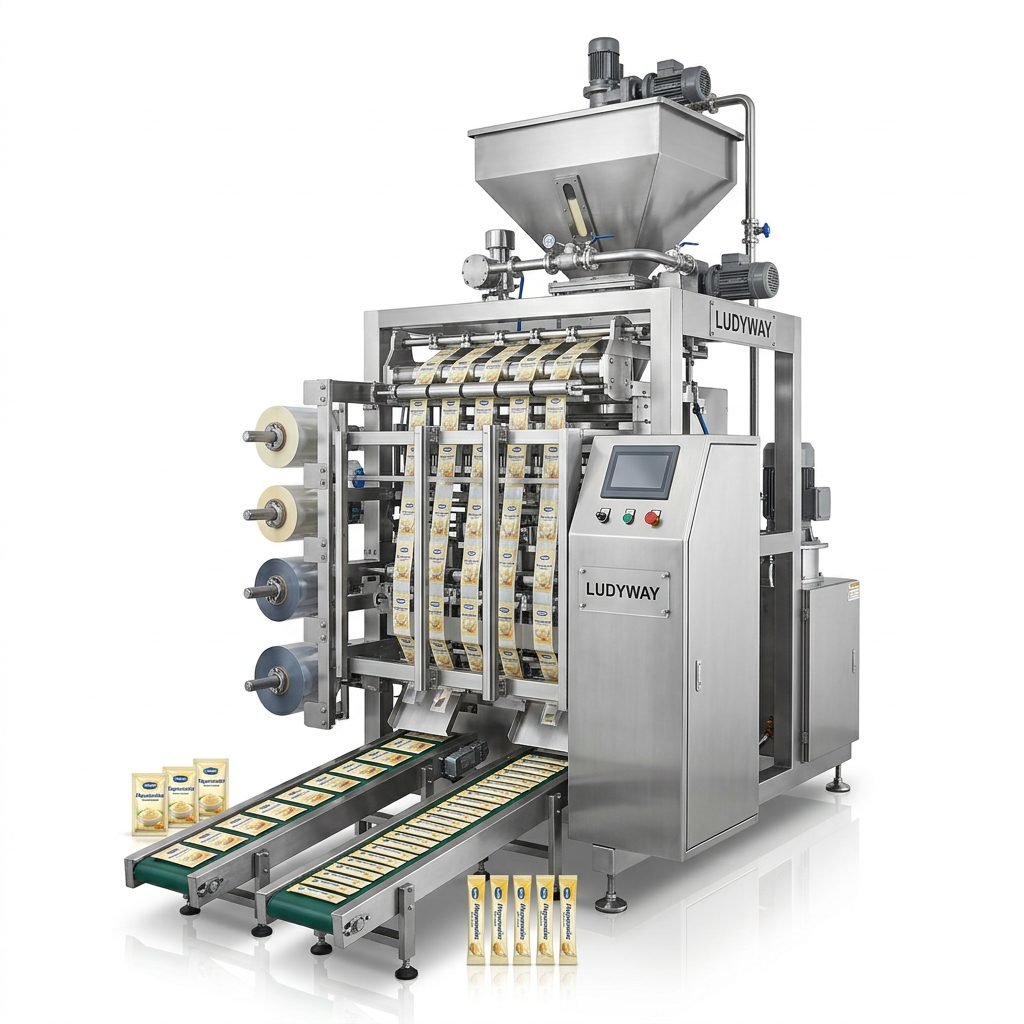
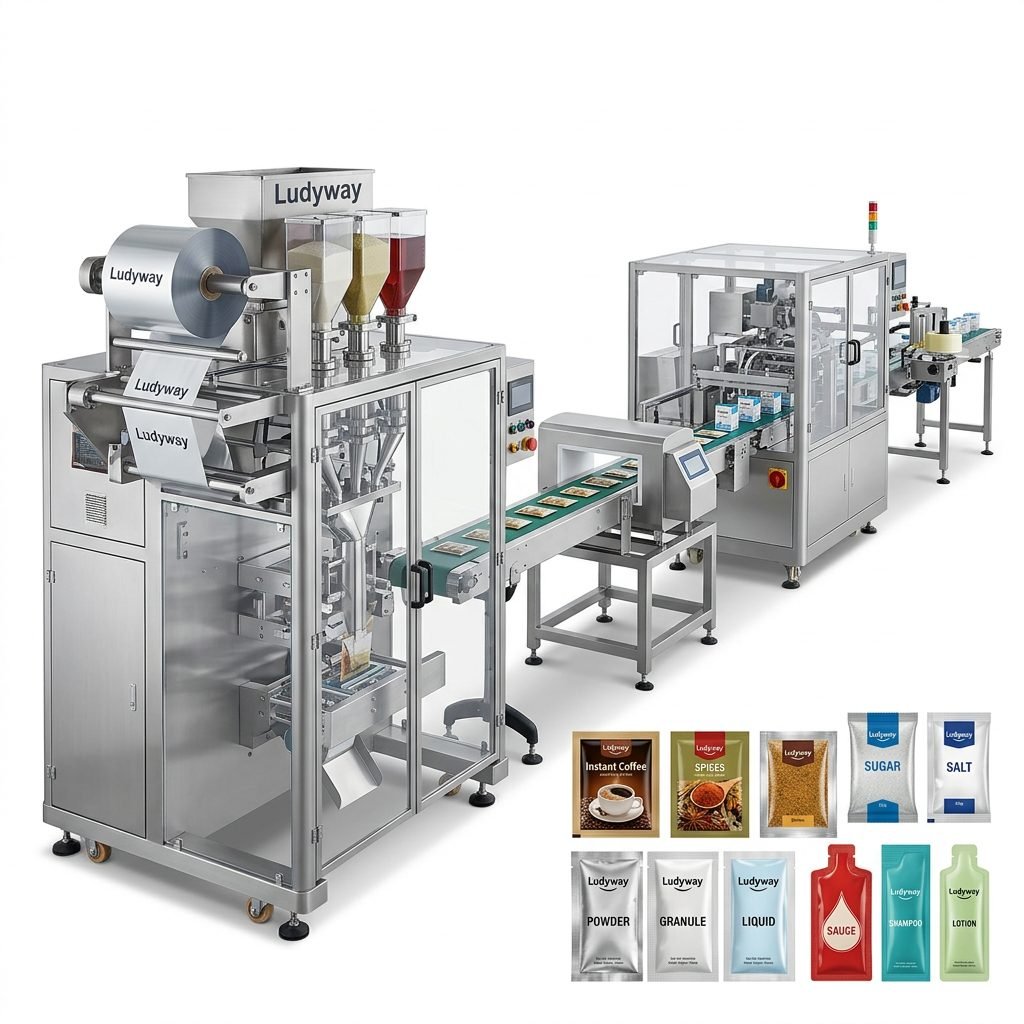
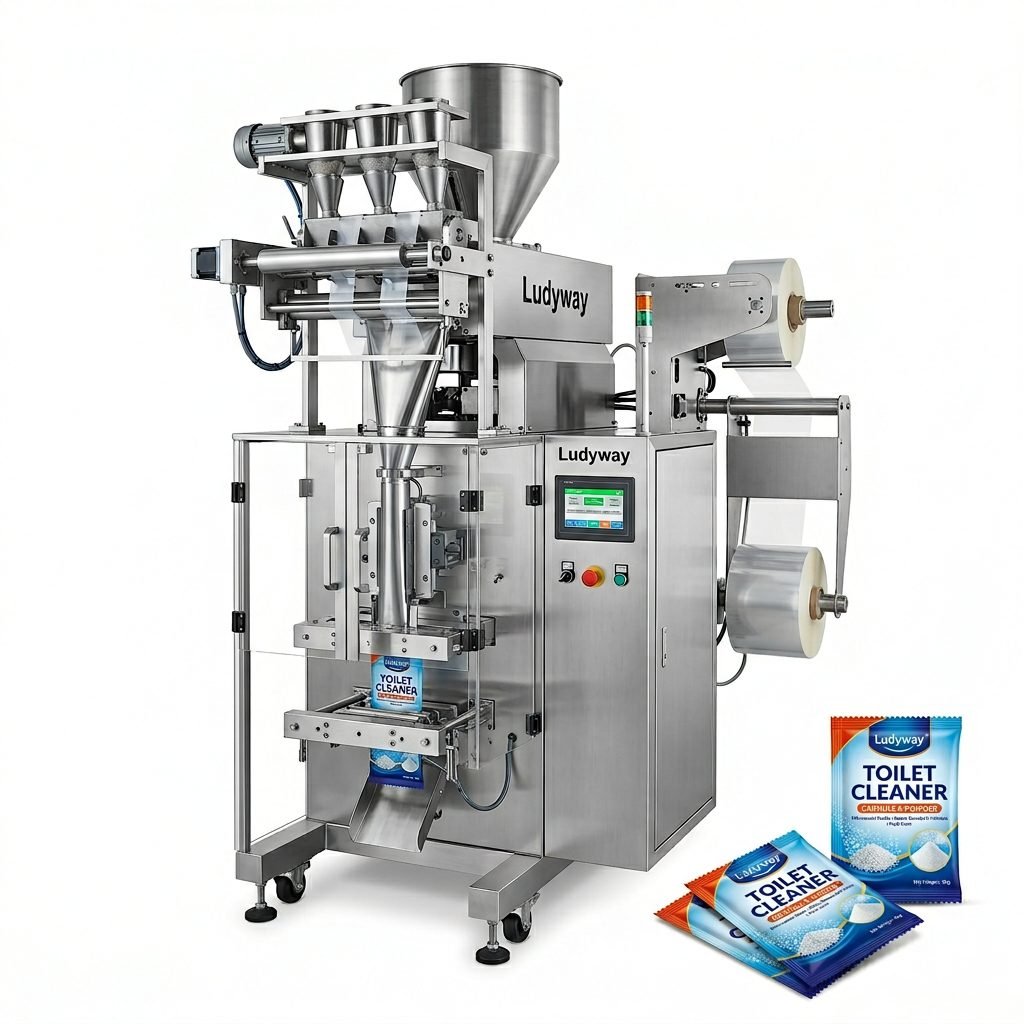
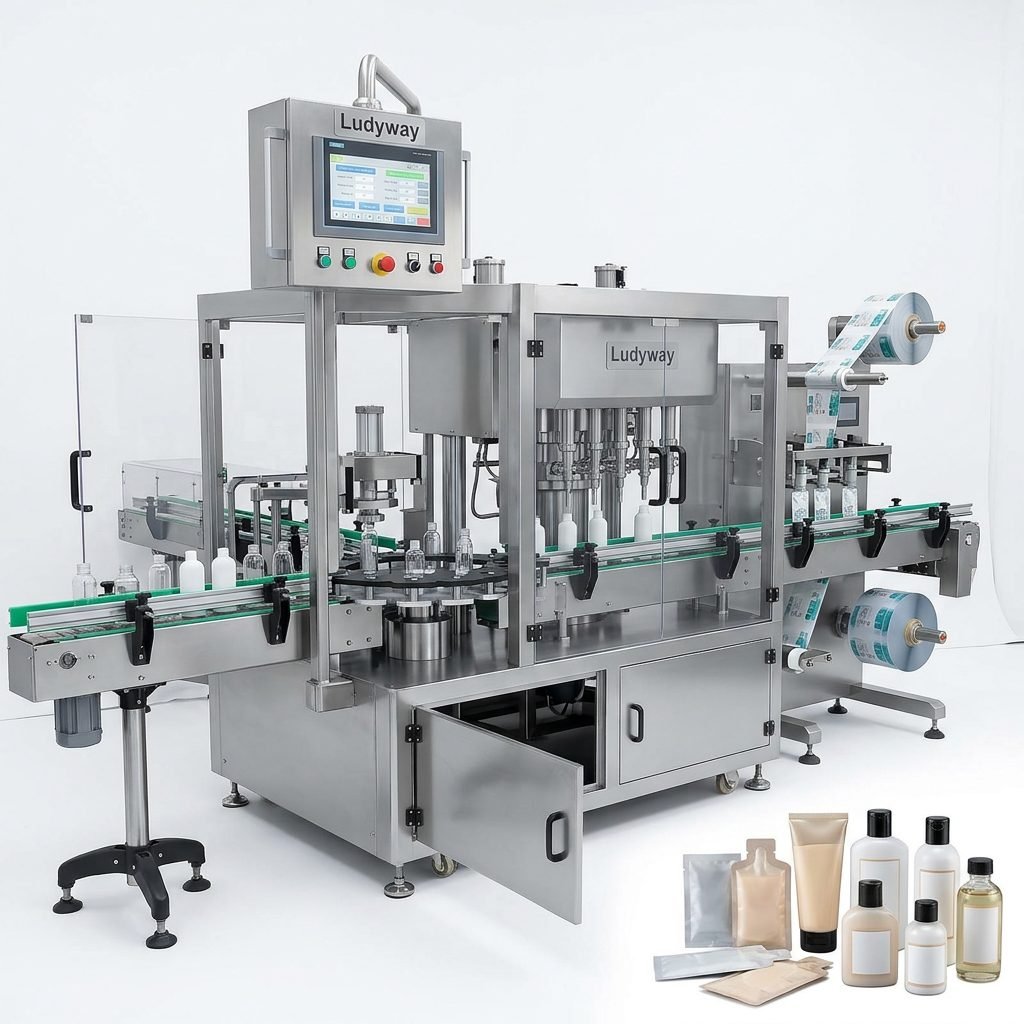
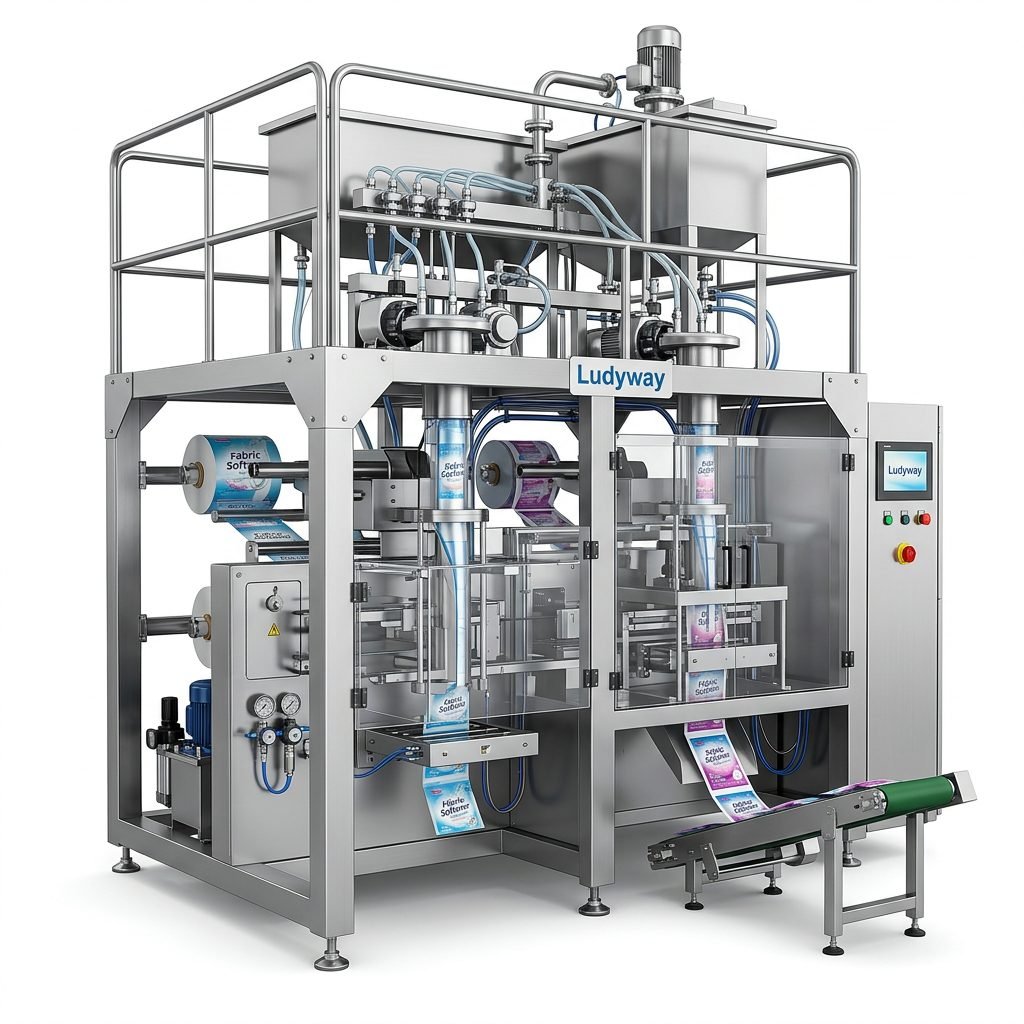
Investing in a pure water packaging machine is a critical decision for any bottled water producer, sachet water business, or liquid processing facility. The right equipment directly impacts your production efficiency, product quality, shelf life, and ultimately your bottom line. With dozens of machine types, configurations, and automation levels available, narrowing down the options can feel overwhelming. This comprehensive guide walks you through every factor you need to evaluate — from production speed and packaging format to hygiene standards and after-sales support — so you can make a confident, informed purchase.
Key Factors to Consider When Choosing a Pure Water Packaging Machine
Not all water packaging machines are built alike. The following considerations will help you match the right equipment to your specific production goals, facility layout, and market requirements.
1. Production Capacity and Speed Requirements
Your required output — measured in pouches per minute or bottles per hour — is the single most important specification to define upfront. A small-scale startup may only need a machine capable of 30 to 60 sachets per minute, while a mid-sized operation targeting regional distribution might require 100 to 200 units per minute. Large industrial facilities serving national or export markets often demand multi-lane systems that can deliver 400+ packs per minute. Matching capacity to realistic demand prevents expensive over-investment while ensuring you can scale as your business grows.
2. Packaging Format: Sachets, Bottles, or Pouches
The physical format of your packaged water determines the machine technology you need. Common formats include:
- Sachets and stick packs — ideal for single-serve purified water portions, popular in emerging markets and for promotional sampling.
- Pillow pouches and flat bags — economical formats for bulk water packaging, often used for 200ml to 500ml volumes.
- Stand-up pouches with spouts — premium packaging with resealable functionality, increasingly popular in retail channels.
- Bottles (PET, HDPE) — traditional format requiring filling, capping, and labeling equipment integration.
3. Filling Accuracy and Dosing Technology
Precision in liquid filling ensures consistent product volume, reduces product giveaway, and maintains regulatory compliance. For water packaging, volumetric piston fillers and flow meter systems are the most common choices. Look for machines with filling accuracy within ±0.5% to ±1% of target volume. Advanced dosing systems also minimize foaming and splashing, which is particularly important for high-speed water filling lines where turbulence can disrupt seal integrity.
4. Material Compatibility and Hygiene Standards
Pure water packaging demands food-grade materials throughout the product contact path. Stainless steel 304 or 316L construction is essential for all wetted parts to prevent corrosion and bacterial growth. If you are producing for regulated markets, your machine should support compliance with FDA food contact substance regulations and ISO packaging standards. CIP (Clean-in-Place) capability and smooth, crevice-free surfaces further ensure sanitary operation and easier maintenance.
5. Automation Level and Line Integration
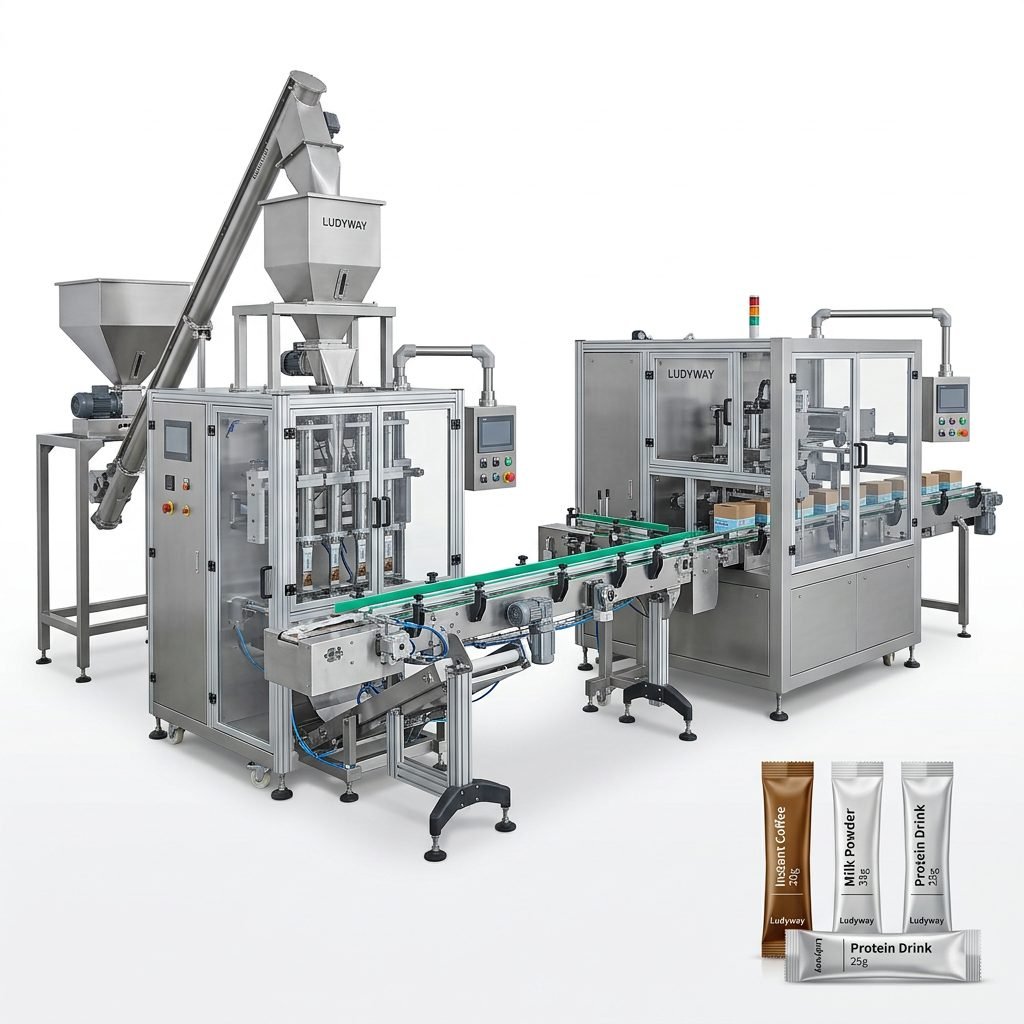
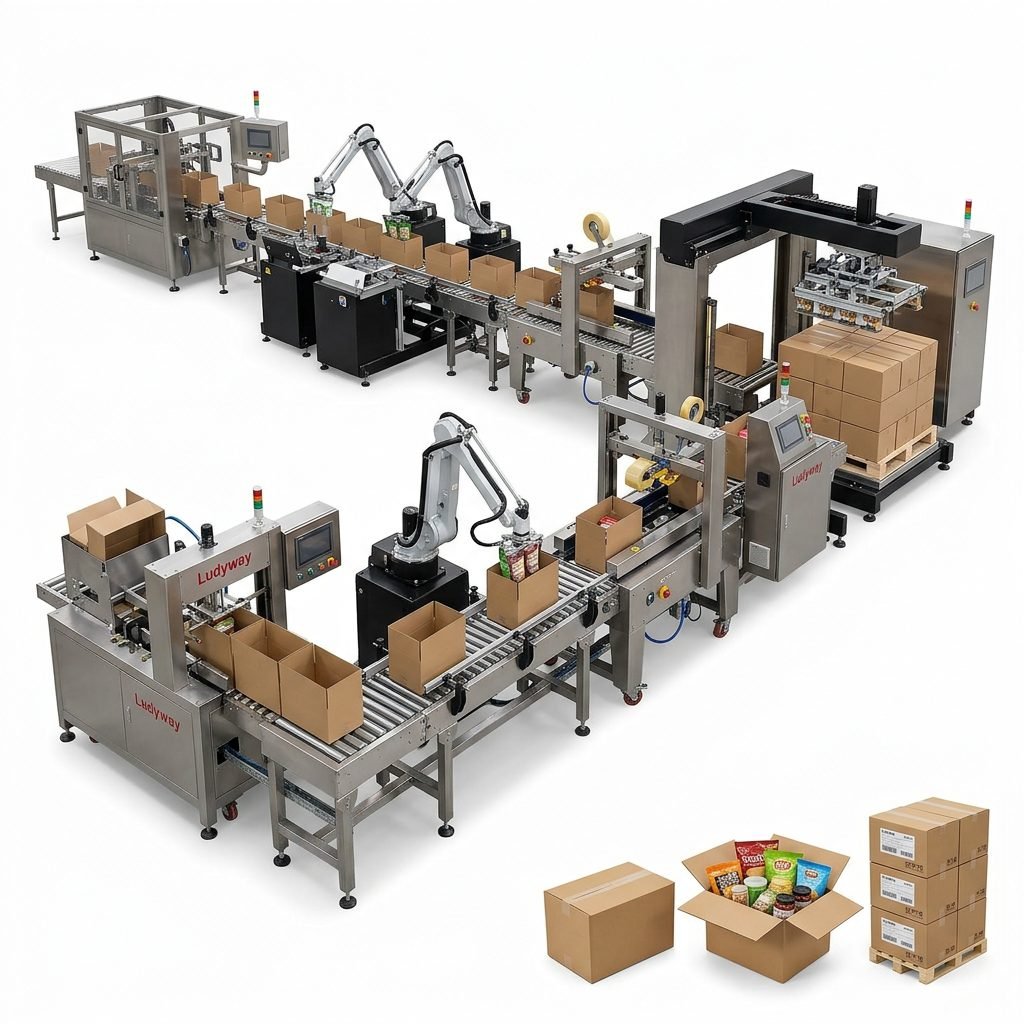
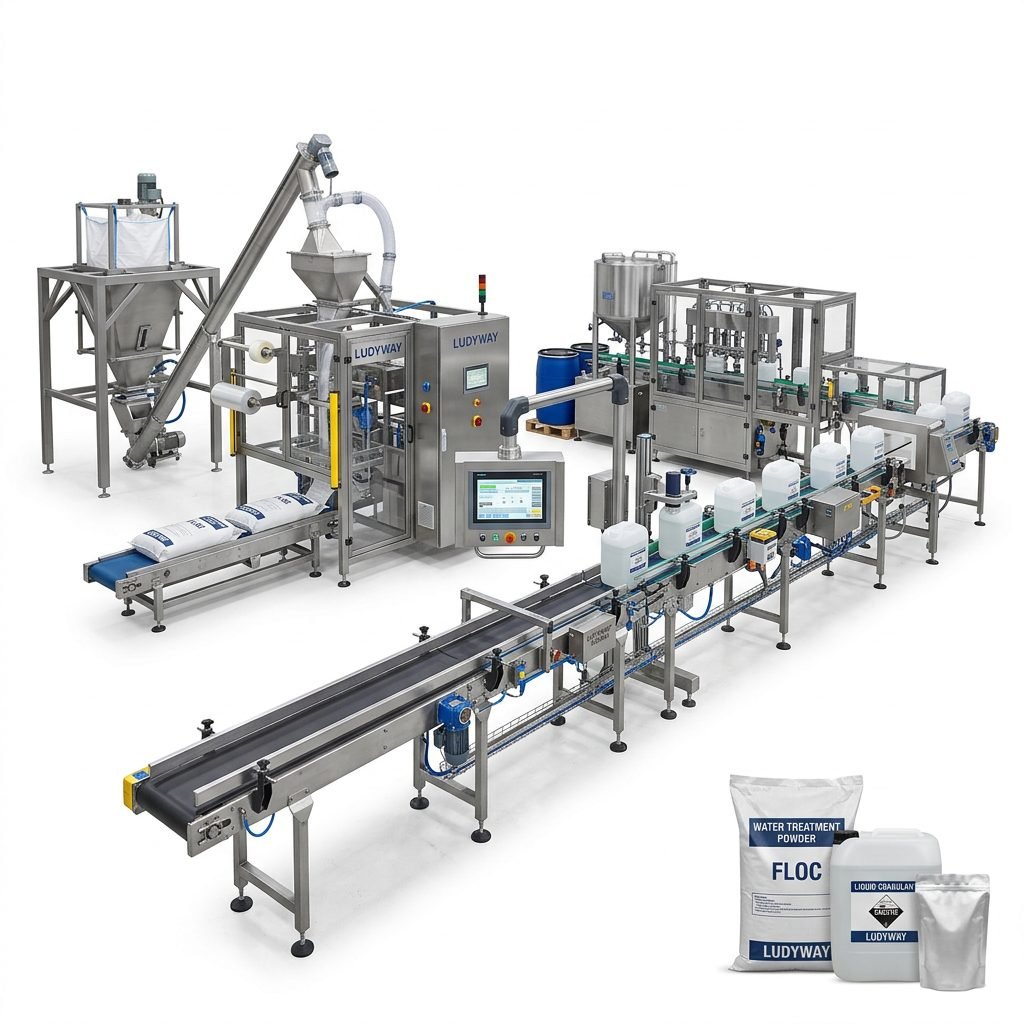
Modern water packaging operations benefit from varying degrees of automation. A basic standalone machine handles filling and sealing only, while an integrated packaging line can include automatic feeding, filling, sealing, coding, inspection, and cartoning — all synchronized for continuous operation. Consider whether you need a turnkey packaging solution that connects multiple stages of your production process, reducing labor costs and minimizing handling-related contamination risks.
6. Seal Integrity and Leak Prevention
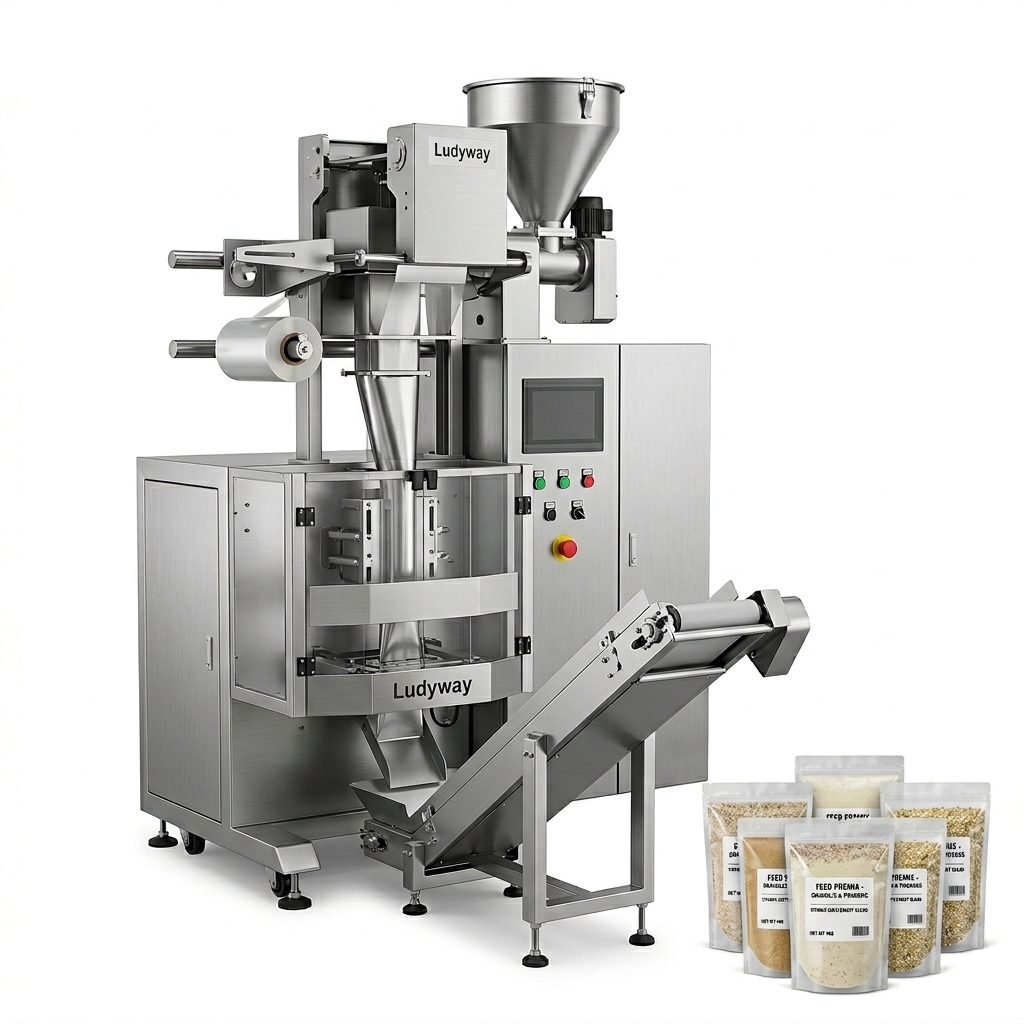
Water packaging requires robust, consistent seals to prevent leakage during transport and storage. Vertical form-fill-seal (VFFS) machines and pre-made pouch filling systems each offer different sealing mechanisms. Evaluate the machine’s sealing technology — heat sealing, ultrasonic sealing, or impulse sealing — based on your packaging film type. Machines with multi-zone temperature control and adjustable sealing pressure deliver the most reliable results across varying production speeds and film thicknesses.
Comparing Types of Pure Water Packaging Machines
The table below summarizes the main types of water packaging equipment, their typical applications, and key advantages to help you quickly identify which category fits your production requirements.
| Machine Type | Best For | Speed Range | Key Advantage |
|---|---|---|---|
| Multi-Lane Sachet Machine | Single-serve water sachets | 200–600 packs/min | High output, low per-unit cost |
| VFFS Liquid Packaging Machine | Pillow pouches, flat bags | 60–180 packs/min | Versatile format flexibility |
| Pre-Made Pouch Filler-Sealer | Stand-up pouches, spouted pouches | 40–120 packs/min | Premium packaging appearance |
| Bottle Filling and Capping Line | PET/HDPE bottles | 50–300 bottles/min | Established consumer format |
Advanced Features Worth Considering
Beyond the basic specifications, several advanced features can significantly improve your operational efficiency, product quality, and long-term reliability:
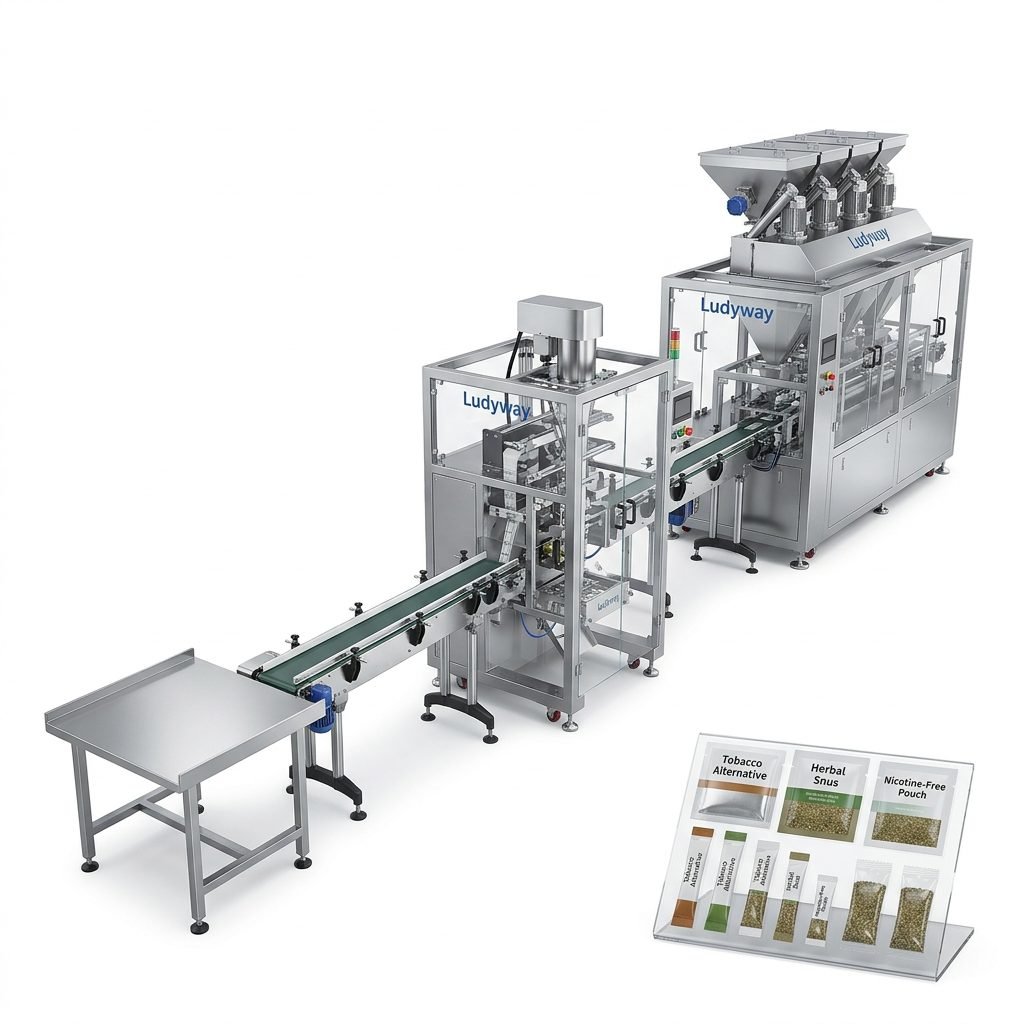
- Multi-lane configuration — multiplies output without proportionally increasing floor space, ideal for scaling production within existing facilities.
- Servo-driven filling and sealing — delivers precise, repeatable motion control with minimal mechanical wear compared to pneumatic systems.
- Integrated quality inspection — vision systems and checkweighers detect seal defects, underfills, and contaminants before products leave the line.
- Remote monitoring and diagnostics — allows technicians to troubleshoot issues remotely, reducing downtime and service call frequency.
- Quick-change format parts — enables fast transitions between different pouch sizes or formats with minimal operator intervention.
Industry Standards and Compliance
Water packaged for human consumption is subject to stringent regulatory oversight in most markets. Your packaging machine must support adherence to applicable standards for food safety, hygiene, and traceability. Key frameworks include the FDA food packaging regulations in the United States, EU packaging directives under the European Commission’s packaging waste framework, and various ISO standards for packaging machinery. Choosing equipment designed with these standards in mind simplifies certification and market access.
Total Cost of Ownership: Beyond the Purchase Price
The sticker price of a water packaging machine tells only part of the story. A thorough evaluation should account for:
- Consumables and spare parts — sealing elements, cutting blades, filters, and gaskets that require periodic replacement.
- Energy consumption — servo-driven machines typically consume less electricity than pneumatic alternatives over the equipment lifecycle.
- Packaging material waste — machines with precise film registration and minimal startup waste reduce ongoing material costs.
- Labor requirements — automated lines reduce operator dependency, but skilled technicians are still needed for maintenance and changeovers.
- Downtime costs — reliable equipment backed by responsive technical support minimizes lost production hours.
After-Sales Support and Technical Service
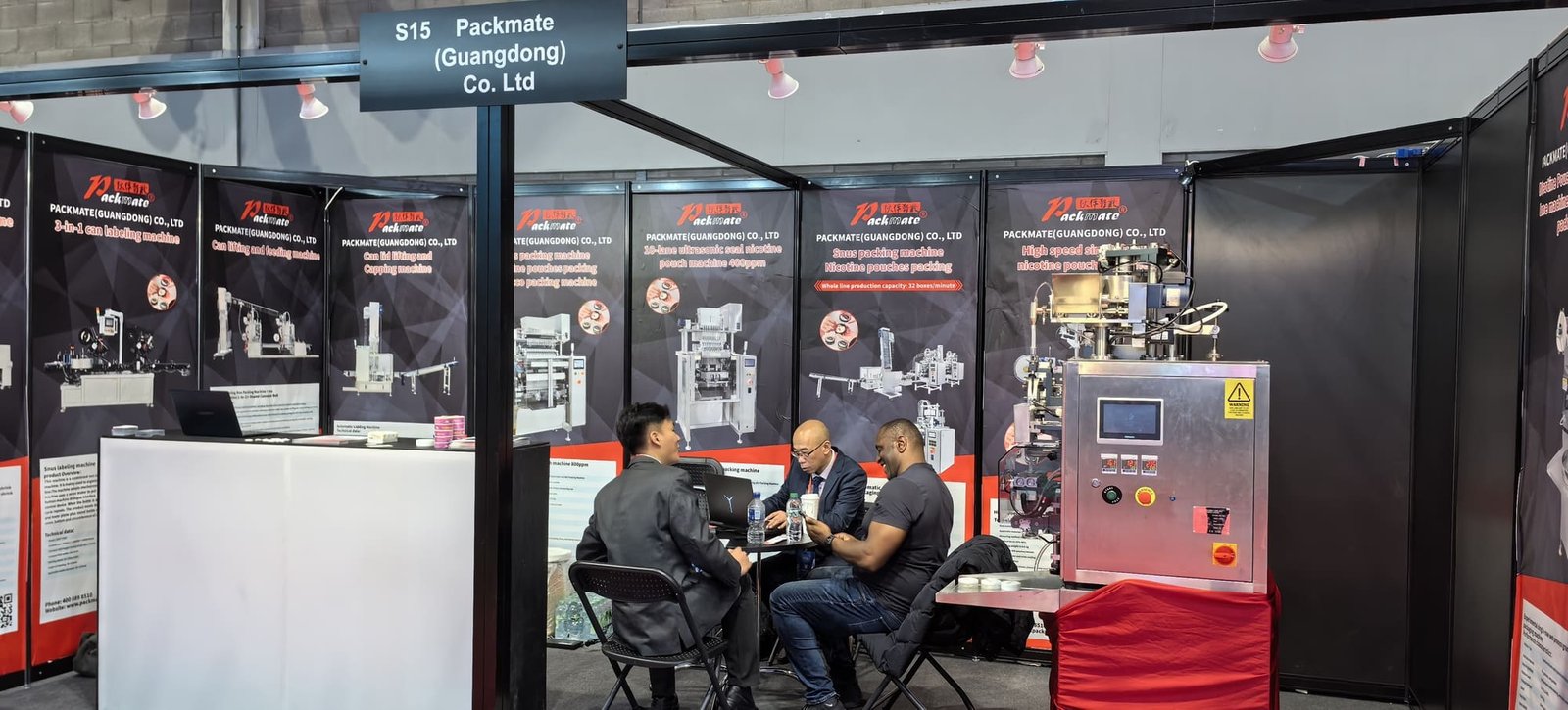
A packaging machine is a long-term investment, and the quality of after-sales support directly affects your operational continuity. When evaluating suppliers, investigate the availability of remote technical assistance, on-site installation and commissioning, operator training programs, and spare parts supply chains. Manufacturers with global service networks and experience in international markets are better positioned to support your operations wherever your facility is located. According to industry data from PMMI’s business intelligence reports, unplanned downtime costs packaging operations an average of $5,000 to $20,000 per hour, making responsive support a financially critical factor.
Customization: One Size Rarely Fits All
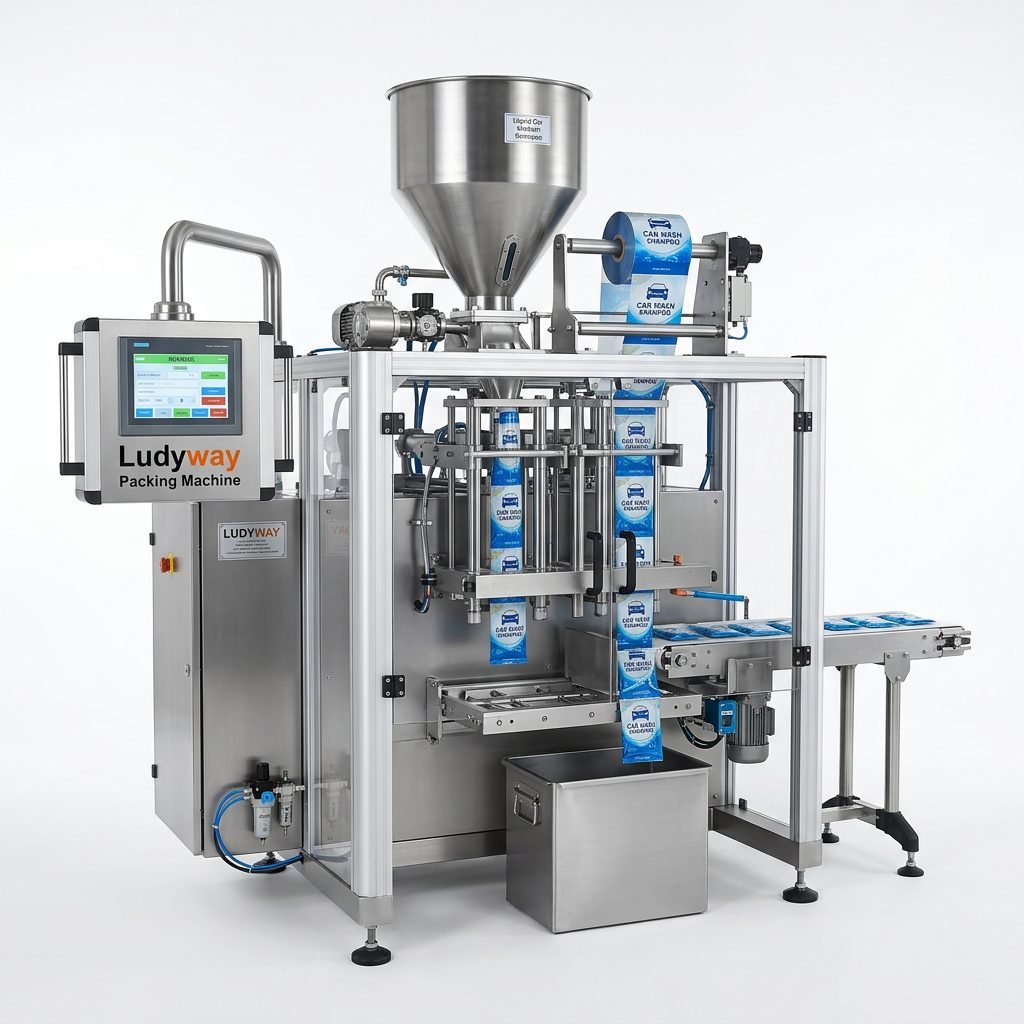
Water packaging requirements vary significantly between producers. Product characteristics, desired bag sizes, filling volumes, production speeds, factory layouts, and automation goals all influence the appropriate equipment configuration. A manufacturer that offers customized engineering solutions — rather than only standardized machines — can adapt the equipment to your specific needs. This is particularly valuable for manufacturers looking to increase capacity, automate manual processes, introduce new packaging formats, or integrate water packaging equipment into an existing production line seamlessly.
Making the Final Decision
Choosing the right pure water packaging machine requires balancing production speed, packaging format, budget, hygiene standards, and long-term scalability. Start by clearly defining your current and projected production volumes, your target packaging format, and any regulatory requirements your market demands. Then evaluate suppliers based on machine specifications, build quality, customization capability, and the strength of their after-sales infrastructure.
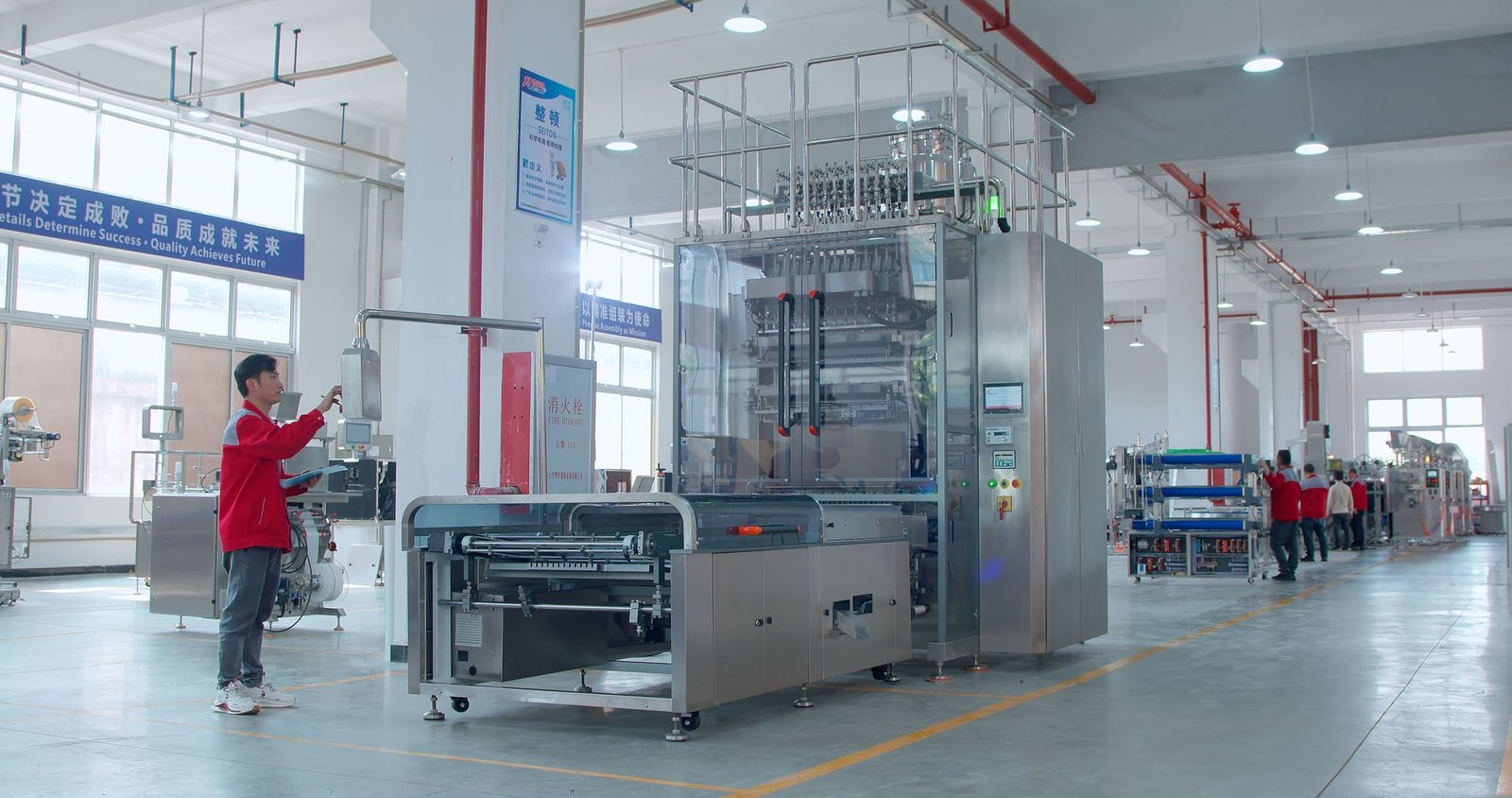
Ludyway Machinery — a China-based packaging machinery manufacturer with over 30 years of industry experience and a 20,000-square-meter manufacturing facility — offers a broad portfolio of automatic packaging equipment designed for water, liquid, and other flexible packaging applications. With more than 50 packaging machine models, integrated system capabilities, and service coverage in over 100 countries, Ludyway works with manufacturers to configure customized water packaging solutions that match their specific production requirements. For more detailed guidance on selecting equipment, consult resources from the Flexible Packaging Association or explore PMMI’s State of the Industry reports for the latest packaging machinery market data.