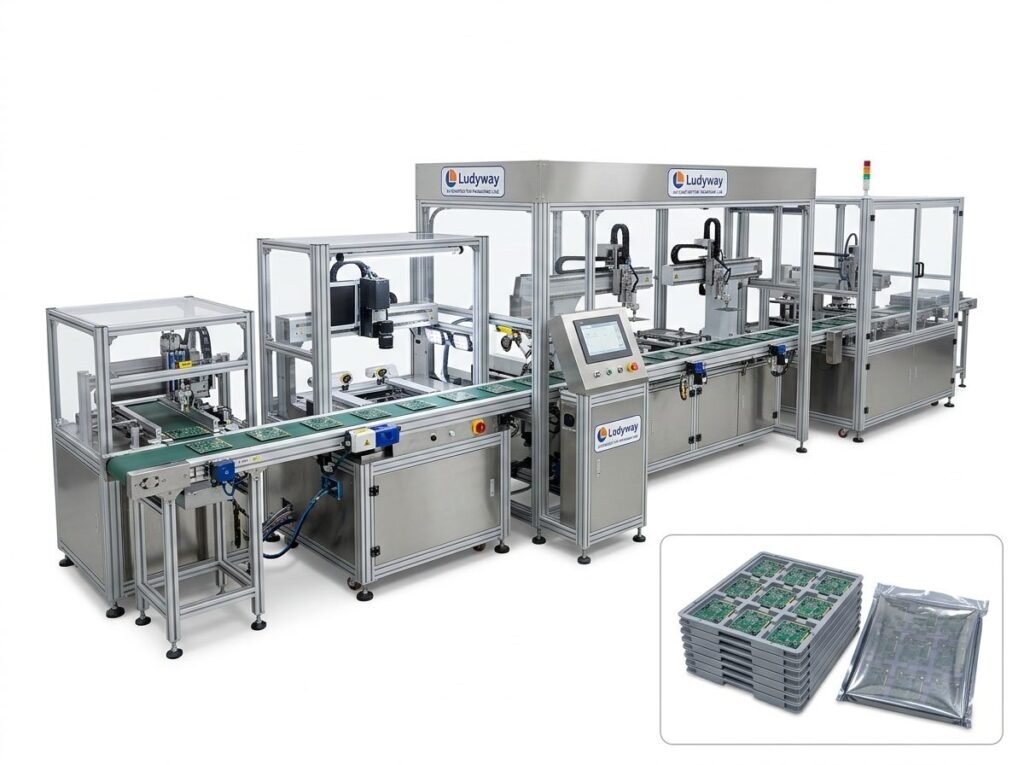
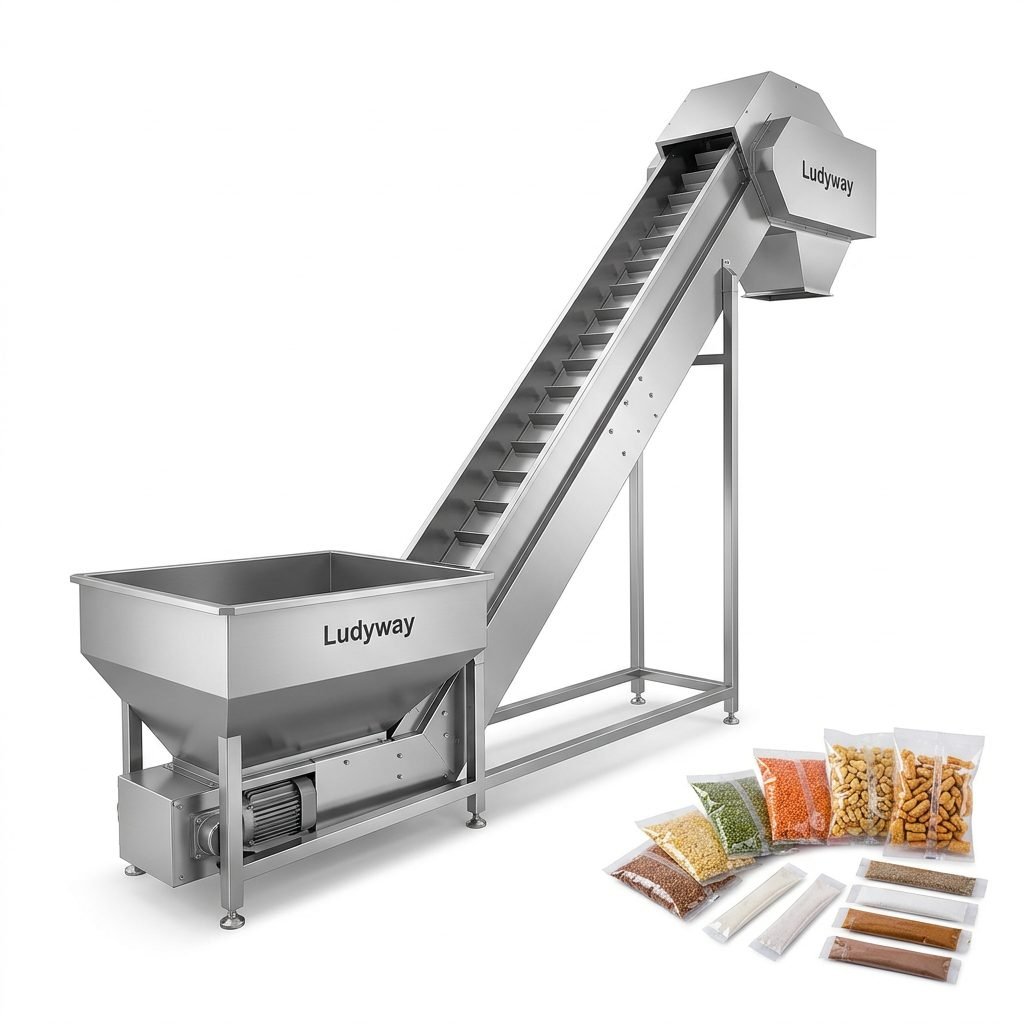
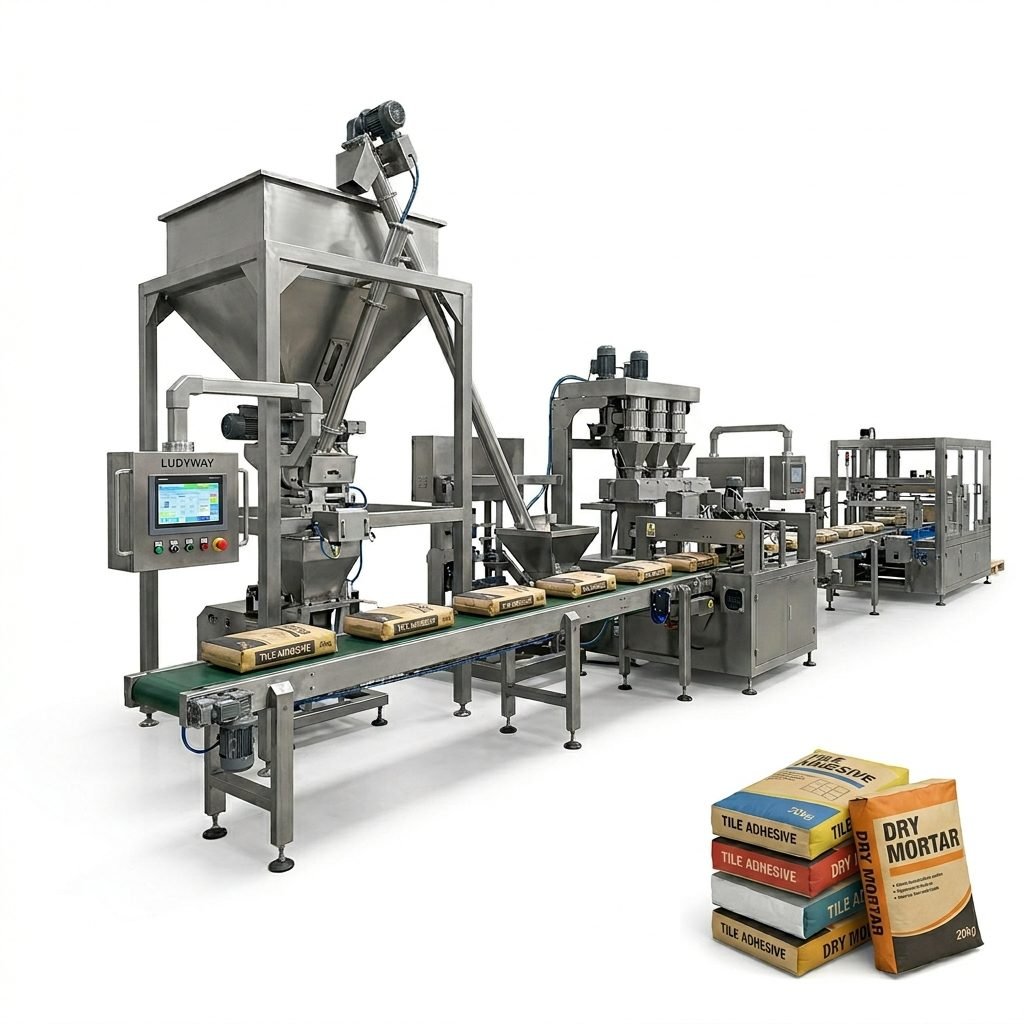
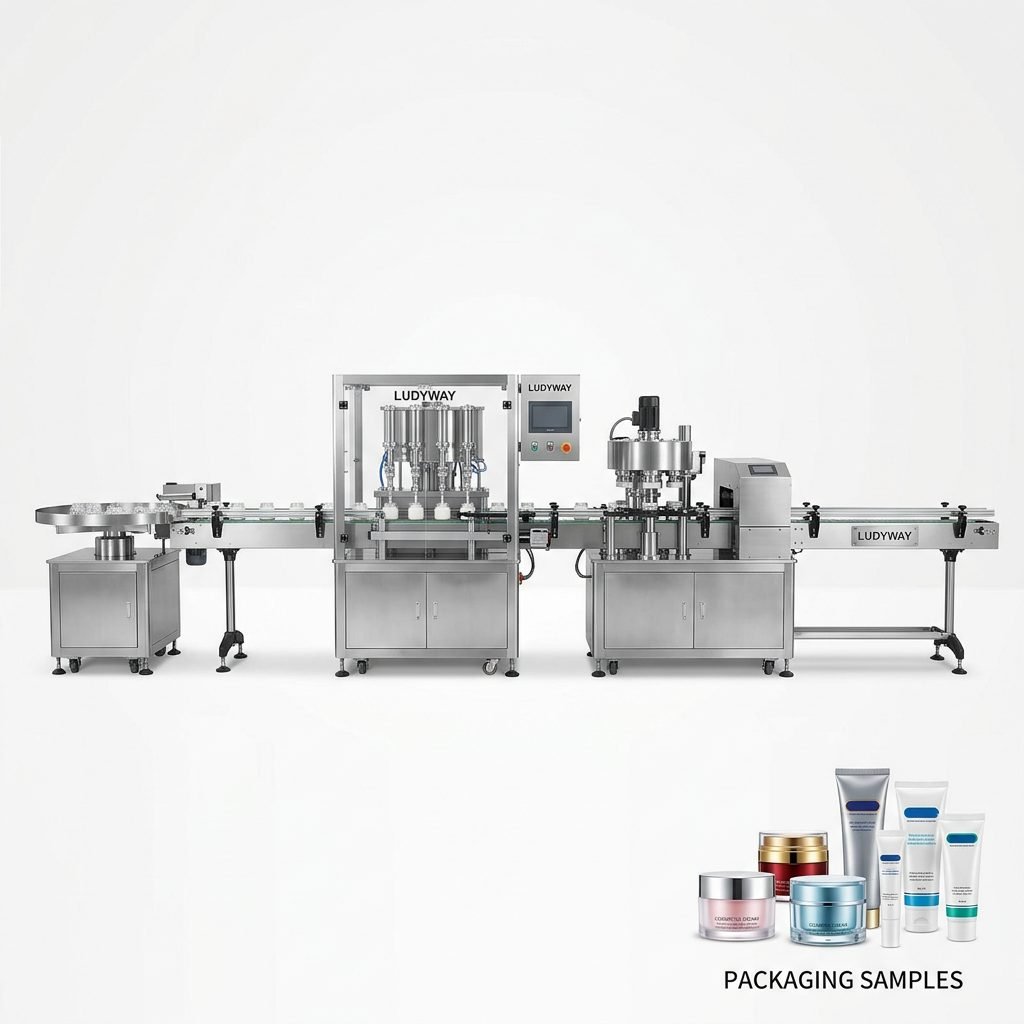
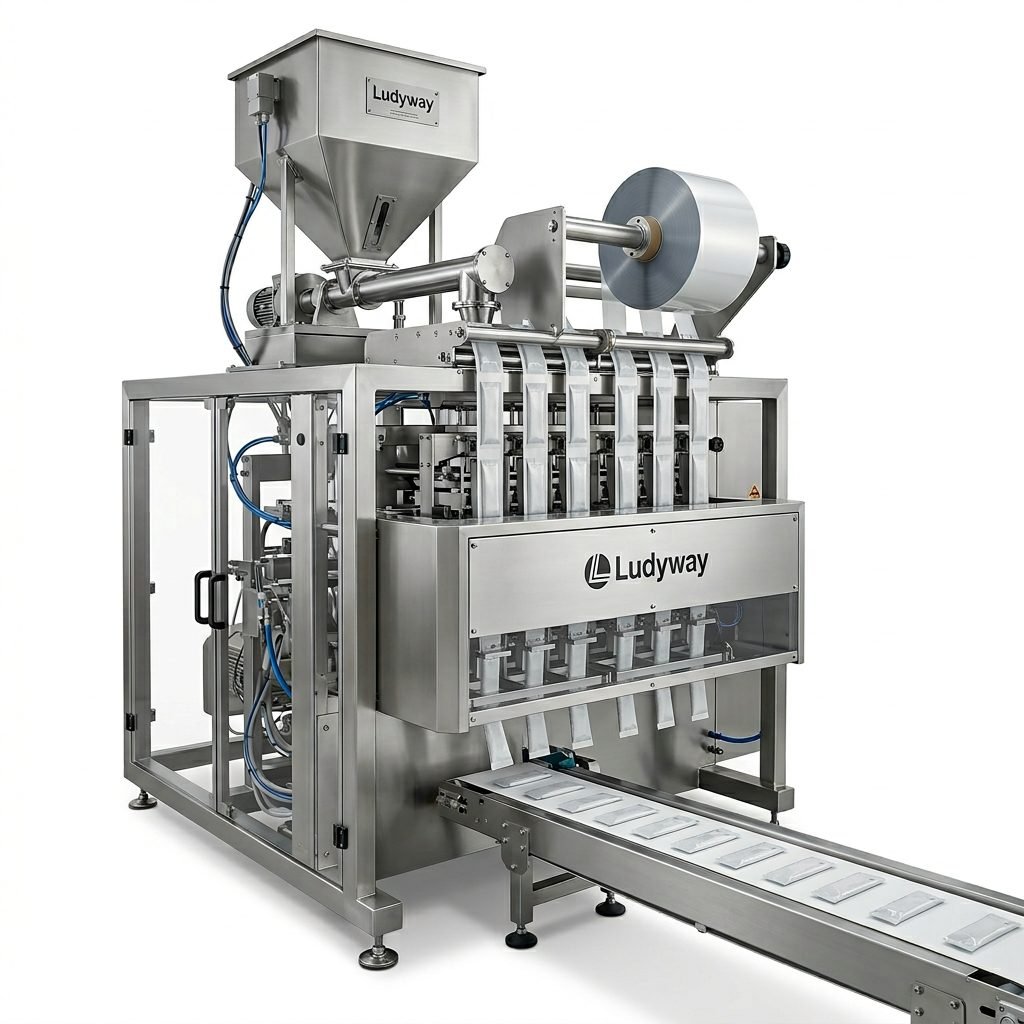
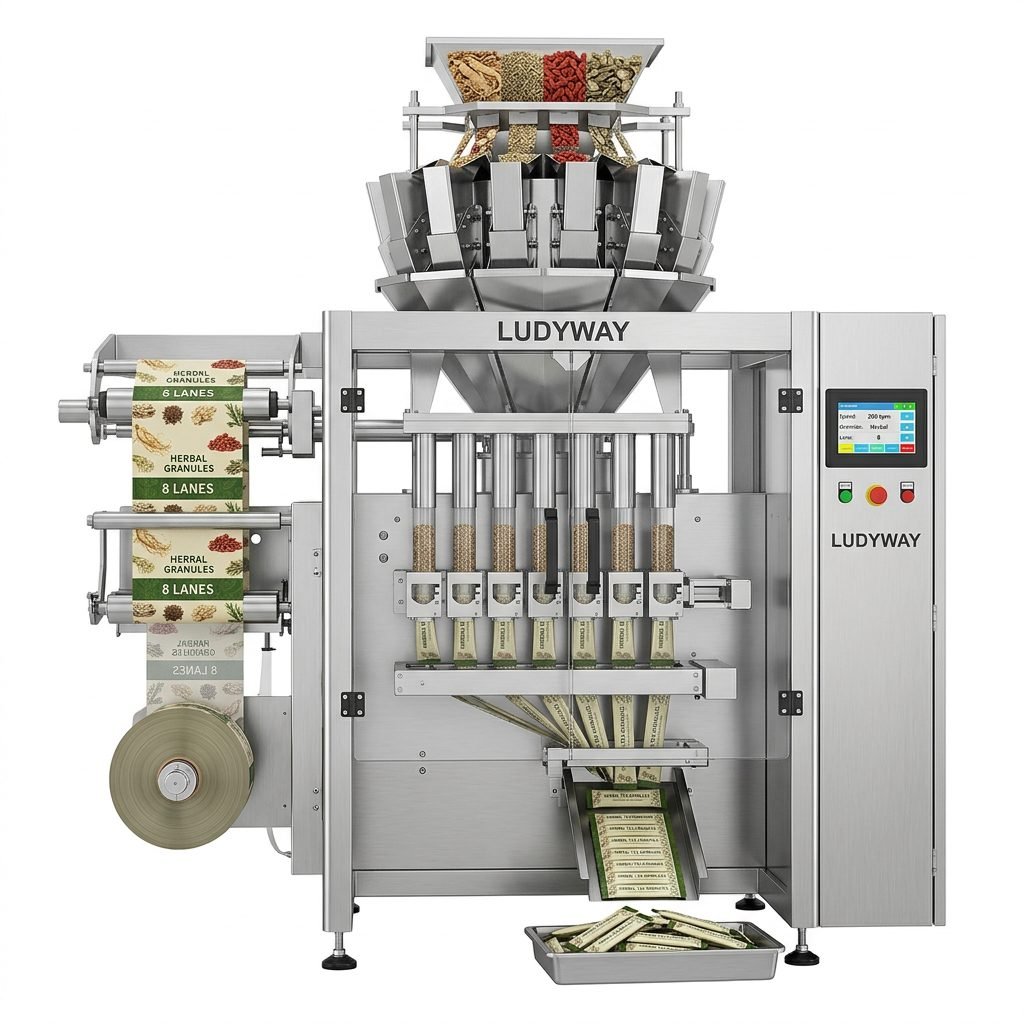
Selecting the right oil pouch packing machine is a critical decision that directly impacts your production efficiency, product quality, and long-term profitability. Whether you are packaging edible oils, lubricants, essential oils, or industrial fluids, the machine you choose must align with your specific operational requirements. This comprehensive buyer’s guide walks you through every key factor to help you make an informed investment.
Understanding Oil Pouch Packaging Machines
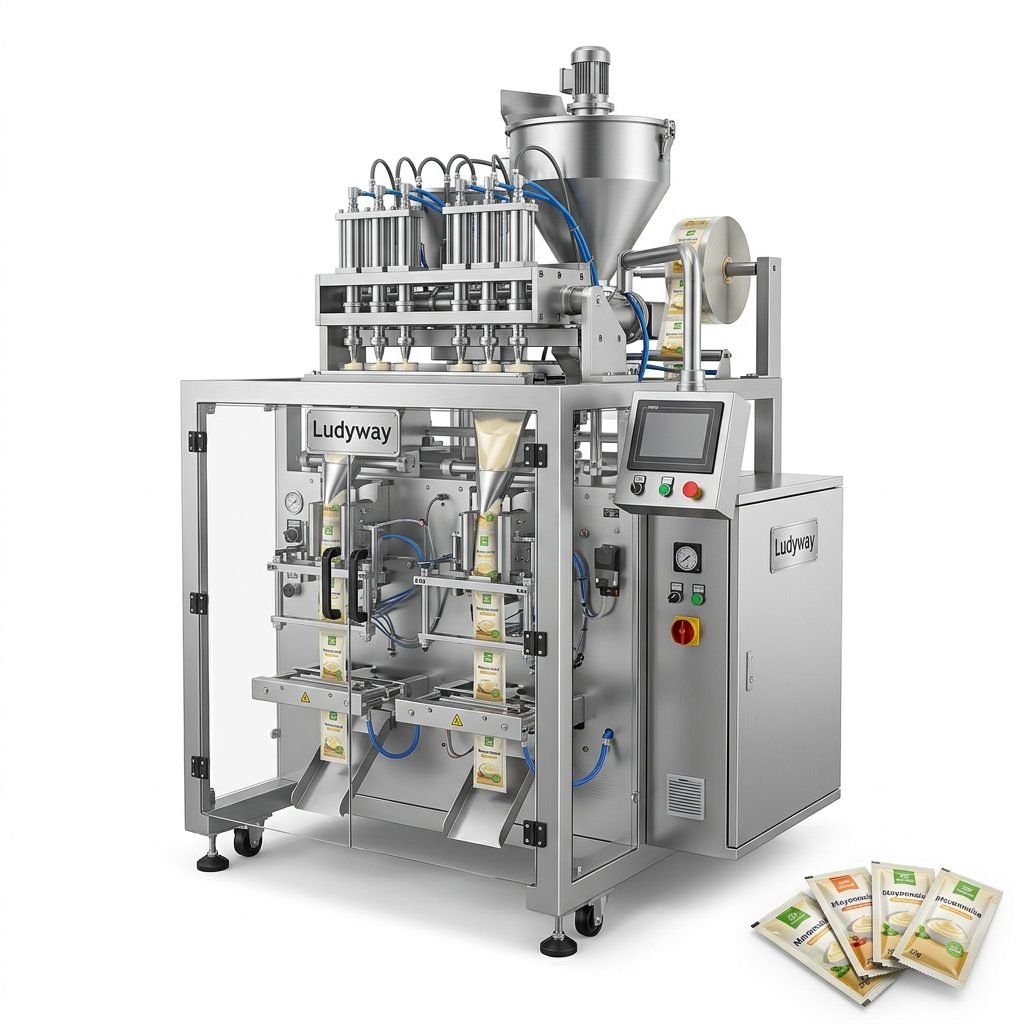
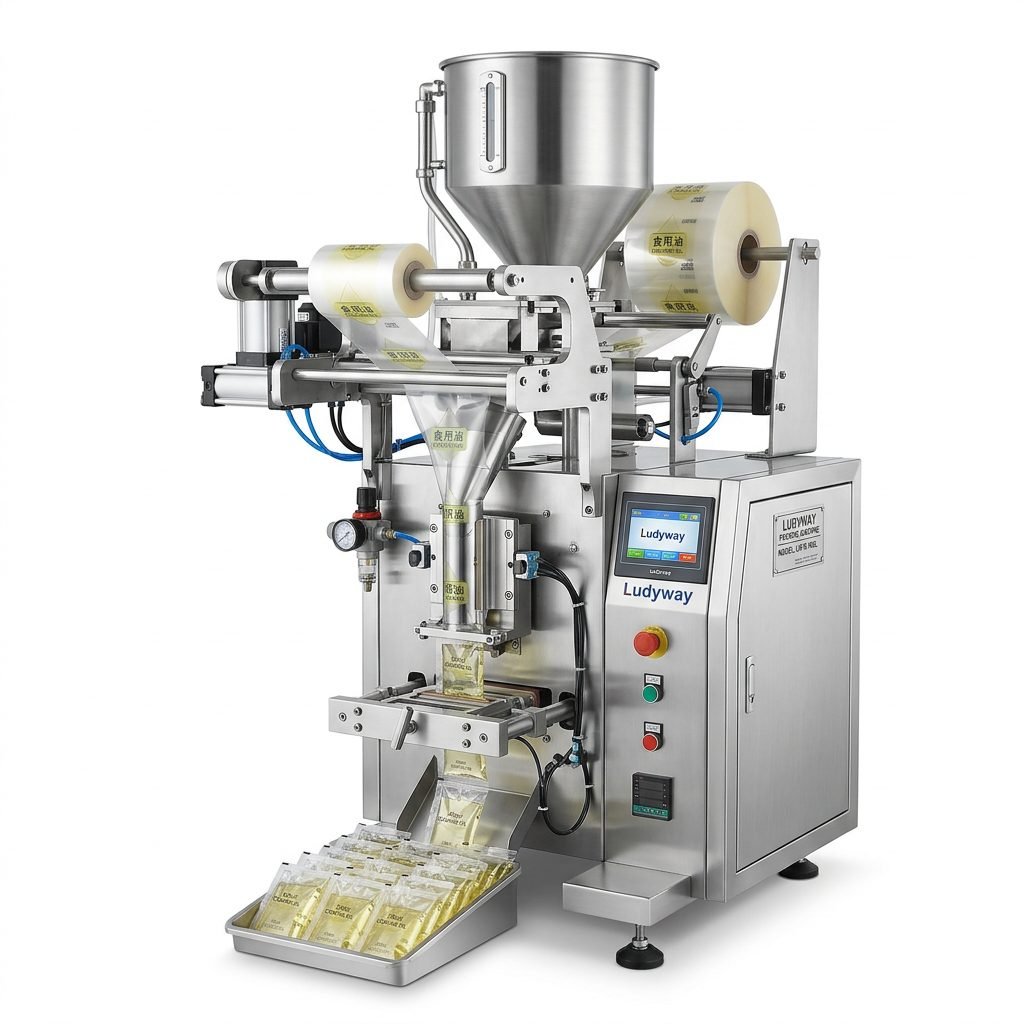
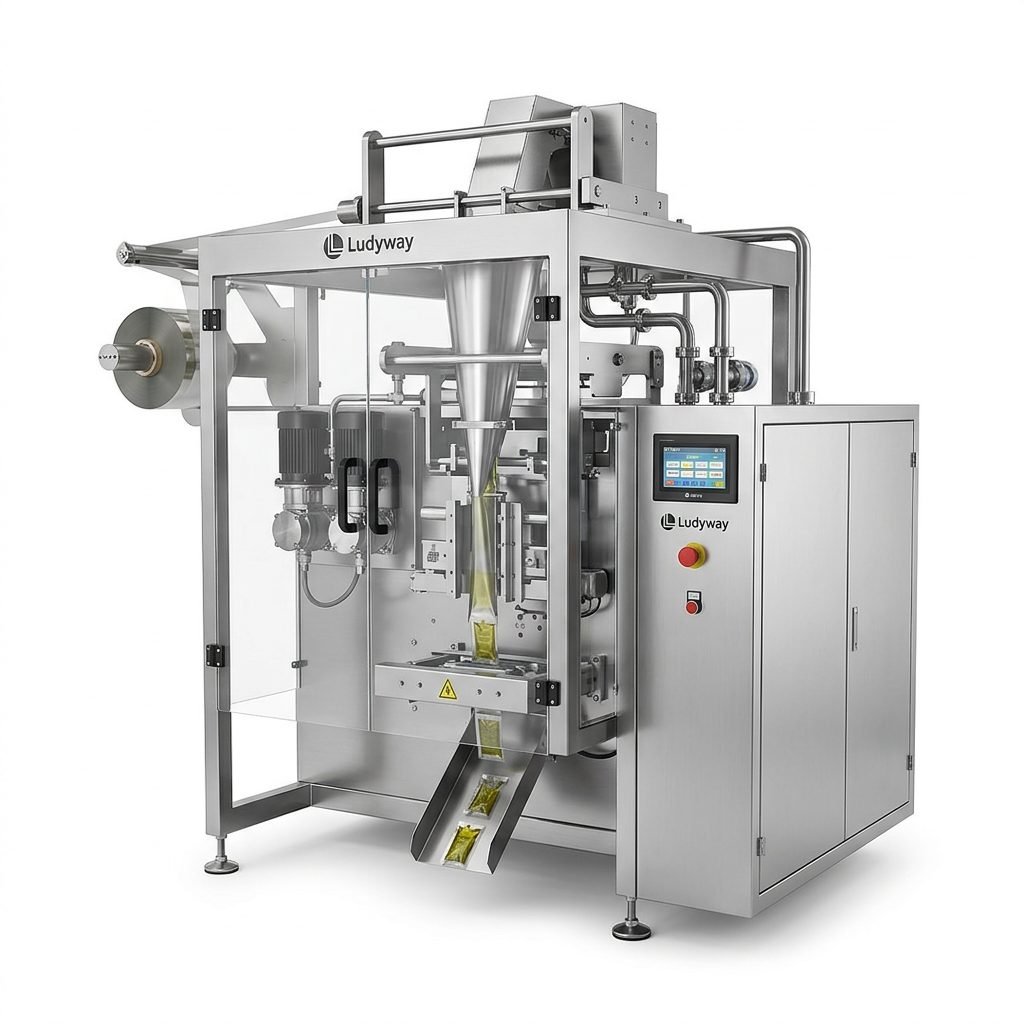
An oil pouch packing machine is a specialized piece of equipment designed to fill and seal liquid oils into flexible pouches or sachets. These machines handle a variety of oil-based products — from cooking oils and olive oil to motor oil and cosmetic serums. Modern machines integrate multiple functions including dosing, filling, sealing, coding, and cutting into a single automated workflow, significantly reducing manual labor and ensuring consistent package quality.
According to the PMMI Business Intelligence reports, the global packaging machinery market continues to grow, driven by increasing demand for flexible packaging formats across food, pharmaceutical, and industrial sectors. Oil pouch packaging, in particular, has seen rising adoption due to its cost-effectiveness and convenience for both manufacturers and consumers.
Key Factors to Consider When Choosing an Oil Pouch Packing Machine
1. Product Viscosity and Flow Characteristics
Oil viscosity varies significantly across product types. Thin, low-viscosity oils such as sunflower oil or soybean oil flow easily and require precise valve control to prevent dripping and waste. High-viscosity oils like gear oil, castor oil, or heavy lubricants need piston fillers or positive displacement pumps capable of handling thicker consistencies. Always verify that the filling system is rated for your specific viscosity range.
2. Production Speed and Capacity Requirements
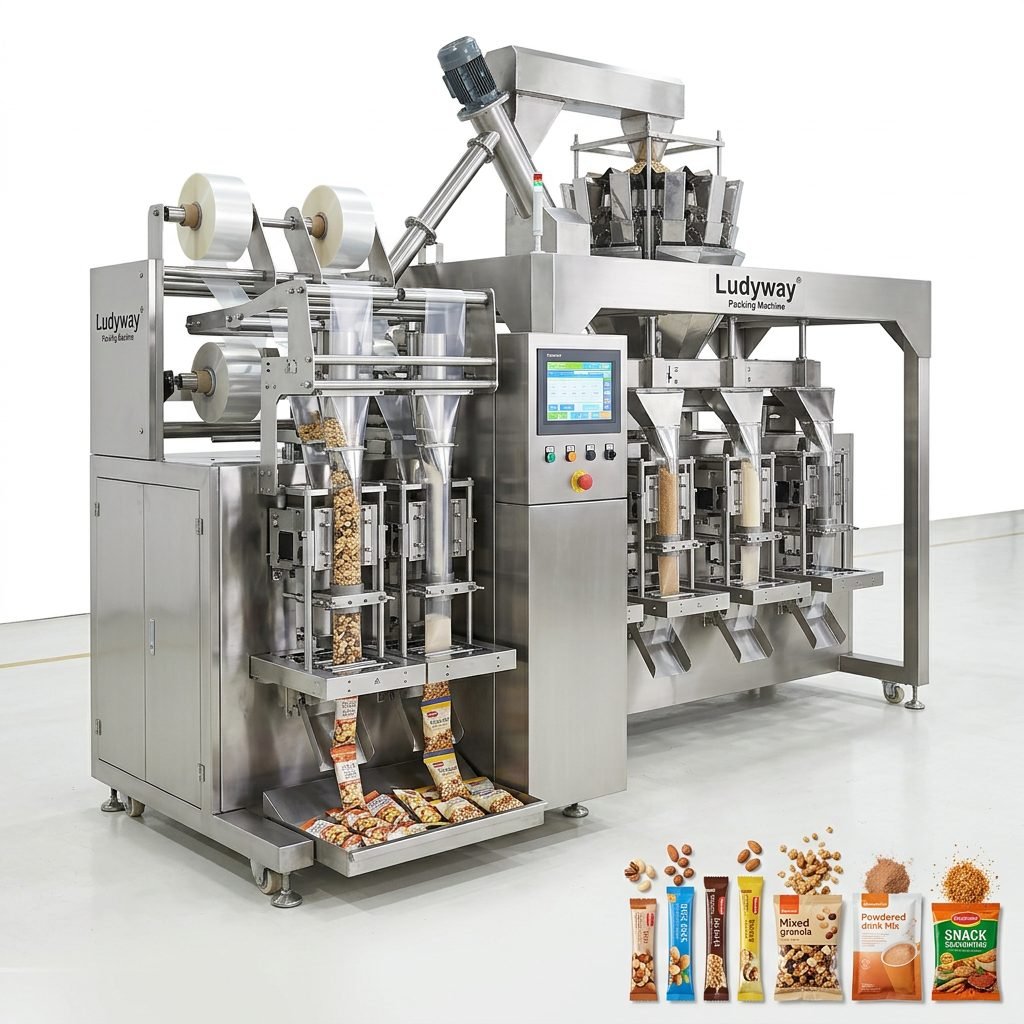
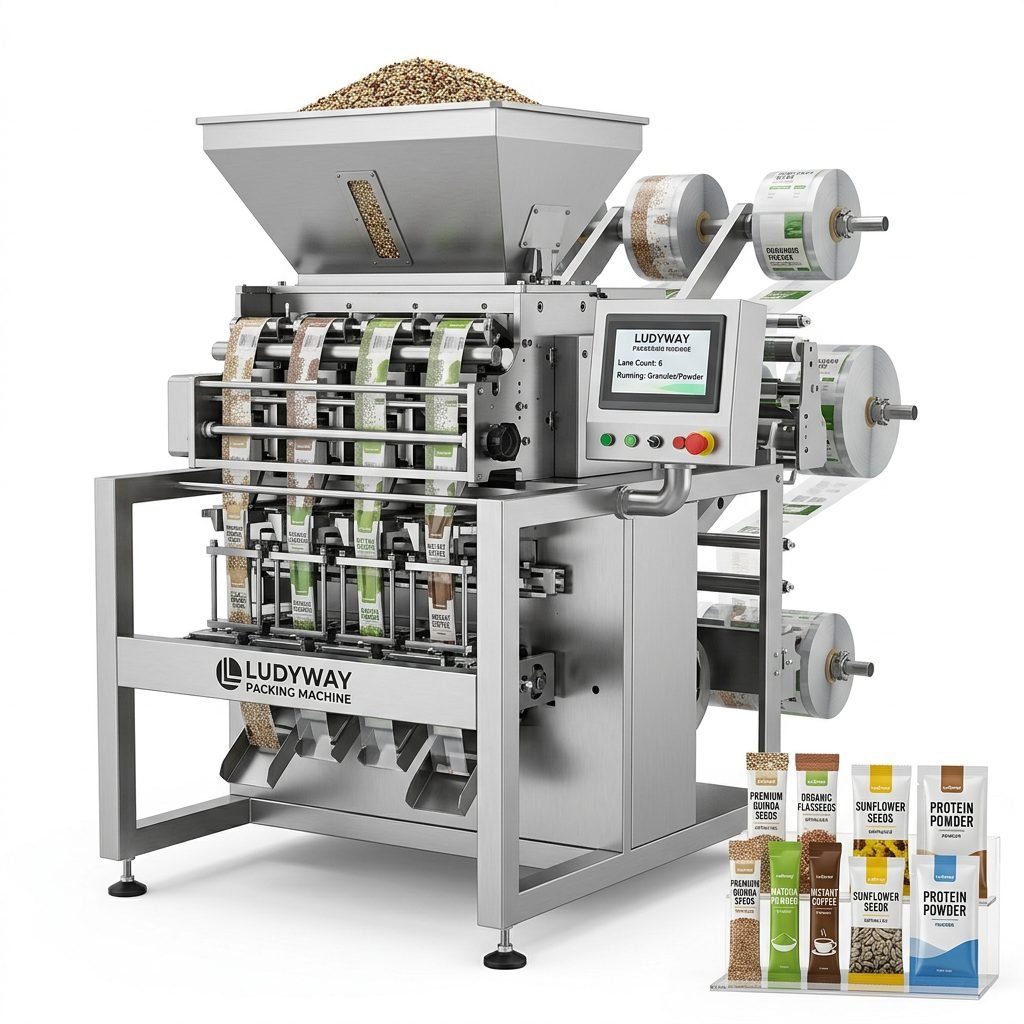
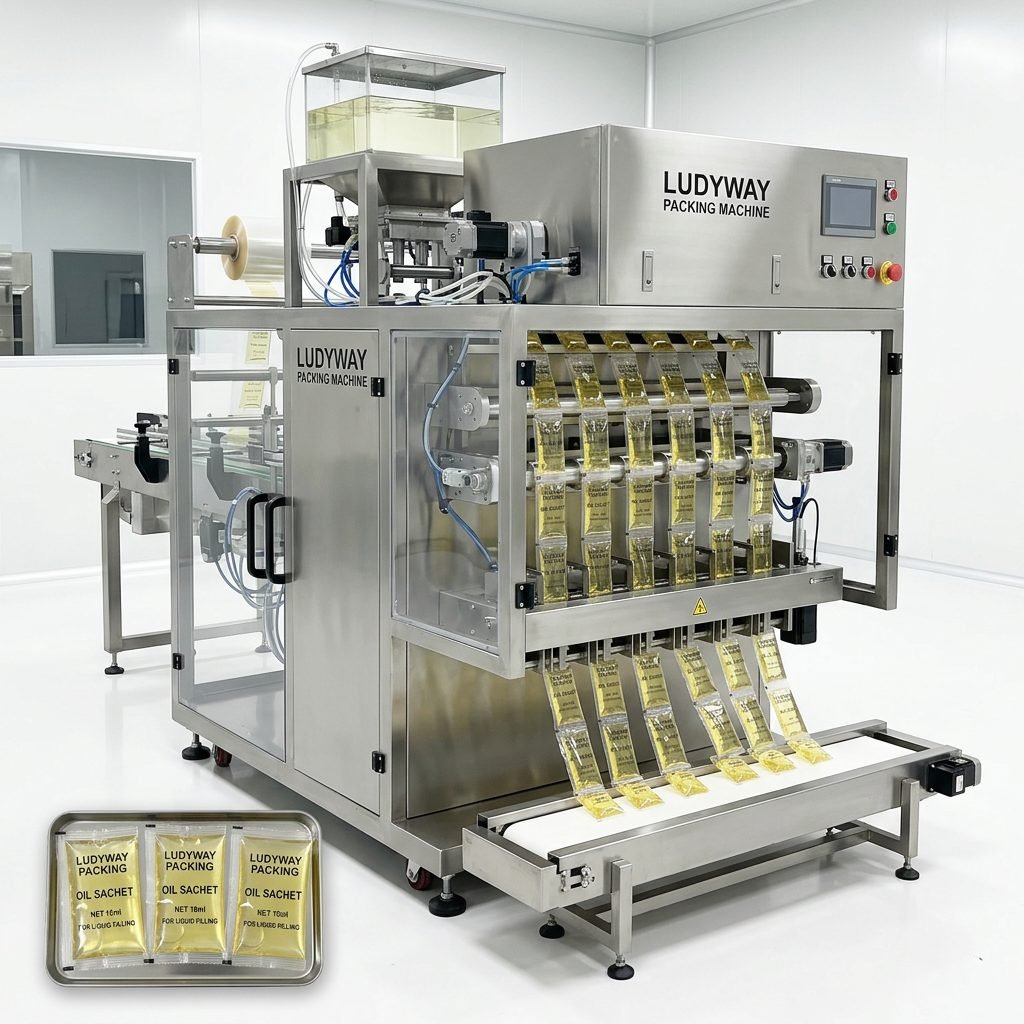
Your required output — measured in pouches per minute (ppm) — determines whether you need a single-lane, dual-lane, or multi-lane configuration. Single-lane machines typically produce 30–60 ppm, while multi-lane systems can exceed 200–400 ppm for high-volume operations. Match the machine’s rated speed to your current needs while allowing headroom for future growth.
3. Pouch Material Compatibility
Oil packaging demands materials with excellent barrier properties to prevent oxidation and leakage. Common materials include PET/Aluminum/PE laminates, NY/PE, and EVOH-based films. Your machine must be compatible with the heat-sealing temperature and pressure requirements of your chosen packaging material. The Flexible Packaging Association provides valuable resources on material selection and industry standards.
4. Filling Accuracy and Precision
Accurate dosing is essential for regulatory compliance and cost control. Look for machines with servo-driven piston fillers or magnetic flow meters that deliver accuracy within ±0.5–1%. Overfilling leads to product giveaway and reduced margins, while underfilling risks non-compliance with weights and measures regulations enforced by authorities such as the FDA.
5. Automation and Integration Capabilities
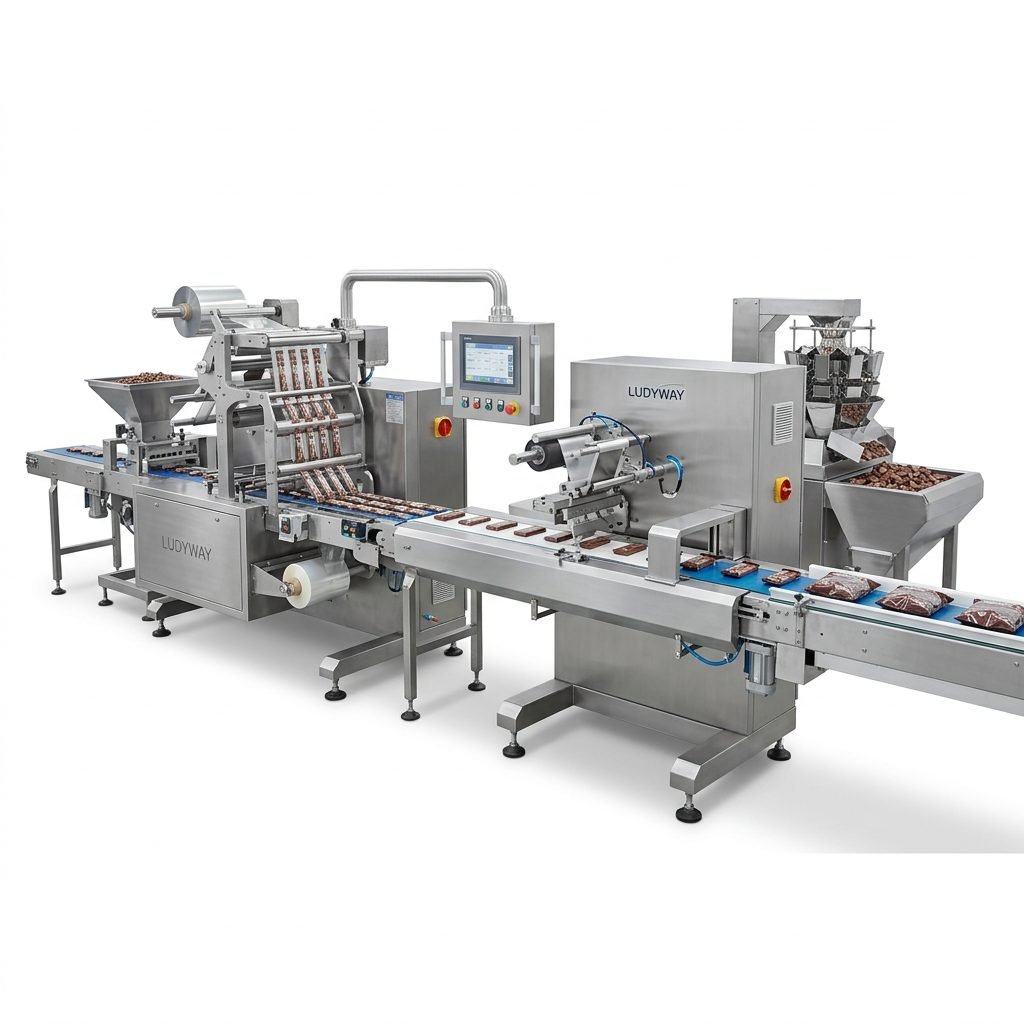
Modern oil pouch packing machines range from semi-automatic models requiring manual intervention to fully automated turnkey lines that integrate feeding, filling, sealing, coding, inspection, and cartoning. Consider your current workforce availability and long-term automation strategy when selecting the appropriate automation level.
Types of Oil Pouch Packing Machines
The market offers several machine configurations tailored to different production environments. Understanding each type helps narrow your options effectively.
| Machine Type | Best For | Typical Speed | Key Feature |
|---|---|---|---|
| Vertical Form Fill Seal (VFFS) | Free-flowing oils, high volume | 60–400 ppm | Compact footprint, continuous operation |
| Premade Pouch Rotary Filler | Premium oils, spouted pouches | 30–80 ppm | Handles complex pouch shapes |
| Multi-Lane Stick Pack Machine | Single-serve oil sachets | 200–600 ppm | Ultra-high output per square meter |
| Piston Filler with Inline Sealer | Thick, viscous oils | 20–60 ppm | High accuracy for challenging viscosities |
Technical Specifications to Evaluate
When comparing different models, focus on these critical technical parameters that directly affect machine performance and suitability for your application:
- Filling Volume Range: Ensure the machine covers your required fill volumes (e.g., 5ml to 1000ml per pouch).
- Sealing Temperature Control: Precise PID temperature controllers with ±1°C accuracy for consistent seal integrity.
- Construction Material: Stainless steel (SS304 or SS316) construction is essential for food-grade oil applications and corrosion resistance.
- Power and Air Requirements: Verify compatibility with your facility’s electrical supply and compressed air capacity.
- CIP/SIP Capability: Clean-in-place systems reduce downtime during product changeovers, especially important for edible oils.
- Safety Certifications: Look for CE, UL, or equivalent certifications relevant to your market region.
Budget and ROI Considerations
The price of an oil pouch packing machine varies widely based on automation level, speed, and configuration. Entry-level semi-automatic machines may start around $15,000–$30,000, while high-speed multi-lane turnkey systems can range from $80,000 to $300,000 or more. When calculating ROI, factor in:
- Labor savings from reduced manual operations
- Material waste reduction through precise filling
- Increased throughput and production capacity
- Maintenance and spare parts costs over the machine’s lifespan
- Energy consumption and utility expenses
Choosing the Right Supplier
The quality and reliability of your packaging machine depend heavily on the manufacturer you choose. Evaluate potential suppliers based on their industry experience, manufacturing capabilities, after-sales support, and technical expertise. A supplier with decades of experience and a global service network can provide the assurance you need for a long-term investment.
For instance, Ludyway Machinery — a China-based manufacturer with over 30 years of experience — offers a broad range of automated packaging solutions including oil pouch packing machines, supported by a 20,000-square-meter facility and a team of 130+ professionals serving customers in more than 100 countries. When evaluating suppliers, look for those who provide comprehensive technical support including installation, commissioning, training, and ongoing after-sales service.
Compliance and Regulatory Standards
Depending on your target market, your oil pouch packing machine and packaging materials must comply with relevant regulations. Food-grade oil packaging requires adherence to FDA food contact substance regulations in the United States, while the ISO packaging standards provide internationally recognized benchmarks for quality and safety. Additionally, the European Packaging and Packaging Waste Regulation sets requirements for sustainability and recyclability that increasingly influence equipment design and material choices.
Frequently Asked Questions
What is the typical lifespan of an oil pouch packing machine?
With proper maintenance, a quality industrial-grade machine can operate reliably for 10 to 15 years or more. Key wear components such as sealing jaws, heating elements, and filling valves may require periodic replacement depending on usage intensity.
Can one machine handle multiple oil types?
Yes, many machines are designed for quick product changeovers. However, thorough cleaning between runs is essential — especially when switching between edible and non-edible oils — to prevent cross-contamination.
How do I prevent oil leakage during sealing?
Oil contamination in the seal area is a common challenge. Machines equipped with anti-drip nozzles, vacuum-assisted sealing, and hot-bar cleaning systems significantly reduce seal contamination and ensure hermetic pouch integrity.

Making Your Final Decision
Choosing the right oil pouch packing machine requires balancing multiple factors — product characteristics, production volume, budget, automation needs, and supplier reliability. Start by clearly defining your current and projected production requirements, then evaluate machines that meet those specifications while offering headroom for growth. Request product samples and, where possible, visit a supplier’s manufacturing facility or arrange a factory acceptance test (FAT) before finalizing your purchase.
Investing time in thorough research upfront can prevent costly mistakes and ensure your packaging line delivers reliable performance, consistent quality, and strong ROI for years to come. For further market insights, the PMMI State of the Industry report offers valuable data on packaging machinery trends and forecasts.