India’s coffee culture is undergoing a remarkable transformation. With a growing middle class and increasing demand for premium coffee experiences, the coffee pod and capsule market has emerged as one of the most promising segments in the country’s beverage industry. Setting up a coffee pod packaging machine production line in India requires careful planning, an understanding of local market dynamics, and adherence to packaging machinery industry standards.
Understanding India’s Coffee Pod Market Opportunity
The Indian coffee pod market is projected to grow at a compound annual growth rate exceeding 15% over the next five years. This surge is driven by urbanization, rising disposable incomes, and a shift toward convenient at-home coffee solutions. Major cities like Mumbai, Delhi, Bangalore, and Chennai are witnessing unprecedented demand for portioned coffee products, making now an ideal time to invest in a coffee pod packaging production line.
Before setting up your facility, it’s essential to analyze key market factors including target consumer demographics, distribution channels, and competitive positioning. The packaging industry business intelligence reports indicate that single-serve coffee formats are outpacing traditional ground coffee sales across emerging markets, including India.
Types of Coffee Pod Packaging Machines Available
Selecting the right equipment is critical to your production success. Coffee pod packaging machines come in several configurations, each suited to different production scales and pod formats. The primary categories include:
- Single-lane pod packaging machines – Ideal for startups and small-batch production, offering output rates of 30-60 pods per minute
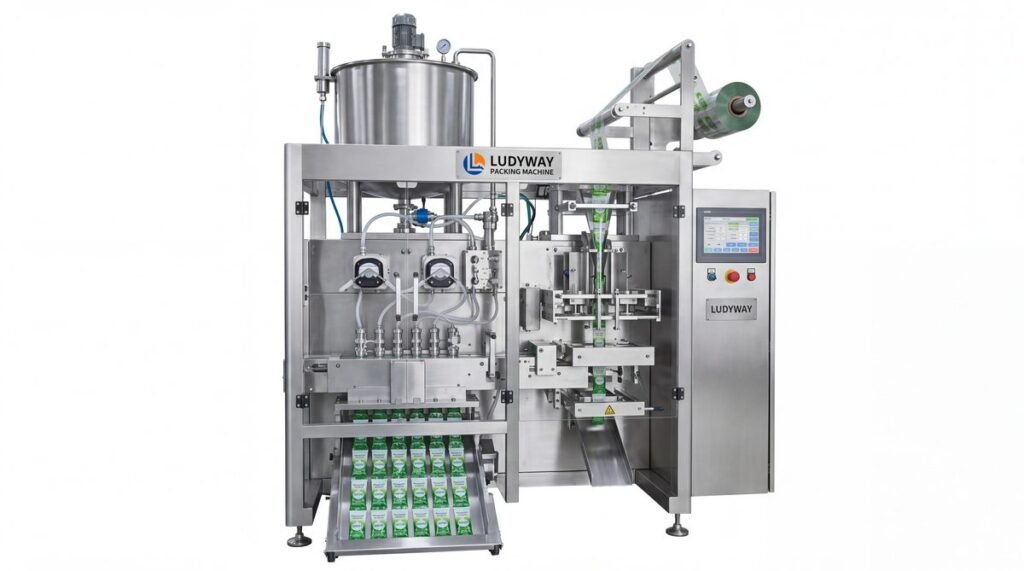
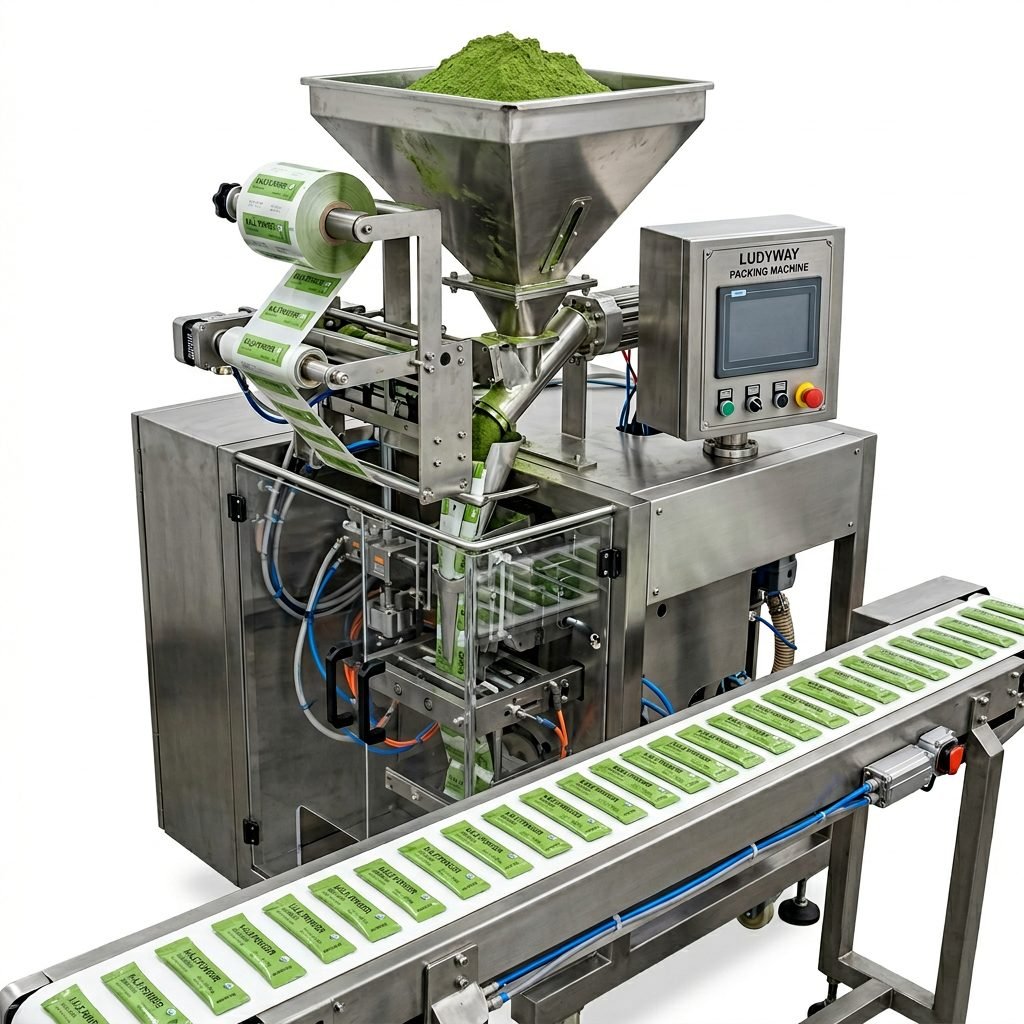
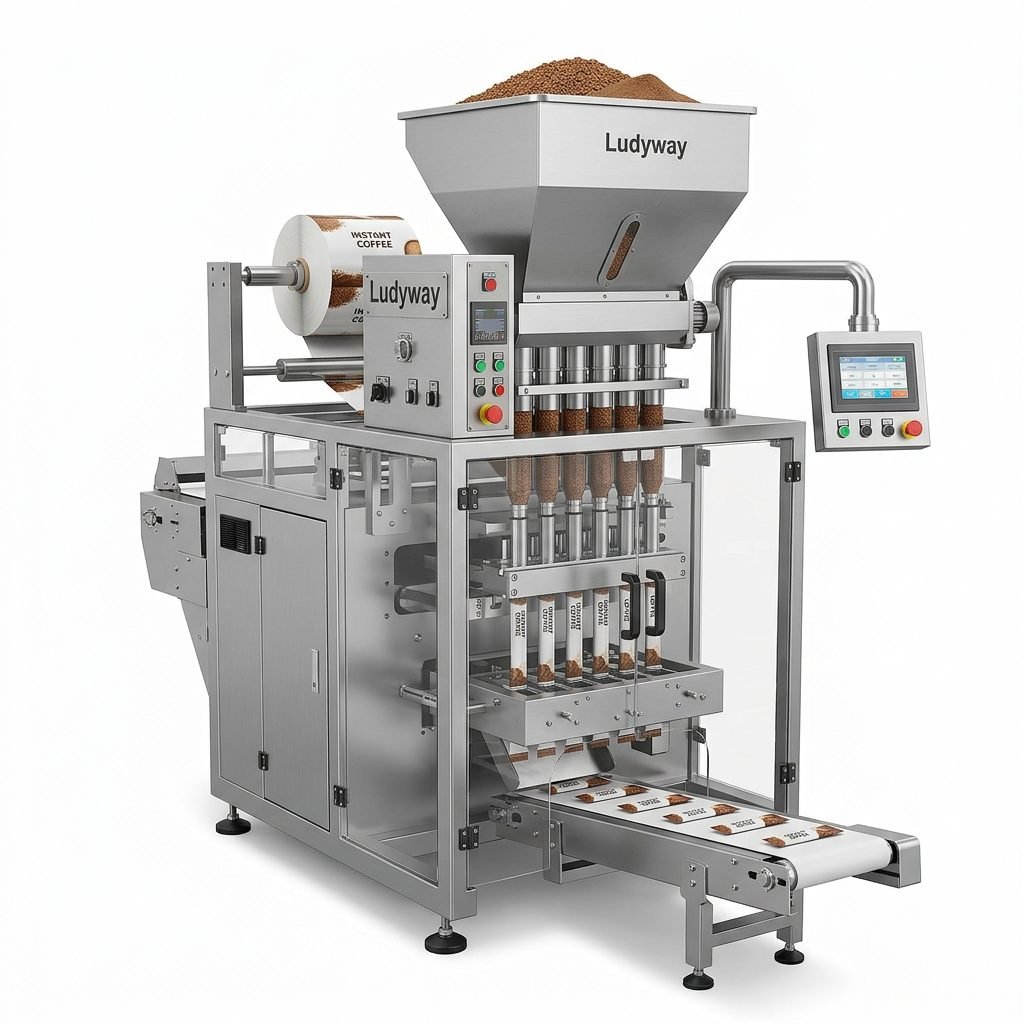
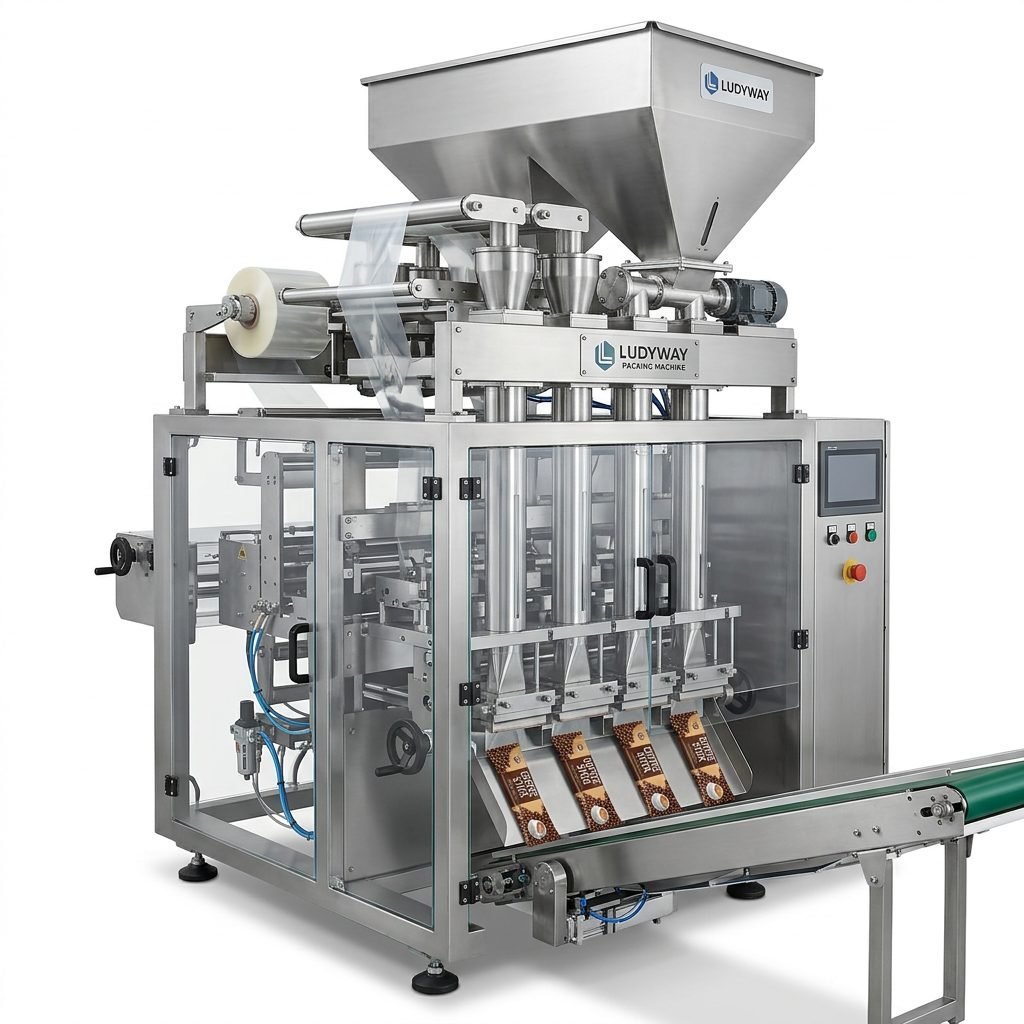
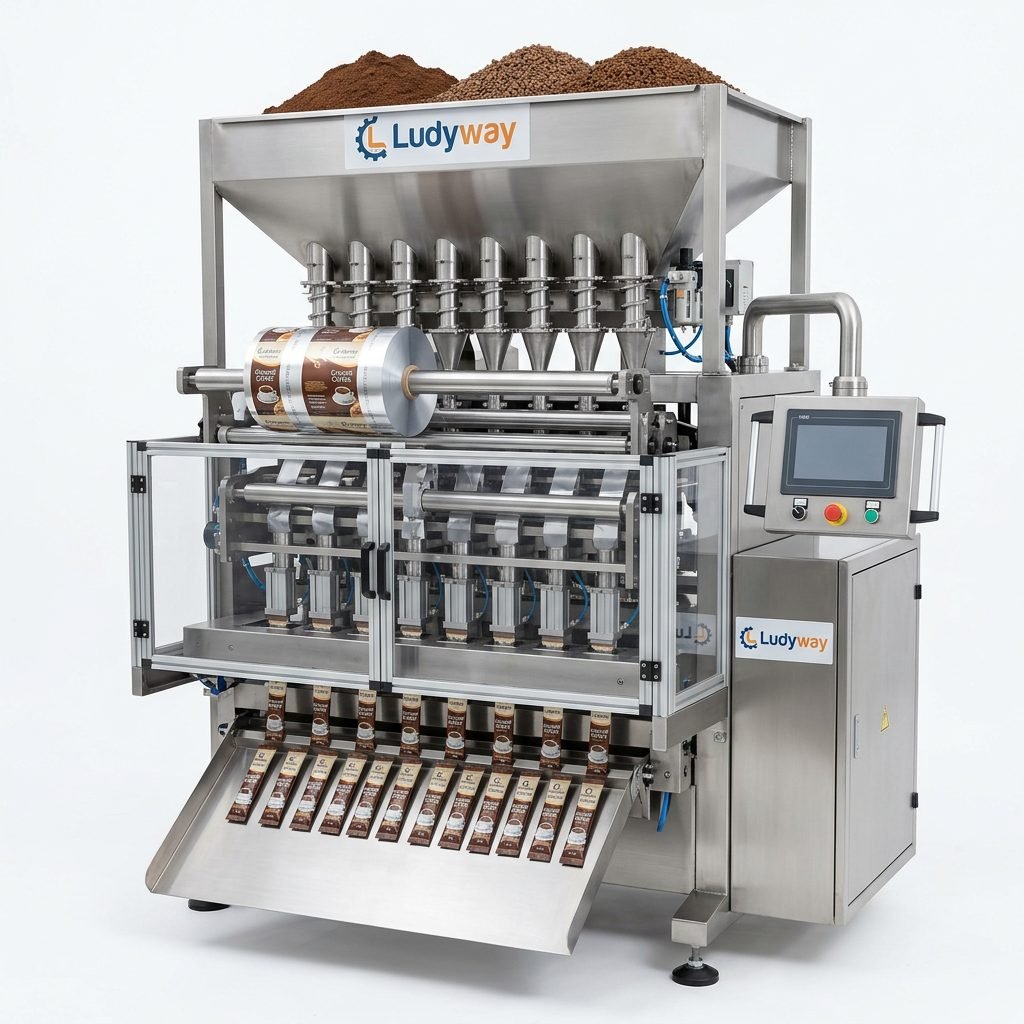
- Multi-lane stick pack and sachet machines – Suitable for medium-scale operations, capable of producing 120-300 pods per minute
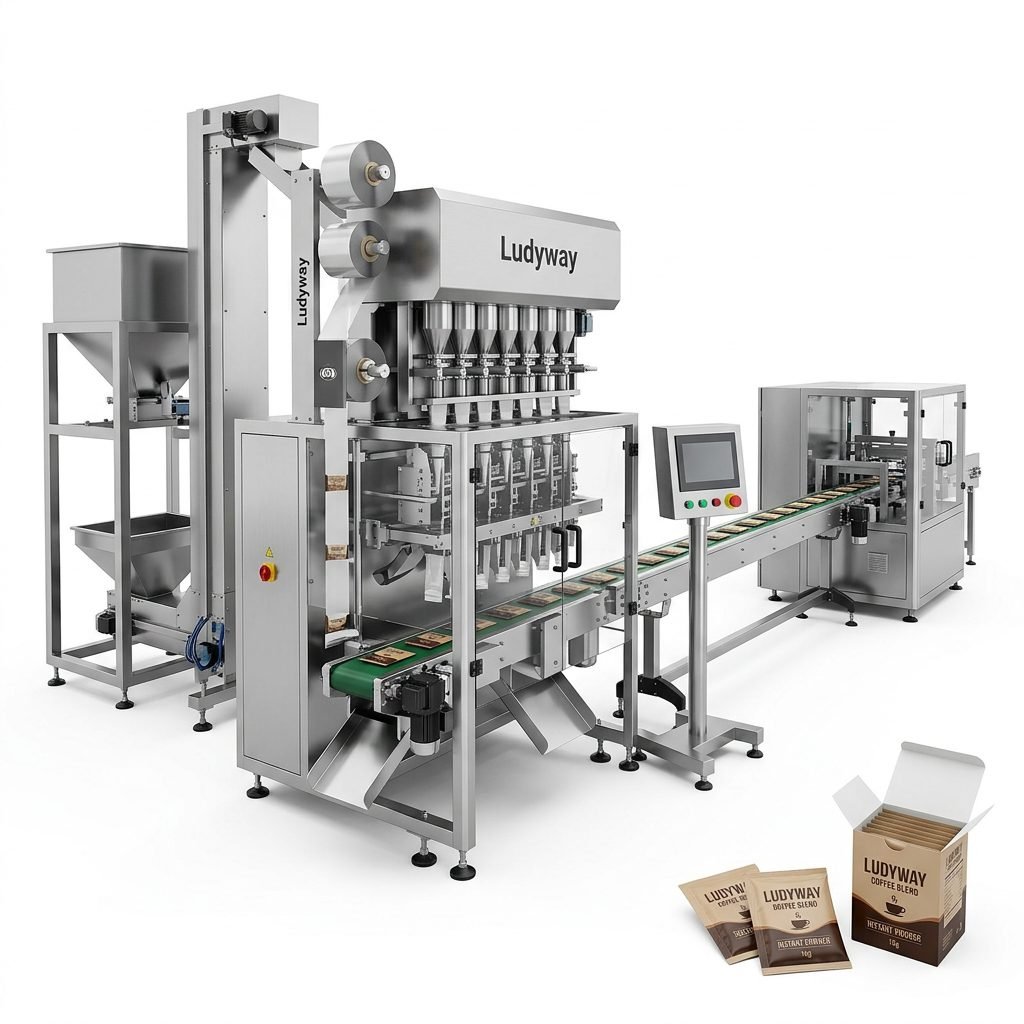
- Fully automated turnkey production lines – Designed for high-volume manufacturing, integrating filling, sealing, nitrogen flushing, and cartoning in one seamless system
- Rotary pod filling and sealing systems – Specialized for rigid capsule-style coffee pods with precise dosing capabilities
Key Steps to Set Up Your Coffee Pod Production Line
Step 1: Facility Planning and Layout Design
Your production facility must comply with food packaging and food contact substances regulations. Ensure adequate space for raw material storage, production, quality control, and finished goods warehousing. A well-designed layout minimizes cross-contamination risks and optimizes material flow. Consider allocating at least 1,500-3,000 square feet for a medium-scale operation.
Step 2: Equipment Procurement and Installation
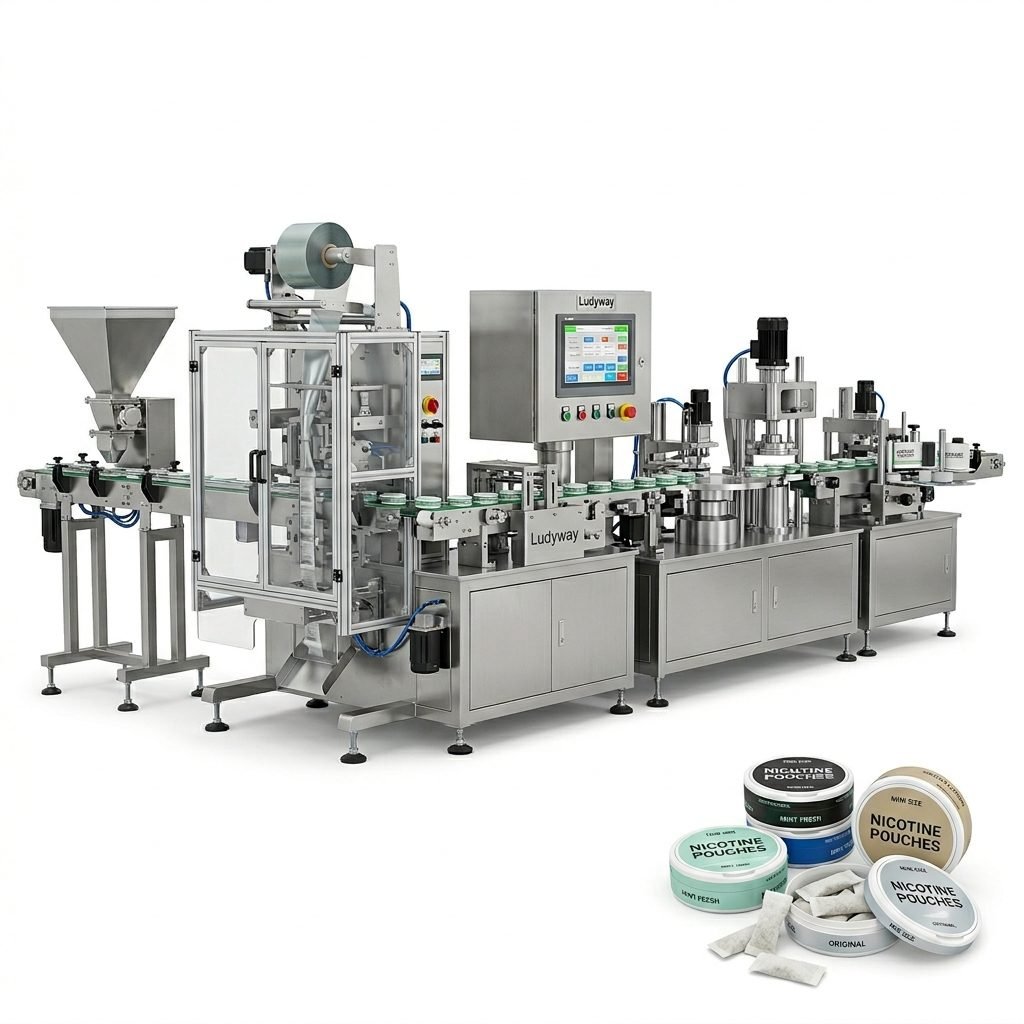
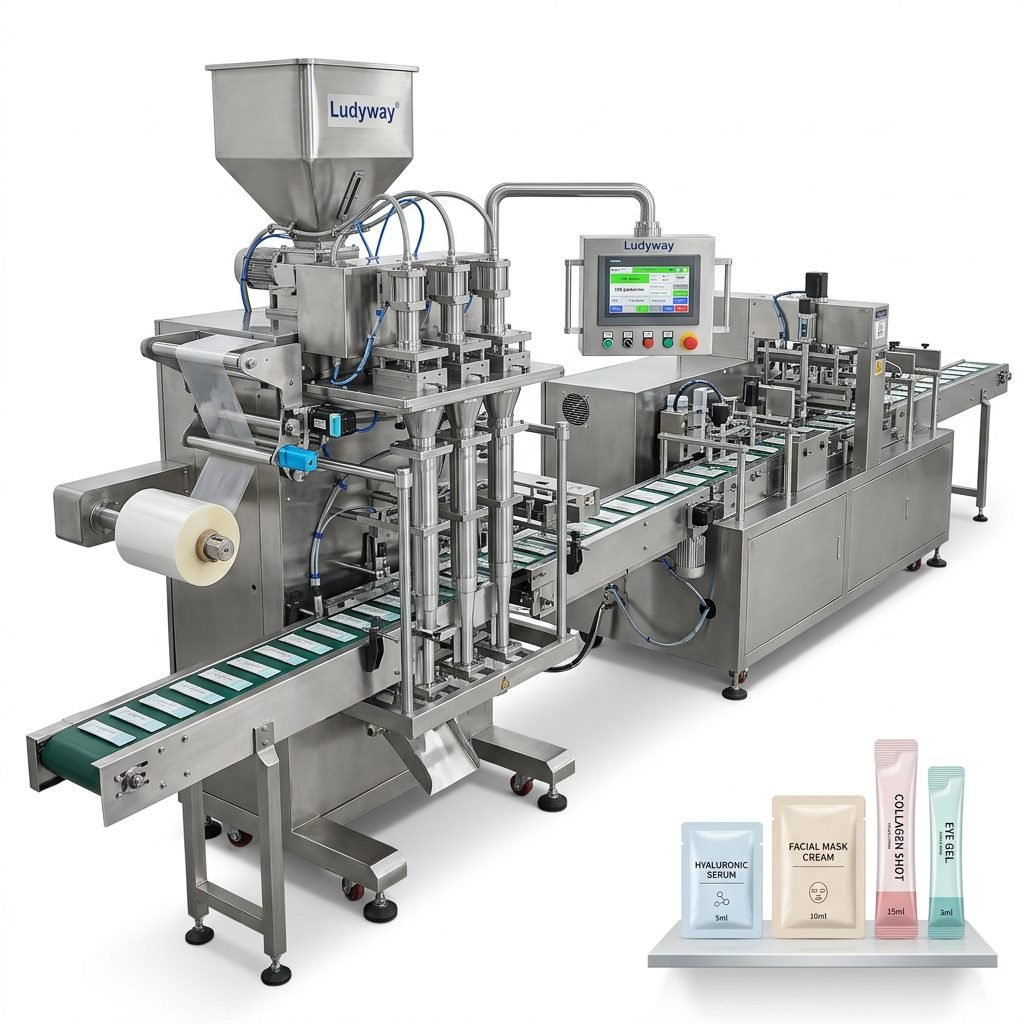
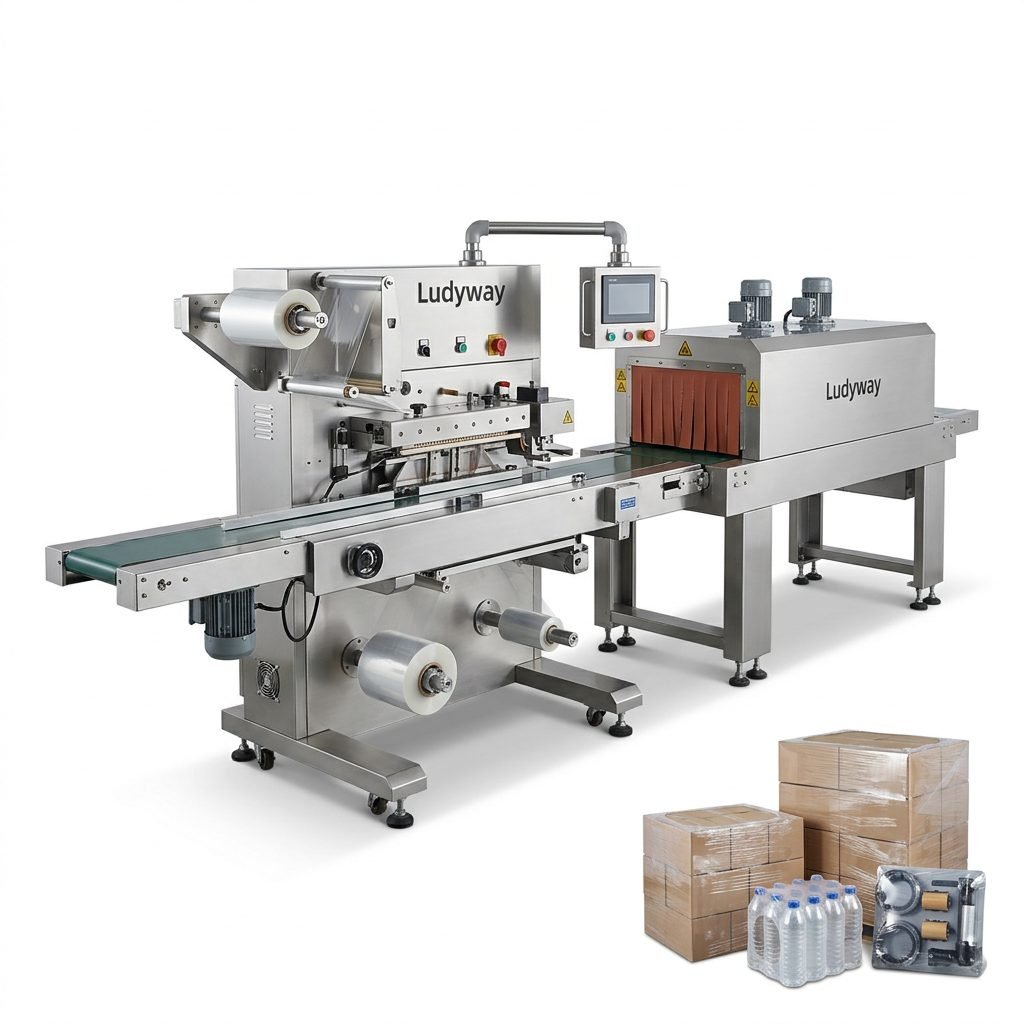
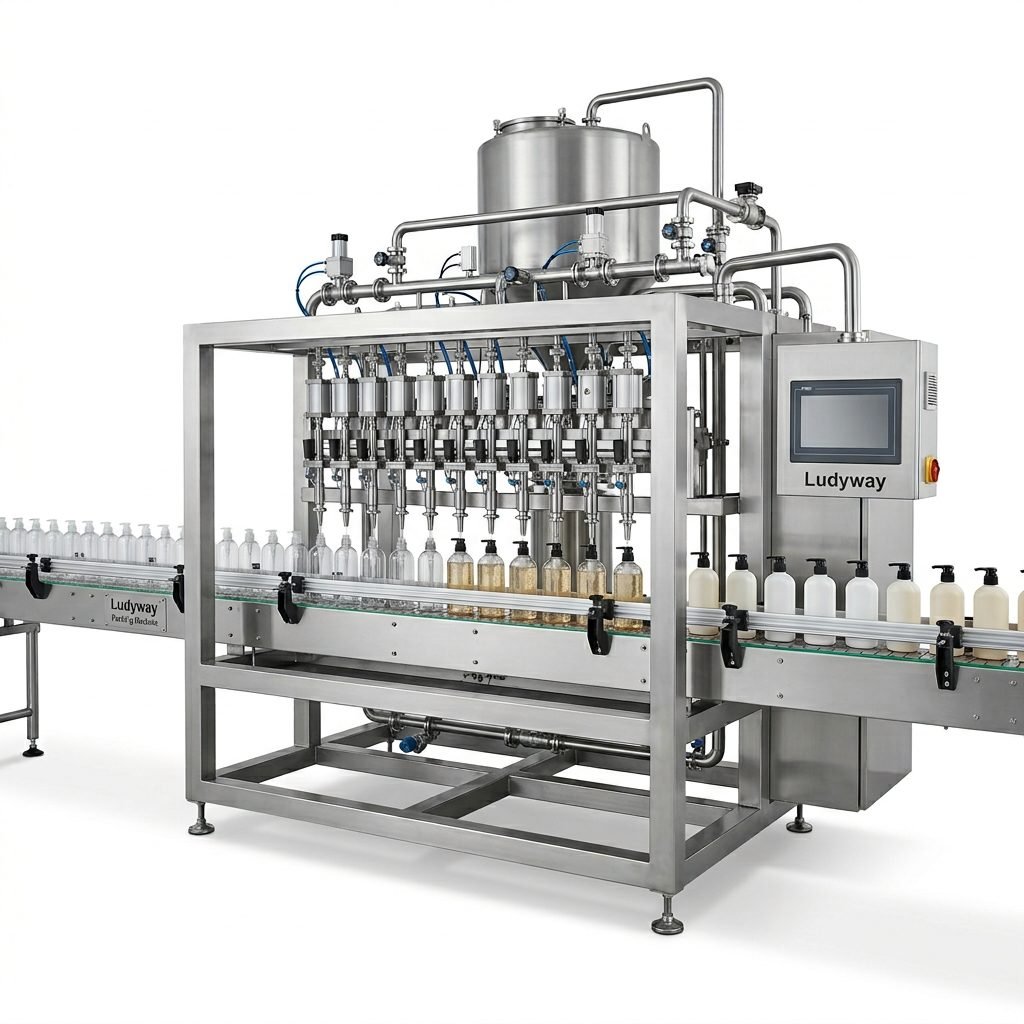
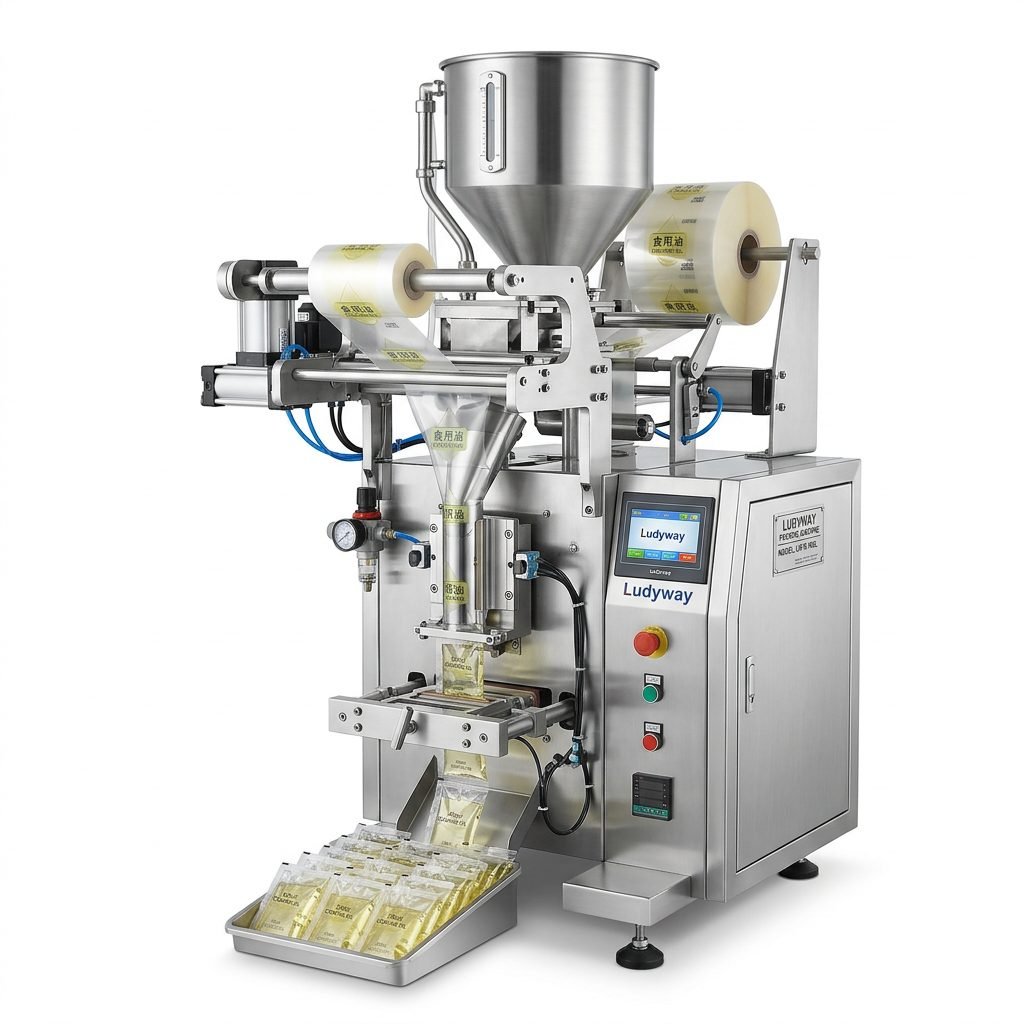
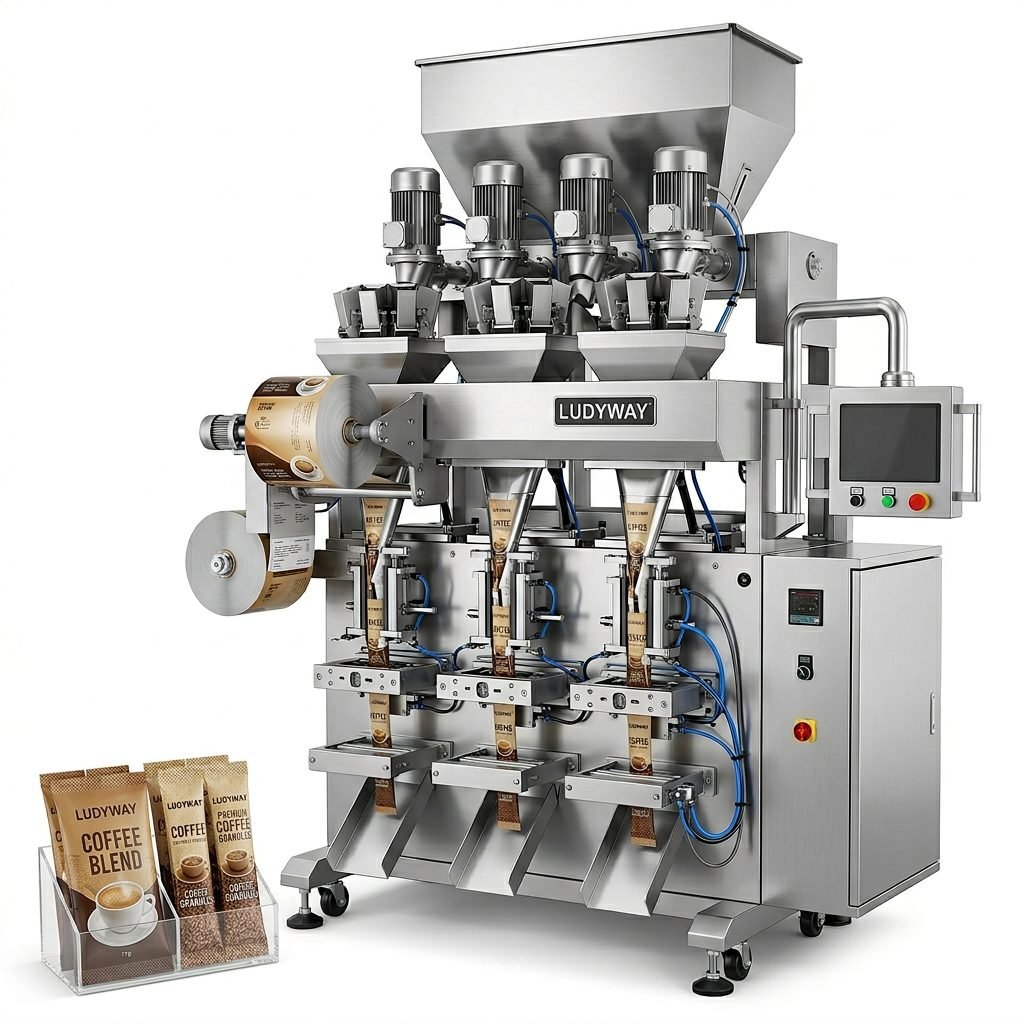
Source your coffee pod packaging machinery from reputable manufacturers with proven expertise in food-grade packaging systems. Look for features such as servo-driven filling mechanisms, nitrogen flushing capability, and precision temperature control. Leading suppliers like Ludyway offer comprehensive turnkey solutions that include multi-lane packaging machines, conveyors, and quality inspection systems tailored to coffee pod production.
Step 3: Raw Material Sourcing
Establish reliable supply chains for coffee grounds, pod materials (plastic, aluminum, or compostable), filter paper, and packaging films. Indian regulations require that all food contact materials meet safety standards aligned with ISO packaging standards. Partner with certified suppliers to ensure consistent quality and regulatory compliance.
Step 4: Quality Control Integration
Implement inline quality inspection systems including checkweighers, metal detectors, and seal integrity testers. These systems help maintain product consistency and prevent defective units from reaching consumers. Automated vision inspection can detect pod deformation, improper sealing, and labeling errors at high speeds.
Essential Equipment Configuration for Indian Operations
A complete coffee pod packaging production line typically includes the following components. The table below outlines the core equipment and their functions:
| Equipment | Primary Function | Key Specification |
|---|---|---|
| Multi-lane Pod Filling Machine | Precise coffee dosing and pod forming | 4-12 lanes, servo-driven |
| Nitrogen Flushing System | Oxygen displacement for freshness | Residual O₂ below 1% |
| Heat Sealing Unit | Hermetic lid application | Temperature ±1°C precision |
| Checkweigher | Weight verification per pod | Accuracy ±0.1g |
| Metal Detector | Contaminant detection | Ferrous/non-ferrous detection |
| Cartoning Machine | Secondary packaging automation | Up to 200 cartons/min |
Regulatory Compliance and Certifications in India
Navigating India’s regulatory landscape is essential for a successful coffee pod packaging operation. The Food Safety and Standards Authority of India (FSSAI) governs all food packaging activities. Key compliance requirements include:
- FSSAI licensing for food manufacturing and packaging operations
- Adherence to packaging material migration limits as per Indian standards
- Compliance with ISO 11607 packaging standards for product safety
- BIS certification for certain packaging materials and components
- Proper labeling with nutritional information, manufacturing date, and batch codes
- Environmental clearance for waste management, especially for plastic-based pods
Additionally, if you plan to export coffee pods, ensure your packaging line meets international standards. The European packaging and packaging waste regulations are particularly relevant for exporters targeting EU markets.
Cost Analysis and Return on Investment
Setting up a coffee pod packaging production line in India involves several cost components. Understanding these helps in accurate financial planning and ROI projection:
Initial Capital Investment Breakdown
- Packaging machinery – Multi-lane pod machines typically range from ₹40 lakhs to ₹2 crores depending on automation level and capacity
- Facility setup – Including cleanroom modifications, electrical infrastructure, and compressed air systems
- Auxiliary equipment – Compressors, conveyors, quality inspection systems, and coding machines
- Initial raw material inventory – Coffee, packaging films, filters, and labels for the first production cycle
- Training and installation – Technical support and operator training programs
Operational Best Practices for Indian Manufacturers
Workforce Training and Development
Invest in comprehensive operator training programs. Well-trained staff can significantly reduce downtime, minimize product waste, and extend equipment lifespan. Focus on machine operation, troubleshooting, changeover procedures, and hygiene protocols. Many equipment manufacturers offer on-site training as part of their installation packages.
Preventive Maintenance Scheduling
Establish a routine maintenance calendar covering daily cleaning, weekly inspections, monthly component checks, and annual overhauls. Key maintenance tasks include:
- Daily cleaning of coffee contact surfaces and sealing heads
- Weekly inspection of pneumatic systems and vacuum lines
- Monthly calibration of temperature controllers and dosing units
- Quarterly replacement of wear parts such as sealing gaskets and cutting blades
- Annual comprehensive service and software updates
Supply Chain Optimization
India’s diverse geography presents unique logistics challenges. Establish regional warehousing strategies to ensure timely delivery of raw materials and distribution of finished products. Build relationships with multiple suppliers for critical packaging materials to mitigate supply disruption risks.
Sustainability Considerations for Coffee Pod Packaging
Environmental concerns around single-serve coffee pods are growing globally, and India is no exception. Forward-thinking manufacturers are adopting compostable and biodegradable pod materials. The flexible packaging industry resources highlight a shift toward sustainable packaging solutions. Consider these approaches:
- Transition to plant-based bioplastic pods that decompose within 90 days in industrial composting facilities
- Implement recycling programs for aluminum capsules in partnership with waste management companies
- Use recyclable paperboard cartons for secondary packaging
- Optimize packaging film thickness to reduce material usage without compromising barrier properties
Common Challenges and How to Overcome Them
Setting up a coffee pod packaging line in India comes with specific challenges that require proactive solutions:
| Challenge | Impact | Recommended Solution |
|---|---|---|
| Power supply fluctuations | Machine downtime and inconsistent sealing | Install voltage stabilizers and UPS backup systems |
| High humidity environment | Coffee clumping and packaging material degradation | Implement climate-controlled production areas with dehumidifiers |
| Skilled labor shortage | Operational inefficiency and quality issues | Partner with technical training institutes and invest in automation |
| Regulatory complexity | Delays in product launch and compliance risks | Engage local regulatory consultants with food industry expertise |
Future Trends in India’s Coffee Pod Industry
The Indian coffee pod market is evolving rapidly. Smart packaging technologies, including QR codes for traceability and augmented reality consumer engagement, are gaining traction. The 2025 state of the packaging industry report indicates increased investment in automation and digital integration across emerging markets. Additionally, the rise of specialty Indian coffee brands is creating demand for premium pod formats that highlight single-origin beans from Coorg, Chikmagalur, and Wayanad regions.
Conclusion
Setting up a coffee pod packaging machine production line in India presents a compelling business opportunity backed by strong market fundamentals. Success depends on selecting the right equipment configuration, ensuring regulatory compliance, implementing robust quality control, and adopting sustainable practices. By following the structured approach outlined in this guide, manufacturers can establish efficient, scalable, and profitable coffee pod operations that meet both domestic demand and international export standards. With India’s coffee culture continuing to evolve and consumer preferences shifting toward convenience, the time to invest in coffee pod packaging infrastructure has never been better.