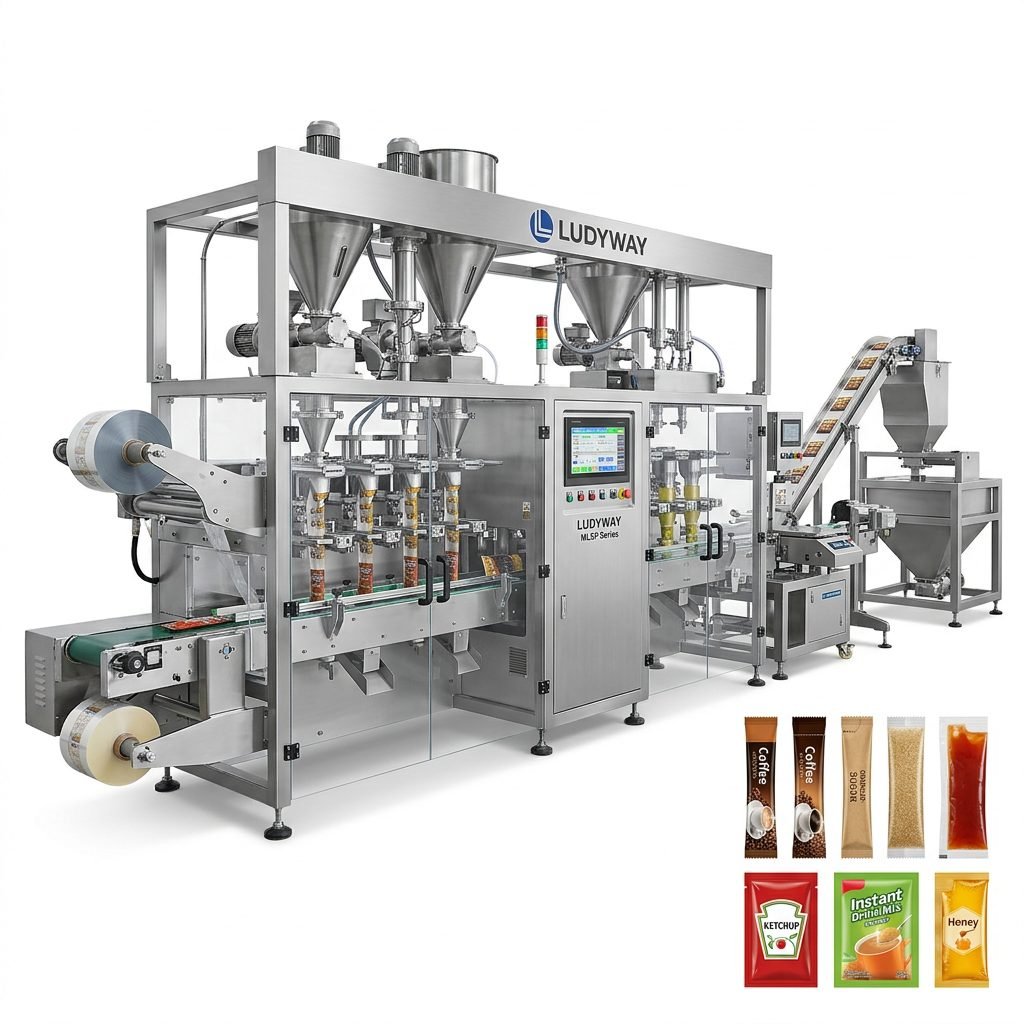
Selecting the right ice lolly packing machine is a critical decision that directly impacts your production efficiency, product shelf life, and overall brand reputation. Whether you are manufacturing water-based popsicles, creamy ice bars, or fruit-juice frozen sticks, the packaging process must preserve freshness, withstand low temperatures, and handle high-speed demands without compromising seal integrity. This guide walks you through the essential factors to evaluate, helping you make an informed investment that aligns with your production goals.
Understanding Ice Lolly Packaging Requirements
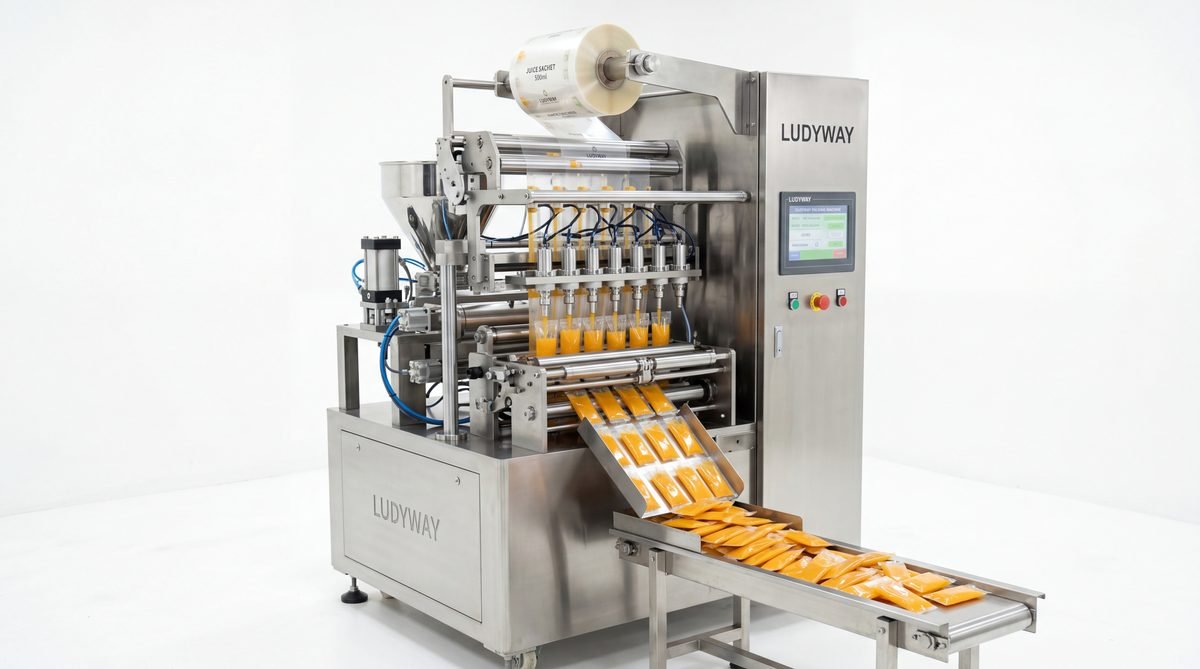
Ice lollies come in various shapes, sizes, and consistencies, each demanding specific packaging approaches. A single wrapper or flow wrap machine might be perfect for a flat, stick-based pop, while a sachet or stick-pack system could better serve freezable liquid concentrates or small frozen novelties. Before comparing machine specifications, you must clearly define your product characteristics.
Production Volume and Speed
How many units per hour do you need to package? High-capacity lines can exceed 10,000 packs per minute, but medium-speed machines may offer the flexibility needed for seasonal variations. Match the machine’s rated output to both your current demand and expected growth. Look for modular designs that allow multi-lane configurations without requiring a full line replacement.
Packaging Material Compatibility
Ice lolly packaging typically uses moisture-resistant films, metallized laminates, or poly-coated papers. The machine must handle these materials without causing wrinkles, tears, or poor seals. Verify that the film tension control, heat-sealing jaws, and cut-off systems are optimized for cold-seal or heat-seal films commonly used in frozen treats. Consult resources from the Flexible Packaging Association to understand the latest material innovations.
Product Shape and Temperature Sensitivity
Unlike dry snacks, ice lollies are temperature-sensitive and often irregularly shaped. The infeed system must handle sticks, tubs, or molded shapes without breaking or deforming the product. For products that start to melt quickly, a fast transfer into the sealing zone is essential. Evaluate whether the equipment supports chilled environment operation and can integrate with existing freezer tunnels.
- Stick-fed vs. manual loading: Automated stick alignment improves speed and reduces labor.
- Product tolerance: The machine should compensate for minor variations in pop thickness.
- Quick changeover: Look for tool-less adjustments if you run multiple flavors or shapes.
| Machine Type | Best For | Advantages | Typical Speed Range |
|---|---|---|---|
| Horizontal Flow Wrapper | Flat stick pops, enrobed bars | High seal integrity, pillow-pack style | 200-800 packs/min |
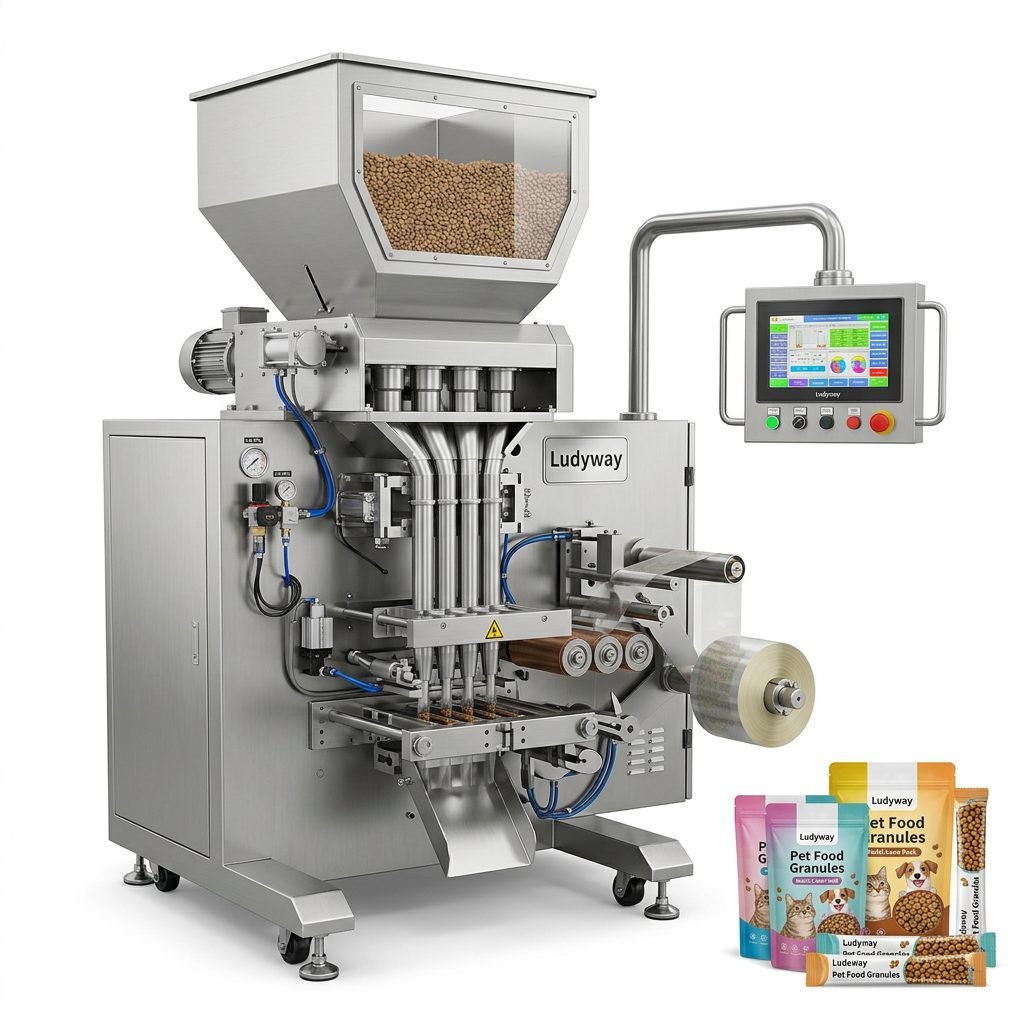
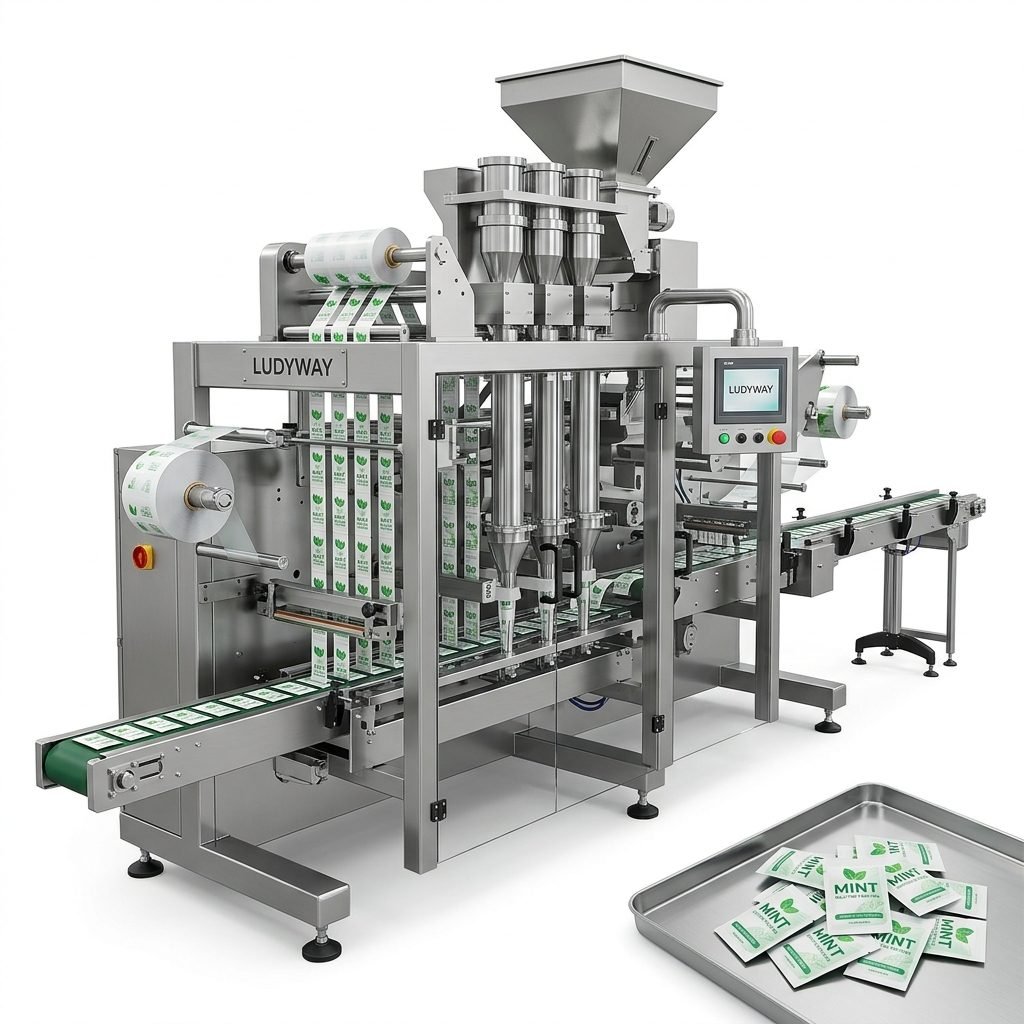
| Multi-Lane Sachet/Stick Pack | Small freezable liquids, flavor shots | Compact package, easy to tear open | 400-1,200 packs/min |
| Vertical Form Fill Seal (VFFS) | Irregular shaped pops, multipacks | Versatile bag styles, gentle handling | 100-300 packs/min |
Key Features to Evaluate in an Ice Lolly Packing Machine
Hygiene and Sanitary Design
Frozen confectionery packaging must meet strict food safety standards. The machine’s frame, conveyor, and sealing areas should be built with stainless steel and food-grade materials. Easy-to-clean surfaces, minimal crevices, and compliance with FDA food packaging regulations are non-negotiable. Inquire about IP65-rated electrical enclosures for washdown environments.
Automation Level and Line Integration
Modern ice lolly lines rarely operate in isolation. Look for machines that can synchronize with upstream freezers, product aligners, and downstream cartoners or case packers. Integrated multi-lane feeding systems and automatic reject stations improve efficiency and reduce human error. Compatibility with central control systems and Industry 4.0 protocols is increasingly important for real-time monitoring.
Dosing Accuracy for Liquids and Semi-Solids
If your product involves filling liquid ice lolly mixtures into pre-formed sachets or tubes before freezing, accurate volumetric dosing is critical. Piston fillers, peristaltic pumps, or magnetic flow meters ensure each portion meets weight regulations while preventing overfilling. Calibration procedures should be straightforward and repeatable.
Choosing a Reliable Packaging Machinery Partner
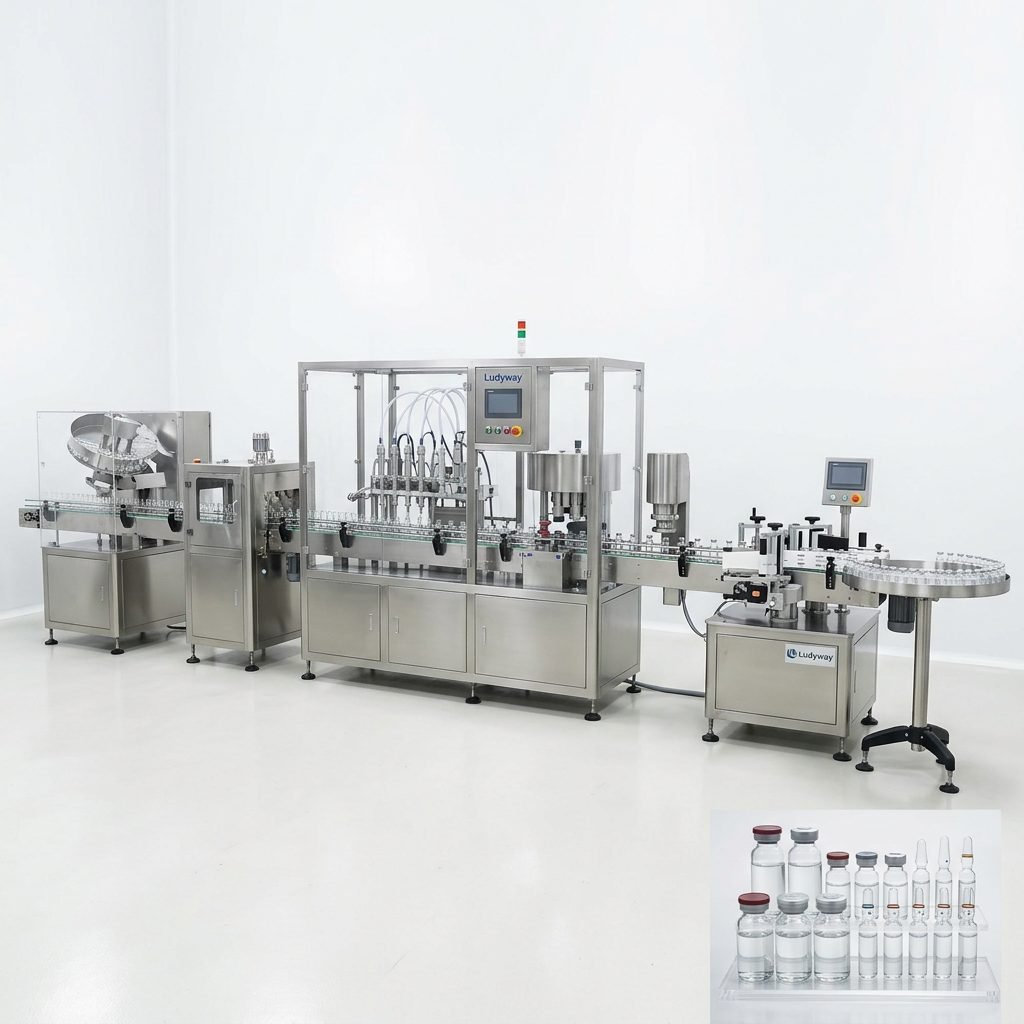
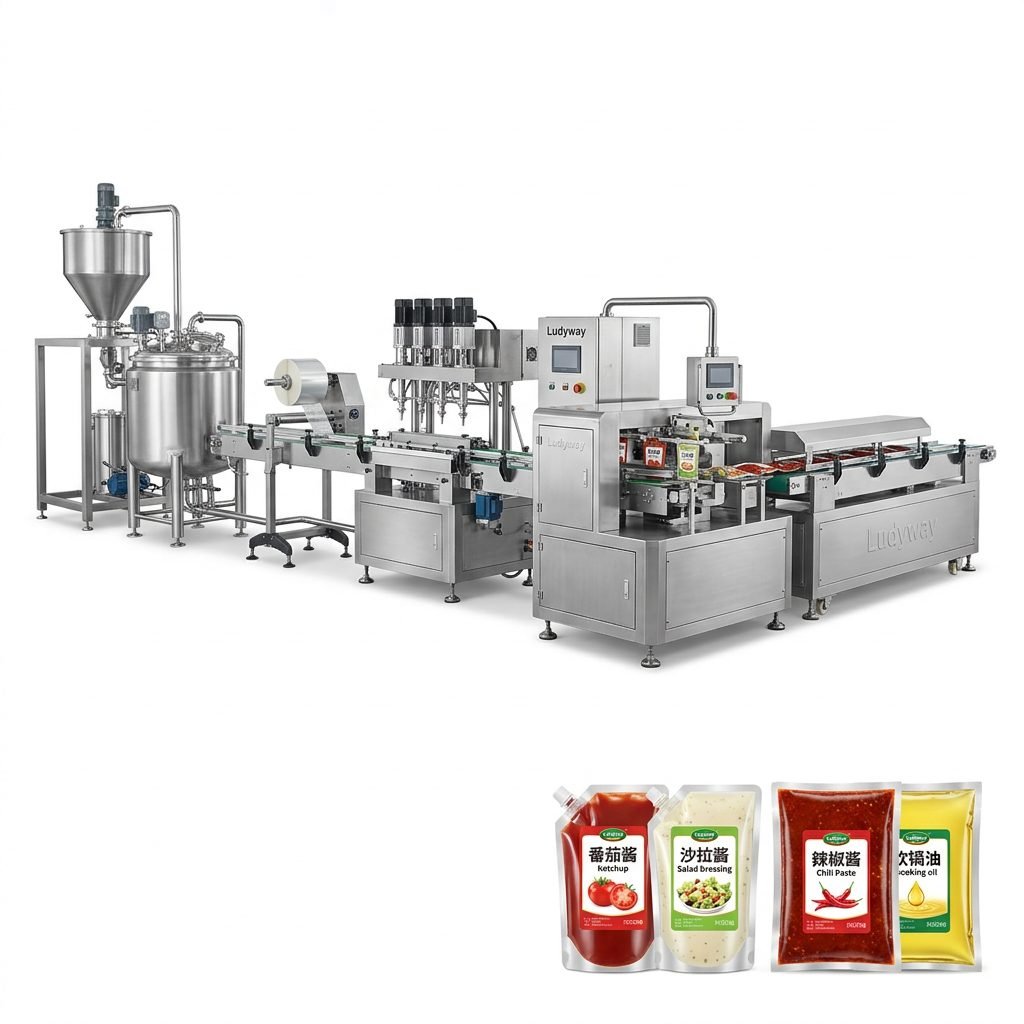
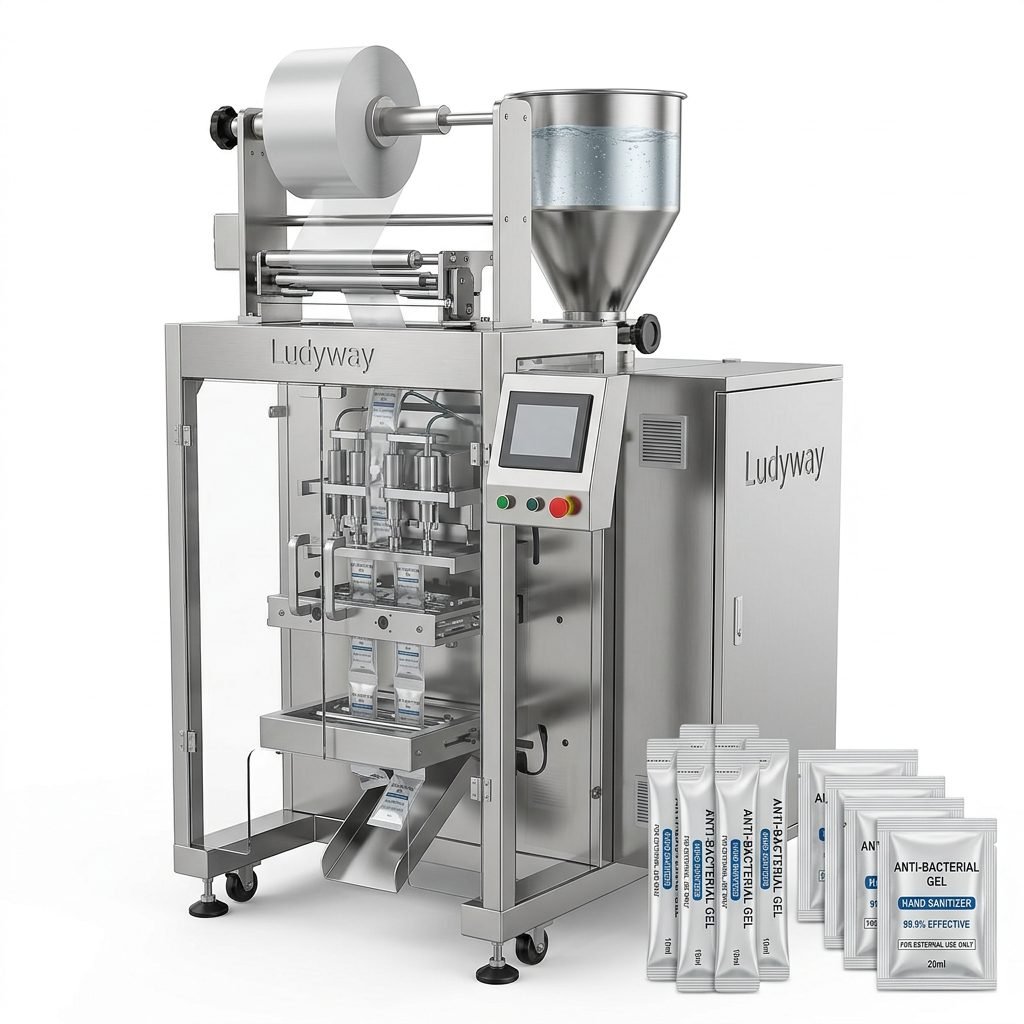
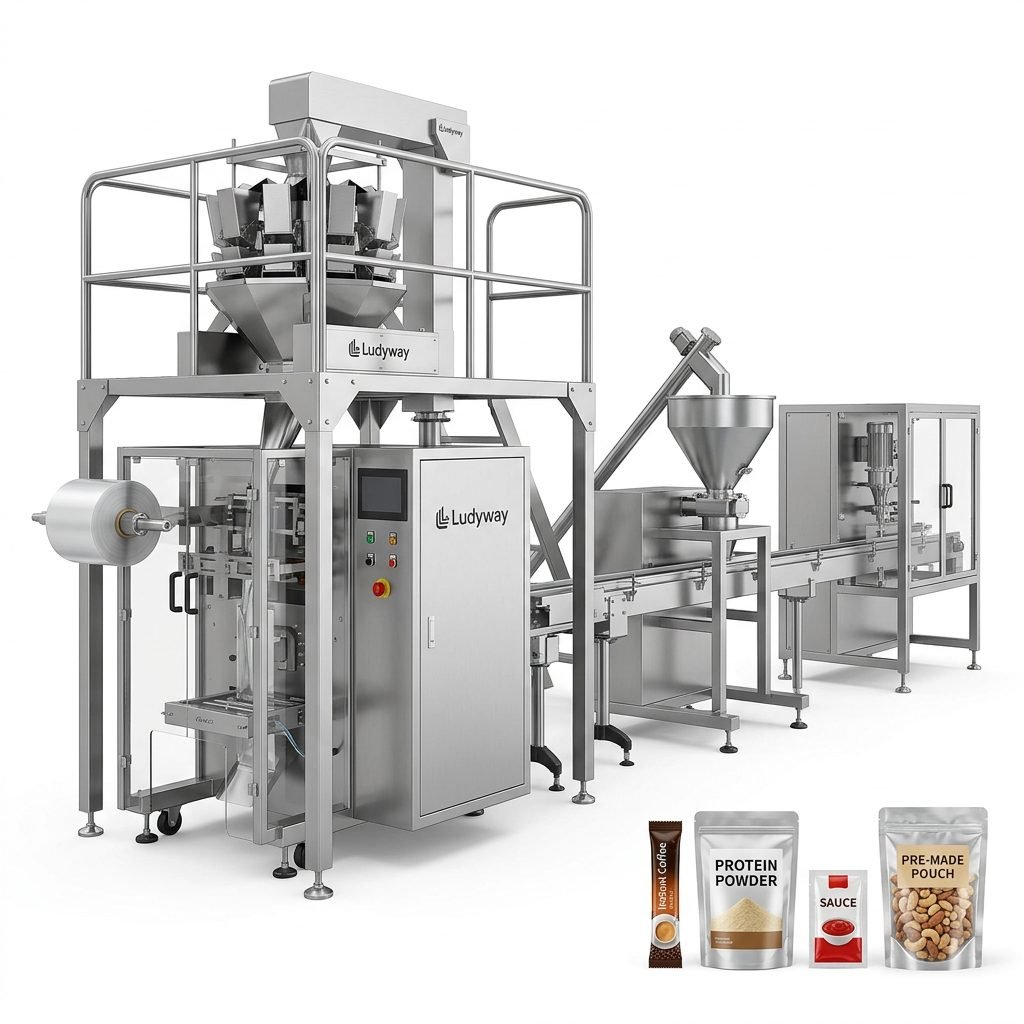
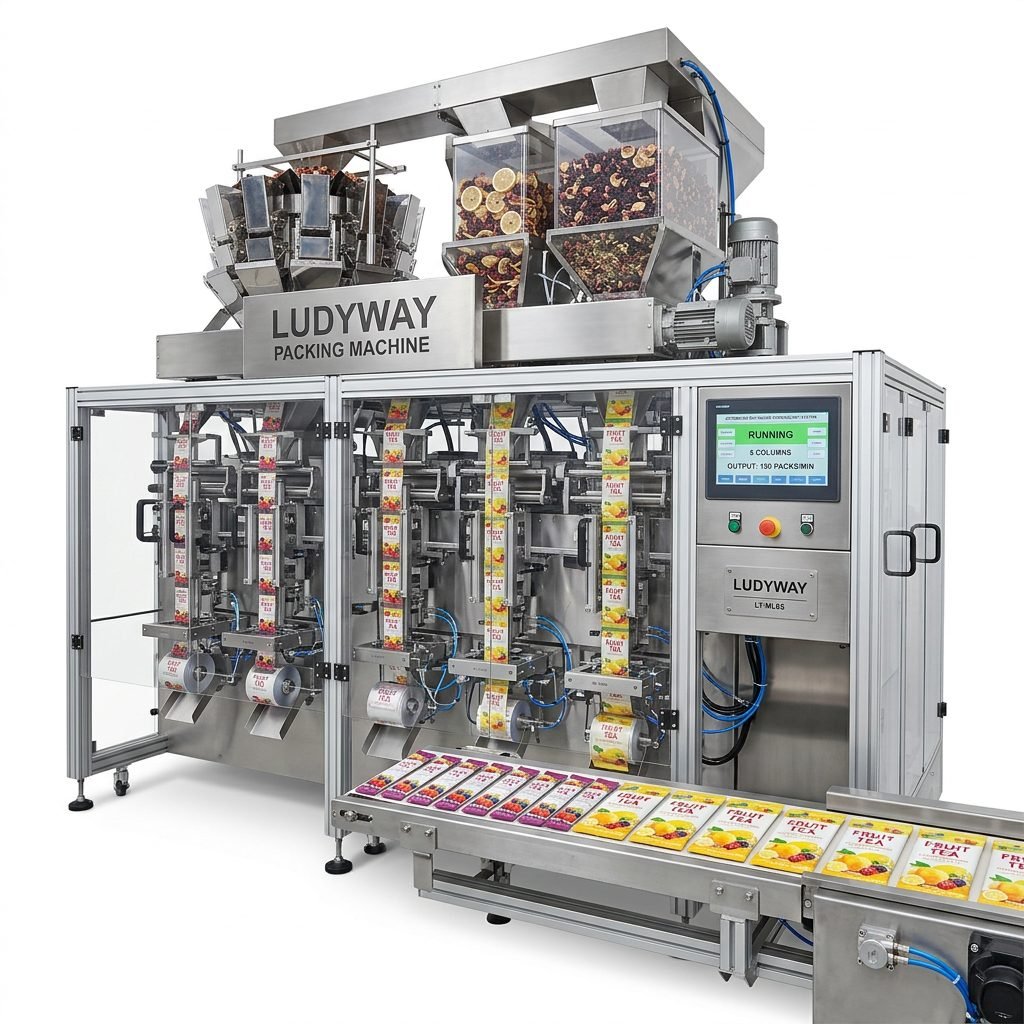
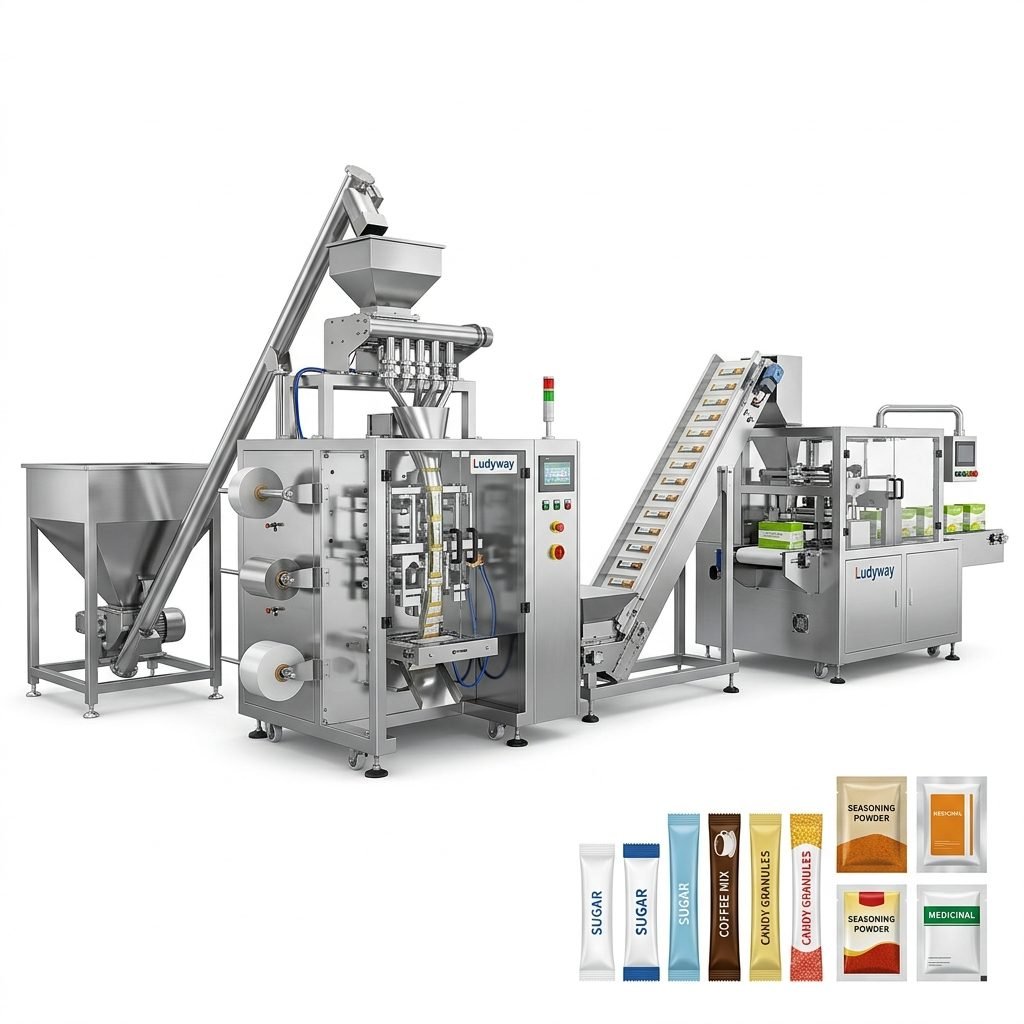
Beyond the machine specifications, the manufacturer’s engineering capability and after-sales support define long-term success. For manufacturers looking for integrated packaging solutions, Ludyway Machinery offers turnkey systems that can handle everything from filling to sealing, backed by decades of experience in flexible packaging. Whether you need a single flow wrapper or a complete automated line with multi-lane capability, working with a partner that provides installation, operator training, and spare parts support minimizes downtime.
After-Sales Support, Spare Parts, and Global Standards
Packaging machinery is a long-term investment. Evaluate the availability of critical spare parts, the responsiveness of technical support, and the machine’s ability to meet international standards. A machine that can be configured to comply with ISO packaging standards and local electrical codes will facilitate smoother market access. According to the PMMI 2026 State of the Industry report, food packaging automation continues to accelerate, with an emphasis on hygienic design and remote serviceability.
Selecting the ideal ice lolly packaging machine is about balancing speed, reliability, and flexibility. Thoroughly testing your product on a candidate machine, reviewing factory acceptance criteria, and planning for future expansion will protect your investment and keep frozen treats moving from production to consumer hands flawlessly.