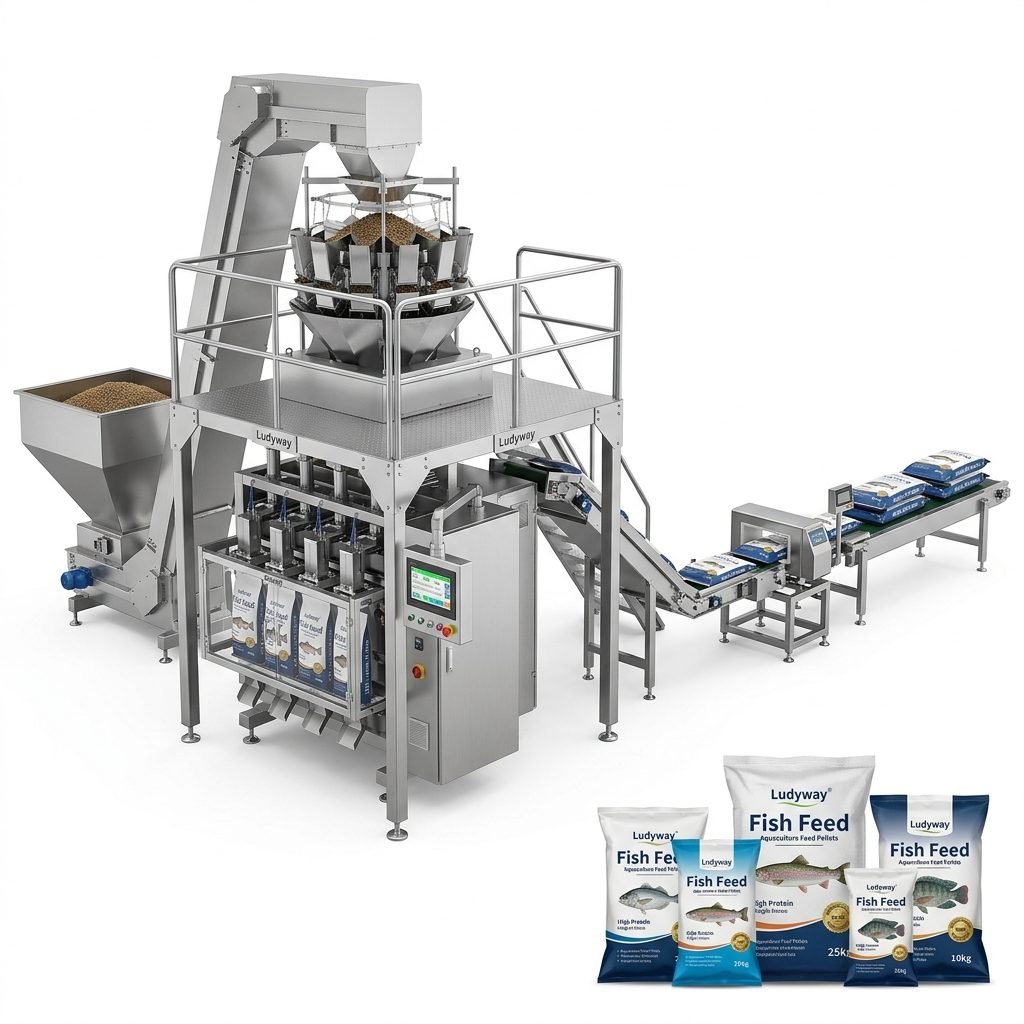
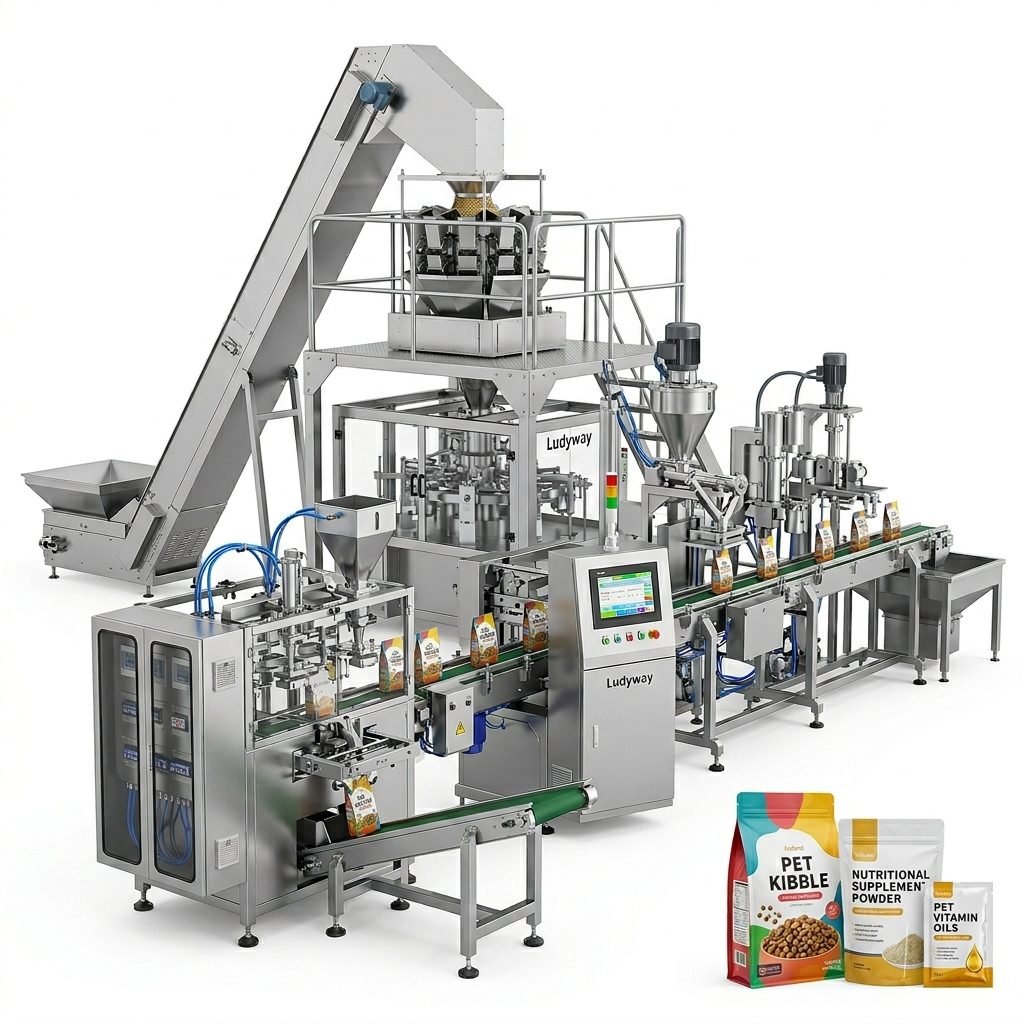
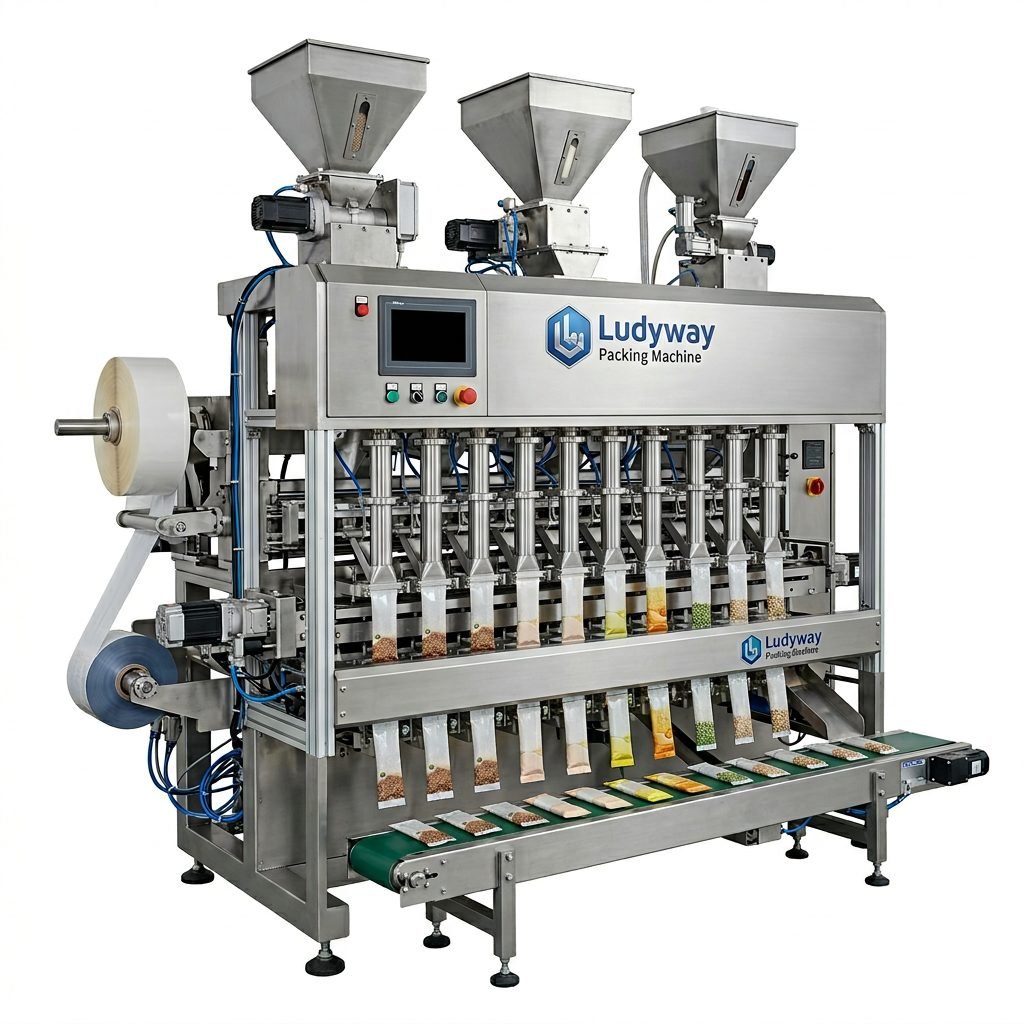
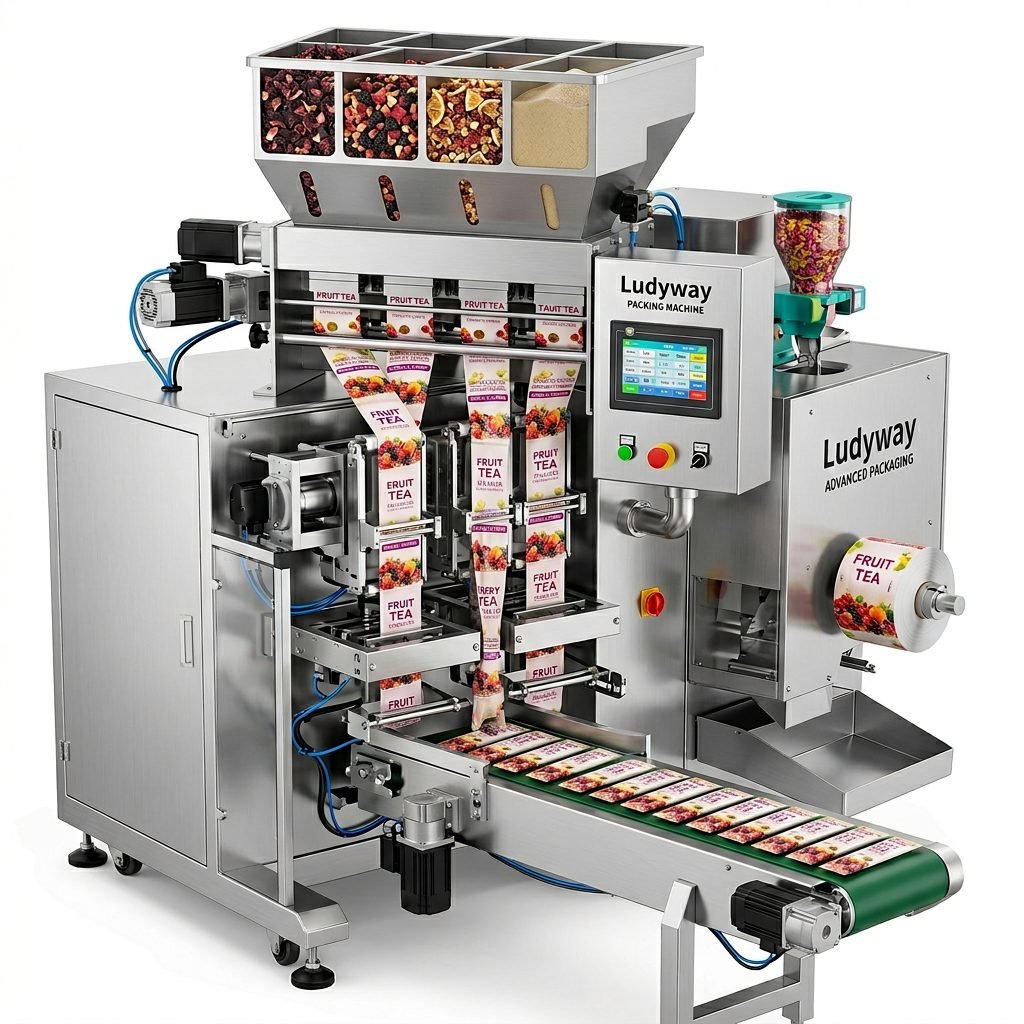
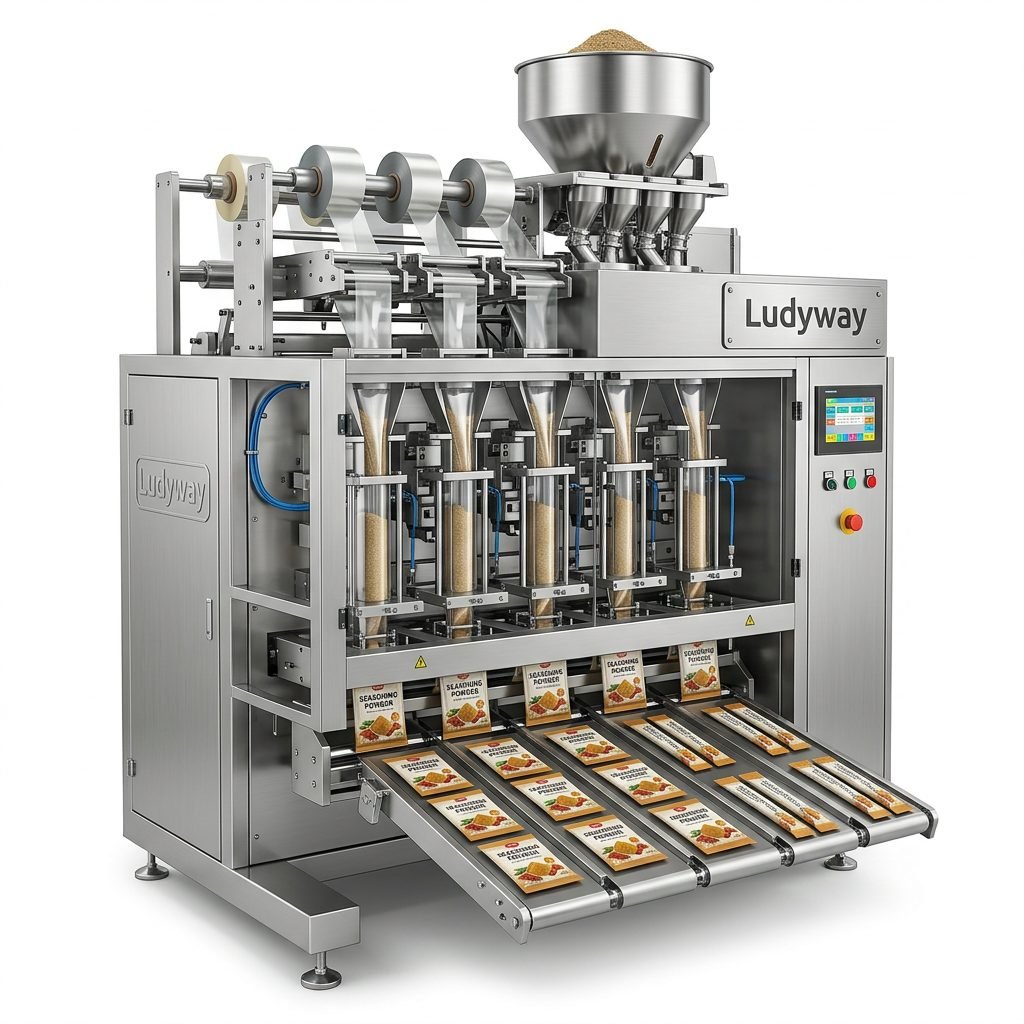
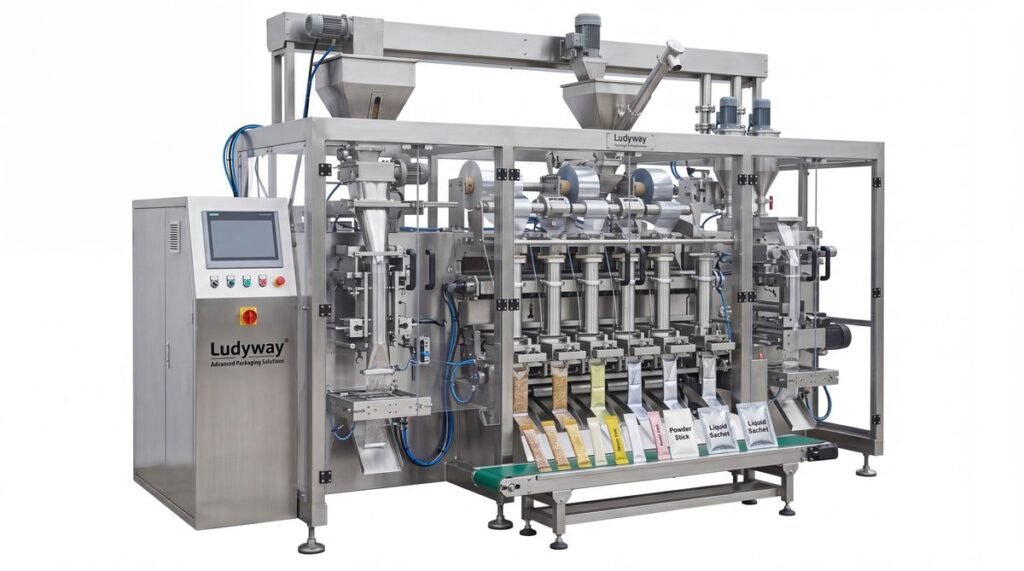
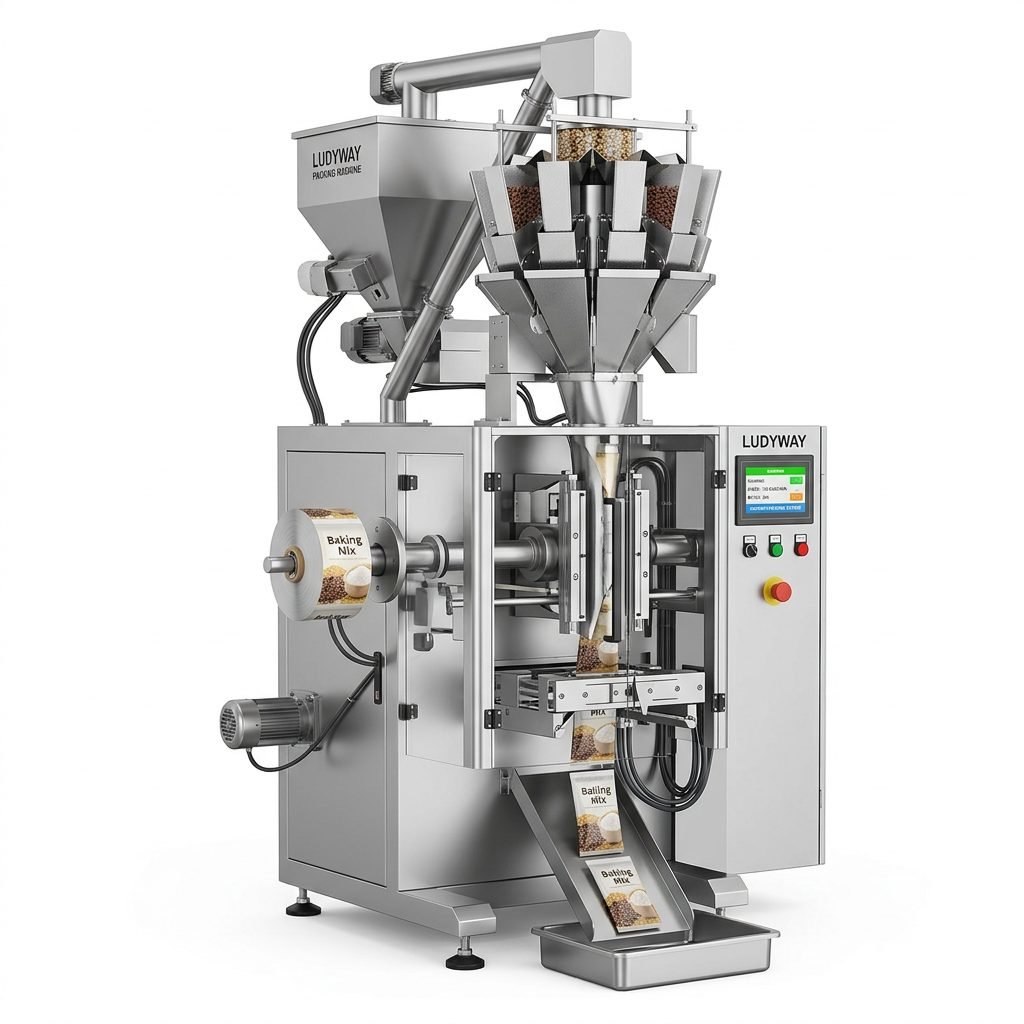
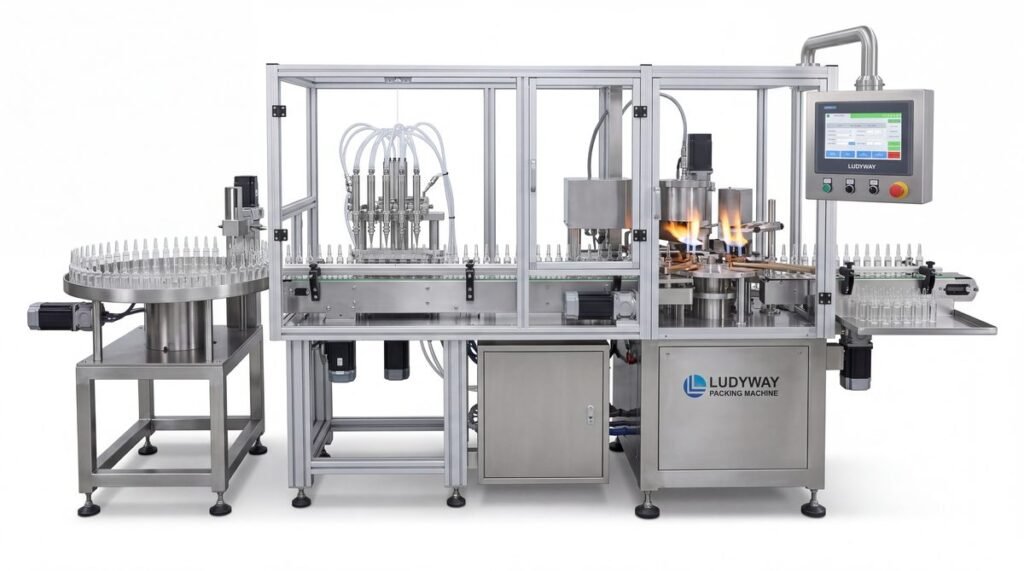
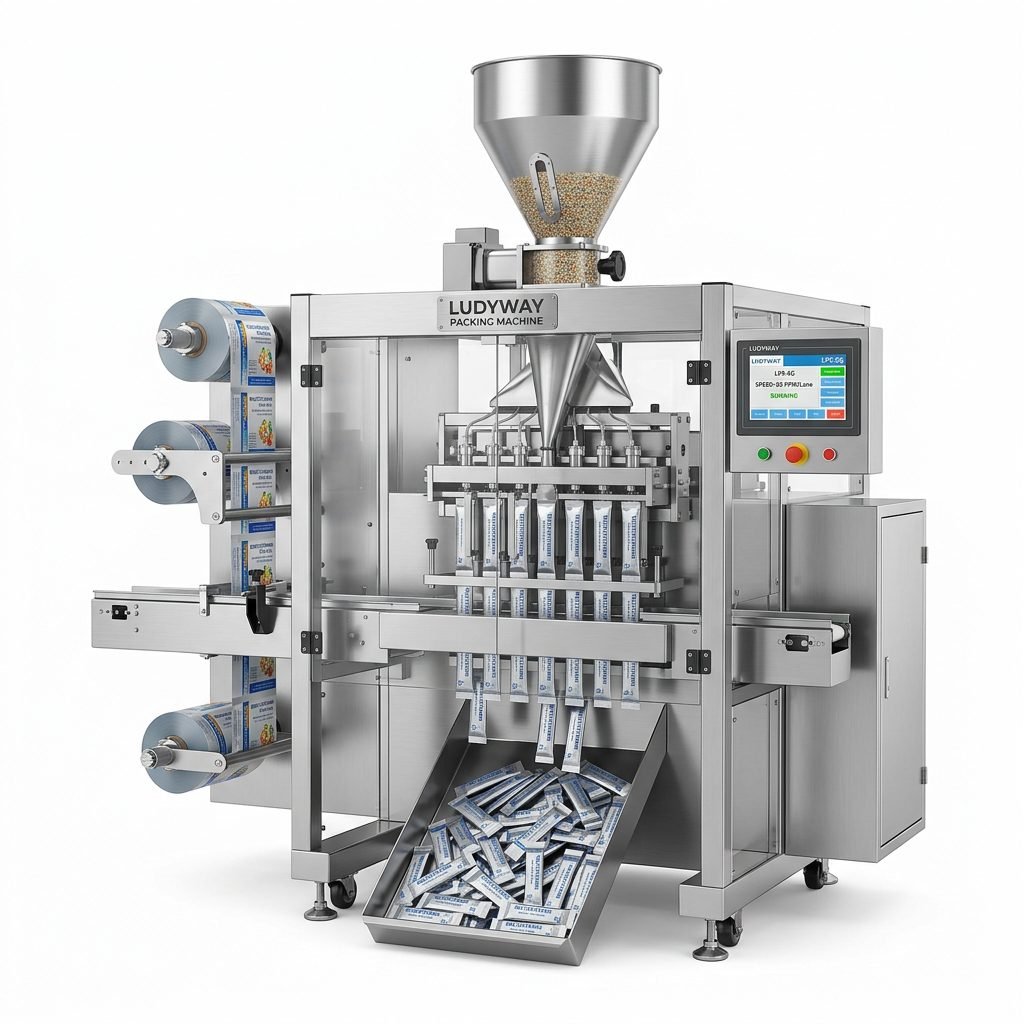
Investing in a thermoforming vacuum packaging machine is a critical decision for food processors, medical device manufacturers, and industrial suppliers. Unlike basic chamber sealers, thermoforming systems create custom-formed cavities in flexible or rigid films, drawing a deep vacuum before sealing. This extends shelf life dramatically, reduces product waste, and improves brand presentation. However, choosing the right configuration requires a deep dive into your product specifications, production goals, and material compatibility.

Understanding Thermoforming Packaging Technology
Thermoforming packaging utilizes a bottom film and a top film. The bottom web is heated and molded into blister trays or cavities. After loading the product, the chamber is evacuated and flushed with gas if modified atmosphere packaging (MAP) is required. Finally, the top lidding film is hermetically sealed to the tray. This process is superior for high-volume production and delicate products that require a precise, wrinkle-free presentation.
Key Factors to Evaluate Before Buying
Selecting the right machine goes beyond just the price tag. You need to analyze your operational environment and physical product characteristics. Here are the essential parameters to guide your purchasing decision.
1. Product Dimensions and Depth of Draw
The most technical limitation of any thermoformer is the depth of draw. If your product is thick—such as a block of cheese, a medical implant kit, or a whole chicken—you require a machine with a deep-draw capability. Standard configurations might handle 40–60mm, while deep-draw machines can exceed 100mm. Always provide your maximum product height to the equipment manufacturer to ensure the plug assist and forming station are correctly calibrated.
2. Packaging Material Compatibility
Flexible and rigid films behave differently under heat and pressure. You must confirm if the machine handles the specific flexible packaging materials you intend to use.
- Flexible films: Ideal for flow-wrapped sausages or vacuum pouches.
- Rigid films: Necessary for stackable trays, medical devices, or ready meals.
- High-barrier laminates: Essential for MAP applications requiring specific oxygen and moisture transfer rates.
Comparing Machine Types and Configurations
Thermoforming machines are not a one-size-fits-all solution. The table below outlines the primary configurations to match your production scale.
| Machine Feature | Semi-Automatic | Fully Automatic Inline | Rotary Thermoformer |
|---|---|---|---|
| Loading Style | Manual or Assisted | Automated Belt/Conveyor | Robotic or Automated Carousel |
| Production Speed | Low (1-4 cycles/min) | Medium-High (5-12 cycles/min) | Very High (10+ cycles/min) |
| Best Application | Startups, bulk fresh products | Meat/Cheese slicing lines, MAP | Pharma, medical, high-output food |
| Cost Efficiency | Lower upfront investment | Best ROI for mid-volume | High throughput optimization |
Vacuum Pump and Sealing Integrity
The vacuum pump is the heart of the machine. Oil-lubricated rotary vane pumps are common, but dry pumps are available for dust-sensitive or cleanroom applications. Look for machines offering dual-stage vacuum for rapid cycling. Furthermore, the packaging standards require robust seal integrity. Opt for machines with PID-controlled seal bars to ensure uniform temperature across the entire grid, preventing micro-leaks that compromise shelf life.
Hygiene and Clean-in-Place (CIP) Design
For food contact compliance, the frame design matters. Sloped surfaces, minimal fasteners, and IP65 (or higher) electrical ratings are standard for wash-down environments. If you operate a 24/7 dairy or protein plant, demand a machine with automated belt wash systems and tool-free release mechanisms to reduce cleaning downtime between product changeovers.
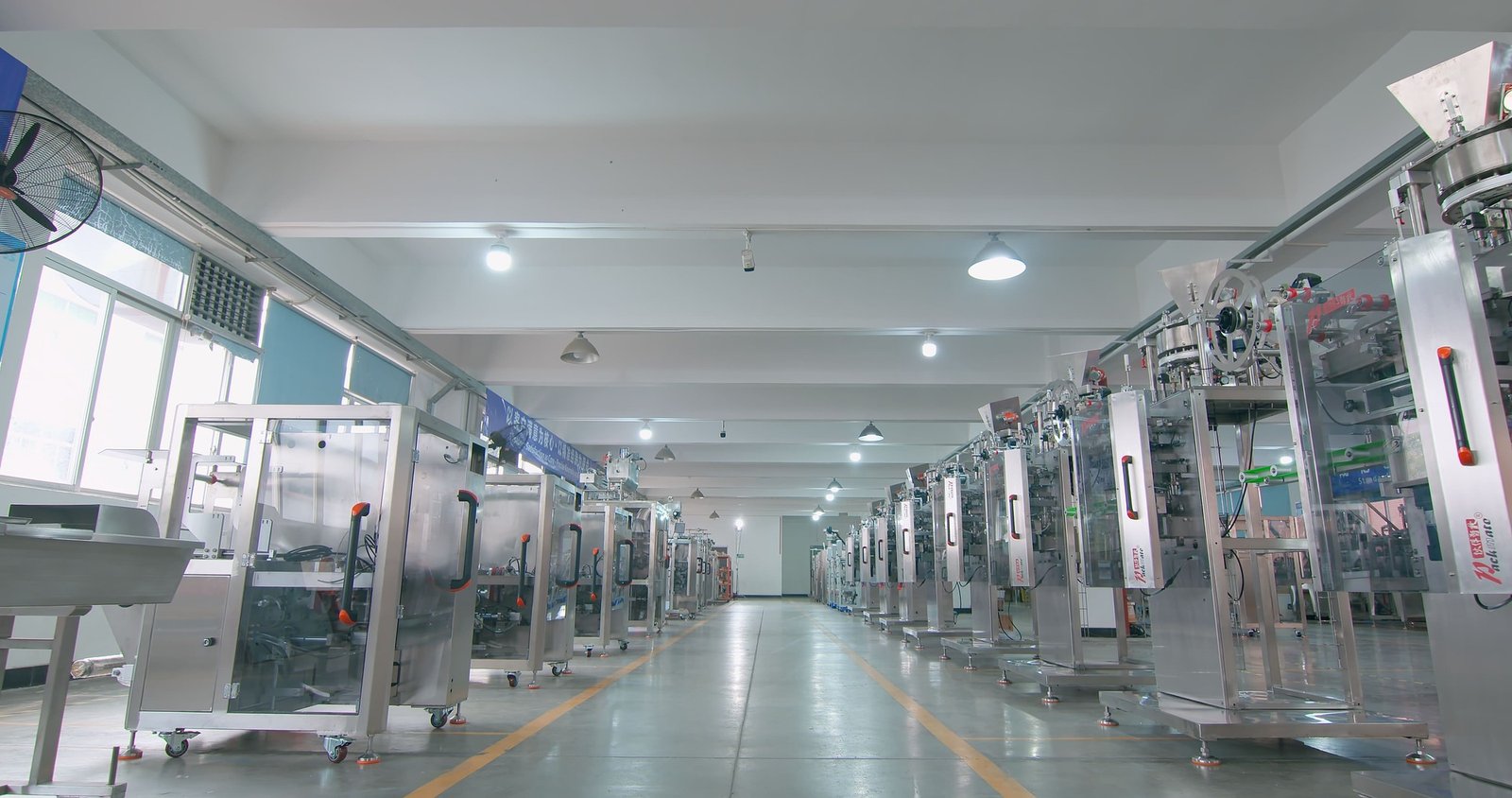
Automation and Line Integration
Islands of automation create bottlenecks. The right thermoforming machine should integrate seamlessly with upstream and downstream equipment:
- Loading systems: Multi-belt lanes, robotic pick-and-place, or weigh scales.
- Detection systems: Metal detectors and X-ray inspection for foreign body rejection.
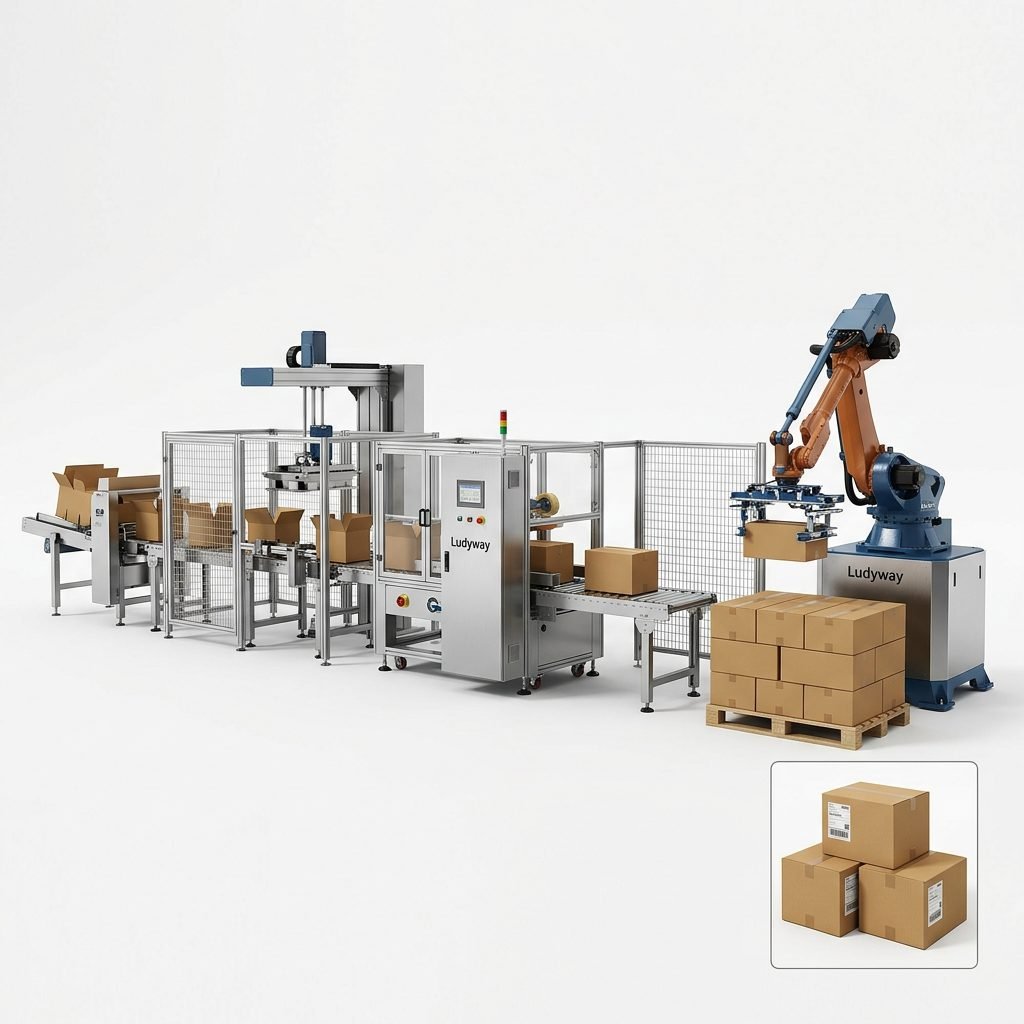
- End-of-line: Automatic cartoning, case packing, and palletizing systems.
Modified Atmosphere Packaging (MAP) Capabilities
If you produce fresh pasta, sliced meats, or baked goods, you need gas flushing. The machine must accurately mix gases (N2, CO2, O2) and perform a vacuum-gas-vacuum-gas cycle to achieve a residual oxygen level below 0.5%. Verify the heat-seal is strong enough to lock in the protective atmosphere for the target shelf life.
Evaluating Long-Term ROI and Support
Beyond the physical machine, evaluate the vendor’s engineering depth. A true partner offers turnkey solutions including factory acceptance testing (FAT), installation, and on-site training. For example, Ludyway Machinery, a China-based packaging machinery manufacturer with over 30 years of experience, combines in-house engineering with a 20,000-square-meter facility to deliver customized thermoforming and vacuum systems that help manufacturers improve packaging efficiency and operational consistency. Their global technical support spans over 100 countries, ensuring lifecycle service for complex packaging lines.
Tooling Flexibility and Changeover Speed
Modern demands require agility. Quick-change tooling systems allow you to swap forming dies and sealing boards in under 15 minutes. This minimizes downtime when transitioning between product SKUs. Ensure the machine stores recipes digitally to recall precise temperatures, vacuum times, and gas flush ratios instantly.
Making the Final Decision
Selecting a thermoforming vacuum packaging machine requires balancing immediate production needs with long-term scalability. Start by defining your required output per minute, the deepest product profile, and the film structure. Then, prioritize hygienic design and automation connectivity. By aligning with established packaging industry partners who offer robust engineering support, you secure a production asset that drives quality and growth for years to come.