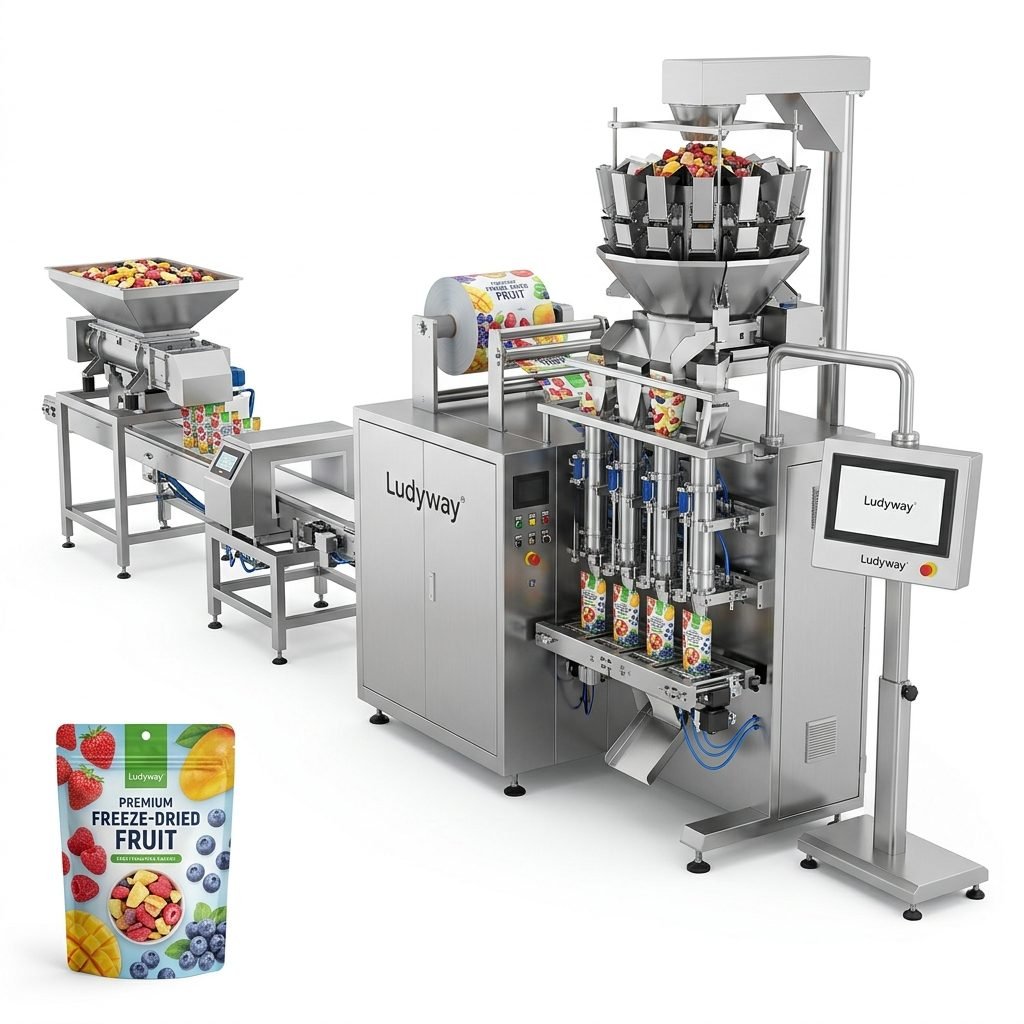
Investing in a packaging making machine is a strategic decision that directly affects production efficiency, product quality, and long-term operating costs. Whether you are launching a new product line, upgrading manual processes, or expanding into new markets, selecting the right packaging machinery requires careful evaluation of technical specifications, application requirements, and supplier capabilities. This guide walks you through the essential factors to consider when choosing a packaging machine that fits your production goals.
Define Your Product Characteristics and Packaging Format
The starting point for any packaging machine selection is a clear understanding of your product. Different products require different handling, dosing, and sealing technologies. Consider these critical product variables:
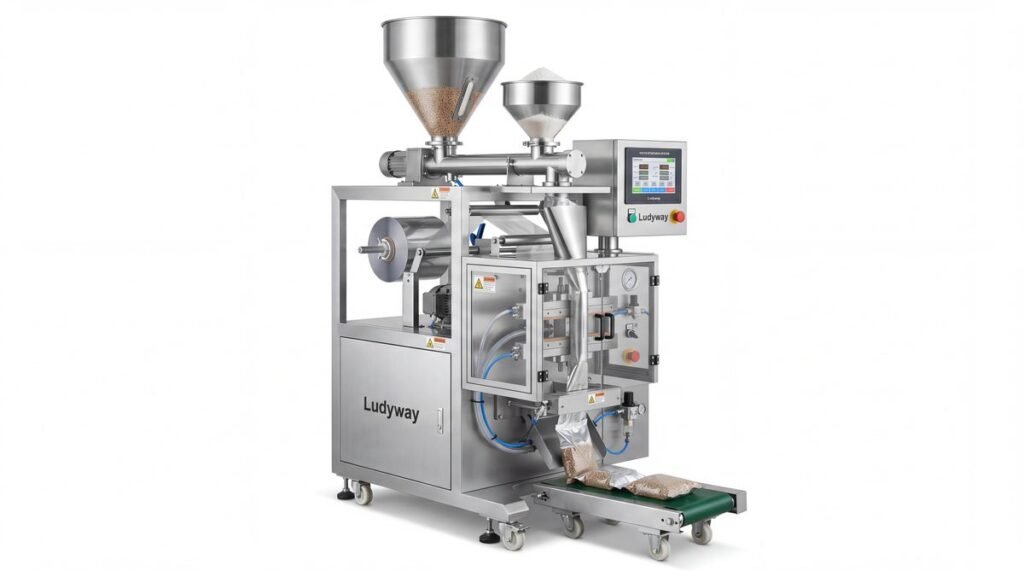
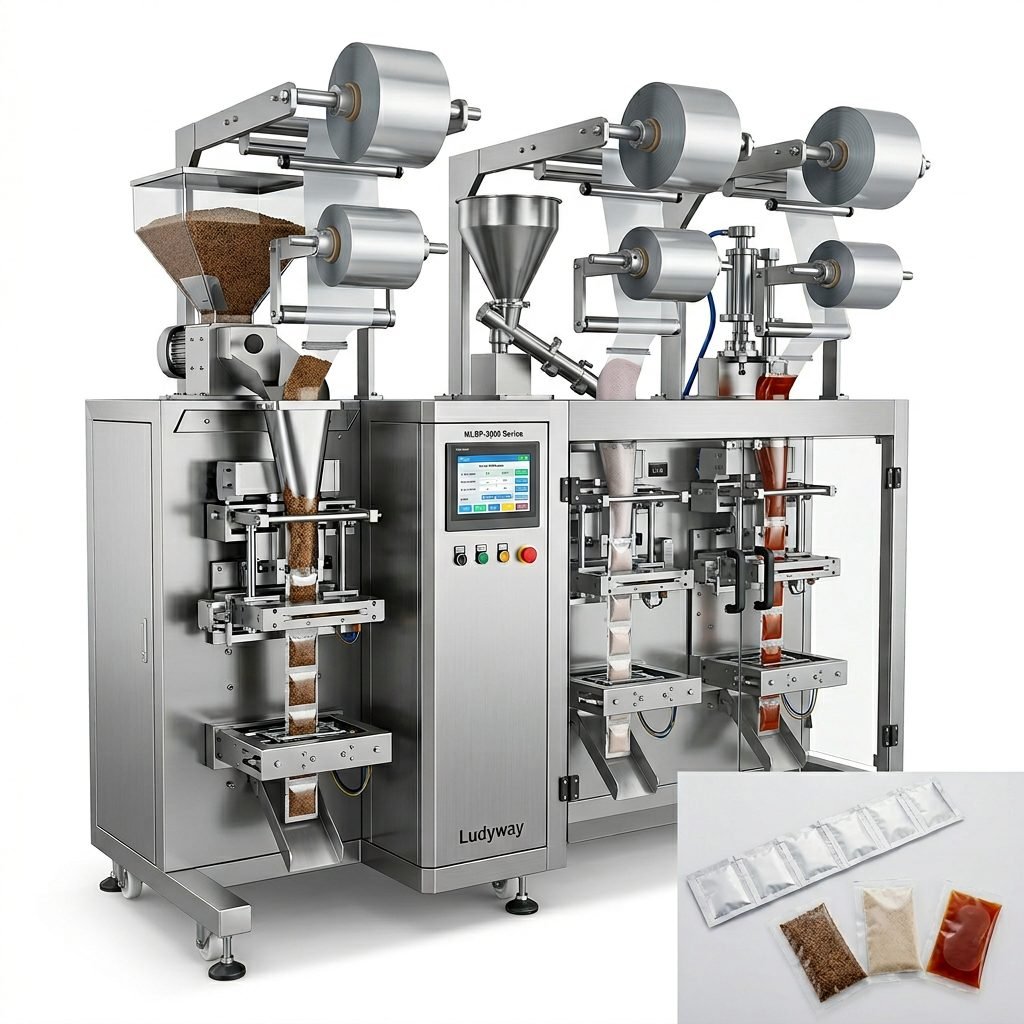
- Product type: Powder, granule, liquid, paste, solid, or multi-component products
- Flow characteristics: Free-flowing, cohesive, hygroscopic, or abrasive materials
- Filling volume range: From single-serve sachets to bulk bags
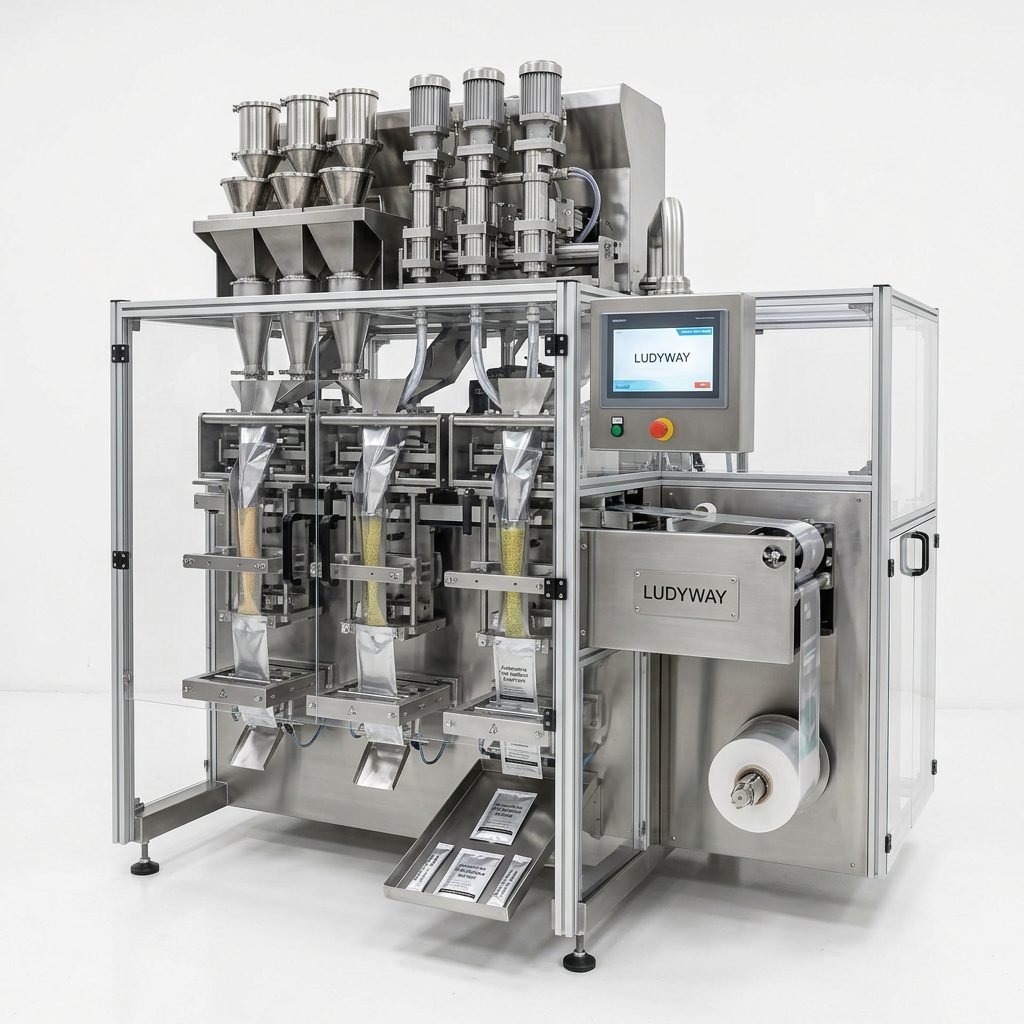
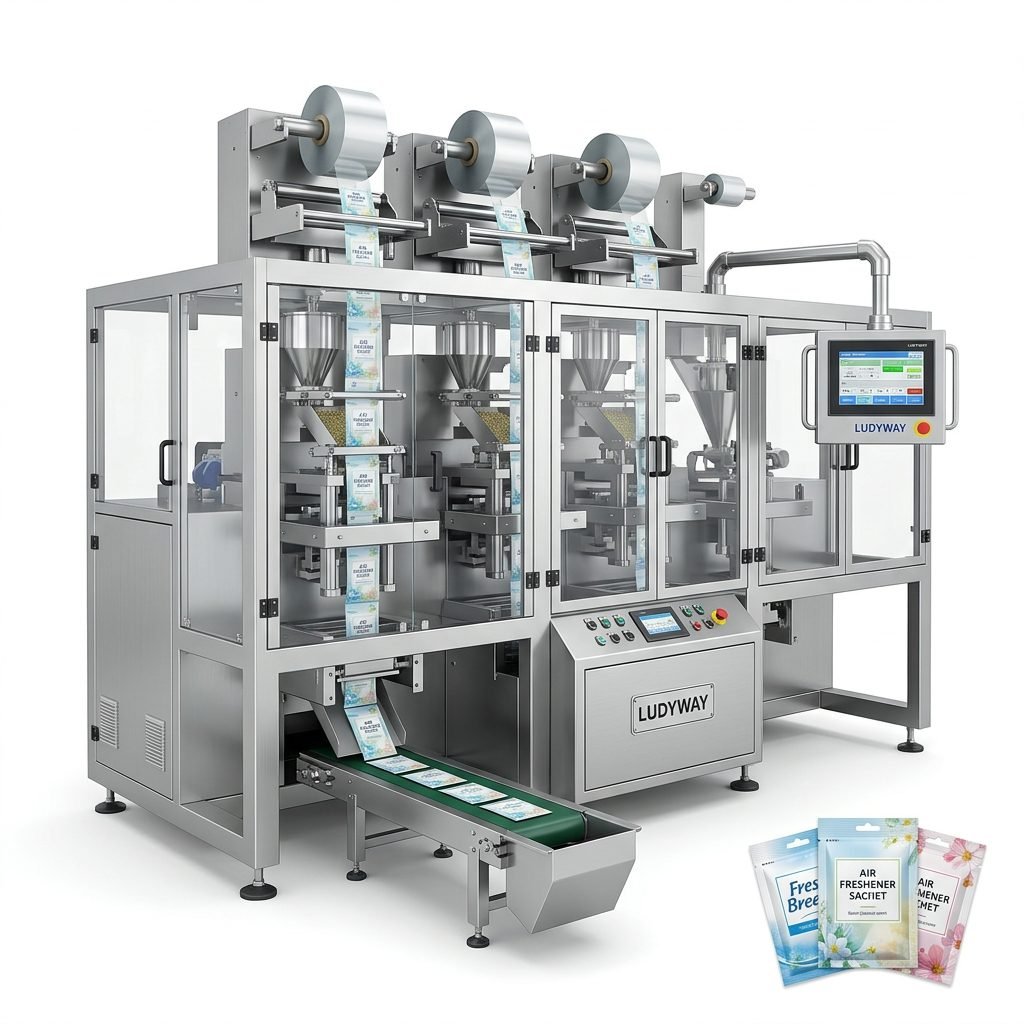
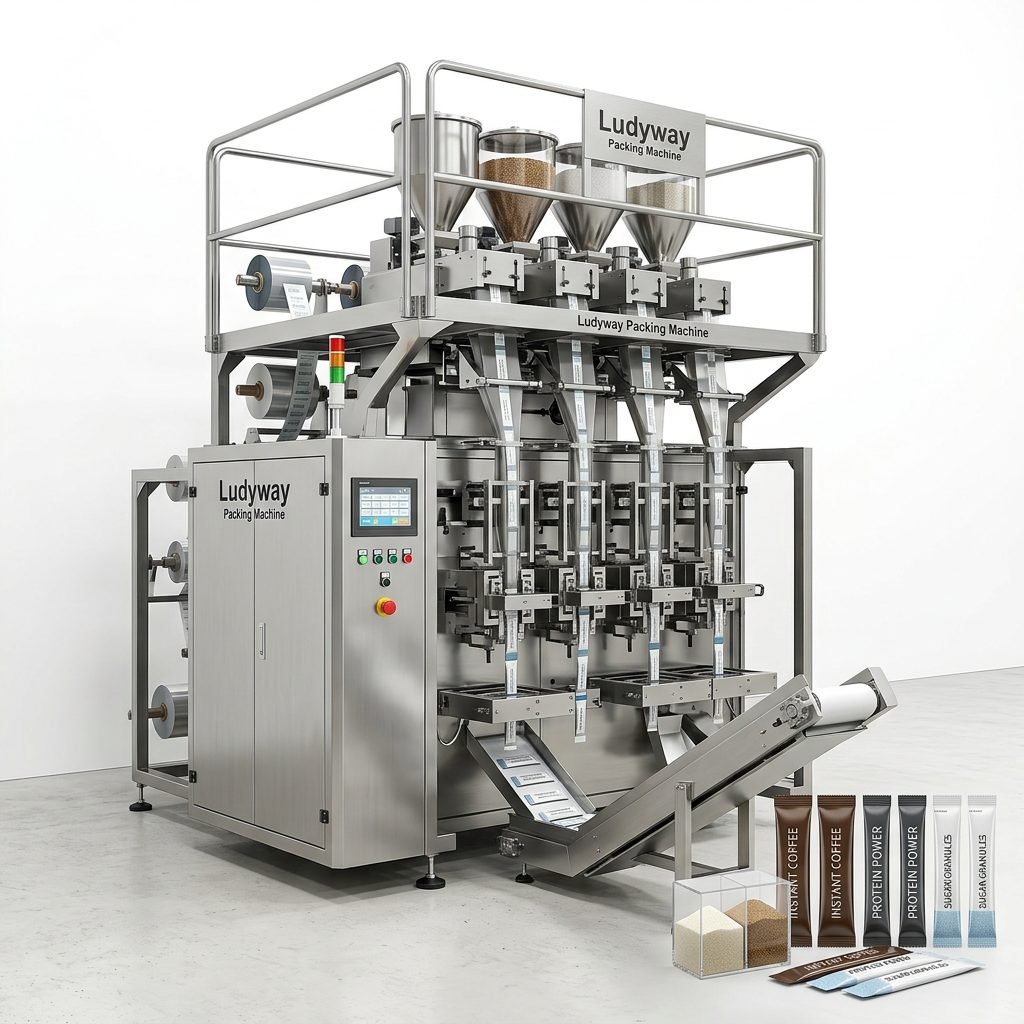
- Packaging format: Stick packs, sachets, pouches, bottles, or custom shapes
For example, PMMI – The Association for Packaging and Processing Technologies highlights that matching machine capabilities to product properties is essential for achieving consistent fill accuracy and seal integrity. If your product range includes multiple formats, consider investing in flexible packaging machinery that can handle different bag styles and sizes.
Evaluate Production Speed and Capacity Requirements
Production volume determines the level of automation and machine configuration you need. Packaging machine speed is typically measured in packs per minute (ppm) and varies significantly by technology and lane configuration.
| Production Scale | Typical Speed Range | Recommended Configuration |
|---|---|---|
| Small batch / Startup | 30-80 ppm | Single-lane, semi-automatic |
| Medium production | 80-300 ppm | Multi-lane (4-6 lanes), automatic |
| High-volume industrial | 300-800+ ppm | Multi-lane (8-12 lanes), fully automated |
According to the PMMI 2026 State of the Industry report, manufacturers are increasingly adopting higher-speed packaging machines to meet growing demand while controlling labor costs. When calculating capacity, account for planned growth over the next 3-5 years to avoid outgrowing your equipment too quickly.
Assess Automation and Integration Capabilities
Modern packaging machinery is rarely a standalone investment. Consider how the machine will integrate with your existing or planned production line. Key automation features to evaluate include:
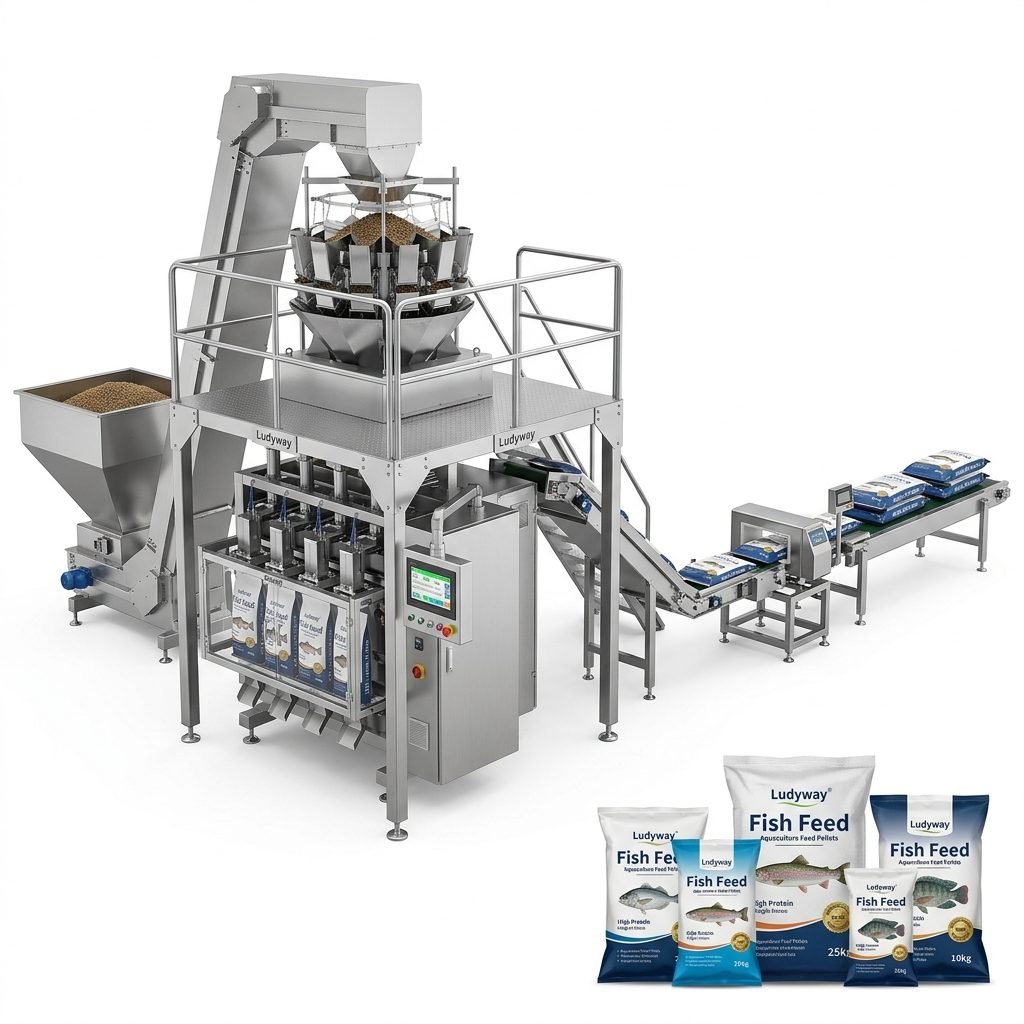
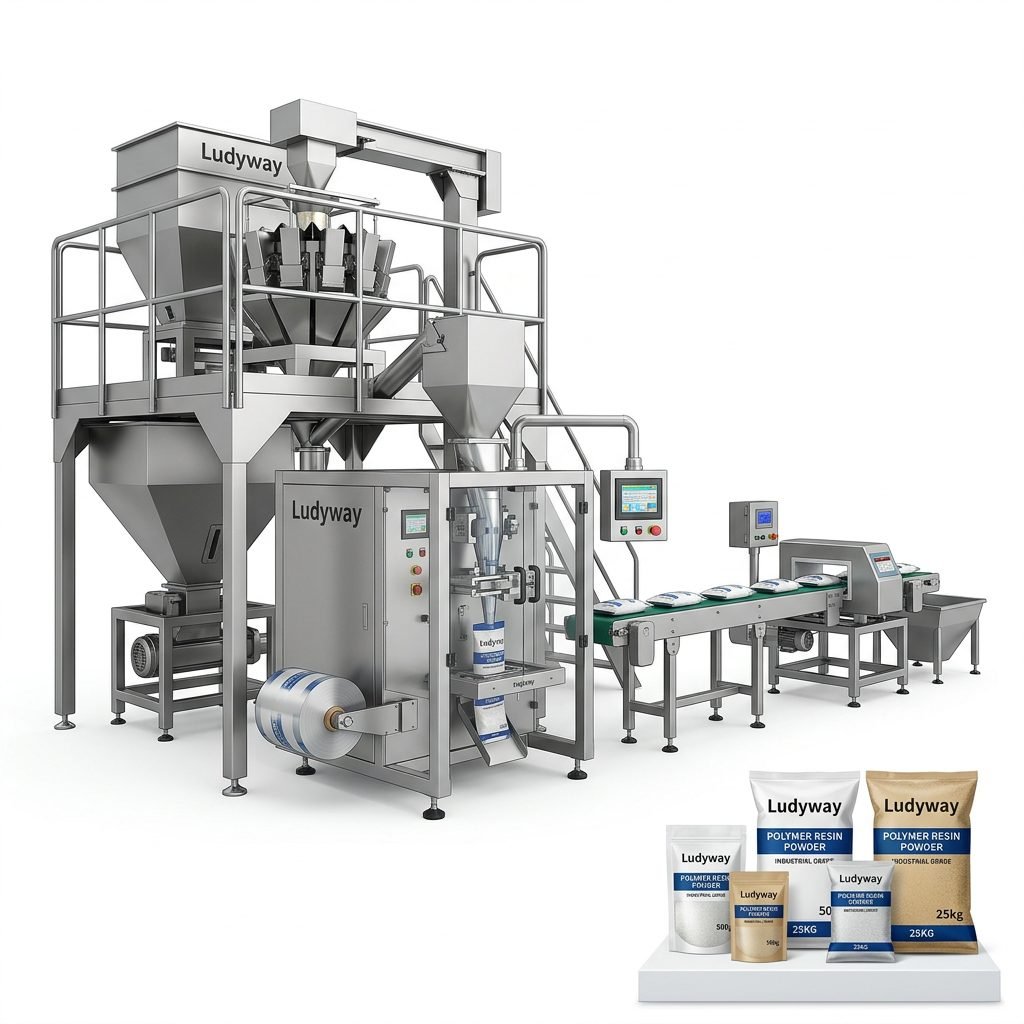
- Feeding systems: Automatic hoppers, conveyors, elevators, and multi-head weighers that ensure continuous material supply
- Inline quality control: Checkweighers, metal detectors, X-ray inspection, and vision systems such as the ISO packaging standards recommend
- Secondary packaging: Cartoning, case packing, palletizing, and stretch wrapping capabilities
- Coding and marking: Batch coding, date printing, and serialization for traceability
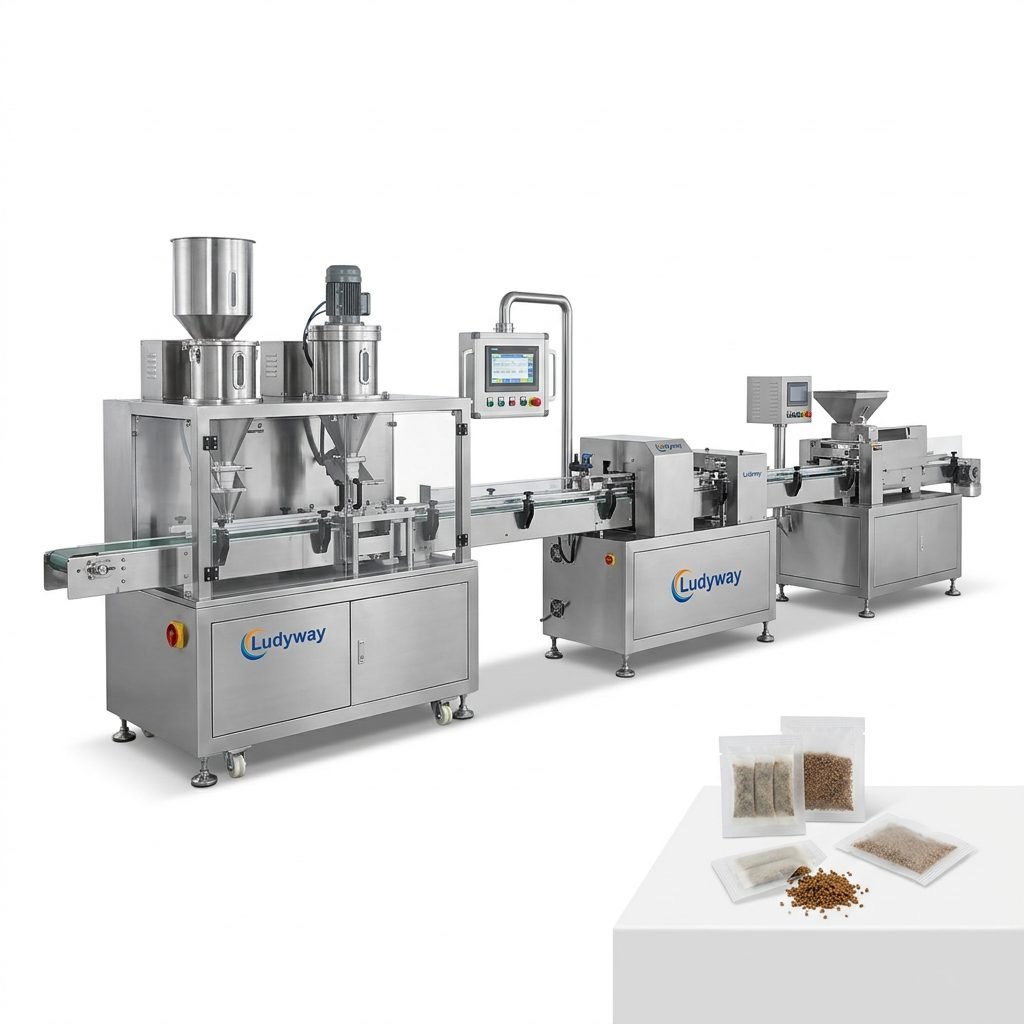
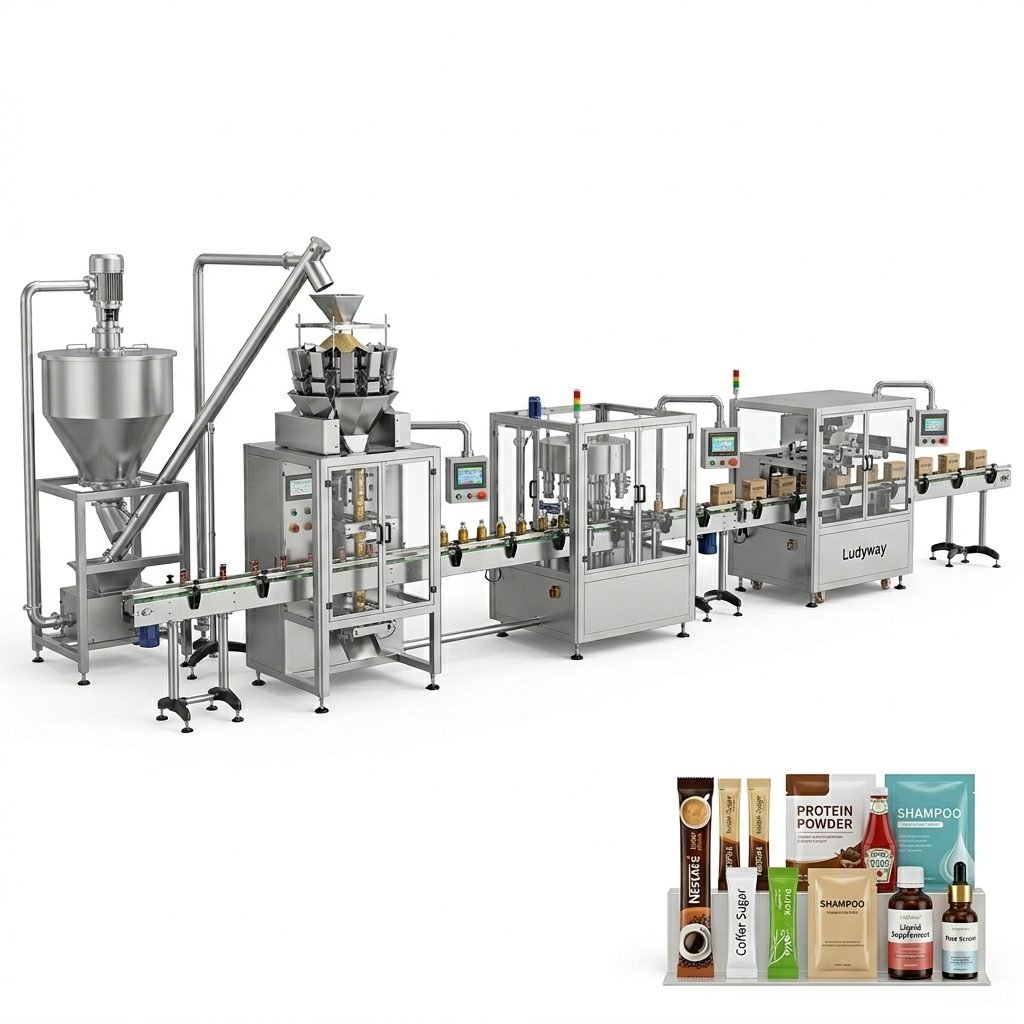
A turnkey packaging solution provider can supply integrated systems where filling, sealing, inspection, and secondary packaging operate in a synchronized line. This simplifies project management compared to coordinating multiple vendors.
Consider Material Compatibility and Sustainability
The Flexible Packaging Association reports that packaging material selection increasingly affects machine purchasing decisions. Your packaging machine must be compatible with the films, laminates, and materials you plan to use. Evaluate:
- Compatibility with heat-sealable, cold-seal, and pressure-sensitive materials
- Ability to run recyclable, compostable, or mono-material sustainable films
- Sealing temperature range and dwell time adjustability
- Material thickness handling capability across different formats
Regulatory requirements from bodies like the FDA – Food Packaging and Food Contact Substances and the European Commission Packaging and Packaging Waste Regulation are also shaping material choices and machine design requirements.
Evaluate Machine Construction and Compliance Standards
Build quality directly impacts machine longevity, maintenance costs, and production reliability. When evaluating a packaging making machine, examine these construction aspects:
Frame and Contact Parts
Food-grade stainless steel (typically SUS304 or SUS316L) is the standard for product contact surfaces in food, pharmaceutical, and cosmetic applications. The frame should be robust enough to handle continuous operation without excessive vibration.
Control Systems and Automation Components
Leading packaging machinery manufacturers integrate PLC systems from established industrial automation brands, touchscreen HMI interfaces, and servo-driven motions for precise control. These components affect both machine performance and the availability of spare parts and technical support in your region.
Certifications and Compliance
Depending on your market, your packaging machine may need to meet CE, UL, GMP, FDA, or ISO standards. The ISO 11607 standard for packaging terminally sterilized medical devices is one example of application-specific requirements. Confirm with the manufacturer that their equipment can be configured and documented to meet the standards applicable to your industry and destination market.
Compare Single-Lane vs. Multi-Lane Configurations
One of the most impactful configuration decisions is choosing between single-lane and multi-lane packaging machines. The table below summarizes the key differences:
| Feature | Single-Lane | Multi-Lane (4-12 lanes) |
|---|---|---|
| Output per shift | Lower total output | Significantly higher throughput |
| Footprint efficiency | Larger footprint per unit output | Compact footprint relative to output |
| Changeover flexibility | Faster single-format changeover | More complex but manageable with tool-less design |
| Initial investment | Lower upfront cost | Higher upfront cost, lower cost per pack |
Assess After-Sales Support and Service Capabilities
A packaging machine is a long-term investment, and the supplier’s service infrastructure directly affects your operational uptime. Before making a purchase decision, evaluate the manufacturer’s:
- Installation and commissioning: On-site setup, calibration, and initial production support
- Operator training: Comprehensive training programs for your production and maintenance teams
- Spare parts availability: Regional parts inventory and rapid dispatch capabilities
- Remote technical support: Video-assisted troubleshooting to minimize downtime
- Preventive maintenance programs: Scheduled service visits to maintain optimal performance
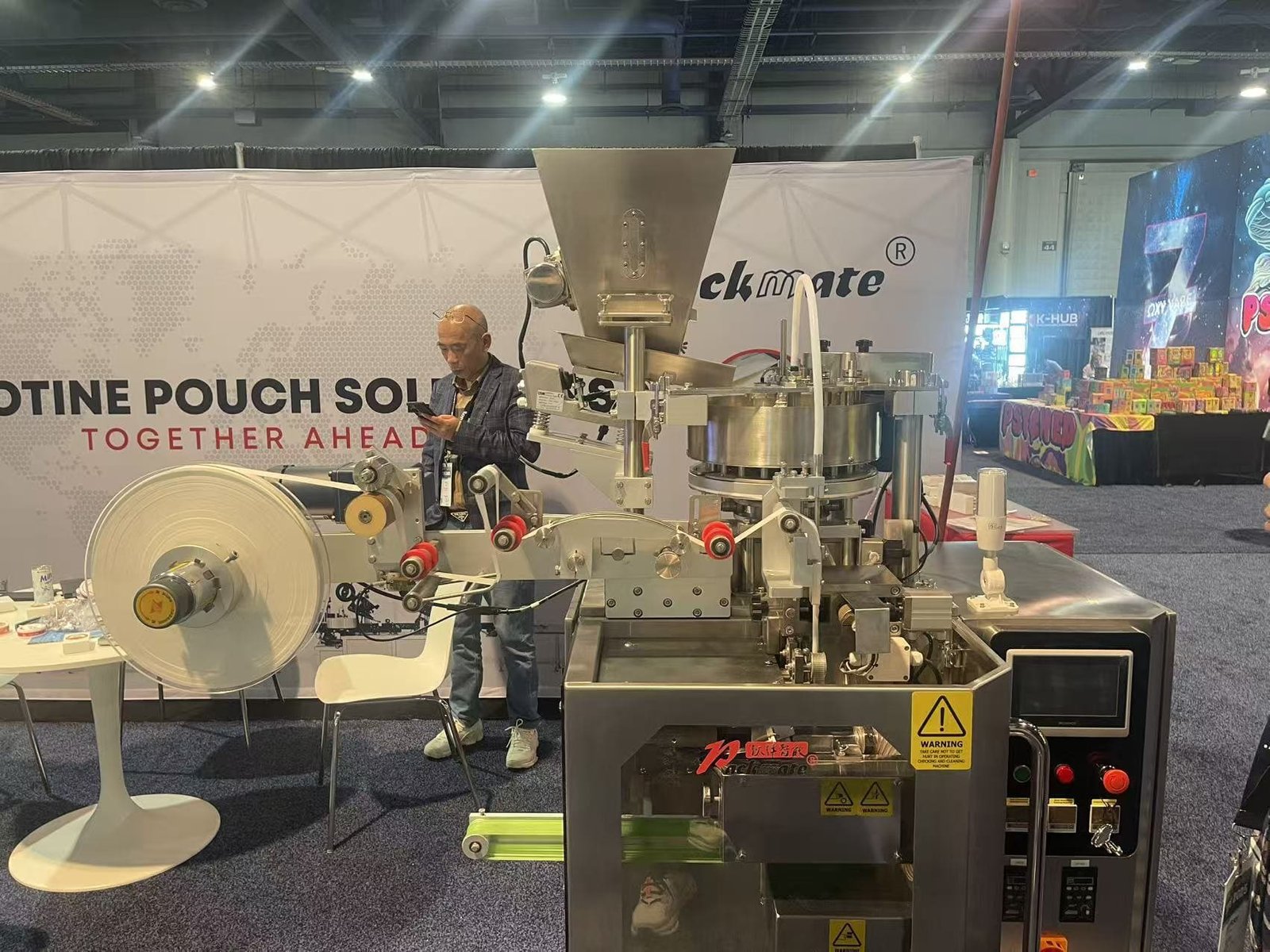
Consider Customization and Engineering Capabilities
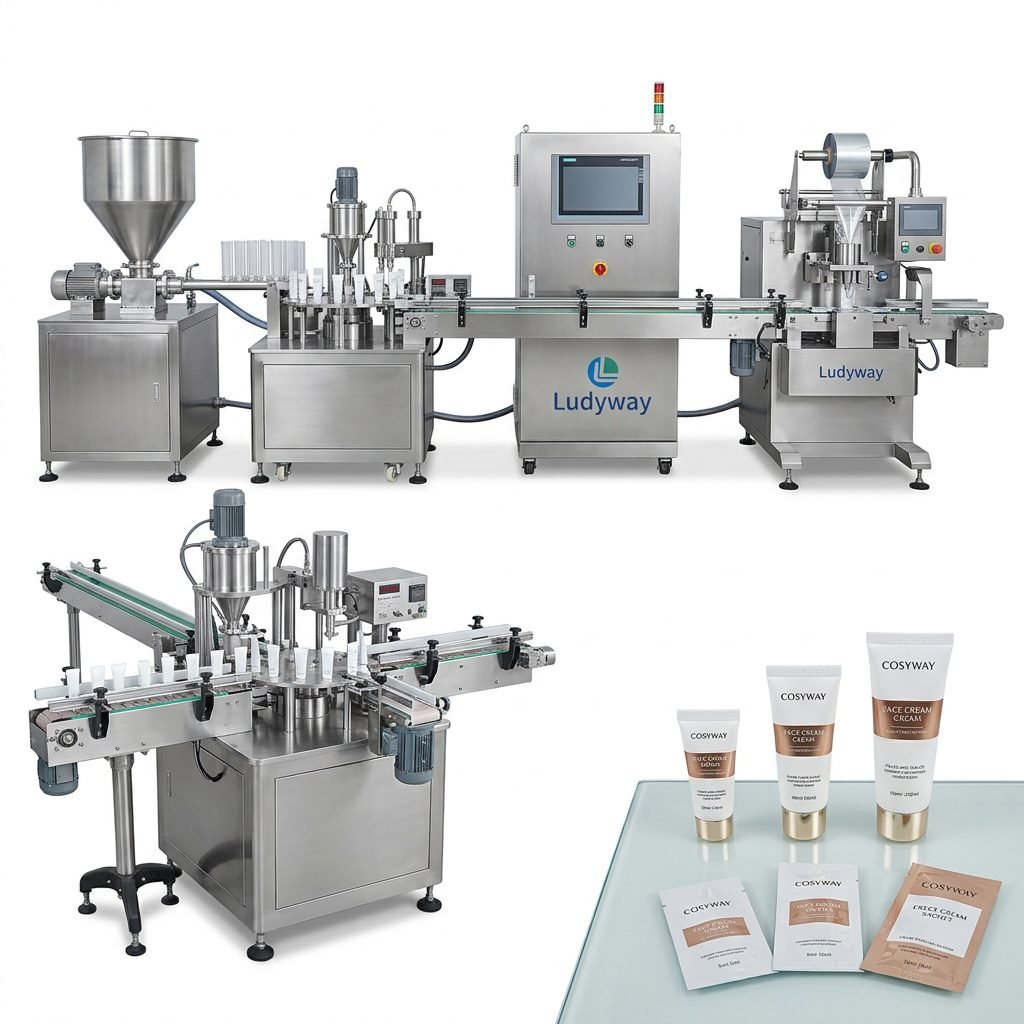
Standard machines work for standard applications, but many manufacturers face unique requirements related to product characteristics, packaging formats, factory layouts, or production workflows. In these cases, working with a supplier that offers customized packaging machinery and engineering services is important. Customization can include modified dosing systems, special sealing mechanisms, custom bag formats, automated feeding arrangements, and integration with ancillary equipment.
Calculate Total Cost of Ownership
The purchase price of a packaging machine is only one part of the total investment. A complete cost analysis should include:
- Initial equipment and tooling costs
- Installation, commissioning, and training expenses
- Energy consumption and utility requirements
- Consumable parts (sealing jaws, belts, filters) and their replacement intervals
- Expected maintenance costs and labor requirements
- Production downtime costs during changeovers and servicing
A higher-quality machine with better efficiency and lower maintenance requirements often delivers lower total cost of ownership over a 5-10 year lifecycle, even if the initial investment is higher.
Work with an Experienced Packaging Machinery Partner
Selecting the right packaging making machine involves balancing technical specifications, production requirements, budget constraints, and long-term service expectations. Working with an experienced manufacturer that provides engineering support throughout the project lifecycle helps manufacturers navigate these decisions more effectively.
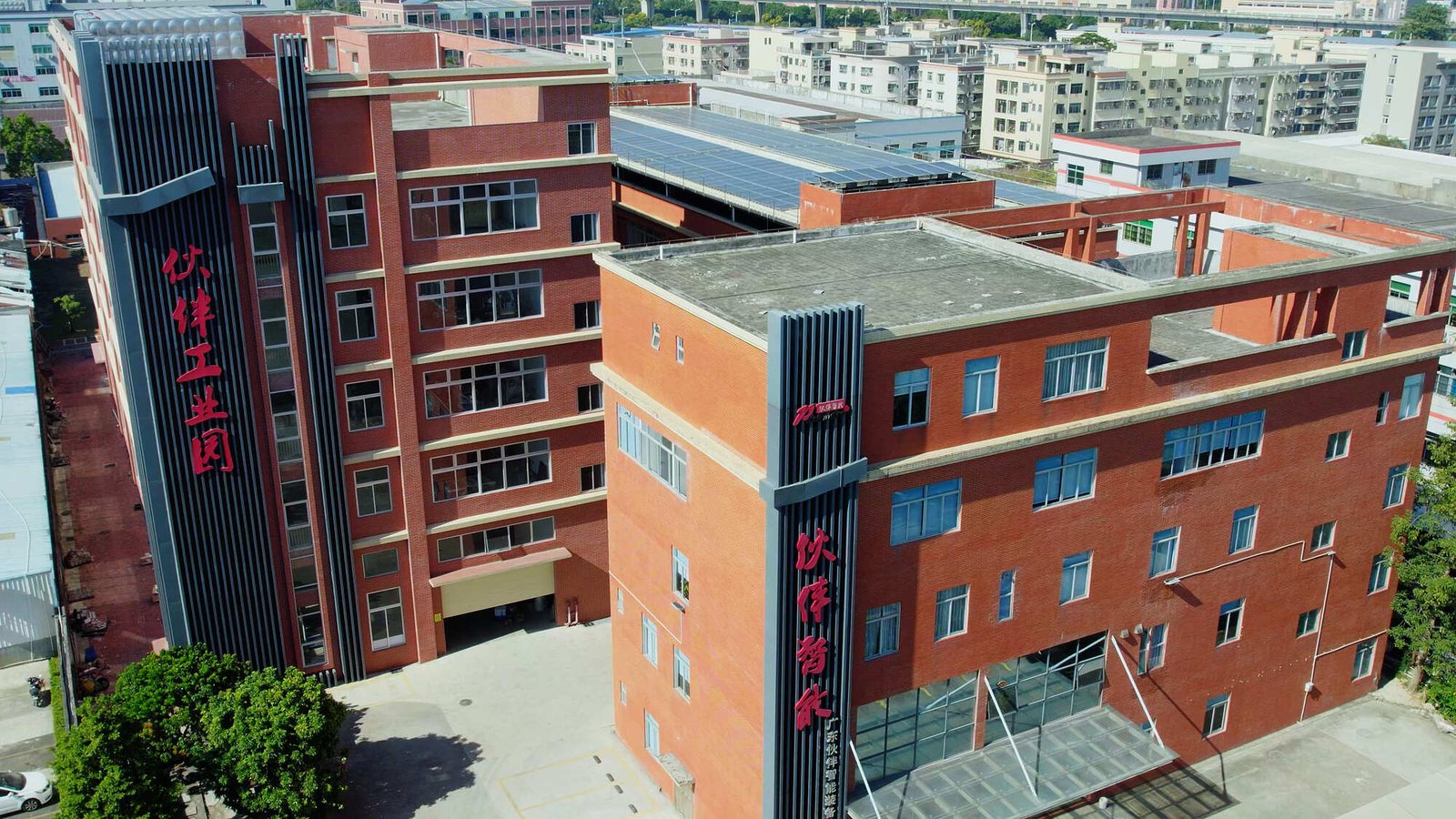
Companies like Ludyway Machinery, a China-based packaging machinery manufacturer with more than 30 years of experience in the packaging industry, offer a broad portfolio of automatic packaging equipment designed for different products, packaging formats, and production requirements. With a 20,000-square-meter manufacturing facility, over 130 professionals, and more than 50 packaging machine models, such suppliers can provide integrated packaging systems and turnkey production line solutions for industries ranging from food and beverage to pharmaceuticals, cosmetics, chemicals, and animal feed.
For further reading, explore resources from PMMI’s Business Intelligence Library, the Flexible Packaging Association, and ISO Packaging and Distribution Standards to stay informed on industry trends and technical requirements.