In the competitive tea industry, packaging is not just about containment—it’s a critical factor in preserving product quality, ensuring freshness, and enhancing brand appeal. Efficient and reliable tea packaging machinery is essential for manufacturers looking to scale production, maintain consistency, and meet diverse market demands. This guide explores the various types of tea packaging machines, their working principles, and key considerations for selecting the right equipment for your operation.
Common Types of Tea Packaging Machinery
Tea packaging comes in various forms, from traditional loose-leaf to modern single-serve formats. The machinery used must adapt to these different product types and packaging styles.
1. Stick Pack Packaging Machines
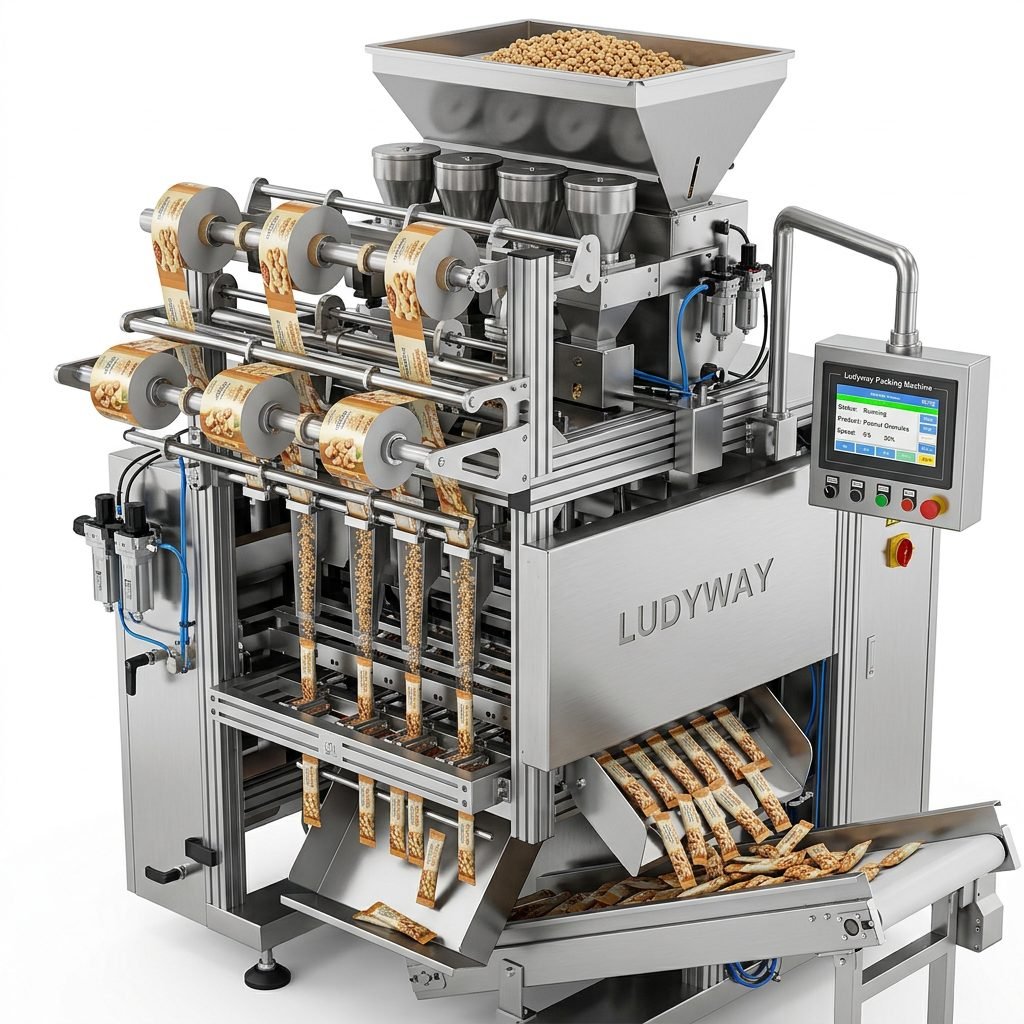
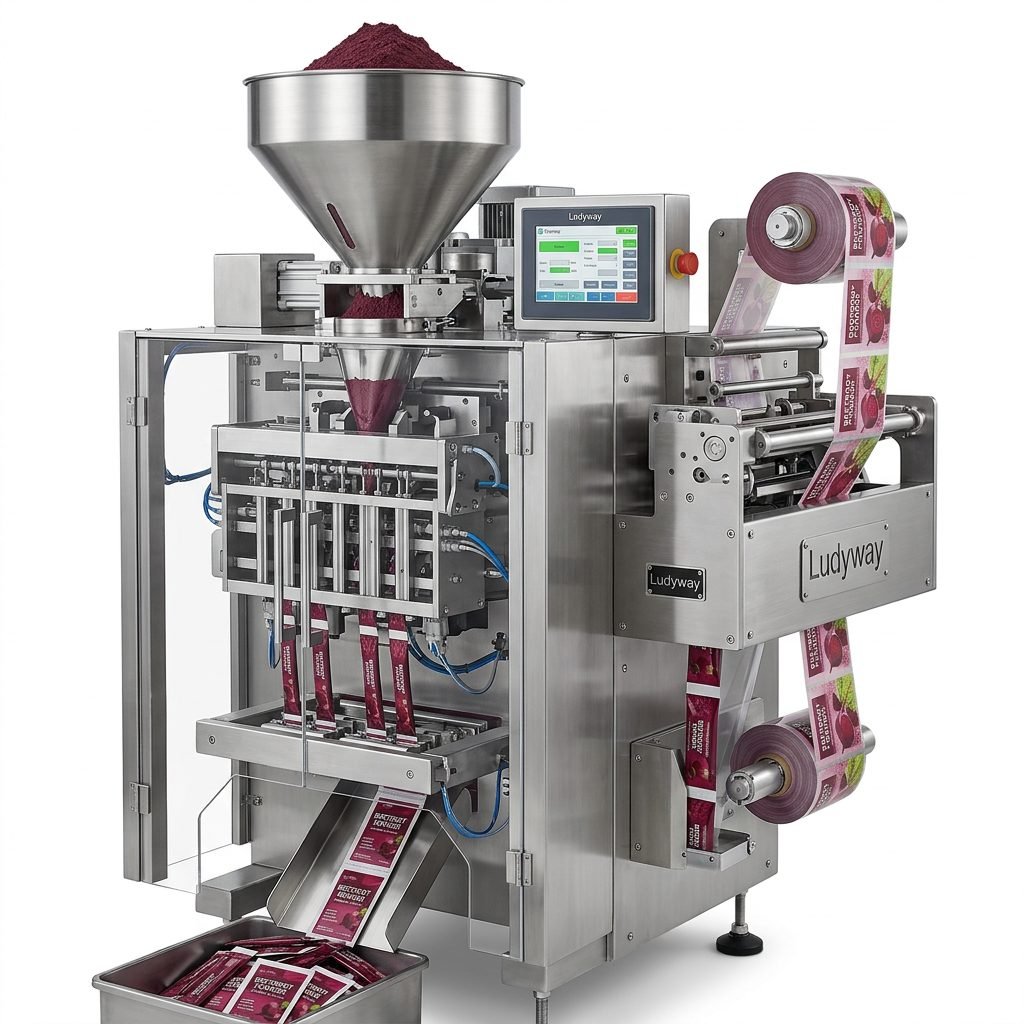
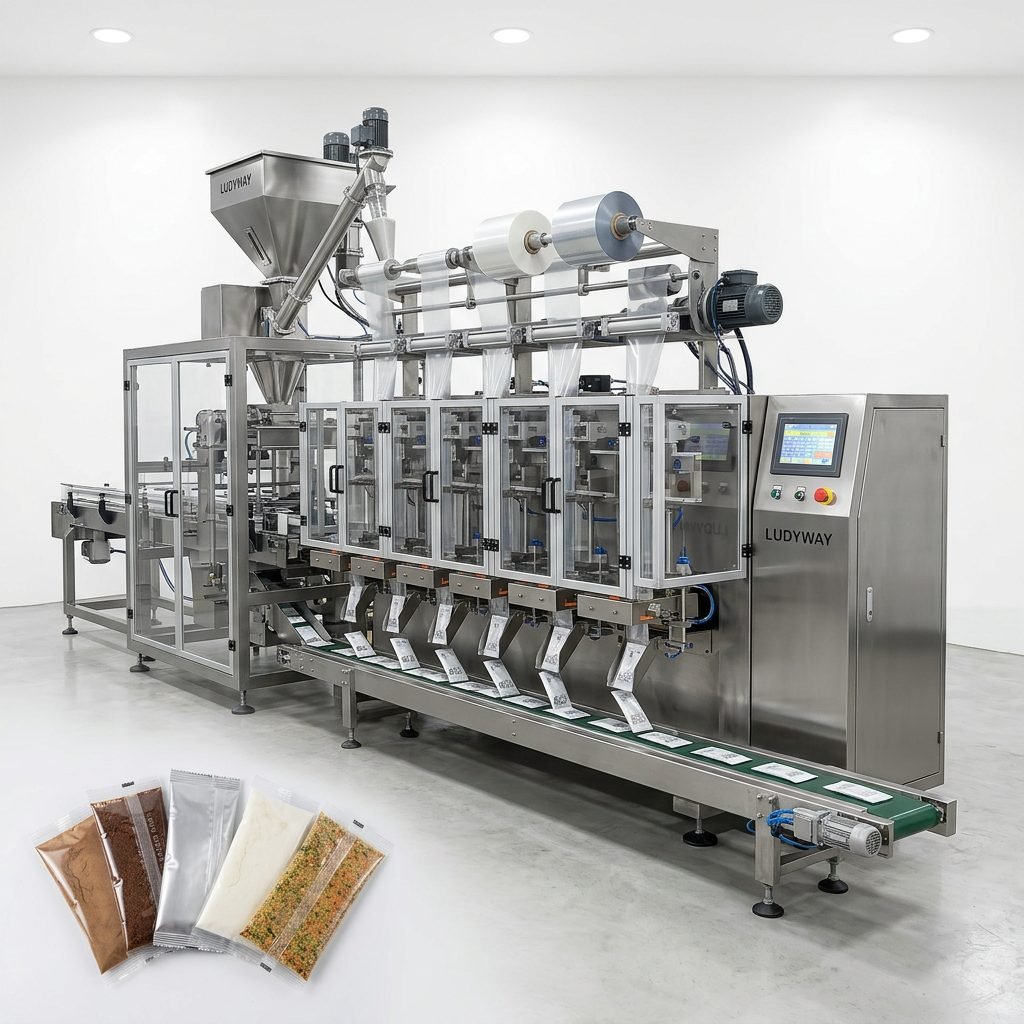
Stick pack machines are designed to produce long, slender pouches ideal for single servings of powdered or granulated tea, such as instant tea mixes or matcha. These machines are highly efficient for high-volume production and offer excellent barrier properties to protect against moisture and oxygen.
Key Feature: Modern stick pack machines often feature multi-lane designs, allowing for simultaneous filling and sealing of multiple sticks, dramatically increasing output rates.
2. Sachet (Pouch) Packaging Machines
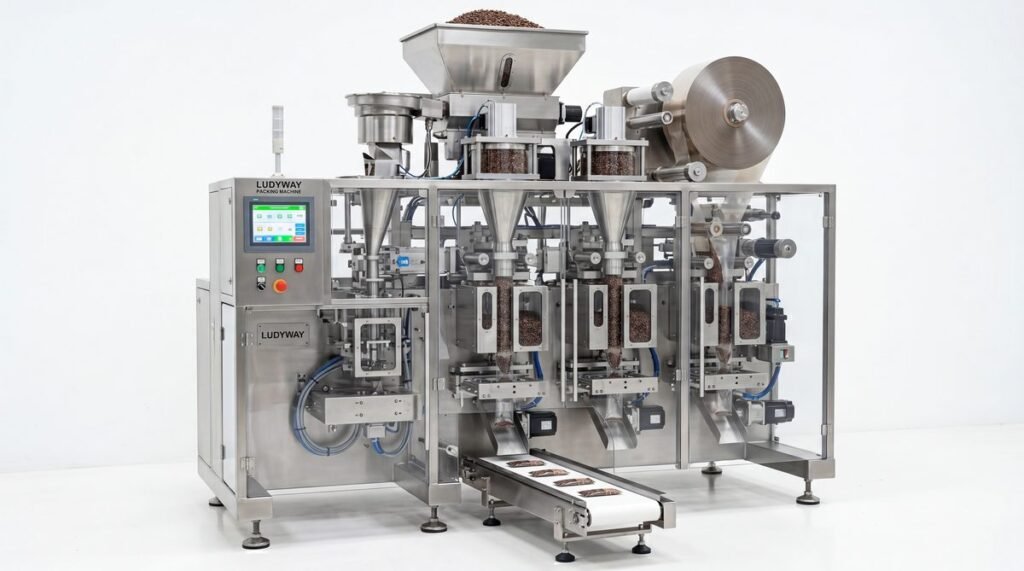
Sachet machines create small, flat pouches perfect for packaging loose-leaf tea, herbal infusions, or tea bags. They are versatile and can handle various materials, including filter paper for tea bags or laminated films for sealed sachets.
3. Granule & Powder Packaging Machines
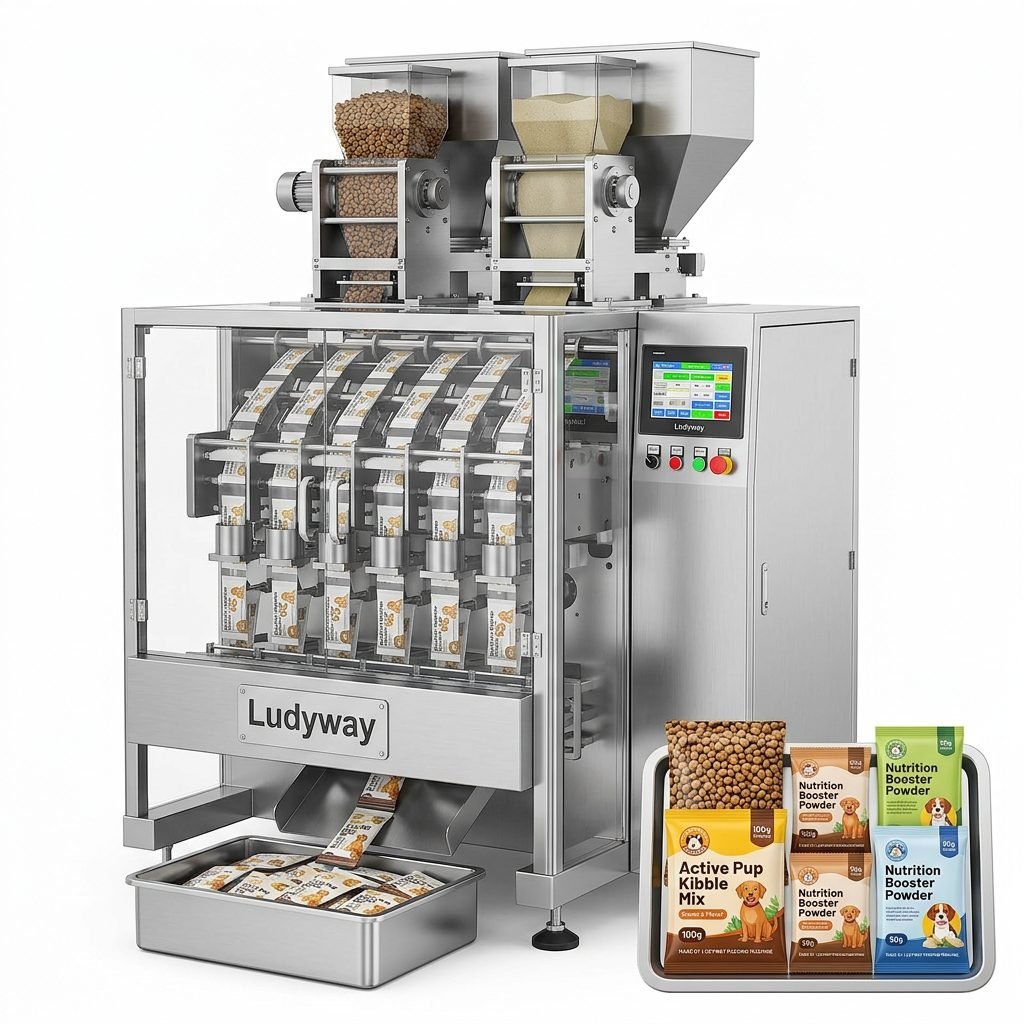
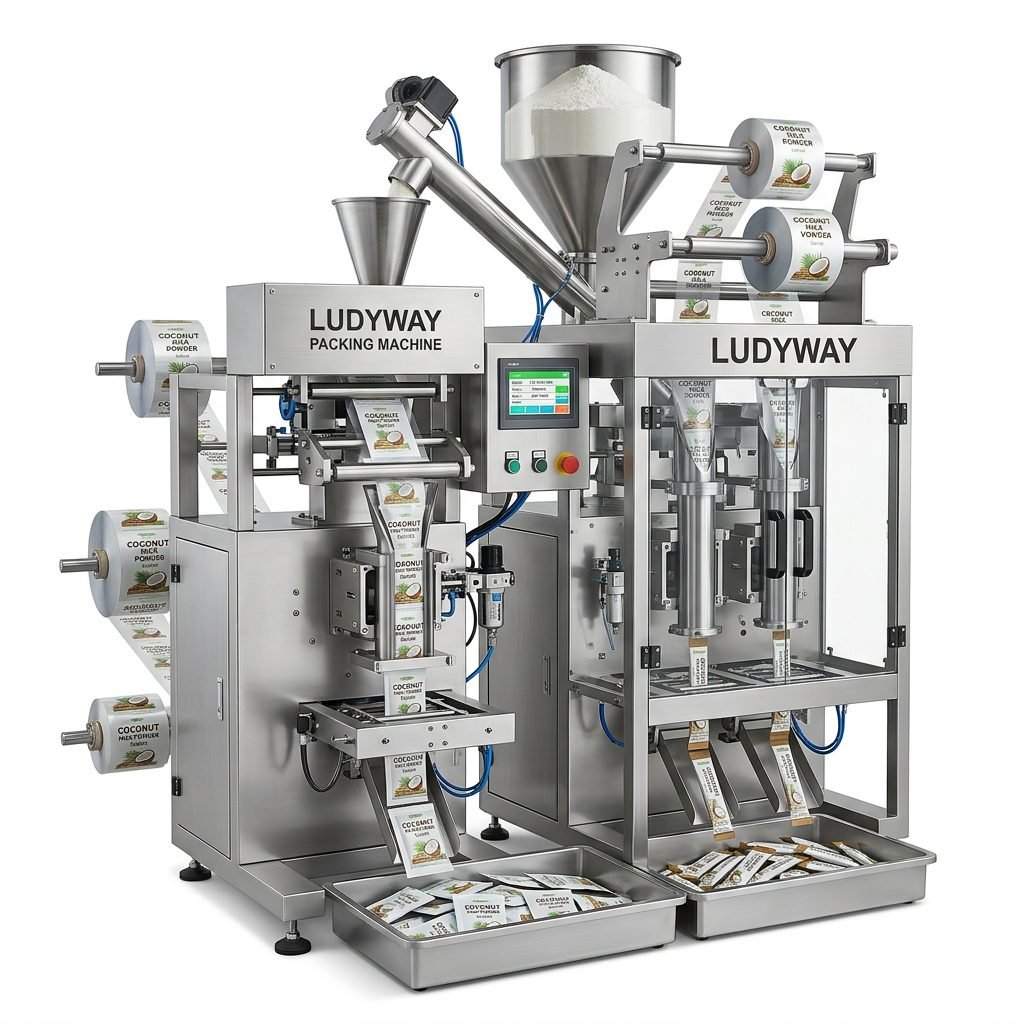
These are volumetric or auger-filling machines specifically engineered to handle the flow characteristics of tea granules (like crushed leaf tea) or fine powders (like chai latte mixes). Precision filling is crucial to maintain consistent weight and product value.
4. Liquid Packaging Machines
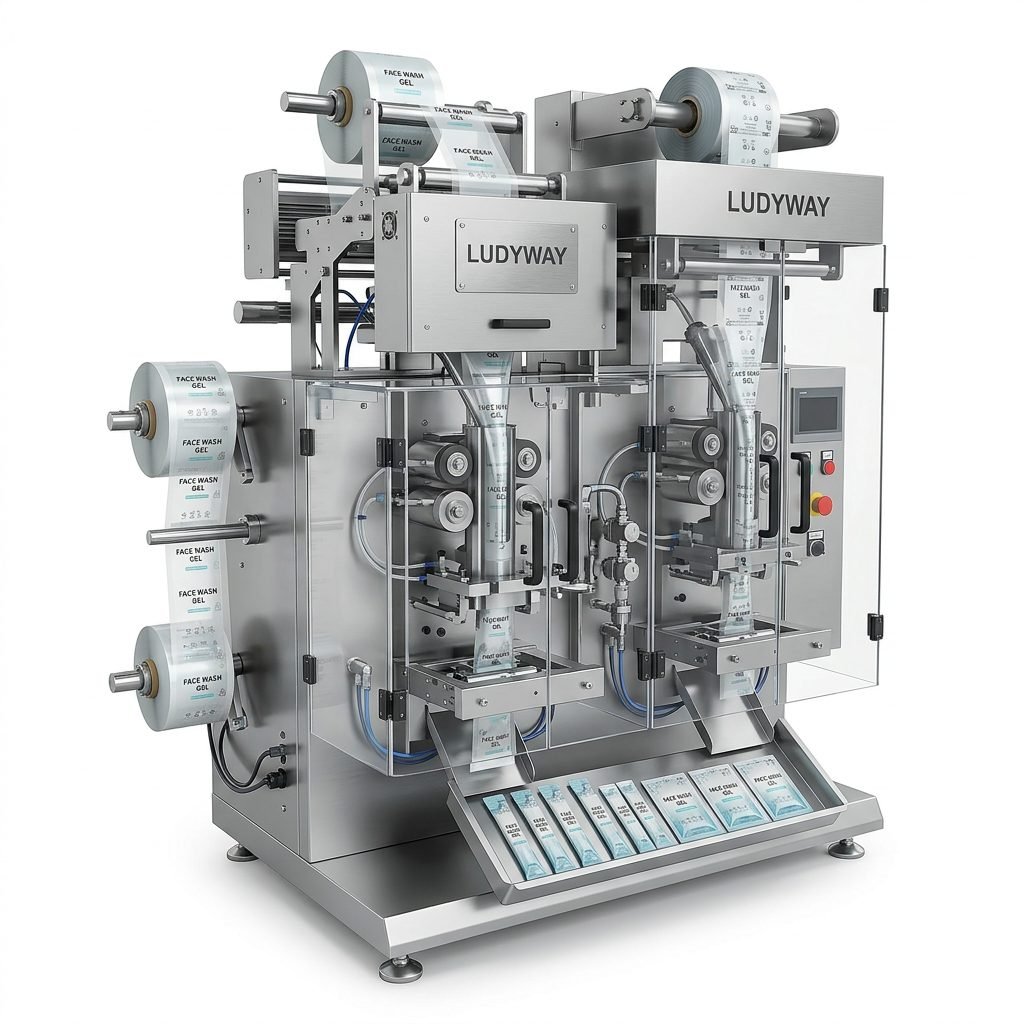
For the growing segment of ready-to-drink (RTD) teas or concentrated tea extracts, liquid form-fill-seal (FFS) machines are used. They fill liquid into pre-made pouches or create pouches from roll stock film.
5. Bagging Machines for Loose Leaf Tea
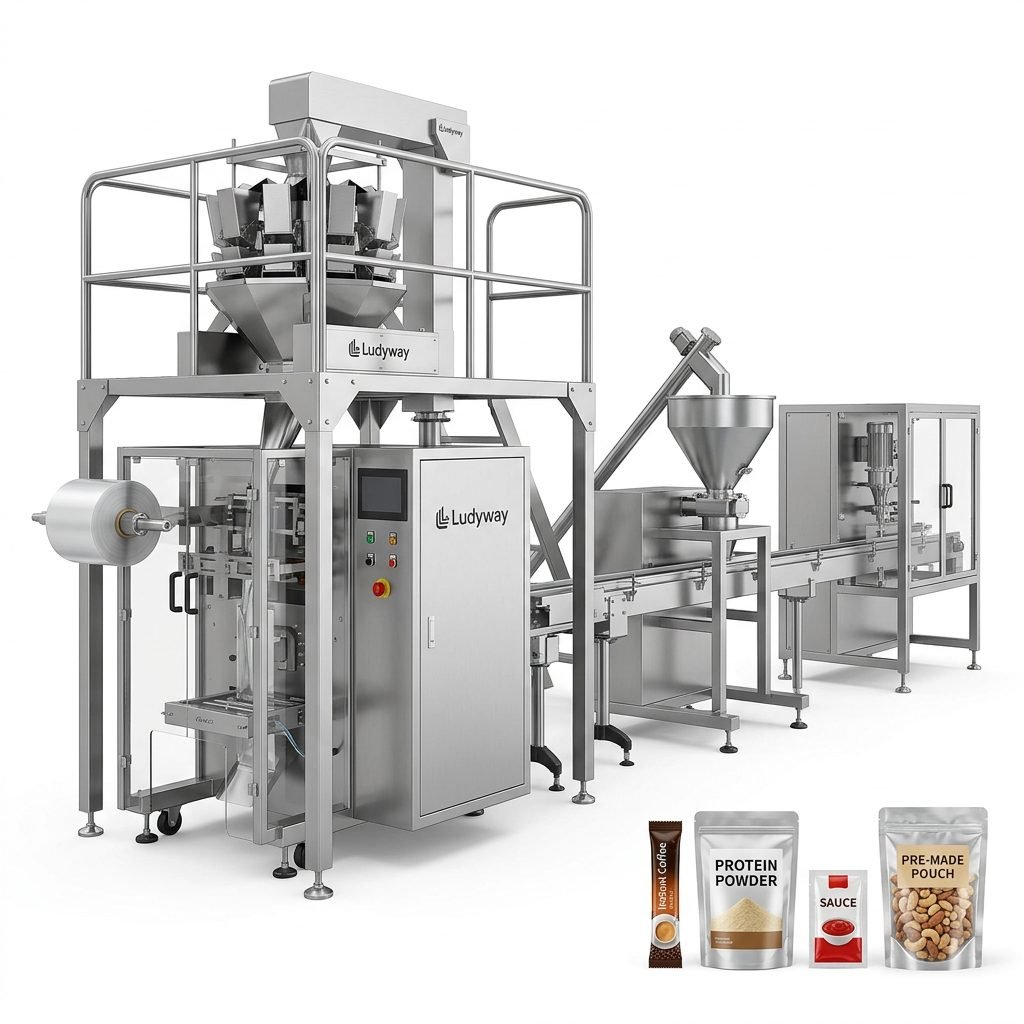
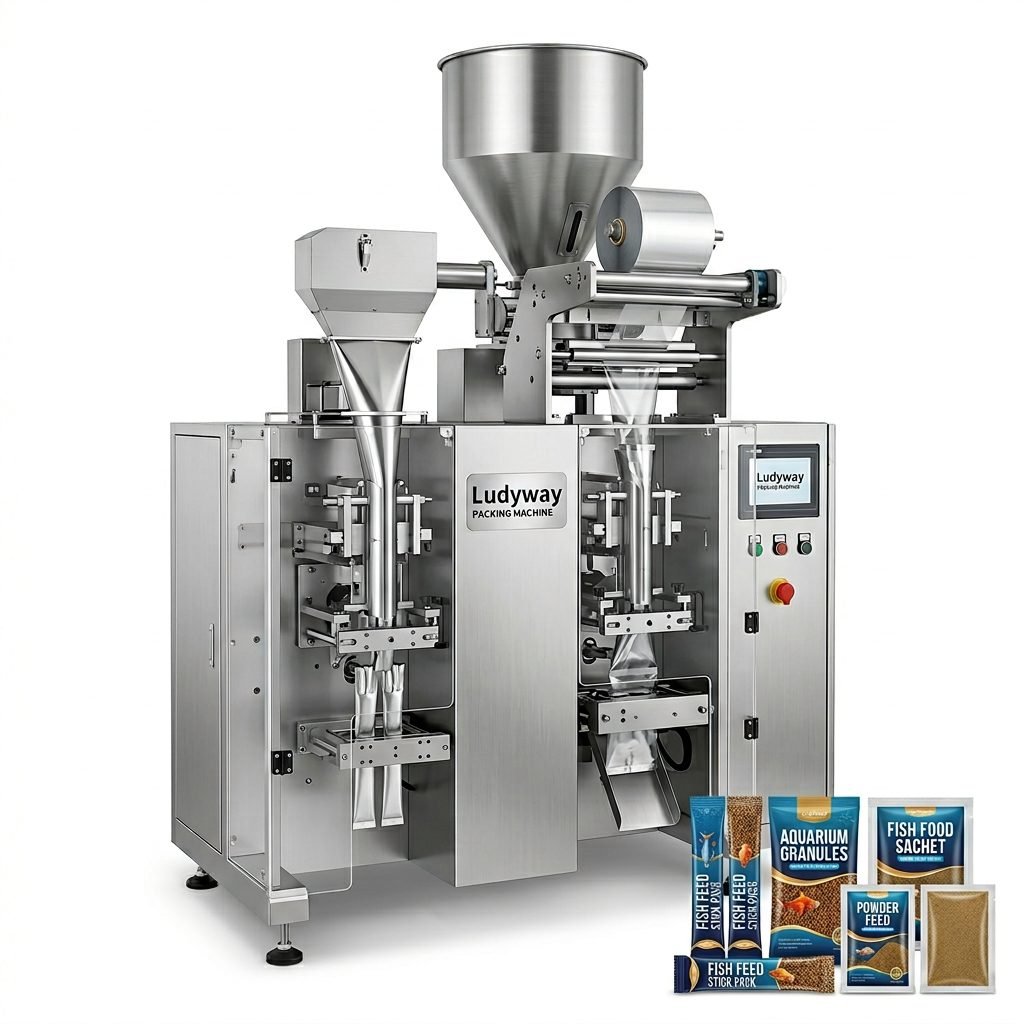
For bulk retail packaging, vertical form-fill-seal (VFFS) machines are common. They form bags from a roll of film, fill them with a predetermined weight of loose-leaf tea, and then seal them. Some advanced systems integrate nitrogen flushing to extend shelf life.
Working Principles of Tea Packaging Systems
Understanding how these machines operate helps in troubleshooting and optimizing the packaging line. Most automated tea packaging follows a form-fill-seal (FFS) principle.
The Form-Fill-Seal (FFS) Process
This is the core technology behind most flexible tea packaging. A roll of packaging film (often multi-layered for barrier properties) is fed into the machine.
- Forming: The film is shaped into a tube or pouch using a forming collar.
- Sealing (Vertical): A vertical seal is made to create the back seam of the pouch.
- Filling: The tea product is precisely dispensed into the formed pouch via auger, volumetric cup, or weigh scale system.
- Sealing (Horizontal): The top of the filled pouch is sealed, and simultaneously, the bottom of the next pouch is created, before being cut apart.
Precision is Paramount
The filling system is the heart of the operation. For tea, which can vary in density and flow, servo-driven auger fillers or multi-head weighers are often used to achieve high-speed, accurate dosing, minimizing product giveaway.
Integrated Automation
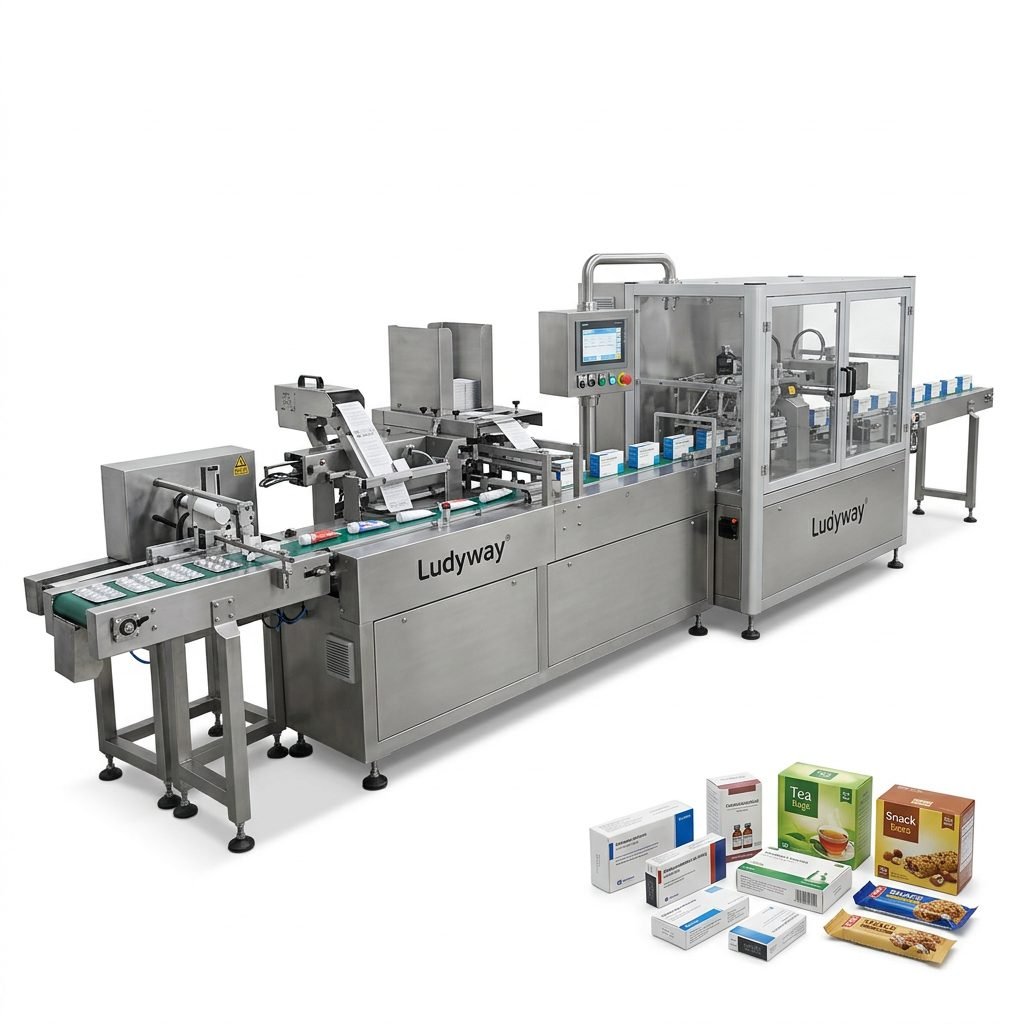
Modern lines often include upstream and downstream automation. This can include automatic bag feeders for outer cartons, checkweighers to ensure package weight compliance, vision systems for label verification, and robotic case packing.
How to Choose the Right Tea Packaging Machine
Selecting the ideal machinery requires a careful assessment of your product, production goals, and operational constraints.
1. Define Your Product and Packaging Format
- Product Type: Is it fine powder, granules, loose leaf, or liquid?
- Packaging Style: Stick pack, sachet, pillow bag, gusseted bag?
- Material: Determine the required film or laminate (e.g., AL foil for premium barrier, biodegradable options for sustainability).
2. Evaluate Production Capacity Requirements
Calculate your required output in packs per minute (PPM) or shifts. Consider both current needs and future growth. A multi-lane stick pack machine might be necessary for high-volume instant tea, while a single-lane sachet machine may suffice for specialty loose-leaf blends.
3. Prioritize Accuracy and Consistency
Weight accuracy directly impacts profitability and compliance. Look for machines with high-precision filling systems and easy-to-calibrate controls. Consistency in seal strength is also critical to prevent leaks and preserve freshness.
4. Consider Flexibility and Changeover
If you produce multiple tea varieties or package sizes, quick changeover capability is vital. Machines with recipe memory and tool-less adjustments reduce downtime between production runs.
5. Assess Hygiene and Ease of Cleaning
Tea is a food product. Machines should have sanitary designs with smooth surfaces, easy disassembly, and compatibility with cleaning protocols. Stainless steel contact parts are often preferred.
6. Plan for Integration and Support
Consider how the machine will fit into your existing line. Ensure the supplier offers reliable technical support, training, and ready availability of spare parts. A partner with deep industry experience can provide valuable turnkey solutions.
Partnering with an Expert
Working with a specialized packaging machinery provider like Ludyway Machinery can streamline this selection process. With over 30 years of industry experience, they offer more than 50 intelligent packaging machine models and can provide tailored advice and complete turnkey production solutions based on your specific tea packaging challenges and goals.
Conclusion
Investing in the right tea packaging machinery is a strategic decision that impacts product quality, operational efficiency, and brand reputation. By thoroughly understanding the different machine types, their operating principles, and carefully evaluating your specific needs against key selection criteria, you can choose equipment that not only meets today’s demands but also scales for future growth. Partnering with an experienced supplier ensures access to reliable technology, professional support, and solutions designed for the unique requirements of the global tea industry.
Frequently Asked Questions (FAQs)
1. What is the typical speed range for a tea stick pack machine?
Speeds vary by model and configuration. Single-lane machines may produce 60-120 sticks per minute, while advanced multi-lane machines can achieve outputs of 400-1000+ sticks per minute, making them suitable for large-scale production of instant tea products.
2. Can one machine handle both loose-leaf tea and tea powder?
It depends on the machine’s design. Some versatile granule/powder packaging machines with adjustable augers or filling systems can handle a range of product densities. However, for optimal accuracy and minimal waste, dedicated machines for each product type are often recommended, especially at high volumes.
3. How important is gas flushing (like nitrogen) in tea packaging?
For premium loose-leaf teas sensitive to oxidation, nitrogen flushing is highly beneficial. It displaces oxygen inside the package, significantly slowing down degradation and preserving aroma, flavor, and color. This feature is often integrated into higher-end vertical bagging machines.
4. What are the key maintenance requirements for these machines?
Regular maintenance includes daily cleaning to prevent product buildup, lubrication of moving parts as per the manual, inspection and replacement of wear items like sealing jaws and cutting blades, and periodic calibration of the weighing/filling system to ensure ongoing accuracy.
5. How do I ensure my packaging is sustainable?
Look for machinery compatible with mono-material or biodegradable films. Many modern machines can run these materials effectively. Also, choose equipment known for high precision to minimize product waste and consider energy-efficient models (e.g., with servo motors) to reduce the overall environmental footprint of your packaging operation.