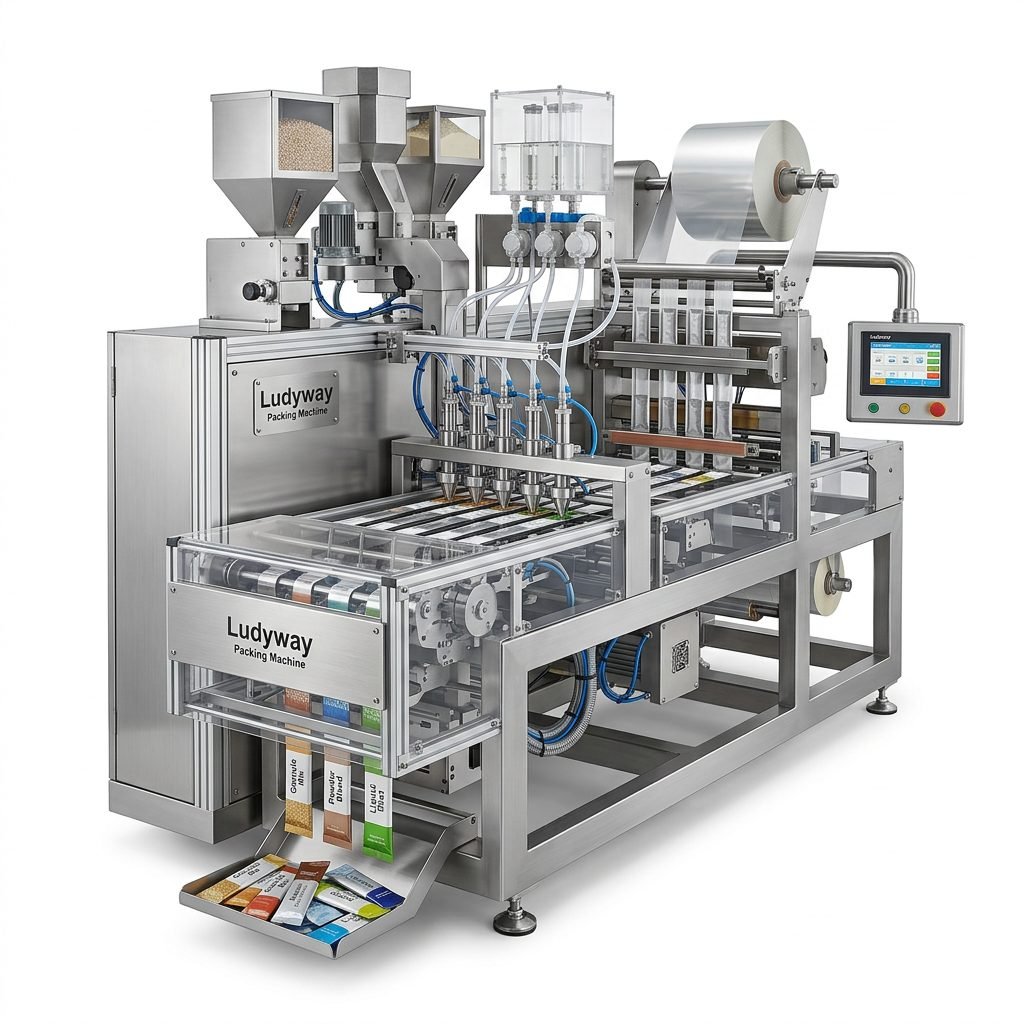
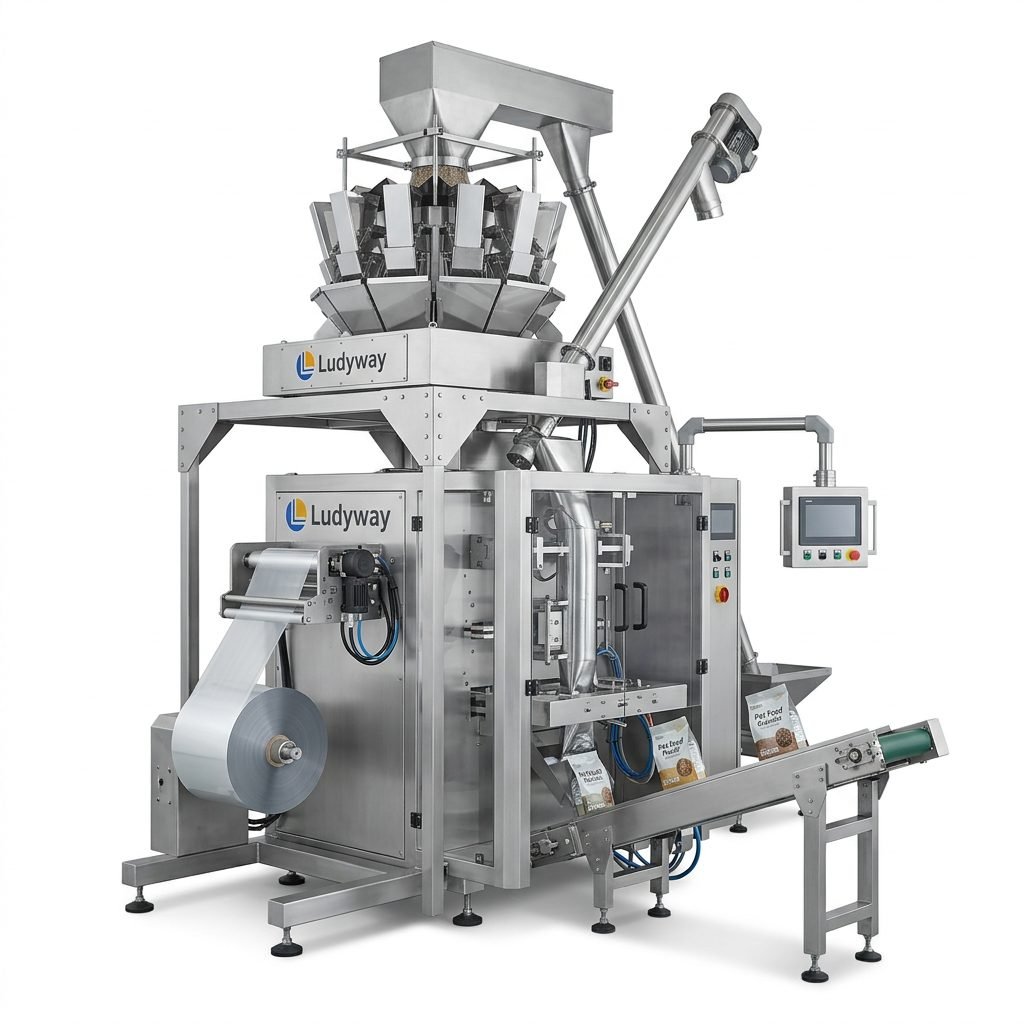
Investing in an aseptic packaging machine is a critical decision for manufacturers in the food, pharmaceutical, and health industries. The right equipment can significantly improve production efficiency, extend product shelf life, and ensure regulatory compliance. However, with so many configurations, technologies, and suppliers available, the selection process can feel overwhelming. This comprehensive buyer’s guide walks you through the essential factors to evaluate before making your purchase.
Understanding Aseptic Packaging Technology
Aseptic packaging is a process where a sterile product is filled into a pre-sterilized container and sealed in a sterile environment. Unlike traditional hot-fill or retort methods, aseptic processing preserves product quality by minimizing heat exposure. This technology is widely used for liquid pharmaceuticals, dairy products, nutritional supplements, and sensitive food items that require extended shelf life without refrigeration.
Modern aseptic packaging lines integrate multiple functions — from sterilization and filling to sealing and coding — within a single automated system. According to industry data from PMMI’s business intelligence reports, the global demand for aseptic packaging equipment continues to grow, driven by rising consumer preferences for preservative-free and shelf-stable products.
Key Factors to Evaluate Before Buying
Selecting the right aseptic packaging machine requires a thorough assessment of your production requirements and operational goals. Below are the most critical factors to consider during the evaluation process.
Product Characteristics and Compatibility
Your product’s physical and chemical properties will largely determine the appropriate filling and sealing technology. Consider the following:
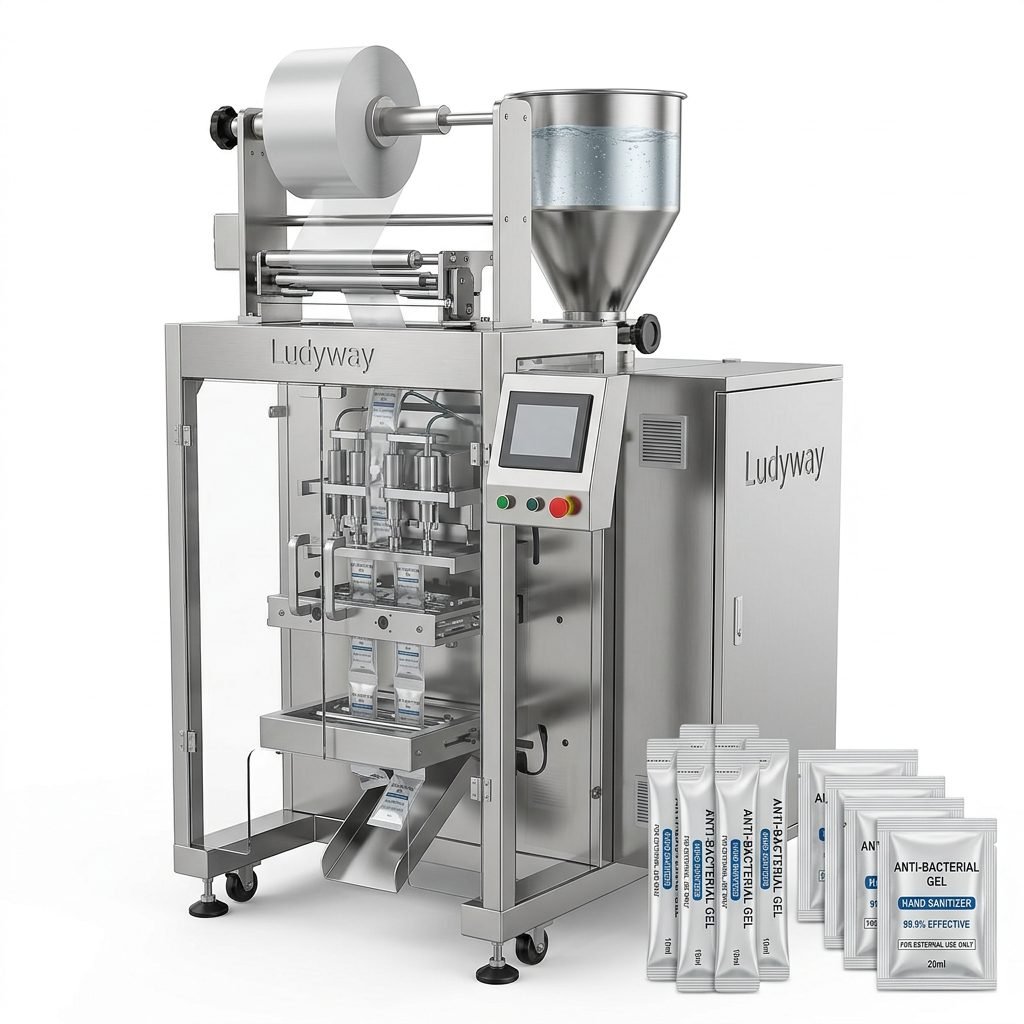
- Viscosity: Low-viscosity liquids like oral solutions require different dosing systems than high-viscosity products like gels or creams.
- Particle content: Products containing granules or suspensions need specialized filling nozzles to prevent clogging.
- Sensitivity: Heat-sensitive, oxygen-sensitive, or light-sensitive formulations demand specific barrier packaging materials and controlled environments.
- pH level and chemical reactivity: Acidic or alkaline products may require stainless steel or specialized material contact parts.
Production Speed and Capacity Requirements
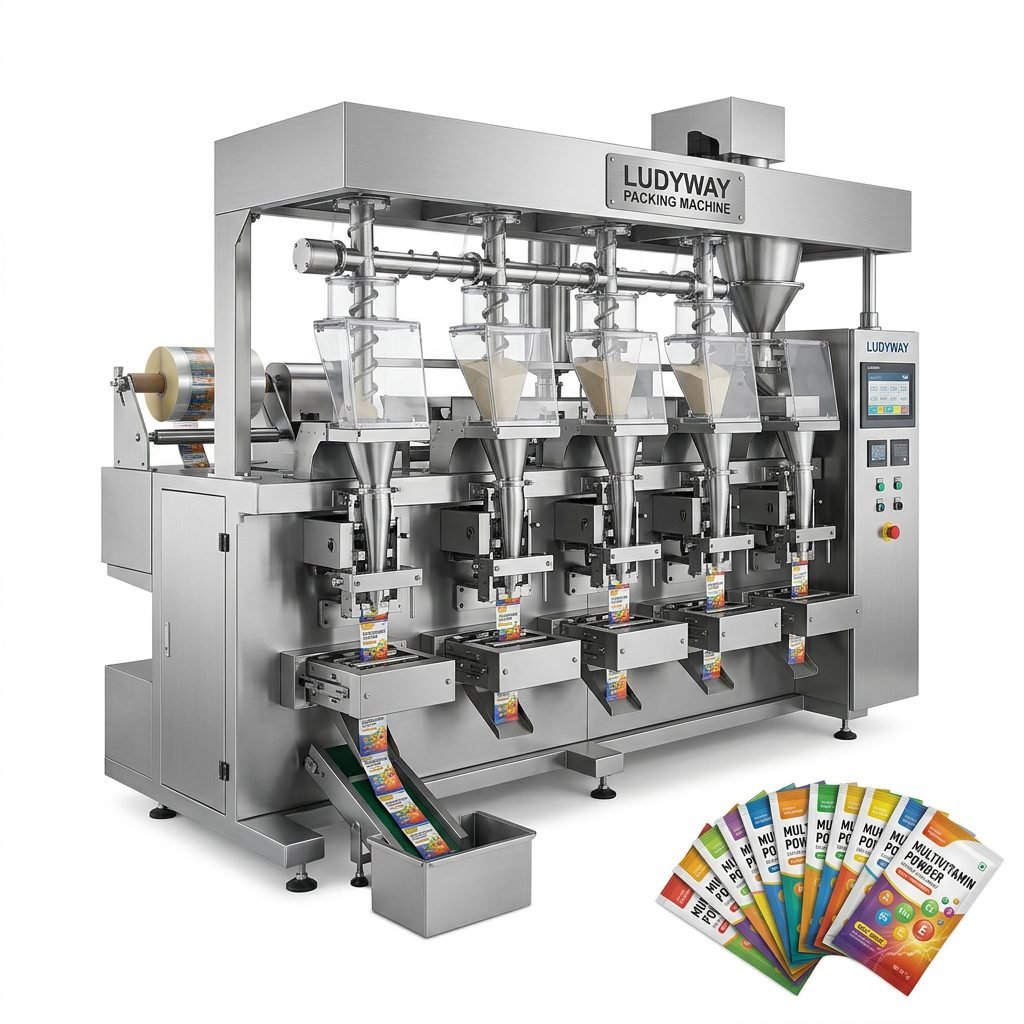
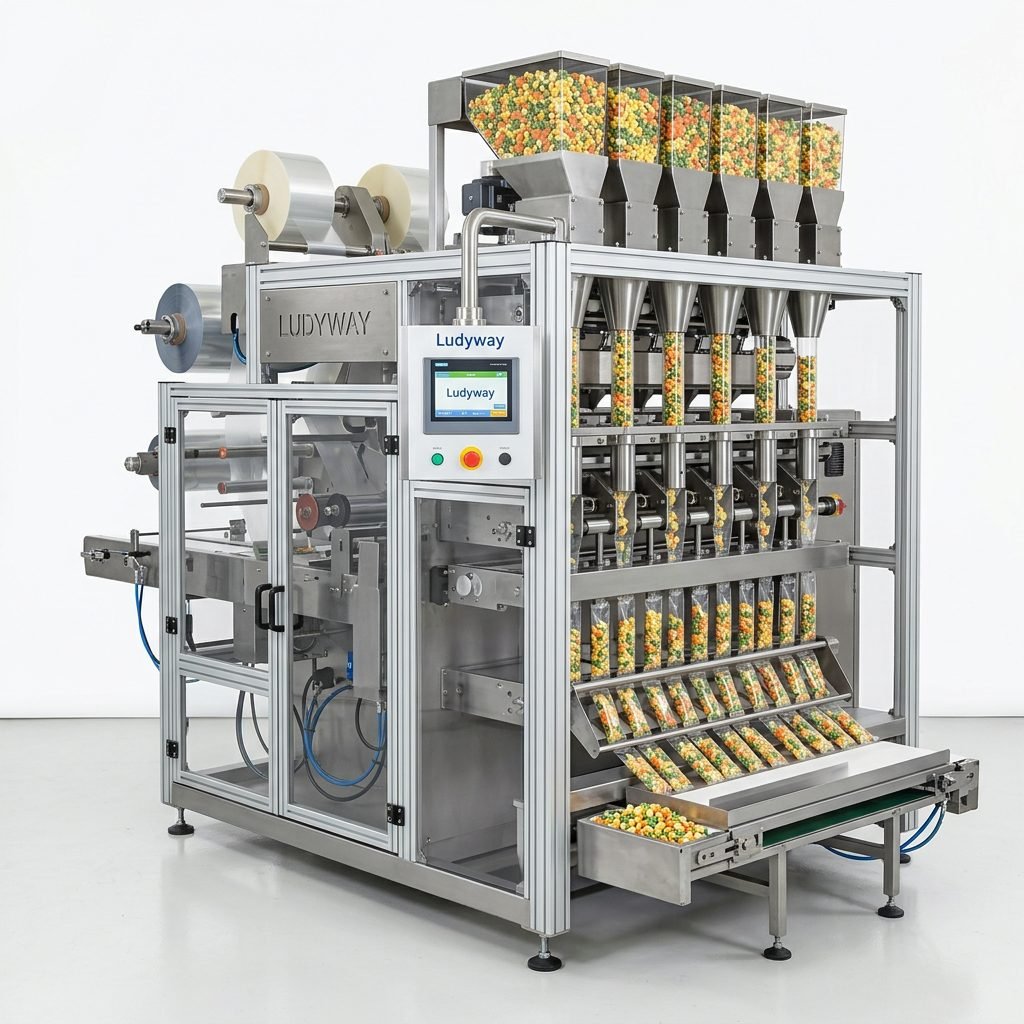
Matching machine speed to your current and future production demands is essential. A machine that operates too slowly creates bottlenecks, while an oversized machine leads to unnecessary capital expenditure. Factor in peak season demands, planned growth, and multi-shift operations when specifying throughput requirements. Multi-lane aseptic systems can dramatically increase output by running several filling lanes simultaneously, making them ideal for high-volume manufacturers.
Packaging Format and Bag Styles
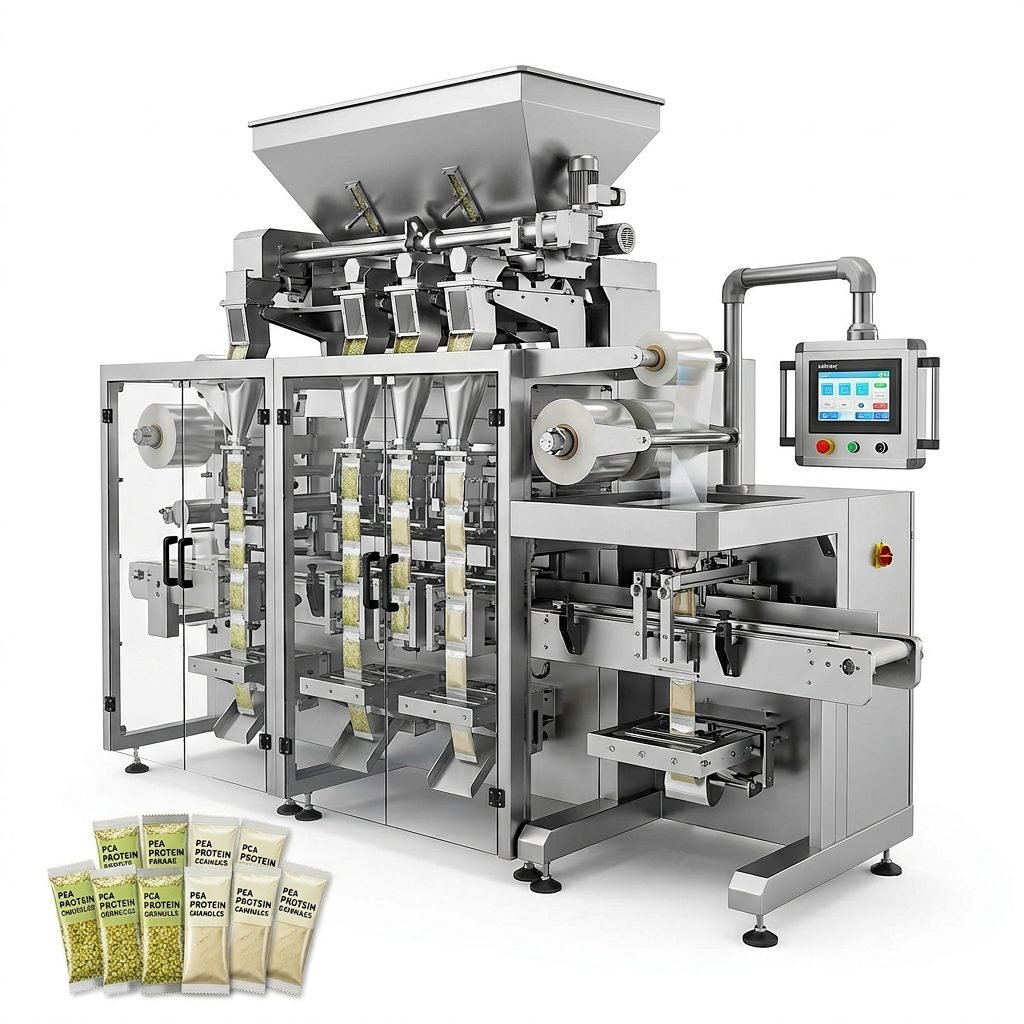
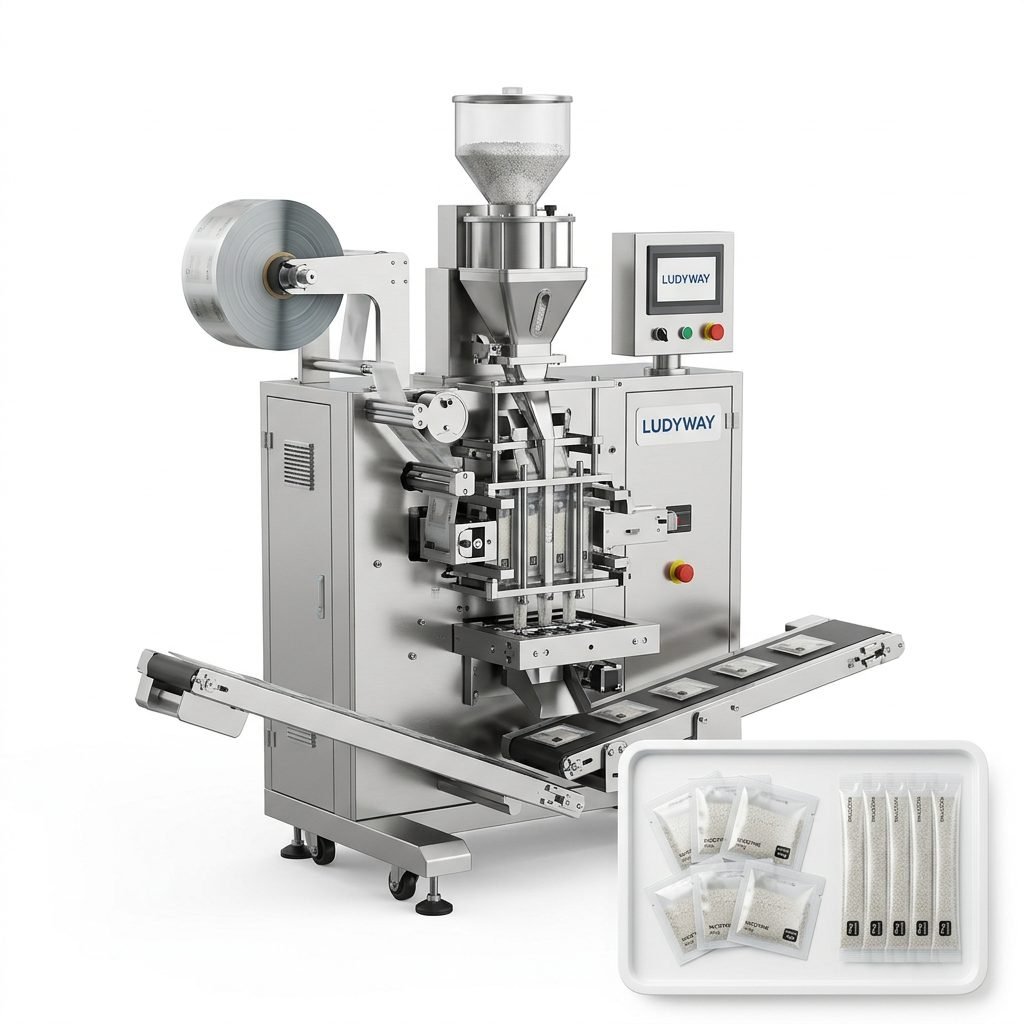
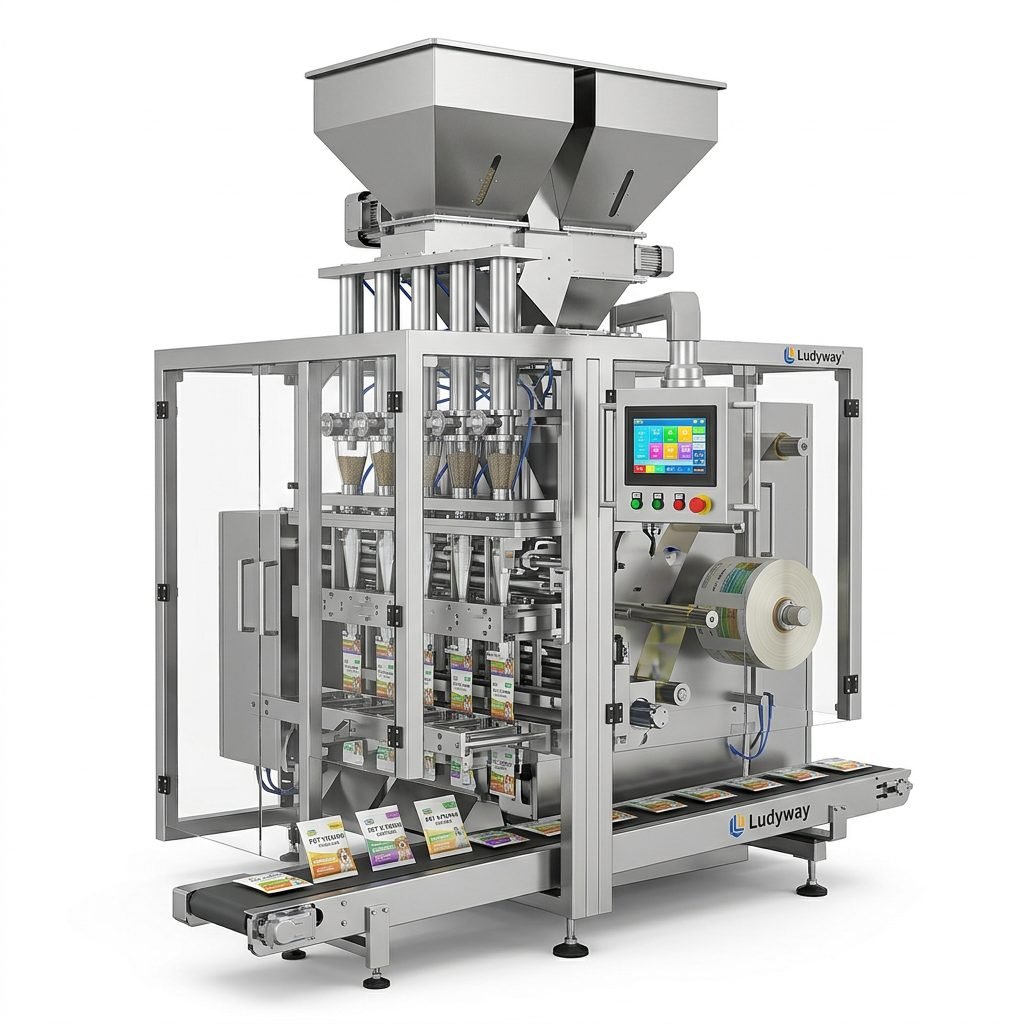
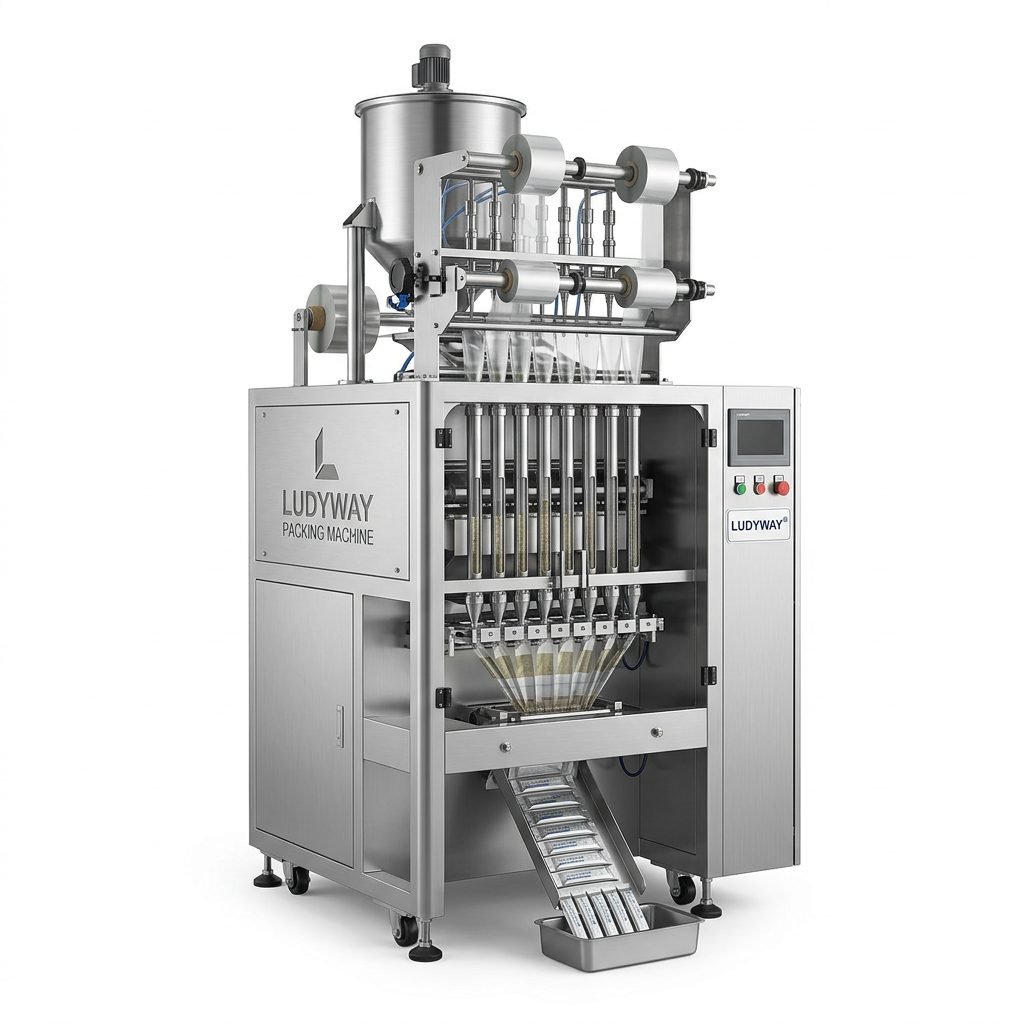
Aseptic packaging machines can produce various formats including stick packs, sachets, pouches, and bottles. Your choice should align with market preferences, distribution channels, and product positioning. Stick packs and sachets are popular for single-dose pharmaceutical and nutraceutical products, while larger pouches suit food and beverage applications. Ensure the machine can accommodate the packaging materials and barrier films required for your product’s shelf-life targets, referencing guidelines from the FDA’s food packaging regulations.
Comparing Aseptic Packaging Machine Types
Different machine configurations suit different production environments. The table below summarizes the key characteristics of common aseptic packaging systems.
| Machine Type | Best For | Typical Speed Range | Key Advantage |
|---|---|---|---|
| Single-Lane Aseptic Filler | Small to medium batches, R&D | 30–80 packs/min | Lower investment, easier changeover |
| Multi-Lane Stick Pack Machine | High-volume pharma, nutraceuticals | 200–600+ packs/min | High throughput per footprint |
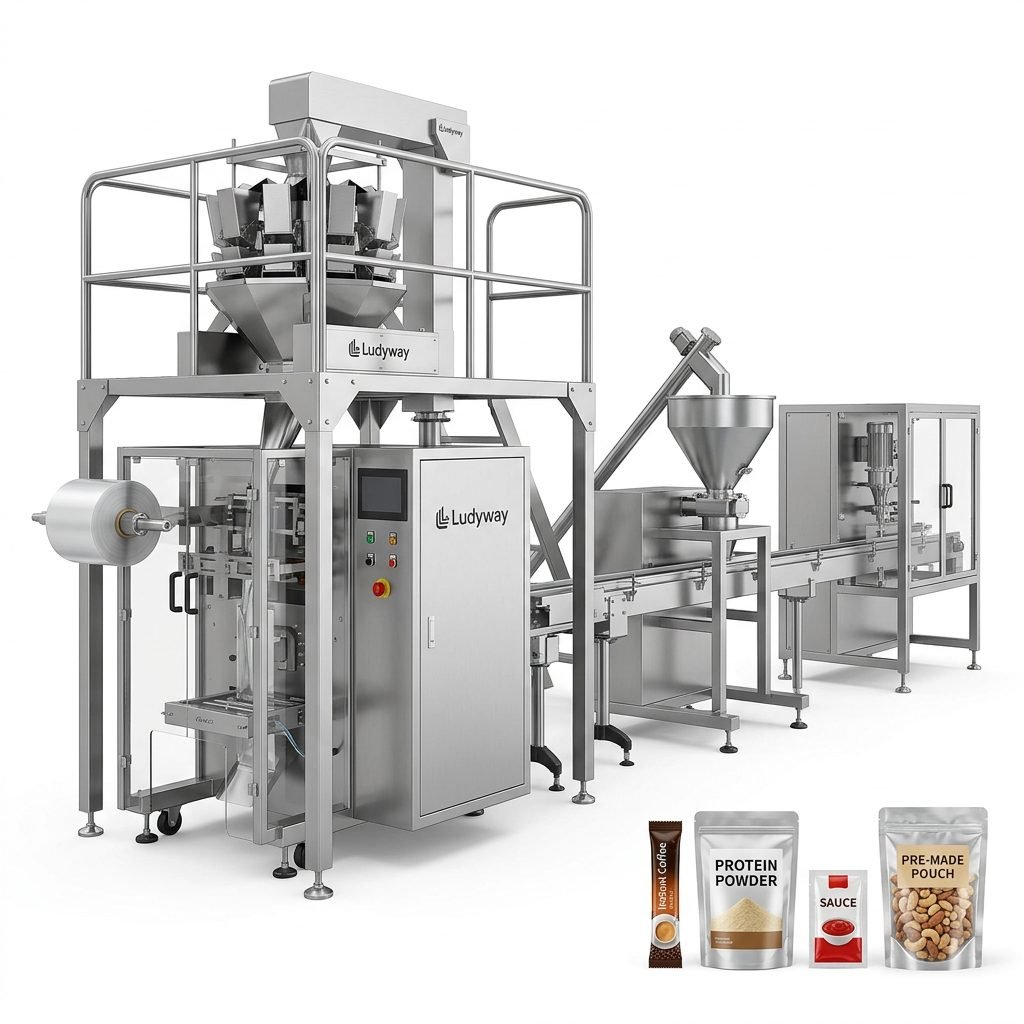
| Aseptic Pouch Filling Line | Food, beverages, bulk liquids | 40–150 packs/min | Versatile format, larger volumes |
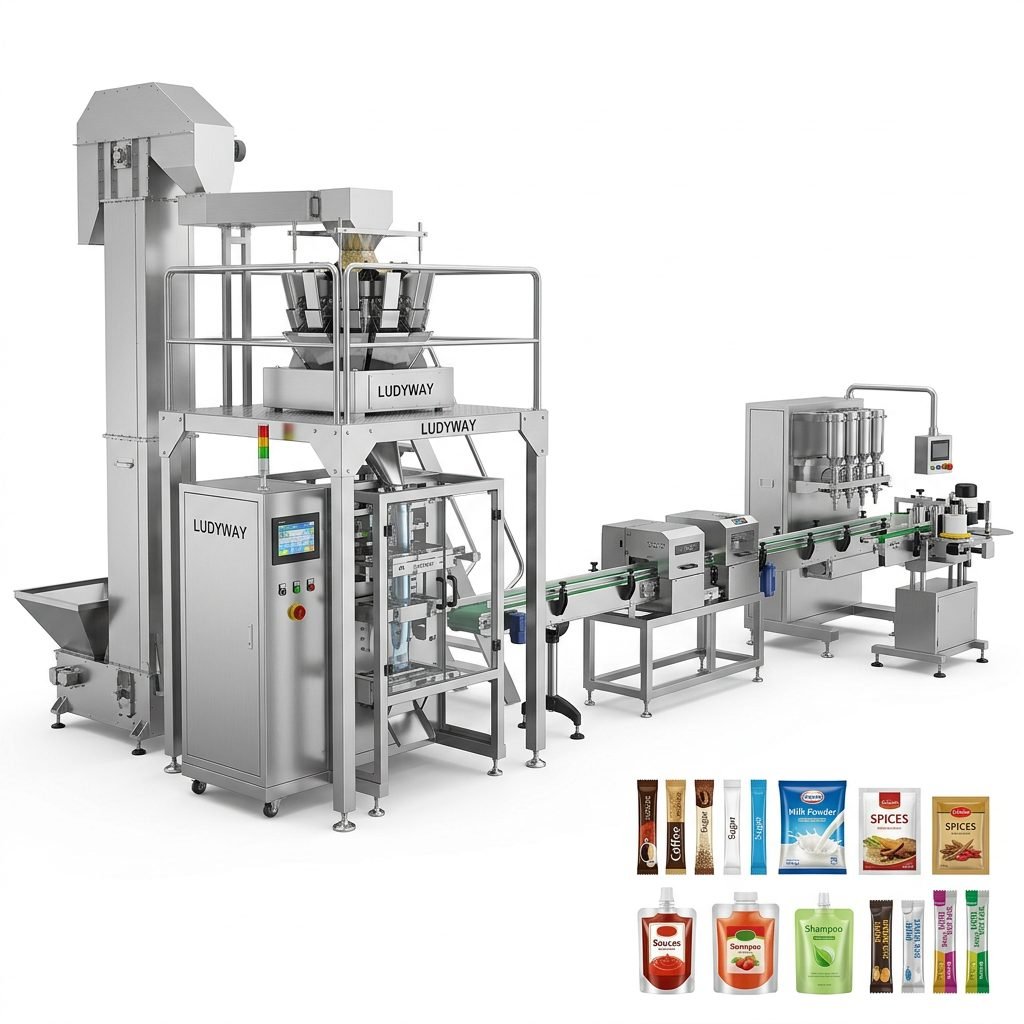
| Integrated Turnkey Aseptic Line | Full-scale production facilities | Custom configured | Complete solution from one partner |
Sterilization Technology and Cleanroom Integration
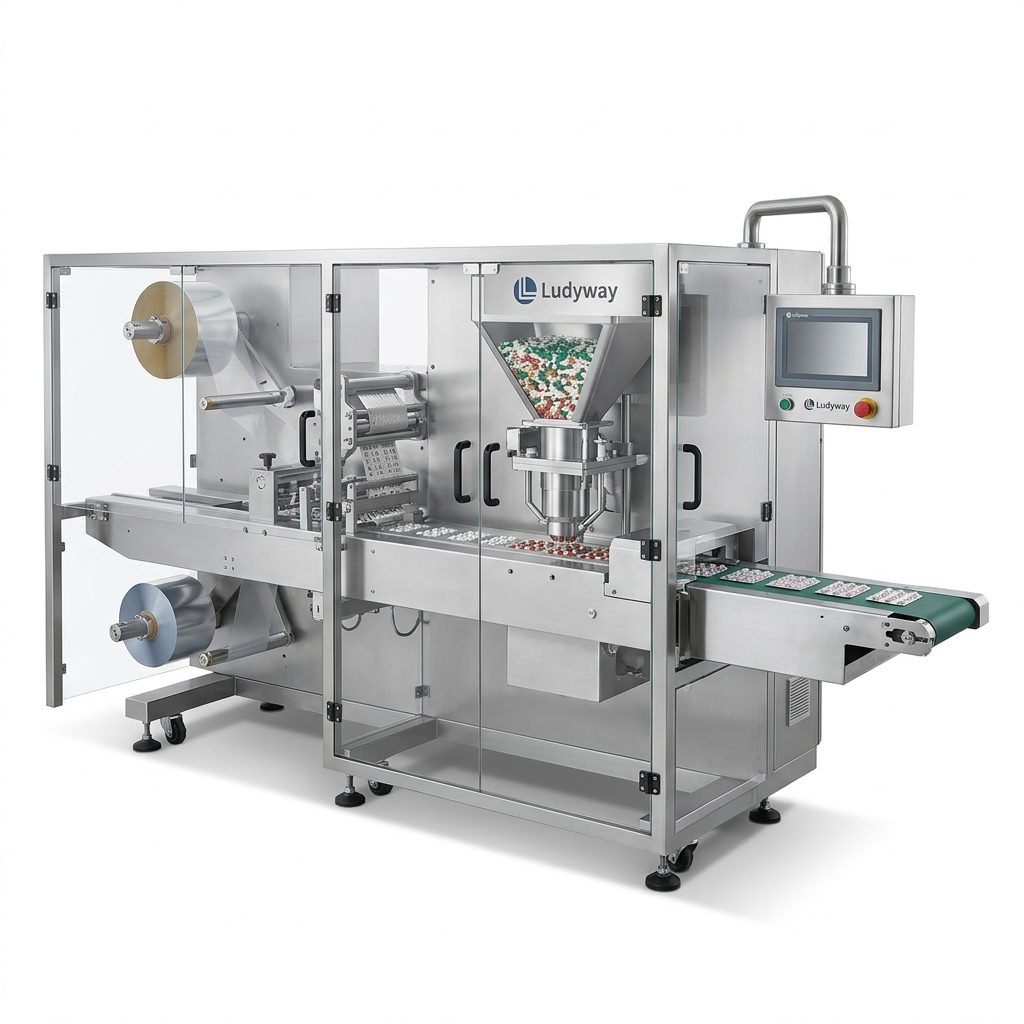
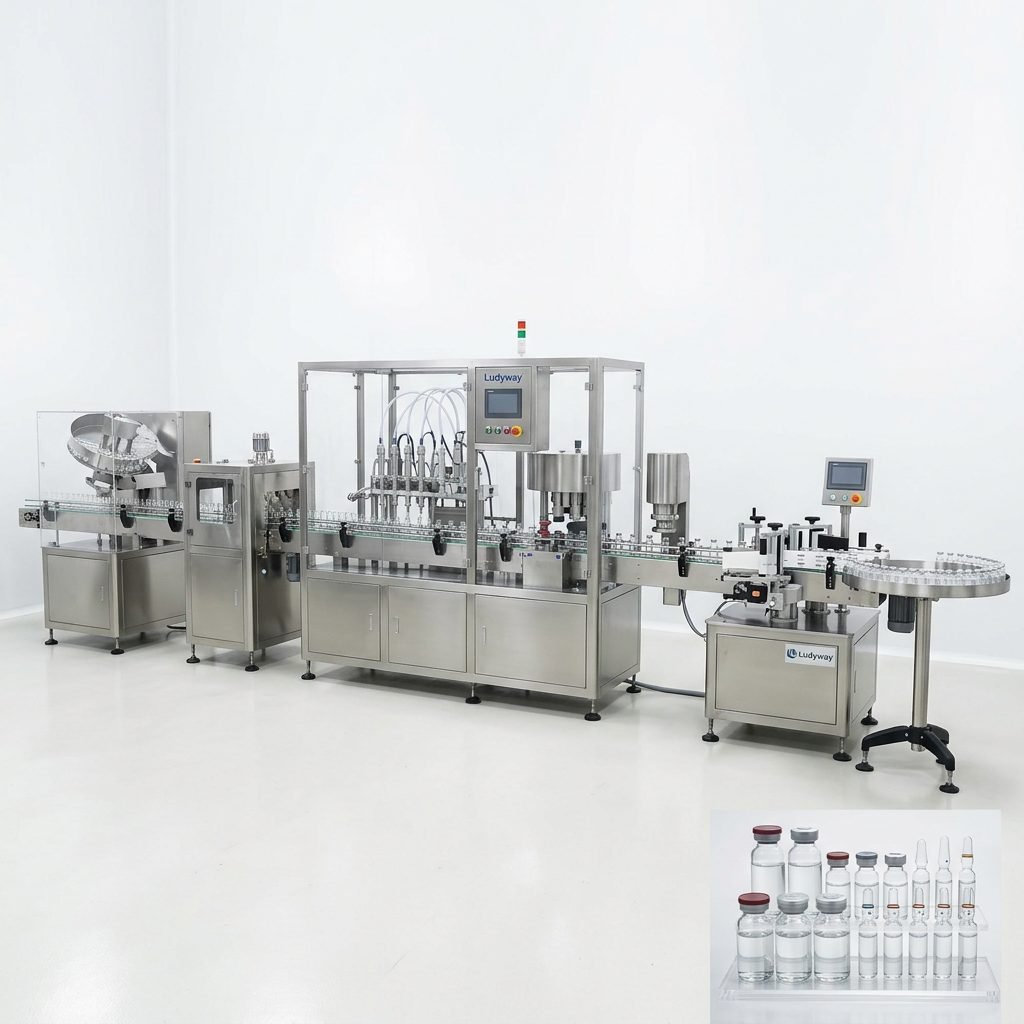
The sterilization method is the heart of any aseptic packaging system. Common technologies include hydrogen peroxide vapor, steam sterilization, UV irradiation, and electron beam treatment. The choice depends on your packaging material, product sensitivity, and regulatory requirements. For pharmaceutical applications, compliance with ISO 11607 standards for terminally sterilized medical devices is often mandatory. Additionally, consider how the machine integrates with your cleanroom environment — including ISO class ratings, laminar flow requirements, and operator safety protocols.
Automation, Control Systems, and Industry 4.0 Readiness
Modern aseptic packaging machines feature advanced automation capabilities that reduce human intervention and minimize contamination risk. Look for:
- PLC-controlled systems with recipe management for quick product changeovers
- Real-time monitoring of critical process parameters including temperature, pressure, and sterilization levels
- Data logging and traceability features to support regulatory compliance and batch documentation
- Remote diagnostics capabilities that enable suppliers to troubleshoot issues without on-site visits
- Integration readiness with existing MES and ERP systems for seamless production management
The trend toward smart packaging lines is accelerating, with many manufacturers seeking equipment that supports predictive maintenance and operational analytics. Resources from the Flexible Packaging Association’s knowledge hub provide additional insights into emerging packaging automation trends.
Evaluating Suppliers and After-Sales Support
A packaging machine is a long-term investment, and the quality of supplier support directly impacts your total cost of ownership. When evaluating potential partners, assess the following:
- Industry experience: How many installations has the supplier completed in your specific sector?
- Engineering capabilities: Can the supplier customize equipment to your unique product and facility requirements?
- Validation support: Does the supplier provide installation qualification (IQ), operational qualification (OQ), and performance qualification (PQ) documentation?
- Spare parts availability: Are critical components readily available, and what is the typical lead time?
- Training programs: Comprehensive operator and maintenance training reduces downtime and extends machine life.
- Global service coverage: For multinational manufacturers, local technical support in multiple regions is essential.
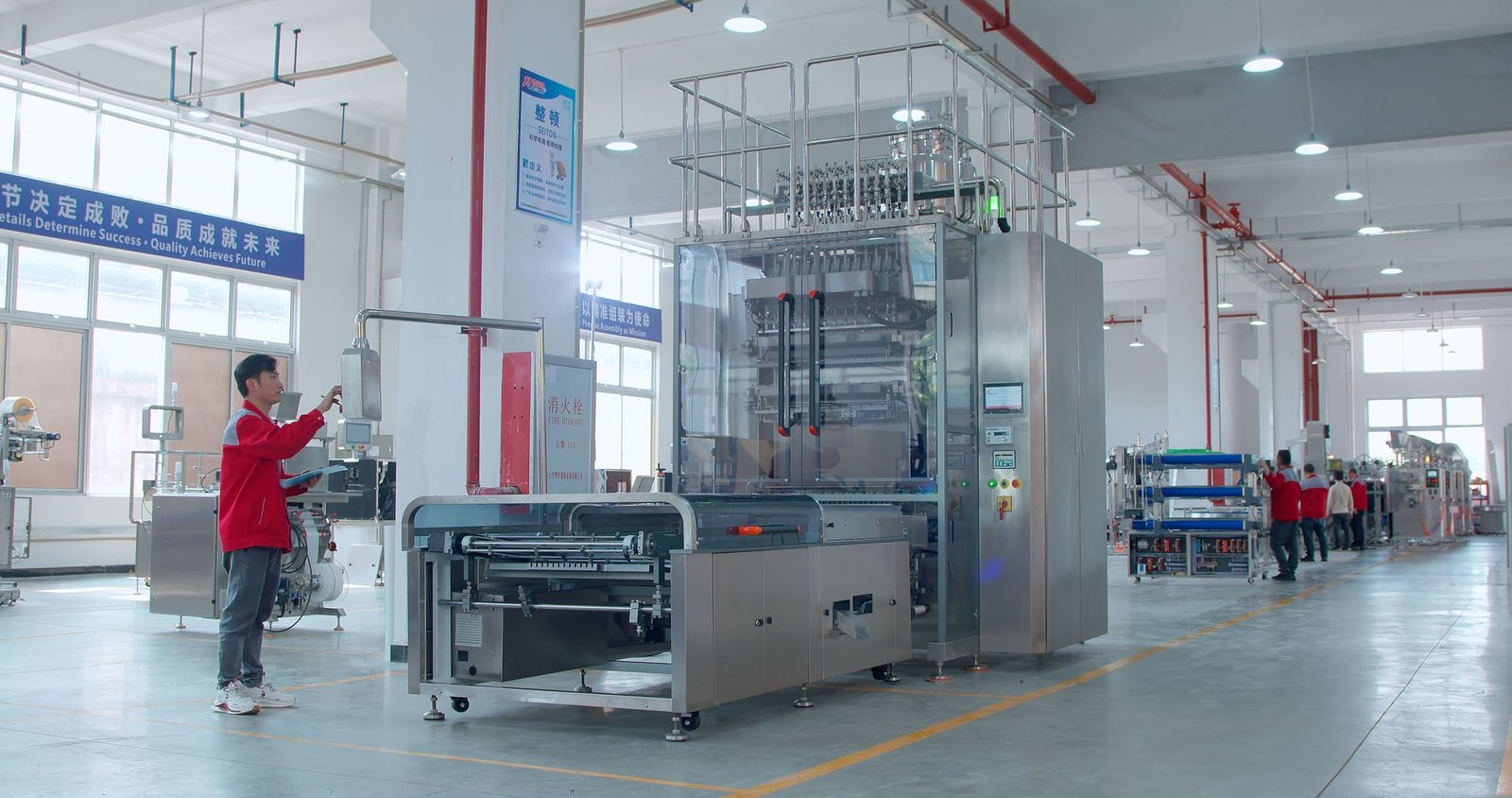
For example, Ludyway Machinery, a China-based packaging machinery manufacturer with over 30 years of experience and a 20,000-square-meter manufacturing facility, provides integrated aseptic packaging solutions with global technical support covering more than 100 countries — demonstrating the kind of comprehensive partnership model buyers should look for when making a significant equipment investment.
Total Cost of Ownership: Beyond the Purchase Price
The initial machine price is only one part of the financial equation. A comprehensive cost analysis should include:
- Installation and commissioning: Site preparation, utilities, and integration with existing lines
- Consumables: Sterilization agents, packaging film, and wear parts
- Energy consumption: Electrical, compressed air, and water usage over the machine’s life
- Maintenance: Planned preventive maintenance costs and expected component replacement cycles
- Downtime risk: Lost production value during unscheduled stoppages
- Training: Initial and ongoing operator training investments
A machine with a higher upfront cost but lower operating expenses often delivers superior long-term value compared to a cheaper alternative with frequent downtime and expensive consumables.
Regulatory Compliance and Certification
Depending on your market, aseptic packaging equipment may need to comply with various international standards. Key regulatory frameworks include FDA 21 CFR Part 11 for electronic records, EU GMP Annex 1 for sterile manufacturing, and applicable ISO cleanroom standards. Request documentation that demonstrates the machine’s compliance track record, and verify that the supplier has experience navigating regulatory inspections in your target markets. The European Commission’s packaging regulations also increasingly influence equipment design choices, particularly regarding sustainable packaging materials and waste reduction.
Making the Final Decision: A Practical Checklist
Before finalizing your aseptic packaging machine purchase, use this checklist to ensure you have addressed all critical considerations:
- Product formulation fully characterized (viscosity, sensitivity, particle content)
- Target production speed defined with buffer for growth
- Packaging format and material compatibility verified
- Sterilization method validated for your specific application
- Cleanroom integration requirements documented
- Supplier engineering and customization capabilities assessed
- Total cost of ownership calculated over expected machine life
- Regulatory compliance documentation reviewed
- After-sales support and spare parts availability confirmed
- Installation, training, and validation support included in the proposal
Selecting the right aseptic packaging machine is a strategic decision that impacts product quality, operational efficiency, and market competitiveness. By systematically evaluating the factors outlined in this guide — from product compatibility and sterilization technology to supplier capabilities and total cost of ownership — you can make an informed choice that supports your long-term manufacturing goals. For further industry data and market analysis, consult the PMMI 2026 State of the Industry report and the Flexible Packaging Association’s official resources.